
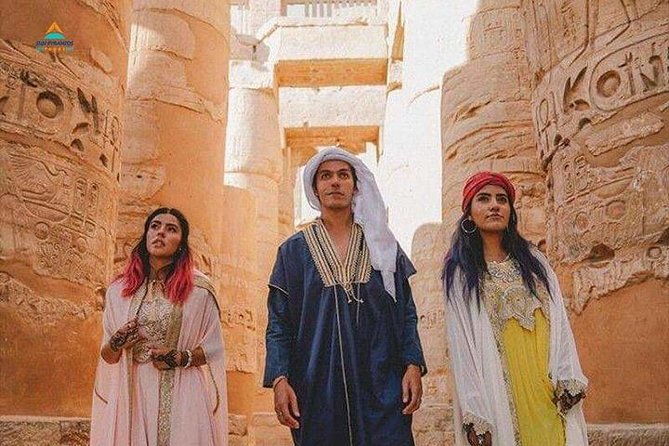
REVIEW · LUXOR WEST BANK TEMPLES & TOMBS
Tour to The East &West Bank of the Nile Visiting Luxor-Karnak-Hatshepsut Temples
Two sides of Luxor, one packed day. This East & West bank tour links the big-hitters on both riversides, with Karnak and Luxor Temple on the East bank, then the Valley of the Kings and Hatshepsut at Deir el-Bahari on the West.
I really like two things about this setup. First, you get a private tour guide who can turn names and dates into something you can actually picture. Second, lunch is included, and you’re not stuck hunting for food halfway through the day.
The main thing to plan for is walking and stairs, especially at Hatshepsut, plus the heat. And if you want to go inside the Tutankhamen tomb specifically, that entry ticket is not included.
In This Review
- Key things to know before you go
- Price and what you really get for $174
- Getting around Luxor: pickup, vehicle, and time pressure
- Stop 1, Valley of the Kings: royal tombs without the maze
- Stop 2, Hatshepsut at Deir el-Bahari: the power of scale
- Stop 3, Colossi of Memnon: a quick stop with real atmosphere
- East bank lunch: refuel before Karnak
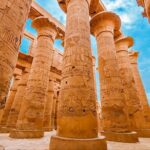
- Stop 4, Karnak Temple: Amon, Mut, Khonsu, and the temple city feel
- Stop 5, Luxor Temple: New Kingdom roots, Ramesses II finish
- The guide factor: why private time changes the day
- Who this Luxor East and West bank day is best for
- Should you book this East and West bank Luxor tour?
- FAQ
- How long is the East and West Bank of the Nile tour in Luxor?
- Do I get hotel pickup and transportation back?
- Is lunch included?
- Are admission tickets included?
- Do I need to pay extra for the Tutankhamen tomb?
- Is this tour private?
- What is the cancellation policy?
Key things to know before you go
- East and West banks in a single day, so you cover more than most half-day plans
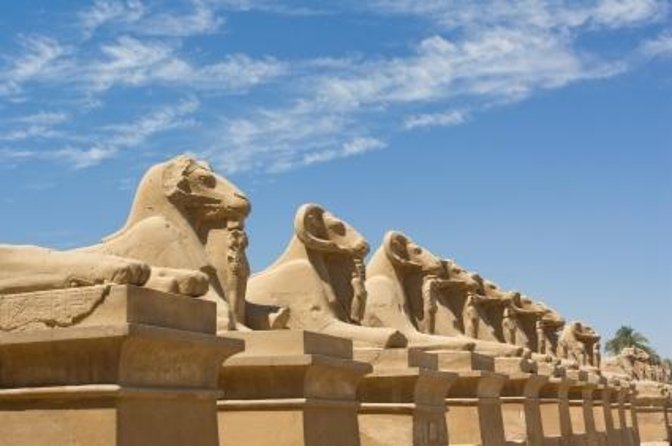
- Guided time at major temples, including Karnak’s Amon complex and Luxor Temple’s key New Kingdom to Ramesses II links
- Valley of the Kings tomb time, with many famous royal names tied to what you’ll see
- Hatshepsut at Deir el-Bahari, built for Egypt’s only pharaonic woman, with the right scale to feel the ambition
- Colossi of Memnon as a quick anchor stop, when you pass by the remains of Amenhotep III’s mortuary temple
- Lunch plus bottled water included, so your day runs on schedule instead of drifting
West bank tombs, one by one
- Luxor Day Tour: Valley of Kings & Queens & Hatchepsut Temples★ 5.0 · 1,496 reviews
- Full Day Tour to East and West Banks of Luxor★ 5.0 · 1,449 reviews
- Luxor: Valley of the Kings and Hatshepsut Temple Day Tour★ 4.4 · 1,404 reviews
- Luxor: Valley of Kings, Hatchepsut Temple ,Karnak & Luxor-DayTour★ 5.0 · 735 reviews
Price and what you really get for $174
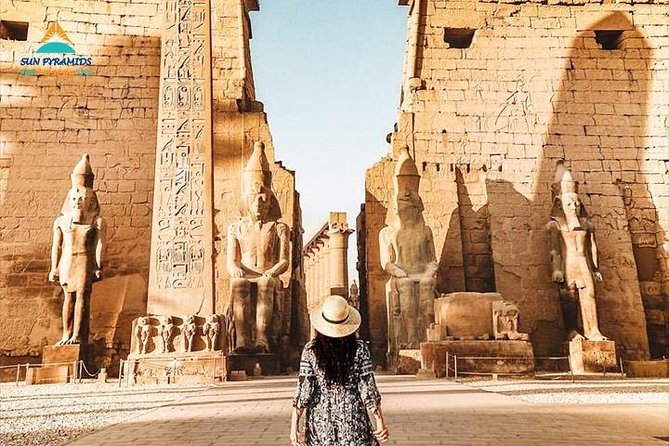
At $174 per person for about 8 hours, this tour is priced like a “do it right” day, not a bare-bones ticket. You’re paying for the practical stuff that matters in Luxor, especially hotel pickup, an air-conditioned vehicle, and a guide to keep the time efficient.
You also get admission tickets included at the main stops listed, plus lunch at a good quality local restaurant. That combination helps the day feel whole, because you are not constantly stopping to sort out separate entry lines and payments.
The one clear extra cost to watch for is the entry ticket to the Tutankhamen tomb. If that’s a priority for you, budget that ahead so you do not end up deciding on the day.
Getting around Luxor: pickup, vehicle, and time pressure
This is built as a full-day route with pickup from your hotel in Luxor and return at the end. The transfers are done in a private air-conditioned vehicle, which is a big deal when you have ancient sites plus travel between river banks.
The most important practical tip is pacing. The stops have set time blocks (for example, the Valley of the Kings and Hatshepsut are each listed as about 1 hour), so you’ll want your guide’s advice on where to focus if you have tomb must-sees.
One more helpful point: you receive a mobile ticket, which reduces paper clutter. When you’re moving between multiple sites in one day, that small convenience helps.
Stop 1, Valley of the Kings: royal tombs without the maze
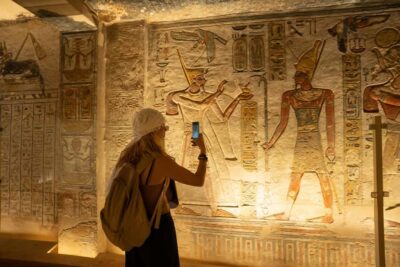
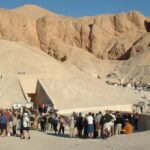
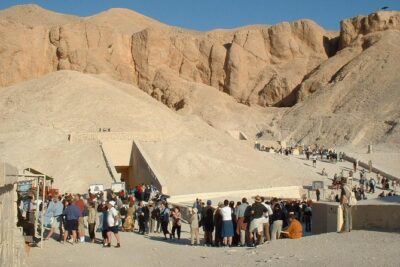
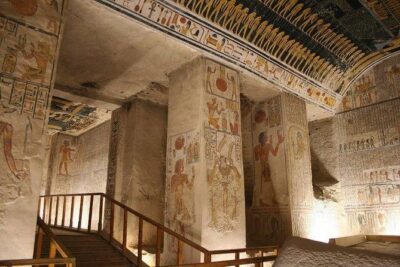
Your day starts on the West bank with a transfer to the Valley of the Kings. This is where you go when you want to understand how seriously ancient Egypt planned for the afterlife, with burial spaces for many royal figures.
You’ll spend about an hour here, and it’s enough to get the feel of the place even if you do not try to see every single tomb opening. The tour highlights major names tied to the valley, including King Tutmosis I, Tutmosis III, Tut-Ankh-Amon, Ramsess VI, Mrenptah, and Amonhotep II.
Here’s how to get more out of your hour: ask your guide to point out what these tombs represent beyond the celebrity names. It helps you connect architecture and burial purpose to the larger logic of the ancient Egyptian worldview.
Important note: the entry ticket for the Tutankhamen tomb is not included. If you want the inside visit for that specific tomb, plan on an extra ticket so your time stays smooth.
Stop 2, Hatshepsut at Deir el-Bahari: the power of scale
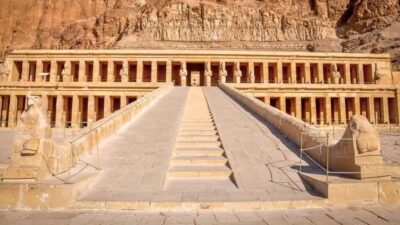
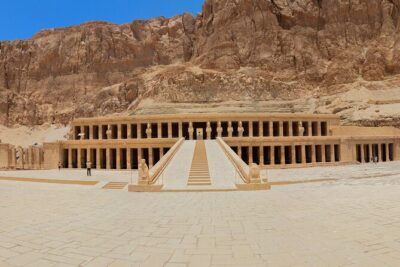
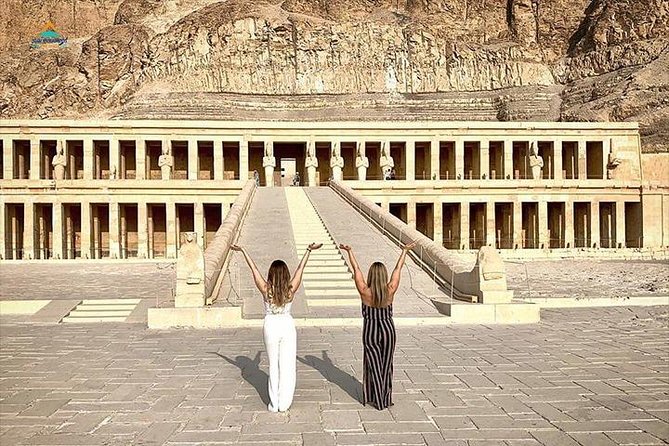
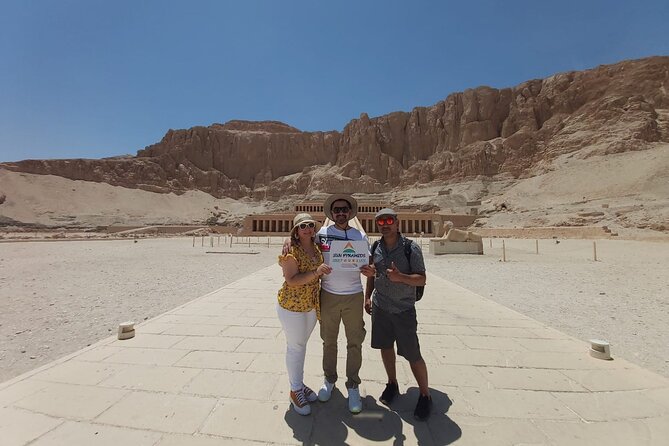
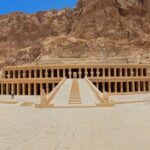
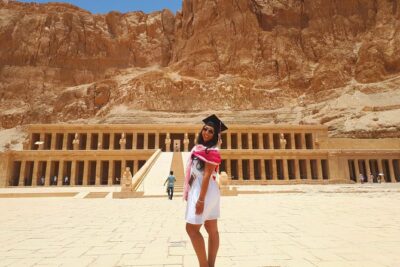
Next you head to the Temple of Queen Hatshepsut at Deir el-Bahari. This temple was built by Hatshepsut, daughter of Thutmosis I, and she ruled for about 20 years during the 18th Dynasty, roughly 1490 to 1469 B.C.
This stop works because the setting helps you understand ambition. The architecture is designed to feel like a statement, and the route through the temple area rewards your attention even when you only have about an hour.
The tour time is about 1 hour with admission included. You’ll also want to take seriously the physical side of this visit. One of the best practical bits from past experiences is that there are lots of steps, so wear footwear you trust and pace yourself when you’re climbing.
If you want a simple strategy, here it is: start slow, look for the temple’s main levels from good vantage points, and let your guide connect the temple to Hatshepsut’s role as a pharaonic woman. That story is what makes the stones feel personal rather than just impressive.
More columns on the east bank
Stop 3, Colossi of Memnon: a quick stop with real atmosphere
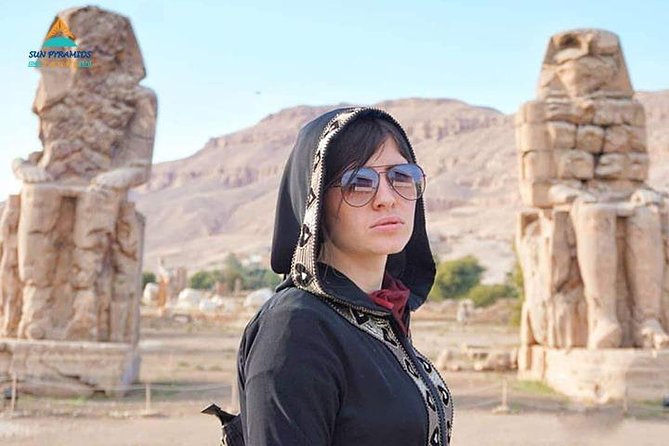
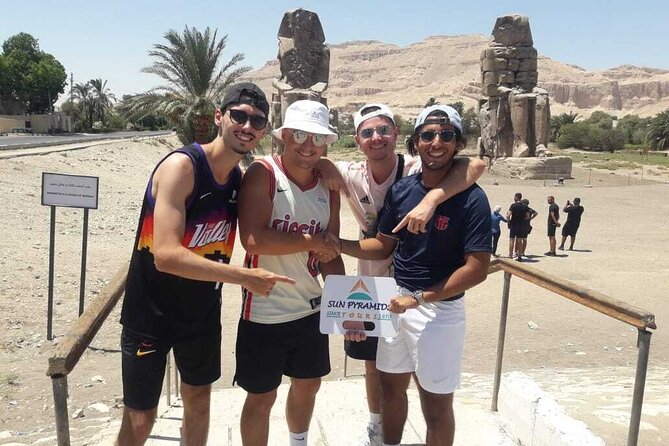
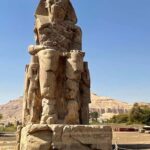
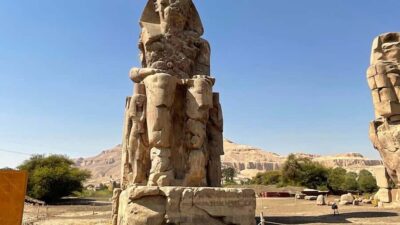
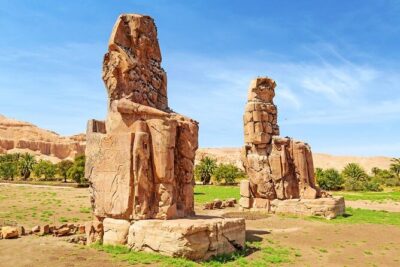
Then you’ll pass by the Colossi of Memnon, which are the remains of the mortuary temple of Amenhotep III. Even though this is not described as a deep-dive stop, it matters because it acts like a time marker in Luxor’s long timeline.
Spending about an hour here in the day plan gives you room to take photos, but also to appreciate what you are really looking at. These are not small ruins. They are giant remnants that still carry a strong sense of scale.
If you’re tempted to rush, don’t. This is a place where your eyes can quickly grasp that royal building projects were meant to overwhelm you on purpose. It’s one of those stops that works best when you pause and let size sink in.
East bank lunch: refuel before Karnak
After the West bank sites, you drive to the East bank for lunch at a local restaurant. Lunch is included, and bottled water is provided on board during the tour, which helps you keep a steady rhythm.
This is also where the day’s pacing becomes real. You’ve already done walking and heat on the West bank, so your best move is simple: eat, hydrate, and give your legs a small break before Karnak.
A practical tip: keep your lunch time efficient. You’ll want to be ready for your Karnak visit without feeling rushed or heavy.
Stop 4, Karnak Temple: Amon, Mut, Khonsu, and the temple city feel
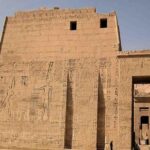
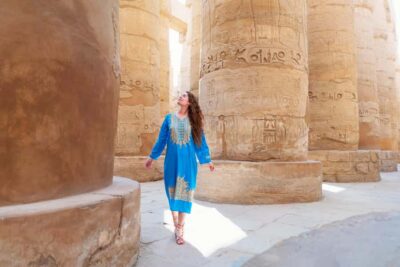
Karnak Temple is one of those places where you can’t just read it, you have to experience it. You’ll spend about 2 hours here with admission included, and it’s dedicated to Amon, his wife Mut, and their son Khonsu.
Why this stop is so valuable is that Karnak is not one building. It’s a temple complex that works like a living record of Egyptian worship. A good guide helps you see the logic of the space, not just memorize facts.
In practical terms, Karnak can feel overwhelming if you wander without direction. Your best friend here is your guide’s storytelling, because it gives your eyes a route. Pay attention to how the tour connects the gods to what you see in stone and layout, since that’s what turns the size into meaning.
If you’re someone who likes detail, Karnak is where you’ll notice patterns and repetition. If you’re someone who wants the big picture, Karnak is still rewarding because the scale alone shows why this was a major religious center.
Stop 5, Luxor Temple: New Kingdom roots, Ramesses II finish
Your final temple stop is Luxor Temple, with about 1 hour on the clock and admission included. The tour explains it was built by Amunhotep III in the 18th Dynasty during the New Kingdom, then completed by Ramesses II in the 19th Dynasty.
This is a nice ending because it brings your day full circle. After the West bank focus on tomb life and Hatshepsut’s temple statement, Luxor Temple feels more like daily ceremonial space tied to kingship and the living religious order.
You’ll drive back to your hotel after this stop, wrapping the route neatly so you’re not stuck trying to figure out transport when you’re tired.
If you want to leave with one takeaway, think about how the East bank and West bank contrast. One side leans toward preparation for eternity, the other toward the visible performance of power and devotion.
The guide factor: why private time changes the day
This is a private tour, meaning it’s only your group. That matters in Luxor because a one-day East and West bank plan is packed by nature. When the tour is private, your guide can adjust pacing, clarify what you’re seeing, and help you focus on what you care about.
Also, the operator behind these tours has a strong reputation for guides who bring stories to life. Names that have come up in past experiences include Ghada, Islam, Samah Ahmed, Eslam, Zakarya, and King Ahmed, each noted for keeping the experience engaging and well organized.
You don’t need a background in Egyptology to enjoy this. The key is that the guide helps you connect the names, like Hatshepsut and Amon, to the physical experience of temple space and tomb architecture.
Who this Luxor East and West bank day is best for
This tour fits you best if you want a high-impact day that covers the essential Luxor highlights without feeling like you’re rushing alone. It’s also ideal if you have limited time and you want both sides of the Nile handled in one plan.
It’s especially good for people who appreciate structured time. Each stop has a defined duration, and you’re not left guessing how long to spend in each location.
If you struggle with lots of steps or long walks, you can still consider it, just plan carefully for footwear and pace. The Hatshepsut site in particular is where you will notice the vertical side of the visit.
Should you book this East and West bank Luxor tour?
If your goal is one full day that hits Valley of the Kings, Hatshepsut at Deir el-Bahari, Karnak, and Luxor Temple, this is a strong choice. The value is in what’s included: pickup and return, private air-conditioned transfers, a private guide, lunch, bottled water, and admission tickets for the listed stops.
Book it if you want convenience plus context, and you like having a plan that actually connects the dots between the East and West bank worlds. Just do two things before you go: confirm whether you care about paying extra for the Tutankhamen tomb, and plan for stairs at Hatshepsut.
FAQ
How long is the East and West Bank of the Nile tour in Luxor?
The tour lasts about 8 hours.
Do I get hotel pickup and transportation back?
Yes, you’ll be picked up from your hotel in Luxor and returned after the tour. Transfers are done by a private air-conditioned vehicle.
Is lunch included?
Yes. Lunch at a good quality restaurant is included.
Are admission tickets included?
Admission tickets are included for the stops listed, including the Valley of the Kings, Hatshepsut Temple at Deir el-Bahari, Colossi of Memnon, Karnak Temple, and Luxor Temple. The entry ticket to the Tutankhamen tomb is not included.
Do I need to pay extra for the Tutankhamen tomb?
Yes. The entry ticket to Tutankhamen tomb is specifically listed as not included, so you should expect an extra cost if you want to visit it.
Is this tour private?
Yes, this is a private tour, and only your group will participate.
What is the cancellation policy?
You can cancel for free up to 24 hours in advance for a full refund. If you cancel less than 24 hours before the experience start time, the amount paid is not refunded.
Karnak and the East Bank
The West Bank, Tomb by Tomb
More of Luxor from our review pile
- Hot Air Balloon Ride and Tour to Valley of Kings Luxor- Special Offer
★ 5.0 · 15 reviews - 4-Hours tour West Luxor bank :Hatshepsut Temple & Valley of the King with Lunch
★ 5.0 · 15 reviews - Tour From Luxor to Aswan Edfu, Kom Ombo, Philae and High Dam
★ 5.0 · 15 reviews - Private Half-day Dendera Temple
★ 5.0 · 15 reviews - Luxor Airport Departure: Convenient Private Hotel Transfer
★ 5.0 · 15 reviews - Dahabiya Nile Cruise From Luxor To Aswan 4 Nights 5 Days
★ 4.5 · 15 reviews
Luxor West Bank Temples & Tombs, compared.
 ★ 5.0Luxor Day Tour: Valley of Kings & Queens & Hatchepsut TemplesFrom $891,496 reviews
 ★ 5.0Full Day Tour to East and West Banks of LuxorFrom $151,449 reviews
 ★ 4.4Valley of the Kings and Hatshepsut Temple Day TourFrom $501,404 reviews
 ★ 5.0Valley of Kings, Hatchepsut Temple ,Karnak & Luxor-DayTourFrom $95735 reviews
 ★ 5.0Full Day Tour of Luxor West Bank Temples and Tombs (Private)From $20722 reviews
 ★ 5.0Private Full-Day Luxor Highlights East and West BanksFrom $65663 reviews
 ★ 4.5Guided Tour to East or West Banks with LunchFrom $64604 reviews
 ★ 5.0Luxor Private Full-Day Tour: Discover the East and West Banks of the NileFrom $90545 reviews
The lists this one sits on