
REVIEW · LUXOR WEST BANK TEMPLES & TOMBS
Full Day Tour Valley of Kings, Hatshepsut, Karnak & Luxor Temples
You could spend weeks in Luxor. This day tour packs the biggest hits, from royal tombs to Karnak’s colossal halls, with an Egyptology guide keeping everything tied together. I especially like the way the tour balances awe with explanation, so those carved walls and symbols make more sense than they would on your own.
I also like the practical setup: air-conditioned private transportation plus bottled water. Entrance fees for the key sites are included, which means fewer surprises and less time wasted in lines.
One possible drawback is that it is a long, hot day in many seasons, and lunch is not included. Plan for sun, water, and a little pacing so you do not feel rushed at the tombs and temples.
In This Review
- Key highlights worth your attention
- A One-Day Hit of West and East Bank Luxor
- Price and value: what $125 includes (and why it matters)
- Valley of the Kings: tomb walls, hieroglyphs, and afterlife scenes
- Hatshepsut at Deir el-Bahari: terraces, ramps, and the story of a female pharaoh
- Karnak Temple: Amun’s world, 134 columns, and 2,000 years of building
- Luxor Temple and the Opet Festival: kingship, sphinx avenue, and Ramses II
- Heat, timing, and how to survive a 6 to 8 hour Luxor day
- Guides and drivers: why the right English makes a difference
- Who should book this Luxor full day tour
- The final decision: should you book it?
- FAQ
- How long is the Luxor full day tour?
- What does the tour cost per person?
- Is pickup included?
- Is this tour private?
- Are entrance fees included?
- Does the tour include transportation?
- Is bottled water provided?
- Is lunch included?
- Is there a mobile ticket?
- Can I cancel for a full refund?
Key highlights worth your attention
- Valley of the Kings tomb time with admission included, focused on royal burials and afterlife art
- Hatshepsut’s terrace temple at Deir el-Bahari, including dramatic ramps, reliefs, and key reign stories
- Karnak’s Hypostyle Hall with 134 columns, plus major landmarks like the Sacred Lake and Hatshepsut’s obelisk
- Luxor Temple in the city center built around rejuvenating kingship, with the Opet Festival connection
- Private tour feel where your group keeps its own rhythm, not a cattle-car crowd cycle
- Air-conditioned comfort and bottled water to help you stay functional through the day
Other tomb tickets in the valley
- Hurghada: Luxor Valley of the Kings & Tutankhamun Tomb Trip★ 4.7 · 13,208 reviews
- Luxor Day Trip from Hurghada Small Group & Tutankhamun Tomb★ 4.8 · 5,366 reviews
- Luxor Day Tour: Valley of Kings & Queens & Hatchepsut Temples★ 5.0 · 1,496 reviews
- Luxor: Valley of the Kings and Hatshepsut Temple Day Tour★ 4.4 · 1,404 reviews
A One-Day Hit of West and East Bank Luxor
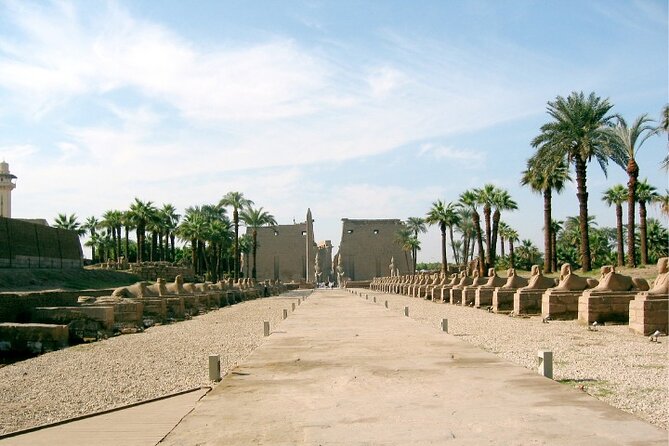
This is a classic Luxor day for a simple reason: you get two different flavors of the same civilization. The West Bank feels like the setting for eternity, where kings prepared for the afterlife. The East Bank feels like the living religious engine of Thebes, where temples kept the cycles of worship going.
You start with the Valley of the Kings on the West Bank, then move toward Deir el-Bahari, and finally head to the East Bank for Karnak and Luxor Temple. It is not just geographic variety. It is a shift in mood, architecture, and even the kind of story the stones are telling.
If you only have one day in Luxor, this routing is a strong way to see the main trio: tombs, mortuary temple, and the big Karnak-scale religious complex. You will still need to accept the reality of a fast day, but at least it is the right kind of fast.
Price and value: what $125 includes (and why it matters)
At $125 per person, the value comes from what is taken care of for you. You are paying for:
- a qualified Egyptology guide
- private transportation in an air-conditioned vehicle
- bottled water
- entrance fees for the stops on the schedule
- a private tour for your group
That bundle matters because Luxor days can get fragmented. If you piece it together yourself, you end up juggling tickets, figuring out timing between sites, and negotiating entry access while your guide-free time shrinks fast.
This tour is also using a mobile ticket. That is one less thing to manage in the heat. Nothing world-changing, but in practice it makes the day smoother.
The only real cost outside the included items is what you control: tips and lunch. Tips are recommended, and lunch is not included, so budget for that so you do not end up buying whatever is closest and most convenient.
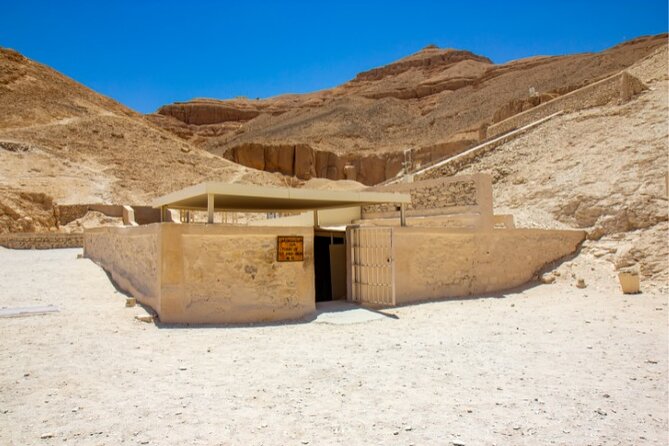
Valley of the Kings: tomb walls, hieroglyphs, and afterlife scenes
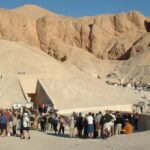
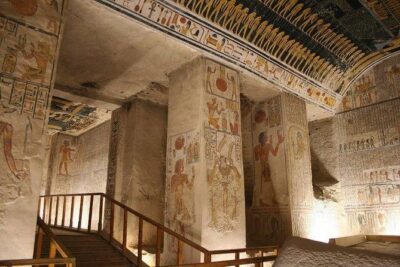
The Valley of the Kings is the most famous royal burial ground in Luxor for good reason. Think of it as a hidden city carved into rock, built for rulers of the New Kingdom. You are looking at the kind of effort that screams certainty. In these tombs, the point is not just death. It is what comes next.
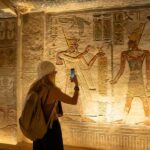
What you get here is focused tomb time, with admission included. Expect to see elaborate wall paintings and hieroglyphs connected to the afterlife journey, including references to themes similar to those found in the Egyptian Book of the Dead. Even if you are not a hieroglyph decoder, the guide’s job is to point out the story logic.
Two practical notes can save your experience:
- The tombs are not about wandering. They are about looking closely, then moving on. So bring the mindset of a careful reader, not a speed-walker.
- Some tomb interiors can feel dim. Keep your camera settings ready, but also take a minute to just see the colors and figures in person.
A drawback to consider: tombs can feel crowded with time pressure on busier days, and a hot day in Luxor does not help your patience. The payoff is real, though. This is where the romance of Egypt turns into something personal and human.
Hatshepsut at Deir el-Bahari: terraces, ramps, and the story of a female pharaoh
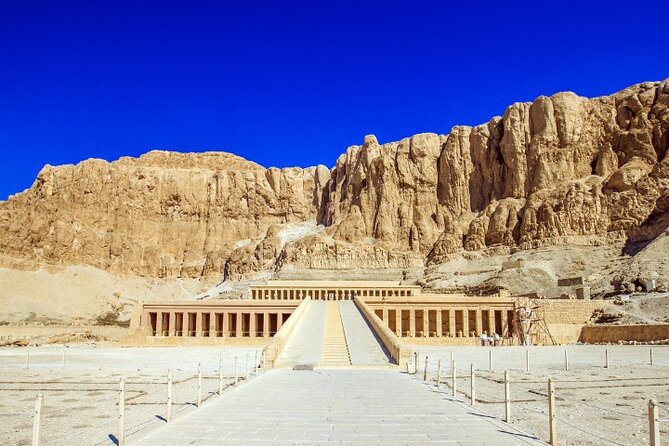
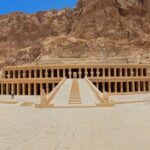
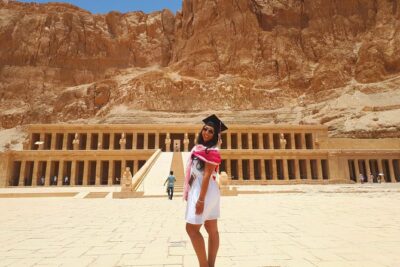
Hatshepsut’s mortuary temple at Deir el-Bahari is the kind of sight you remember even after you have seen a lot. It sits dramatically at the base of towering cliffs, and the design is meant to move you. Three terrace levels step upward, linked by long ramps and edged with colonnades, statues, and reliefs.
This stop is a strong match for anyone who wants architecture with meaning, not just architecture for photos. Hatshepsut was one of the few female pharaohs, and the temple reflects her ambition and achievements. The relief scenes are not random decoration. They tell a reign narrative, including her divine birth theme and trading expeditions tied to the Land of Punt.
What I like for you here is that the temple’s layout helps you read the story. You are not staring at one flat wall. You are moving through a designed sequence, which makes the iconography easier to connect.
The main consideration is endurance. You will do a fair amount of walking in the sun, and terrace temples can feel deceptively big. If the heat is peaking, go slower than your legs want to and give your eyes time to adjust before rushing toward the next viewpoint.
West bank tombs, one by one
Karnak Temple: Amun’s world, 134 columns, and 2,000 years of building
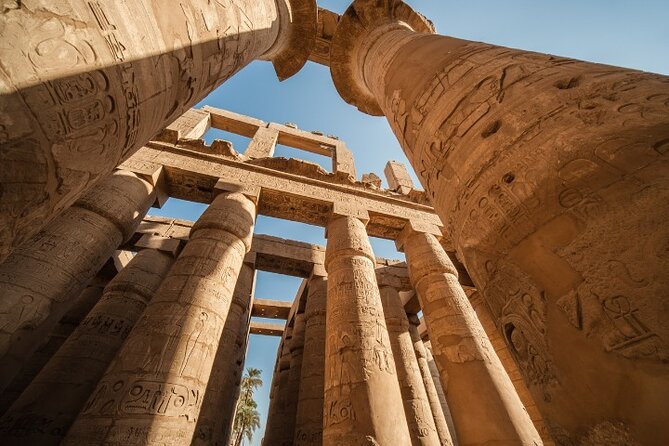
Karnak Temple is massive in both size and time. The complex took shape over roughly 2,000 years, mostly dedicated to the Theban triad of Amun, Mut, and Khonsu. You are walking into a religious center that kept expanding as dynasties rose and shifted.
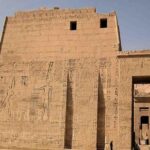
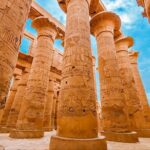
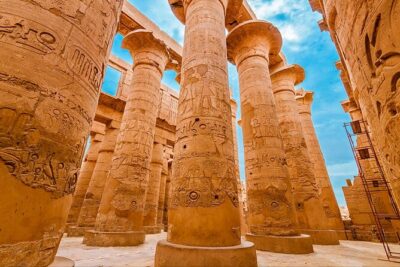
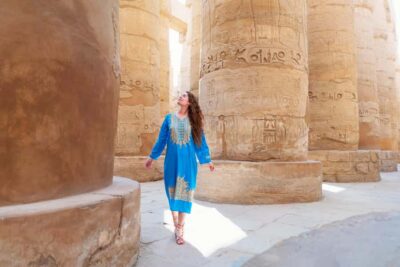
The star moment for many people is the Hypostyle Hall, famous for its 134 columns. Even if you have seen photos, in person you feel the scale in your body. It is a forest of stone, built for ritual and ceremony.
Karnak also includes major landmarks that anchor the story:
- the Obelisk of Hatshepsut
- the Sacred Lake
- major temple spaces tied to long-term worship and pilgrimage traditions
What makes this stop valuable is how it teaches time. You are not just looking at one era. You are seeing how the Egyptians kept rewriting sacred space across generations.
Possible drawback: Karnak’s size can tempt you to hop too quickly between sections. If you want this to feel meaningful, resist the urge to check boxes. Spend a little extra time at the biggest visual anchors, then let the guide help you connect why those spaces mattered.
And yes, it can be hot. The good news is that with an air-conditioned vehicle waiting between sites, you get frequent recovery moments.
Luxor Temple and the Opet Festival: kingship, sphinx avenue, and Ramses II
Luxor Temple is located right in the city, so it feels different than the more remote tomb and mortuary settings. The focus here is not on a god or a pharaoh in death. It is about rejuvenating kingship, which is a subtle shift in theme.
A key connection is the Opet Festival. During this festival, statues of Amun, Mut, and Khonsu were paraded from Karnak to Luxor Temple. So when you walk this site, you are also walking the route of a living religious spectacle.
Don’t miss:
- the Avenue of Sphinxes
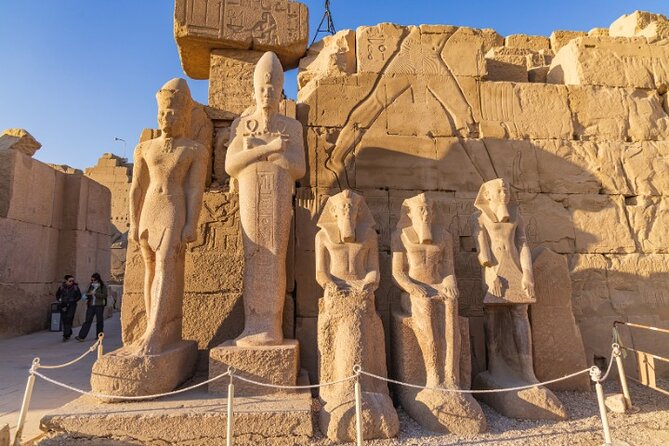
- the colossal statues of Ramses II
- the preserved carvings and hieroglyphs that keep the storytelling visible
I like ending the day here because Luxor Temple ties together the day’s themes. You start with the afterlife, move through a mortuary legacy and royal claims, then land in a temple designed to support ongoing authority and renewal.
One consideration: since Luxor Temple is in town, you can get more street energy around it. That does not ruin the experience, but it can make it feel less purely archaeological than the West Bank stops.
Heat, timing, and how to survive a 6 to 8 hour Luxor day
The tour is listed at about 6 to 8 hours, and that range matters. You are doing multiple major sites, so your energy is the real limiting factor, not your interest.
From what you can expect in hot conditions, here is what helps most:
- Wear breathable clothes and bring sun protection
- Plan your water intake early, not only after you feel thirsty
- Bring a snack idea if you know you get cranky waiting for lunch
- Wear shoes you can walk in for hours, including uneven terrain in some areas
One more practical thought: this kind of day often includes walking more than you think you will. Tombs and temples are not designed for long casual strolls. They are designed for ritual movement, and sometimes that means steps, ramps, and tight passageways.
The good news is that the tour includes bottled water and uses an air-conditioned vehicle between stops, so you get real resets. That is exactly what makes a full-day route feel manageable instead of miserable.
Guides and drivers: why the right English makes a difference
This tour is guided by an Egyptologist. That is not a branding detail. It changes how you interpret what you are seeing.
In past experiences shared with the tour, guides have been praised for clear explanations and even humor that keeps you engaged when you are sweating through history. Names that come up include Salah, Mina, Hassan, Hana, Ibrahim, Mohamed, and Rony. If any of them are assigned to your day, you are likely in for a smooth run of site explanations and helpful context.
Drivers also get credit, especially for friendly support and keeping water flowing. Arafa and Mahmoud show up in feedback as helpful, and that matters in real life. In a place with traffic, heat, and frequent switching between sites, a calm driver reduces stress fast.
Bottom line: the sites are unforgettable. The guide turns them into something you can actually remember and talk about afterward.
Who should book this Luxor full day tour
This fits best if:
- you have limited time in Luxor and want the main highlights
- you enjoy learning history as you walk, not just snapping photos
- you want an organized plan with entrances handled and a guide doing the heavy lifting
- you value comfort between stops, with air-conditioning and bottled water
You might choose something else if:
- you hate long days and want a shorter, slower route
- you are sensitive to heat and cannot adapt with sun protection and pacing
- you prefer total freedom to move at your own speed without a fixed schedule
This is a very practical choice for first-time Luxor visitors. It is also a good second visit if you want the deeper context, especially for Karnak and the Valley of the Kings.
The final decision: should you book it?
I recommend booking this tour if you want a balanced Luxor day that hits Valley of the Kings, Hatshepsut, Karnak, and Luxor Temple without turning your vacation into ticket-hunting homework. The included entrance fees, air-conditioned private transport, bottled water, and Egyptology guide are what make it feel like value instead of just another sightseeing list.
If you book, come prepared for the main challenge: heat and walking. Plan for lunch out of pocket, bring sun protection, and give yourself permission to slow down inside the tombs and big temple areas.
If your goal is to leave Luxor with a real sense of how tomb culture and temple power worked together, this day tour is an easy yes.
FAQ
How long is the Luxor full day tour?
It runs about 6 to 8 hours.
What does the tour cost per person?
The price is $125.00 per person.
Is pickup included?
Pickup is offered, but airport pickup is not included.
Is this tour private?
Yes. It is a private tour/activity, and only your group will participate.
Are entrance fees included?
Yes. Entrance fees for the Valley of the Kings, Hatshepsut Temple, Karnak Temple, and Luxor Temple are included.
Does the tour include transportation?
Yes. Private transportation in an air-conditioned vehicle is included.
Is bottled water provided?
Yes. Bottled water is included.
Is lunch included?
No. Lunch is not included.
Is there a mobile ticket?
Yes. A mobile ticket is included.
Can I cancel for a full refund?
Yes. Cancellation is free, and you can cancel up to 24 hours in advance for a full refund. If you cancel less than 24 hours before the start time, the amount paid is not refunded.
Karnak and the East Bank
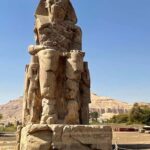
The West Bank, Tomb by Tomb
Down Into the Kings Valley
More of Luxor from our review pile
- Hot Air Balloon Ride and Tour to Valley of Kings Luxor- Special Offer
★ 5.0 · 15 reviews - 4-Hours tour West Luxor bank :Hatshepsut Temple & Valley of the King with Lunch
★ 5.0 · 15 reviews - Tour From Luxor to Aswan Edfu, Kom Ombo, Philae and High Dam
★ 5.0 · 15 reviews - Private Half-day Dendera Temple
★ 5.0 · 15 reviews - Luxor Airport Departure: Convenient Private Hotel Transfer
★ 5.0 · 15 reviews - Dahabiya Nile Cruise From Luxor To Aswan 4 Nights 5 Days
★ 4.5 · 15 reviews
Luxor West Bank Temples & Tombs, compared.
 ★ 5.0Luxor Day Tour: Valley of Kings & Queens & Hatchepsut TemplesFrom $891,496 reviews
 ★ 5.0Full Day Tour to East and West Banks of LuxorFrom $151,449 reviews
 ★ 4.4Valley of the Kings and Hatshepsut Temple Day TourFrom $501,404 reviews
 ★ 5.0Valley of Kings, Hatchepsut Temple ,Karnak & Luxor-DayTourFrom $95735 reviews
 ★ 5.0Full Day Tour of Luxor West Bank Temples and Tombs (Private)From $20722 reviews
 ★ 5.0Private Full-Day Luxor Highlights East and West BanksFrom $65663 reviews
 ★ 4.5Guided Tour to East or West Banks with LunchFrom $64604 reviews
 ★ 5.0Luxor Private Full-Day Tour: Discover the East and West Banks of the NileFrom $90545 reviews