
REVIEW · HISTORICAL TOURS
Explore the history and treasures of Luxor on a full-day tour
Luxor temples feel endless, in the best way. This full-day private tour threads together the East Bank and West Bank highlights with a qualified Egyptologist guide, so you are not just looking at stone, you are understanding it as you go. I love the door-to-door pickup and comfort of a private vehicle, and I love the pace that lets you actually stop and notice details. One thing to plan for: entry fees and lunch are not included, so expect a little extra budgeting once you arrive.
The day runs about 9 to 10 hours, and it is built around a smart flow: start at Karnak, then cross the Nile to the West Bank for the big names like Hatshepsut and the Valley of the Kings. It is private, but you still get the kind of efficiency group tours wish they had.
In This Review
- Key points to know before you go
- How this Luxor day actually works
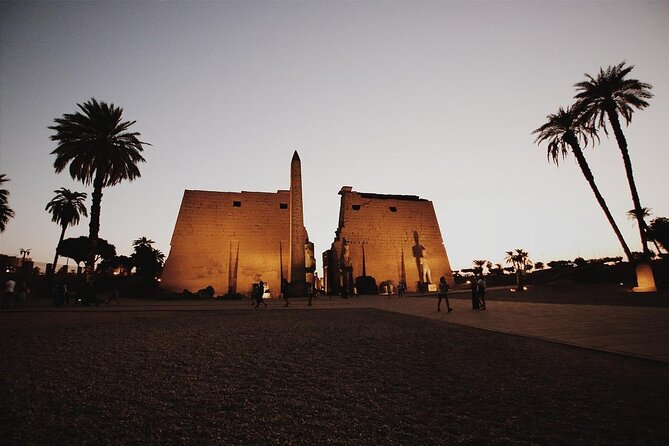
- Karnak Temple Complex: Egypt’s fortified village of Amun
- The Ramesses III temple and the Karnak Obelisks, fast but meaningful
- Colossi of Memnon: two statues and a lot of atmosphere
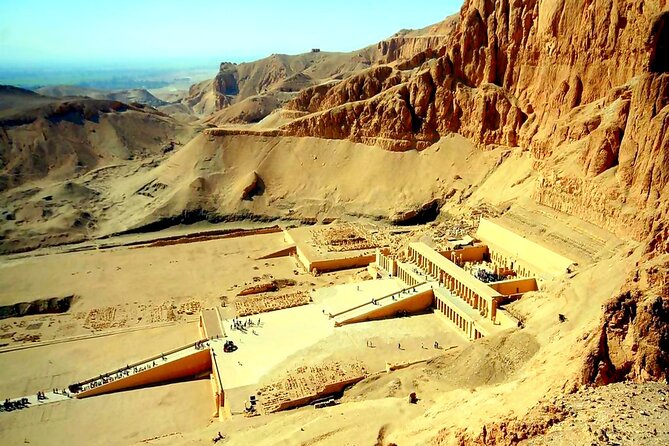
- Deir el Bahari and Hatshepsut’s mortuary temple
- Valley of the Kings: the dry valley where kings stayed close to eternity
- KV11, KV6, KV8, and King Tut: four tombs with four different lessons
- Tomb of Ramses III (KV11)
- Tomb of Ramses IX (KV6)
- Tomb of Merenptah (KV8)
- Tomb of King Tutankhamun
- Price and value: what $15 buys you, and what to budget next
- Who this tour suits best
- What to expect day-of, and small tips that help
- Should you book this Luxor highlights tour?
- FAQ
- How long is the Luxor full-day tour?
- Does the tour include hotel pickup and drop-off?
- Is the tour price, $15 per person, all-inclusive?
- Are admission tickets included for Karnak and the Valley of the Kings?
- Is lunch included?
- Is this tour private or shared?
- What is the cancellation policy?
Key points to know before you go
- Private A/C transfers with hotel pickup and drop-off, so you spend less time figuring out logistics
- Karnak Temple Complex first, with time to see the Hypostyle Hall area and major religious spaces
- Deir el Bahari and Hatshepsut, including a long look at one of the most visually rewarding temples in Luxor
- Valley of the Kings time that feels usable, not rushed through a checklist
- Multiple tomb stops (KV11, KV6, KV8, and King Tut), each with its own style
- Bottled water and an Egyptologist guide, which makes the long day easier on your feet and your head
Trying to choose? These Luxor trips kept surfacing in our notes.
- Hurghada: Luxor Valley of the Kings & Tutankhamun Tomb Trip★ 4.7 · 13,208 reviews
- Luxor Day Trip from Hurghada Small Group & Tutankhamun Tomb★ 4.8 · 5,366 reviews
- Hot Air Balloon Ride in Luxor Egypt with Transfers Included★ 5.0 · 4,319 reviews
- Luxor: Shared Full-Day Tour to Luxor West and East Banks★ 4.5 · 1,812 reviews
How this Luxor day actually works
Luxor is one of those places where the “highlights” really are high points, but the geography can make a normal schedule feel chaotic. This tour is designed to keep you moving without sprinting, using private transportation to handle crossings and timing. That matters because the sites are spread out along the Nile, and daylight can evaporate fast once you are on the clock.
The format is also practical for real sightseeing: you get a qualified Egyptologist guide, plus bottled water. That small combo changes how the day feels. Instead of only thinking, Wow, big temple, you also catch the meaning behind what you are seeing. If you are the kind of traveler who likes photos, it helps that you are not stuck in a constant herd rhythm.
The main trade-off is predictable. Since entry tickets are not included (with one notable exception noted later), you need to be ready to purchase site access for Karnak and the Valley of the Kings area. And because this is a full day, comfortable shoes are not optional.
Karnak Temple Complex: Egypt’s fortified village of Amun
Karnak Temple Complex is the kind of place that makes you slow down even when you do not mean to. It is a cluster of temples, chapels, and buildings that feels like a fortified village, which is exactly how the Arabic name Karnak is explained. This is not a single building. It is a whole sacred district that grew over time.
You start with about two hours here, and that is the right amount of time. Karnak dates from around 2055 BC to around 100 AD, so it is not just ancient, it is layered. The guide context matters: the cult temple was dedicated to Amun, Mut, and Khonsu. Once you hear that, you start noticing how the complex is arranged around religious purpose, not tourism convenience.
Karnak is also where you see why the ancient Egyptians built with scale. It was once known as “most select of places,” and today it still delivers that wow factor. If you like architecture, Karnak gives you everything: major processional approaches, ceremonial spaces, and the sense that the Egyptians were building a stage for rituals meant to last.
If you only have one day in Luxor, starting here is smart. Karnak sets the tone for the rest of the East Bank. You also get the chance to look longer at key areas rather than rushing through the most obvious highlights.
The Ramesses III temple and the Karnak Obelisks, fast but meaningful
After the main Karnak block of time, you move through some tightly focused stops within the larger complex. One is the Temple of Ramesses III, where you can connect the dots between the complex’s different reigns. Even if you only spend around 20 minutes, that brief window is valuable if your guide uses it well, because Karnak is so big you could otherwise waste time on the wrong corners.
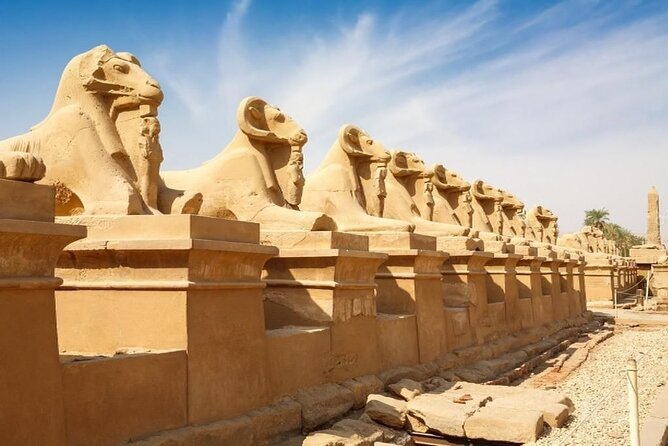
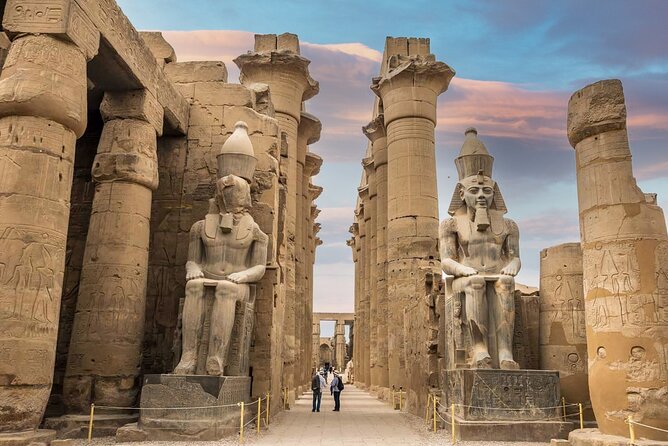
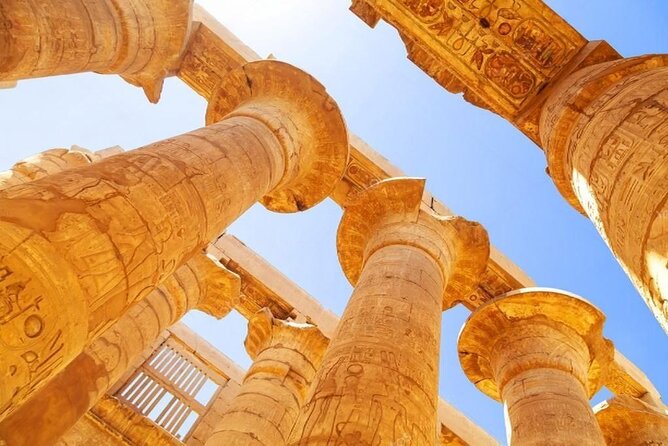
This is also a good stretch to appreciate how Karnak is “assembled” from eras. Within the Karnak complex you can encounter landmarks tied to major rulers, including elements like the Avenue of Sphinxes, the Hypostyle Hall with its 134 gigantic columns, and obelisks associated with Queen Hatshepsut and Tutomosis I. You are not stuck doing one thing for hours. You can see the larger layout quickly, then carry that understanding into the longer Temple time later.
The short stop for the Obelisk of Queen Hatshepsut is worth it because obelisks are not just tall stones. They symbolize royal and religious power in a way that feels visually direct. Even with a 5 minute photo window, you can still learn how these monuments function in the sacred space.
If you are tempted to rush these stops yourself, don’t. In Karnak, the short stops are the bridges between the big-picture sections. Your time stays efficient because you are not guessing what to notice.
Colossi of Memnon: two statues and a lot of atmosphere
Next comes the Colossi of Memnon. You will spend about 20 minutes here, and this stop is all about presence. These are the two largest ancient statues in Egypt, dating to the era of King Amenhotep III. That scale turns a simple pause into an event.
One practical point: the admission ticket is marked as included for this stop. So this is one less line item you need to budget for compared with other locations on the day. Still, you should expect that access details can vary by site, so plan to check at the entrance for what is covered.
What I like about this part of the day is the contrast it provides. After the dense complexity of Karnak, the Colossi feel like a breather. You can step back, take photos, and let your brain reset. It also helps with pacing before you jump into the more site-heavy West Bank stops.
If you are sensitive to heat, this is a good moment to hydrate and take your time choosing the best angles. The statues are easy to frame, but good photos still take a few tries.
Deir el Bahari and Hatshepsut’s mortuary temple
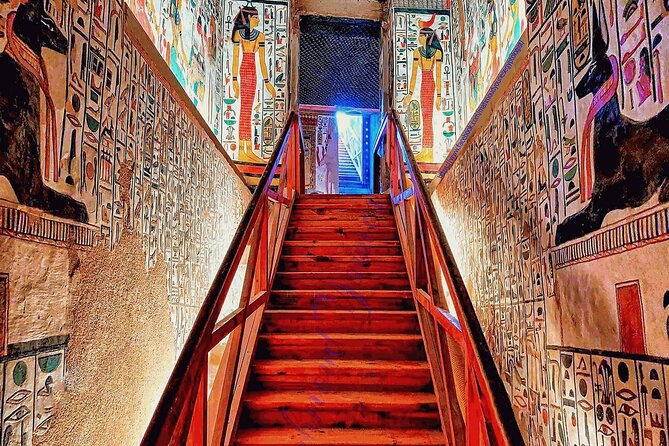
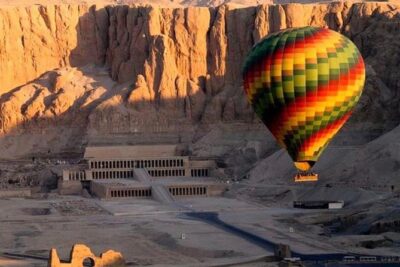
Then you shift to the West Bank, heading to the Temple of Hatshepsut at Deir el Bahari. This is scheduled for about two hours, and it is the kind of time block that lets you see more than just the famous front view.
Hatshepsut’s temple is a mortuary temple dedicated to the longest ruling female of Ancient Egypt. That title matters because it changes how you read the carvings and statuary. The decoration includes statues, sphinxes, and reliefs that have been meticulously restored over time. Restoration can be controversial in some places, but here it helps you actually understand the design instead of losing the details to wear.
Two hours makes a difference. You can walk through at a realistic pace, pause for close inspection, and take in the overall temple composition without feeling like you missed the best parts. It also gives you time to compare what Hatshepsut built here with what you saw at Karnak. The two sites tell different stories, both rooted in religious purpose and royal power.
Practical note: this is one of the parts of the day where comfortable shoes pay off. The surfaces can be uneven, and if you rush, you end up watching your footing instead of the architecture.
Valley of the Kings: the dry valley where kings stayed close to eternity
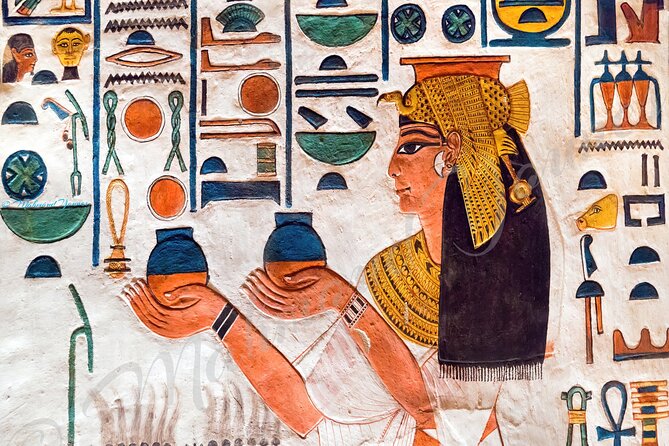
Now the day turns toward tombs, and that is where Luxor becomes extra memorable. The Valley of the Kings is described as a desolate dry river valley across the river from Thebes, and the name is modern, not perfectly accurate. The key idea is the placement: royal burials here created a dedicated landscape for the afterlife.
You get about two hours in the Valley of the Kings area. This matters because the valley is divided into East and West Valleys. The East Valley is the iconic one, while the West Valley has only a handful of tombs. The overall area includes over sixty tombs and additional unfinished ones, which gives you a sense of how massive this burial project was.
Even though you are only visiting a few tombs on your day, the guide context helps you understand what you are seeing. This is not a random museum lineup. The tomb locations and artistic choices reflect religious text and royal identity.
One practical caution: the valley schedule includes multiple tomb visits later in the day. So use this valley time wisely, take a breath, and plan your energy. It is better to be slightly selective with photos and let the inside tomb time be your main focus.
KV11, KV6, KV8, and King Tut: four tombs with four different lessons
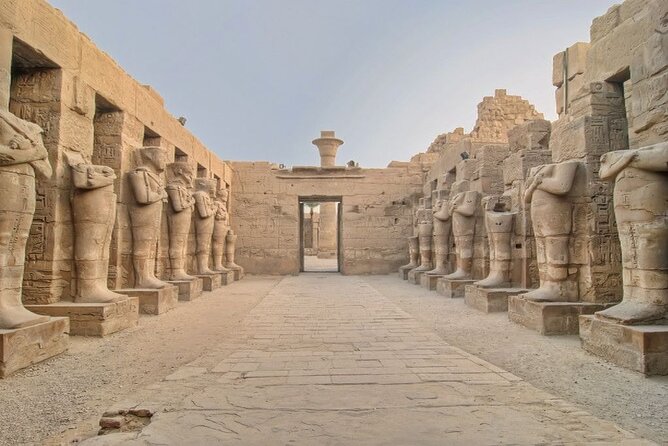
The Valley of the Kings portion includes several tomb stops, each around 30 minutes. Since admission tickets are not included for these tombs in the tour listing details, you will want to plan for site access fees as you go.
Here is what makes each tomb stop worth your time:
Tomb of Ramses III (KV11)
KV11 is known for colorful painted sunken reliefs featuring ritual texts like the Litany of Ra and the Book of Gates, plus scenes of Ramses before the gods. What makes KV11 especially interesting is the presence of secular scenes in side rooms near the entrance corridor. You can spot foreign tributes, including detailed pottery imported from the Aegean, royal armor, boats, and blind harpists, which is why it has the alternative name Tomb of the Harpers.
This is the tomb stop that tends to reward curiosity. You are not only seeing a king in a sacred setting. You are also seeing hints of the wider world that surrounded Egypt.
Tomb of Ramses IX (KV6)
KV6 is among the first tombs in the valley and has been open since antiquity, with inscriptions left by ancient visitors. Archeological findings suggest it was completed in a hurry after Ramses IX’s death, so some corners were cut. The tomb layout includes a gate with a shallow descending ramp, followed by corridors and side chambers, but the chambers are not finished or decorated.
So KV6 feels different. It is not just about finishing perfection. It helps you understand how tomb building worked under real constraints.
Tomb of Merenptah (KV8)
KV8 stands out for its unique burial chamber design. It depicts Merenptah resting in a set of four stone sarcophagi, and the construction involved changes like removing door jambs and later replacing them with blocks of sandstone. Pillars were also removed to allow sarcophagi to move in and then replaced.
Inside, the tomb gives you religious scenes across multiple corridors, including the Litany of Re, Amduat, the Book of Gates, and the Book of the Dead. The ceilings include astronomical scenes, and one corridor shows the king in an Opening of the Mouth type depiction.
If you like religious symbolism, KV8 is the stop that connects text, design, and cosmology more strongly.
Tomb of King Tutankhamun
You also get a timed visit to the Tomb of King Tutankhamun for about 30 minutes. The tour data does not list more specific internal details, but even a short visit to this tomb is a major highlight of a Luxor day. It is one of those names that pulls you in, then makes you pay attention to how the space is arranged.
Price and value: what $15 buys you, and what to budget next
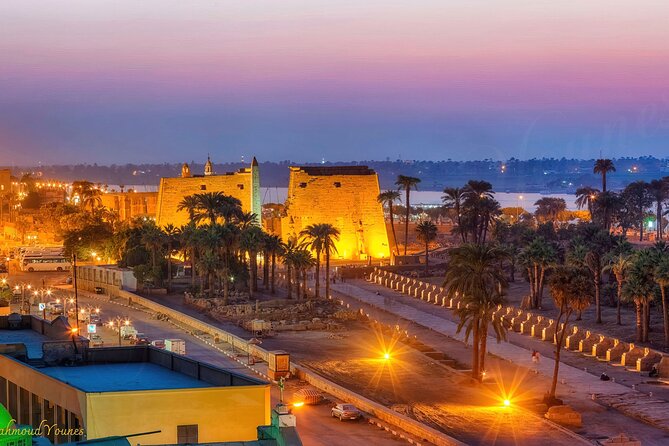
At $15 per person, this tour price is unusually low for a full-day private format. The reason it can stay affordable is clear: entry fees and lunch are not included. You are paying for transportation, a qualified guide, and the structure that keeps the day efficient.
What is included is the part that often costs more when you book it separately: all transfers by private A/C vehicle, hotel pickup and drop-off in Luxor, bottled water, and a qualified Egyptologist guide. Those pieces add real value in Luxor, where travel between sites can eat hours and where waiting around without context can be frustrating.
What is not included gives you flexibility. You can choose how much you want to spend on tickets, and lunch stays optional. Hot air balloon is also optional, so you can decide whether to keep the day pure temple-and-tomb or add a sunrise or sunset option if your schedule allows.
My practical advice: treat the $15 as the foundation cost, and then plan a second budget line for admission tickets at the sites you enter. That way you avoid the moment of surprise when you reach the ticket counter.
Who this tour suits best
This is a strong fit if you want a private, guided Luxor highlights day with door-to-door ease. The format works well when you:
- Have limited time in Luxor and want the East Bank and West Bank major sights covered
- Prefer learning as you go, rather than wandering with only a map
- Want a day that can work for families, since the private structure helps pacing for different energy levels
- Care about comfort, especially during a long 9 to 10 hour outing, where A/C transfers and bottled water matter
You might want a different plan if you hate paying separate site fees, or if you only want to linger at one or two locations and ignore the rest. This tour is built for breadth plus guided context.
What to expect day-of, and small tips that help
With a full day, your comfort habits matter as much as your itinerary. Wear shoes you can walk in for hours, bring a hat, and expect that some tomb interiors can feel cooler but also tight and dim.
For photos, think in layers. Outside, you are photographing big geometry and scale. Inside, it becomes about angles and details. If you want good photos without stressing yourself, keep your best shots for the moments your guide points out key features, like the tomb scenes tied to ritual texts or the architectural lines at Deir el Bahari.
Also, plan for a steady rhythm rather than a slow amble. This tour packs multiple tomb visits into one day, so the value is in keeping your head clear and following the guide’s timing.
Should you book this Luxor highlights tour?
If you want one day that covers Karnak, Hatshepsut, the Colossi of Memnon, and multiple Valley of the Kings tombs, this is a smart way to do it. The low base price makes it accessible, and the private A/C vehicle plus Egyptologist guide makes the day feel organized instead of exhausting.
Book it if you like guided history, want East Bank and West Bank in one shot, and you are comfortable planning for separate admission tickets. Skip it if you only want very slow pacing at a single site, or if you want all entry fees bundled into the upfront price.
FAQ
How long is the Luxor full-day tour?
The tour lasts about 9 to 10 hours.
Does the tour include hotel pickup and drop-off?
Yes. Pickup and drop-off are offered at Luxor hotels.
Is the tour price, $15 per person, all-inclusive?
No. Entry fees (tickets) and lunch are not included. Bottled water and private A/C transfers are included.
Are admission tickets included for Karnak and the Valley of the Kings?
The tour details say entry fees (tickets) are not included for stops like Karnak and the Valley of the Kings. The Colossi of Memnon stop shows admission ticket included.
Is lunch included?
No. Lunch is optional.
Is this tour private or shared?
This is a private tour/activity. Only your group participates.
What is the cancellation policy?
You can cancel for a full refund up to 24 hours in advance of the experience start time.
More of Luxor from our review pile
- Hot Air Balloon Ride and Tour to Valley of Kings Luxor- Special Offer
★ 5.0 · 15 reviews - 4-Hours tour West Luxor bank :Hatshepsut Temple & Valley of the King with Lunch
★ 5.0 · 15 reviews - Tour From Luxor to Aswan Edfu, Kom Ombo, Philae and High Dam
★ 5.0 · 15 reviews - Private Half-day Dendera Temple
★ 5.0 · 15 reviews - Luxor Airport Departure: Convenient Private Hotel Transfer
★ 5.0 · 15 reviews - Dahabiya Nile Cruise From Luxor To Aswan 4 Nights 5 Days
★ 4.5 · 15 reviews
Historical Tours, compared.
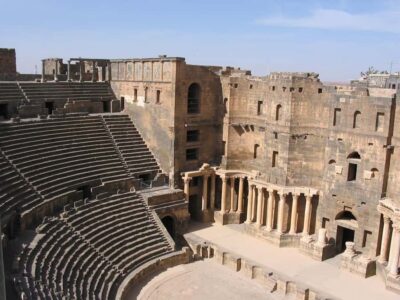 ★ 4.1Private Full-Day Tour of Historical AlexandriaFrom $651,155 reviews
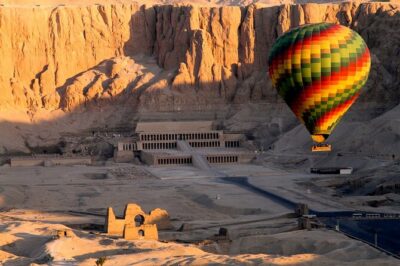 ★ 5.0Sunrise Hot Air Balloon Over the Historical sites in LuxorFrom $75697 reviews
 ★ 4.6Old Cairo Guided Walk Tour: History, Culture & Street BitesFrom $31633 reviews
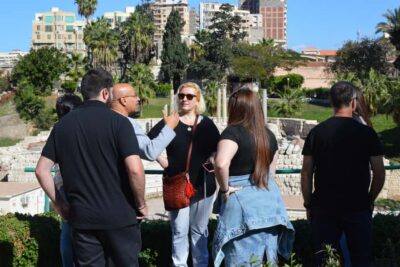 ★ 4.4Historical Alexandria Shared Day Tour with LunchFrom $77260 reviews
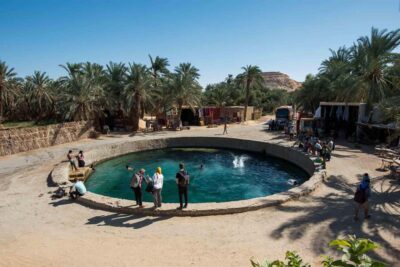 ★ 4.93-Day Siwa Oasis Tour, Safari, Camp & Historical SiteFrom $36180 reviews
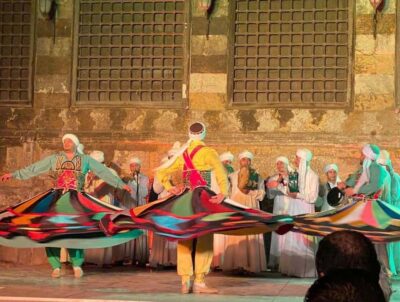 ★ 4.7Egyptian Heritage Tanoura Dancing Troupe ShowFrom $4254 reviews
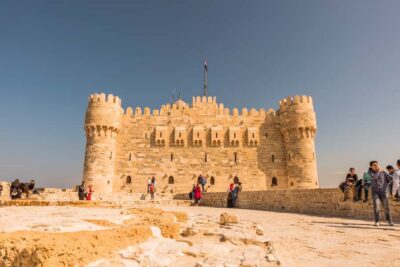 ★ 4.5Full-Day Guided Tour of Historical SightsFrom $7154 reviews
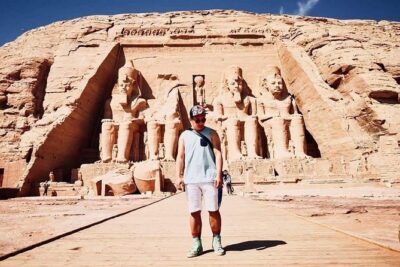 ★ 5.03-Day Luxor Aswan and Abu Simbel Historical Sites Private TourFrom $25134 reviews
The lists this one sits on