
REVIEW · CAIRO CITY, NIGHT & WALKING TOURS
Old Cairo Guided Walk Tour: History, Culture & Street Bites
Old Cairo feels like a time machine on foot, and this walk is built for it. You start at Bab al-Futuh, then thread through Fatimid, Ottoman, and Mamluk landmarks, ending in the lively market world of Khan el-Khalili.
I really like two things here: the line-up of historic sites in a tight 3 to 4 hours, and the fact that you get entrance fees and street food handled for you. Plus, guides such as Nahed, Randa, and Ruby are repeatedly praised for making the stories clear and, in Nahed’s case, even funny.
One consideration is the walking. Expect uneven streets and stairs in dense neighborhoods, and the tour is not suitable for wheelchair users, so it helps to plan for comfort and durability.
In This Review
- Key highlights worth aiming for
- Old Cairo, Starting at Bab al-Futuh
- Al-Hakim Mosque: Fatimid Power in Stone and Silence
- Bayt al-Suhaymi: How Ottomans Lived, Not Just Ruins
- El-Moez Street Walk: Islamic Cairo in One Long Corridor
- Sultan Barquq and Qalawun Complex: Mamluk and Medieval Cairo
- Al-Hussein Mosque Pause, Then Khan el-Khalili at Street Level
- Street Bites and Shopping Strategy in Khan el-Khalili
- Price, Time, and What You Really Get for $31
- What to Wear, and When the Walking Gets Real
- Should You Book This Old Cairo Walk?
- FAQ
- Where do I meet the guide?
- How long is the Old Cairo guided walk tour?
- How much does it cost?
- What’s included in the tour price?
- Is pickup and drop-off included?
- Do I need to buy tickets for the sites?
- What street food will I get?
- What languages are the tours offered in?
- Are strollers or large luggage allowed?
- Is the tour wheelchair friendly?
Key highlights worth aiming for
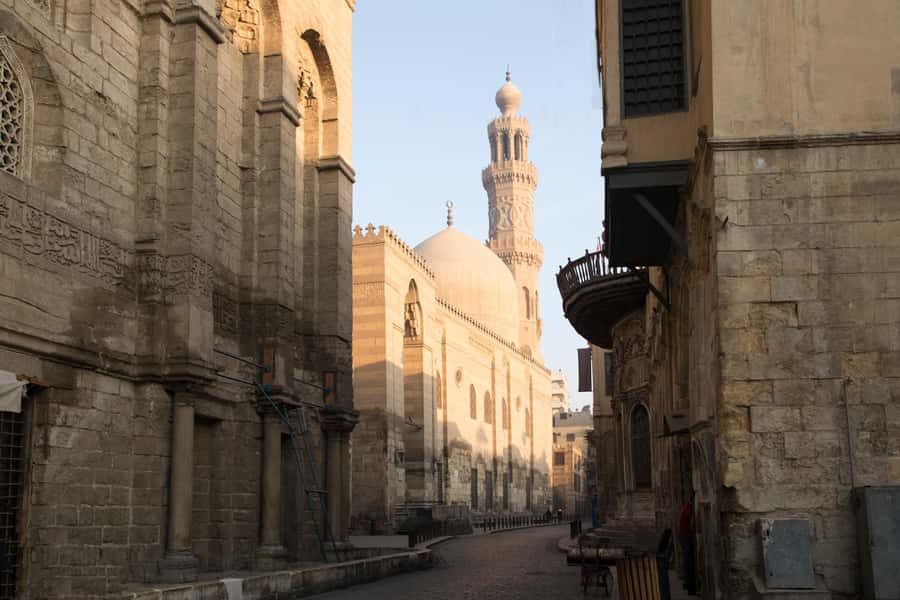
- Bab al-Futuh first: start at one of the main gates of Cairo’s ancient walls, so the day feels grounded from minute one.
- Mosques with real storytelling: Al-Hakim and Sultan Barquq explain how power, religion, and design mixed in medieval Cairo.
- Bayt al-Suhaymi house time: a rare chance to see Ottoman domestic life, not just monument photos.
- El Moez Street on foot: an easy way to read Islamic Cairo through the buildings themselves.
- Khan el-Khalili with guidance: shopping and bargaining feels less stressful when your guide helps steer the pace.
Cairo after dark, other versions
- Cairo: Egyptian Museum, Citadel, and Old Cairo Guided Tour★ 4.7 · 853 reviews
- Cairo Citadel, Old Cairo and Khan El Khalili: Private Tour★ 4.6 · 741 reviews
- Old Cairo: Full-Day Islamic and Coptic Cairo Tour with Lunch★ 4.6 · 688 reviews
- Old Cairo Guided Walk Tour: History, Culture & Street Bites★ 4.6 · 633 reviews
Old Cairo, Starting at Bab al-Futuh
This tour’s best trick is where it starts. Meeting in front of Bab al-Futuh puts you right on the edge of the old city walls, so you’re not just sightseeing, you’re entering a whole historical layer.
Once you’re with your guide, you get a framework for what you’re about to see: how Cairo’s Islamic Cairo identity took shape, and why certain buildings cluster where they do. It helps you notice details that would otherwise slide past you in the chaos of narrow streets.
From the very first stop, I’d expect you to feel the rhythm of Old Cairo. It’s not a museum loop. It’s street-level history, with real local movement around you, plus your guide keeping the focus so you don’t get lost in the noise.
This is also a tour that tends to do well for solo travelers and first-timers, because having someone manage the order of sites makes the area feel less overwhelming. The guides highlighted in recent experiences, like Nahed and Randa, are often described as friendly and careful, including advice to avoid getting pressured in the market.
Al-Hakim Mosque: Fatimid Power in Stone and Silence
Your walk then heads to Al-Hakim Mosque, one of the oldest and largest Fatimid mosques in Cairo. Even if you’ve seen plenty of mosques, this one has a presence. Think massive minarets, ancient stone walls, and that calm courtyard feeling that briefly turns down the volume.
What makes Al-Hakim valuable on a guided walk is the context your Egyptologist guide brings. You’re not just looking at architecture, you’re learning what the Fatimids built to signal power and stability. In a city where later dynasties changed so much, understanding the Fatimid foundation helps everything else click.
Also, it’s an easy place to pause and regroup. You get a proper guided look, then keep moving. That pacing matters because Old Cairo is not built for long “stand and stare” sessions, and your feet will be your limiting factor by mid-day.
Dress matters here. You’ll want loose clothing that covers shoulders and arms, and women should carry a scarf or plan to use one at religious sites.
A small heads-up: if you’re sensitive to crowds or you’re easily distracted, arrive with patience. This is a popular religious and cultural area, so there can be busy moments around entrances and courtyards.
Bayt al-Suhaymi: How Ottomans Lived, Not Just Ruins
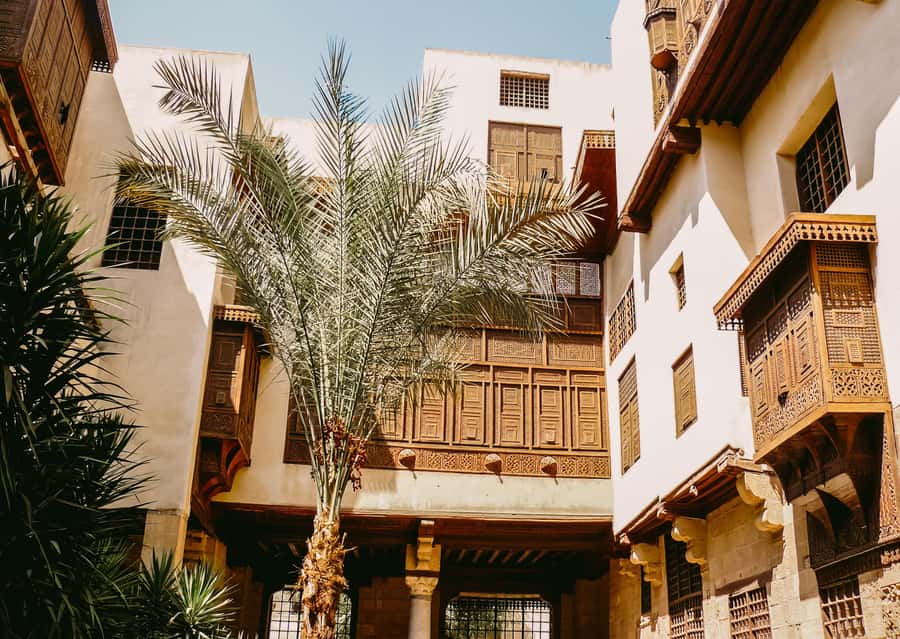
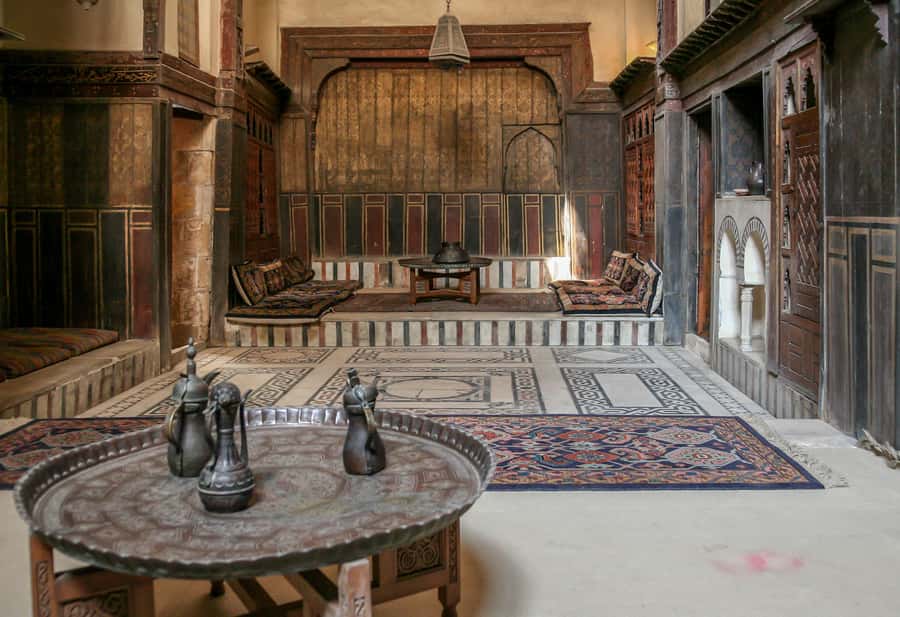
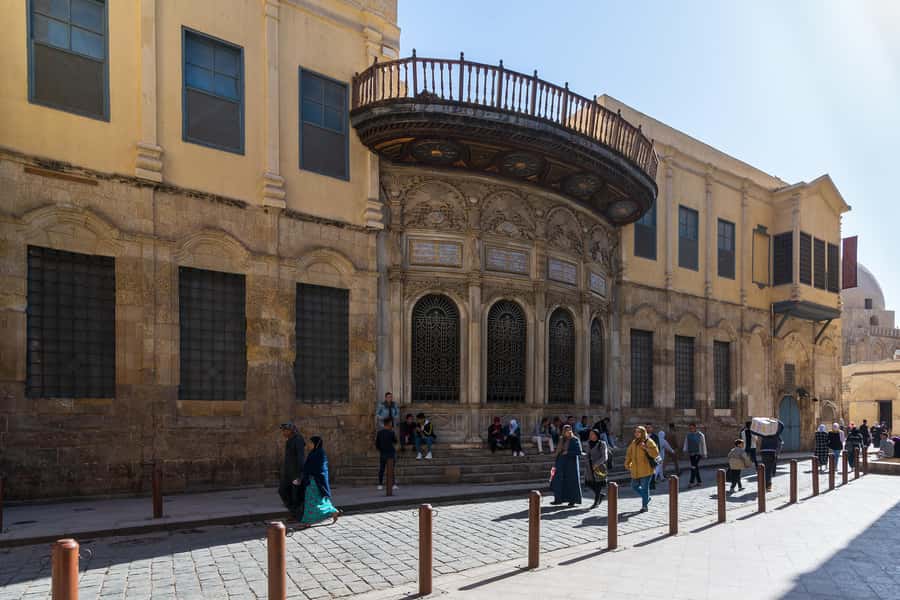
Next is Bayt al-Suhaymi, a standout because it’s not a mosque. It’s a 17th-century Ottoman residence, and that changes the whole vibe of the tour.
Inside, you get a glimpse of how people lived, moved through rooms, and used space. You’re looking at architecture shaped by daily routines, family privacy, and social life. That makes the learning stick. You start to see Cairo’s layers not only as “big monuments,” but as real environments people inhabited.
If you like history that feels human, this is the stop that usually wins. Reviews and experiences tied to the tour often highlight guides explaining lifestyle and everyday details, the kind of information that turns rooms into lived scenes.
The courtyard and rooms can also be a welcome break from outdoor walking, even if you still keep moving. And since the tour includes entrance fees, you don’t need to scramble for tickets or figure out logistics in advance.
Watch the pace inside. Houses like this can feel slightly tight in places, so comfortable shoes help and you’ll want to keep your scarf secured for the religious and cultural portions.
El-Moez Street Walk: Islamic Cairo in One Long Corridor
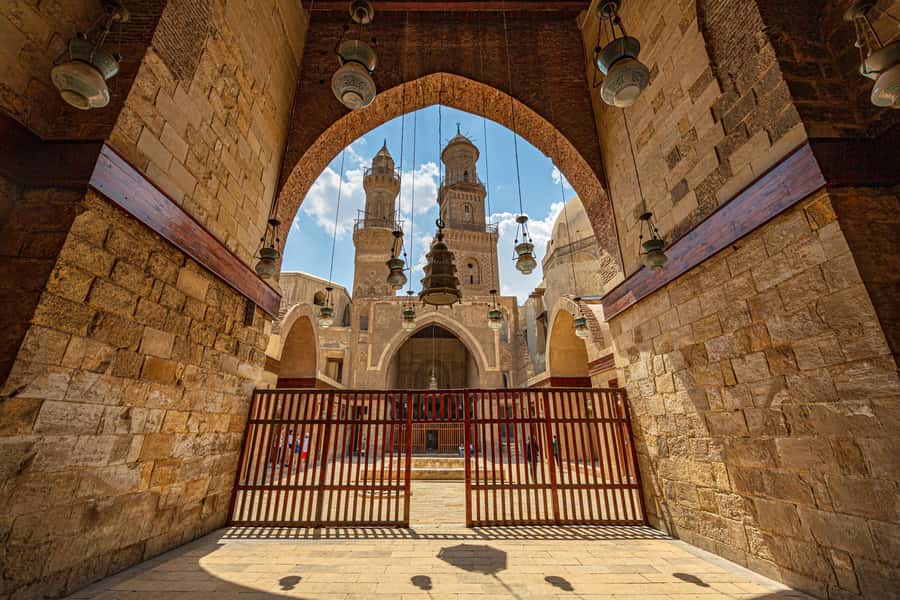
Once you hit El-Mu’izz Street, the tour shifts into “see and compare.” This is a historical stretch lined with beautifully preserved Islamic architecture, and it’s one of the best ways to read the city visually as you walk.
Here’s what I’d focus on with your guide. Notice repeating patterns: arches, domes, façade rhythms, and how buildings relate to the street rather than standing far away from it. Even if you’re not an architecture nerd, your guide will give you a “what to look for” lens so you don’t just see pretty buildings, you understand what’s significant.
This stretch also shows why Old Cairo feels different from newer parts of the city. You’ll pass local vendors, cafes, and historic structures all at once. It’s not a staged corridor, which is exactly why it’s authentic.
One small drawback is that this section can be the most mentally tiring. If you’re prone to information overload, ask your guide to slow down for a minute. Guides like Nahed and Randa are often praised for humor and for adjusting explanations to the group mood, so you can usually steer the pace.
Sultan Barquq and Qalawun Complex: Mamluk and Medieval Cairo

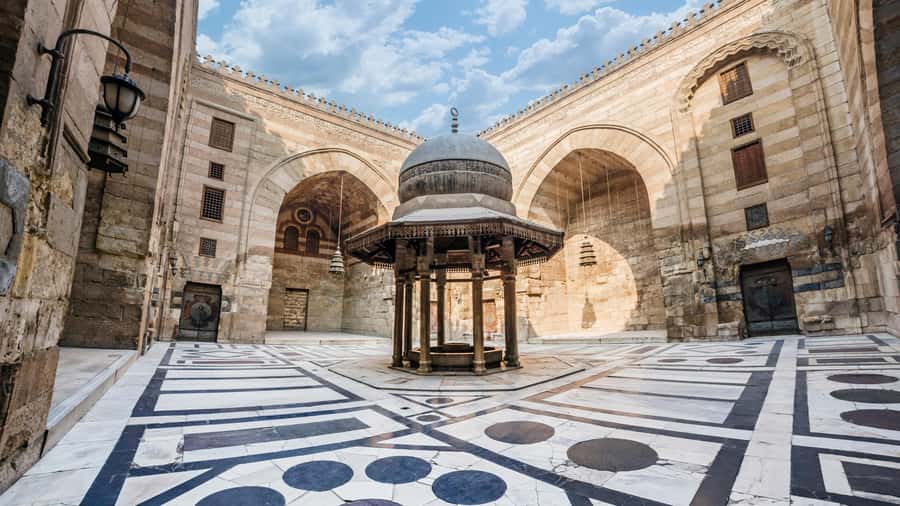
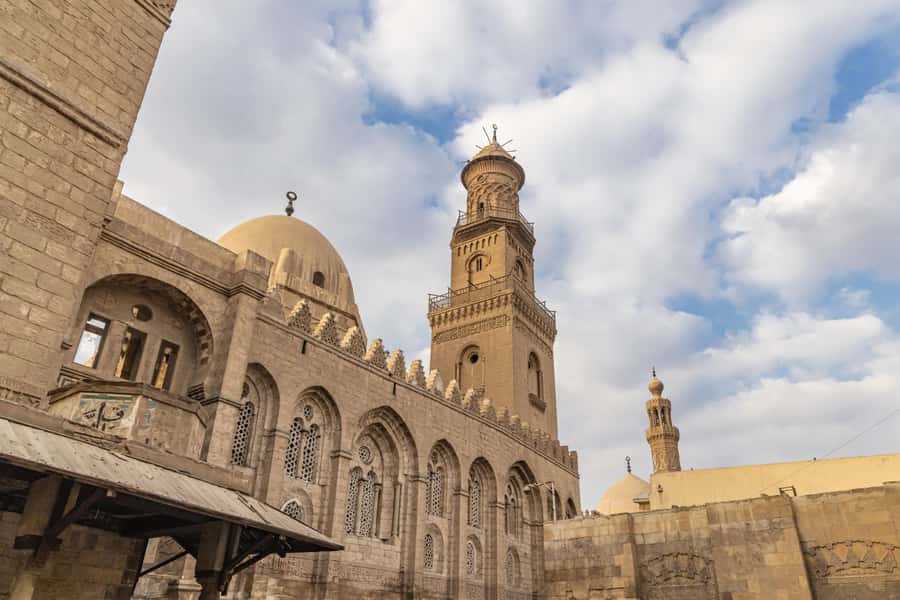
Then the tour moves to Sultan Barquq Mosque and the Qalawun Complex, two major stops that help you understand medieval Cairo as a design and education machine.
Sultan Barquq Mosque is especially worth your attention if you like intricate design. It’s known for elaborate Mamluk details, and the guide will connect the dots between religion, learning, and social role. In this case, the building functions aren’t just labels. They explain why this architecture is so concentrated and symbolic.
Right next to it, the Qalawun Complex adds another layer. You’ll see the mosque, the madrasa, and the mausoleum as a set, not as separate sights. That cluster approach is what makes medieval complexes so powerful: the city arranged daily life around spiritual and educational purpose.
If you’re the kind of traveler who likes a clear thread, this is where the tour becomes very satisfying. Fatimid groundwork leads into Ottoman domestic space, then the street brings it all together, and finally you get Mamluk-era “big statement” architecture.
Time tip: take your photos quickly, then listen. This tour gets best results when you treat photos as proof you were there, and your guide’s explanations as the real product.
Al-Hussein Mosque Pause, Then Khan el-Khalili at Street Level
After the architecture stops, you’ll end the spiritual part of the walk at Al-Hussein Mosque in Islamic Cairo. The tone shifts here in a good way.
It’s a quieter moment for reflection, even though you’re still in a highly active part of the city. If you’ve been walking steadily through courtyards and entrances, this stop feels like a reset button for your senses.
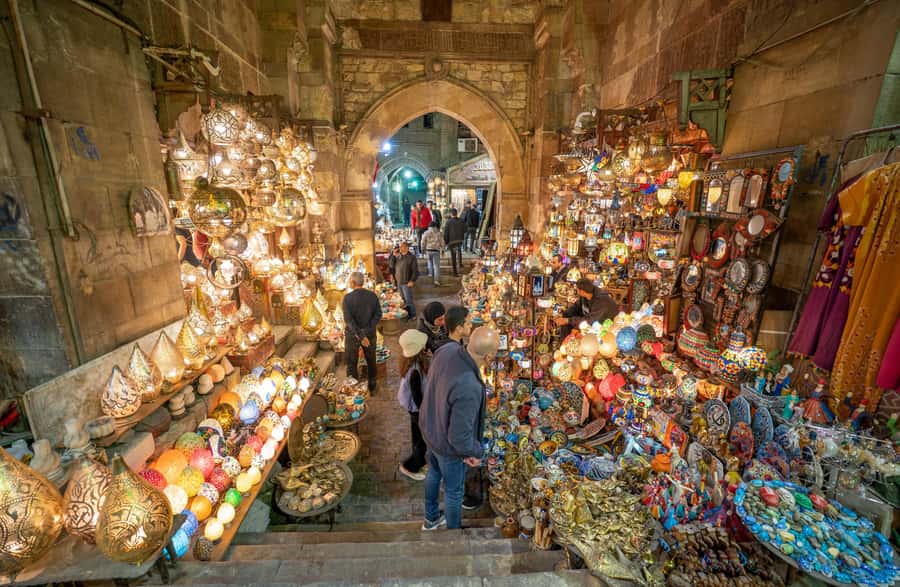
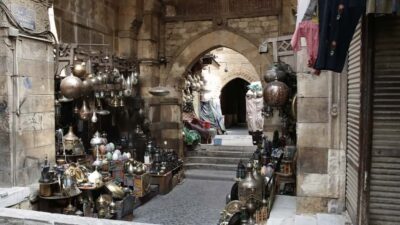
Then comes the fun part: Khan el-Khalili Bazaar. This is where Old Cairo turns into a living marketplace, with stalls selling spices, jewelry, textiles, and souvenirs. Your guide’s job here is huge. Market wandering without help can turn into a hassle fast, especially if someone tries to upsell or pressure you.
In recent experiences shared with this tour, guides like Nahed are described as making sure people do not harass the group, and giving practical advice on how to handle sellers. That’s not just “nice to have.” It’s the difference between enjoying the bazaar and feeling drained.
Also, you’ll get a chance to shop with context. When your guide points out what’s worth your attention, you stop buying random things and start buying smarter souvenirs.
Street Bites and Shopping Strategy in Khan el-Khalili
One reason I think this tour earns its price is that it includes food in the middle of all the walking, not at the end as an afterthought. You get bottled water plus local snack options like Zalabya or Halabessa, and you also get street food such as authentic koshary or Egyptian pie.
The way this is arranged helps you stay in the zone. You don’t need to hunt for a meal while your legs are already arguing with you. It also makes the cultural experience practical: you get to try common street favorites while your guide is around to help you pick, order, and keep moving.
A key value point for the bazaar portion is pacing. Khan el-Khalili can stretch your attention span. Your guide helps you keep time, so you don’t end up stuck in one stall for 40 minutes and then realize you missed other sights.
For shopping, I’d carry small bills or cash, since this is where optional purchases happen. And if bargaining makes you nervous, you do not have to bargain hard. The best strategy is to ask about price ranges, move on if it doesn’t feel fair, and let your guide handle the awkward moments.
If you want a slightly more relaxed pace, bring up that you’d like a slower browse at the bazaar. Many guides are flexible with how they manage time, especially if you have a tight schedule later.
Price, Time, and What You Really Get for $31
At $31 per person for a 3 to 4 hour guided walk, the value comes from the mix of inclusions. You’re not paying just for a walking guide. You’re also getting entrance fees, bottled water, local snacks, and at least one included street food meal.
That matters in Cairo, because site entries and daily meals can add up quickly if you’re planning everything yourself. Also, you get skip the ticket line, which is the small convenience that saves energy when you’re navigating crowds.
On top of that, pickup and drop-off from Cairo or Giza can be available if you choose that option. Even when you don’t use pickup, meeting at Bab al-Futuh is straightforward.
Guides add another layer of value. In recent experiences, several guides are singled out for humor and clarity. Nahed and Randa, for example, are often described as patient, funny, and protective in markets, and as guides who explain history in a way that actually makes sense while you’re standing in front of the building.
So the real question isn’t only cost. It’s whether you want a guided Old Cairo walk that pairs big monuments with a house museum, a long street corridor, and a market finish, while feeding you along the way. For the time frame, this is a strong “yes” for many people.
Tipping is not mandatory.
What to Wear, and When the Walking Gets Real
This is a walking tour in a city where the ground is not designed for comfort shoes and leisurely strolls. Reviews attached to this experience mention rough terrain and plenty of stairs, so plan accordingly.
Bring comfortable shoes with grip. Wear loose clothes that cover shoulders and arms and, for women, use a scarf at religious sites. If you forget, you may find yourself dealing with limitations mid-tour, and that can turn into a stress point.
Sun protection also matters. Old Cairo can be bright, and you’ll be outside much of the time. Sunscreen and a hat are practical choices, not travel clichés.
Also note what’s not allowed. Baby strollers and luggage or large bags are not permitted, and the tour is not suitable for wheelchair users. If you’re traveling light, great. If you have rolling bags, leave them in the hotel.
Finally, keep some cash for optional purchases in the bazaar. The included snacks and meal will handle most of your food needs, but souvenir spending happens naturally in Khan el-Khalili.
Language options are broad too: French, Spanish, English, Arabic, and German. If you’re not fluent in English, you should still be able to find a guide who can work comfortably in your language.
Should You Book This Old Cairo Walk?
I think this is a smart choice if you want your first Old Cairo experience to be structured and efficient, without feeling like you’re rushing. You’ll get a balanced arc, gate to mosques to an Ottoman home, then a street walk and market finish, with food built in.
I’d book it if you:
- like walking tours with a strong guide component
- want history explained in a way you can use while you’re looking at the site
- enjoy street food and want it handled for you
- want market confidence, especially in Khan el-Khalili
I might skip it if you:
- cannot manage stairs or uneven ground
- need a fully seated or wheelchair-friendly route
- prefer a slower pace with fewer stops
If you’re on the fence, here’s my practical decision rule. If you can handle 3 to 4 hours of walking and religious-site dress expectations, this tour gives you a lot of Cairo in one go, and the included food and entrances make it feel fair.
FAQ
Where do I meet the guide?
Meet your guide in front of Bab al-Futuh.
How long is the Old Cairo guided walk tour?
It lasts about 3 to 4 hours.
How much does it cost?
The price is listed at $31 per person.
What’s included in the tour price?
Entrance fees, a professional Egyptologist guide, bottled water, local snacks (like zalabya or halabessa), street food (such as authentic koshary or Egyptian pie), and all service tax.
Is pickup and drop-off included?
Pickup and drop-off are available if you book the option from your hotel in Cairo or Giza (within city limits).
Do I need to buy tickets for the sites?
No, entrance fees are included, and the tour includes skip-the-ticket-line access.
What street food will I get?
You can expect local options such as authentic koshary or Egyptian pie, plus snacks like zalabya or halabessa, or similar choices.
What languages are the tours offered in?
The guide languages include French, Spanish, English, Arabic, and German.
Are strollers or large luggage allowed?
No. Baby strollers and luggage or large bags are not allowed.
Is the tour wheelchair friendly?
No, the tour is not suitable for wheelchair users.
Cairo After Dark


More of Cairo from our review pile
- Cairo Layover Tour to Giza Pyramids Egyptian Museum and Khan Khalili Bazaar
★ 5.0 · 25 reviews - Private Luxor Day tour from Cairo by Flight
★ 5.0 · 25 reviews - Private full day tour to Giza Pyramids, Sphinx, Sakkara and Dahshour with guided
★ 5.0 · 25 reviews - Nile Dinner Cruise in Cairo With Belly Dancing and Transfer
★ 5.0 · 25 reviews - Private Giza Pyramids,Sphinx,camel,lunch, 2 tombs,Great Pyramid
★ 5.0 · 25 reviews - All inclusive Giza Pyramids ,Sphinx ,Lunch ,Camel&Inside pyramid
★ 5.0 · 25 reviews
Cairo City, Night & Walking Tours, compared.
 ★ 4.7Egyptian Museum, Citadel, and Old Cairo Guided TourFrom $36853 reviews
 ★ 4.6Cairo Citadel, Old Cairo and Khan El Khalili: Private TourFrom $85741 reviews
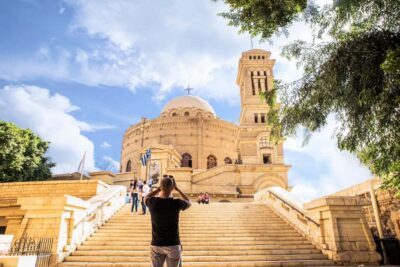 ★ 4.6Old Cairo: Full-Day Islamic and Coptic Cairo Tour with LunchFrom $76688 reviews
 ★ 4.7Museum of Egyptian Civilization, Citadel & Old Cairo TourFrom $77530 reviews
 ★ 5.0The Egyptian Museum, the Citadel, Khan Khalil Bazaar & Old CairoFrom $3418 reviews
 ★ 4.6Old Cairo and Khan El Khalili Bazaar: Private Half-Day TourFrom $55251 reviews
 ★ 4.7Salah El Din Citadel and Old Cairo Bazar Guided TourFrom $36176 reviews
 ★ 5.0All Inclusive 2-Day Ancient Egypt and Old Cairo Highlights TourFrom $95139 reviews
The lists this one sits on