
REVIEW · KARNAK & LUXOR TEMPLES ON THE EAST BANK
East Bank in Luxor Day Tour Karnak temple and Luxor Temple
Karnak and Luxor Temple in one tight run is a smart move. This East Bank tour makes it easy to see the Amun-Ra temple complex at Karnak and then continue to Luxor Temple, where multiple eras of faith leave visible marks. I especially like the practical setup, including hotel or Nile cruise pickup and a comfortable air-conditioned private car, and I also like that the guide can explain the symbolism in a focused Egyptology style. The one catch to plan around is that entry tickets are not included, so you’ll want to budget for those separately.
If you’re in Luxor for a short stop, this is a good way to make the temples feel connected instead of like two random stops. You get bottled water, transfers in a private vehicle, and a smooth pace that keeps you from wasting time. Still, because it’s about 3 hours total, first-time visitors who want to wander slowly through every corner may feel slightly rushed.
In This Review
- Key highlights to plan your day
- East Bank in one run, what 3 hours really means
- Karnak Temple: Amun-Ra, Mut, Khonsu, and the 134-column hall
- What I’d watch for, so you get more out of less time
- Possible drawback at Karnak
- Luxor Temple: five civilizations sharing the same sacred stage
- Specific sights worth aiming your eyes at
- The main consideration for Luxor Temple
- A/C pickup, private transfers, and how the guide can change the experience
- What to do if you want the most out of the guiding
- Price and value: why $16 makes sense here
- Who this East Bank Karnak plus Luxor Temple tour fits best
- FAQ
- How long is the Luxor East Bank tour?
- Does the tour include pickup and drop-off?
- Is this a private tour?
- Are entry tickets included for Karnak and Luxor Temple?
- Is bottled water provided?
- Do I get an Egyptology guide?
- What kind of transportation is used?
- Can I get other language guide options?
- What is the cancellation policy?
- Should you book this Karnak and Luxor Temple East Bank tour?
Key highlights to plan your day
- Private A/C car with pickup and drop-off so you’re not negotiating local transport
- Karnak’s hypostyle hall with 134 columns and huge granite obelisks to spot and connect
- Luxor Temple’s mix of Ancient, Greek, Roman, Christian, and Islamic eras in one layout
- Driver and guide service that gets praised for keeping things comfortable (including drinks and on-time arrival)
- Mobile ticket and advance booking popularity (often booked about 14 days ahead)
More columns on the east bank
- Hurghada: Luxor Tour with Valley of Kings, Karnak & Tut Tomb★ 4.6 · 1,082 reviews
- Luxor : Full Day Tour to Luxor West and East Banks & Lunch★ 5.0 · 870 reviews
- Luxor: Valley of Kings, Hatchepsut Temple ,Karnak & Luxor-DayTour★ 5.0 · 735 reviews
- Luxor: Karnak Temple and Luxor Temple Tour with Lunch★ 4.4 · 658 reviews
East Bank in one run, what 3 hours really means
This tour is built for people who want strong temple time without turning the day into a logistics headache. You’ll be picked up from your hotel or Nile cruise, then ride across the East Bank in a private, air-conditioned vehicle. For a price like $16 per person, the value is mostly in the time you save and the comfort you get, not in fancy extras.
A 3-hour window is short enough that you should expect “see the big things clearly” more than “read every wall carving slowly.” The itinerary concentrates on two anchor sites, and that’s exactly what most first-timers need: Karnak for scale and Luxor Temple for how later civilizations reworked sacred space.
Karnak Temple: Amun-Ra, Mut, Khonsu, and the 134-column hall
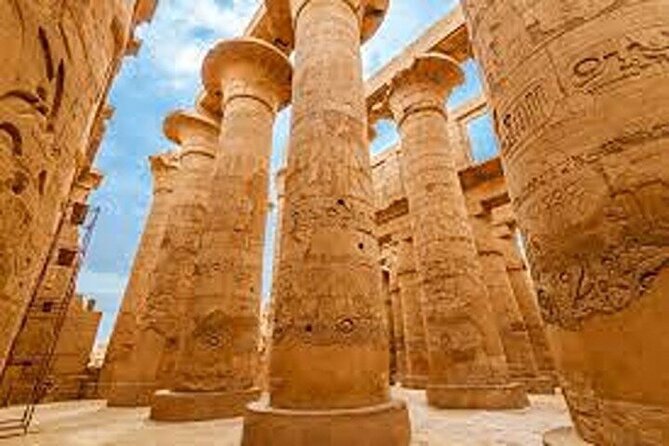
Karnak is one of those places where the main feeling is scale. You’re visiting the temple dedicated to Amun-Ra, along with Mut and their son Khonsu, part of the Theban divine family. Even if you don’t know the names yet, the site teaches them fast because the architecture and layout keep repeating the same sacred themes.
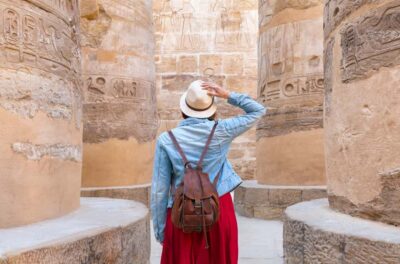
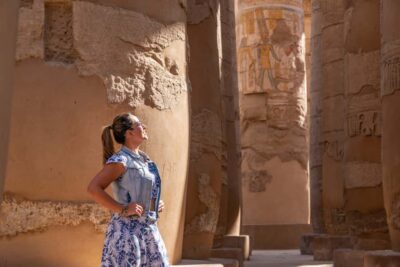
The star visual is the largest hypostyle hall with 134 columns. Columns like this do two things for your brain. First, they create that forest-of-stone feeling that makes the temple seem bigger than it should be. Second, they give you a clear way to track where you are in the structure. You can look up, feel the rhythm of the hall, and then let your guide connect symbols to meaning.
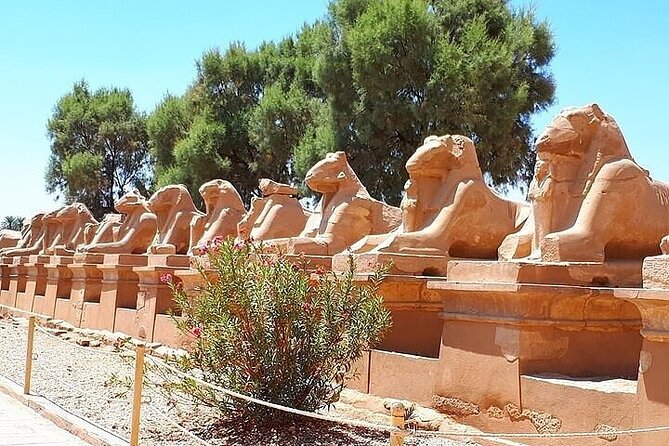
You’ll also be able to notice the taller granite obelisks carved for the temple grounds. In practice, obelisks are easy to enjoy because you don’t need a guide to see they were meant to reach upward, but a guide helps you understand why those shapes mattered to worship.
What I’d watch for, so you get more out of less time
Even with limited hours, you can make Karnak click quickly:
- Spend a few minutes orienting yourself, so you know which major spaces you’re looking at.
- Look for the way the hall and courtyard spaces frame the feeling of ceremony.
- Ask your guide to explain one or two key points rather than trying to absorb everything at once.
Possible drawback at Karnak
Karnak is big. If you’re hoping for a deep, slow, every-corner visit, you might want more time than this tour allows. Here, the goal is clarity, not exhaustion.
More one-day runs to the temples
Luxor Temple: five civilizations sharing the same sacred stage
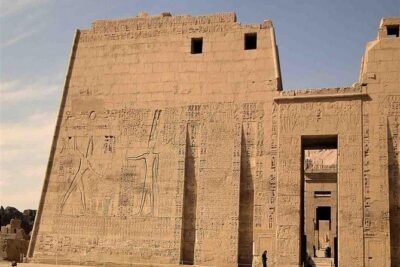
After Karnak, Luxor Temple feels more like a guided walk through time. It’s dedicated to Amun-Ra, and it also connects to Mut and Khonsu as the Theban Trinity. The standout idea is that Luxor Temple includes traces of five civilizations: ancient Egyptian, Greek, Roman, Christian, and Islamic.
That’s unusual. Many historic sites belong to one main era. Luxor Temple is different because later groups kept returning to the same area and adding their own religious and cultural layers. In other words, you’re not just seeing ancient architecture, you’re seeing how history reused a powerful place.
Construction began with King Amenhotep III in the Eighteenth Dynasty around 1500 BC, and it was completed by Ramesses II in the Nineteenth Dynasty. That means you’ll run into design choices that reflect two major reigns, and you can sense how the complex evolved rather than feeling like one instant snapshot.
Specific sights worth aiming your eyes at
This stop includes several recognizable features:
- The obelisk of Ramses II in front of the first edifice, which gives you an immediate “anchor point”
- Roman columns and Greek inscriptions, which help you visually understand the site’s layered timeline
The main consideration for Luxor Temple
Entry tickets are not included, so you’ll need to plan that cost. Also, since this is a shorter stop after Karnak, Luxor Temple works best if you’re ready to focus on highlights rather than trying to examine every inscription.
A/C pickup, private transfers, and how the guide can change the experience
Service quality matters more on temple days than people expect. Heat, walking distance, and crowd flow can turn a great plan into a frustrating one. This tour is built to reduce those headaches with a private A/C vehicle and hotel or Nile cruise pickup and drop-off.
You’ll also have the option of an Egyptology guide speaking English. When that extra guidance is included, it helps you move past “pretty stones” and into “why these details matter.” Based on the way this tour is described by past guests, the guide approach is often the big win: explanations tend to connect details, so the carvings and layout feel less random.
Drivers also get praised. One common theme is on-time pickup and a comfort-first attitude, including preparation like bottles of water and extra drinks to help you stay comfortable in Luxor’s heat.
What to do if you want the most out of the guiding
If Egyptology-style explaining is available for your booking, I’d use it strategically:
- Ask about one theme, like Amun-Ra and how the temple family appears in the layout.
- Ask how later Greek and Roman influence shows up in Luxor Temple’s features.
- Don’t try to take notes nonstop. Instead, let the guide point out what you should look for, then spend a minute looking on your own.
Price and value: why $16 makes sense here
At $16 per person, the main value is the transport and the structure. You’re not paying for a long, slow day. You’re paying for:
- Private pickup and drop-off
- A private, air-conditioned vehicle
- Bottled water
- A planned temple sequence that focuses on the two East Bank anchors
Entry tickets are not included, and tipping is also not included. That’s normal for tours like this, but you should treat it as part of your total budgeting. If you already know you’ll pay for tickets anyway, the tour price becomes mostly about convenience, time, and comfort.
The tour is also set up for real-world travel. You get a mobile ticket, and it’s often booked about 14 days in advance, which is a hint that people use this as a practical “best of East Bank” solution when their schedules are tight.
Who this East Bank Karnak plus Luxor Temple tour fits best
This works especially well if you:
- Want a private day experience but have limited time
- Prefer comfort, especially an air-conditioned car and easy pickup and drop-off
- Like a guide to translate what you’re seeing into understandable context
- Are first-timing Luxor and want two top temples handled efficiently
It may not be the best fit if you:
- Want to spend hours wandering and reading without time pressure
- Get frustrated when highlights are emphasized instead of every detail
FAQ
How long is the Luxor East Bank tour?
It’s about 3 hours total.
Does the tour include pickup and drop-off?
Yes. You’ll be picked up from your hotel or Nile cruise in Luxor and returned to the same meeting point area.
Is this a private tour?
Yes. This is a private tour, so only your group participates.
Are entry tickets included for Karnak and Luxor Temple?
No. Admission tickets are not included.
Is bottled water provided?
Yes, bottled water is included.
Do I get an Egyptology guide?
An Egyptologist guide speaking English is optional.
What kind of transportation is used?
Transfers are included by a private, modern air-conditioned vehicle.
Can I get other language guide options?
A French, German, Italian, or Spanish guide can be requested.
What is the cancellation policy?
You can cancel for a full refund up to 24 hours before the experience start time.
Should you book this Karnak and Luxor Temple East Bank tour?
Yes, if your goal is a smart, comfortable introduction to Luxor’s East Bank without wasting time. The combination of Karnak’s massive hypostyle hall and Luxor Temple’s multi-era religious layers gives you a clear storyline in just a few hours.
I’d especially book it if you value private transport with air-conditioning, and if you’ll use the optional Egyptology-style guiding to help the carvings and layout make sense. Just plan for entry tickets separately, and keep your expectations aligned with a highlight-focused 3-hour visit.
Luxor Temples in a Day

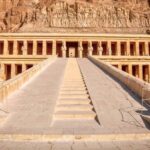
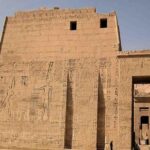
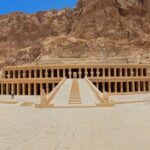
Karnak and the East Bank
More of Luxor from our review pile
- Hot Air Balloon Ride and Tour to Valley of Kings Luxor- Special Offer
★ 5.0 · 15 reviews - 4-Hours tour West Luxor bank :Hatshepsut Temple & Valley of the King with Lunch
★ 5.0 · 15 reviews - Tour From Luxor to Aswan Edfu, Kom Ombo, Philae and High Dam
★ 5.0 · 15 reviews - Private Half-day Dendera Temple
★ 5.0 · 15 reviews - Luxor Airport Departure: Convenient Private Hotel Transfer
★ 5.0 · 15 reviews - Dahabiya Nile Cruise From Luxor To Aswan 4 Nights 5 Days
★ 4.5 · 15 reviews
Karnak & Luxor Temples on the East Bank, compared.
 ★ 4.5Shared Full-Day Tour to Luxor West and East BanksFrom $901,812 reviews
 ★ 4.6Luxor Tour with Valley of Kings, Karnak & Tut TombFrom $1031,082 reviews
 ★ 5.0Full Day Tour to Luxor West and East Banks & LunchFrom $23870 reviews
 ★ 5.0Valley of Kings, Hatchepsut Temple ,Karnak & Luxor-DayTourFrom $95735 reviews
 ★ 4.4Karnak Temple and Luxor Temple Tour with LunchFrom $40658 reviews
 ★ 4.5West and East Banks All-Inclusive Tour & Balloon RideFrom $188415 reviews
 ★ 4.5Valley of Kings Hatshepsut & Karnak Luxor Day TripFrom $99375 reviews
 ★ 5.0All Inclusive Day Tour to Luxor West and East Banks with LunchFrom $70184 reviews
The lists this one sits on