
REVIEW · HOT AIR BALLOONING OVER LUXOR
Luxor: West and East Banks All-Inclusive Tour & Balloon Ride
Your day in Luxor starts above the temples.
This all-inclusive plan pairs a sunrise hot air balloon over the monument zone with a full tour day that lands you on both the West Bank and East Bank, so you get the big-picture story in one go.
I really like how the route groups the sites in a smart way, especially the contrast between the West Bank tomb world (Valley of the Kings, Hatshepsut at Deir el-Bahari) and the East Bank temple complex energy (Karnak and Luxor Temple).
That contrast is what makes the day feel more meaningful than a quick checklist.
One consideration: it is a long, early start day, and the balloon is weather-dependent. If winds shut flights down, the schedule can shift, so mentally prep for a full-day plan that is still subject to the sky.
In This Review
- Key highlights worth planning for
- How the sunrise balloon actually changes your Luxor view
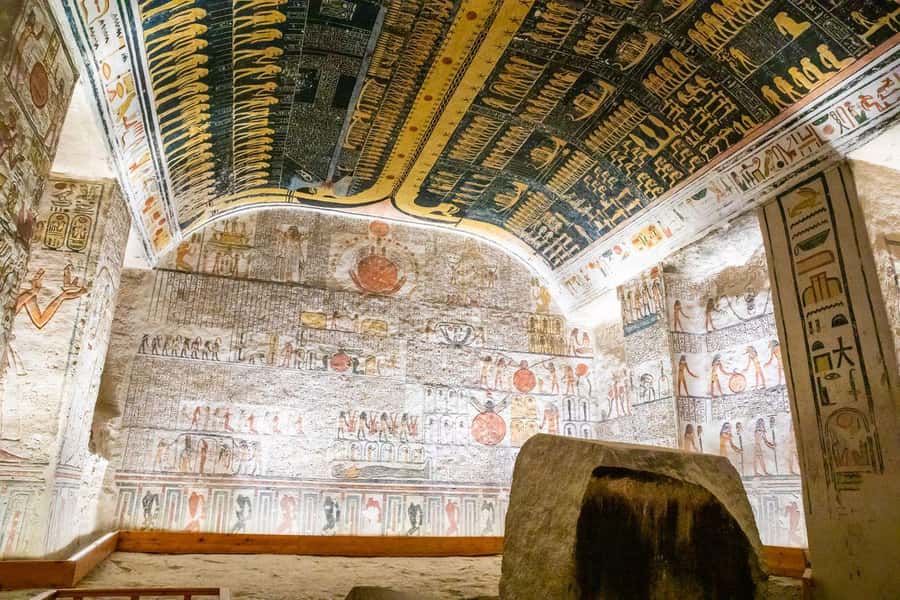
- West Bank start: Valley of the Kings and the tomb-world feeling
- Hatshepsut at Deir el-Bahari: the terraces that climb into the cliffs
- Colossi of Memnon and the Amenhotep III connection
- Lunch in the middle: fuel for an 11-hour day
- Felucca on the Nile: the reset you need after temples
- East Bank finish: Karnak Temple and the Theban triad
- Luxor Temple: Amenhotep III and Ramses II in one frame
- What the guide quality looks like in real life
- Price and value: does $188 buy a smarter Luxor day?
- Who should book this Luxor combo tour
- Should you book this tour?
- FAQ
- Where does hotel pickup happen?
- Is West Bank hotel pickup included?
- What is included in the price?
- How long is the tour?
- Is the hot air balloon ride guaranteed?
- Can children join the balloon ride?
- What stops are on the tour?
- Is there a ticket-line skip?
- What languages are available for the guide?
- Is the tour suitable for everyone with mobility needs?
Key highlights worth planning for
- Sunrise balloon flight for a top-down view of Luxor’s sacred layout at first light
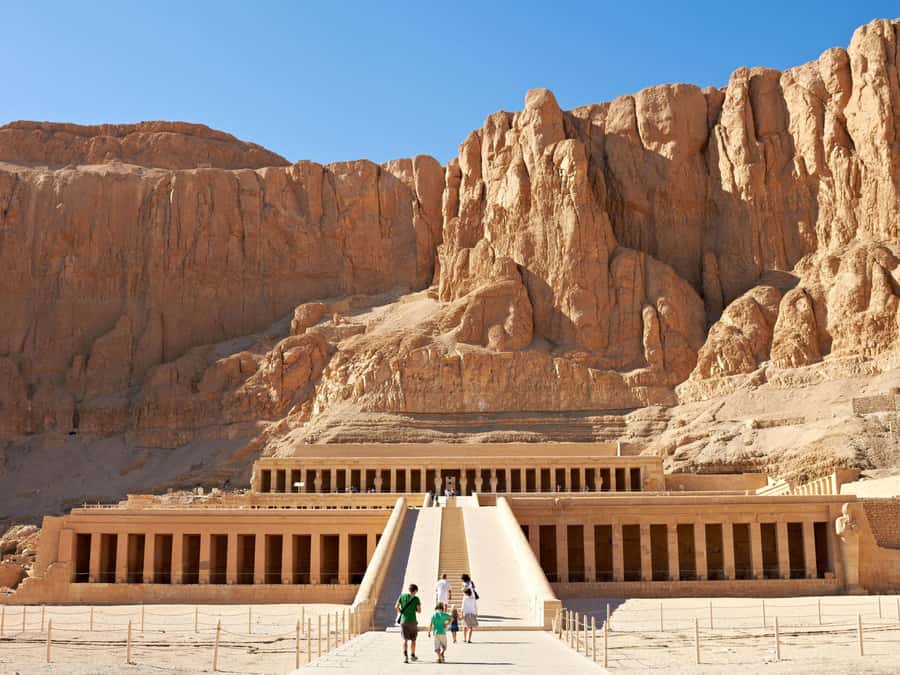
- West Bank temple sequence including the Valley of the Kings and Hatshepsut’s three terraces
- Karnak Temple context built around Amun, Mut, and Khonsu (the Theban triad)
- Felucca ride on the Nile as a calmer reset after walking ruins all day
- All-in price basics included entry fees, guide, lunch, transfers from East Bank hotels
More columns on the east bank
- Hurghada: Luxor Tour with Valley of Kings, Karnak & Tut Tomb★ 4.6 · 1,082 reviews
- Luxor : Full Day Tour to Luxor West and East Banks & Lunch★ 5.0 · 870 reviews
- Luxor: Valley of Kings, Hatchepsut Temple ,Karnak & Luxor-DayTour★ 5.0 · 735 reviews
- Luxor: Karnak Temple and Luxor Temple Tour with Lunch★ 4.4 · 658 reviews
How the sunrise balloon actually changes your Luxor view
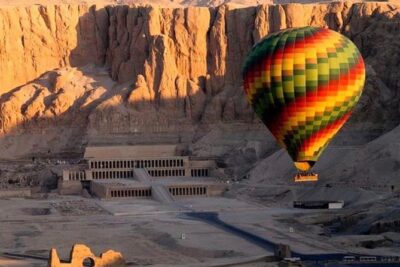
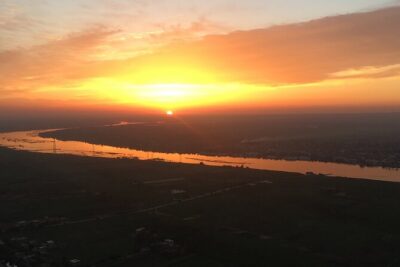
A balloon flight is not just a cool add-on. In Luxor, it gives you the geography your eyes miss at ground level. From above, the river bends, the temple compounds cluster, and the West Bank cliff area around Deir el-Bahari looks like what it is, a planned theater carved into the desert edge.
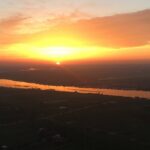
You’ll fly at sunrise with a stated height of over 1500 feet, and the timing matters. Early light softens shadows, so inscriptions and architectural lines can read more clearly, and the whole area looks less like random ruins and more like a connected city of the gods and pharaohs.
After landing, you switch from aerial wonder to hands-on history fast. That pacing is a strength of this tour. You do not waste the morning by sleeping in or doing small side stops. You go straight into the monuments while the balloon imagery is still fresh.
West Bank start: Valley of the Kings and the tomb-world feeling
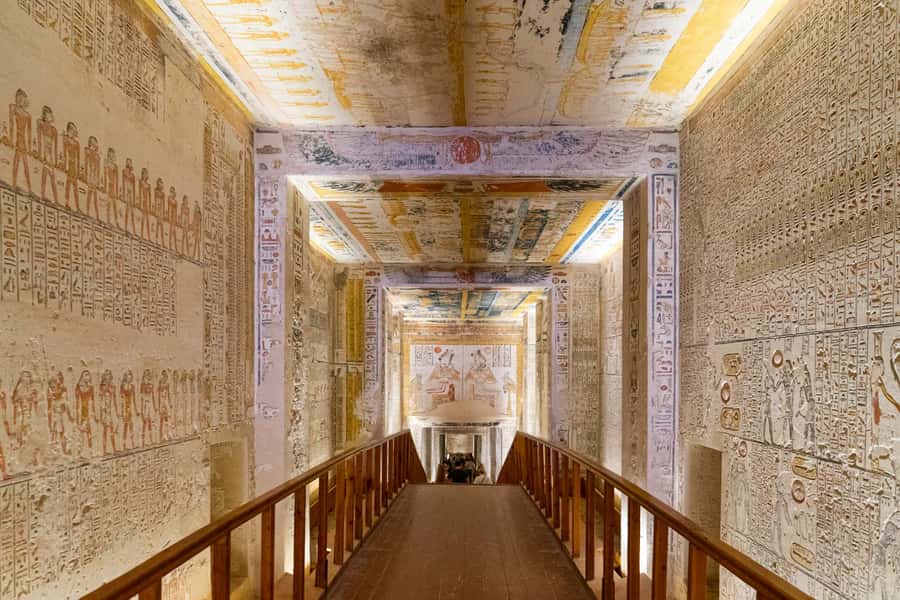
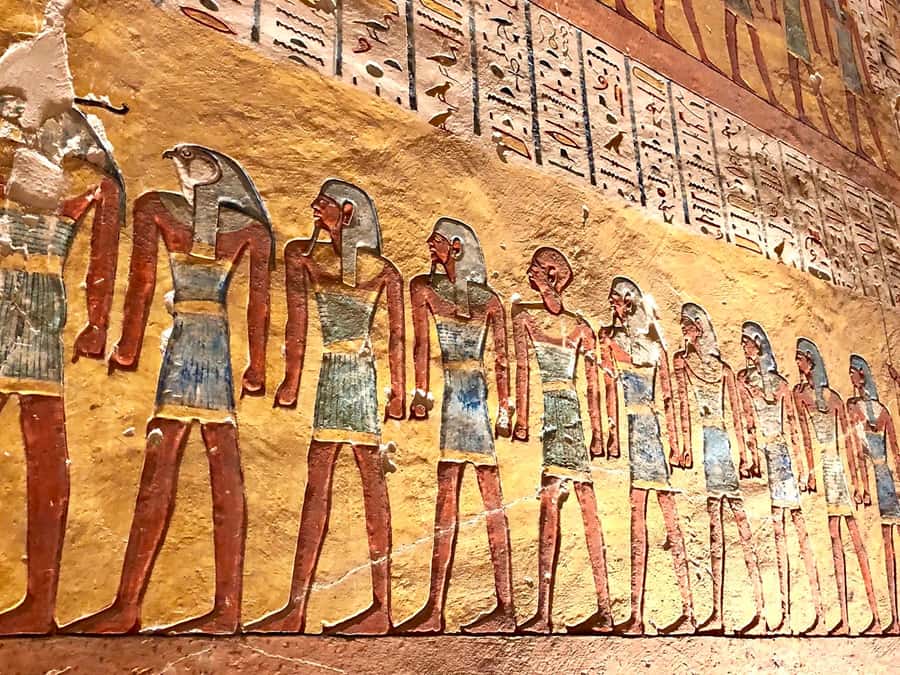
The day’s West Bank portion begins with the Valley of the Kings, also called the Valley of the Gates of the Kings. This place is all about purpose and secrecy. You’re moving from open-air temple forms to the idea of hidden, protected afterlife spaces.
Even if you only see the main areas and not every interior, the guide-led framing helps you understand why this valley became the destination for so many royal tomb ambitions. The terrain is uneven and you’ll be on your feet, so comfortable shoes are not a suggestion, they are your main comfort tool here.
The best value of a guided approach at the Valley of the Kings is simple: you get the meaning behind what you’re looking at. Without that, it can feel like you’re just walking between entry points. With it, you start thinking like ancient Egyptians about the journey from life into eternity.
Hatshepsut at Deir el-Bahari: the terraces that climb into the cliffs
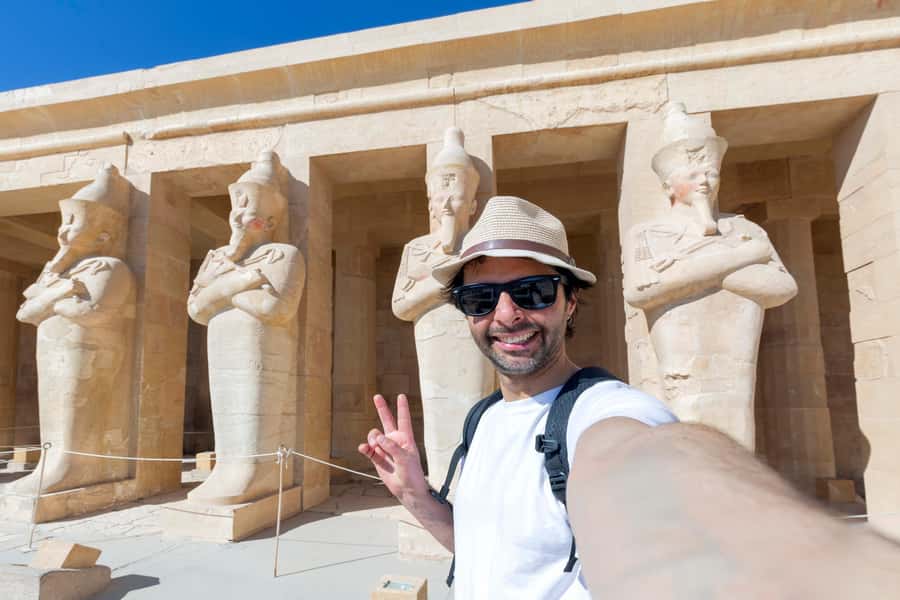
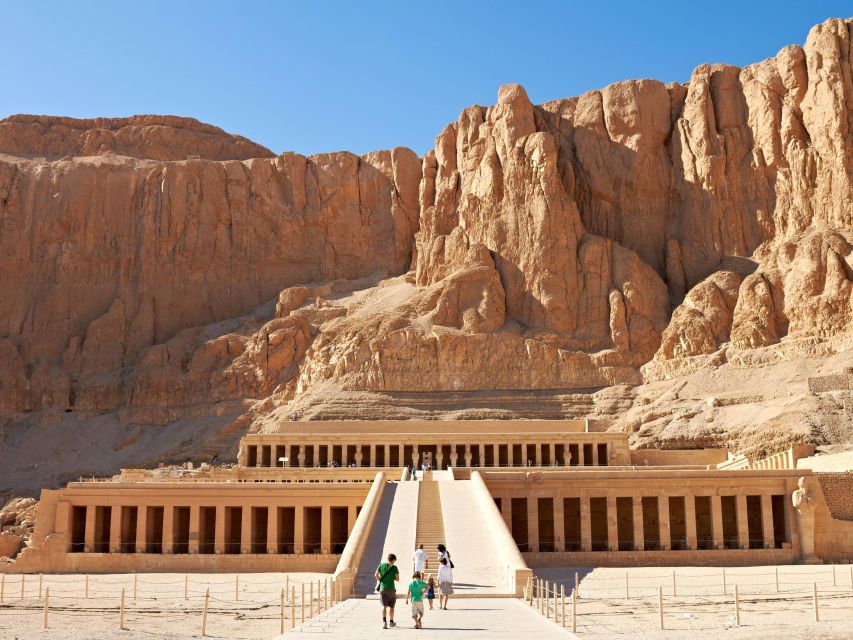
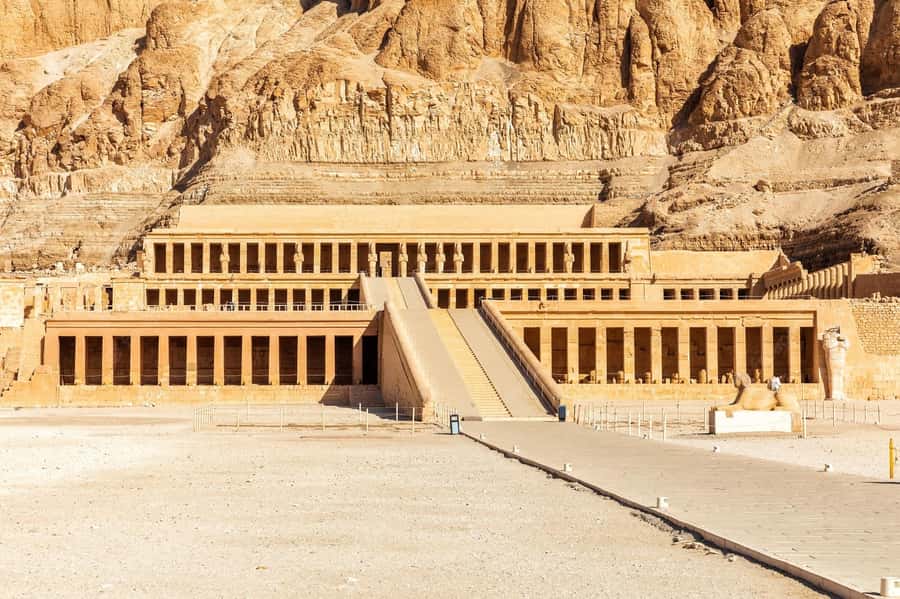
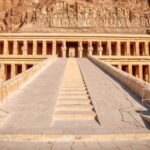
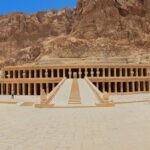
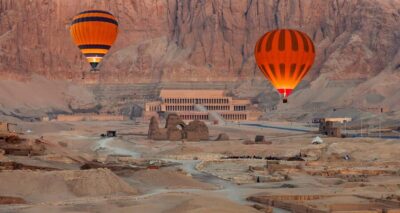
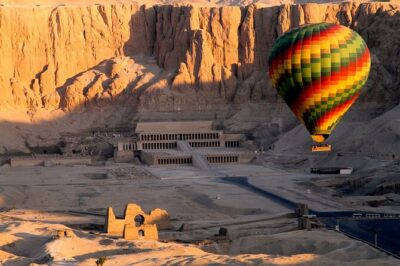
Next comes the Mortuary Temple of Queen Hatshepsut, a masterpiece set opposite Luxor and built into the dramatic Deir el-Bahari setting. The big visual here is the three massive terraces rising above the desert floor and into the cliffs.
This is where Luxor’s West Bank becomes cinematic. From below, the temple reads as a series of levels climbing toward the rock wall, and you get a sense of why this spot would feel powerful to ancient visitors. The guide explanation helps you connect those terraces to the person it honors and to the broader religious ideas at work.
Practical note: this is a site where you’ll want a camera ready at all times. Between the terrace lines, the cliff backdrop, and the shifting light, it’s the kind of place where you keep finding new angles.
Colossi of Memnon and the Amenhotep III connection
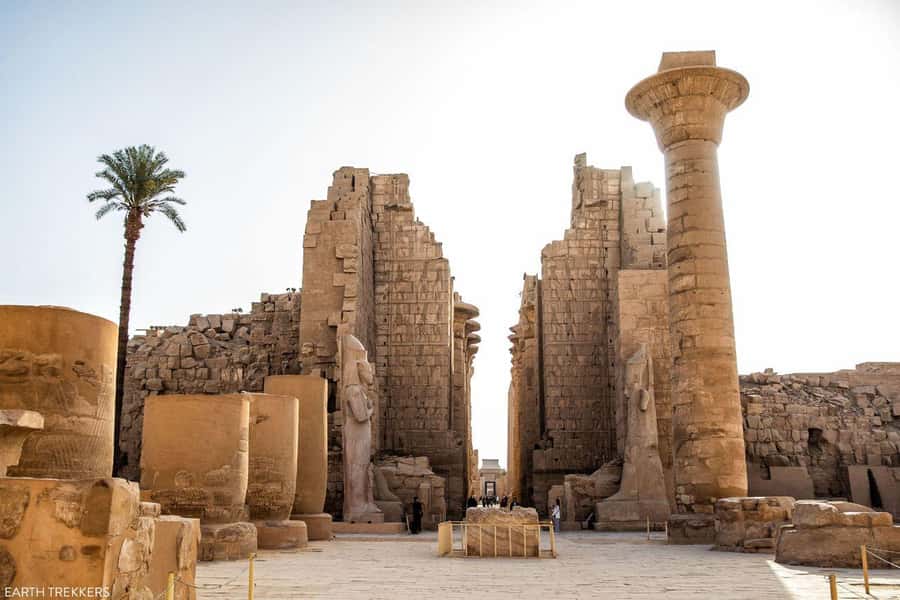
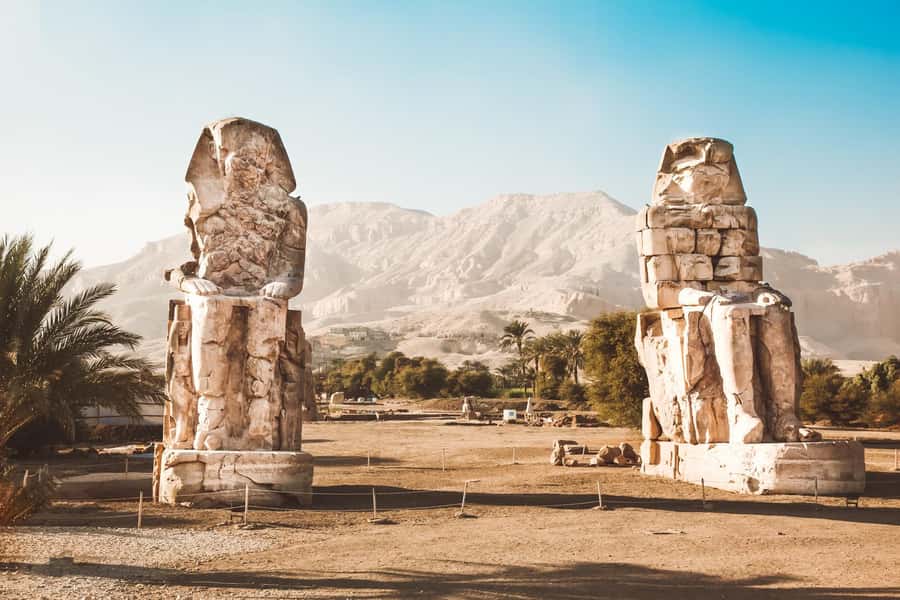
After Hatshepsut, the tour moves to the Colossi of Memnon, linked to the mortuary temple of Amenhotep III. This stop works well after Deir el-Bahari because it adds another chapter without repeating the same visual type. You get a different monumental presence, and the guide’s role is to connect it back to the bigger theme of royal building and commemoration.
This is also a good moment to slow your pace mentally. The schedule is busy, but the Colossi stop gives you a chance to absorb the scale and symbolism before you head to lunch and the river.
Other early liftoffs over Luxor
Lunch in the middle: fuel for an 11-hour day
Lunch is at a local restaurant, included in the tour. This matters more than you might think, because an 11-hour temple day is physically front-loaded. You’ll be walking, climbing ramps or uneven ground at multiple sites, and then you still need energy for Karnak, Luxor Temple, and the felucca ride.
Bring simple patience. You will likely feel the day in your shoulders and calves, especially in warmer months. A decent meal helps you keep your attention on what the guide is explaining, not on your hunger.
Felucca on the Nile: the reset you need after temples
Then comes the Nile. You’ll cruise in a traditional felucca sailing boat, relax with a drink, and take in the river scenery at a slower rhythm.
This part is valuable because it changes the pace from stone and sun to water and movement. On a long day, that reset matters. It’s also a nice “breather” for people who love photos but get tired of constant standing still for views.
If you’re the type who wants your photos to include more than just temples, this ride helps. The Nile gives you a visual frame for Luxor’s story: the temples face the river, the river connects the halves of the city, and the water ride makes that relationship feel real.
East Bank finish: Karnak Temple and the Theban triad
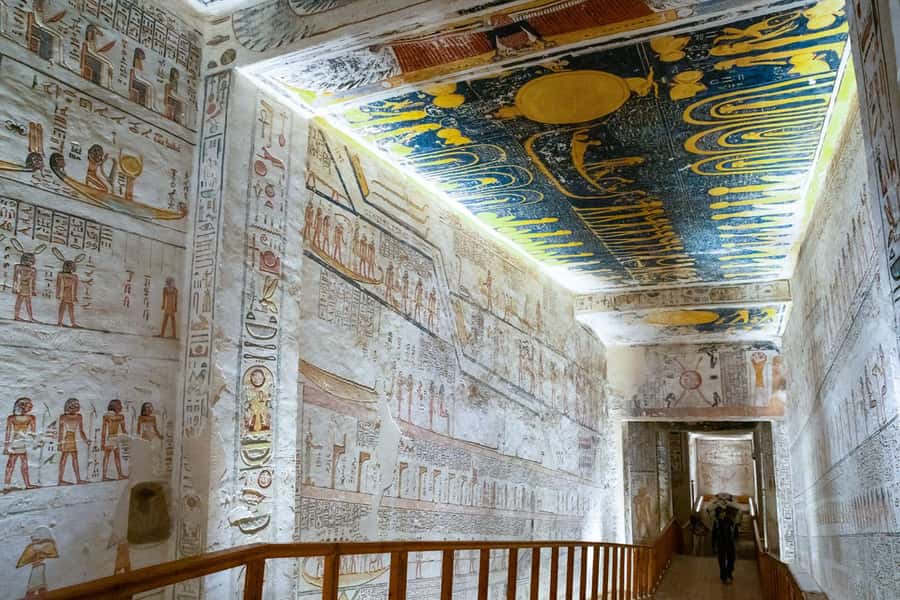
Karnak Temple is next, and this stop is the reason many people make Luxor their main destination. It’s dedicated to Amun, his wife Mut, and their son Khonsu, known as the Theban triad.
What I like about doing Karnak with a professional guide is that Karnak can look like endless walls and columns if you’re not given a thread. When you understand who worshipped here and what the triad represents, the scale becomes less confusing. You start seeing patterns, and you can follow the logic of the complex instead of just trying to remember where you already stood.
Also, Karnak is one of those places where timing and energy matter. You’ll likely be there late enough in the day that you feel sun and crowd pressure. The guide helps you keep your head in the story rather than drifting into just “look at this, look at that.”
Luxor Temple: Amenhotep III and Ramses II in one frame
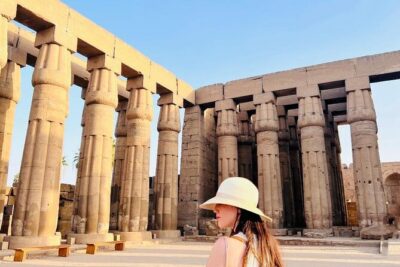
After Karnak, you’ll visit Luxor Temple. This one is built by Amenhotep III in the 18th Dynasty and completed by Ramses II.
That historical handshake is part of the charm of Luxor Temple. You’re not only seeing one ruler’s vision. You’re seeing an evolving monument that carries forward a dynastic message. It’s also a good pairing after Karnak because it feels more approachable in scale and easier to map in your mind.
If you like the idea of standing in places where different reigns left their fingerprints, this is your moment. The guide narration helps you connect the architecture to the names you keep hearing in Egyptian history.
What the guide quality looks like in real life
In Luxor, a good guide makes temples legible. The best names to watch for, based on recent standout experiences, include Salma, Manal, Jackie, Asma Saber, and Mahmoud Issa. People praised them for clear explanations, friendly pacing, and helping with questions on the spot.
You should also expect the day to feel structured without being rigid. Multiple guides were described as flexible about questions and pace, and that matters because Luxor can feel fast if someone reads from a script and never checks whether you’re following.
Price and value: does $188 buy a smarter Luxor day?
At $188 per person for an 11-hour West and East Banks package with entry fees, a professional English-speaking guide, hotel pickup and drop-off from East Bank hotels, sunrise balloon, felucca, and lunch, the value comes from what you do not have to organize yourself.
Temple days can become expensive when you add up entry fees, separate guides, and transport. Here, the essentials are bundled. The balloon also plays a big role in perceived value. Even when flights are delayed or swapped due to wind, the tour structure still covers the main temple circuit you came for.
My practical take: this is a good deal if you want one guided day that covers the big hits. If you already plan to spend multiple days splitting East and West Bank temples, you might not need the balloon portion packaged tightly into one schedule.
Who should book this Luxor combo tour
This tour makes the most sense for you if:
- You have limited time in Luxor and want both banks in one day
- You want a guide to connect the sites into a story, not just a series of stops
- You’re comfortable with an early start and a full day of walking and standing
It is not a fit if you are pregnant, need wheelchair access, or have mobility impairments, since the tour is not suitable for wheelchair users.
Kids matter too. Children under 6 years cannot join the hot air balloon flight due to civil aviation rules, even if they join the rest of the tour.
Should you book this tour?
Yes, if you’re aiming for a high-effort, high-payoff Luxor day: balloon at sunrise, West Bank tomb and cliff-side architecture, Karnak and Luxor Temple on the East Bank, plus a felucca break on the Nile.
Skip it or consider an alternative plan if you dislike long days, walking in heat, or you need a very controlled schedule where the sky cannot change the timetable.
If you do book, do two things that improve the day immediately: wear comfortable shoes, and bring a camera ready for sunrise light and terrace angles. Luxor rewards planning, and this route is built to make the most of it.
FAQ
Where does hotel pickup happen?
Pickup and drop-off are included for East Bank hotels.
Is West Bank hotel pickup included?
West Bank pickup is not included, but it is available as an extra add-on for $5 per person.
What is included in the price?
The tour includes entry fees, a professional English-speaking guide, driver, sunrise hot air balloon ride, felucca ride, lunch, and all taxes and service charges.
How long is the tour?
The duration is 11 hours.
Is the hot air balloon ride guaranteed?
It is part of the tour as a sunrise hot air balloon ride, but flights can be cancelled due to wind. In some cases, the company arranged a next-day flight experience.
Can children join the balloon ride?
Children under 6 years cannot join the hot air balloon flight due to civil aviation rules.
What stops are on the tour?
You’ll visit the Valley of the Kings, the Mortuary Temple of Queen Hatshepsut, the Colossi of Memnon, Karnak Temple, and Luxor Temple, with a felucca ride and lunch in between.
Is there a ticket-line skip?
Yes, you can skip the ticket line.
What languages are available for the guide?
Live tour guides are available in Arabic, English, French, German, and Spanish.
Is the tour suitable for everyone with mobility needs?
No. It is not suitable for pregnant women, people with mobility impairments, or wheelchair users.
Sunrise Over Luxor

Karnak and the East Bank
More of Luxor from our review pile
- Private Tour Nile Felucca Ride at Sunset in Luxor
★ 5.0 · 26 reviews - Private Full day East and West Bank, Luxor
★ 5.0 · 26 reviews - Luxor Day Tour: Kings Valley & Karnak & Luxor & Hatshepsut Temple
★ 5.0 · 26 reviews - Full-Day East and West Luxor Private Tour
★ 4.5 · 26 reviews - Day Trip to Edfu & Kom Ombo temples from Luxor and drop off in Aswan or Luxor
★ 5.0 · 26 reviews - 5 Days 4 Nights Nile Cruise Tour
★ 5.0 · 27 reviews
Hot Air Ballooning Over Luxor, compared.
 ★ 5.0Hot Air Balloon Ride in Luxor Egypt with Transfers IncludedFrom $754,319 reviews
 ★ 5.04-Days Nile Cruise From Aswan To Luxor including Abu Simbel and Hot Air BalloonFrom $3493,142 reviews
 ★ 4.8Hot Air Balloon Ride over Luxor RelicsFrom $881,681 reviews
 ★ 4.52-Day Luxor Tour with Hotel, Balloon, & Boat RideFrom $2701,113 reviews
 ★ 5.0Luxury Sunrise Balloon Ride in Luxor with Hotel PickupFrom $601,104 reviews
 ★ 4.4Morning Hot Air Balloon RideFrom $55736 reviews
 ★ 5.0Sunrise Hot Air Balloon Over the Historical sites in LuxorFrom $75697 reviews
 ★ 5.0Sunrise Hot Air Balloon Ride Over LuxorFrom $90648 reviews
The lists this one sits on