
REVIEW · LUXOR WEST BANK TEMPLES & TOMBS
West Bank Tombs and Temples
Ramses feels close on the West Bank. This guided day tour links the Valley of the Kings tombs, Medinet Habu for Ramses III, and Hatshepsut’s temple with an Egyptologist guide who helps you read what you’re looking at. I especially like that it’s a private tour for just your group and that round-trip hotel transfers are included. The only real catch is the schedule is full and starts early, so you’ll want comfortable shoes and a plan for walking and heat.
You’ll spend your day moving across the Theban Hills, where ancient Thebes (modern Luxor) left behind an overload of royal and noble monuments. If you’re the type who likes context, the guide matters here, because these sites are huge and the carvings only start to make sense once someone explains the stories and symbols. Still, if you prefer a slow sightseeing day with lots of free time, this one may feel tightly packed.
I’d see this as a great “core West Bank” day, especially if you want both royal burials and the mortuary temple of Ramses III in the same outing. It’s also a smart choice for first-time Luxor visitors who want to cover the major hits without guessing which tombs to prioritize.
In This Review
- Key points before you go
- Why the West Bank route works so well
- Price and what $125 gets you in real value
- Morning logistics: early start, full days, and how to plan
- Valley of the Kings: tomb selection is part of the experience
- Colossi of Memnon: a short stop that pays off for photos
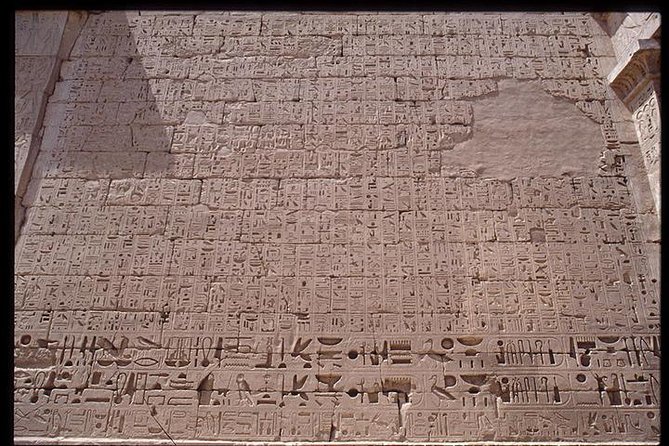
- Medinet Habu and Ramses III: huge temple drama, well-preserved reliefs
- Tombs of the Nobles: daily life carved into stone
- Temple of Hatshepsut: architecture plus a powerful story
- The Egyptologist guide factor: why you’ll get more from the carvings
- Who this tour fits best (and who might want a different plan)
- Should you book the West Bank Tombs and Temples tour with Nasco?
- FAQ
- What sites are included on this West Bank tour?
- How long is the tour?
- Is pickup and drop-off included?
- Is it a private tour?
- What’s included with the Valley of the Kings entry ticket?
- Are other tombs available besides the 3 included ones?
- What are the tour hours?
- Are the site admission tickets included?
- What happens if weather is poor?
- What is the cancellation window?
Key points before you go
- Private group time means your guide can adjust questions and pacing for your interests.
- Hotel transfers included make the day easier, especially if you’re tired from travel.
- Valley of the Kings ticket covers 3 tombs from KV1, KV2, KV6, KV8, KV14, KV15, KV16, KV43, KV47 (and more options).
- Medinet Habu is a highlight for big courts and well-preserved reliefs tied to Ramses III.
- Tombs of the Nobles adds daily-life scenes, not just royal names.
- Hatshepsut Temple gives you contrast with a dramatic setting against towering cliffs.
West bank tombs, one by one
- Luxor Day Tour: Valley of Kings & Queens & Hatchepsut Temples★ 5.0 · 1,496 reviews
- Full Day Tour to East and West Banks of Luxor★ 5.0 · 1,449 reviews
- Luxor: Valley of the Kings and Hatshepsut Temple Day Tour★ 4.4 · 1,404 reviews
- Luxor: Valley of Kings, Hatchepsut Temple ,Karnak & Luxor-DayTour★ 5.0 · 735 reviews
Why the West Bank route works so well
The West Bank isn’t just one sight, it’s a whole zone of burial grounds and mortuary temples across the Theban Hills. This itinerary is built like a storyline, starting with royal tombs carved into the cliffs, then moving outward to temples where rituals and commemoration took place.
You begin in the Valley of the Kings, where the New Kingdom pharaohs were laid to rest for centuries. Then you transition to monumental space at places like Medinet Habu, where you’re no longer staring at a sealed tomb. Instead, you’re looking at the architectural stage that helped the living honor the dead.
That flow matters. If you try to mix these sites randomly, you tend to lose the “why.” Here, the route keeps the focus on the idea of burial, remembrance, and power, all in one long day.
Price and what $125 gets you in real value
At $125 per person for about 7 hours 35 minutes, this tour is aiming for a sweet spot: major West Bank sites, guided interpretation, and practical transport. The big value signal is that round-trip hotel transfers are included, so you’re not spending your morning arranging taxis or negotiating waits.
Admissions are also part of the day in a structured way. The Valley of the Kings stop is listed as included, and subsequent key sites have admission marked as included too. That means you’re mostly paying for the guide, timing, and seamless movement between monuments, rather than constantly stopping to figure out ticket logistics.
One pricing detail to keep in mind: the Valley of the Kings main entry includes access to 3 open tombs, while additional tombs like KV62 (Tutankhamun) require an extra ticket purchase. If you’re a “see the most famous one” person, you may want to budget a little more for those upgrades.
Morning logistics: early start, full days, and how to plan
The tour runs within the operator’s opening window of 6:00 AM to 12:00 PM, Monday through Sunday. That early start isn’t just to be efficient, it’s to help you get to the cliffs and temples before conditions get harsh. Luxor mornings can feel manageable, but by later in the day you’ll be grateful you’re not doing this at random times.
The itinerary also stays busy, moving through multiple stops without long downtime. You’ll have brief transfer windows between areas, plus set times at each monument. This is great if you want a packed day, but it also means you should treat bathroom breaks and water as a priority.
Practical move: wear shoes you trust on uneven ground. The Valley of the Kings and temple areas involve walking on stone and dirt surfaces. A hat and sunscreen are also smart, because your time outdoors isn’t short.
Valley of the Kings: tomb selection is part of the experience
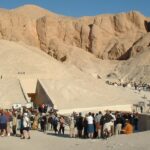
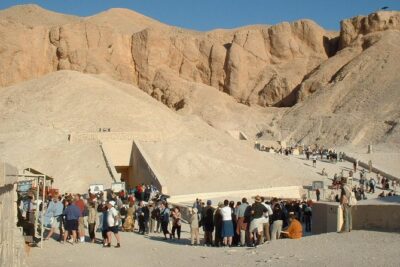
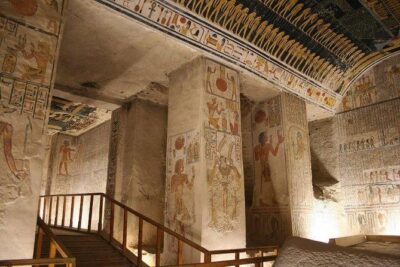
The Valley of the Kings is described as the royal burial ground for nearly 500 years during the New Kingdom period. It’s carved into desert cliffs across the Nile from ancient Thebes, which makes it feel like you’re stepping into a world built against the horizon.
This tour’s entry includes access to 3 tombs from the set of open options. The tombs included in the main entry can be selected from: KV1, KV2, KV6, KV8, KV14, KV15, KV16, KV43, KV47. Other options are available for an additional ticket purchase, including KV9, KV17, and KV62 (Tutankhamun).
Why that matters: the Valley isn’t just one gallery. Each tomb has different decoration and layout, and your “best” picks depend on what you want to see. If your main interest is famous names, ask in advance or decide on the day whether an optional ticket makes sense for your interests and budget.
A second detail I like about this setup is the time allocation. You’re given a solid block for the Valley (about 1 hour 30 minutes), which is enough to actually look, not just rush past corridors. With an Egyptologist guide, you’ll spend less time guessing what the wall scenes mean.
Colossi of Memnon: a short stop that pays off for photos
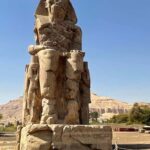
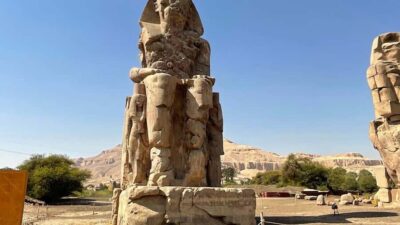
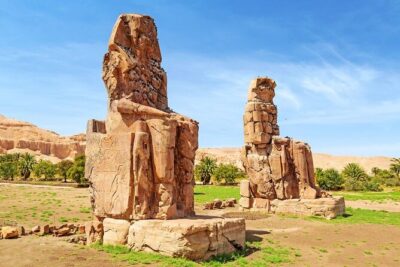
After the Valley, you head to the Colossi of Memnon. The tour lists two stages here: first travel and then a focused photo stop. Even with only about 25 minutes total (10 minutes to depart and 15 minutes for photos), this isn’t wasted time.
These statues are famous enough that you know the shape even if you’ve never visited. But what a good guide can do is help you understand what you’re seeing in context, so the stop becomes more than a quick snapshot.
Think of it as the visual palate cleanser between cliff tombs and big temple spaces. You get a moment to breathe, take a few photos, and reset your brain for the next monument.
Medinet Habu and Ramses III: huge temple drama, well-preserved reliefs
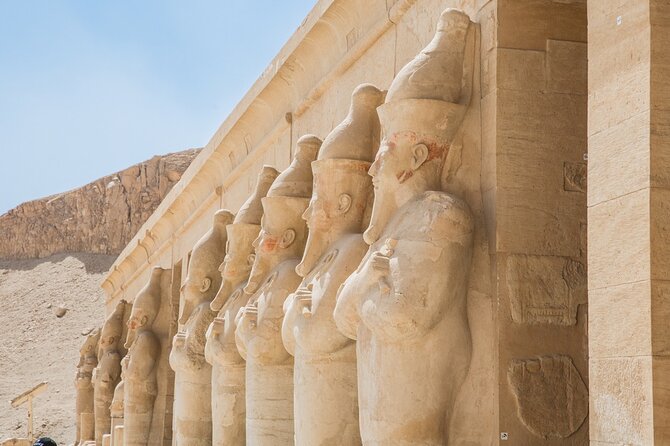
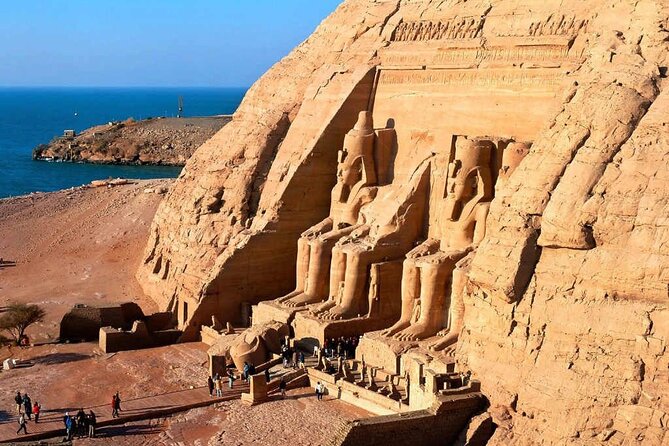
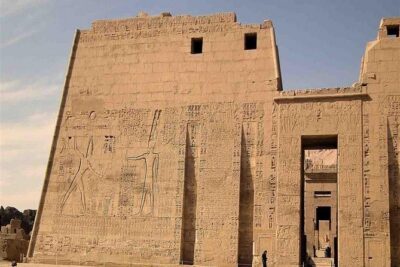
If you want one place that feels like a serious “mortuary temple moment,” it’s Medinet Habu. The tour frames it as the mortuary temple complex of Ramses III, one of Egypt’s largest, built after his death at his request.
This is where the scale hits. You’ll be walking through areas with huge courts and imposing towers, and you’re given time to see the reliefs that depict battles and rituals. The guide’s role becomes extra important here, because relief scenes can look repetitive if you don’t know what to look for.
You’ll have about 1 hour at Medinet Habu. That time length is meaningful. You can move slowly enough to catch details in the carvings, rather than treating it like a stop you sprint through.
If you’re the kind of visitor who enjoys power, kingship, and the message a monument was trying to send, this is the emotional center of the itinerary.
Tombs of the Nobles: daily life carved into stone
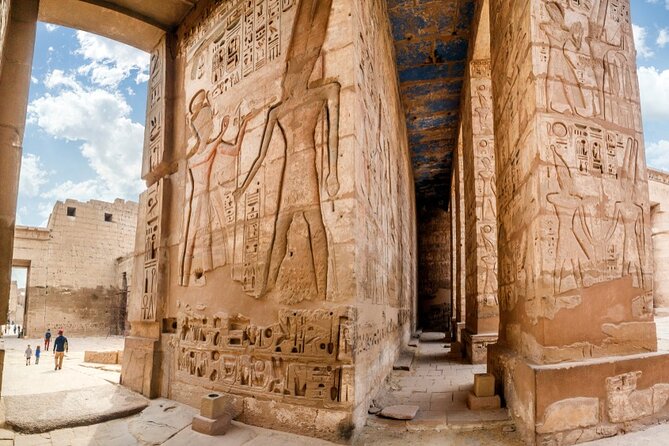
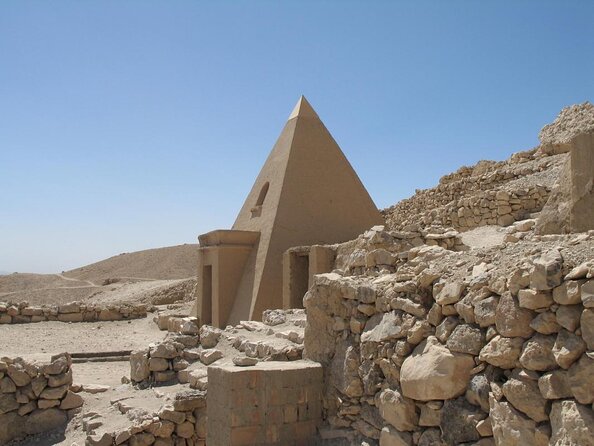
Next comes Tombs of the Nobles, also on the West Bank side of Luxor’s antiquities zone. This part shifts the focus away from pharaohs and toward high officials and priests.
The key difference you’ll feel is the subject matter. Instead of royal names and funerary planning alone, the tombs show detailed scenes of daily life in ancient Egypt. That makes the visit feel more human, more grounded, and often more fun if you like everyday details over only big political names.
You get about 1 hour for this stop, which is a good amount for comparing scenes and walking through the space at a comfortable pace. A strong guide will point out which images are tied to work, ceremonies, or beliefs, so your brain starts making connections quickly.
Temple of Hatshepsut: architecture plus a powerful story
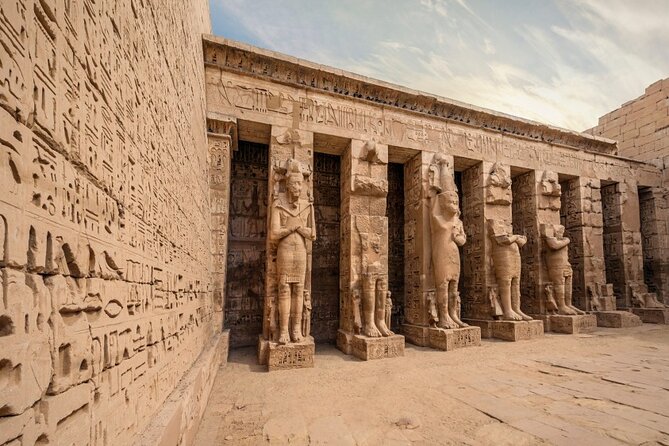
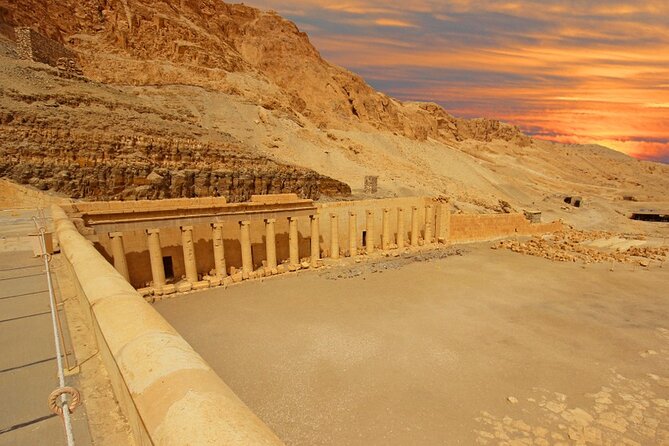
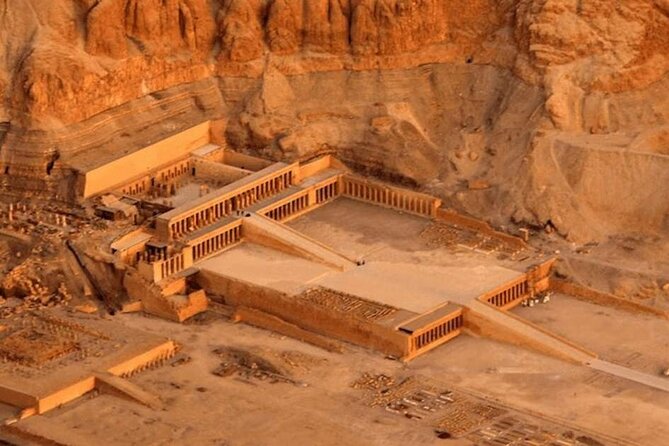
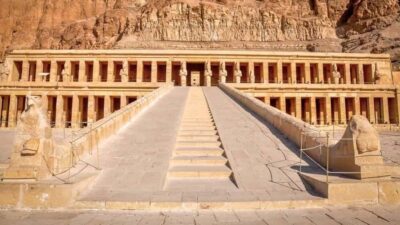
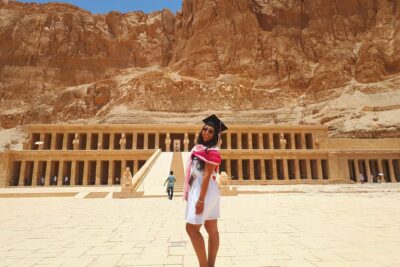
The final major monument on the route is Temple of Hatshepsut. This temple is described as an architectural marvel built against towering cliffs, honoring Egypt’s most powerful female ruler.
What I like about ending here is contrast. Medinet Habu is about Ramses III and monumental commemoration. Hatshepsut’s temple brings a different kind of presence, with strong architectural lines and a setting that makes the temple feel like it belongs to the rock itself.
You’ll spend about 45 minutes at Hatshepsut, then have a short transfer (about 10 minutes) before returning to Luxor. That timing is good because you finish with a dramatic, easy-to-sense space, even if some tomb interiors become mentally tiring.
The Egyptologist guide factor: why you’ll get more from the carvings
This tour is built around an Egyptologist guide, not just a driver who points. The difference shows up most at the tombs and temples, where walls are doing the storytelling.
In the West Bank, you’ll see a lot of carving patterns, figures, and hieroglyphs. Without context, it can feel like visual noise. With the guide, you’ll get a framework for what rituals are being shown, what titles mean, and why certain scenes were placed where they are.
In NASCO’s Luxor work, guide names that come up across West Bank touring experiences include Ghada and Nermeen (also spelled as Nana in some comments). People also mention guides like Nana, Mary Mena, Maria, Ahmed, and Abanoob in the context of smooth pacing and clear explanations. A common thread in those kinds of experiences is a guide who stays friendly, answers questions, and keeps you on track without rushing.
Even if you’re an absolute beginner, you can still enjoy this day because the tour doesn’t assume you already know Egyptology. The guide’s job is to connect what you see to what it meant.
Who this tour fits best (and who might want a different plan)
This tour is a great match if you want the West Bank’s headline sites in one day, especially Valley of the Kings plus Medinet Habu plus Hatshepsut Temple. It’s also a smart pick if you like structured sightseeing, since the stops are timed and admissions are handled.
It’s also family-friendly in the sense that it’s private and you can ask questions, though the day is still long and includes outdoor walking. If you’re traveling with kids, you’ll likely appreciate that your group stays together and the guide can tailor explanations to keep attention focused.
If you’re sensitive to early mornings or you hate crowded spaces, note that the day is designed to pack several monuments into one run. You can still have a good time, you just need to be realistic about energy levels.
Should you book the West Bank Tombs and Temples tour with Nasco?
I’d book this tour if you want one day to cover the West Bank in a way that feels intentional: royal tombs, noble tombs, then the mortuary temple of Ramses III, finished with Hatshepsut. The private format, hotel transfers, and the Egyptologist-led interpretation are the combination that makes the day worth $125 instead of just being a list of sights.
I’d think twice if you prefer a slow, flexible day with lots of free time at each site. Also consider the optional tomb tickets at the Valley of the Kings if you have a specific must-see tomb name like KV62.
In short: this is a strong “Luxor West Bank essentials” day, built for people who want meaning, not just photos.
FAQ
What sites are included on this West Bank tour?
You’ll visit the Valley of the Kings, Colossi of Memnon (photo stop), Temple of Medinet Habu, Tombs of the Nobles, and Temple of Hatshepsut.
How long is the tour?
The duration is about 7 hours 35 minutes.
Is pickup and drop-off included?
Yes. Round-trip hotel transfers are included.
Is it a private tour?
Yes. It’s a private tour/activity, and only your group will participate.
What’s included with the Valley of the Kings entry ticket?
Your main entry ticket includes access to 3 open tombs from this list: KV1, KV2, KV6, KV8, KV14, KV15, KV16, KV43, KV47.
Are other tombs available besides the 3 included ones?
Yes. Optional tombs can be added with an additional ticket purchase, including KV9, KV17, and KV62.
What are the tour hours?
The tour operates within these hours: 6:00 AM to 12:00 PM, Monday through Sunday.
Are the site admission tickets included?
Admission tickets are listed as included for Valley of the Kings and the main monuments on the route, while Luxor stops at the start and end are listed as free.
What happens if weather is poor?
This experience requires good weather. If it’s canceled due to poor weather, you’ll be offered a different date or a full refund.
What is the cancellation window?
You can cancel up to 24 hours in advance for a full refund. If you cancel less than 24 hours before the start time, no refund is provided.
The West Bank, Tomb by Tomb
More of Luxor from our review pile
- Private Tour Nile Felucca Ride at Sunset in Luxor
★ 5.0 · 26 reviews - Private Full day East and West Bank, Luxor
★ 5.0 · 26 reviews - Luxor Day Tour: Kings Valley & Karnak & Luxor & Hatshepsut Temple
★ 5.0 · 26 reviews - Full-Day East and West Luxor Private Tour
★ 4.5 · 26 reviews - Day Trip to Edfu & Kom Ombo temples from Luxor and drop off in Aswan or Luxor
★ 5.0 · 26 reviews - 5 Days 4 Nights Nile Cruise Tour
★ 5.0 · 27 reviews
Luxor West Bank Temples & Tombs, compared.
 ★ 5.0Luxor Day Tour: Valley of Kings & Queens & Hatchepsut TemplesFrom $891,496 reviews
 ★ 5.0Full Day Tour to East and West Banks of LuxorFrom $151,449 reviews
 ★ 4.4Valley of the Kings and Hatshepsut Temple Day TourFrom $501,404 reviews
 ★ 5.0Valley of Kings, Hatchepsut Temple ,Karnak & Luxor-DayTourFrom $95735 reviews
 ★ 5.0Full Day Tour of Luxor West Bank Temples and Tombs (Private)From $20722 reviews
 ★ 5.0Private Full-Day Luxor Highlights East and West BanksFrom $65663 reviews
 ★ 4.5Guided Tour to East or West Banks with LunchFrom $64604 reviews
 ★ 5.0Luxor Private Full-Day Tour: Discover the East and West Banks of the NileFrom $90545 reviews
The lists this one sits on