
REVIEW · LUXOR WEST BANK TEMPLES & TOMBS
West Bank Classical
The West Bank reads like a time machine. This private half-day tour pairs an Egyptologist guide (names that show up in recent feedback include Nermeen, Ghada, and Mamdouh) with the Valley of the Kings, and you’ll also get hotel pickup plus an air-conditioned minivan so you skip the crowded-bus hassle. It’s a fast, focused way to understand what you’re actually looking at, not just see monuments pass by.
My favorite part is the pacing, you get a tour-built route across the West Bank without feeling like you’re racing your own feet. The one thing to think about is tomb choice: your Valley of the Kings entry covers only 3 open tombs, and the option to add specific tombs comes with extra ticketing.
In This Review
- Key highlights you’ll care about
- A practical way to see Luxor’s West Bank in one 4-hour window
- Valley of the Kings: what the tour does so it feels understandable
- Choosing your tombs: how to make the most of the 3-entry ticket
- Hatshepsut Temple: the moment the West Bank turns personal
- Colossi of Memnon: the short stop with a big backstory
- Transport and pacing: why the private minivan matters
- Price and value: what $80 buys you on the West Bank
- Who this half-day tour suits best
- FAQ
- FAQ
- How long is the West Bank Classical tour?
- Do you get hotel pickup and drop-off?
- Is this tour private?
- What is included for the Valley of the Kings entry?
- Are tickets included for the other sites?
- What times does the tour operate?
- What kind of guide will I have?
- What if weather is poor or plans change?
- Should you book West Bank Classical?
Key highlights you’ll care about
- Private Egyptologist guidance with clear explanations tied to symbols, dynasties, and changing historical periods
- Door-to-door transport by air-conditioned minivan, designed to help you avoid the worst of street chaos
- Valley of the Kings ticket rules that include 3 tomb entries, with add-on options for specific tombs like KV62
- Three top West Bank sights in one morning: Valley of the Kings, Hatshepsut Temple, and a Colossi of Memnon photo stop
- Multiple named guide favorites in feedback, including Nermeen and Mamdouh, praised for being patient and making history click
West bank tombs, one by one
- Luxor Day Tour: Valley of Kings & Queens & Hatchepsut Temples★ 5.0 · 1,496 reviews
- Full Day Tour to East and West Banks of Luxor★ 5.0 · 1,449 reviews
- Luxor: Valley of the Kings and Hatshepsut Temple Day Tour★ 4.4 · 1,404 reviews
- Luxor: Valley of Kings, Hatchepsut Temple ,Karnak & Luxor-DayTour★ 5.0 · 735 reviews
A practical way to see Luxor’s West Bank in one 4-hour window
Luxor can swallow a whole day if you let it. This tour keeps things tight, about 4 hours 15 minutes total, and it sticks to the West Bank’s heavy hitters. That matters if you have limited time, if you want to balance sightseeing with relaxing pool time, or if you just hate turning your vacation into a logistics project.
You’ll start in the morning, with tour time available daily from 6:00 AM to 12:00 PM. Going early is smart here. The West Bank sites are open, but you’re dealing with desert sun, uneven walkways, and crowds around the entrances. The early start also helps keep the mood calm, so your guide can actually teach, rather than spending the morning saying, Let’s go, let’s go.
The “private” part is not a marketing sticker. Only your group joins, and you use an air-conditioned minivan with hotel pickup and drop-off. That means fewer waiting games than shared bus tours and less time squeezing between strangers who all want different things.
And you’re not just passing monuments. The tour is built for interpretation: you learn how to read religious symbols, and you get help distinguishing major periods rather than memorizing dates. That kind of guidance is the difference between feeling impressed and feeling oriented.
Valley of the Kings: what the tour does so it feels understandable
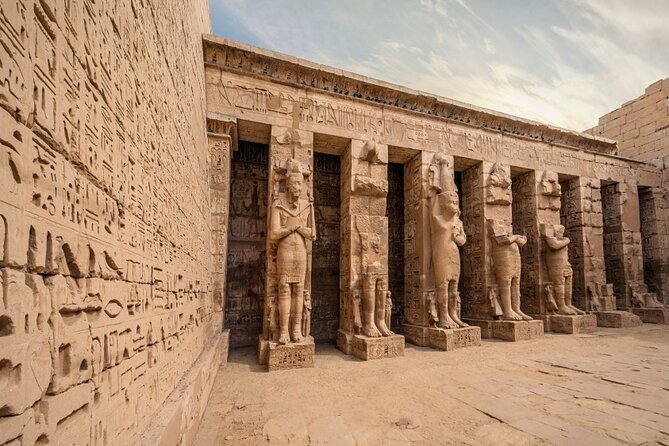
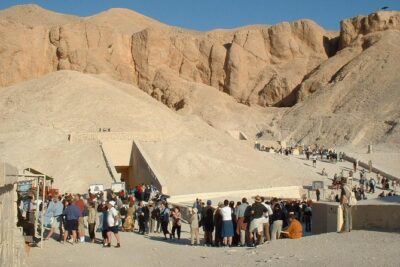
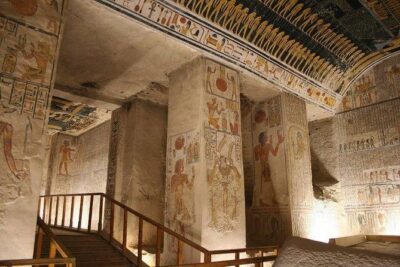
The day’s first real stop is the Valley of the Kings, often described as the Valley of the Gates of the Kings. This royal necropolis served as the burial ground for almost 500 years during the New Kingdom, spanning roughly the 18th through 20th Dynasties. That long stretch is one reason your guide’s commentary matters. Egypt’s West Bank is not one single story. It’s layers of power, belief, and artistic style.
You’ll have about 1 hour 30 minutes at the Valley. That’s enough time to walk the main area, choose tombs, and absorb the essentials without feeling dragged through a marathon. The key is the entry setup. Your main Valley of the Kings ticket includes access to 3 tombs selected from the currently open list. From the included options, you may have access to tombs such as KV1 (Ramesses VII), KV2 (Ramesses IV), KV6 (Ramesses IX), KV8 (Merenptah), KV14 (Tausert & Setnakht), KV15 (Sety II), KV16 (Ramesses I), KV43 (Thutmose IV), and KV47 (Siptah).
If you have a specific obsession, like a must-see tomb, you can add an optional tomb ticket for another selection, including KV9 (Ramesses V & VI), KV17 (Seti I), or KV62 (Tutankhamun). This is one of the biggest value decisions on the tour. With only 3 included tomb slots, think about your priorities before you arrive.
Here’s the practical payoff of having your own guide: you’re not just looking at walls. You get help connecting what’s carved and painted to the religious thinking behind it. Hieroglyphic signs and iconography can feel cryptic. With an Egyptologist, the symbols stop being random decoration and start reading like a message meant for the afterlife.
Also, expect the timing to feel efficient. Your tour plan puts about 45 minutes of initial touring time to get you on the Valley route, then gives you the longer block for the tomb area. In other words, you’re not only at the entrance checking names off a list.
Choosing your tombs: how to make the most of the 3-entry ticket
This tour’s Valley of the Kings ticket structure is straightforward, but it can affect how satisfied you feel. You get access to 3 open tombs included, then optional add-ons for additional tombs. That means you can’t plan on doing everything, and you probably shouldn’t try.
To make the most of the included entries, think like this:
- If you want variety, pick a mix of tomb styles or eras from the included list.
- If you care about one famous name, consider whether you should pay extra for the optional tomb ticket options.
- If you’re visiting for the first time, you’ll likely get more out of a couple well-explained tomb interiors than rushing through extra doors.
The other thing your guide helps with is interpretation in motion. Tomb interiors are dark and busy at peak times, and it’s easy to lose the thread. A good Egyptologist can keep you anchored with context so each tomb feels like a chapter, not a room you barely understand.
In feedback about this kind of touring, a recurring theme is that guides take questions seriously and keep explanations clear. That matters at the Valley, because people naturally ask, Why this symbol? What does this scene mean? Why does style change? If your guide answers in plain language, the Valley of the Kings becomes a place you can actually talk about afterward.
Hatshepsut Temple: the moment the West Bank turns personal
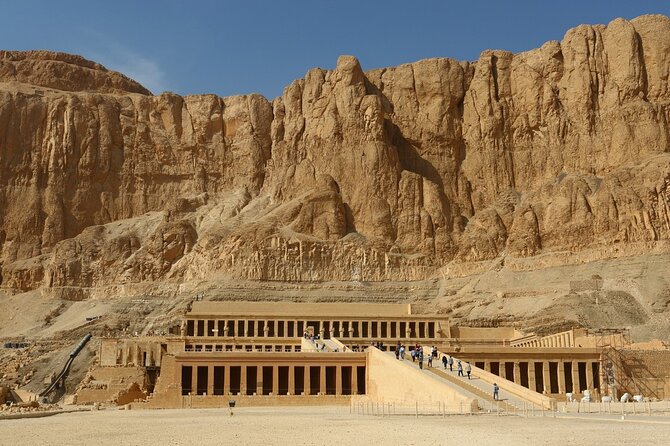
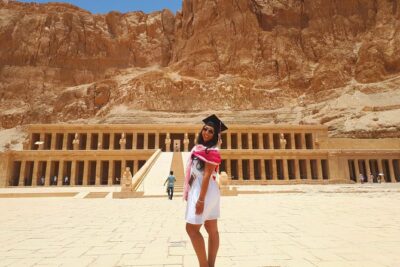
After the Valley, you move on to Hatshepsut Temple. The travel time between stops is about 15 minutes, so you’re not spending the day trapped in traffic. At Hatshepsut, you get about 45 minutes, which is a sweet spot for a site like this. It’s long enough to walk the main areas calmly, take in the scale, and still have time to ask questions.
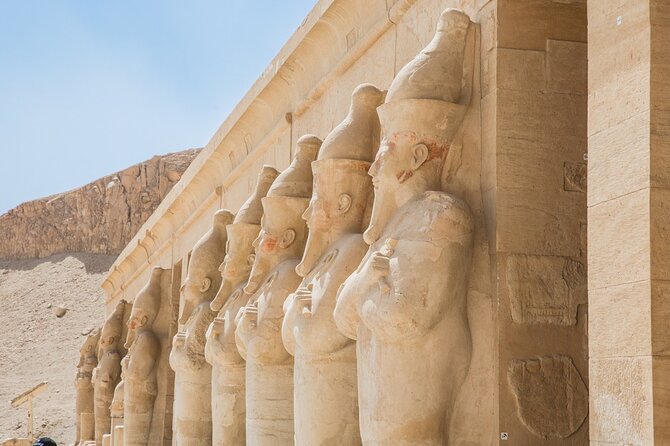
Hatshepsut is iconic because she was a female ruler in Ancient Egypt, and her temple is one of the clearest reminders that Egyptian power and authority were not always handed down in the way modern expectations assume. Your guide can help connect the architecture to the political and religious goals behind it.
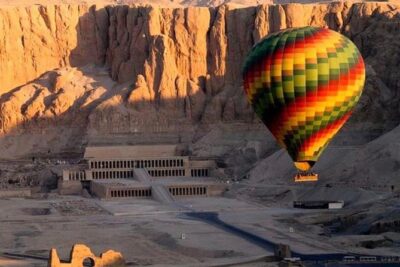
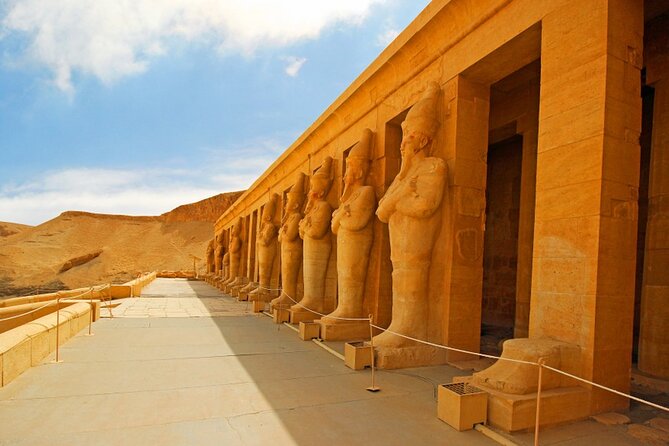
When you arrive, look for the temple’s impressive colonnades and the way the building steps into the hillside. Even if you don’t know every name, the layout tells you a lot. This is not a random ruin. It was designed to project order, legitimacy, and lasting authority.
The practical benefit of spending a controlled chunk of time here is that you’re not stuck on a single photo spot. You can move around, compare viewpoints, and actually see how the temple changes as you walk. If you’re the kind of traveler who hates sprinting between monuments, this part of the itinerary will feel right.
And because the tour has a teaching element, you’re less likely to feel like you’re just looking at stones. Instead, you’ll get help sorting out the why behind the wow.
Colossi of Memnon: the short stop with a big backstory
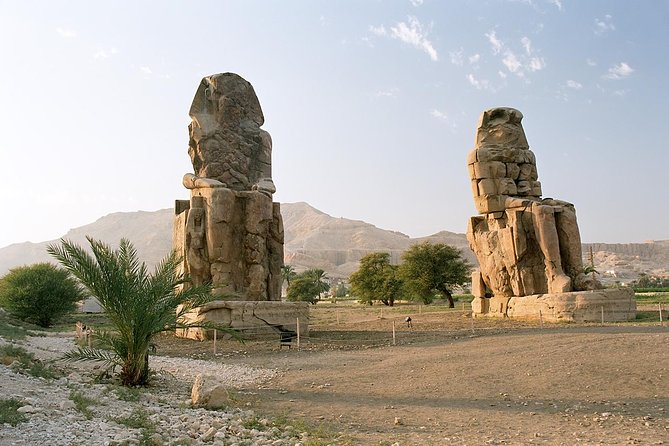
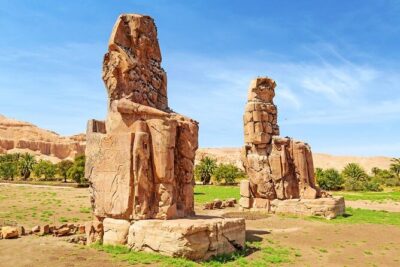
Next comes the Colossi of Memnon, where the tour offers a brief photo stop of about 15 minutes. It’s short by design, because these statues are dramatic but simple to consume visually. You stand, you look, you take your pictures, you learn the background, and you move on.
What makes them meaningful is what used to be here. The Colossi are described as the last remnants of the once-magnificent Temple of Amenhotep III. That framing helps you understand why two towering figures can feel bigger than they look. You’re not only seeing statues. You’re seeing the outline of a temple legacy that once dominated the area.
If you love quick photography, this is a nice moment to pause and frame your West Bank memories. If you prefer longer walks, you might wish the stop were longer, but the trade-off is that you get your full set of anchors in a compact half-day.
Also, because you’re traveling in a private minivan with a guide, this stop usually feels less stressful than the standard bus-tour rhythm of rush, photo, shuffle, repeat. You can stand where your guide suggests and then keep moving when you’re ready.
Transport and pacing: why the private minivan matters

Tour logistics sound boring until you’re standing in heat wondering where your group is. Here, transport is part of the value.
You get door-to-door transfers in an air-conditioned minivan. That does two things for you:
- It keeps the morning comfortable while you travel between the Valley, Hatshepsut Temple, and the Colossi.
- It reduces the time you spend hunting, waiting, or translating your needs to multiple people.
The tour also stays tight on timing. Your schedule includes the Valley time, the move to Hatshepsut, the temple time, the Colossi photo stop, and then the return. The final 45 minutes are for wrapping up and getting back to your hotel.
In feedback about similar arrangements, one of the most praised details is that guides and drivers are dependable and attentive. Some guides are also described as thoughtful with small comforts like water and making sure everyone is seated and satisfied. You should treat that as a nice bonus rather than a guarantee, but it tells you the service style tends to be practical.
Price and value: what $80 buys you on the West Bank

At $80 per person, this is positioned as an affordable, straightforward way to get a guided West Bank introduction. The right way to judge value here is not only the number. It’s what’s included and what you avoid paying for separately.
You’re getting:
- A private Egyptologist-guided route
- Hotel pickup and drop-off
- Entry tickets included for the main sites on the route, including the Valley of the Kings (main entry ticket setup), Hatshepsut Temple, and the Colossi of Memnon
You’re also saving energy. If you tried to do this on your own, you’d likely spend time piecing together transport, entry rules, and the right interpretation for tomb selection. Paying for guidance is usually the difference between collecting photos and understanding what those photos represent.
One more value angle: because this is a private tour, you can actually ask “why” questions. If you’re bringing kids, this kind of guided simplification is a big deal. Feedback here includes instances where guides were patient with younger travelers and made the story easy to follow without talking down.
If you’re traveling solo, this may still feel like good value because it bundles transport and interpretation. If you’re traveling with friends, ask about any group discount options, since the tour notes them.
Who this half-day tour suits best
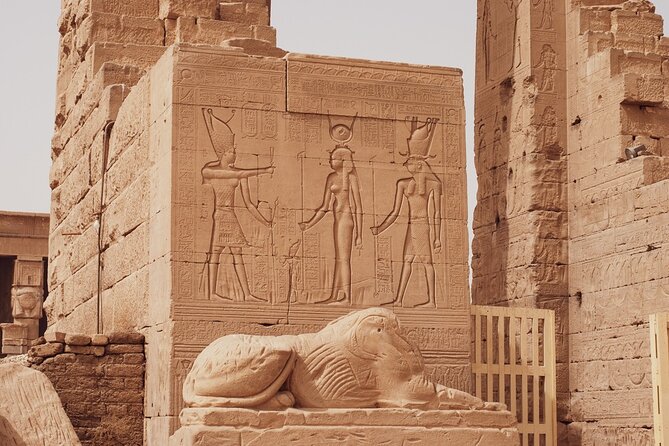
This tour fits best when you want a strong orientation to the West Bank without burning your whole day.
I’d especially recommend it if:
- You’re a first-time Luxor visitor and you want the big names in a single morning
- You want help with symbols, dynasties, and how to tell historical periods apart
- You’re traveling with kids or anyone who needs clearer pacing and patience
- You have limited time and want a route that ends with you back at your hotel
It can also work well if you’re an experienced Egypt fan who wants structure. You still get tomb access through the included ticket setup, and you can choose whether to upgrade for a specific tomb.
FAQ
FAQ
How long is the West Bank Classical tour?
It runs for about 4 hours 15 minutes.
Do you get hotel pickup and drop-off?
Yes. Pickup is offered, and the tour includes door-to-door transfers in an air-conditioned minivan.
Is this tour private?
Yes. It is a private tour/activity, and only your group participates.
What is included for the Valley of the Kings entry?
Your main entry ticket includes access to 3 of the open tombs from the listed options, such as KV1, KV2, KV6, KV8, KV14, KV15, KV16, KV43, and KV47. Optional tombs like KV9, KV17, and KV62 can require additional ticket purchase.
Are tickets included for the other sites?
Yes. Admission tickets are included for the Valley of the Kings, Hatshepsut Temple, and the Colossi of Memnon on this itinerary.
What times does the tour operate?
The tour availability is listed as 6:00 AM to 12:00 PM, Monday through Sunday, for the date ranges shown.
What kind of guide will I have?
You’ll have an Egyptologist guide providing commentary throughout the tour.
What if weather is poor or plans change?
The experience requires good weather. If it’s canceled due to poor weather, you’ll be offered a different date or a full refund. Cancellation is free up to 24 hours in advance for a full refund.
Should you book West Bank Classical?
Yes, if you want a focused West Bank introduction that doesn’t waste time. The best reason to book is the combo of Egyptologist-led interpretation plus private, door-to-door transport. You’ll see the Valley of the Kings, Hatshepsut Temple, and the Colossi of Memnon in one efficient morning, and your tomb choices are guided by a clear ticket plan.
I’d reconsider only if you’re the type who must visit a very specific tomb and you’re hoping the included ticket will cover it. In that case, check whether you want one of the optional tomb add-ons like KV62, so you don’t end up wishing you had planned for it earlier.
The West Bank, Tomb by Tomb
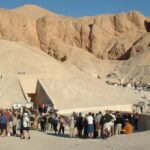
More of Luxor from our review pile
- Hot Air Balloon Ride and Tour to Valley of Kings Luxor- Special Offer
★ 5.0 · 15 reviews - 4-Hours tour West Luxor bank :Hatshepsut Temple & Valley of the King with Lunch
★ 5.0 · 15 reviews - Tour From Luxor to Aswan Edfu, Kom Ombo, Philae and High Dam
★ 5.0 · 15 reviews - Private Half-day Dendera Temple
★ 5.0 · 15 reviews - Luxor Airport Departure: Convenient Private Hotel Transfer
★ 5.0 · 15 reviews - Dahabiya Nile Cruise From Luxor To Aswan 4 Nights 5 Days
★ 4.5 · 15 reviews
Luxor West Bank Temples & Tombs, compared.
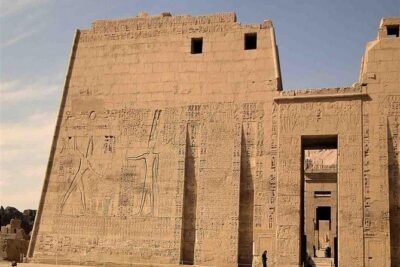 ★ 5.0Luxor Day Tour: Valley of Kings & Queens & Hatchepsut TemplesFrom $891,496 reviews
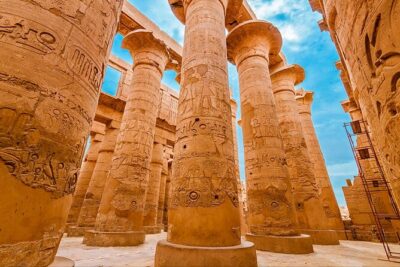 ★ 5.0Full Day Tour to East and West Banks of LuxorFrom $151,449 reviews
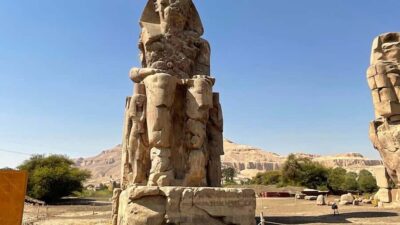 ★ 4.4Valley of the Kings and Hatshepsut Temple Day TourFrom $501,404 reviews
 ★ 5.0Valley of Kings, Hatchepsut Temple ,Karnak & Luxor-DayTourFrom $95735 reviews
 ★ 5.0Full Day Tour of Luxor West Bank Temples and Tombs (Private)From $20722 reviews
 ★ 5.0Private Full-Day Luxor Highlights East and West BanksFrom $65663 reviews
 ★ 4.5Guided Tour to East or West Banks with LunchFrom $64604 reviews
 ★ 5.0Luxor Private Full-Day Tour: Discover the East and West Banks of the NileFrom $90545 reviews
The lists this one sits on