
REVIEW · GIZA PYRAMIDS & SPHINX TOURS
Top Attractions Tour in Giza Pyramids And Horse carriage With panoramic view
Giza can feel like sensory overload, fast. This tour keeps it manageable by combining hotel pickup with an efficient private route that hits the Pyramids of Giza and the Great Sphinx at a pace you can handle, then adds a horse-and-carriage panoramic moment to switch perspectives. My favorite part is how much you cover without spending your whole day figuring out where to go next.
I also like the practical setup: you ride in air-conditioned comfort, you get bottled water, and your guide keeps the visit moving while still giving time to look up close. The main consideration is that pyramid interiors are not included, and the horse carriage is only 30 minutes, so if you want long wandering or lots of time on the ride itself, you may want a different format.
The vibe here is ideal for first-timers. You get a guided overview, a clear route through the complex, and a smooth start at 8:00 am, so you can spend your energy on photos, questions, and the sheer scale of the plateau.
In This Review
- Key highlights to look for
- Why a 5-hour Giza route makes sense
- Price and value: what $55 really covers
- Getting started right: 8:00 am pickup from Cairo or Giza
- Stop 1, Pyramids of Giza: Cheops, Chephren, and Mykerinos
- Stop 2, Great Pyramid of Cheops (Khufu): the main complex basics
- Stop 3, Khafre’s Pyramid: temples and the Sphinx connection
- Stop 4, Menkaure’s Pyramid: smaller on paper, still impressive in person
- Stop 5, Great Sphinx: why it is more than just a selfie
- Stop 6, Gizeh Plateau view: reset your eyes
- Stop 7, the panoramic view and 30-minute horse carriage
- How the private guide changes your day
- What is not included, so you can plan your day
- Who should book this Giza Pyramids and carriage combo
- The small details that make the experience feel smoother
- Book it or skip it
- FAQ
- How much does the Giza Pyramids and horse carriage tour cost?
- How long is the tour?
- Does the tour include hotel pickup and drop-off?
- Is the horse carriage ride included?
- Are entry fees included?
- Is lunch included?
- Can I cancel for a full refund?
Key highlights to look for
- Private guide attention so you are not stuck with a rushed herd or lost in a big group
- Hotel pickup and drop-off from Cairo or Giza, so you start and end without awkward meeting-point hunting
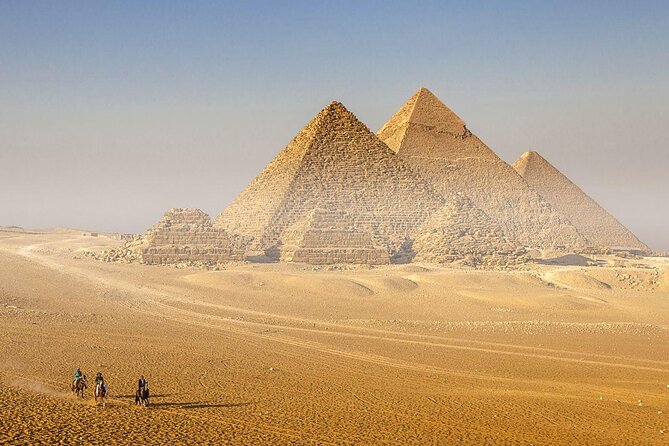
- Top sites in one day with focused stops at Khufu, Khafre, Menkaure, and the Sphinx
- 30-minute horse carriage that gives you a different angle on the pyramids
- Entry fees included for the basic areas, while pyramid interiors are left out
- Air-conditioned comfort to cool down between stops
Ways onto the Giza plateau, compared
- Cairo: Pyramids & Great Sphinx Private Tour with Camel Ride★ 4.9 · 6,335 reviews
- Tour to Giza Pyramids and The Egyptian Museum★ 5.0 · 6,016 reviews
- VIP All inclusive Best of the best Giza Pyramids,Sakkara,Memphis★ 5.0 · 3,164 reviews
- From Cairo: Pyramids of Giza, Sphinx, Saqqara & Memphis Tour★ 4.7 · 3,110 reviews
Why a 5-hour Giza route makes sense
A day at Giza is one part sightseeing and one part timing. Sand, sun, and crowds can turn a simple plan into a stressed plan quickly. This itinerary is designed around a clean rhythm, starting with the biggest visual hit in the morning and then working across the plateau before fatigue kicks in.
You also get an easy flow between stops: you are not bouncing between random locations on your own, and you are not burning time just to arrive. For most first-time visitors, that is the real win. When your brain is clear, the pyramids land harder, and you can actually notice details instead of just thinking, wow, look at that.
Finally, the private format matters. Even though it is listed as a private activity, you still benefit from the guide’s ability to keep you moving at a pace that feels realistic. I like that the tour is built to let you explore, rather than treating every minute like a sprint.
Price and value: what $55 really covers
At $55 per person for about 5 hours, the value is strongest when you compare what is included. You get hotel pickup and drop-off, a tour guide, bottled water, and entry fees for the basic areas. That means you are not separately coordinating transport or paying a pile of extras just to access the plateau.
The other value piece is time. If you only have a half day or a single day in Cairo, paying for an efficient route is often cheaper than paying for taxis plus extra wasted hours. Your guide handles the “how do we get here next” problem.
One thing to budget for mentally: lunch is not included. The optional local koshari stop is a common add-on, but it is up to you. Also, you will not be going inside any of the pyramids on this tour, so if that is a must for you, you will need a different booking.
Getting started right: 8:00 am pickup from Cairo or Giza
Your day begins at 8:00 am with pickup from your hotel in Cairo or Giza. That detail sounds small until you are standing somewhere in the morning trying to figure out where your driver is. Here, you get a guide from the start, which lowers friction and makes the entire experience feel smoother.
Starting early is also smart for the site itself. The plateau is outdoors, and you will be outside for multiple stops. A morning start helps you avoid the worst of the midday heat and gives you more comfortable conditions for photos and walking.
The tour is also described as being near public transportation. That does not change your day much if you are already using pickup, but it signals that the route is workable and the operator likely knows how to move efficiently around the area.
Stop 1, Pyramids of Giza: Cheops, Chephren, and Mykerinos
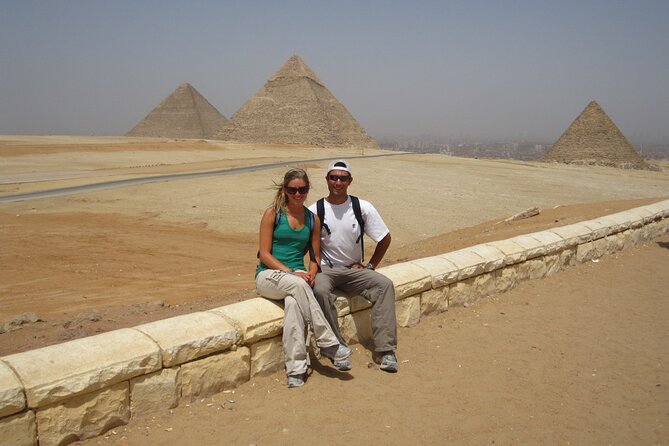
You spend about two hours here, which is long enough to see the overall layout and still take in the details. The big three pyramids are the headliner, and this stop is where your “ancient Egypt” brain wakes up and refuses to go back to sleep.
You visit the Great Pyramids of Cheops, Chephren, and Mykerinos. With a private guide, you can focus on what you care about. If you love architecture, you can pay attention to how the complexes are arranged. If you love history, your guide can connect what you see to what those structures were meant to represent.
A small practical note: the tour says the “admission ticket” is free for these stops, but it also specifies that entry fees cover basic area access, not pyramid interiors. So you will be seeing a lot from the outside and from the surrounding grounds, not inside the tomb spaces.
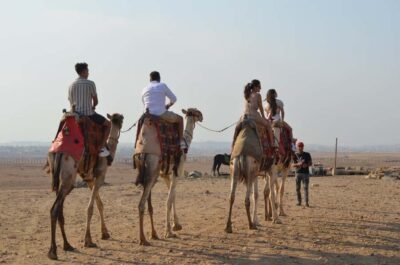
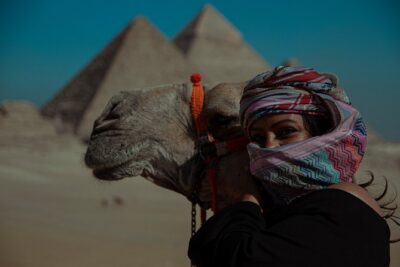
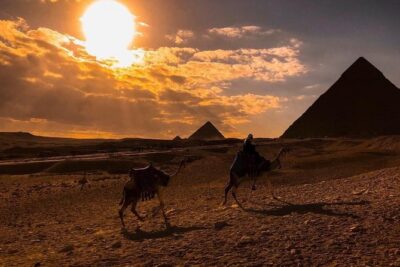
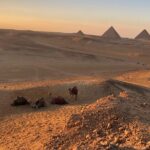
Saddle time at the pyramids, other operators
Stop 2, Great Pyramid of Cheops (Khufu): the main complex basics
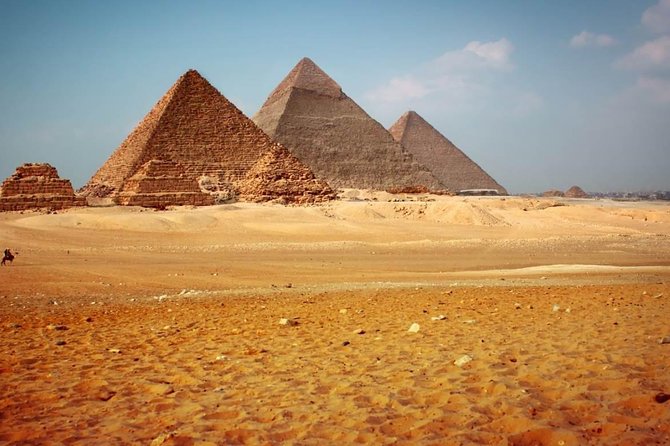
Next comes the Great Pyramid of Cheops (Khufu) for about 30 minutes. The schedule is quick, but it is not random. Your guide is using that time to orient you within the larger site.
A useful context piece here: the Khufu pyramid complex includes a valley temple that is now buried beneath the village of Nazlet el-Samman. The listing also mentions that diabase paving and nummulitic limestone walls have been found, even though the site has not been excavated. That is the kind of detail that makes the place feel less like a postcard and more like an active archaeological story.
If you are the type who likes to understand what you are looking at, this stop is a good fit. If you prefer slower wandering, you might wish you had more time here, but the overall schedule compensates by giving you multiple sight angles across later stops.
Stop 3, Khafre’s Pyramid: temples and the Sphinx connection
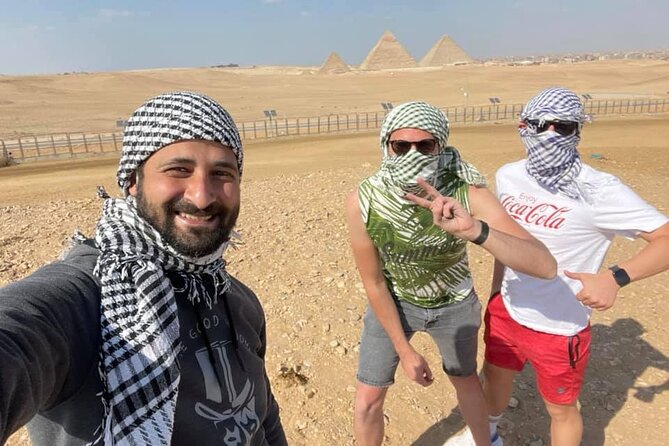
At Khafre’s pyramid, you get another 30 minutes, focused on the complex layout. Khafre’s site is described as having multiple components: a valley temple, a Sphinx temple, a causeway, a mortuary temple, and the king’s pyramid.
One neat detail in the description is about statues found at the valley temple. The text says the valley temple yielded several statues of Khafre, and several were found in a well in the temple floor by Mariette in 1860. Even if you do not see that well itself, it helps you understand why guides talk about temples and pathways, not just the pyramid shape.
This stop also sets you up for the Sphinx later, because Khafre’s complex is directly tied to the Sphinx area. If you want photos, you will often get better pyramid-to-Sphinx context here, since the guide can help you line up viewpoints without you zigzagging unnecessarily.
Stop 4, Menkaure’s Pyramid: smaller on paper, still impressive in person
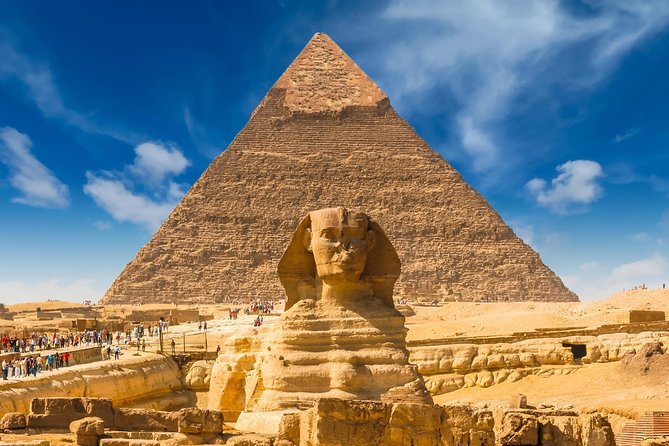
Menkaure’s pyramid is another 30 minutes. This complex is also described as having a valley temple, a causeway, a mortuary temple, and the king’s pyramid. The description notes that the valley temple once contained several statues of Menkaure and that during the 5th Dynasty, a smaller ante-temple was added.
If you only focus on the “biggest” pyramid, Menkaure can feel easy to overlook. But this stop is worth your attention because it breaks the monotony. You get a different scale and layout, and with a guide, you can notice how each complex reflects its own time and choices.
Practically, this is also a good time to check your photos and camera settings before you hit the Sphinx. You will likely want a fresh set of shots with the plateau vibe fresh in your mind.
Stop 5, Great Sphinx: why it is more than just a selfie
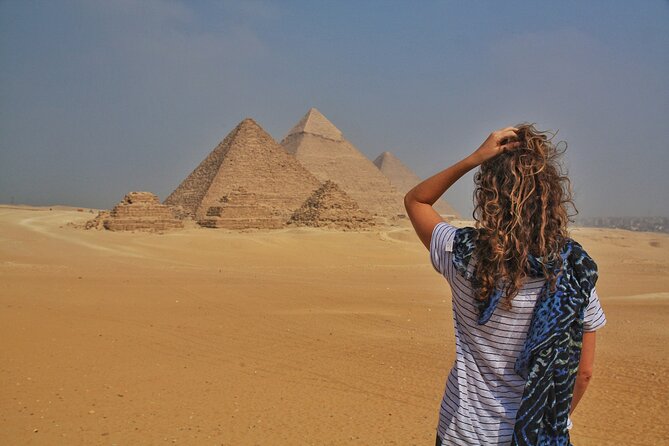
The Great Sphinx gets about 30 minutes. Your guide links it to the reign of King Khafre, and that makes the Sphinx feel less random and more like a piece of a designed landscape.
The listing also includes a standout timeline note: during the New Kingdom, Amenhotep II dedicated a new temple to Hauron-Haremakhet, and later rulers added structures onto this setup. That means the Sphinx is not only ancient in origin, it also kept getting reworked as people returned over centuries.
What you should do with this stop: slow down. Look at the head, the body, and the way it sits in relation to the surrounding structures. If you only rush through, you miss the “it kept being used” story that makes the Sphinx feel alive, even after so much time.
Stop 6, Gizeh Plateau view: reset your eyes
After the pyramid complexes, you get 30 minutes at the Gizeh Plateau for a view around the plateau and a different look of the pyramids. This stop matters because it is a reset. Your brain has been focusing on specific structures for a while, and now you shift to seeing the space as a whole.
This is where you can compare impressions from earlier stops. From certain angles, proportions look different, and you start to understand why people describe Giza as a visual system, not a single monument.
It also helps with fatigue management. The schedule gives you enough sight time without piling on a long stretch of nonstop walking. Use this pause to hydrate and check in with what you want from the final panoramic moment.
Stop 7, the panoramic view and 30-minute horse carriage
The final scene is built for that “okay, I get it” moment. The tour includes a panoramic view of the pyramids and a 30-minute horse carriage ride. This is where you get a unique perspective, closer to how the area feels when you move through it rather than just standing still.
From a practical standpoint, the short duration is both a pro and a con. Pro, because it keeps the day moving and avoids turning the ride into your whole experience. Con, because if you want a long carriage loop, this tour will feel brief.
Still, for most people, 30 minutes hits the sweet spot. You get the novelty and the view, without losing the rest of the day’s structure. If you are someone who likes variety, this is a strong finish.
How the private guide changes your day
One of the most praised parts of this style of tour is the guide’s ability to balance explanation with breathing room. In particular, the people leading these tours are often described as friendly and flexible, with the kind of timing that helps you take photos without feeling constantly rushed.
You will see themes like guides who step in when you need help, and then let you explore when you do not. If you care about cameras, you may appreciate guides who understand photo timing and angles, since this is the kind of place where a small change in position can make your picture look totally different.
This is not just about facts, it is also about comfort. A guide can help you interpret what you see so you feel engaged instead of confused. That matters a lot at Giza, because it is easy to get lost in labels when you are standing in a huge outdoor complex.
What is not included, so you can plan your day
Two important limits shape expectations:
First, lunch is not included. If you want koshari, it is optional. If you prefer something simpler, you can plan to grab a meal before or after the tour on your own schedule.
Second, inside any of the pyramids is not included. The tour focuses on top exterior access and basic area entry. That works well if you want the overall experience and the key sights without extra waiting or additional entry time.
So, before you book, ask yourself: do you mainly want the outside views and the Sphinx experience, plus the carriage ride? Or do you want inside access too? This tour clearly leans toward the first option.
Who should book this Giza Pyramids and carriage combo
This is a strong match for:
- First-time visitors who want a guided, low-stress introduction to Giza
- People short on time who still want to see the major pyramids and the Sphinx
- Travelers who like the idea of a horse carriage ride but do not want it to consume the whole day
- Photo-focused visitors who benefit from a guide helping with timing and angles
It is less ideal for people who specifically want to go inside the pyramids or who want a long, slow pace without structured stops. If your dream day is hours of wandering between viewpoints without a clock, you might find this schedule a bit too organized.
The small details that make the experience feel smoother
Even when a tour is focused on major monuments, the small helpers make the day feel easy. Here, bottled water is included, and the tour is described as using air-conditioned comfort between stops. That combination helps you stay functional, especially in warmer months.
Also, the tour includes entry fees for the basic areas. That reduces decision fatigue once you arrive, and you spend more time looking at ancient structures instead of paperwork.
Finally, the tour is private for your group. That means you are not forced into matching someone else’s pace. When you want time to stare, you can. When you want to move, you can. That flexibility is a big part of why this format earns such strong interest.
Book it or skip it
I would book this tour if you want the best-known sites at Giza in one organized morning-to-afternoon stretch, with hotel pickup, a solid guided overview, and a 30-minute horse carriage panoramic finale. The value is strongest when you appreciate efficiency and you do not need pyramid interiors.
Skip it if going inside the pyramids is the whole point of your Giza trip. Also consider skipping if you know you want an extended carriage experience. This one gives you a short taste for a different view, then gets you back into the rest of the itinerary.
If you are deciding, use this rule: exterior giants plus guided context plus a short carriage ride is your goal. If yes, this is a very practical choice for Giza, especially for first-time visitors.
FAQ
How much does the Giza Pyramids and horse carriage tour cost?
The tour price is $55.00 per person.
How long is the tour?
It lasts about 5 hours.
Does the tour include hotel pickup and drop-off?
Yes, it includes pickup and drop-off from your hotel in either Cairo or Giza.
Is the horse carriage ride included?
Yes, a 30-minute horse carriage ride is included.
Are entry fees included?
Yes, entry fees are included, and they cover the basic area only.
Is lunch included?
Lunch is not included. Koshari is listed as optional.
Can I cancel for a full refund?
Yes. You can cancel up to 24 hours in advance for a full refund. If you cancel less than 24 hours before the start time, the amount paid is not refunded.
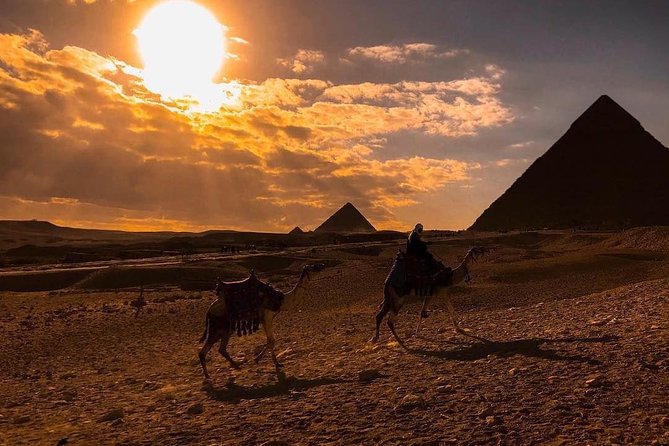
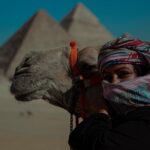
On a Camel at the Pyramids

Giza, A Few More Ways In


More of Cairo from our review pile
- Cairo Layover Tour to Giza Pyramids Egyptian Museum and Khan Khalili Bazaar
★ 5.0 · 25 reviews - Private Luxor Day tour from Cairo by Flight
★ 5.0 · 25 reviews - Private full day tour to Giza Pyramids, Sphinx, Sakkara and Dahshour with guided
★ 5.0 · 25 reviews - Nile Dinner Cruise in Cairo With Belly Dancing and Transfer
★ 5.0 · 25 reviews - Private Giza Pyramids,Sphinx,camel,lunch, 2 tombs,Great Pyramid
★ 5.0 · 25 reviews - All inclusive Giza Pyramids ,Sphinx ,Lunch ,Camel&Inside pyramid
★ 5.0 · 25 reviews
Giza Pyramids & Sphinx Tours, compared.
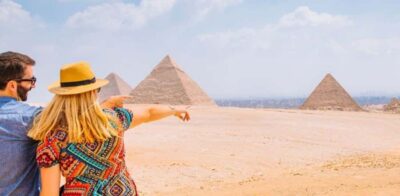 ★ 4.9Pyramids & Great Sphinx Private Tour with Camel RideFrom $486,335 reviews
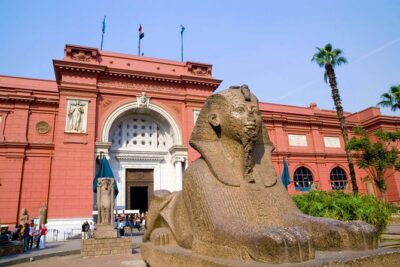 ★ 5.0Tour to Giza Pyramids and The Egyptian MuseumFrom $1556,016 reviews
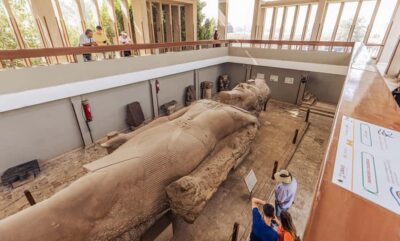 ★ 4.7Pyramids of Giza, Sphinx, Saqqara & Memphis TourFrom $903,110 reviews
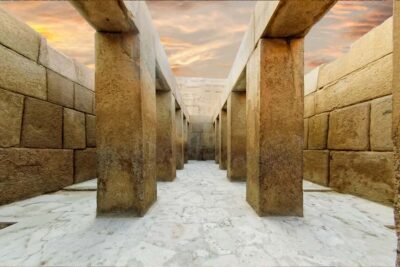 ★ 4.6Half-Day Tour to Pyramids of Giza and the SphinxFrom $502,891 reviews
 ★ 4.6Pyramids, Sakkara & Memphis Tour with LunchFrom $602,493 reviews
 ★ 5.0Private ViP all-inclusive Giza Pyramids,Sphinx,Inside PyramidFrom $142,448 reviews
 ★ 4.7Grand Egyptian Museum, Pyramids, Sphinx Tour & LunchFrom $892,282 reviews
 ★ 4.7Cairo Pyramids, Sphinx & Egyptian Museum Day TripFrom $932,271 reviews
The lists this one sits on