
REVIEW · LUXOR DAY TRIPS FROM THE RED SEA RESORTS
Private Luxor Highlights in Two Days
Luxor feels like a history lesson you can walk through. In two days, this private setup threads together the West Bank tombs and the East Bank temples with an Egyptologist guide and door-to-door transport. I like that you get to focus on the big monuments without losing time to guessing where to go, and I especially like the way guides steer you toward the most worthwhile tombs.
I also like the structure of the days. Day 1 is built around the Valley of the Kings and the main West Bank stops, while Day 2 centers on Karnak and Luxor Temple. The result is a smooth route that makes sense, even if Luxor is your first time in Egypt.
The main thing to consider is the paperwork on entrances. The highlights mention entrance fees included, but the details list says tickets and entrance fees are not included, so you should confirm what you’ll pay before you travel.
In This Review
- Key things worth your attention
- Private pickup and how the 2-day Luxor plan really works
- Valley of the Kings tomb strategy, and why your guide’s choices help
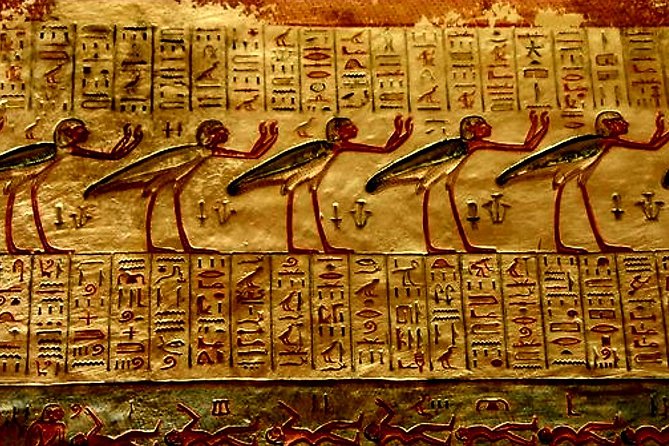
- Ramses III’s KV11: color, ritual text, and those harpers
- Ramesses IX, Merenptah, and Tut: what you’re actually looking for
- Hatshepsut at Deir el Bahari and the Colossi of Memnon photo stops
- Karnak Temples: why this is more than a list of columns
- Luxor Temple and the Avenue of Sphinxes: finishing with scale and alignment
- Price and the entrance-fee tangle you should confirm
- Balloon upgrade over the Valley of the Kings, and when it’s worth it
- What you’re really buying: guide quality and pacing that feels human
- Who should book this Luxor highlights tour
- Should you book this 2-day private Luxor highlights tour?
- FAQ
- How long is the Luxor private highlights tour?
- What time does the tour start?
- Where do you get picked up?
- What sites are included across the two days?
- Can I add a hot air balloon ride?
- Are tickets and entrance fees included in the price?
- Is this a private tour or shared group?
Key things worth your attention
- Private vehicle plus pickup makes it easier than stitching together taxis, especially across the Nile
- Valley of the Kings tomb time slots so you can see multiple royal tombs, including Tutankhamun’s
- KV11 details matter with Ramses III’s painted reliefs and standout scenes that most people miss
- Queen Hatshepsut at Deir el Bahari is a must-stop on this route, not a quick drive-by
- Karnak in focused blocks so you don’t just walk around columns, you understand why they’re there
- Balloon upgrade option if you want a high-level view over the Valley of the Kings
More one-day runs to the temples
- Luxor Day Trip from Hurghada Small Group & Tutankhamun Tomb★ 4.8 · 5,366 reviews
- Luxor: Shared Full-Day Tour to Luxor West and East Banks★ 4.5 · 1,812 reviews
- Luxor Day Tour: Valley of Kings & Queens & Hatchepsut Temples★ 5.0 · 1,496 reviews
- Luxor : Full Day Tour to Luxor West and East Banks & Lunch★ 5.0 · 870 reviews
Private pickup and how the 2-day Luxor plan really works
This is a private tour, so you do not share the van with other groups. You start at 8:00 am and you get picked up from your hotel, or from the airport or port in Luxor if that’s where you’re arriving. You’ll ride in a private, air-conditioned vehicle, which matters a lot in Luxor’s heat and in between sites.
Day 1 runs long enough to feel like a full West Bank day, with tombs and major temples stacked together. The schedule has multiple stops, then some “pass by” moments where you can see landmarks from the road without stopping. That’s useful if your goal is highlights rather than a museum-like pace.
Day 2 is centered on Karnak, then it flows to Luxor Temple and the Avenue of Sphinxes. You’ll spend real time inside Karnak, including the big column hall area, not just a quick photo stop. If you like places with visual density, Karnak is a good match for how this tour is paced.
Valley of the Kings tomb strategy, and why your guide’s choices help
Your West Bank day starts at the Valley of the Kings, in the Necropolis of Thebes on the mountain side where the tombs are cut into the rock. This area is famous for royal burials, but the real win here is how you’re guided through tombs that differ in layout and decoration.
Instead of treating all tombs as equal, your Egyptologist helps you pick what’s worth your time. The plan you’ll follow includes multiple royal tomb visits, including Ramses III (KV11), Ramesses IX, Merenptah, and a chance to see Tutankhamun’s tomb. Seeing several tombs back-to-back is exhausting in the best way, because the art and inscriptions start to “connect” as you move.
There’s also a practical point. Tombs can be physically similar at first glance, but your guide’s commentary helps you notice what’s different, like scenes in side chambers and the way corridors lead to burial spaces. That turns your visit from sightseeing into understanding.
Ramses III’s KV11: color, ritual text, and those harpers
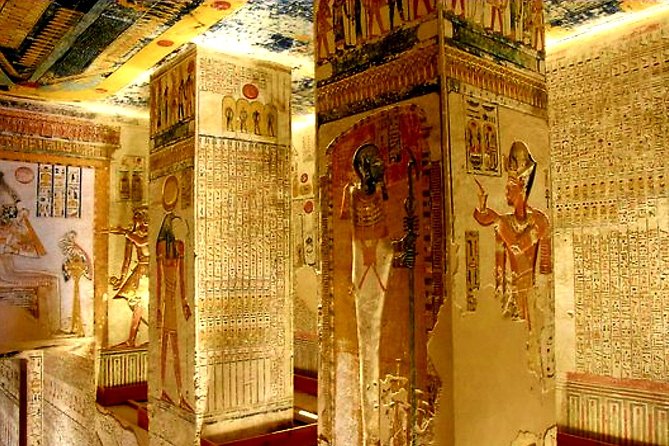
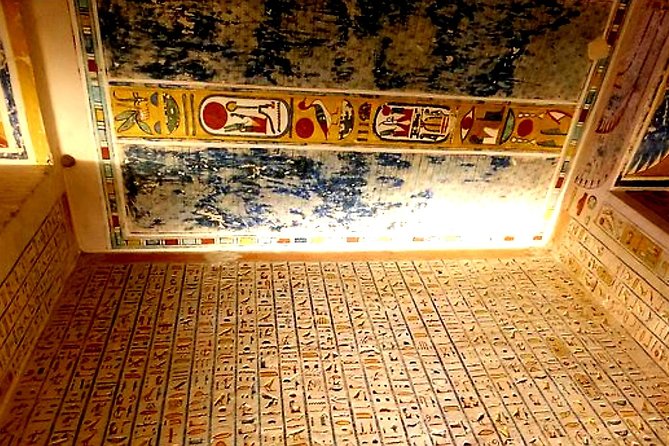
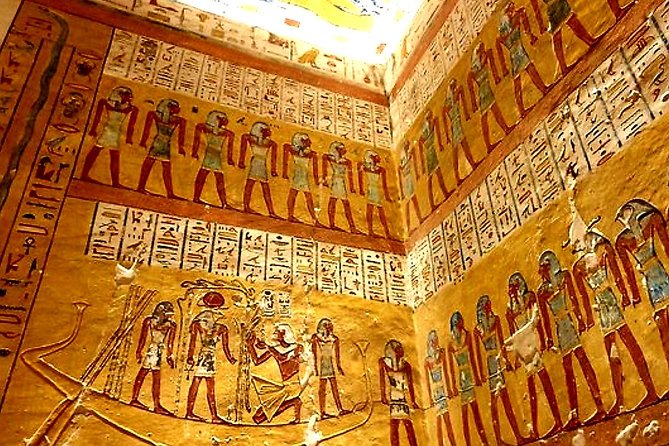
KV11, the tomb of Ramses III, is one of the top stops on this route. The walls are known for colorful painted sunken reliefs and ritual texts, and you’ll hear what those texts refer to and what the scenes are doing for the burial journey. You’ll also get pointed to unusual elements, including secular scenes in side rooms.
One of the standout details is the presence of foreign tributes, including highly detailed pottery imported from the Aegean, plus royal armor and boats. Another memorable element is the name people associate with the tomb due to “blind harpists,” tied to scenes in the entrance corridor area. Even if you’re not a hieroglyph super-sleuth, those are the kinds of clues your guide can help you place in context.
Ramesses IX, Merenptah, and Tut: what you’re actually looking for
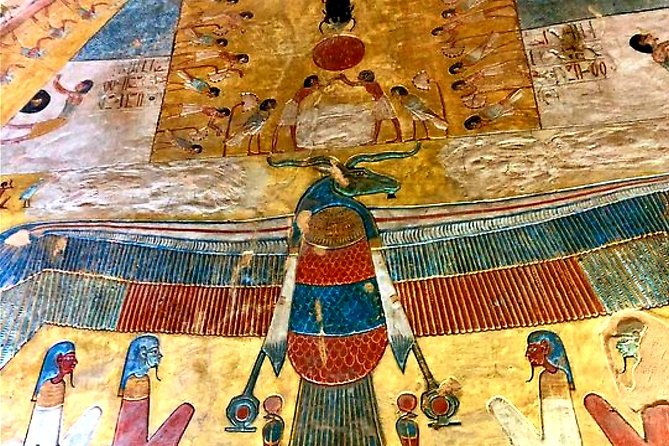
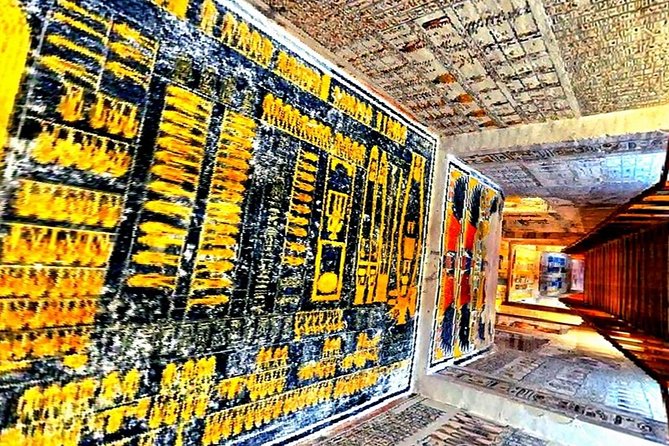
Ramesses IX’s tomb is described as highly decorated, with special attention to how the painted ceilings stretch across the space above sarcophagi, including the goddess Nut. Some areas have deterioration, but the guide’s framing helps you see what still comes through and why it mattered to the tomb’s purpose.
Merenptah’s tomb (Tomb 8) is positioned within the Valley’s royal tomb model. Your commentary here is about the craft and protection ideas attached to deities placed with the dead, and how the tomb’s structure shifts compared with older royal designs. You’ll spend time moving through corridors and rooms, then pause long enough to take in what remains.
Finally, you’ll have time at Tutankhamun’s tomb. Even if you’ve seen pictures before, being there is different because the scale is shaped by being inside a real burial space, not in a flat image. This stop is short by necessity, but it’s one of the best ways to experience why Luxor keeps pulling people back.
Hatshepsut at Deir el Bahari and the Colossi of Memnon photo stops
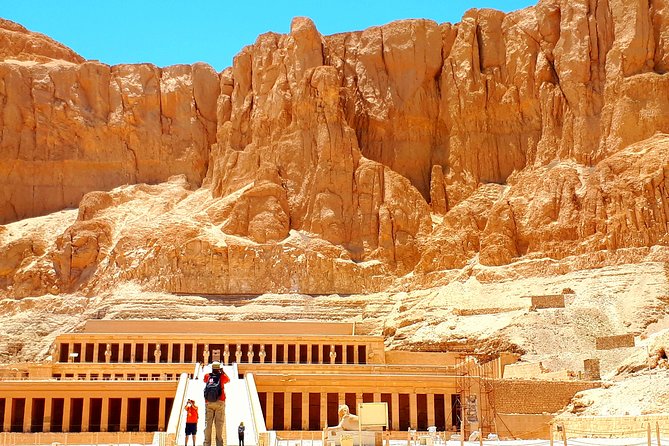
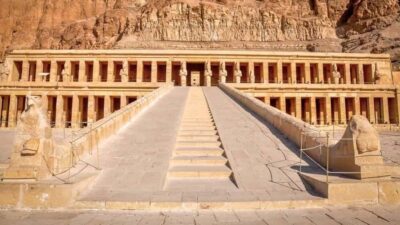
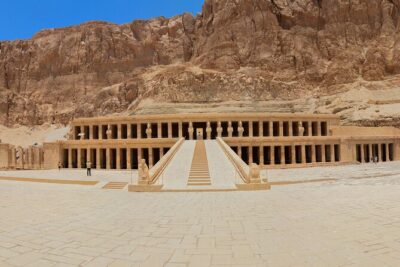
After the tombs, you head to the Temple of Queen Hatshepsut at Deir el Bahari. This is one of the most dramatic places on the West Bank because it’s built to be seen from multiple angles, with terraces and long sightlines. Your guide explains her significance, including the fact that she’s described as the only woman to reign as pharaoh.
What I like about this stop on the tour is that it comes after the tombs, so your brain is already tuned to royal power and afterlife ideas. You get a temple experience that’s more open and scenic, not hidden inside rock. That contrast helps you reset.
Then comes the Colossi of Memnon. These are two of the largest ancient statues in Egypt, connected to Amenhotep III’s era, and the plan gives you a short window to see them and get your photos. It’s quick, but it’s a classic West Bank punctuation mark.
One practical tip: the Colossi are big, but they are also easy to rush. If you have any interest in architecture and scale, spend the extra few minutes looking at how the statues relate to the space around them. It helps you understand why they were built to dominate the landscape.
Karnak Temples: why this is more than a list of columns
Day 2 is all about Karnak, and it’s the kind of place that can overwhelm you if you treat it as one attraction. This route gives you the chance to see major parts in a focused way, including the Avenue of Sphinxes approach area, the big hypostyle hall described with 134 columns, and key features like obelisks and the Temple of Amon space.
Your Egyptologist guide is the difference between walking through stone and understanding the logic. Karnak is described as a complex built across different reigns, so your guide’s job is to help you connect what you’re seeing to the era and purpose. You also get to hear what the lotus and papyrus designs on the Temple of Amon are pointing to, plus the role of the sacred lake area within the complex.
The plan also includes specific temple and monument blocks, like the Temple of Ramesses III area inside Karnak. That’s valuable because it breaks Karnak into “chapters” rather than one long maze.
A smart traveler move here is to decide what you care about most, then let that guide your attention. If you love scale, focus on column density and openings. If you love symbolism, focus on obelisks, sacred lake, and the decorative program names your guide highlights.
Luxor Temple and the Avenue of Sphinxes: finishing with scale and alignment
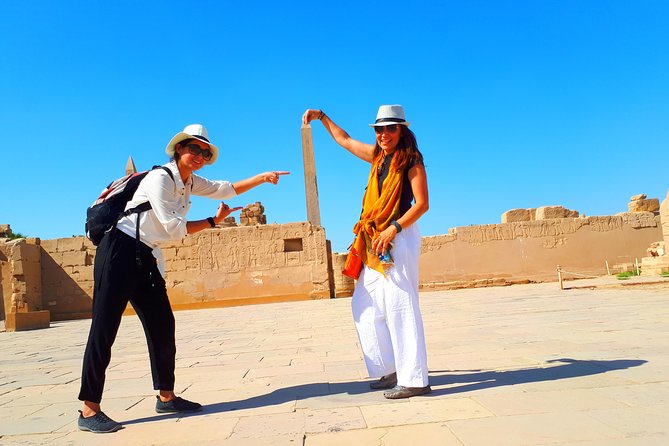
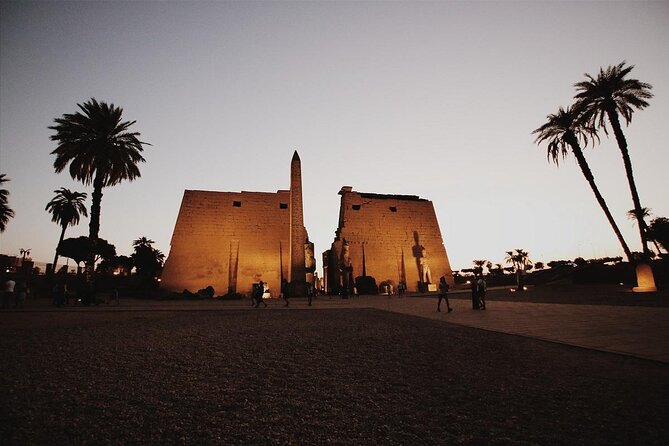
After Karnak, the tour shifts to Luxor Temple. This is a dedicated temple tied to the Theban Triad of Amun-Ra, Mut, and Khonsu, and it’s also where you’ll see granite statues connected with Ramses the Great. Your visit is time-focused, giving you enough room to understand the layout without turning it into a marathon.
Then you’ll head to the Avenue of Sphinxes, described as a spectacular avenue stretched from Luxor toward Karnak. Today it’s only a few hundred meters long, but the idea is huge, because it historically connected the Karnak temple and the Luxor temple. Even with only part visible, it’s a great way to grasp how the two temple complexes functioned as a visual system.
If you like taking photos that show more than a single building, this is a good stop. The avenue gives you lines and symmetry, and it helps you frame Karnak and Luxor Temple as connected places rather than separate trips.
Price and the entrance-fee tangle you should confirm
The price is listed at $130 per person. For Luxor, that’s in the “reasonable if it saves you hassle” range, because you’re paying for a private vehicle, an Egyptologist guide, and pickup and drop-off. Also, the tour mentions that most entrance fees and round-trip transportation are included, which would normally be a big value boost.
But the included details also say tickets are not included and entrance fees are not included. That mismatch is the one thing that can change your final cost a lot. So before you go, ask the operator to confirm what’s paid versus what you’ll pay on arrival.
If you want to avoid surprises, bring extra cash or a card for entrance fees. And when you do the confirmation call, ask a simple question: will you receive a total price that covers tomb access and Karnak access, or will you pay separately at the sites?
Balloon upgrade over the Valley of the Kings, and when it’s worth it
This tour includes an option to upgrade with a hot air balloon ride over the Valley of the Kings. If you’ve ever looked at Luxor from above, you already know why this is tempting. The Valley of the Kings sits in a distinct mountain setting, so seeing it from the sky gives you a different sense of scale.
Whether it’s worth it depends on your travel style. If you like your photos to feel like a “wow” moment, balloon rides often deliver. If you’re more into deep temple time and slow walking, you might skip the upgrade and keep that day focused on tombs and temples.
Either way, treat the balloon as a separate planning thread. It can affect timing and comfort, especially because balloon rides are weather dependent.
What you’re really buying: guide quality and pacing that feels human
The best part of this kind of private tour is not just the sites, it’s how the sites are experienced. The reviews behind this tour place real emphasis on guides doing exactly what you hope a guide will do, clear explanations, patience with questions, and solid English.
I’m also seeing a pattern in the guide names and roles you’d likely encounter, including Ragab Ramadan, Hassan, Ragab Elmotgalye, Ameen, and Khalid. Drivers like Ahmed also show up in the positive feedback, which matters because a smooth, careful ride keeps you from feeling stressed during long moves between the West and East Banks.
This tour is also built for decision-making. Tomb selection can feel random when you’re on your own. Here, the Egyptologist can recommend and advise which tombs to visit, based on what’s likely to satisfy your time and what the tombs offer.
Who should book this Luxor highlights tour
You’ll like this if you want the big-name Luxor hits in an organized way, without spending your energy on logistics. It fits best for first-timers who want West Bank tombs and East Bank temples in a tidy two-day arc.
It also works well if you care about explanation. Karnak especially can turn into visual noise without context, and the guide commentary is a major part of the value here.
If you already know Luxor well and want a slow, off-the-beaten-path itinerary, you might find the pace structured. In that case, you could still book it, but go in planning to use the guide as a tool, then spend your free moments after the tour on slower exploration.
Should you book this 2-day private Luxor highlights tour?
If you want Valley of the Kings tomb time plus Karnak and Luxor Temple, and you’d rather have a guide steer you than guess on your own, I think this is a strong choice. The private pickup, air-conditioned transport, and the fact that you can get expert commentary make the days feel efficient without feeling rushed.
My one caution is the entrance-fee confusion. Since the tour details conflict on whether tickets or entrance fees are included, confirm the total cost before you commit. Once you have that cleared, this tour’s structure, guide quality, and site selection look like solid value for Luxor’s most famous monuments.
FAQ
How long is the Luxor private highlights tour?
It’s listed as 2 days, with day trips that run for several hours each depending on the stops and travel time.
What time does the tour start?
The start time is 8:00 am.
Where do you get picked up?
You can be picked up from Luxor airport, your hotel, or the port in Luxor, and you’ll also be collected from central Luxor hotels by air-conditioned vehicle.
What sites are included across the two days?
You’ll cover major West Bank highlights like the Valley of the Kings, the tombs included there, the Temple of Hatshepsut at Deir el Bahari, and the Colossi of Memnon. On the East Bank you’ll visit Karnak and Luxor Temple, plus the Avenue of Sphinxes.
Can I add a hot air balloon ride?
Yes. There is an upgrade option to include a hot air balloon ride over the Valley of the Kings.
Are tickets and entrance fees included in the price?
The information provided is inconsistent: the highlights mention entrance fees and round-trip transportation included, but the details list says tickets and entrance fees are not included. I recommend confirming what you’ll pay before you go.
Is this a private tour or shared group?
It’s a private tour/activity, so only your group participates.
Luxor Temples in a Day

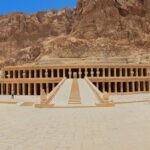
More of Luxor from our review pile
- Private Tour Nile Felucca Ride at Sunset in Luxor
★ 5.0 · 26 reviews - Private Full day East and West Bank, Luxor
★ 5.0 · 26 reviews - Luxor Day Tour: Kings Valley & Karnak & Luxor & Hatshepsut Temple
★ 5.0 · 26 reviews - Full-Day East and West Luxor Private Tour
★ 4.5 · 26 reviews - Day Trip to Edfu & Kom Ombo temples from Luxor and drop off in Aswan or Luxor
★ 5.0 · 26 reviews - 5 Days 4 Nights Nile Cruise Tour
★ 5.0 · 27 reviews
Luxor Day Trips from the Red Sea Resorts, compared.
 ★ 4.8Luxor Day Trip from Hurghada Small Group & Tutankhamun TombFrom $955,366 reviews
 ★ 4.5Small group Hurghada to Luxor, Valley of the Kings by VanFrom $352,470 reviews
 ★ 4.5Shared Full-Day Tour to Luxor West and East BanksFrom $901,812 reviews
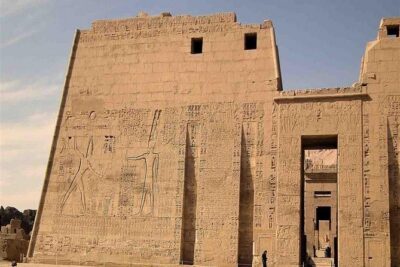 ★ 5.0Luxor Day Tour: Valley of Kings & Queens & Hatchepsut TemplesFrom $891,496 reviews
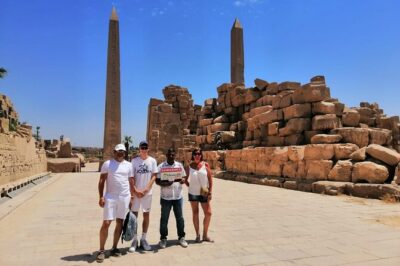 ★ 5.0VIP Luxor Day Tour from Hurghada, Small group the top operatorFrom $130980 reviews
 ★ 4.6Small-Group Luxor Highlights & Tut Tomb Day TourFrom $105928 reviews
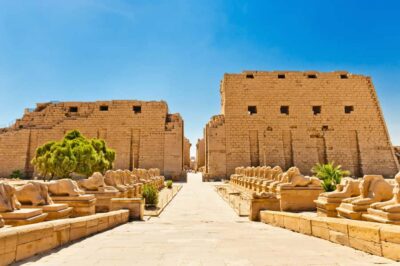 ★ 4.7Luxor Highlights & King Tut Tomb Tour with LunchFrom $150902 reviews
 ★ 5.0Full Day Tour to Luxor West and East Banks & LunchFrom $23870 reviews
The lists this one sits on