
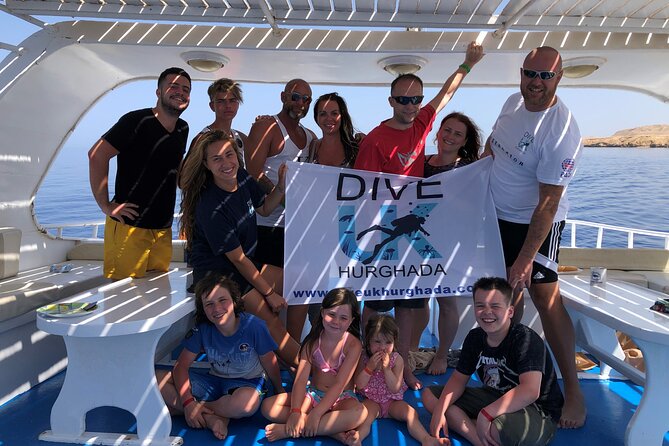
REVIEW · RED SEA SCUBA DIVING & PADI COURSES
PADI Open Water Diver Course in Hurghada – Learn Scuba Diving
Turning nervous into confidence, fast. This 3-day PADI Open Water scuba certification course in Hurghada is built for first-timers, with a small group and patient instruction that keeps things calm. I especially like the intimate setup, max four students, because you get real feedback instead of being one more name in the class.
I also like the practical value: you do not have to lug equipment, and pickup plus lunch make a long day feel manageable. One consideration: the PADI materials and certification fee are not included, listed as £140 per person, so plan for that extra step before you arrive.
In This Review
- Key points worth knowing
- First morning in Hurghada: a small class, real safety focus
- What’s included, what you will still pay for
- Day 1: video, manual, and shallow-water skills
- Day 2: repeat skills, then start exploring conditions
- Day 3: finishing skills, a small exam, and your Open Water goal
- Who this course is best for in Hurghada
- Logistics that make your life easier (and what to double-check)
- Price breakdown: does $482.16 make sense here?
- When I would skip this course
- Should you book this Hurghada Open Water course?
Key points worth knowing
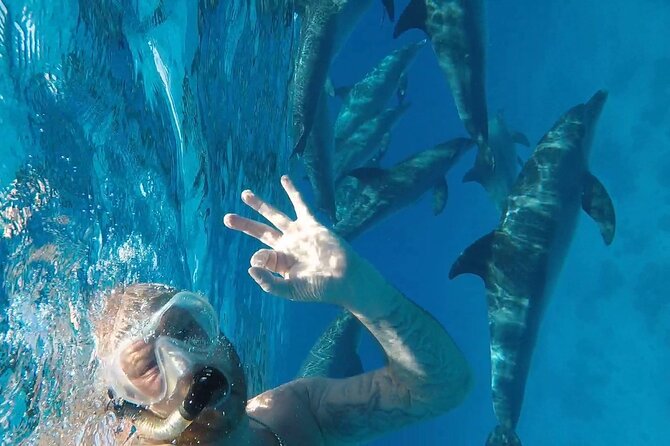
- Max 4 students means more personal coaching while you learn safety and control
- Gear is provided, so you can travel light and focus on learning
- 3 days, 6 underwater training sessions (2 each day) plus a final exam
- Pickup offered for a smoother start (meeting time is 8:00 am)
- Weather matters, since the course requires good conditions on the day
- PADI materials and certification are extra, £140 per person, paid to the instructor
More tanks, more dive schools
- PADI Open Water Diver Course in Hurghada – Learn Scuba Diving★ 5.0 · 59 reviews
First morning in Hurghada: a small class, real safety focus
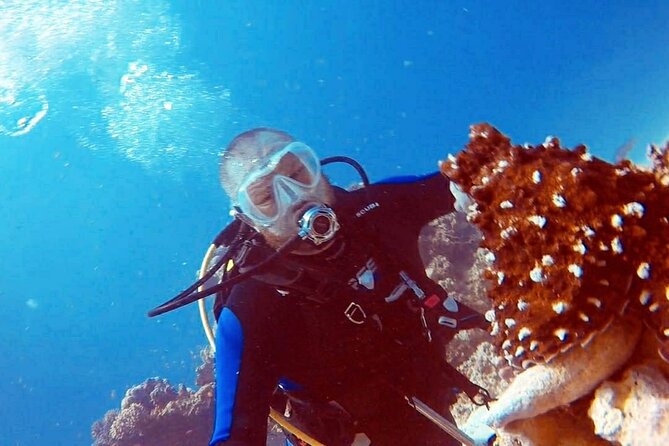
The course starts at 8:00 am, so you will want a clear morning routine and an early start mindset. Most travelers can participate, and the tone of the program is straightforward: learn how to stay safe, then build skills step by step until you can handle open-water conditions to 18 meters (about 59 feet).
What makes this feel different from some rushed training setups is the class size and the way skills are taught. When you have only a few students, your instructor can watch your breathing, your buoyancy, and your body position closely. That matters because scuba is mostly about staying calm and controlled, not about strength or speed.
Instructors named Steve and Emma come up a lot in student experiences, and you can feel a consistent theme: clear guidance, patient pacing, and a no-nonsense approach to safety. If you get anxious, this kind of coaching style can be a big deal.
What’s included, what you will still pay for
Let’s talk value, because this course is easy to compare once you know what is covered.
Included:
- Scuba equipment use (you do not need to bring your own gear)
- Bottled water
- Private transportation
Included in the experience description:
- Lunch during the course day(s)
Not included:
- PADI materials and certification, listed as £140 per person to be paid to the instructor
Price and value perspective:
At $482.16 per person for a 3-day program, you are paying for structured PADI training, instruction supervision, and the logistics that remove friction. Private transport, lunch, and equipment included can save you time and hassle compared with piecing together lessons and rentals yourself. Still, you should factor in the extra £140 for the PADI materials and certification so you do not get surprised at the end.
Day 1: video, manual, and shallow-water skills
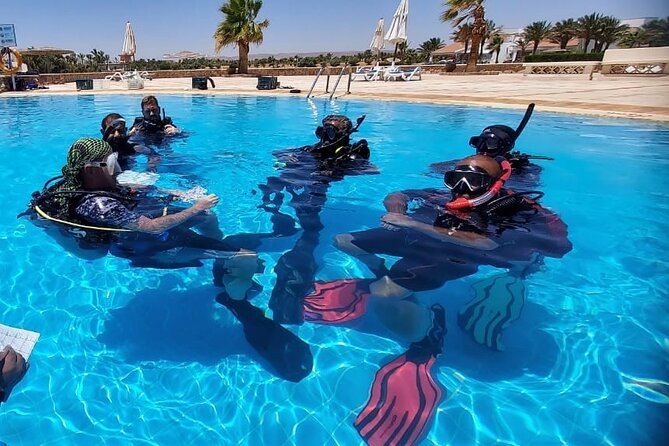
Day one is about learning the system and getting comfortable enough to start controlling your breathing and your position. Expect the theory part first: you will watch the course video with your instructor and complete the manual reading. Then you jump into the water for two shallow-water skills sessions where you practice what you learned.
Why this structure works:
- The theory helps you understand what you will do in the water.
- The shallow sessions let you practice control without the stress of deeper conditions.
- You are supervised throughout, so you can correct early habits instead of building them wrong.
This is also where a patient instructor setup makes a visible difference. In real student stories, instructors like Steve and Emma are described as proactive with communication and focused on confidence. That kind of vibe matters on day one, because your brain is still figuring out how everything feels.
Day 2: repeat skills, then start exploring conditions
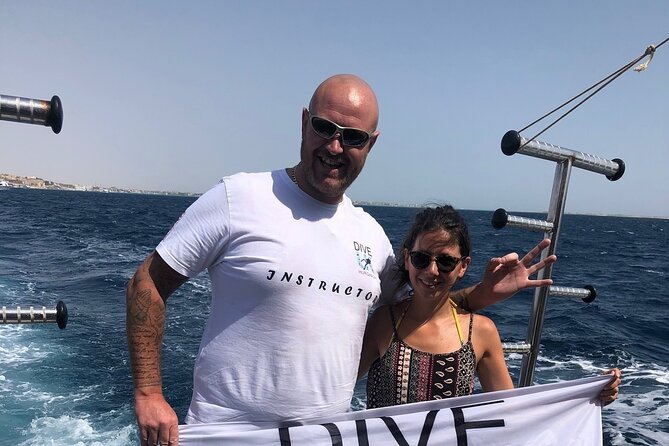
On day two, you repeat the skills from day one, but with a slightly more confident feel. This is normal training logic: repetition is how muscle memory forms. Then you start exploring dive sites once you are safe and competent.
You will do two more underwater training sessions on day two. This is where the course begins to feel less like drills and more like the underwater experience you came for. You still focus on safety, but you also get to see more of how open-water conditions feel in real life.
If you are new, pay attention to how you are taught to manage depth, buoyancy, and breathing. The goal is not just completion. The goal is you being able to repeat the basics calmly, even when something surprises you.


Day 3: finishing skills, a small exam, and your Open Water goal
Day three is a finish-the-circle day. You will complete the remaining required skills and then do two more sessions exploring the dive sites again. After the final practice, you complete a small exam to qualify as a PADI Open Water Diver.
What to expect emotionally:
By day three, you usually feel more in control, because you already survived the first day’s unfamiliar gear and new body movements. The exam is not designed to be a gotcha. It is there to confirm you can apply what you practiced.
One useful detail from experiences shared by students is that instructors can adapt to different comfort levels. People specifically noted feeling safe and supported during training. In a program like this, that adaptability is what turns a scary first scuba day into a doable three-day plan.
Who this course is best for in Hurghada
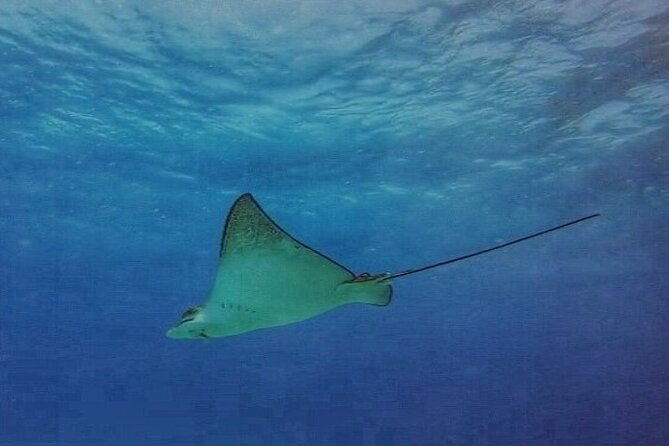
This 3-day PADI Open Water course is a strong match for:
- First-time scuba learners who want clear coaching and structure
- People who benefit from small-group instruction (max four students)
- Travelers who want a guided path to certification instead of trial-and-error
It also seems to work well for families and younger learners, since course instruction experiences include teens and kids in related PADI training contexts. You should still confirm the best fit for your age and comfort level with the provider before booking.
And if you have anxiety about being in water with equipment, focus on the coaching approach. Multiple student stories highlight instructors being patient and making things feel safe. That’s the kind of environment you want when you are learning something physically new.
Health note, because it matters:
One student story mentions training even with a broken rib. You should treat that as an example of support and caution, not a guarantee for your situation. If you have injuries or medical concerns, ask the instructor directly and follow any medical guidance you already have.
Logistics that make your life easier (and what to double-check)
A few details make this course easier to manage while traveling.
- Pickup is offered, which helps if you are staying in Hurghada and do not want to sort transport every day.
- Start time is 8:00 am, so plan your sleep and breakfast accordingly.
- Lunch is included, which keeps you from hunting food between training blocks.
- Bottled water is provided, which is a small thing that still helps when you are sweating in the morning.
Two things to double-check before you go:
- Plan for the extra £140 per person for PADI materials and certification.
- The experience requires good weather, and if it is canceled due to poor conditions you will be offered another date or a full refund. So choose travel days with some flexibility if you can.
Price breakdown: does $482.16 make sense here?
For scuba certification, the real question is what you get for the money, not just the sticker price. Here is the practical math in plain terms:
You pay $482.16 for a full 3-day structure that includes:
- Instruction supervision
- Two shallow sessions day one, plus two sessions day two, plus two on day three (6 total in the course outline)
- Equipment included
- Private transportation
- Lunch
- The progression from skills to an Open Water qualification exam
Then you add the extra PADI cost:
- £140 per person for PADI materials and certification
So the value is strong if you want someone to handle the training structure and the day-to-day logistics. If you are the type who enjoys building your own itinerary, you might find cheaper routes. But if you want a clear training path with equipment provided and minimal hassle, this is the kind of setup that tends to feel worth it.
When I would skip this course
I would hesitate if:
- You cannot handle the 8:00 am start time and the full 3-day commitment
- You are not ready for practice-heavy learning (scuba certification is not just sightseeing)
- You are not comfortable planning around the weather requirement
- You do not want the additional £140 for PADI materials and certification
If any of that sounds like you, still ask questions before passing. Sometimes the “feel” of the instruction approach is what decides it.
Should you book this Hurghada Open Water course?
I think this is a good booking when you want a structured, safe path to certification and you appreciate small-group attention. The best part is how the course turns theory into controlled practice over three days, finishing with an exam and your Open Water qualification. Add the practical wins, gear provided, pickup, and lunch, and it is a fairly smooth travel activity.
Book it if you:
- Want to get certified to 18 meters with guided coaching
- Prefer patient instruction like the kind associated with instructors such as Steve and Emma
- Want to travel light because you do not need to bring scuba gear
Consider other options if the extra £140 fee would be a dealbreaker for you, or if your schedule cannot handle possible weather-based changes.
Tanks and Reefs
More of Cairo from our review pile
- Cairo Layover Tour to Giza Pyramids Egyptian Museum and Khan Khalili Bazaar
★ 5.0 · 25 reviews - Private Luxor Day tour from Cairo by Flight
★ 5.0 · 25 reviews - Private full day tour to Giza Pyramids, Sphinx, Sakkara and Dahshour with guided
★ 5.0 · 25 reviews - Nile Dinner Cruise in Cairo With Belly Dancing and Transfer
★ 5.0 · 25 reviews - Private Giza Pyramids,Sphinx,camel,lunch, 2 tombs,Great Pyramid
★ 5.0 · 25 reviews - All inclusive Giza Pyramids ,Sphinx ,Lunch ,Camel&Inside pyramid
★ 5.0 · 25 reviews
Red Sea Scuba Diving & PADI Courses, compared.
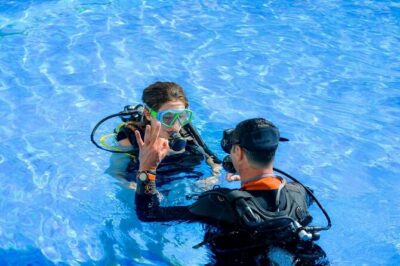 ★ 5.0Discover Scuba DivingFrom $1271,676 reviews
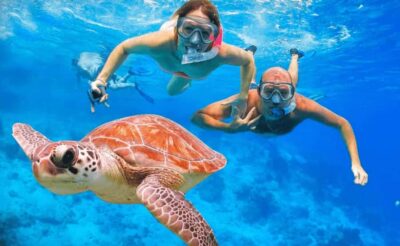 ★ 4.9Ras Mohamed & White Island Dive & SnorkelFrom $291,280 reviews
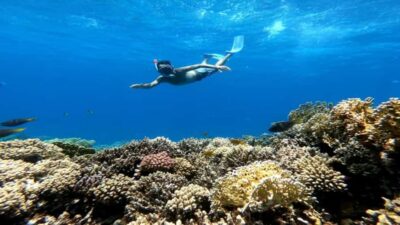 ★ 4.9Snorkeling 6 x 1 to Orange Bay w Diving & MassageFrom $621,266 reviews
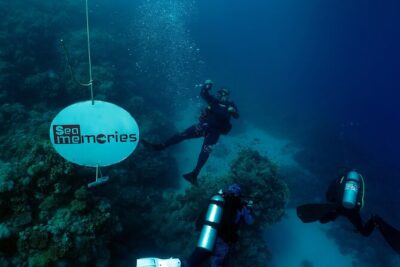 ★ 5.0Intro Diving 2 Stops For Beginners with Pick-up and Lunch – HurghadaFrom $401,146 reviews
 ★ 4.9Intro Diving Beginner and Discover Red Sea UnderwaterFrom $611,092 reviews
 ★ 5.0PADI Open Water Diver CourseFrom $411626 reviews
 ★ 5.0Red Sea Diving Trip from Hurghada: Beginner to Advanced DiversFrom $69530 reviews
 ★ 4.7Ras Muhammed & White Island By Boat & intro DiveFrom $43493 reviews
The lists this one sits on