
REVIEW · LUXOR WEST BANK TEMPLES & TOMBS
Luxor: Medinet Habu, Deir el-Medina & Valley of Queens Tour
Medinet Habu, then queens, then workers, all in one run.
I like how this private tour keeps things focused, with a guide who can explain what you are seeing as you walk. The air-conditioned transport also makes the heat on the West Bank feel much more manageable.
Second, I really like the pairing of sites: the royal temple at Medinet Habu, the artisan village of Deir el-Medina, and then the royal tombs in Ta-Set-Neferu. You end up with a clearer picture of Luxor’s West Bank than if you only do temples or only do tombs.
One drawback to consider is timing at the Valley of the Queens. The tomb of Nefertari can be closed at times, and when that happens your experience may shift from what you were hoping to see.
In This Review
- Key highlights worth planning around
- Why these three Luxor West Bank stops work together
- Pickup, AC, and making the heat feel less scary
- Medinet Habu: Ramesses III and a temple scale you can feel
- Deir el-Medina: the workers’ village behind the tomb masterpieces
- Valley of the Queens: Ta-Set-Neferu and royal family tombs
- Guide quality, and what names you might run into
- Timing, free time, and how to get the most from 3 hours
- Price and value, plus what costs extra
- Who should book this tour, and who might want a different format
- Should you book the Luxor Medinet Habu, Deir el-Medina & Queens Tour?
- FAQ
- How long is the tour?
- What is included in the tour price?
- What sites does the tour cover?
- Are entrance fees included?
- Is pickup included from Luxor hotels or Nile cruises?
- What about cancellation or rescheduling?
Key highlights worth planning around
- Ramesses III at Medinet Habu with a mortuary temple that stretches about 150 meters and shows a classic royal temple style
- Deir el-Medina’s preserved frescoes, plus context for the workers who built the Valley tombs
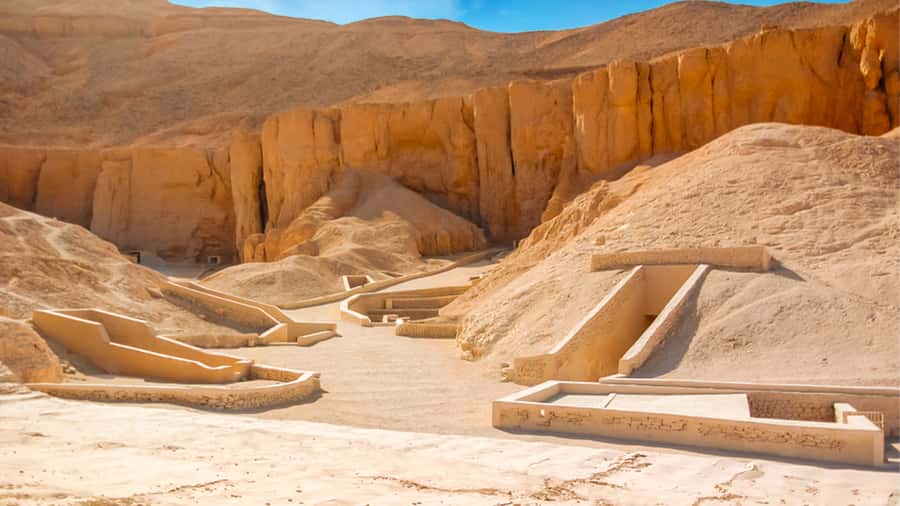
- Ta-Set-Neferu (Valley of the Queens), where you learn how royal wives and children were buried
- Hour-plus freedom at each main site, so you can take photos and walk at your own pace
- Bottled water and entrance fees included, so you are not doing constant pay-while-you-go math
West bank tombs, one by one
- Luxor Day Tour: Valley of Kings & Queens & Hatchepsut Temples★ 5.0 · 1,496 reviews
- Full Day Tour to East and West Banks of Luxor★ 5.0 · 1,449 reviews
- Luxor: Valley of the Kings and Hatshepsut Temple Day Tour★ 4.4 · 1,404 reviews
- Luxor: Valley of Kings, Hatchepsut Temple ,Karnak & Luxor-DayTour★ 5.0 · 735 reviews
Why these three Luxor West Bank stops work together
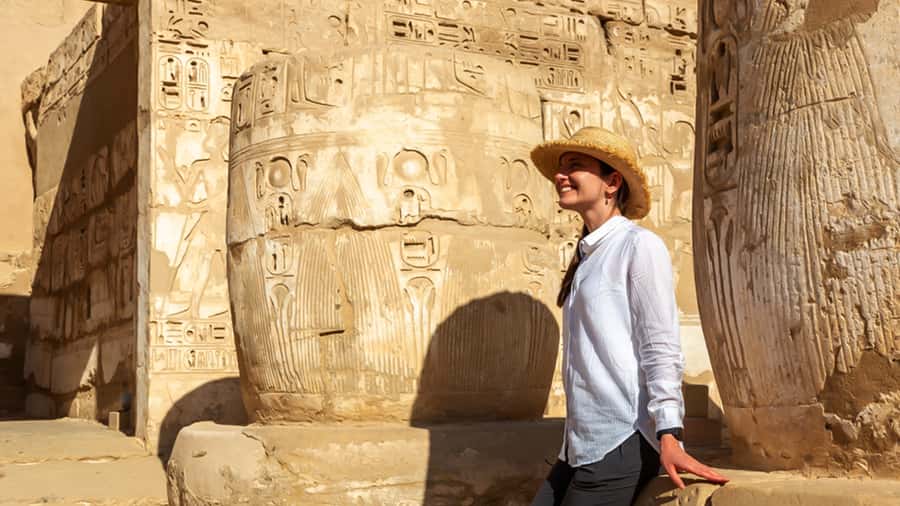
This tour is built around a neat story arc. Medinet Habu shows royal power expressed in stone. Deir el-Medina adds the human side, because this is where the tomb makers lived. Then the Valley of the Queens brings you back to the royal family, with burials tied to specific people and dynasties.
I also like that the stops are close enough to feel like one smooth morning. You are not bouncing around the entire West Bank. Instead, you are moving through three different lenses on the same place.
You will walk through temples and tomb worlds that connect, even if your Egyptian history is rusty. Your guide is there to make the names and symbols feel less like alphabet soup.
Pickup, AC, and making the heat feel less scary
The day starts with hotel or Nile cruise pickup in Luxor, then you ride in a private, air-conditioned vehicle to the West Bank. That AC matters more than you think, especially because the sites involve walking, sun, and short gaps where you are either shaded or not.
Transport is part of what you are paying for, and it is included. That usually means fewer delays and less time playing wait-and-see with shared vehicles.
If you are coming from Luxor airport, or you are picked up from the West Bank, there is an extra cost added to the current price. If that applies to you, I would factor it in early so your budget stays clean.
Medinet Habu: Ramesses III and a temple scale you can feel
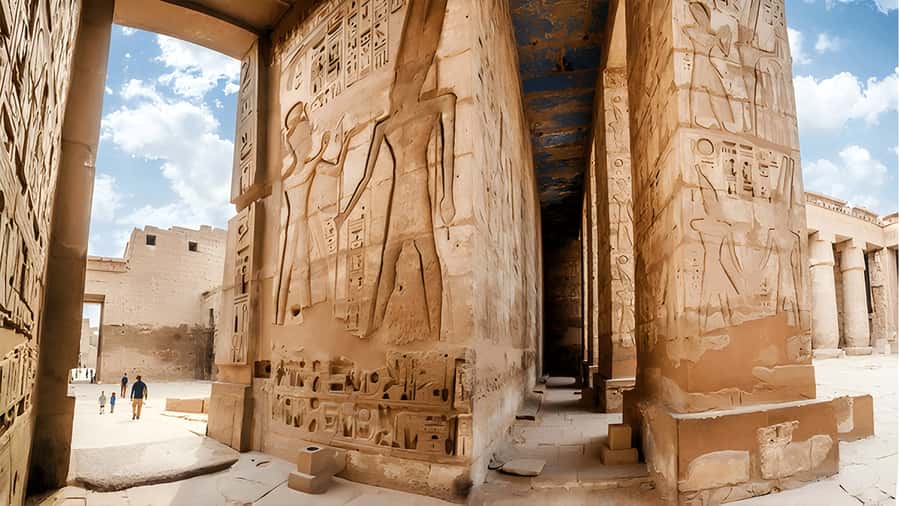
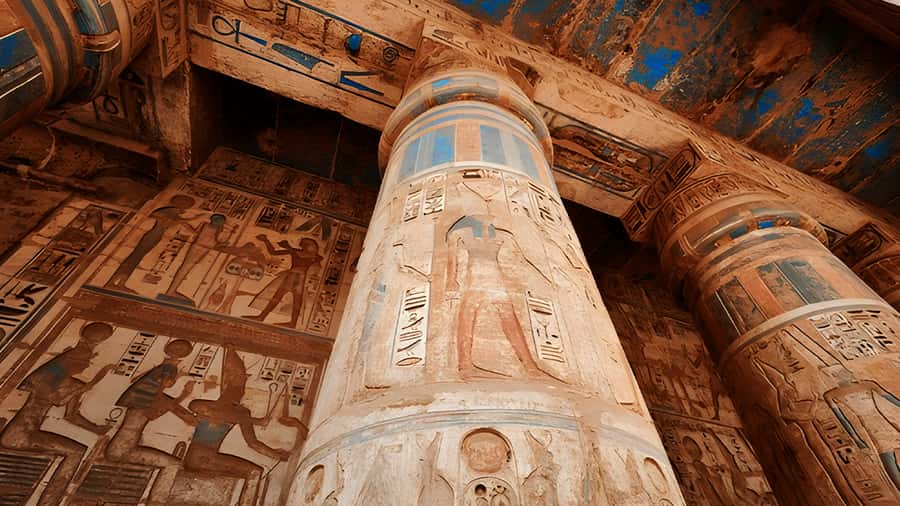
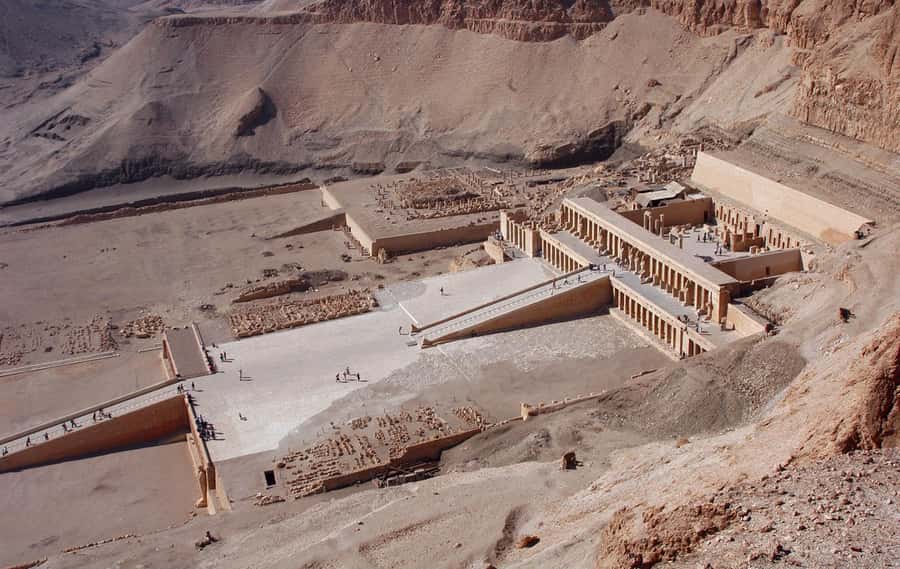
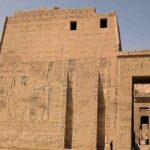
Your first major stop is Medinat Habu, the mortuary temple area of Ramesses III. This is not a small site. The temple is described as stretching around 150 meters, and when you stand in the space and look along the architecture, you get why it mattered to the state.
What I like most here is the sense of “royal messaging” in stone. You can see traditional architectural style associated with major royal mortuary temples, and it helps you connect Medinet Habu to the broader temple world of Luxor’s West Bank.
Expect a guided walk where the guide explains what you are seeing, then time to look around. If you enjoy taking photos, this is a good stop for it, because the temple areas give you angles that feel worth the effort.
Practical tip: dress for sun and bring water (you get bottled water), then use your free time to step into shade when you can. Medinet Habu is one of those places where a small break can make the next section much more enjoyable.
Deir el-Medina: the workers’ village behind the tomb masterpieces
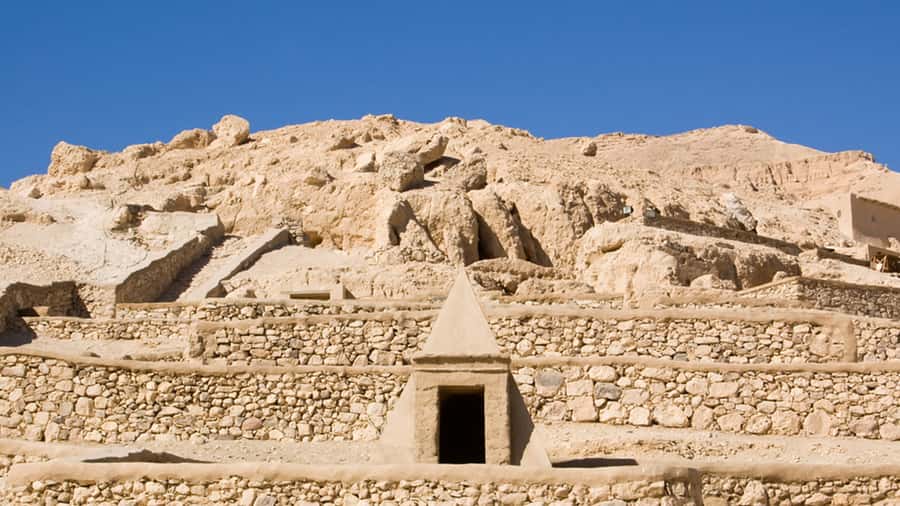
After Medinet Habu, you head to Deir el-Medina, also known as the Valley of the Workers. This is where the artisans lived, the people who built and supported the tombs in the nearby royal valleys.
This stop is often the one people underestimate. Temples and tombs can feel “distant” until you hear who actually made them. Deir el-Medina brings you closer, because it deals with daily life and work routines in a place built for a very specialized job.
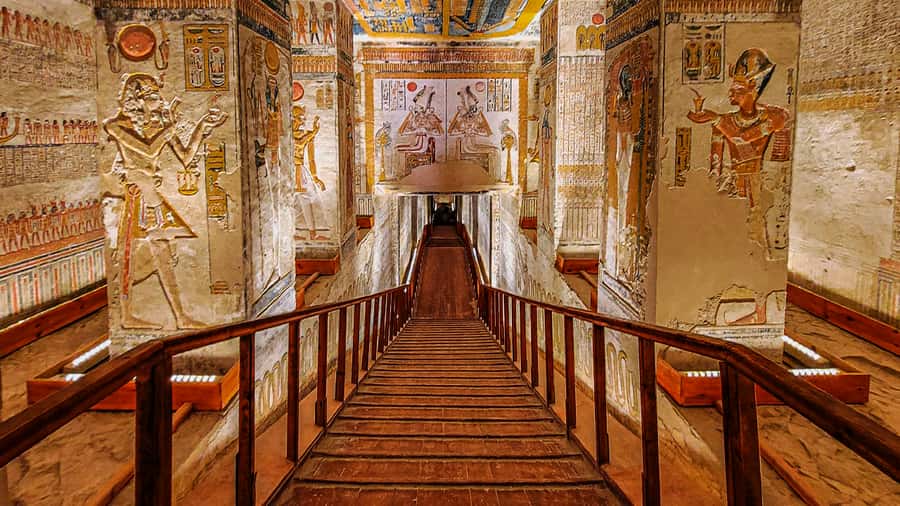
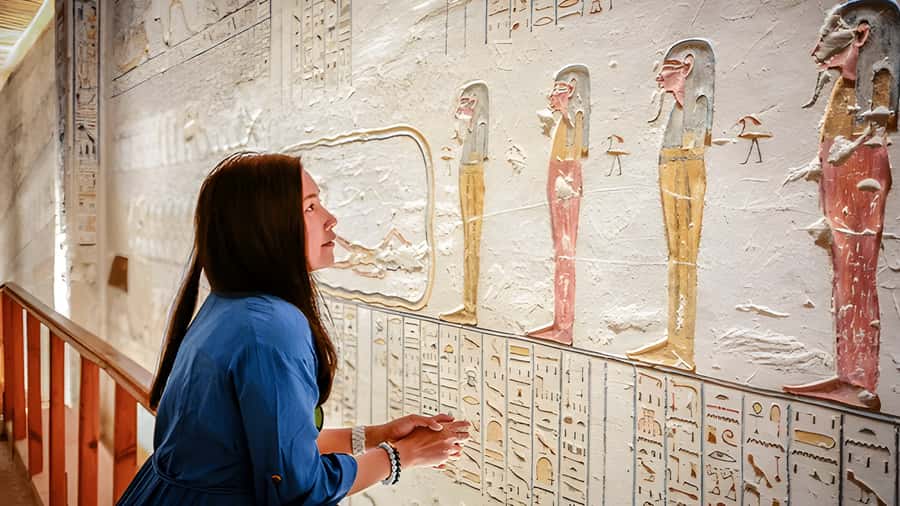
I really like that the site includes frescoes that remain remarkably well-preserved. Even if you cannot read the scenes, a preserved painting does something practical. It slows you down and makes the buildings feel less like ruins and more like a lived-in world.
You get guided time and then time to explore at your own pace. That balance is smart here, because Deir el-Medina can reward quiet looking. The better you pace yourself, the more you notice.
Valley of the Queens: Ta-Set-Neferu and royal family tombs
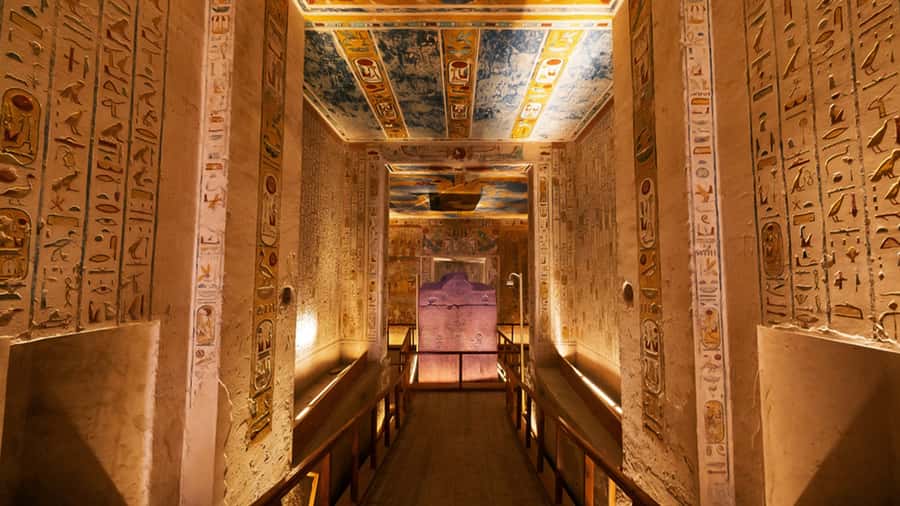
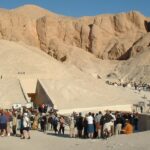
The final stop is the Valley of the Queens, known in ancient times as Ta-Set-Neferu, the place of Pharaoh’s children. This matters because it signals the focus. You are not just seeing tombs in general. You are seeing burials for royal wives and royal family members, especially across the 18th to 20th dynasties.
Your experience at the Valley is also shaped by what is open. One thing to plan for: the tomb of Nefertari can be closed at times. In that case, your guide may shift what you visit or where you spend time, and the overall feeling of the Valley can change if that is the tomb you hoped to see.
If you are booking because you really care about Nefertari specifically, I suggest you ask your guide in advance what is expected to be open for your dates. If you already have plans that depend on a specific tomb, build in flexibility.
Even with that caveat, this valley still gives you a strong sense of royal family burial patterns. It is a smaller, more intimate world than some of the major king-tomb areas, and that can make your guide’s explanations land better.
Guide quality, and what names you might run into
This is a private tour with a live guide, and the languages listed include English, Arabic, French, German, Spanish, and Japanese. That language range matters if you want explanations that feel precise, not watered down.
The best part is how clearly guides can teach without turning it into a lecture. In recent experiences, guides like Abdul/Abod and Mustafa were praised for being clear and passionate about Egyptology. Another standout name you might meet is Mahmoud, who showed up as a guide and also as a driver in different reports.
Drivers matter too, because you are crossing the West Bank roads in a schedule built around tomb opening times and heat. Mahmoud was described as highly reliable and focused on comfort and safety, which helps when you have an itinerary with multiple stops.
If you get a very strong guide, you will notice it right away. You stop “looking at walls” and start connecting names, dynasties, and architectural choices to the people who made them.
Timing, free time, and how to get the most from 3 hours
This is a 3-hour tour, and it is not trying to cover everything on the West Bank. You get structured visits and photo stops, plus free time at the Valley of the Queens and Deir el-Medina.
That free time is your chance to do two things: take photos without rushing, and verify what you need to revisit after your guide explains key areas. In tomb and temple sites, it is normal to need that second look, because details can be hard to catch the first time.
If you know you are a slow walker or you want more time inside tombs when they are open, this format can feel a bit tight. On the other hand, if you want a well-run highlights circuit without spending your whole day in lines and heat, this duration is a good fit.
Price and value, plus what costs extra
The price is $85 per person for a private guide, entrance fees, private air-conditioned transfers, and hotel or Nile cruise pickup and drop-off. On paper, that can sound like a “tour price.” In practice, it starts to look more reasonable because the ticket costs and transport are baked in.
You also get complimentary bottled water, and all taxes and service charges are included. That reduces the usual unpleasant surprise of adding up small fees after the fact.
What is not included is tipping, plus any extra expenses not listed in the plan. The one additional cost that is called out clearly is pickup from Luxor airport, or pickup from the West Bank, which adds an extra charge to the current price.
My take: for a private, short West Bank circuit, $85 can be good value if you want a guide and you want to avoid confusion on what is worth your limited time. If you are very independent and prefer to wander with a guidebook only, you could possibly do it cheaper on your own. But you would lose the explanations that help the names and symbolism stick.
Who should book this tour, and who might want a different format
This tour is a smart choice if you want three key sites without planning headaches. It is also a good fit if you care about understanding the connection between royalty and the workers who supported their tomb-making.
You will probably like it if:
- you want a private guide and clear explanations at each stop
- you prefer air-conditioned transfers and a short, focused schedule
- you enjoy both temple and tomb sites, plus the artisan angle at Deir el-Medina
You might want to consider a different format if you are coming mainly for one specific tomb at the Valley of the Queens and you cannot tolerate a last-minute change. In that scenario, a longer tour or a plan with more built-in flexibility might fit better.
Should you book the Luxor Medinet Habu, Deir el-Medina & Queens Tour?
I think this is worth booking if your goal is a clean, guided highlights circuit on Luxor’s West Bank. You get the big royal temple at Medinet Habu, the workers village that explains who made the tombs, and the Valley of the Queens with its royal family focus in Ta-Set-Neferu.
The biggest reason to hesitate is the Valley of the Queens opening risk, especially if Nefertari is central to your plans. If that tomb is closed on your day, your guide can adjust, but your expectations should be flexible.
If you book, do one simple thing that pays off: ask your guide what is open when you arrive and what they recommend based on that reality. With the right guide, the day still works, and you will walk away understanding more than just what you saw.
FAQ
How long is the tour?
The duration is 3 hours.
What is included in the tour price?
It includes air-conditioned transfers, hotel pickup and drop-off, a private tour guide, entrance fees, complimentary bottled water, and all taxes and service charges.
What sites does the tour cover?
You visit the Valley of the Queens, Deir el-Medina, and you also include Medinet Habu as part of the West Bank tour.
Are entrance fees included?
Yes, entrance fees are included.
Is pickup included from Luxor hotels or Nile cruises?
Yes, hotel pickup and drop-off are included if you are within Luxor as described. Pickup from Luxor airport or the West Bank has an extra cost.
What about cancellation or rescheduling?
Free cancellation is available up to 24 hours in advance for a full refund, and the option to reserve now and pay later is listed.
The West Bank, Tomb by Tomb
More of Luxor from our review pile
- Private Tour Nile Felucca Ride at Sunset in Luxor
★ 5.0 · 26 reviews - Private Full day East and West Bank, Luxor
★ 5.0 · 26 reviews - Luxor Day Tour: Kings Valley & Karnak & Luxor & Hatshepsut Temple
★ 5.0 · 26 reviews - Full-Day East and West Luxor Private Tour
★ 4.5 · 26 reviews - Day Trip to Edfu & Kom Ombo temples from Luxor and drop off in Aswan or Luxor
★ 5.0 · 26 reviews - 5 Days 4 Nights Nile Cruise Tour
★ 5.0 · 27 reviews
Luxor West Bank Temples & Tombs, compared.
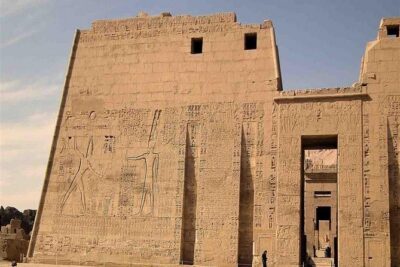 ★ 5.0Luxor Day Tour: Valley of Kings & Queens & Hatchepsut TemplesFrom $891,496 reviews
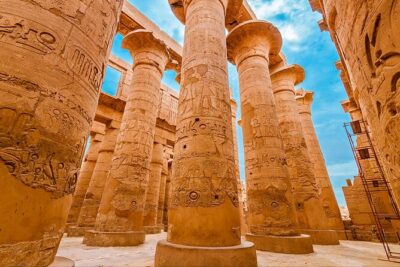 ★ 5.0Full Day Tour to East and West Banks of LuxorFrom $151,449 reviews
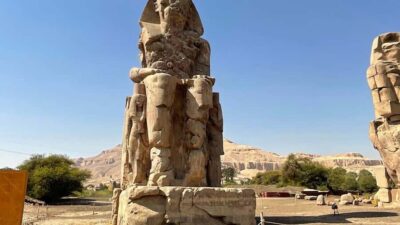 ★ 4.4Valley of the Kings and Hatshepsut Temple Day TourFrom $501,404 reviews
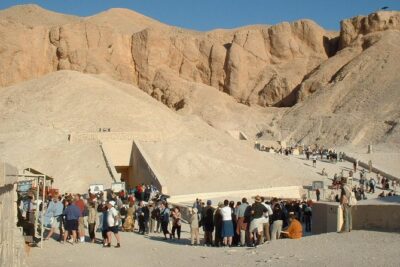 ★ 5.0Valley of Kings, Hatchepsut Temple ,Karnak & Luxor-DayTourFrom $95735 reviews
 ★ 5.0Full Day Tour of Luxor West Bank Temples and Tombs (Private)From $20722 reviews
 ★ 5.0Private Full-Day Luxor Highlights East and West BanksFrom $65663 reviews
 ★ 4.5Guided Tour to East or West Banks with LunchFrom $64604 reviews
 ★ 5.0Luxor Private Full-Day Tour: Discover the East and West Banks of the NileFrom $90545 reviews
The lists this one sits on