
REVIEW · LUXOR WEST BANK TEMPLES & TOMBS
Luxor Half-day Valley of the King &Hatshpsut and Memnon
Two queens, two worlds, one West Bank afternoon. This half-day Luxor tour strings together Hatshepsut’s temple and the Valley of the Kings, then adds the big, unforgettable statues of Memnon. You get a guided walk through sacred sites that are famous for a reason.
I like how this tour handles logistics for you, with hotel pickup and drop-off plus an air-conditioned vehicle. I also like that entry is built in for both the Valley of the Kings and the Temple of Hatshepsut, so you are not scrambling for tickets while time is ticking.
One consideration: expect some visitors to feel the tour includes shopping stops, and a few reviews mention pressure to buy. If that is a dealbreaker for you, I would go in with a firm plan to say no quickly and stay focused on the ruins.
In This Review
- Key highlights to look forward to
- A half-day on Luxor’s West Bank that actually works
- Hotel pickup, air-conditioned comfort, and the pacing you need
- Valley of the Kings: choosing your tomb time wisely
- Hatshepsut at Deir el Bahari: terraces, symbolism, and scale
- Memnon’s Colossi: a classic West Bank photo stop with real presence
- Guide style: what to look for and how to get the most
- Price and value: why $18 can feel surprisingly fair
- Shopping stops and pressure: how to handle it without ruining your day
- Best for families, first-timers, and time-limited schedules
- Should you book Luxor Valley of the Kings, Hatshepsut, and Memnon?
Key highlights to look forward to
- Hotel pickup plus a tight 4-hour West Bank loop so you can see a lot without burning a full day
- Included admission to the Valley of the Kings and the Temple of Hatshepsut
- Photo-friendly pacing with time to look around on your own at major moments
- Memnon’s Colossi as a dramatic bookend to the Hatshepsut stop
- Optional add-on for King Tut’s tomb if you want that specific ticketed experience
- Private tour style for your group, with an English-speaking Egyptology guide
Other tomb tickets in the valley
- Hurghada: Luxor Valley of the Kings & Tutankhamun Tomb Trip★ 4.7 · 13,208 reviews
- Luxor Day Trip from Hurghada Small Group & Tutankhamun Tomb★ 4.8 · 5,366 reviews
- Luxor Day Tour: Valley of Kings & Queens & Hatchepsut Temples★ 5.0 · 1,496 reviews
- Luxor: Valley of the Kings and Hatshepsut Temple Day Tour★ 4.4 · 1,404 reviews
A half-day on Luxor’s West Bank that actually works
The West Bank can feel like a blur because the sites are far apart, and the day can get hot fast. This tour is designed around a realistic rhythm: two headline stops with a guided story, then enough personal time to see what you care about.
You are typically out for about 4 hours, and the structure matters. You hit the big names, but you still get enough time to look, take photos, and absorb the scale without feeling rushed at every turn. That balance is what makes a half-day plan feel worth it, instead of like a checklist.
The value is also in what is included. Admission is part of the price for both key stops, which cuts down on decision stress. For many people, that is the difference between enjoying Luxor and spending mental energy figuring out tickets.
Hotel pickup, air-conditioned comfort, and the pacing you need
Pickup and drop-off are included, which matters more than it sounds. In Luxor, it is not just convenience, it is time savings, and it helps you avoid the morning scramble.
You also ride in an air-conditioned vehicle. That is a big deal in Egypt, especially on the West Bank where the heat can build quickly during a short tour. A comfortable car makes the schedule feel lighter, even when you are moving between sites.
Pacing is a recurring theme in strong feedback. People liked having enough time to take photos independently and not just stand in a line while someone talks at you. At the same time, you should expect a guided pace that keeps the day moving, since you only have a half-day window.
Private tour means it is just your group. That can help you ask questions and tailor the flow, especially if you care more about symbolism at Hatshepsut’s temple or you want to prioritize one specific tomb.
Valley of the Kings: choosing your tomb time wisely
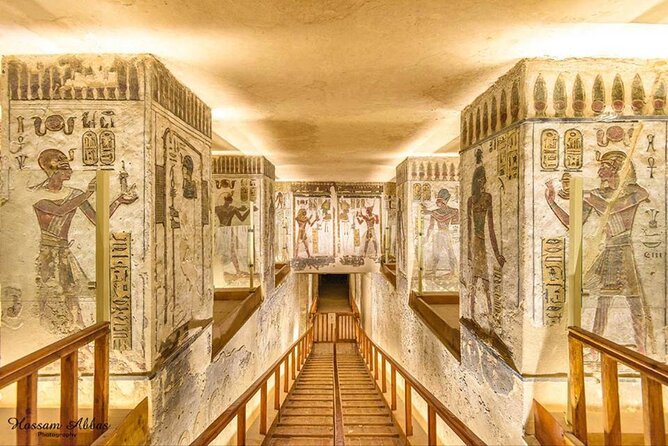
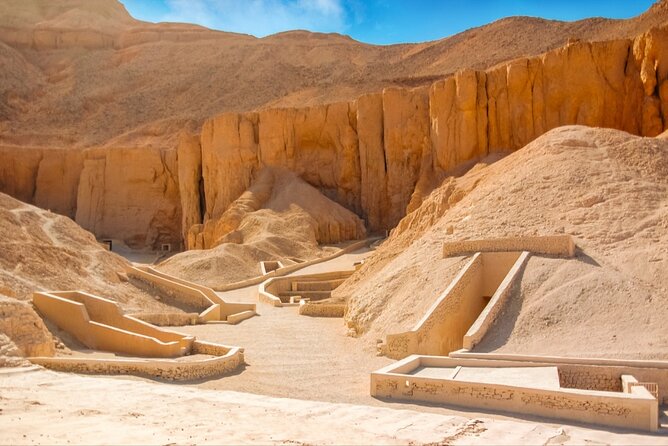
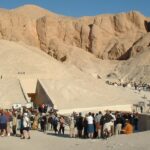
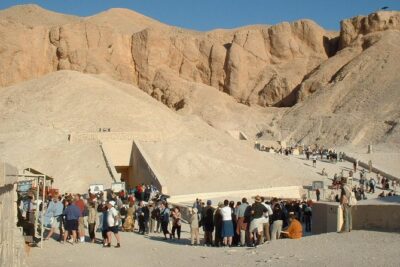
The Valley of the Kings is where Luxor earns its reputation. Pharaohs carved their final resting places into the mountainsides, and the place still feels like a secret, even though it is famous.
You get about 2 hours here, and the entry ticket is included. That time window is realistic: it lets you walk the valley path, listen to the historical context, and then decide what tomb experience you want. The key point is that there are many tombs in this necropolis, and the highlight is the experience of choosing where to go.
The Valley’s New Kingdom context is part of the guide’s story. This burial ground is associated with Pharaohs from roughly 1550 to 1080 BC, and it includes tombs connected to earlier dynastic figures. If you are the type who loves family connections in ancient history, it helps that the earliest tombs date back to Tuthmosis I, who was Queen Hatshepsut’s father.
There is an optional upgrade if you want King Tutankhamun’s tomb during your Valley time, but it costs extra. I like having that choice in a half-day plan because you can match your priorities to your budget. If King Tut is your must-see, you will likely want to reserve the extra ticket option and keep your expectations grounded in how long you can actually spend inside.
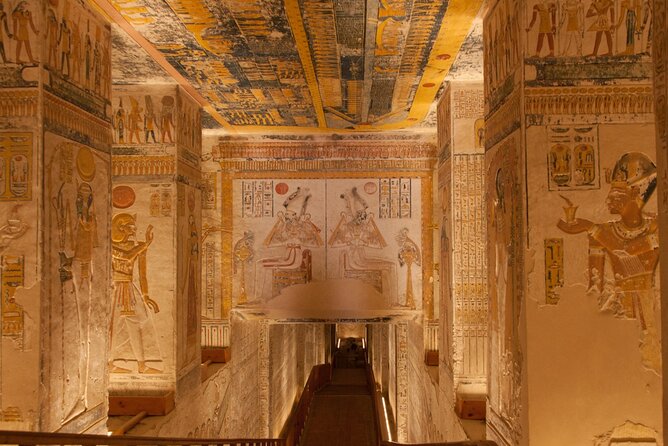
One more practical note: guides are not allowed to go inside the tomb with you. That can feel limiting if you enjoy a line-by-line explanation in the chamber. Still, the upside is that your time inside can feel more personal and focused, and your guide’s prep outside can make what you see inside much easier to interpret.
Hatshepsut at Deir el Bahari: terraces, symbolism, and scale
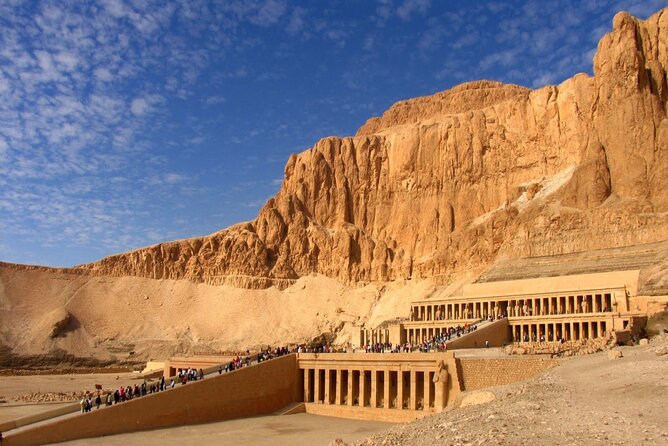
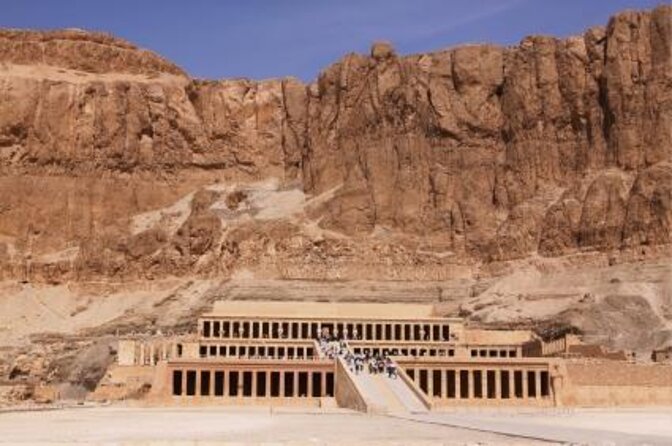
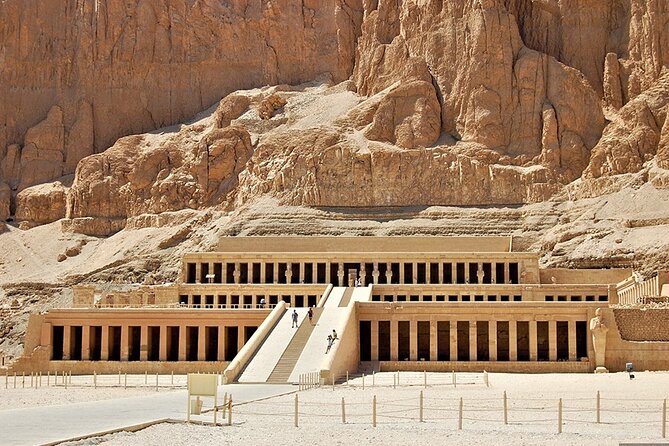
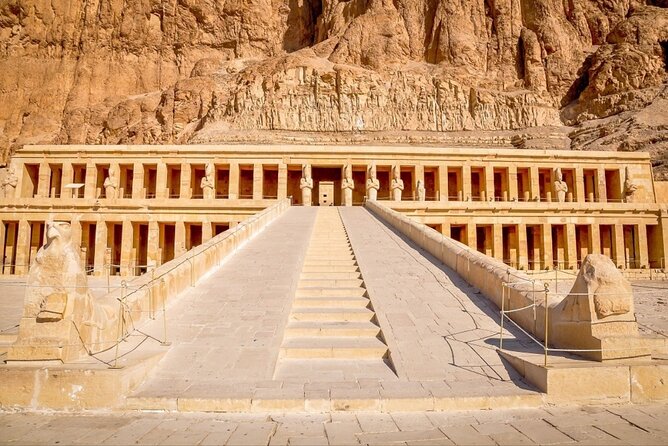
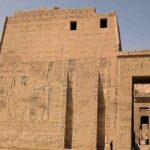
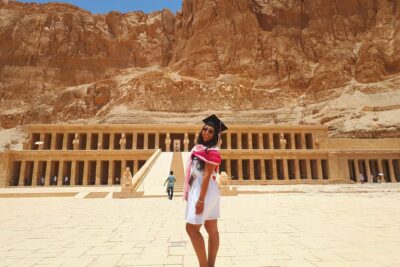
After the Valley, the day shifts into a different kind of wonder. The Temple of Hatshepsut at Deir el Bahari is not just “a temple,” it is a set of terraces cut to fit the cliffs and designed to be viewed from the right angles.
You get another 2 hours here, with admission included. This is the stop where the story of Hatshepsut becomes tangible. The temple is built across three terraces, and the setting is part of the message, with the cliffs framing the whole scene.
The guide’s role matters a lot at Deir el Bahari. Hatshepsut is portrayed in masculine form in the reliefs, wearing the pharaoh’s kilt and beard, which sends a clear political signal. If you go in with even a basic understanding, you will catch the way the artwork is used to legitimize rule, not just decorate walls.
Look for how the temple layout tells a ceremonial story. Historically, an avenue of sphinxes led toward the Nile, and the entrance imagery included myrrh trees. Even if you are seeing it through the lens of modern ruins, that “approach” concept helps you understand why the site was planned this way, not just built.
Time on this stop also affects your photos and your sense of scale. In good tours, you get room to stand back and take in the terraces before you move closer. That is one reason feedback often praises guides who give space for self-guided looking, not just a rapid-fire explanation.
If you are into iconic portraits and architecture, this is the portion of the tour you will likely remember most. It is also the stop that can change how you view the Valley, because it shows the living political project behind royal monuments, not only tombs.
West bank tombs, one by one
Memnon’s Colossi: a classic West Bank photo stop with real presence
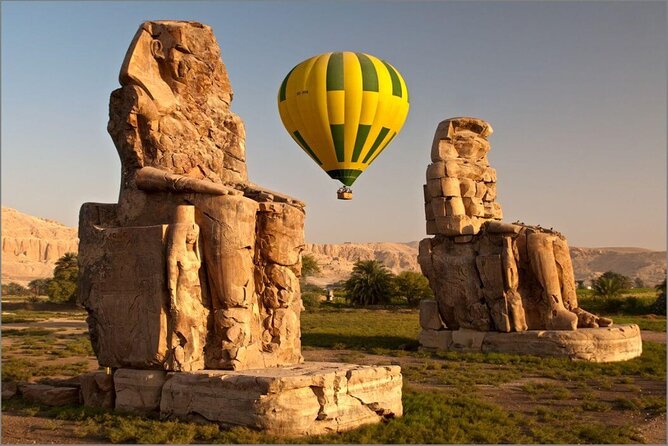
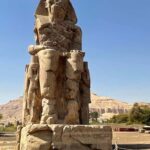
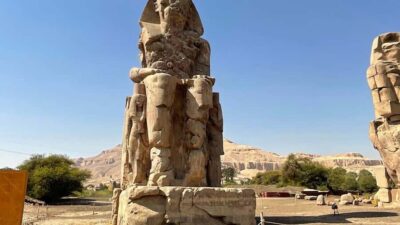
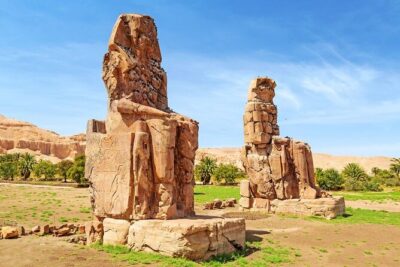
Between Hatshepsut’s temple and the wider West Bank vibe, the Colossi of Memnon act like a dramatic pause. These are the two towering statues tied to Amenophis III’s funerary temple, and they are still visible as huge anchors in the landscape.
The scale is part of the impact. The statues rise about twenty meters high, and the fact that they remain standing while much else has disappeared makes them feel like survivors with long memories.
If you have seen “big statues” in other cities, you still might be surprised here. Their height and framing in the West Bank space create a strong sense of arrival. Even if you only spend a short amount of time there, it feels like a moment with weight.
This stop also helps balance the day. The Valley is inward and secretive, Hatshepsut’s temple is formal and ceremonial, and Memnon’s Colossi are blunt and monumental. Together, they give you variety without extending the tour beyond a half day.
Guide style: what to look for and how to get the most
A strong Egyptology guide can make or break a tour like this. The best guidance is not just facts, it is clarity and pacing, plus an ability to answer the questions that pop into your head while you are looking at stone.
In feedback, people praised guides like Mo and Nasser for being warm, kind, and focused on explanation. Other names came up too, including Haleem and Ahmed, and even the driver partners, like Mohamed and Ahmed, were mentioned as courteous and helpful.
You should also know that guide English ability can vary. One review flagged a guide whose English was harder to follow, which matters because this tour’s value depends on understanding what you are seeing. If language is your top priority, I would ask ahead about the guide’s English level and plan to take notes on key points you care about, like Hatshepsut’s legitimacy themes or the tomb selection logic.
Also keep an eye on whether the day feels “sales heavy.” A couple reviews mention extra stops at pottery shops or limestone stores. Sometimes these are added along the route, and sometimes people do not mind them. If you do mind them, say no early and move toward the next ruin-focused moment.
And remember: you can ask good questions even on a tight schedule. If you want help choosing what to see in the Valley, ask early. If you care about specific symbols at Deir el Bahari, ask before you start walking the terraces.
Price and value: why $18 can feel surprisingly fair
At $18 per person for a half-day, the price can look low, especially in a city where tours can add costs fast. Here, the value is tied to two things: included admission and guided time.
Admission is included for both the Temple of Hatshepsut and the Valley of the Kings. That alone can make the total feel more reasonable, because it removes the most common surprise cost for short tours. You are also getting hotel pickup, air-conditioned transport, and an English-speaking Egyptology guide.
You might also notice the tour is positioned for easy booking, with a mobile ticket option and confirmation after booking. For you, that usually means less friction when you arrive, which matters because Luxor days are short.
If you compare this to other ways of doing the West Bank, the biggest advantage is time management. You do not have to line up transportation between sites, and you do not have to guess what order makes sense. In a half-day, those choices are everything.
One more detail that affects value: the tour is structured so you get guided context outside and self-time inside tomb areas where guides cannot enter. That split helps you get information without losing your personal exploration time.
Shopping stops and pressure: how to handle it without ruining your day
This is the main downside thread I would flag. Several reviews mention being taken to a shop stop, including a pottery shop or a limestone store, and a few visitors felt it created pressure to buy.
That does not automatically mean you will be pushed at every moment. Some guests even said the guide did not pressure them. But if you are sensitive to sales pitches, treat this as a “possible” rather than a guaranteed part of your day, then set boundaries early.
Here is how I would protect your experience:
- Keep your attention on timing. If the stop feels off schedule, ask calmly how long it will be and use that time strategically.
- Have a simple no ready. You do not need a story, just a clear boundary.
- If you want souvenirs, decide later. That way, shopping cannot steal your best photo light at the temples.
If you do end up at a shop anyway, do not view it as wasted time. You can still learn from the products on display, and you can watch how artisans talk about materials. Just do not let it steal the best moments at Deir el Bahari and the Valley.
Best for families, first-timers, and time-limited schedules
This tour makes sense if you have limited time in Luxor and you want two of the biggest West Bank hits in a single morning or afternoon block. It is also well suited for first-timers because the guide links the sites into one story, from royal power at Hatshepsut to royal burial in the Valley.
Families can like it too, since the stops are concentrated and the ride is comfortable. People often appreciate the pacing because it gives you “look time” instead of rushing everyone through.
If you are a deep Egyptology nerd who wants to spend half a day inside multiple tombs, you might find the 2-hour Valley time tight. But if your goal is to see the main sites with solid guidance, this format is a good fit.
On the other hand, if you hate any hint of sales stops, you may want to look for an alternative tour style that is more focused strictly on monuments. This one can include shop visits, and even if you do not buy anything, the presence of that element can still annoy some people.
Should you book Luxor Valley of the Kings, Hatshepsut, and Memnon?
I think you should book it if your priorities are clear: see the Valley of the Kings, stand in front of Hatshepsut’s temple terraces, and finish with the Memnon statues, all with hotel pickup and included admissions. The price is low enough that it feels like a strong value, especially when you consider you are not paying extra for entry at both main stops.
Skip or be cautious if shopping stops or sales pressure will ruin your day. Also consider language needs, because guide English quality can vary, even when most experiences seem smooth.
If you want a practical half-day that gives you real West Bank highlights without turning your schedule into a maze, this is a solid choice. Just go in with boundaries, ask questions early, and spend your best energy where the stone story actually lives.
The West Bank, Tomb by Tomb
Down Into the Kings Valley
More of Luxor from our review pile
- Private Tour Nile Felucca Ride at Sunset in Luxor
★ 5.0 · 26 reviews - Private Full day East and West Bank, Luxor
★ 5.0 · 26 reviews - Luxor Day Tour: Kings Valley & Karnak & Luxor & Hatshepsut Temple
★ 5.0 · 26 reviews - Full-Day East and West Luxor Private Tour
★ 4.5 · 26 reviews - Day Trip to Edfu & Kom Ombo temples from Luxor and drop off in Aswan or Luxor
★ 5.0 · 26 reviews - 5 Days 4 Nights Nile Cruise Tour
★ 5.0 · 27 reviews
Luxor West Bank Temples & Tombs, compared.
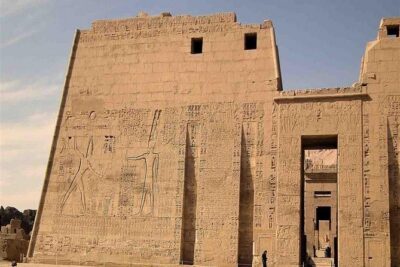 ★ 5.0Luxor Day Tour: Valley of Kings & Queens & Hatchepsut TemplesFrom $891,496 reviews
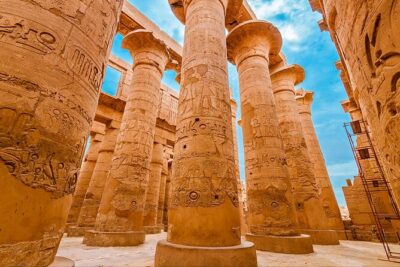 ★ 5.0Full Day Tour to East and West Banks of LuxorFrom $151,449 reviews
 ★ 4.4Valley of the Kings and Hatshepsut Temple Day TourFrom $501,404 reviews
 ★ 5.0Valley of Kings, Hatchepsut Temple ,Karnak & Luxor-DayTourFrom $95735 reviews
 ★ 5.0Full Day Tour of Luxor West Bank Temples and Tombs (Private)From $20722 reviews
 ★ 5.0Private Full-Day Luxor Highlights East and West BanksFrom $65663 reviews
 ★ 4.5Guided Tour to East or West Banks with LunchFrom $64604 reviews
 ★ 5.0Luxor Private Full-Day Tour: Discover the East and West Banks of the NileFrom $90545 reviews
The lists this one sits on