
REVIEW · LUXOR WEST BANK TEMPLES & TOMBS
Luxor: East and West Bank Private Full-Day Tour
Luxor hits hard, then lingers. This private full-day tour strings together the biggest West Bank and East Bank monuments, with a live guide and a clear story line from tomb to temple. I especially like the air-conditioned private vehicle for the long cross-river drives, so you start each stop feeling human, not baked.
The trade-off is simple: it is an 8-hour day, and you’ll be moving between sites instead of slowing down for hours in just one place. If you hate a packed schedule, or you know you’ll struggle in heat and stairs, plan your pace and comfort strategy before you go.
In This Review
- Key highlights you will feel right away
- East and West Bank logistics that make the day work
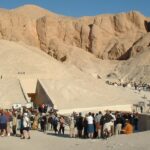
- Valley of the Kings: guided tomb viewing without the guesswork
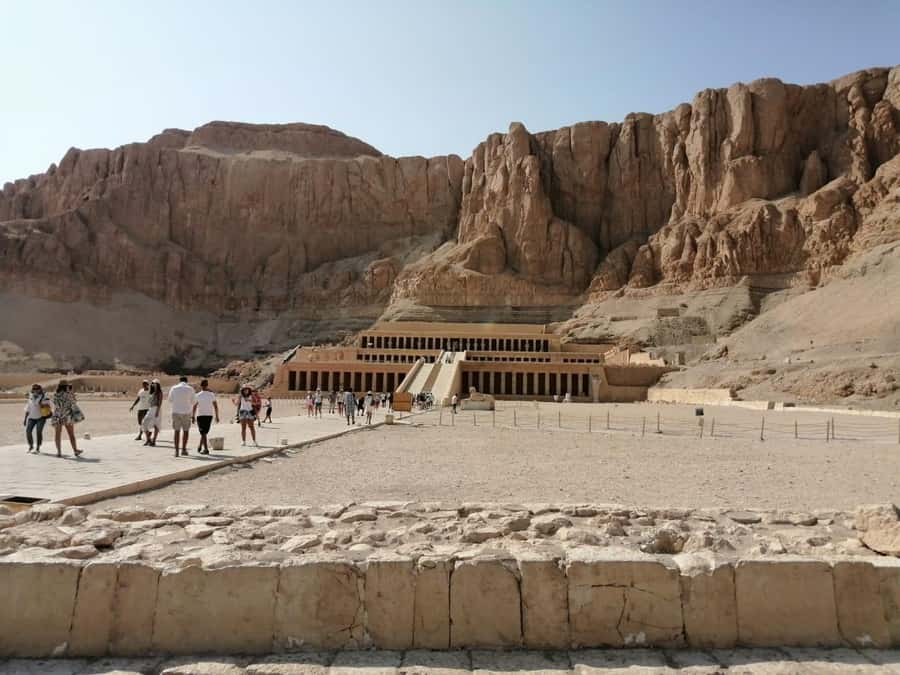
- Queen Hatshepsut’s mortuary temple at El Dir el Bahari
- Colossi of Memnon: the stillness of Amenhotep’s remains
- Karnak Temple: Amon, Mut, and Khonsu in real scale
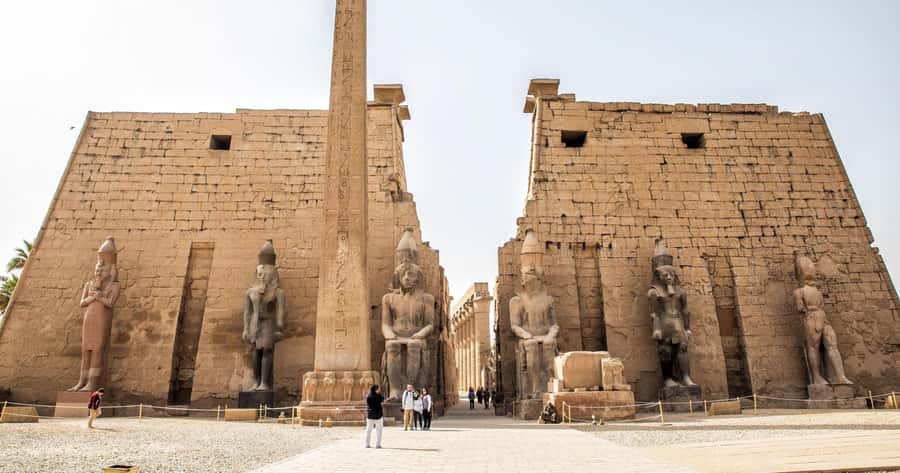
- Luxor Temple: the New Kingdom start, Ramses II completion
- Lunch and water, plus the small comfort upgrades
- What you get from a private guide, not just a driver
- Price and value: is $105 per person fair for what you get?
- Smart tips so the long day feels easier
- Should you book the Luxor East and West Bank Private Full-Day Tour?
- FAQ
- What is the duration of the Luxor East and West Bank private tour?
- Where does pickup happen?
- Which sites are included on the day?
- Does the tour include tomb visits?
- What is included in the price?
- Is this a private tour?
- What languages are available for the tour guide?
- Can I cancel for a full refund?
- Is there a pay later option?
Key highlights you will feel right away
- West Bank tomb time at the Valley of the Kings with guided stops at key royal tombs, plus a chance to actually see the walls up close
- El Dir el Bahari, Queen Hatshepsut’s temple (terraced, dramatic, and tied to the story of Egypt’s only pharaonic woman)
- The Colossi of Memnon as a striking remnant of Amenhotep’s mortuary temple
- Karnak Temple in Amun’s family context (Amon, Mut, and Khonsu) rather than a random walk through ruins
- Luxor Temple’s New Kingdom to Ramses II connection that helps you connect East Bank power to dynastic Egypt
West bank tombs, one by one
- Luxor Day Tour: Valley of Kings & Queens & Hatchepsut Temples★ 5.0 · 1,496 reviews
- Full Day Tour to East and West Banks of Luxor★ 5.0 · 1,449 reviews
- Luxor: Valley of the Kings and Hatshepsut Temple Day Tour★ 4.4 · 1,404 reviews
- Luxor: Valley of Kings, Hatchepsut Temple ,Karnak & Luxor-DayTour★ 5.0 · 735 reviews
East and West Bank logistics that make the day work
Luxor is split, and most first-time frustrations come from trying to connect the two sides on your own. This tour solves that by building one smooth loop: pickup, West Bank monuments first, then the East Bank temples, and back again at the end. The private air-conditioned vehicle matters more than it sounds, because Luxor heat can turn a “short drive” into an exhausting chore.
What you gain is rhythm. West Bank first means you’re fresh for the Valley of the Kings and Hatshepsut’s temple, where you want your brain engaged. East Bank later lets you shift from tomb archaeology to temple scale and religious symbolism, especially at Karnak and Luxor Temple.
Valley of the Kings: guided tomb viewing without the guesswork
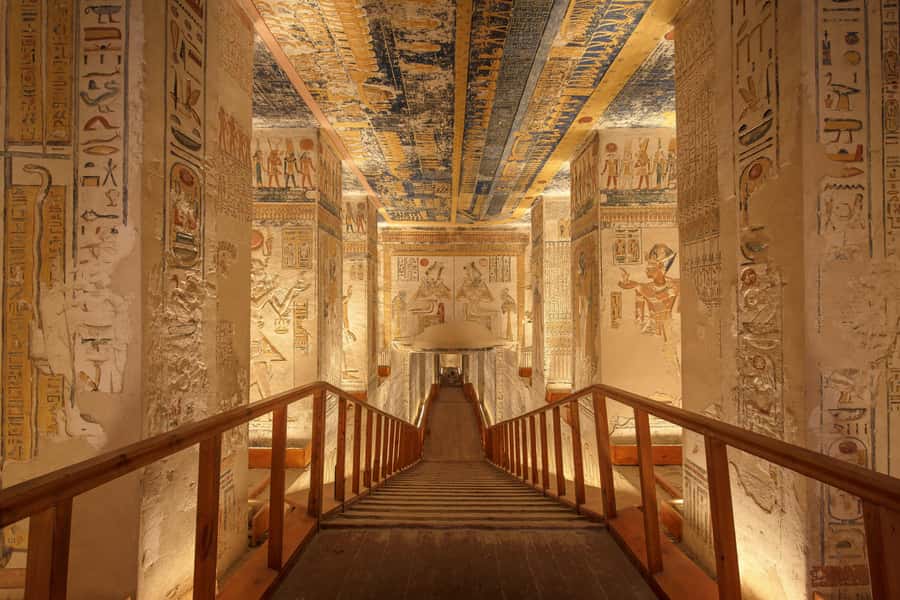
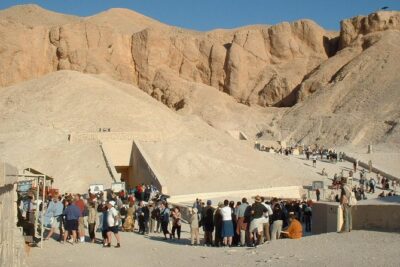
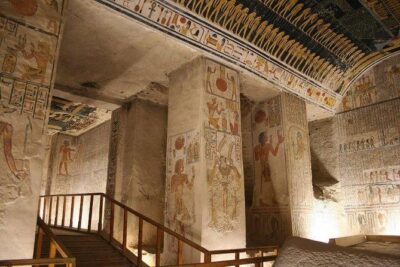
This is the heart of the West Bank, and you spend about 1 hour with a guide here. The big win is that you do not just wander. You get pointed to major tombs including King Tutmosi, Tut-ankh-amon, King Ramses, King Mrenptah, and Amenhotep. That matters because the Valley can feel like a lot of entrances and labels unless someone gives you the context.
In the tombs, expect tight, stone-heavy interiors and a very different atmosphere than the bright daylight outside. A good guide helps you connect what you’re seeing on the walls to what the builders intended, so the hieroglyphs and scenes don’t stay as “cool carvings.” Even if you’re not a hardcore Egyptology fan, you’ll come away with a clearer sense of what these tombs were for and why different reigns matter.
Practical consideration: tombs involve stairs and uneven ground on the surface, then darker spaces inside. Wear shoes you can move in confidently. Also, take a slow moment before heading into each tomb chamber so you’re not trying to “run” your photos and observations at the same time.
Queen Hatshepsut’s mortuary temple at El Dir el Bahari
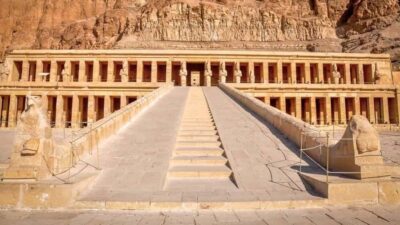
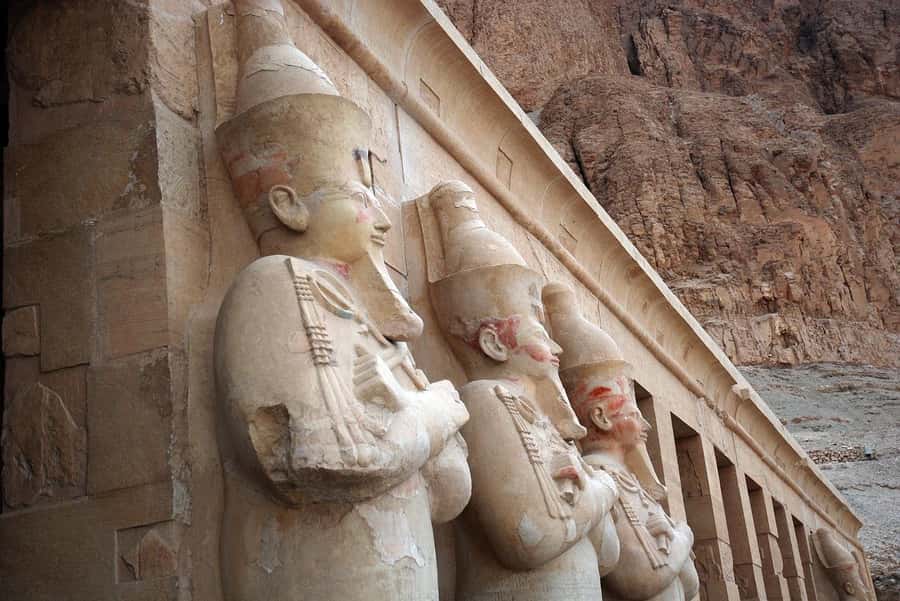
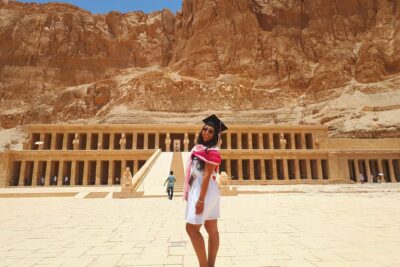
Next up is the Temple of Queen Hatshepsut, also known as El Dir el Bahari. You get about 1 hour guided here, and the history is baked into the stop. This was built by Queen Hatshepsut, daughter of Thutmosis, who ruled for about 20 years during the 18th Dynasty, and she is described as the only pharaonic woman who reigned in ancient Egypt.
I like this stop because it changes the mood. The Valley of the Kings is about the afterlife and royal burial. Hatshepsut’s temple is about power made visible, using architecture and placement to turn belief into something you can walk through. The terraced setting also gives you natural moments to pause, look back, and understand why people call it grandiose.
What to watch for: focus on the temple’s layered structure and the way the site funnels your attention upward. It’s easy to get “temple-blind” when you’re rushing, so use the guide’s pacing and then take a few extra breaths in the viewpoints.
Colossi of Memnon: the stillness of Amenhotep’s remains
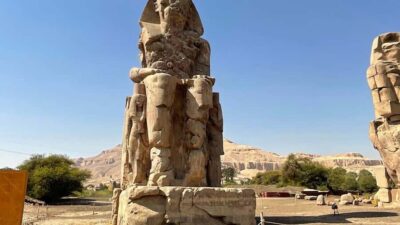
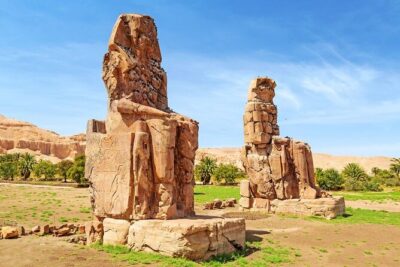
After Hatshepsut, you stop at the Colossi of Memnon, described here as the remains of the mortuary temple of Amenhotep. You get about 1 hour guided. This is one of those sites that works even if you only understand it halfway, because the scale hits instantly. Those statues feel like someone paused history mid-sentence.
The guide value is how you make sense of what you’re looking at. Instead of seeing two monuments stuck in the sand, you learn how they relate to the larger mortuary temple concept. Even in just an hour, you can build a clean mental map of why a mortuary temple was monumental on purpose.
Practical tip: it’s a photo-friendly stop, but don’t let photos replace looking. Take a couple wide shots, then spend a minute doing a “walk-around.” The shape, the angles, and the way the ruins sit in the landscape tells you something your camera might miss.
Karnak Temple: Amon, Mut, and Khonsu in real scale
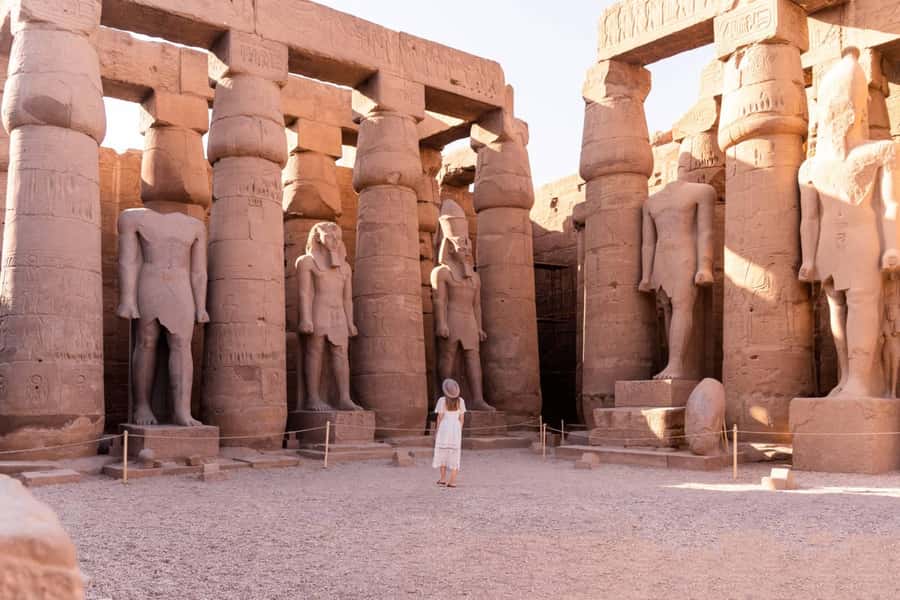
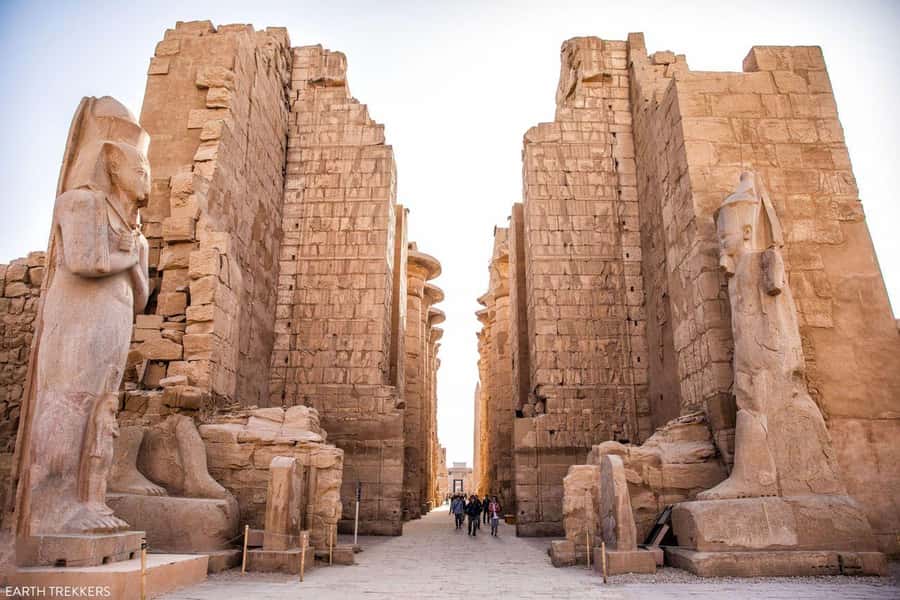
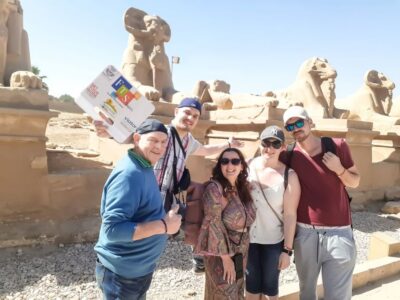
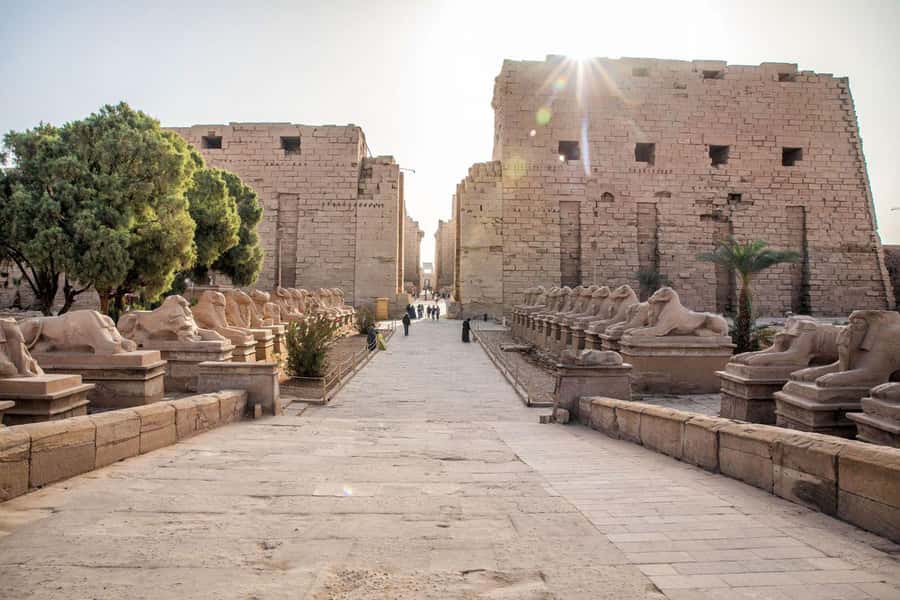
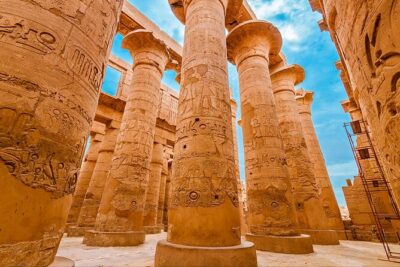
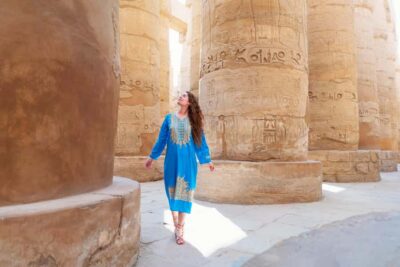
You then drive to the East Bank for Karnak Temple, dedicated to Amon, his wife Mut, and their son Khonsu. Your guided time is about 1 hour. Karnak is huge by nature, and that’s exactly why a guide is worth paying for. Without one, it’s easy to get lost in the “I saw columns” blur.
With a guide, you get a clearer structure: who the temple is honoring, how the religious family connections fit into the site, and what you should prioritize while time is limited. A common complaint with Karnak is running out of attention before running out of buildings. Here, you’re not trying to see everything. You’re trying to see the right things and understand what each part means.
Also, this is a good time to slow down just slightly and let scale do its job. The columns, doorways, and room sizes can make you feel tiny in the best way. If your guide is sharp at explanations, you’ll leave with the sense that you walked into a living system of belief, not a random pile of stones.
Luxor Temple: the New Kingdom start, Ramses II completion
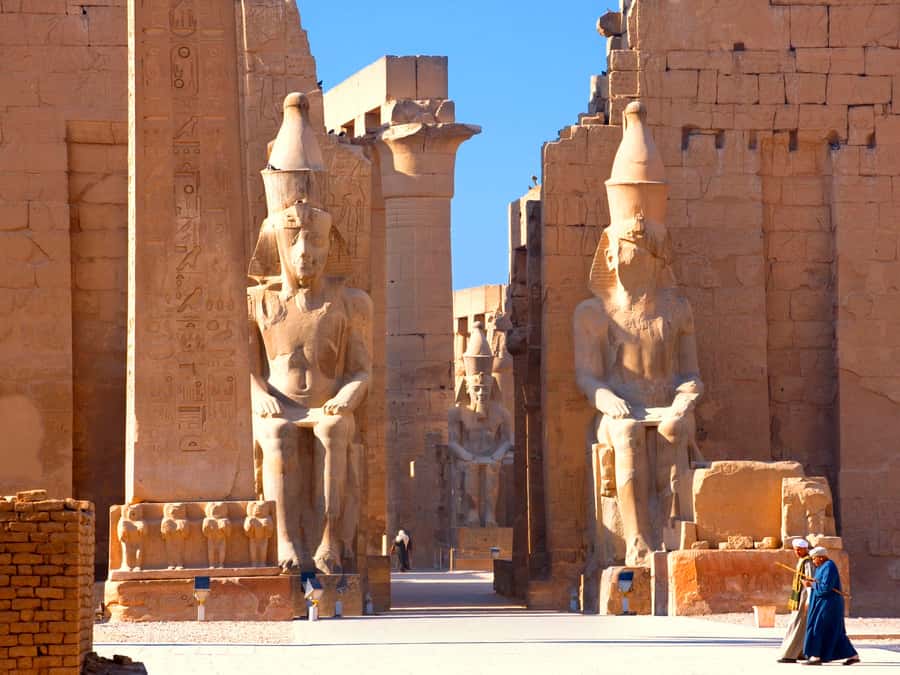
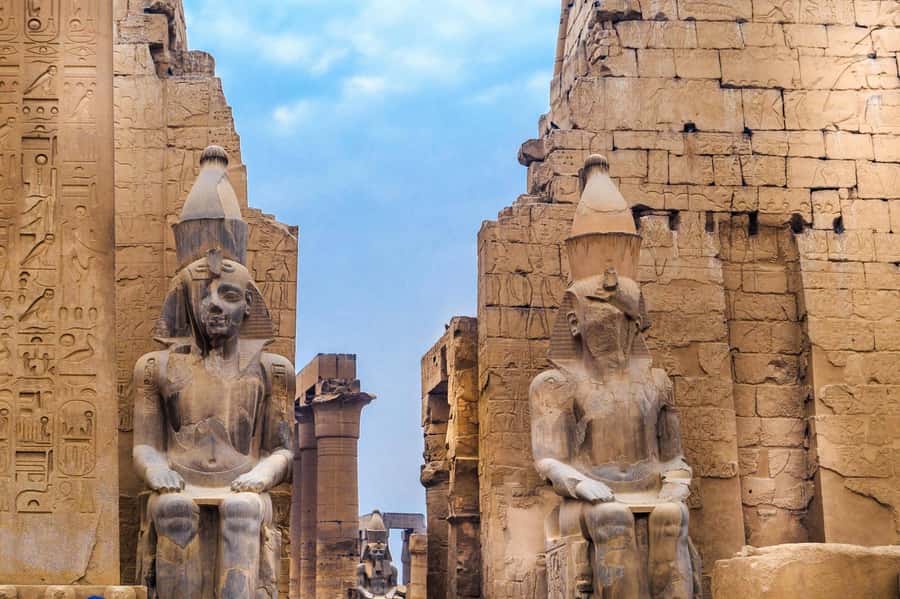
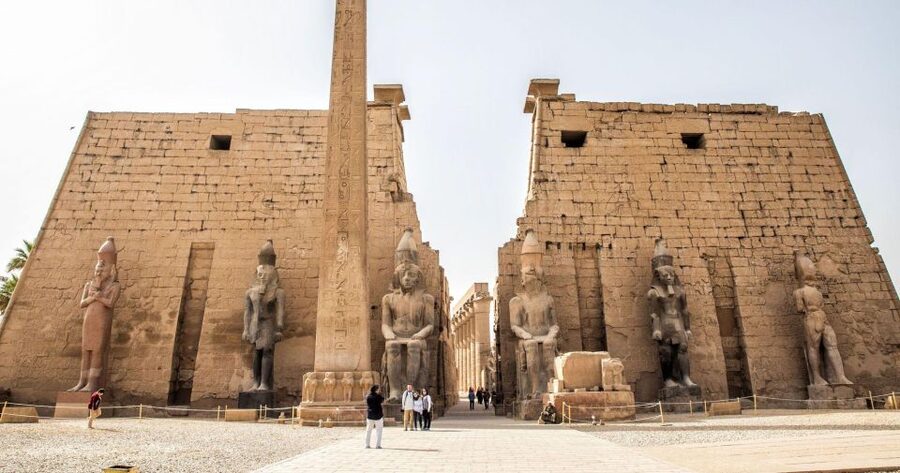
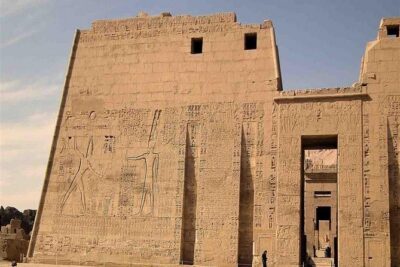
Your day finishes at the Temple of Luxor. It is described as begun by Amunhotep in the 18th Dynasty during the New Kingdom and completed by Ramses II in the 19th Dynasty. You get about 1 hour guided, which is a smart end cap. Earlier stops emphasize tombs and royal funerary architecture. Luxor Temple brings you back to state religion and the long-running nature of building projects across dynasties.
This “start then finish” detail is useful. It helps you see temples as long-term statements rather than quick monuments. You start to feel the continuity in Egyptian history as powers change and rulers leave their mark.
One practical note for the end of the day: by the time you reach Luxor Temple, your group energy will decide how much you enjoy it. If you’re tired, focus on the big visual plan first, then go back for smaller details. Many people miss the important parts because they’re trying to do everything at once.
Lunch and water, plus the small comfort upgrades
Lunch is included, along with a bottle of water. That sounds basic, but it’s a real time saver in Luxor, where you don’t want to spend your best hours hunting for food. In the day’s rhythm, lunch also acts like a “reboot,” especially after the Valley of the Kings.
From past experiences shared by others on similar days, the lunch choice is often a solid local meal, with options that can work for vegetarians depending on the set-up. If you have dietary needs, tell your guide early, so your plan is handled smoothly instead of becoming last-minute stress.
What you get from a private guide, not just a driver
This is a private group tour with a live guide, and that is where the experience becomes more than a sightseeing checklist. A strong guide does two things at once: they help you see the site and they help you understand why it was built that way. People also highlight that the pacing is often flexible, with time to wander and take photographs rather than feeling locked into a rushed line.
Names that have come up for this kind of Luxor storytelling include guides like Shereen, Salwa, Ayman, Sam, Ahmed Omar, Mustafa, Hasan, and Ashraf, with drivers named Ahmed, Bob, Alaa, and Mostafa appearing as reliable partners. The common thread is clear: the best days happen when your guide can explain in plain language, answer questions without dragging the group, and keep you moving at a pace that still lets you absorb what you paid to see.
If you like asking questions, this format helps. You can go deeper on the dynasty, the religious meaning, or why the architecture looks the way it does. If you’re traveling with kids, patience and clear explanations make a big difference, especially at sites like the Valley of the Kings where details are everywhere.
Price and value: is $105 per person fair for what you get?
At $105 per person for about 8 hours, the value depends on what you count as “work.” You are not only paying for transportation. You’re paying for:
- private air-conditioned transfers
- an English-speaking (and other language) live guide
- entry fees
- lunch
- a planned route across East and West Bank
Entry fees alone can add up quickly when you’re trying to do multiple major sites. Add in a guide who can translate history into something you can actually read while standing in front of the monuments, and the deal starts looking more practical than it first seems.
This price is usually most worth it if:
- it’s your first Luxor visit and you want the major hits connected by context
- you prefer private time rather than coordinating with a larger group
- you want to avoid the stress of arranging transport and tickets while you’re trying to enjoy the day
If you already know the history well and you truly enjoy planning and self-guided logistics, you might feel you can do it cheaper. But for most people, the guide time plus included admissions plus a real lunch is exactly where this becomes good value.
Smart tips so the long day feels easier
1) Start early when you can
Luxor can get extremely hot, and a morning start helps with comfort and crowd rhythm. If your schedule allows it, ask about an early start time.
2) Wear shoes that handle stairs and dust
The Valley of the Kings especially asks for stable footing.
3) Use the guided order, then take your own time
Let the guide show you what to look for first. Then take your photos and slow walk once you know where to focus.
4) Plan for an energy dip at the end
The day ends with Luxor Temple. If you’re wiped out, ask your guide how to make the visit work for you without sprinting.
5) If there’s an extra local stop, treat it as optional
On some days, guides may add a short cultural touch such as a local workshop stop. If you are more interested in monuments, it’s okay to keep your priorities clear and ask to stay on track.
Should you book the Luxor East and West Bank Private Full-Day Tour?
Book it if you want a well-paced, guided “big picture” day that covers the main Luxor anchors on both sides of the river. This tour is especially appealing when you care about understanding what you’re seeing, not only photographing it. The guide-led format is the value engine here, and it helps the Valley of the Kings, Hatshepsut’s temple, Karnak, and Luxor Temple connect into one story.
Skip it or rethink your expectations if you want a slower day focused on fewer sites, or if an 8-hour monument schedule sounds miserable for you. This is built for momentum. If you can handle heat, stairs, and a packed plan, you’ll likely feel like you got a complete Luxor education in one go.
FAQ
What is the duration of the Luxor East and West Bank private tour?
The tour lasts 8 hours.
Where does pickup happen?
Pickup is offered from your hotel, Nile Cruise, or the airport.
Which sites are included on the day?
You visit the Valley of the Kings, the Temple of Queen Hatshepsut (El Dir el Bahari), the Colossi of Memnon, Karnak Temple, and the Temple of Luxor.
Does the tour include tomb visits?
Yes. The Valley of the Kings stop includes guided tomb visits to King Tutmosi, Tut-ankh-amon, King Ramses, King Mrenptah, and Amenhotep.
What is included in the price?
Included items are private transportation by an air-conditioned vehicle, entry fees, a tour guide, lunch, and a bottle of water.
Is this a private tour?
Yes. It is listed as a private group.
What languages are available for the tour guide?
The live tour guide is available in Spanish, English, Arabic, and German.
Can I cancel for a full refund?
Yes. Free cancellation is available up to 24 hours in advance for a full refund.
Is there a pay later option?
Yes. The tour offers Reserve now & pay later, where you can book and pay nothing today.
The West Bank, Tomb by Tomb
More of Luxor from our review pile
- Private Tour Nile Felucca Ride at Sunset in Luxor
★ 5.0 · 26 reviews - Private Full day East and West Bank, Luxor
★ 5.0 · 26 reviews - Luxor Day Tour: Kings Valley & Karnak & Luxor & Hatshepsut Temple
★ 5.0 · 26 reviews - Full-Day East and West Luxor Private Tour
★ 4.5 · 26 reviews - Day Trip to Edfu & Kom Ombo temples from Luxor and drop off in Aswan or Luxor
★ 5.0 · 26 reviews - 5 Days 4 Nights Nile Cruise Tour
★ 5.0 · 27 reviews
Luxor West Bank Temples & Tombs, compared.
 ★ 5.0Luxor Day Tour: Valley of Kings & Queens & Hatchepsut TemplesFrom $891,496 reviews
 ★ 5.0Full Day Tour to East and West Banks of LuxorFrom $151,449 reviews
 ★ 4.4Valley of the Kings and Hatshepsut Temple Day TourFrom $501,404 reviews
 ★ 5.0Valley of Kings, Hatchepsut Temple ,Karnak & Luxor-DayTourFrom $95735 reviews
 ★ 5.0Full Day Tour of Luxor West Bank Temples and Tombs (Private)From $20722 reviews
 ★ 5.0Private Full-Day Luxor Highlights East and West BanksFrom $65663 reviews
 ★ 4.5Guided Tour to East or West Banks with LunchFrom $64604 reviews
 ★ 5.0Luxor Private Full-Day Tour: Discover the East and West Banks of the NileFrom $90545 reviews
The lists this one sits on