
REVIEW · LUXOR WEST BANK TEMPLES & TOMBS
Luxor 2 Days Tour including Queens Valley& Luxor museum and Other
Luxor in two days feels fast, in a good way. You’ll hit the big hitters on both sides of the Nile, with an Egyptologist guide and an air-conditioned ride that keeps the day from turning into a sweat-fest. It’s a tight plan, but it’s designed so you can see real monuments without guessing your way through.
I really like the hotel pickup and drop-off. It removes the stress of arranging transport in a city where traffic and timing can be unpredictable, and it means you can focus on the sights. I also appreciate how the guide support shows up in practical ways, from explaining the tombs and temples clearly to helping with photos, and names like Ahmed, Hazem, and Omar come up often as guides who stay patient and helpful.
One thing to plan for is that admission tickets are not included. You’ll pay for site entry separately, and tipping the guide and driver is also not included, so your final total will be a bit more than the headline price.
In This Review
- Key highlights to know before you go
- Why this 2-day Luxor plan works so well
- East Bank Day 1: Karnak, Luxor Temple, and the Luxor Museum
- West Bank Day 2: Valley of the Kings and the big Deir el-Bahari view
- Queens Valley and Colossi of Memnon, plus how to pace it
- Price and logistics: what you’re really paying for
- What to expect from the guide and how to get better photos
- Who should book this Luxor tour, and who might want a different option
- Should you book this Luxor 2-day tour?
- FAQ
- Is hotel pickup and drop-off included?
- Does the tour include entrance tickets to the sites?
- Is lunch included?
- Will I be picked up from the Luxor airport?
- How long is the tour?
- Can I cancel for a full refund?
Key highlights to know before you go
- Both Nile banks in 2 days: East Bank temples one day, West Bank tombs and mortuary temples the next.
- Egyptologist guide with close attention: you’re not rushed through explanations.
- Cooling breaks built in: air-conditioned vehicle plus bottled water on board.
- Luxor Museum context: a calm, well-labeled stop that helps the temple and tomb sites click.
- Queens Valley adds a different angle: it’s not just royal tombs, it’s the story of queens and royal wives.
- Flexible guide coordination: schedules can adjust to your day, and communication tends to happen quickly.
West bank tombs, one by one
- Luxor Day Tour: Valley of Kings & Queens & Hatchepsut Temples★ 5.0 · 1,496 reviews
- Full Day Tour to East and West Banks of Luxor★ 5.0 · 1,449 reviews
- Luxor: Valley of the Kings and Hatshepsut Temple Day Tour★ 4.4 · 1,404 reviews
- Luxor: Valley of Kings, Hatchepsut Temple ,Karnak & Luxor-DayTour★ 5.0 · 735 reviews
Why this 2-day Luxor plan works so well
Luxor can be overwhelming. There’s Karnak, Luxor Temple, Valleys of the Kings and Queens, Hatshepsut, statues outside a temple. This tour’s value is that it strings those together into a logical flow, so you’re not bouncing randomly between locations.
The real win is pacing. Instead of spending a full day just getting around, you’re moving with a guide who knows what matters and what’s easy to miss. You also get that comfort factor: round-trip transfers, an air-conditioned vehicle, bottled water, and refreshments with no extra charge.
At about two days, this is a smart fit if Luxor is a side stop on a longer Egypt trip, or if you only have a short window and want to see the “Luxor must-dos” without turning your holiday into an endurance event. It’s also good for first-timers because the East Bank and West Bank storylines are clear when you do them in sequence.
East Bank Day 1: Karnak, Luxor Temple, and the Luxor Museum
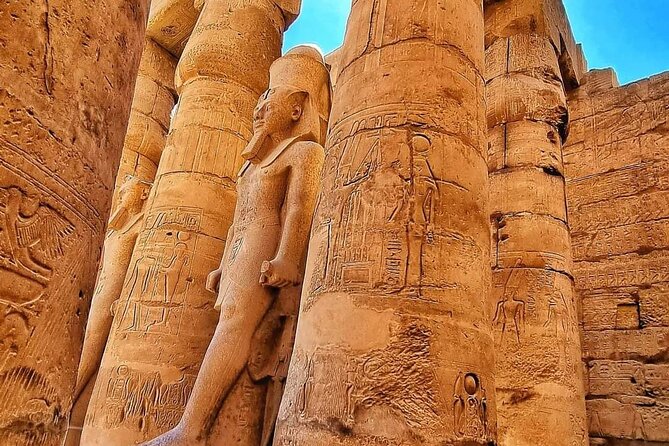
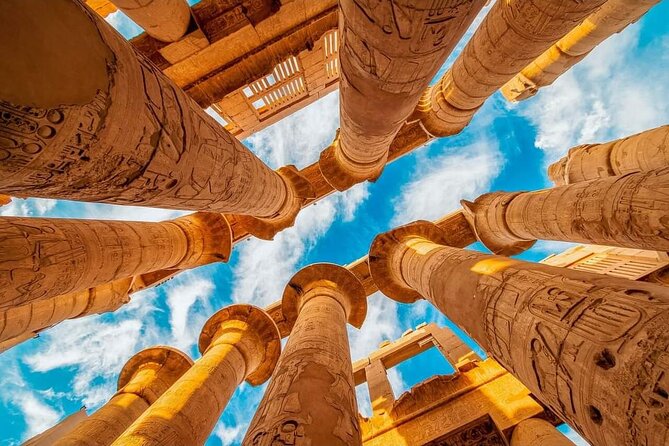
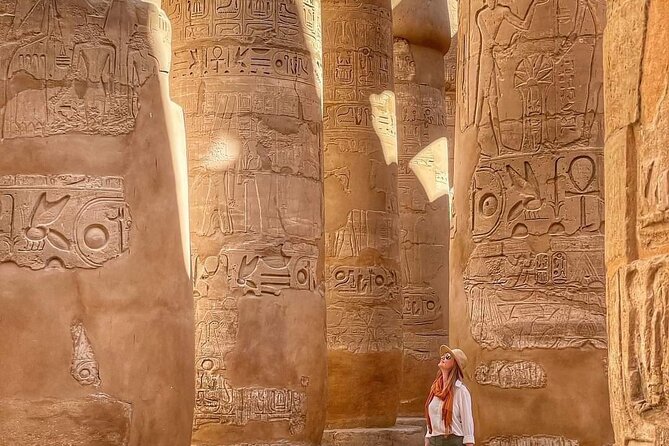
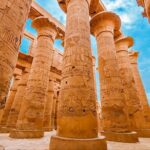
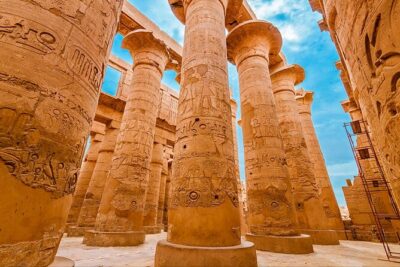
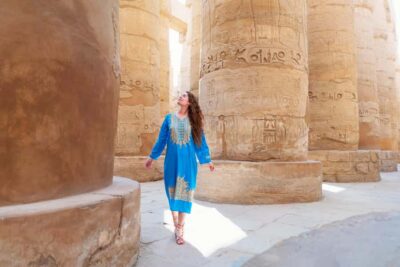
Day 1 leans into the temples that explain the “city of Thebes” feeling. Start at Karnak Temple, a huge complex and an open-air stage for Egyptian religion. Karnak is widely considered one of Egypt’s most visited historical sites, with the Giza area typically drawing the most. What you’ll notice quickly is scale: even when you’re walking, it feels like you’re inside a monument factory that kept running for generations.
Karnak is organized into major precinct areas, and the portion most visitors see is often the largest one open to the public. Your guide’s job is to make the chaos feel structured, pointing out what each space represents and why Amun-Re matters here. If you’ve ever worried you won’t “get” ancient sites on your own, this is one place where a guide really pays off.
Next comes Luxor Temple, on the east bank in modern Luxor, ancient Thebes. This temple was built around 1400 BCE, and it’s tied to the idea of rejuvenating kingship. Unlike some other temple sites where a specific god cult is the main focus, Luxor Temple is more about kingship and royal renewal.
Even if you’re not a “temple person,” this stop can be satisfying because you can read it as a story. Karnak sets the religious stage, then Luxor Temple brings you back to the kingship side of the equation. It’s a nice one-two.
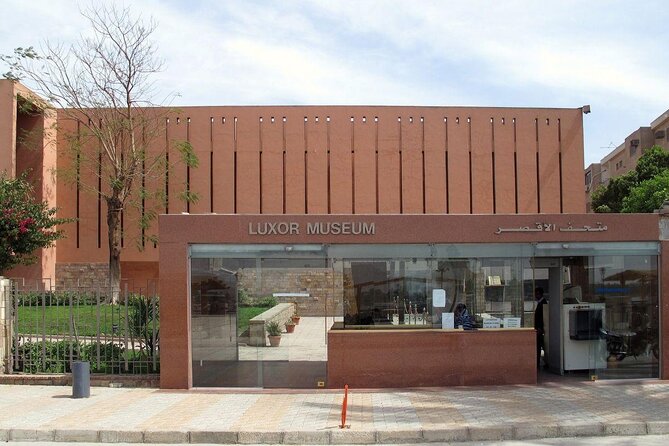
Then you’ll move to the Luxor Museum, which opened in 1975. It’s a two-story museum with a tighter set of artifacts than big-city museums, and that’s intentional. The point is quality and clarity, with multilingual labeling designed to help you understand what you’re looking at. I like this kind of museum stop because it gives you translation for the stones you’ll see the next day.
You’ll also stop for lunch at a local restaurant. Food quality can vary by location, but the practical benefit is simple: you’re fed without needing to research where to eat while your day is already packed. After lunch, you head back toward your hotel.
West Bank Day 2: Valley of the Kings and the big Deir el-Bahari view
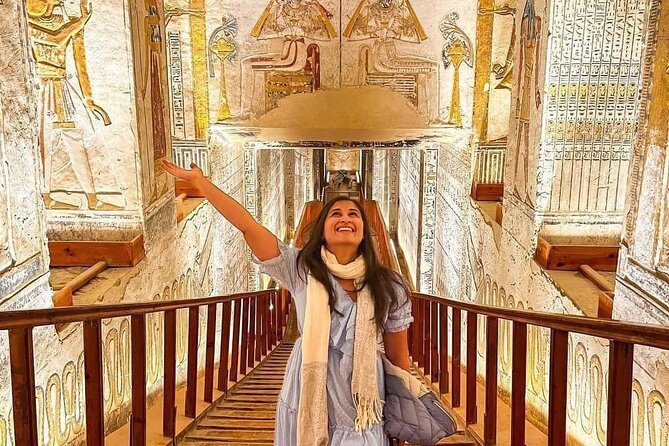
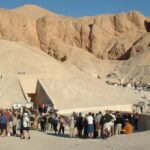
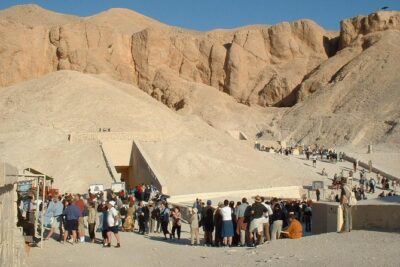
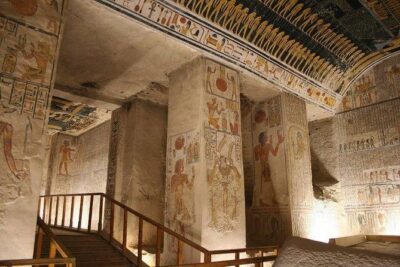
Day 2 shifts to the West Bank, where the mood changes fast. The Valley of the Kings sits in the Theban Necropolis on a limestone-and-sediment cliff landscape across from Luxor. One easy mental trick: think of the valley as two major zones, the East Valley for most royal tombs and the West Valley, sometimes called the Valley of the Monkeys.
What makes this place feel special is that geology adds drama. The cliffs and surrounding rock layers formed tens of millions of years ago, and the valley terrain becomes part of the setting for the tomb story. Your guide can turn that into something you can actually picture, instead of just hearing a date and moving on.
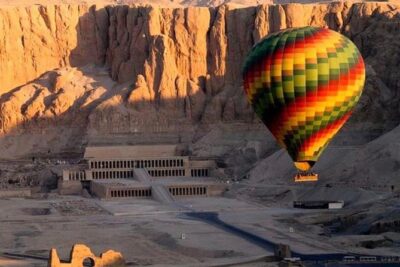
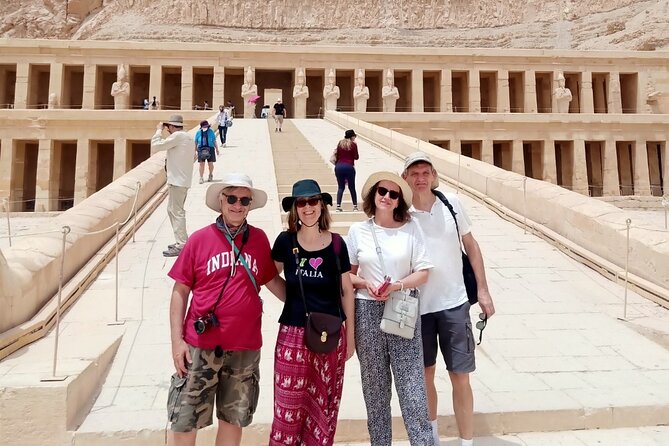
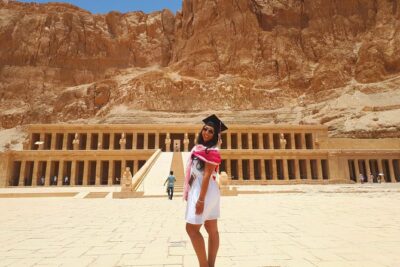
From there, you go to Temple of Hatshepsut at Deir el-Bahari. This is a masterpiece of ancient architecture, famous for three massive terraces that rise from the desert floor into the cliffs. Hatshepsut’s story matters here because you can see how political power and religious purpose got built into the stone itself.
A useful detail your guide can explain is the connection between the temple complex and her tomb, KV20, within the same massif under El Qurn. The temple also links to a valley temple via a causeway, and the whole structure aligns toward a prominent element at Karnak connected to Hatshepsut’s additions. Even if that sounds technical, it’s the kind of explanation that makes the temple orientation feel meaningful rather than random.
This is also a good place for photos, but keep your expectations practical. The terraces are impressive, yet you’ll still need to manage sun, heat, and crowds. Your guide’s help can make the difference between snapping a picture and getting an angle where the architecture reads clearly.
Queens Valley and Colossi of Memnon, plus how to pace it
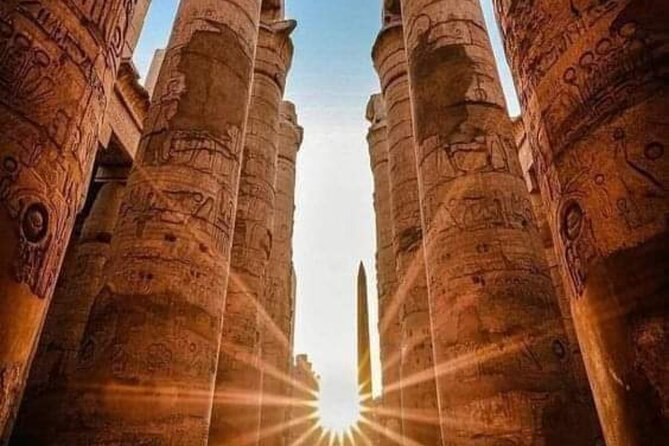
After Hatshepsut, you head to Valley of the Queens. This is the part many first-timers underestimate, which is exactly why it’s worth doing. The valley’s ancient name was Ta-Set-Neferu, meaning the place of beauty, and it’s where wives of pharaohs were buried. Pharaohs themselves were buried in the Valley of the Kings, so here you get a different slice of royal life.
You’ll hear the valley is made up of a main wadi plus subsidiary valleys, including areas referred to as the Valley of Prince Ahmose, the Valley of the Rope, the Valley of the Three Pits, and the Valley of the Dolmen. The main wadi contains 91 tombs, and the subsidiary valleys add another 19 tombs, including tombs associated with queens such as Nefertari.
What you’ll likely appreciate most is the shift in perspective. These aren’t just “supporting characters” in royal history. This valley helps you see how power worked through family, status, and ritual. If you’ve been thinking of ancient Egypt as only pharaoh-by-pharaoh, this stop nudges you to look at the wider system.
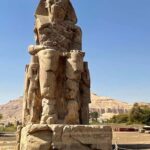
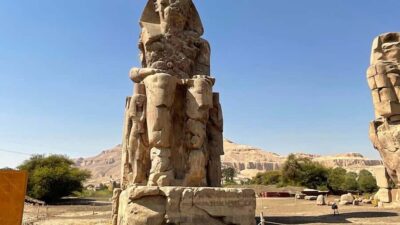
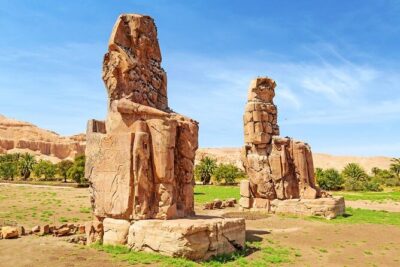
Then you end with the Colossi of Memnon, massive statues of King Amenhotep III seated in front of his temple site. They’re compact as a stop in time, but they’re memorable because they’re so directly tied to the idea of monumental presence. Even with just 20 minutes here, you get that feeling of scale and gravity.
By the end, you drive back to your hotel. With a two-day plan, your best move is to stay mentally flexible and wear comfy shoes. You’ll be doing repeated walking and changing viewpoints, and the West Bank sun can be rude if you dress too lightly.
Price and logistics: what you’re really paying for
The tour price is $74.50 per person, for about two days. That number becomes more meaningful when you compare it to what’s included.
Included:
- Hotel pickup and drop-off
- Lunch and bottled water each
- Refreshments served at no extra cost
- Expert English Egyptologist guide
- Private tour for your group
- All service charges and taxes
Not included:
- Admission tickets for the sites
- Tipping for the driver and guide
- Extra fees for other guides in other languages
- Airport pickup from Luxor (listed as an extra $10 per person)
Here’s the practical value math I’d use. If you tried to DIY this with separate taxis plus a guide you’d still need to hire for explanations, costs and time would stack up fast. What you’re buying is coordination, comfort, and interpretation. For sites like Karnak and the valleys, a guide is the difference between seeing a place and understanding what you’re seeing.
Still, you should budget for entrance fees on top of the base price. Admission tickets not being included is common, but it changes the real cost. If you’re on a strict budget, plan your total with the extra fees in mind and bring some cash for tipping.
Also, note the tour is listed as private for your group. In real life, private often just means you won’t be forced into another group’s pace. But you’ll still share roads and public sites with other visitors, especially around peak daytime hours.
What to expect from the guide and how to get better photos
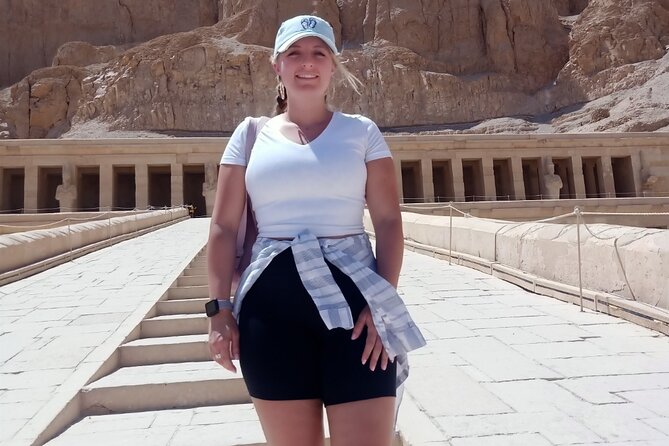
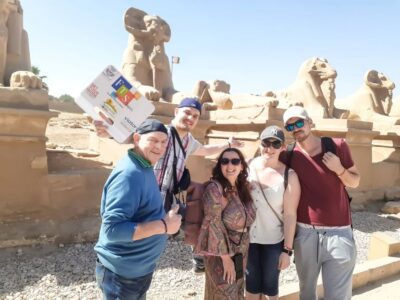
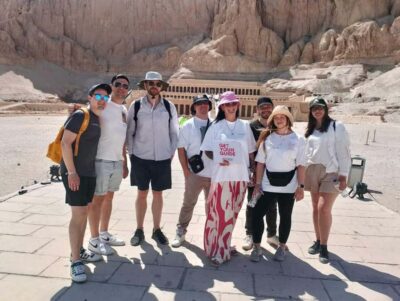
This is a guide-led tour, and the best part is that the explanations are meant to be understood, not just recited. In the information you provided, guides such as Ahmed, Hazem, and Omar are associated with staying patient and helping with photos. That matters because at ancient sites, the best angles are rarely obvious on your first pass.
I’d suggest you ask your guide for two things early on:
1) Which parts are most worth your time at each stop
2) Where to stand for photos that show scale
The reason is simple: at Karnak and Hatshepsut, scale is everything. If you only photograph carvings at close range, you miss the architectural “wow.” If you get an angle with a wider view, suddenly the site makes more sense, and you can see how the Egyptians thought in terms of space.
You’ll also benefit from the comfort setup. Bottle water each and refreshments with no extra charge helps you avoid that mid-day slump where you start rushing. That makes a packed two-day schedule feel doable instead of punishing.
Finally, keep your expectations realistic about site entry. Admission tickets are separate, and what you can see in the valleys can vary by what’s available on the day. Your guide can help you choose the best parts to focus on within the time you have.
Who should book this Luxor tour, and who might want a different option

Book this if:
- You have only about two days in Luxor and want the East Bank and West Bank highlights
- You’d rather pay for organization than spend time figuring out transport and entry sequencing
- You want an Egyptologist guide who helps you connect the dots between temples and tomb settings
- You care about queens and royal women, not just pharaohs
You might skip it or compare options if:
- You hate paying extra for entrance tickets and prefer a fully inclusive price
- You want a slower pace with lots of time at fewer sites
- Your idea of a great day is minimal walking and minimal scheduling
Should you book this Luxor 2-day tour?
If your goal is Luxor’s major hits in a short window, I think this tour is a strong choice. The mix makes sense, the comfort details are practical, and the museum stop helps the next day click. The biggest catch is not hidden at all: admission tickets and tips are extra, so you should plan your budget accordingly.
My “book it” checklist is simple. If you’re okay paying entrances separately, want a guided East Bank and West Bank story, and value a smooth pickup and drop-off, this fits nicely. If you’d rather control everything yourself or you want more time per site, you may want to look at longer or more flexible options.
FAQ
Is hotel pickup and drop-off included?
Yes. The tour includes hotel pick up and drop off.
Does the tour include entrance tickets to the sites?
No. Admission tickets are not included for the stops listed.
Is lunch included?
Yes. Lunch is included, plus bottled water each and refreshments at no extra cost.
Will I be picked up from the Luxor airport?
Airport pickup is listed as an extra $10 per person.
How long is the tour?
It runs for about 2 days.
Can I cancel for a full refund?
Yes. You can cancel up to 24 hours in advance for a full refund.
The West Bank, Tomb by Tomb
More of Luxor from our review pile
- Hot Air Balloon Ride and Tour to Valley of Kings Luxor- Special Offer
★ 5.0 · 15 reviews - 4-Hours tour West Luxor bank :Hatshepsut Temple & Valley of the King with Lunch
★ 5.0 · 15 reviews - Tour From Luxor to Aswan Edfu, Kom Ombo, Philae and High Dam
★ 5.0 · 15 reviews - Private Half-day Dendera Temple
★ 5.0 · 15 reviews - Luxor Airport Departure: Convenient Private Hotel Transfer
★ 5.0 · 15 reviews - Dahabiya Nile Cruise From Luxor To Aswan 4 Nights 5 Days
★ 4.5 · 15 reviews
Luxor West Bank Temples & Tombs, compared.
 ★ 5.0Luxor Day Tour: Valley of Kings & Queens & Hatchepsut TemplesFrom $891,496 reviews
 ★ 5.0Full Day Tour to East and West Banks of LuxorFrom $151,449 reviews
 ★ 4.4Valley of the Kings and Hatshepsut Temple Day TourFrom $501,404 reviews
 ★ 5.0Valley of Kings, Hatchepsut Temple ,Karnak & Luxor-DayTourFrom $95735 reviews
 ★ 5.0Full Day Tour of Luxor West Bank Temples and Tombs (Private)From $20722 reviews
 ★ 5.0Private Full-Day Luxor Highlights East and West BanksFrom $65663 reviews
 ★ 4.5Guided Tour to East or West Banks with LunchFrom $64604 reviews
 ★ 5.0Luxor Private Full-Day Tour: Discover the East and West Banks of the NileFrom $90545 reviews
The lists this one sits on