
REVIEW · LUXOR WEST BANK TEMPLES & TOMBS
Half Day Tour: Valley of the Kings and Hatshepsut Temple & Mamnon
West Bank Luxor feels like time travel. In just 4 to 6 hours, this half-day tour strings together the Valley of the Kings, Hatshepsut’s temple, and the Colossi of Memnon with a private English-speaking Egyptologist guide, plus hotel pickup and air-conditioned transfers.
I especially like that you do not waste time hunting tickets, because entrance fees are included for the sites on the route. And I also like the guide focus, since the standout reviews call out experts like Hany and Mohamed Awad for making the story click fast. One thing to consider: it skips the Tomb of Tutankhamun, so if your main goal is that single tomb, you’ll need a different plan.
In This Review
- Key highlights at a glance
- West Bank Time: Why This Half-Day Loop Works
- Valley of the Kings: Three Tombs and the Real Meaning of Burial Valleys
- What makes the tomb stops worth it
- A practical consideration before you go
- Hatshepsut at Deir el-Bahari: The Temple That Explains Power
- Why the guide makes a big difference here
- What to expect from the visit
- Colossi of Memnon: Two Giants, One Temple Complex’s Last Echo
- Timing note
- Private Vehicle and Egyptologist Guide: The Value Behind the Price
- About guide language and extra costs
- What the best guides do
- Price and Logistics: What You Should Double-Check
- Planning Tips That Actually Matter in Luxor
- Weather can change the day
- Book timing
- Comfortable basics
- How to get more out of each stop
- Who This Half-Day Tour Fits Best
- Should You Book This Tour?
- FAQ
- How long is the Valley of the Kings and Hatshepsut tour?
- Does the tour include hotel pickup and return in Luxor?
- Is this a private tour?
- How many tombs do you visit in the Valley of the Kings?
- Are entrance fees and admission tickets included?
- What’s included in the tour besides the guide?
- What extra costs should I plan for?
- What happens if weather is bad?
- Can I cancel for a full refund?
Key highlights at a glance
- Valley of the Kings, 3 tombs, excluding Tutankhamun for a packed but not rushed West Bank hit
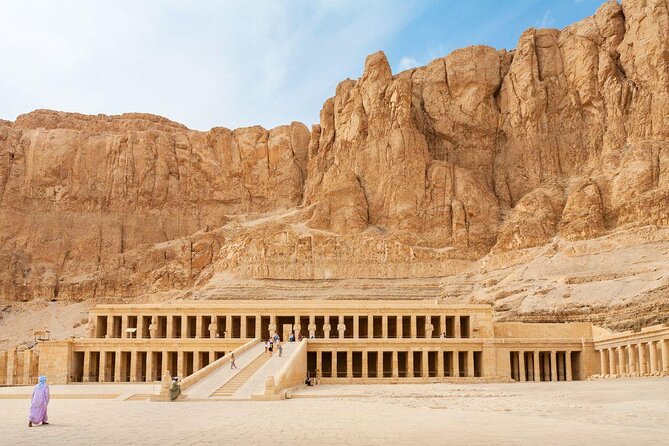
- Hatshepsut’s Deir el-Bahari temple with a guide who can explain why it looks the way it does
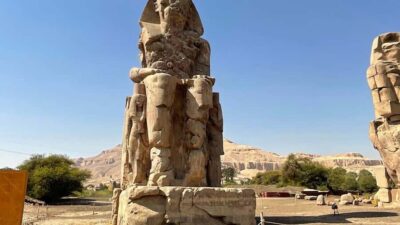
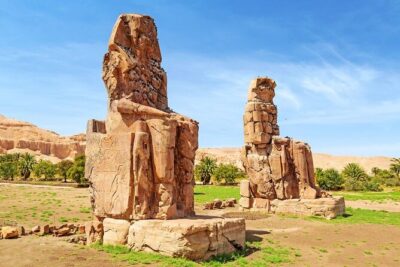
- Colossi of Memnon to see two 18-meter statues, the last major remains of Amenhotep III’s temple complex
- Private Egyptologist + private A/C vehicle so you are not stuck in a long shared-group shuffle
- Entrance fees and bottled water handled so you can focus on the sights, not logistics
Other tomb tickets in the valley
- Hurghada: Luxor Valley of the Kings & Tutankhamun Tomb Trip★ 4.7 · 13,208 reviews
- Luxor Day Trip from Hurghada Small Group & Tutankhamun Tomb★ 4.8 · 5,366 reviews
- Luxor Day Tour: Valley of Kings & Queens & Hatchepsut Temples★ 5.0 · 1,496 reviews
- Luxor: Valley of the Kings and Hatshepsut Temple Day Tour★ 4.4 · 1,404 reviews
West Bank Time: Why This Half-Day Loop Works
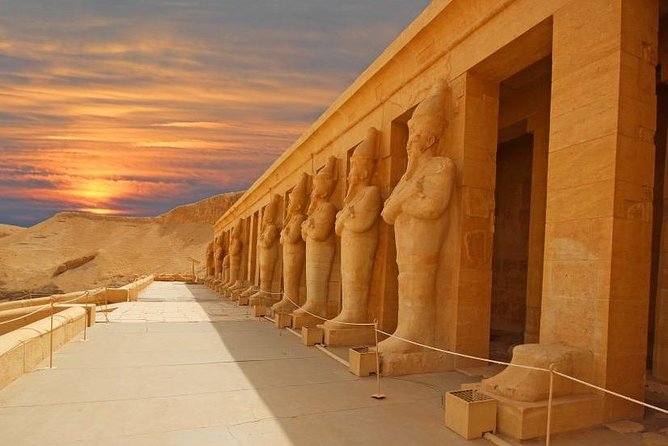
Luxor’s West Bank can feel overwhelming because everything is important. This tour makes a clean choice: funerary monuments in one direction, with enough time at each stop to actually notice details instead of sprinting like you are late for the next life.
You start with the Valley of the Kings, then move to Deir el-Bahari for the mortuary temple of Queen Hatshepsut, and finish at the Colossi of Memnon. That order is practical because you’re building from tomb landscapes to monumental architecture to a grand outdoor finale. If you like structure, this itinerary gives you a very manageable arc.
The tour runs about 4 to 6 hours, which is ideal if you have limited time in Luxor or you’re trying to keep the rest of your day open. It is also priced in a way that feels approachable for what’s included, with pickup, private vehicle, a guide, and entrance fees bundled in.
Valley of the Kings: Three Tombs and the Real Meaning of Burial Valleys
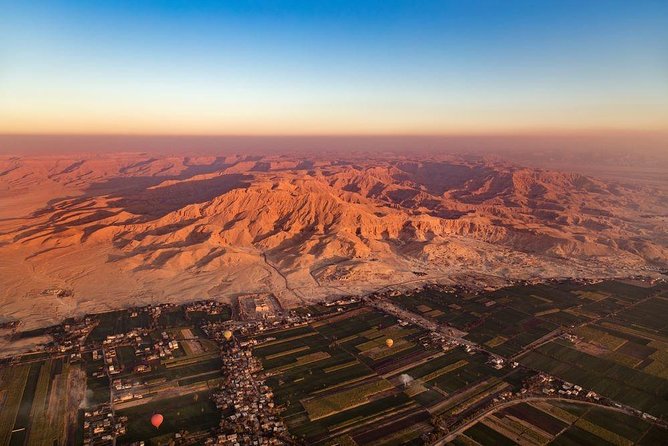
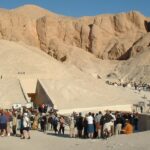
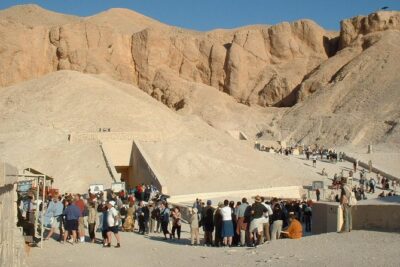
The Valley of the Kings is the part of Luxor that most people imagine when they think of ancient Egypt. It’s a burial landscape built for royalty, carved into a dramatic setting where tombs are scattered like chapters in a very long story.
On this tour, you visit 3 tombs, and the route is set up to exclude the Tomb of King Tutankhamun. That matters. Tutankhamun’s tomb is usually the headline attraction, but skipping it can still be a smart call because you get variety across multiple royal burials. If you’re more interested in learning how tombs and royal burial practices evolved than you are in one specific name, you will probably enjoy this approach.
What makes the tomb stops worth it
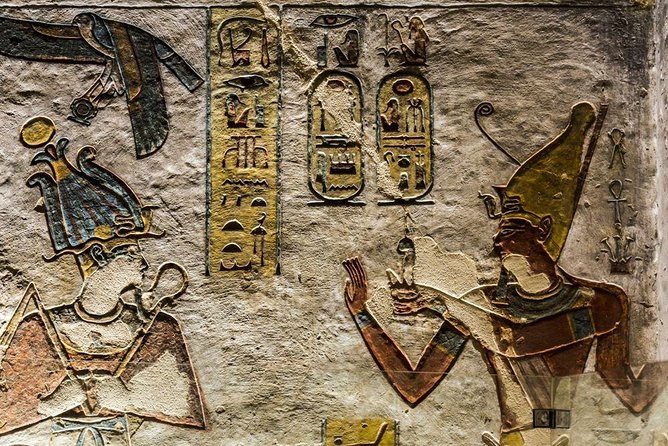
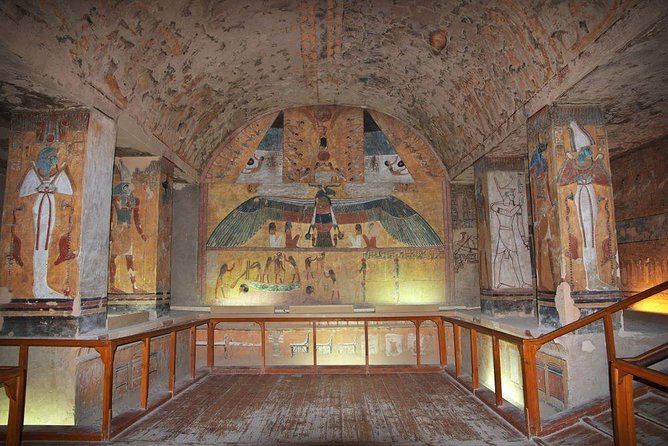
Tombs in this area are not just “rooms underground.” They are designed statements. Even without going too deep into technical museum language, a guide helps you see how the carvings and layouts function as messages meant for eternity. With a private Egyptologist, you’re not just looking at walls, you’re connecting the walls to the people who ordered them, the beliefs behind them, and the dynasty context.
A practical consideration before you go
Tombs are usually cooler than the bright outdoors, but they also can be tight and uneven depending on the tomb entrances and interior paths. You’ll get the most out of the visit if you’re comfortable with walking transitions, standing in doorways for views, and moving through enclosed spaces.
West bank tombs, one by one
Hatshepsut at Deir el-Bahari: The Temple That Explains Power
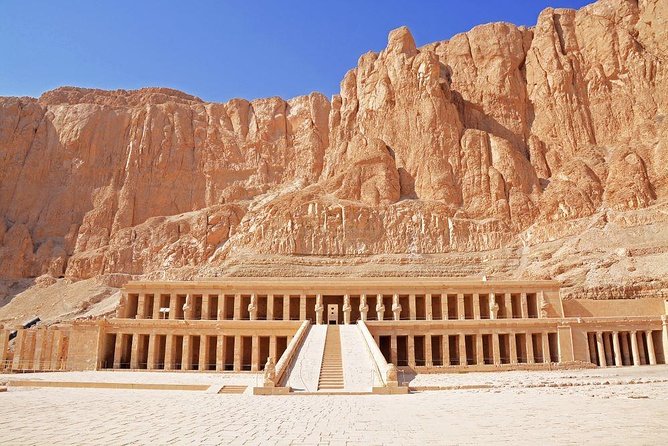
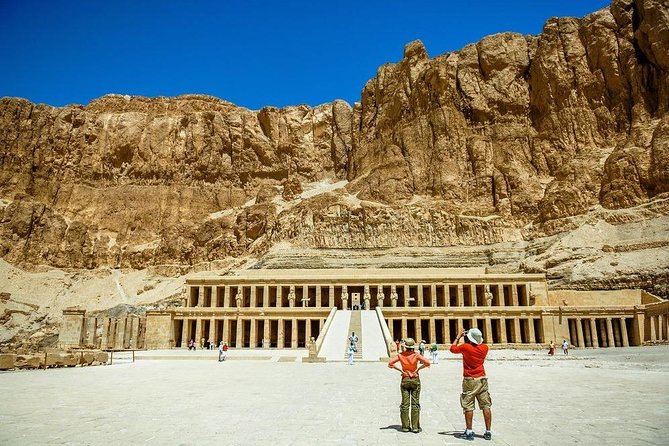
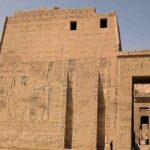
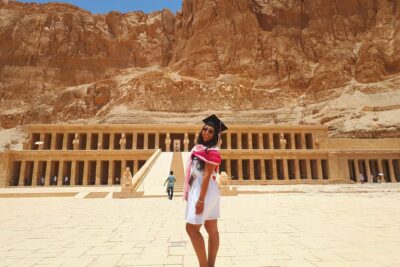
Queen Hatshepsut is one of the most fascinating figures in Egypt, and this stop is built around her. Hatshepsut’s temple is also known as Deir el-Bahari, and it was designed by Senenmut. You’re touring a major funerary temple on the Nile’s West Bank, built for a ruler who is remembered as one of the few female pharaohs.
The site itself gives you clues before you even hear the story. This is architecture meant to impress, a design that channels you upward and inward as you move along the terraces. With the right guide, you understand why it looks the way it does and how it helped legitimize royal authority.
Why the guide makes a big difference here
This is the kind of place where a guide can save you from reading it like a postcard. In the reviews, Hany gets praised for expert explanations that bring history to life through clear storytelling. That type of guiding is exactly what turns Hatshepsut from a name you recognize into a ruler you understand.
Also, one review notes that the guide helped adjust the order so Hatshepsut could be visited first and in a quieter moment. That’s not guaranteed for every day, but it’s a good reminder of what a private setup can allow: flexibility based on timing and flow.
What to expect from the visit
You’ll spend about 2 hours here, and that’s usually enough time to see the main areas without feeling whipped through. Since you’re on a half-day plan, this is where I think you should slow down the most. Look at the terraces, note the symmetry, and let your guide explain how the temple functioned as a mortuary monument tied to the queen’s image and reign.
Colossi of Memnon: Two Giants, One Temple Complex’s Last Echo
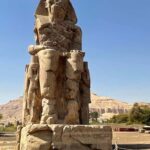
Finish at the Colossi of Memnon, and you get a completely different kind of wow. These are not carved scenes inside a tomb. They are colossal stone figures outdoors, built to dominate the landscape.
What you’re seeing here: two massive statues linked to Pharaoh Amenhotep III. The statues are about 18 meters (60 feet) tall and were carved from single blocks of quartzite sandstone. The weight is described as around 700 tons for each statue, which gives you a real sense of scale.
The Colossi are all that remains of a larger mortuary temple complex. Their original role was tied to temple entry and the idea of royal power, so they’re less about personal storytelling and more about monumental presence. If you’ve been staring at tomb ceilings and temple terraces, it’s a great final visual reset.
Timing note
This stop is short, about 20 minutes. That works well because the statues are the statement. You get time to look, take in scale, and move on while the tour stays on schedule.
Private Vehicle and Egyptologist Guide: The Value Behind the Price
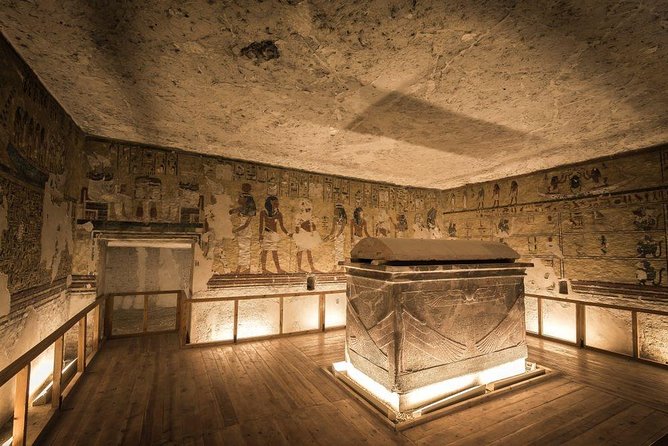
Let’s talk money and what it buys you here. The price is listed as $9.00 per person, which is remarkably low for an included package. You’re getting private hotel pickup and return, transfers by a private air-conditioned vehicle, a private English-speaking Egyptologist guide, and entrance fees for the mentioned sites. Bottled water is also provided in the vehicle.
For your decision-making, the question is not only whether the cost is low. It’s whether the included elements save you hassle and wasted time. In Luxor, where routes and sites can be time-sensitive, having a driver and a guide who knows the flow can be the difference between a stressful half day and a smooth one.
About guide language and extra costs
The standard guide is English-speaking. If you prefer a guide who speaks Spanish or French, there’s an extra $15 add-on mentioned. If language comfort matters a lot to you, it can be worth budgeting for, especially at sites like Hatshepsut where interpretive context really matters.
What the best guides do
From the reviews, the strongest praise goes to guide ability, not just friendliness. People specifically highlight how guides like Hany and Mohamed Awad provide clear information and storytelling. That’s the key skill here: connecting facts to what you see, so you do not wander through rooms and terraces wondering what you are looking at.
Price and Logistics: What You Should Double-Check
This tour is described as including entrance fees, and the itinerary also says admission tickets are included for each main stop. At the same time, the notes indicate that tickets are included if you choose the option with tickets. So before you lock it in, do one quick check when booking:
- Confirm whether your selection includes site admission tickets for the Valley of the Kings, Hatshepsut’s temple, and the Colossi.
- Confirm that entrance fees are included for the same sites you expect to visit.
Also remember tipping is not included. That is common in Egypt tours, but it still affects your real total cost. If you’re budgeting, plan for tips separately.
Finally, this experience is described as private, so you are not sharing the vehicle or guide attention with strangers. That can reduce waiting time and makes it easier to ask questions in the moment.
Planning Tips That Actually Matter in Luxor
A good tour can be ruined by a bad day plan. Here are the practical things you can control.
Weather can change the day
The experience requires good weather. If it gets canceled due to poor weather, you’ll be offered a different date or a full refund. This matters because the West Bank sites are outdoors in key areas, so you do not want to gamble without flexibility.
Book timing
On average, this is booked about 8 days in advance. If you’re traveling in high season or you have tight scheduling, booking earlier usually gives you more choice and less stress.
Comfortable basics
Even though the tour includes bottled water, you should still bring the basics you personally need for sun and comfort, since these sites are visited outdoors in bright conditions. Also, tomb visits can involve enclosed spaces and walking transitions, so wearing shoes you trust matters.
How to get more out of each stop
At the Valley of the Kings, use your guide’s explanations to orient you in the tomb environment. At Hatshepsut, slow down for the terraces and let the guide tie the design to the queen’s reign. At the Colossi, step back and measure scale with your own eyes, because photos often flatten what your brain needs to feel in person.
Who This Half-Day Tour Fits Best
This is a great match if you want a focused West Bank overview without committing to a full day. It’s also ideal if you like the idea of a private Egyptologist guide because the value here is interpretive, not just logistical.
You’ll likely be especially happy with this tour if:
- You have limited time and want the major West Bank names in one outing
- You care about understanding context at Hatshepsut and royal burial sites
- You prefer a structured route with hotel pickup and private transfers
- You want to skip the crowds and still see multiple tombs, not only one headline site
If your number one goal is only the Tomb of Tutankhamun, this specific plan may feel incomplete because it’s explicitly excluded from the tomb list here.
Should You Book This Tour?
I’d book this when you want a high-value, structured West Bank half-day with real expert guidance. The overall rating is 4.9 out of 5 with 97% recommending, which is a strong signal that most people end up feeling the tour matched their expectations.
The biggest reason to pass is also simple: if you are specifically chasing Tutankhamun’s tomb, you’ll need a different tour option. Otherwise, the combination of 3 Valley of the Kings tombs, a full Hatshepsut temple visit, and the Colossi of Memnon gives you a satisfying sweep of monuments that feel connected rather than random.
If you do book, spend a minute checking that your booking selection includes the admission tickets for the exact stops you want. Then show up ready to listen, because with guides like Hany and Mohamed Awad being repeatedly praised, the difference here is how the monuments make sense once someone explains them clearly.
FAQ
How long is the Valley of the Kings and Hatshepsut tour?
It runs about 4 to 6 hours.
Does the tour include hotel pickup and return in Luxor?
Yes. The tour includes pickup from your hotel in Luxor and return after the visit.
Is this a private tour?
Yes. It’s described as a private activity, so only your group participates.
How many tombs do you visit in the Valley of the Kings?
You visit 3 tombs, and it specifically states that the Tomb of King Tutankhamun is excluded.
Are entrance fees and admission tickets included?
Entrance fees for the mentioned sites are included, and the tour notes also say tickets are included if you choose the option with tickets.
What’s included in the tour besides the guide?
Included items are private air-conditioned vehicle transfers, bottled water on board, pickup and return, a private English-speaking Egyptologist guide, and entrance fees.
What extra costs should I plan for?
Tipping is not included. There is also an extra $15 if you choose a guide who speaks Spanish or French.
What happens if weather is bad?
The experience requires good weather. If it’s canceled due to poor weather, you’ll be offered a different date or a full refund.
Can I cancel for a full refund?
Yes. You can cancel for free up to 24 hours in advance for a full refund. If you cancel less than 24 hours before the start time, the amount paid is not refunded.
The West Bank, Tomb by Tomb
Down Into the Kings Valley
More of Luxor from our review pile
- Private Tour Nile Felucca Ride at Sunset in Luxor
★ 5.0 · 26 reviews - Private Full day East and West Bank, Luxor
★ 5.0 · 26 reviews - Luxor Day Tour: Kings Valley & Karnak & Luxor & Hatshepsut Temple
★ 5.0 · 26 reviews - Full-Day East and West Luxor Private Tour
★ 4.5 · 26 reviews - Day Trip to Edfu & Kom Ombo temples from Luxor and drop off in Aswan or Luxor
★ 5.0 · 26 reviews - 5 Days 4 Nights Nile Cruise Tour
★ 5.0 · 27 reviews
Luxor West Bank Temples & Tombs, compared.
 ★ 5.0Luxor Day Tour: Valley of Kings & Queens & Hatchepsut TemplesFrom $891,496 reviews
 ★ 5.0Full Day Tour to East and West Banks of LuxorFrom $151,449 reviews
 ★ 4.4Valley of the Kings and Hatshepsut Temple Day TourFrom $501,404 reviews
 ★ 5.0Valley of Kings, Hatchepsut Temple ,Karnak & Luxor-DayTourFrom $95735 reviews
 ★ 5.0Full Day Tour of Luxor West Bank Temples and Tombs (Private)From $20722 reviews
 ★ 5.0Private Full-Day Luxor Highlights East and West BanksFrom $65663 reviews
 ★ 4.5Guided Tour to East or West Banks with LunchFrom $64604 reviews
 ★ 5.0Luxor Private Full-Day Tour: Discover the East and West Banks of the NileFrom $90545 reviews
The lists this one sits on