
REVIEW · LUXOR WEST BANK TEMPLES & TOMBS
FULL Day Tour:Valley of the Kings &Queens &Hatshepsut Temple&more
Eight hours, big history, one smooth plan. This full-day Luxor route strings together royal tombs, famous temples, and Deir el-Medina, with transport handled for you.
I especially like that the guide is an English-speaking Egyptologist who frames what you’re about to see, not just what’s carved on the wall. I also like the value: entrance fees are included across the key sites, and lunch is built into the day for about $25 per person.
One thing to consider is the pacing. You’ll cover a lot of stops in a single day, so it helps to be ready for a tighter schedule at each location.
In This Review
- Key highlights to know before you go
- Why This Luxor West Bank Day Works So Well
- Meeting Your Egyptologist Guide and Getting Oriented
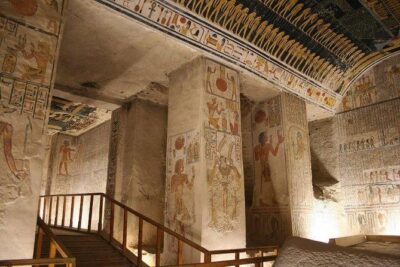
- Valley of the Kings: Royal Tombs, Real Hieroglyphs, and a Time-Tested Layout
- Valley of the Queens: Queens, Royal Children, and Shorter Time That Still Counts
- Hatshepsut at Deir el-Bahari: Temple Architecture You Can Feel in Your Feet
- Lunch in Luxor: A Reset Before the Temples and the People-Centered Stops
- Colossi of Memnon: When Two Giant Statues Do the Work of a Whole Scene
- Habu Temples at Medinat Habu: Ramesses III and Reliefs That Tell Stories
- Deir el-Medina: The Craftsmen Village That Brings the Tombs Back to People
- Price and Logistics: What You’re Really Paying For
- Who This Tour Fits Best
- Quick Booking Advice Before You Commit
- Should You Book This Full-Day Luxor Tour?
- FAQ
- How long is the full-day Valley of the Kings and Queens tour?
- Is hotel pickup and drop-off included?
- What sites does this day include?
- Are entrance fees included?
- Is lunch included?
- What about tipping and airport pickup?
- Is there free cancellation?
Key highlights to know before you go
- Licensed Egyptologist guidance that adds meaning before you walk into the tombs and temples
- Entrance fees included across every listed site, so you can budget without surprise add-ons
- Air-conditioned vehicle pickup and return from your Luxor hotel, which makes the day feel easier
- A mix of monuments and the people behind them, thanks to Deir el-Medina
- Free time to explore during the stops, not just a nonstop lecture
- A practical lunch break built into the schedule, plus a bottled water during the trip
Other tomb tickets in the valley
- Hurghada: Luxor Valley of the Kings & Tutankhamun Tomb Trip★ 4.7 · 13,208 reviews
- Luxor Day Trip from Hurghada Small Group & Tutankhamun Tomb★ 4.8 · 5,366 reviews
- Luxor Day Tour: Valley of Kings & Queens & Hatchepsut Temples★ 5.0 · 1,496 reviews
- Luxor: Valley of the Kings and Hatshepsut Temple Day Tour★ 4.4 · 1,404 reviews
Why This Luxor West Bank Day Works So Well
This is the kind of day plan that saves you from decision fatigue. Luxor’s West Bank sites are spread out, ticket lines can eat time, and the details can get confusing fast if you don’t have a guide to help you connect the dots. Here, you get round-trip transport, an Egyptologist-led flow, and enough structure to keep the day coherent.
I like that the tour is built around themes. You start with royal burials, then shift to queens and children, then move into temple architecture tied to a real person, and later you land on the mortar and social world of the craftsmen at Deir el-Medina. It turns a collection of famous places into one story you can actually remember.
The best part for me is that the guide approach seems designed for how most people actually want to see things. You get short teaching moments, and then you’re allowed to look at the tomb entrances, carved scenes, and columns at your own pace.
Meeting Your Egyptologist Guide and Getting Oriented
The tour’s backbone is the English-speaking Egyptologist. The practical benefit is orientation. When you arrive at the Valley of the Kings or Queen’s side, it’s easy to feel like you’re looking at a row of doors. With a guide who explains the mythology and themes around kingship and the afterlife, those doors start to make sense.
A second practical win is the rhythm. The guide teaches before you go in, then gives you room to explore. That matters because Egypt’s tombs and temples do not reward rushing. Even if you only catch a few details, having that interpretive framework helps you read what you’re looking at.
If you care about accurate context, this is also a confidence boost. The guide is listed as qualified and fully licensed, so you’re not stuck with a generic history talk. For a day like this, that difference is huge.
Valley of the Kings: Royal Tombs, Real Hieroglyphs, and a Time-Tested Layout
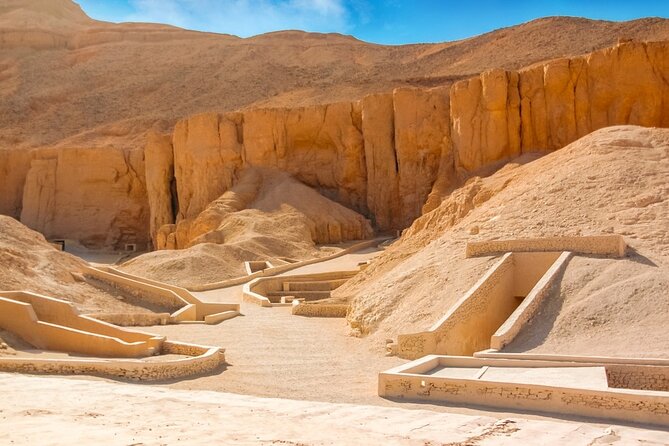
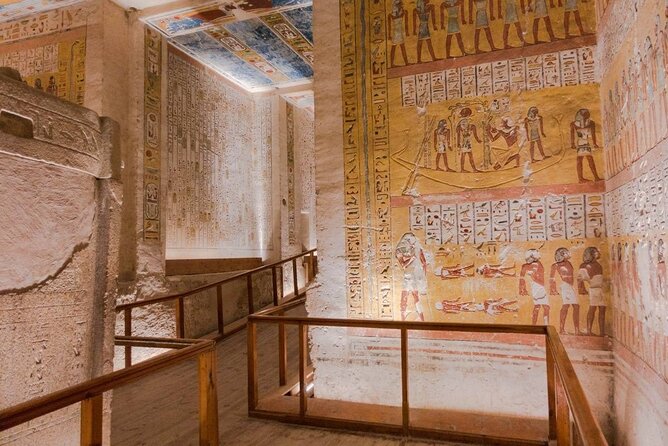
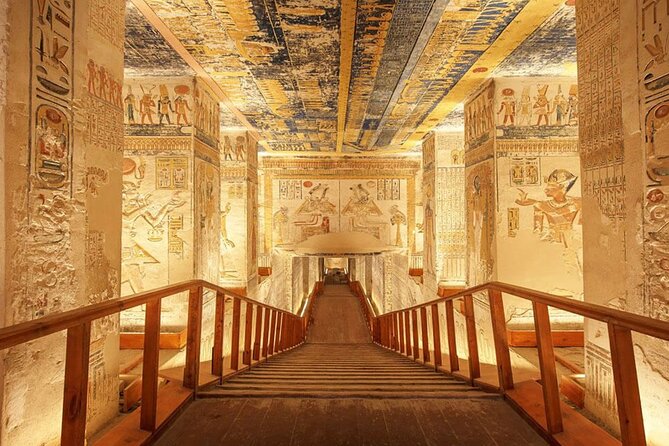
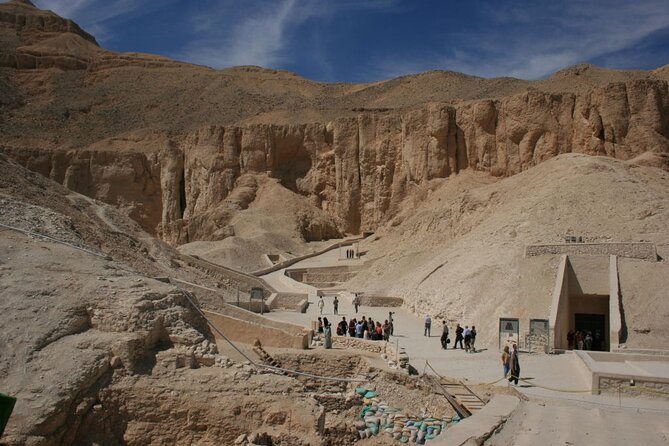
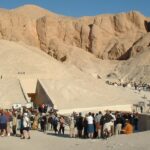
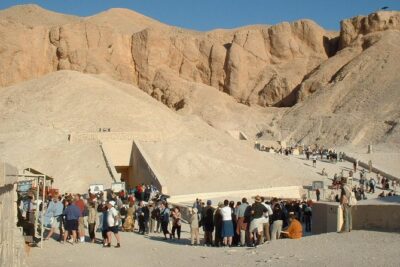
You start with the Valley of the Kings, the famous royal burial ground of Theban pharaohs. This is where you see the kind of tomb entrances and subterranean chambers that made Egypt’s afterlife beliefs feel physical. The site is known for the tombs of rulers like Tutankhamun, and you’ll spend about two hours here.
What you’ll enjoy most is not just the fame. It’s the combination of scale and the way the tombs communicate power. Even when you can’t see every painted surface in depth, the hieroglyphs and wall carvings are still there, and a good guide helps you notice patterns instead of treating everything as random markings.
A realistic consideration: two hours is enough to hit the highlights, but it isn’t “stay all day” time. If you’re the type who loves reading every label you can find, ask yourself whether you prefer breadth or depth. This tour leans toward breadth, with strong context to keep it meaningful.
Valley of the Queens: Queens, Royal Children, and Shorter Time That Still Counts
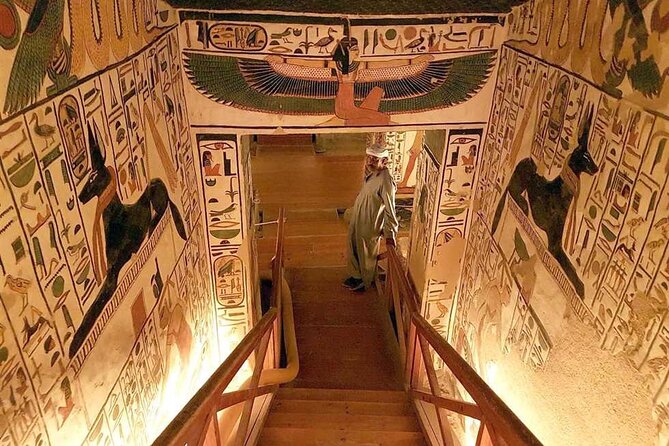
Next comes the Valley of the Queens, where queens and royal children were buried. The stop is shorter, about 45 minutes, which is the trade-off for packing in the big hits across the West Bank.
Still, this quick stop can be a smart way to broaden your perspective. The Valley of the Kings is the headline, but the Queen’s Valley fills in important context about who mattered in the royal world, and how burial practices reflected status. Even in a short visit, you’ll likely notice differences in tone and themes compared with the King’s side.
If you’re hoping for a long, slow meander with lots of time inside multiple tombs, the timeline here might feel tight. But if you want a guided overview that keeps your day moving, it’s a good use of time.
West bank tombs, one by one
Hatshepsut at Deir el-Bahari: Temple Architecture You Can Feel in Your Feet
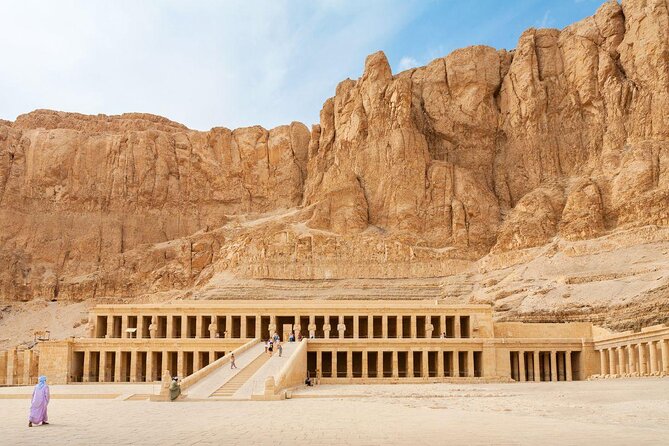
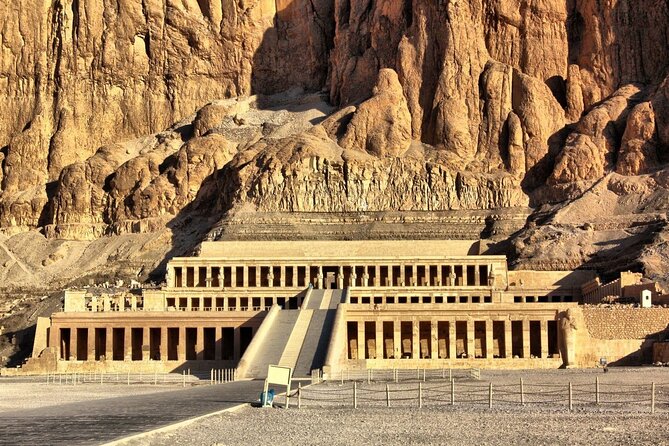
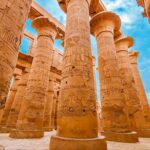
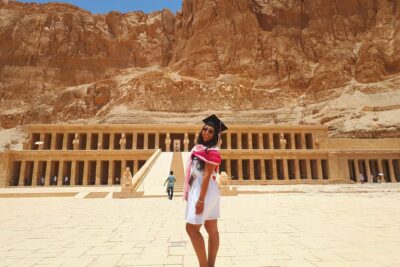
Then you shift from tomb valleys into one of Luxor’s most iconic temple complexes, the Temple of Hatshepsut at Deir el-Bahari. Expect about two hours.
This stop is special for two reasons. First, Hatshepsut’s story is tied to real political and religious messaging, and the temple design was part of that statement. Second, temple architecture gives you a different kind of experience than tomb corridors. You can stand back, take in the shapes, and understand how the building frames views, movement, and ceremony.
A practical tip for this kind of site: give your eyes time to adjust. Temples reward slow looking at columns, wall surfaces, and alignments. Even if your feet want to rush, try to pause at a few points and let the space settle. That’s when the place starts to feel bigger than a photo.
Lunch in Luxor: A Reset Before the Temples and the People-Centered Stops
You get a lunch break in Luxor, about one hour. Lunch is included, and the schedule gives you time to eat without having to sprint between sites.
This is more than a convenience. With a full day like this, the meal break helps you stay sharp for the afternoon. The second half of the day includes a major temple complex and Deir el-Medina, which is where the focus shifts toward the craftsmen who built the tombs. If you’re tired, you miss details. A real pause keeps your brain from turning the rest into a blur.
Colossi of Memnon: When Two Giant Statues Do the Work of a Whole Scene
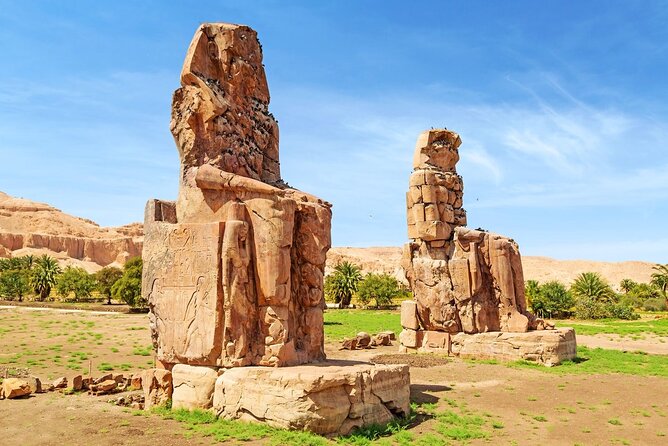
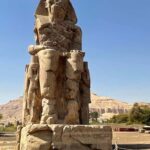
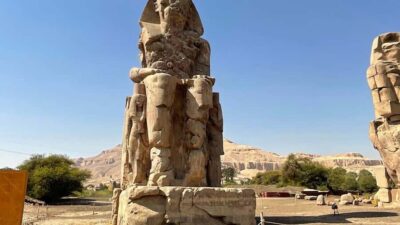
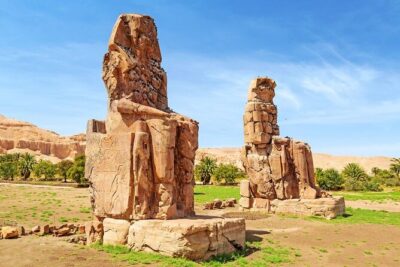
After lunch, you’ll see the Colossi of Memnon, colossal statues tied to King Amenhotep III’s grand temple. The time here is brief, around 15 minutes, and tickets are not counted separately in the stop details.
You might think a 15-minute stop could feel small, but it works because these statues are so large and so striking. They’re a reminder that Egypt’s temple and palace landscapes were once built around massive entrances and public symbolism. Even in their current state, they help you imagine the scale of what used to stand around them.
For this kind of stop, I recommend using the time for a quick “look, then read” approach. Look at the statues first to register their scale, then use your guide’s context to connect what you’re seeing to the larger temple complex. That way, you get more than a photo moment.
Habu Temples at Medinat Habu: Ramesses III and Reliefs That Tell Stories
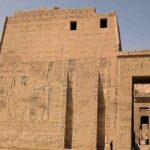
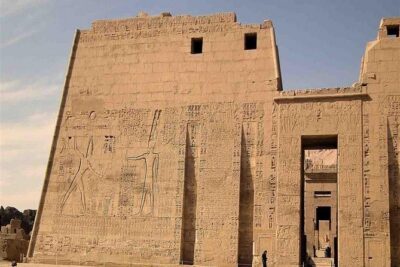
Next is the Temple of Medinat Habu, also known as the Mortuary Temple of Ramesses III. You’ll spend about one hour here, with admission included.
This is where the day gets visually rich. Mortuary temples are full of carved narratives, and this complex is known for well-preserved reliefs. The stop’s value comes from how much you can learn by simply noticing what’s depicted: scenes connected to battles, religious rituals, and everyday life.
One reason I like this part of the itinerary is variety. You already had tomb focus earlier, and temple architecture at Hatshepsut. Now you’re seeing a different era and a different style of messaging through stone. If you pay attention here, the day feels connected, not like a series of separate attractions.
Deir el-Medina: The Craftsmen Village That Brings the Tombs Back to People
Finally, the tour heads to Deir el-Medina, sometimes described as the Valley of the Artisans. This ancient village was home to the craftsmen and laborers who worked on the tombs in the Valley of the Kings and Queens. The visit is about one hour, with admission included.
This stop is the surprise that often makes the whole day click. Tombs can feel like royal myths, and temples can feel like grand stage sets. Deir el-Medina brings you back to the real workers behind the monuments, giving you a sense of daily life, families, and community routines.
Practically, you’ll get to walk around archaeological remains, view houses, and explore the idea of how labor systems supported the building of royal tombs. The result is a more human version of Egyptian history, where the “who” matters, not just the “pharaoh.”
Price and Logistics: What You’re Really Paying For
At $25 per person, the big question is what that price buys besides a driver and a checklist. Here, it’s not just transportation. Entrance fees are included for the archaeological sites on the schedule, and lunch is part of the day. You also get a bottle of water.
For many people, that combination is where the value shows. If you were to try to plan the same sequence yourself, you’d be paying for multiple entries, dealing with timing, and likely spending time coordinating transport between distant sites. With the tour model, you pay once and the day runs as a unit.
A couple of items to keep in mind:
- Tipping is not included, so plan to have cash if you want to tip.
- Airport pickup is not included, and it’s listed as $10 extra if you need that service.
- You are on a private tour, meaning it’s only your group, not shared with strangers.
Who This Tour Fits Best
This tour makes sense if you want a single-day plan that hits the headline West Bank sites, but you also want context to go with them. It’s a good match for first-time Luxor visitors who don’t want to guess their way through ticketing and site order.
It also suits you if you like guided pacing. The tour includes structured teaching and then time for free exploration, so you’re not trapped in a lecture the entire day.
If you’re the type who needs long time inside multiple tombs, you might feel the time limits. In that case, you’d be better served by adding extra time on your own at one or two sites after the tour.
Quick Booking Advice Before You Commit
I’d book this if you:
- Want entrance fees covered and an easy, hotel-based pickup plan
- Prefer an Egyptologist guide for context at tomb and temple stops
- Like the idea of finishing the day with Deir el-Medina’s people-centered perspective
I’d think twice if you:
- Want a very slow, detailed visit that lasts all day at one or two tombs
- Hate packed schedules and prefer fewer stops with longer time at each
Overall, this is the kind of tour that helps you leave Luxor with more than memories of famous names. You leave with a clearer sense of how the royal afterlife world, temple messaging, and the work of everyday artisans all connect.
Should You Book This Full-Day Luxor Tour?
Yes, if your goal is a strong one-day overview with real expert guidance and built-in value. The pricing works best because you’re not just paying for transport. You’re paying for a licensed Egyptologist approach, included site access, lunch, and a schedule that ties tombs and temples into a single storyline.
If you’re the kind of traveler who wants to linger for hours inside many tombs, you may want a different format or to add extra time on your own. But for most people, this strikes a smart balance: a full day, major stops, and a guide who helps you see what you’re looking at.
FAQ
How long is the full-day Valley of the Kings and Queens tour?
The tour duration is about 8 hours.
Is hotel pickup and drop-off included?
Yes. The tour includes pickup services from your starting point and return, with round-trip transportation from your Luxor hotel in an air-conditioned vehicle.
What sites does this day include?
The tour includes the Valley of the Kings, the Valley of the Queens, the Temple of Hatshepsut at Deir el Bahari, the Colossi of Memnon, the Temple of Medinat Habu, and Deir el-Medina.
Are entrance fees included?
Yes. All entrance fees for the archaeological sites on the itinerary are included.
Is lunch included?
Yes. Lunch is included as part of the scheduled stop in Luxor.
What about tipping and airport pickup?
Tipping is not included. Pick up from the airport is listed as $10 extra.
Is there free cancellation?
Yes. You can cancel for a full refund up to 24 hours before the experience start time. After that point, refunds are not available.
The West Bank, Tomb by Tomb
Down Into the Kings Valley

More of Luxor from our review pile
- Private Tour Nile Felucca Ride at Sunset in Luxor
★ 5.0 · 26 reviews - Private Full day East and West Bank, Luxor
★ 5.0 · 26 reviews - Luxor Day Tour: Kings Valley & Karnak & Luxor & Hatshepsut Temple
★ 5.0 · 26 reviews - Full-Day East and West Luxor Private Tour
★ 4.5 · 26 reviews - Day Trip to Edfu & Kom Ombo temples from Luxor and drop off in Aswan or Luxor
★ 5.0 · 26 reviews - 5 Days 4 Nights Nile Cruise Tour
★ 5.0 · 27 reviews
Luxor West Bank Temples & Tombs, compared.
 ★ 5.0Luxor Day Tour: Valley of Kings & Queens & Hatchepsut TemplesFrom $891,496 reviews
 ★ 5.0Full Day Tour to East and West Banks of LuxorFrom $151,449 reviews
 ★ 4.4Valley of the Kings and Hatshepsut Temple Day TourFrom $501,404 reviews
 ★ 5.0Valley of Kings, Hatchepsut Temple ,Karnak & Luxor-DayTourFrom $95735 reviews
 ★ 5.0Full Day Tour of Luxor West Bank Temples and Tombs (Private)From $20722 reviews
 ★ 5.0Private Full-Day Luxor Highlights East and West BanksFrom $65663 reviews
 ★ 4.5Guided Tour to East or West Banks with LunchFrom $64604 reviews
 ★ 5.0Luxor Private Full-Day Tour: Discover the East and West Banks of the NileFrom $90545 reviews
The lists this one sits on