
REVIEW · LUXOR WEST BANK TEMPLES & TOMBS
full day Tour to east and west bank of Luxor
A day in Luxor can feel like stepping into a giant puzzle. This East and West Bank tour is built to make the pieces click, with an Egyptologist guiding you through the big sights, including Karnak and the Valley of the Kings. I like that it keeps the focus on what you are seeing, not just where you are going, and the guides on this route, like Mohamed Adel, are known for clear explanations that keep you moving with purpose.
One thing to plan for: temple and tomb costs can be confusing here. The tour materials list admission tickets for key stops as included, but they also say entrance fees are not included, so you should confirm what you will pay on the day. Also, this is a 6 to 9 hour outing, so you need stamina for heat, stairs, and walking across both sides of Luxor.
If you want one efficient day that covers the must-see East and West Bank highlights, this is a strong option. With hotel, airport, or cruise ship pickup and drop-off, plus air-conditioned transport, you spend less energy on logistics and more time looking up at the walls.
In This Review
- Key points to know before you go
- East and West Bank Luxor in one 6 to 9 hour day
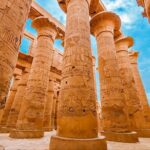
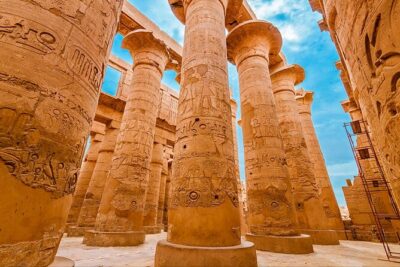
- Karnak Temple: 134 columns and the feeling of size
- Luxor Temple: Amenhotep III and Ramses II in one photogenic stop
- Valley of the Kings: tomb colors that still feel alive
- Deir el Bahari and Hatshepsut’s temple: the female pharaoh connection
- Colossi of Memnon: a fast stop with big statue energy
- Price and what you really get for $36
- Egyptologist guides: why names like Mohamed Adel matter
- Pickup, transport, and how the day stays manageable
- Optional extras you can ask your guide about
- What to bring and how to make the most of each stop
- Who this Luxor East and West Bank tour suits best
- Should you book this East and West Bank Luxor tour?
- FAQ
- How long is the full day East and West Bank tour in Luxor?
- Is hotel pickup and drop-off included?
- Are entrance fees included for the temples and tombs?
- What sites are visited on the tour?
- Is lunch included?
- Can I cancel and get a full refund?
Key points to know before you go
- East and West Bank coverage in one long day, so you do not have to choose between Karnak and the Valley of the Kings
- Egyptologist-led storytelling that turns carvings, symbols, and layouts into something you can actually follow
- Karnak Temple scale stands out fast, especially the main hall with 134 columns
- Valley of the Kings tomb color feels fresh and vivid, even when you know the stories are thousands of years old
- Lunch, snacks, and bottled water help you keep your energy up during a long sightseeing day
- Private group format, meaning you move with only your group instead of joining a rotating crowd
West bank tombs, one by one
- Luxor Day Tour: Valley of Kings & Queens & Hatchepsut Temples★ 5.0 · 1,496 reviews
- Full Day Tour to East and West Banks of Luxor★ 5.0 · 1,449 reviews
- Luxor: Valley of the Kings and Hatshepsut Temple Day Tour★ 4.4 · 1,404 reviews
- Luxor: Valley of Kings, Hatchepsut Temple ,Karnak & Luxor-DayTour★ 5.0 · 735 reviews
East and West Bank Luxor in one 6 to 9 hour day
Luxor is split into two very different worlds. The East Bank tends to feel grand and ceremonial, built for temples and gods. The West Bank, where the Valley of the Kings and Deir el Bahari sit, is where you go for death, afterlife beliefs, and the best contrast in the city.
This tour is structured for that contrast. You start at Karnak, then shift to Luxor Temple on the East side, and move to the West Bank for the Valley of the Kings, Hatshepsut’s temple, and the Colossi of Memnon. If it helps you think about the day, you are basically doing “power and worship” first, then “royal eternity” second.
The pacing is the real value. You get several major stops without turning the day into a blur of tiny monuments. The Egyptologist time at each site is what makes the sequence worthwhile, because you learn how the same themes show up again and again across different temples.
Karnak Temple: 134 columns and the feeling of size
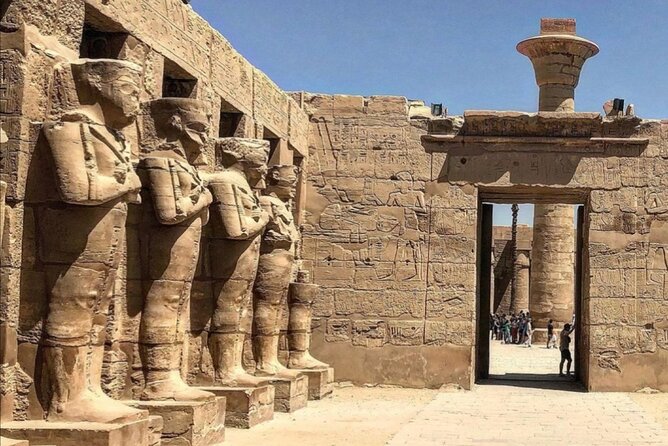
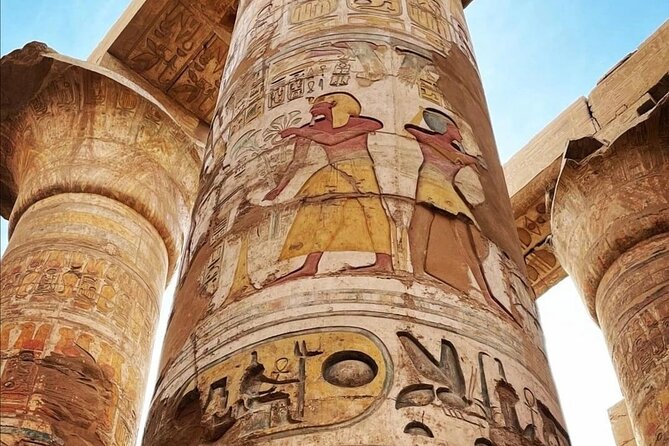
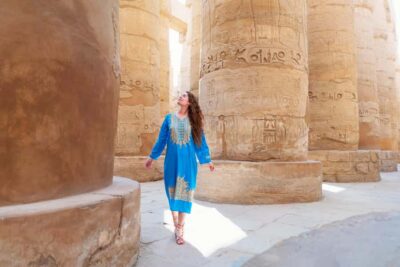
Karnak is one of those places where your brain needs a minute to adjust. The main attraction here is the temple complex that feels bigger than your expectations, with a hall featuring 134 columns. That number matters less than what it signals: this was built for impressive processions and a very public kind of religion.
Expect to spend about 3 hours at Karnak. You will have time to look beyond the obvious big carvings and start seeing how the spaces connect, how light falls across walls, and how the architecture directs your eyes. A good Egyptologist matters here, because Karnak is full of visual repetition, and context helps you understand what you are seeing rather than just admiring it.
I also like that this stop comes early. Getting your first major orientation at Karnak helps the rest of the day make sense, especially when you move later to Luxor Temple. If you are the type who likes symbols and layout, this is where you will probably ask the most questions.
Luxor Temple: Amenhotep III and Ramses II in one photogenic stop
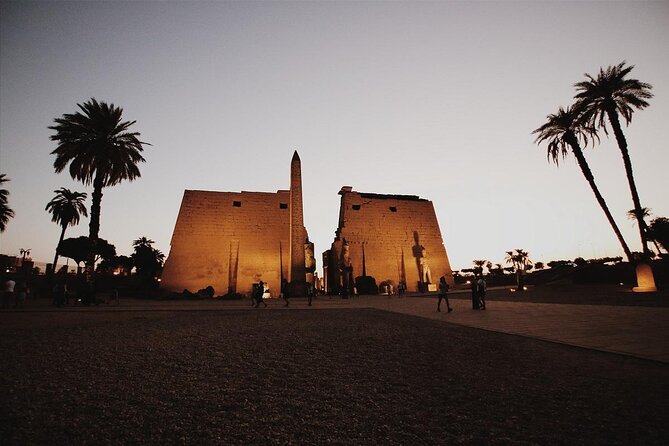
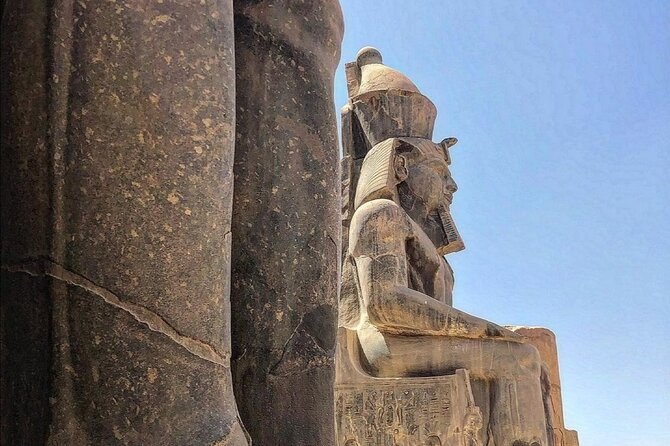
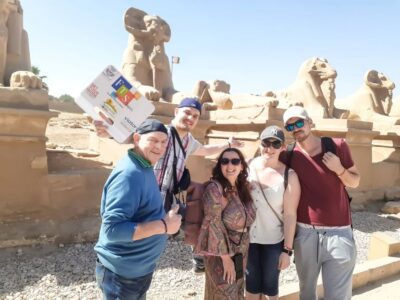
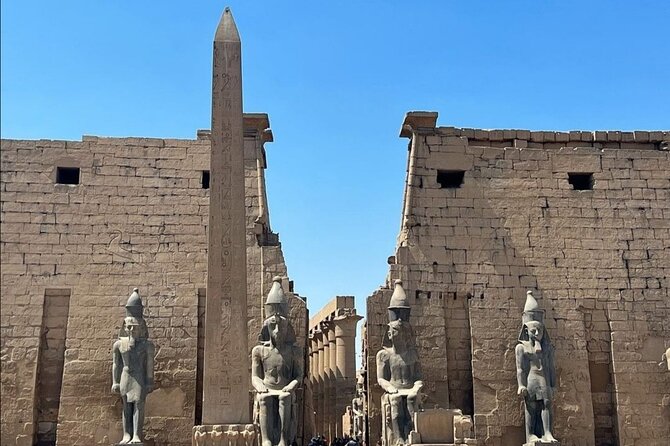
After Karnak, you shift to Luxor Temple, a smaller stop on paper but still a standout in real life. It is known for its beauty and for being a great place to take photos, and it was built by Amenhotep III and Ramses II. Even if you have seen temple photos before, actually walking through this space gives you scale cues that do not show up on postcards.
This is about 1 hour here. That duration is enough to notice the main features without pushing you into “temple fatigue.” It is also a good bridge stop, because you go from Karnak’s heavy architecture to the East Bank’s more intimate sacred space, then later the day turns toward West Bank tombs.
If you care about photos, do not treat it like a quick bathroom break and move on. I recommend a slower walk along the main areas, then a second pass with your guide’s explanations in mind. The carvings will look different once you understand what they are supposed to represent.
Valley of the Kings: tomb colors that still feel alive
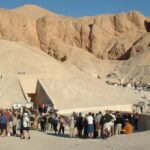
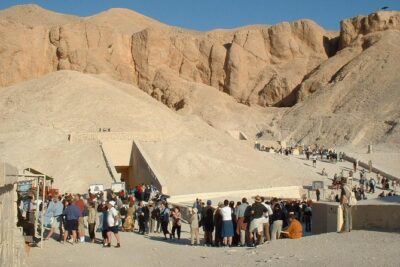
The Valley of the Kings is the West Bank’s headline act. This tour sets aside about 2 hours, which is the right amount of time to see the tomb experience for what it is: you step into history that was meant for a very long afterlife journey.
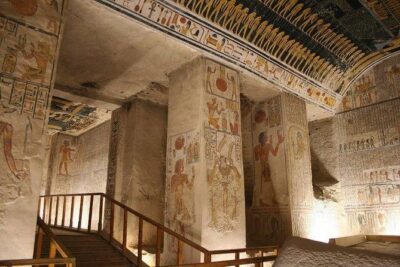
One of the best parts of this stop is the way the tombs can look intensely colored, almost like paint you would expect in a workshop. That visual impact is why this site still hits hard, even after countless documentaries. When your Egyptologist points out details, you also start to notice how the stories are staged on the walls, not just placed there as decoration.
A practical note: tomb conditions can vary, and you will likely feel it in your pace. Keep your water handy, go at a comfortable speed, and listen for your guide’s timing on when to move and when to pause. In a long day, a smart guide helps you avoid the common mistake of trying to see everything too fast.
Deir el Bahari and Hatshepsut’s temple: the female pharaoh connection
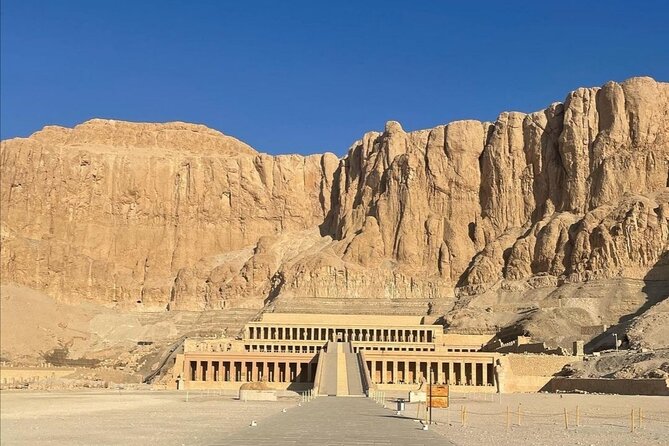
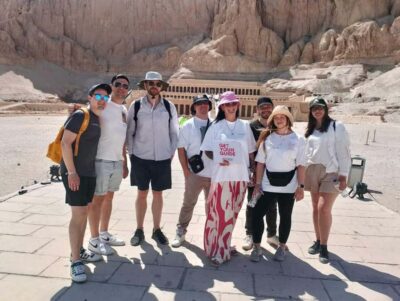
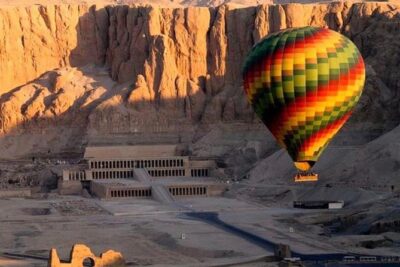
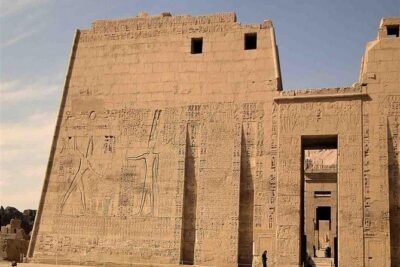
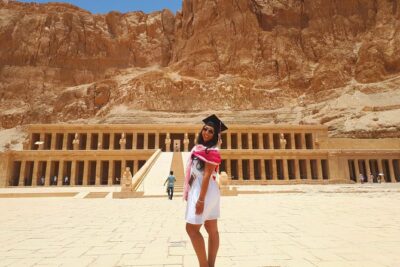
On the West Bank, the tour visits the Temple of Hatshepsut at Deir el Bahari. This is one of the clearest “who was in power” stops you can make, since Hatshepsut is the focal point, and the location itself feels designed for drama.
Expect around 2 hours at this site. The architecture and terraces help you understand why Hatshepsut’s story matters, and why this temple is one of the most recognizable West Bank landmarks. If you like strong narratives, this is where your guide can connect political power, religion, and monument building in a way that feels concrete.
From the way guides like Mohamed Adel have led people, you can also expect time for questions. The common theme in feedback is that the guide makes the explanations clear and lets you rest when you need to. That matters here, because your legs will be tired, and you do not want to feel rushed on a complex site with lots to look at.
Colossi of Memnon: a fast stop with big statue energy
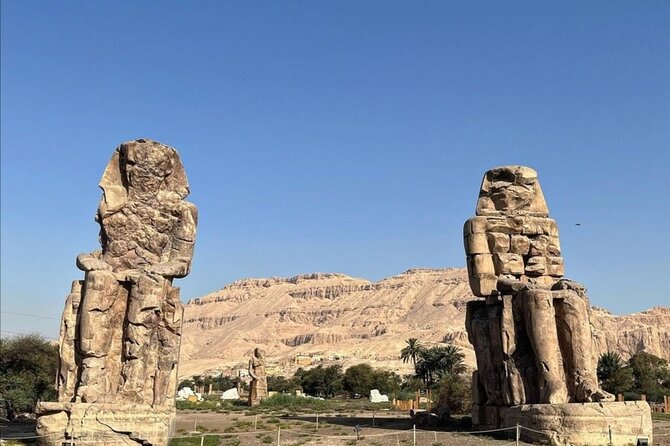
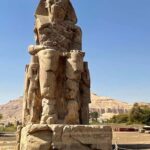
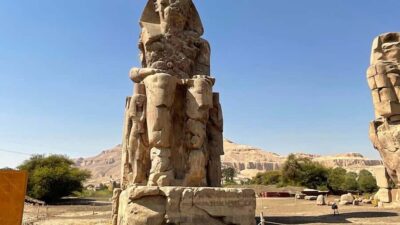
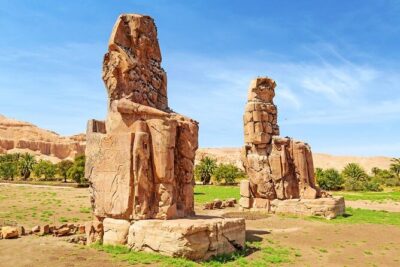
The Colossi of Memnon are not a long visit, but they are memorable. You only need about 30 minutes, and the stop is listed as free. Two giant statues can sound like a “quick photo and done” moment, but the scale hits differently when you are standing in the open air.
This is a good time for a breather. If the day has been heavy on walls and detailed carvings, the statues give you an easy change of perspective. Look for how the statues frame the space around them, then take a couple of photos with your guide’s context in your head.
I like this stop because it adds a sense of “something monumental from a distance,” which makes the later tomb experience feel more grounded.
Price and what you really get for $36
This tour is listed at $36.00 per person, with a duration of about 6 to 9 hours. For Luxor, that can be excellent value, but you need to understand what is included and what is not.
Included highlights:
- air-conditioned vehicle
- bottled water
- snacks such as Pepsi, chips, and cake
- lunch
- qualified Egyptologist guide
- hotel pickup and drop-off
On top of that, it is described as private for your group only, and group discounts are mentioned. Private can mean a more comfortable pace, more room for questions, and fewer awkward pauses while you wait on other people.
The part to verify is entrance fees. The itinerary suggests admission tickets are included for the main temple and tomb stops, but the tour info also says entrance fees for temples and tombs on the east and west bank are not included. Before you go, ask the operator to confirm exactly what you pay at each stop, and what you can show at the entrance.
Tip is also not included. That does not mean you must tip, but it does mean you should budget for it if tipping is part of your travel style.
Egyptologist guides: why names like Mohamed Adel matter
This is a tour where the guide makes or breaks the day. The Egyptologist role is not just a title. The consistent praise is about clear explanations, patience with questions, and a guide who keeps you from feeling lost in a sea of stone.
You will see names like Mohamed Adel and Adel showing up in feedback, along with other guides such as Hesham. People highlight that the guides are friendly, easy to talk to, and able to adjust to schedules. One example is a readiness to start as early as 6:30 AM, which is useful if you want to beat the heat and crowds.
I also like that some guides are willing to help you build extras without turning the day chaotic. For example, there are mentions of suggestions for a good local restaurant and a Felucca trip if you request it. If you want that kind of personal touch, it is worth asking your guide during the pickup or early in the day.
If you hate being talked at, this tour can still work. The best guides here know when to give context and when to give you breathing room to look.
Pickup, transport, and how the day stays manageable
The tour includes pickup and drop-off from hotel, airport, or cruise ship. That alone can save you stress, especially in Luxor where crossing between banks is a big part of the day.
Your main travel method is an air-conditioned vehicle, which helps a lot when you are doing outdoor sites under strong sun. You can also expect bottled water and snacks, so you are less likely to run out of energy mid-day.
The day will still be long. You should plan for warm weather clothing, comfortable shoes, and sunscreen. And if you feel you need a slower pace, use it. Several pieces of feedback point to guides allowing rest and not rushing you through everything.
Private format also helps your day flow. With only your group, you do not get stuck behind other parties in the same ticketing lines or at the same photo angles.
Optional extras you can ask your guide about
This tour is built around major monuments, but it can sometimes include extra cultural stops depending on the day’s plan. One example mentioned is passing by alabaster stone factories. Another is lunch in a Nubian house in the countryside.
Do not assume those are guaranteed. But if you enjoy seeing how local traditions connect to what you see in museums and temples, it is a good idea to ask your guide whether a brief stop like this fits the schedule. The value is not the shopping, it is the context, since Luxor’s craft traditions tie into the region’s long relationship with stonework.
If you want a sunset add-on, ask about organizing a Felucca ride. Even if it does not happen through the tour package, your guide may be able to point you toward a solid plan.
What to bring and how to make the most of each stop
Bring:
- comfortable, grippy walking shoes for uneven ground
- a hat and sunscreen
- a small water plan, even though bottled water is provided
- a light layer, because mornings and evenings can shift
At Karnak and Luxor Temple, take a moment to slow down and orient yourself. Use your guide’s explanation like a lens. Once you understand what you are looking at, the carvings stop being random.
At the Valley of the Kings and Deir el Bahari, treat it like a storytelling walk. Look first, then listen. When your guide points out how scenes connect to beliefs and royal identity, the experience becomes more than sightseeing.
And for Colossi of Memnon, do not overpack your schedule with extra walking. This is where you regroup.
Who this Luxor East and West Bank tour suits best
This tour is a good fit if:
- you are visiting Luxor for the first time and want the headline sites
- you like explanations and want an Egyptologist to put symbols into context
- you prefer one long organized day rather than splitting the banks across multiple half-days
- you want pickup and drop-off taken care of for you
It might be less ideal if:
- you want a purely relaxed “wander and no schedule” day
- you dislike long days in warm conditions
- you are expecting all entrance fees to be handled without confirming coverage
If you can be flexible, though, this route is built for first-time success.
Should you book this East and West Bank Luxor tour?
I would book it if your goal is clarity and efficiency. For the money, you get a full sweep of key sites on both banks, guided by an Egyptologist, with lunch, snacks, and air-conditioned transport. The fact that guides like Mohamed Adel are repeatedly praised for clear, friendly explanations, personal attention, and flexibility makes the day feel less like a checklist.
Book it with one smart step: confirm entrance fee coverage before you arrive. The information provided here includes conflicting notes about what is included, so a quick question to the operator can save you irritation on site.
If you want one day that helps Luxor make sense, this is a very strong match. You will leave tired, but with the story line in your head, not just a folder of photos.
FAQ
How long is the full day East and West Bank tour in Luxor?
The tour runs about 6 to 9 hours, depending on timing and the pace of the day.
Is hotel pickup and drop-off included?
Yes. Pickup and drop-off are offered from hotels, airports, or cruise ships.
Are entrance fees included for the temples and tombs?
The materials say entrance tickets for several stops are included, but they also note that entrance fees for temples and tombs are not included. Confirm what you will pay at each stop before you go.
What sites are visited on the tour?
The tour includes Karnak Temple, Luxor Temple, the Valley of the Kings, the Temple of Hatshepsut at Deir el Bahari, and the Colossi of Memnon.
Is lunch included?
Yes. Lunch is included, along with bottled water and snacks.
Can I cancel and get a full refund?
Yes, free cancellation is available. You can cancel up to 24 hours in advance for a full refund. If you cancel less than 24 hours before the start time, the amount paid is not refunded.
The West Bank, Tomb by Tomb
More of Luxor from our review pile
- Hot Air Balloon Ride and Tour to Valley of Kings Luxor- Special Offer
★ 5.0 · 15 reviews - 4-Hours tour West Luxor bank :Hatshepsut Temple & Valley of the King with Lunch
★ 5.0 · 15 reviews - Tour From Luxor to Aswan Edfu, Kom Ombo, Philae and High Dam
★ 5.0 · 15 reviews - Private Half-day Dendera Temple
★ 5.0 · 15 reviews - Luxor Airport Departure: Convenient Private Hotel Transfer
★ 5.0 · 15 reviews - Dahabiya Nile Cruise From Luxor To Aswan 4 Nights 5 Days
★ 4.5 · 15 reviews
Luxor West Bank Temples & Tombs, compared.
 ★ 5.0Luxor Day Tour: Valley of Kings & Queens & Hatchepsut TemplesFrom $891,496 reviews
 ★ 5.0Full Day Tour to East and West Banks of LuxorFrom $151,449 reviews
 ★ 4.4Valley of the Kings and Hatshepsut Temple Day TourFrom $501,404 reviews
 ★ 5.0Valley of Kings, Hatchepsut Temple ,Karnak & Luxor-DayTourFrom $95735 reviews
 ★ 5.0Full Day Tour of Luxor West Bank Temples and Tombs (Private)From $20722 reviews
 ★ 5.0Private Full-Day Luxor Highlights East and West BanksFrom $65663 reviews
 ★ 4.5Guided Tour to East or West Banks with LunchFrom $64604 reviews
 ★ 5.0Luxor Private Full-Day Tour: Discover the East and West Banks of the NileFrom $90545 reviews
The lists this one sits on