
REVIEW · LUXOR WEST BANK TEMPLES & TOMBS
Full Day Luxor East and West Banks Tour With Lunch
Pharaohs, tombs, and temple walls, in one long day. I like the balance here, you get both the East Bank temples and West Bank royal tombs with an Egyptologist guiding the stories. I also like that lunch and mineral water are included, so you are not scrambling mid-day. The one thing to watch is that entrance fees are not included, and the optional Tomb of Tutankhamun has an extra cost.
This is a private tour, so it is geared to your group and pace, not a rushed cattle-car schedule. The day runs about 8 to 9 hours, with pickup offered, and it is priced at $92.92 per person, which can feel like a deal once you factor in the guide, air-conditioned vehicle, and lunch. If you are keeping your budget tight, plan for entrance fees on top of the base price and consider whether you really want the King Tut add-on.
In This Review
- Key highlights you should know before you go
- What this Luxor East and West Banks day tour really gives you
- Valley of the Kings focus: tombs with real names and storytelling scenes
- Ramses III in KV 11: foreign tributes and a nickname you will remember
- Ramses IV in KV 2: rose granite sarcophagus and the Nut ceiling scene
- Merenptah in Tomb 8: Ptah context, Howard Carter, and a different tomb feel
- Deir el Bahari and Hatshepsut’s temple: the power of a woman Pharaoh
- Colossi of Memnon: two huge statues and a quick reset
- Luxor Temple first, then Karnak: two kinds of greatness on the East Bank
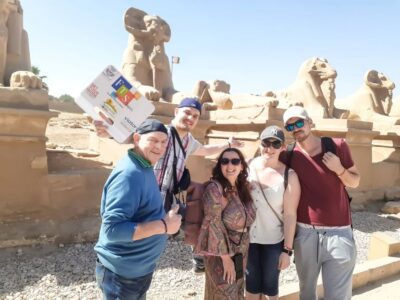
- Avenue of Sphinxes: the walk you can still do, and why it matters
- Optional Tomb of Tutankhamun: how to decide on the extra fee
- Price and budget reality: what $92.92 does, and what you still pay
- Comfort and timing: how to survive a long Luxor day without rushing yourself
- Who should book this Luxor day tour, and who should skip it
- The guide and tour coordination, including Mohamed
- Should you book this Luxor East and West Banks day tour?
- FAQ
- What is the duration of this Luxor East and West Banks tour?
- Is pickup included?
- What’s included in the tour price?
- Are entrance fees included?
- Is the Tomb of Tutankhamun included?
- How many tombs are visited in the Valley of the Kings?
- Is this a private tour?
- What is the cancellation policy?
Key highlights you should know before you go
- West Bank tomb lineup: Ramses III (KV 11), Ramses IV (KV 2), and Merenptah (plus one more royal tomb)
- Hatshepsut at Deir el Bahari: Egypt’s famous queen Pharaoh, with a full 1.5 hours here
- Karnak Temple time: a longer visit (about 2 hours) to see the Hypostyle Hall and more
- Luxor Temple first look: granite statues of Ramses the Great and Theban Triad context
- Optional Tomb of Tutankhamun: extra 360 EGP entrance if you want the famous mummy experience
- Smooth day support: air-conditioned vehicle, mineral water, and lunch included
West bank tombs, one by one
- Luxor Day Tour: Valley of Kings & Queens & Hatchepsut Temples★ 5.0 · 1,496 reviews
- Full Day Tour to East and West Banks of Luxor★ 5.0 · 1,449 reviews
- Luxor: Valley of the Kings and Hatshepsut Temple Day Tour★ 4.4 · 1,404 reviews
- Luxor: Valley of Kings, Hatchepsut Temple ,Karnak & Luxor-DayTour★ 5.0 · 735 reviews
What this Luxor East and West Banks day tour really gives you
Luxor can feel like two different worlds. On the West Bank, the day is about burial places and wall scenes that still look strange and personal, like they were made for you. On the East Bank, it is about grand temple scale, symbolism, and the sheer weight of the big stone buildings.
This full-day format is the value play. For about 8 to 9 hours, you are not just seeing highlights, you are also getting the guide’s explanations as you move from stop to stop. Add lunch, mineral water, and an air-conditioned vehicle, and the day stays workable even in the heat.
The only real caveat is cost at the gate. Entrance fees for the sites are not included, and the optional Tomb of Tutankhamun has a separate entrance fee. If you go in expecting everything to be covered, you will get surprised.
Valley of the Kings focus: tombs with real names and storytelling scenes
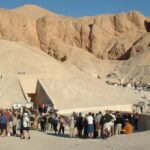
The West Bank portion centers on the Valley of the Kings, the older necropolis where royal burials shaped the area’s reputation. Your guided time here includes visits to four royal tombs, including Ramses IV, Ramses III, and Merenptah, plus one additional royal tomb as part of the program.
Two hours in the Valley of the Kings is a good amount of time for tomb-hopping. You are not stuck in one chamber too long, but you also get enough minutes in each tomb to notice the differences. These tombs are not all built the same way, and the wall scenes also tell you which Pharaoh was trying to protect himself in which specific way.
Practical tip: tomb interiors can feel cool but also tight. Wear breathable layers and be ready for dim light. The guide’s pacing matters here, because the tombs are close enough that you can feel like you are sprinting if you rush yourself.
Ramses III in KV 11: foreign tributes and a nickname you will remember
Ramses III’s tomb is KV 11, and it has a reputation for being more varied than you might expect. The walls include colorful painted reliefs tied to traditional royal rituals, including texts linked with the Litany of Ra and the Book of Gates. You also see Ramses in scenes facing the gods, which is the core theme you should look for.
What makes KV 11 especially interesting is the mix of religious and more secular-looking material. Side rooms at the entrance corridor feature unusual subject matter, including foreign tributes. You will hear about detailed pottery imported from the Aegean, along with depictions of a royal armoury and boats. The tomb also connects to the nickname Tomb of the Harpers, tied to blind harpists shown in one of the side chambers.
Why it matters for you: if you think tombs are only about death formulas, KV 11 corrects that fast. It shows how the royal court imagined itself in a wider world, not just in the afterlife.
Time here is short (about 15 minutes), so focus on what the guide points out most, then scan the reliefs for the foreign-tribute details before moving on.
Ramses IV in KV 2: rose granite sarcophagus and the Nut ceiling scene
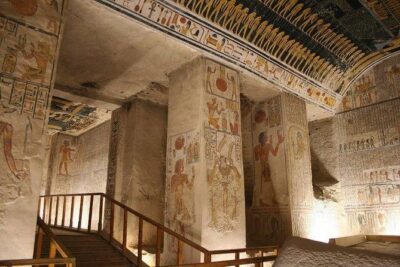
Ramses IV’s tomb is KV 2, and it is described as the most spectacular of the tombs you will see on this route. The wall program leans hard into the big afterlife books, with scenes tied to items like the Litany of Ra, Book of the Dead, Book of Caverns, the Book of the Heavens, Book of Amduat, and the Book of the Night.
Inside the burial chamber, the colors are bright, especially the blue and white tones, and you will have a moment to notice the king’s sarcophagus made of rose-colored granite. A ceiling scene with goddess Nut is another standout. You will see her swallowing the sun, followed by the sun’s travel through her for Nut to give birth to it, a cycle that turns the afterlife into something like cosmic timing.
Time here is also about 15 minutes. That is enough for a quick but meaningful scan if you do not try to read every line of hieroglyphs. Let the guide’s explanation give you the key, then look for the sarcophagus and ceiling moment.
Merenptah in Tomb 8: Ptah context, Howard Carter, and a different tomb feel
Merenptah’s tomb is listed as Tomb 8 in the Valley of the Kings. The guide framing for this stop connects the role of Ptah, described as the demiurge of Memphis and tied to craftsmen and architects. You also get the idea that a protective falcon form could be placed with the dead on the journey to the West.
This tomb is associated with Merneptah, son of Ramses II and Queen Isis-Nofret. A neat historical detail included on the day is that the tomb was discovered by Howard Carter in 1903. That is one of those names you might know from broader Egypt discoveries, and it gives you a different lens while you stand in a much older chamber.
You also get a sense of how tomb design changes over time. The information you receive points out a material decrease in the number of lateral rooms, and an increase in the height of corridors and rooms. Translation: it can feel more open and tall compared to some earlier tomb layouts.
Again, time is brief (about 15 minutes), so aim for a “feel it first, then learn” approach. After that, you will get more out of the stop because you have a memory anchor.
Deir el Bahari and Hatshepsut’s temple: the power of a woman Pharaoh
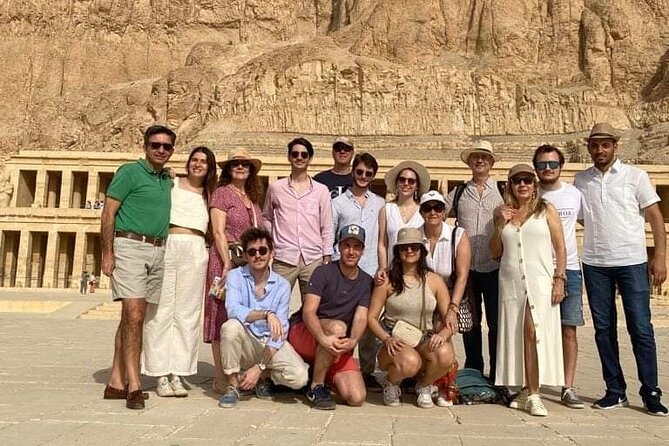
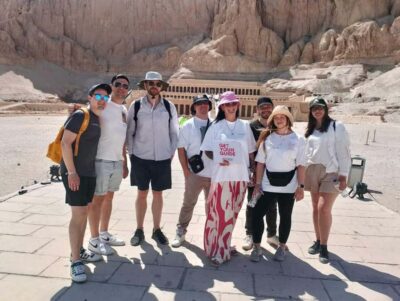
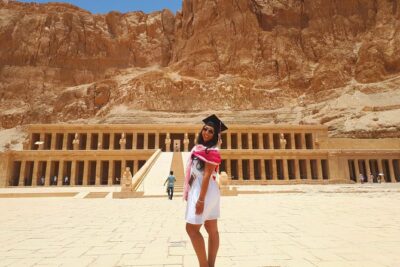
After the Valley of the Kings, the tour moves to the Temple of Hatshepsut at Deir el Bahari, with about 1 hour 30 minutes here. This is not a quick stop. It is structured for you to walk the terraces and understand why this place is so famous.
Hatshepsut is described as the only woman ever to reign over Egypt as Pharaoh, and the day also ties her to King Tutankhamun by noting she was an ancestor in the same dynasty. That connection makes your Egypt puzzle feel less random. When you have a timeline in your head, you start spotting repeated symbols and royal motivations across temples and tombs.
Practical tip: this is an outdoor complex. Sun protection matters. Take breaks. If you feel temple fatigue, use the terraces to reset, because each level gives a different view and different angles for the carvings.
Colossi of Memnon: two huge statues and a quick reset
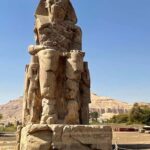
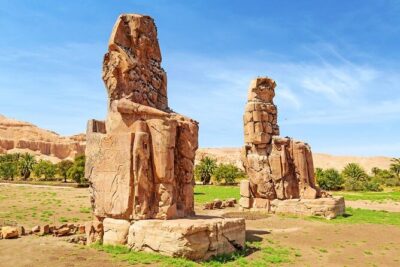
The Colossi of Memnon are the two largest ancient statues in Egypt, dating back to the era of King Amenhotep III. Your time is about 20 minutes, which is enough for a photo, a quick explanation, and a breather between major sites.
This is a useful stop because it breaks the pattern. Tombs are narrow and interior. Karnak is dense and stone-after-stone. Colossi gives you space, and it helps your brain switch modes.
Luxor Temple first, then Karnak: two kinds of greatness on the East Bank
The East Bank part includes both Luxor Temple and Karnak Temple, and that matters because they feel different.
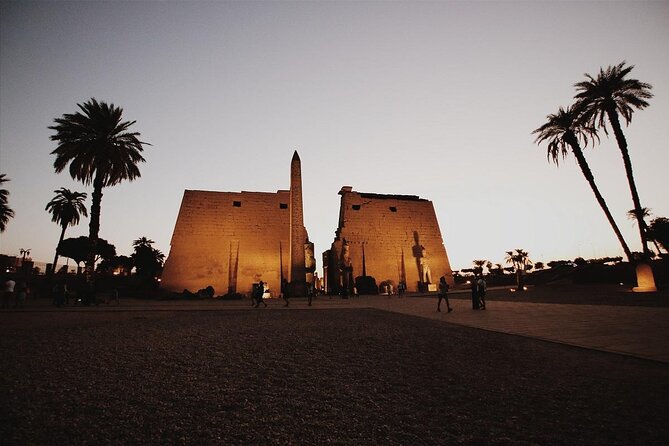
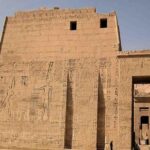
At Luxor Temple, the dedication is to the Theban Triad of Amun-Ra, Mut, and Khonsu. You will also see the granite statues of Ramses the Great. The guide context here helps you understand Luxor Temple as more than a pretty ruin. It is part of a bigger sacred system in the Theban region.
Time here is about 1 hour (based on the listed stop length), which is enough if you avoid getting stuck in one corner. Move with the guide, then circle back once you know what you are looking at.
Then you hit Karnak, and you get about 2 hours. Karnak is a temple complex built in different reigns, so it reads like layers of power. You will pass or learn about:
- the Avenue of Sphinxes
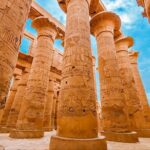
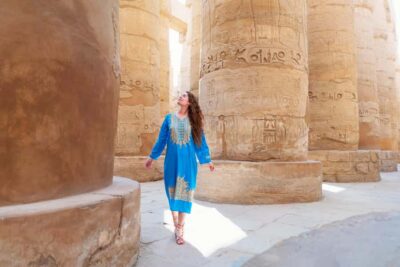
- the Hypostyle Hall with 134 gigantic columns
- obelisks associated with Queen Hatshepsut and Tutomosis I
- the Temple of Amon with lotus and papyrus designs
- the Granite Scarbeus of Amenophis III
- the Sacred Lake
For you, this is where the day can either feel magical or overwhelming. Karnak is big enough that 2 hours feels perfect if you stay focused. Let the guide highlight a few key zones rather than trying to see everything. You will get more meaning, and you will enjoy the space instead of just collecting photos.
Avenue of Sphinxes: the walk you can still do, and why it matters
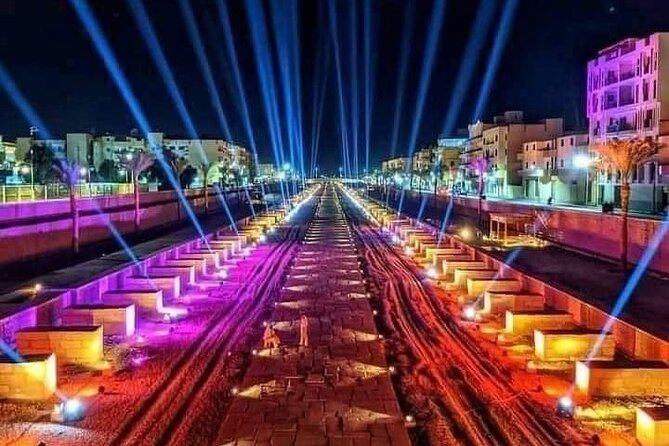
You also get time at the Avenue of Sphinxes, described as stretching from Luxor to Karnak, about 3 km today. Historically it connected the two temple complexes over a much longer route, and the info notes that it used to be around six miles with sphinxes lining the way, though only a portion remains.
You will have about 10 minutes here. That sounds short, but it works as a visual bridge. When you see this avenue area while you have just toured Luxor Temple and Karnak, your mental map clicks into place fast.
If you want one practical mindset: use the avenue stop as your “calibration moment.” It helps you understand the temples were designed to relate to each other, not to stand alone.
Optional Tomb of Tutankhamun: how to decide on the extra fee
The day includes an option for the Tomb of Tutankhamun (Tut). The entrance fee is listed as 360 EGP, and it is optional.
If you choose it, you are set up to see the most famous royal mummy in Egypt. The tour information also shares the quick timeline: Tutankhamun was around 10 years old when he ascended the throne and died when he was only 19.
Is it worth paying extra? For many first-time Luxor visitors, yes, because this is one of the only times you get a face-to-face moment with a royal mummy during a structured day. Still, be honest with yourself. If you are already tombed out after the Valley of the Kings, you may enjoy the rest of the day more than squeezing one more chamber in.
My advice: choose Tut if you are excited about the story and want the main-world connection. Skip it if you prefer more time breathing outside and absorbing the larger temple spaces.
Price and budget reality: what $92.92 does, and what you still pay
The base price is $92.92 per person, and it includes a lot of practical value: an Egyptologist guide, lunch, mineral water during travel, and an air-conditioned vehicle. For Luxor day tours, those inclusions matter because they reduce hassle and save you from impulse spending during long stops.
However, entrance fees are not included. The total entrance fees are listed as around $40 per person. On top of that, the Tomb of Tutankhamun optional entrance is 360 EGP.
So the money equation is basically:
- base tour price covers the guide, transport, and meals
- entrance fees cover site access
- Tutankhamun is the optional add-on
If you are budgeting, assume you will pay extra at some point. If you plan for it, the day stays stress-free.
Comfort and timing: how to survive a long Luxor day without rushing yourself
This tour runs about 8 to 9 hours, so you should treat it like a full day, not a quick sampler. You will move between the West Bank and East Bank sites, and you will spend time inside tombs where walking is limited but viewing takes attention.
You also get minerals water during travel and a proper lunch included, which is a big deal. A long day without food or water is how people lose patience, and nobody wants that in front of carved walls.
Pickup is offered. The day plan mentions pickup from your hotel in central Luxor or the harbor in the morning. Pickup from West Bank hotels or the airport is listed as available for an additional $10 per person, so if you are staying on the West Bank or flying in, check this early so you are not negotiating on the fly.
Finally, this is a private tour/activity, only your group participates. That often means less waiting and easier adjustments if your group needs a bathroom stop or wants a slightly different pacing.
Who should book this Luxor day tour, and who should skip it
This tour is a great fit if you want the classic Luxor combination of West Bank royal tombs plus East Bank temple power, and you want the Egyptologist guide to connect the dots. You will also like it if you enjoy detailed art and you do not mind moving at a steady pace to hit multiple sites.
You might want a different format if:
- you hate timed itineraries and prefer a slower, museum-like pace
- you are not interested in tombs and would rather spend more time outdoors at fewer sites
- you want every single entrance fully included, with no optional add-ons or entrance fees at the gate
One more nudge. The day is built for people who like structure. If you want maximum freedom, you might feel the schedule pull you along. If you want a guided highlight circuit with enough time in each place to actually see things, this works well.
The guide and tour coordination, including Mohamed
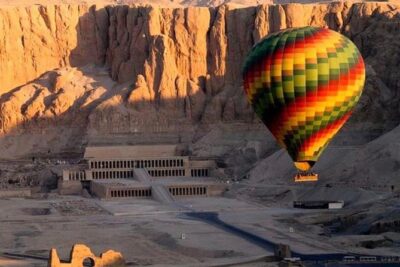
A strong theme from the experience feedback is the human side of the day. Egypt Viajes is associated with smooth coordination, and Mohamed is specifically thanked for making the experience work well. The same feedback also points to the ability to arrange add-ons like a hot air balloon ride over Luxor, if you want to catch sunrise views from above.
That kind of coordination matters in Luxor, where weather, timing, and logistics can shape your memories. If you like having someone handle the moving pieces, this style of service is a real plus.
Should you book this Luxor East and West Banks day tour?
Book it if you want a single, well-run day that covers the big Luxor names, with enough time inside major tombs and major temples to feel like you actually saw something, not just passed by it. The included lunch, mineral water, and air-conditioned vehicle make it feel more “real travel” and less like a rushed checklist.
Hold off or choose a different option if you have a tight budget for entrances and prefer to control every site individually, because entrance fees and the optional Tomb of Tutankhamun add cost.
Given the price includes guide and comfort basics, and the lineup hits the core of both East and West Banks, this is a smart choice for most first or second-time Luxor visitors.
FAQ
What is the duration of this Luxor East and West Banks tour?
It runs about 8 to 9 hours.
Is pickup included?
Pickup is offered. Pickup from West Bank hotels or the airport is available for an additional $10 per person.
What’s included in the tour price?
The tour includes an Egyptologist guide, mineral water during travel, lunch, and an air-conditioned vehicle.
Are entrance fees included?
No. Entrance fees are not included, and the total entrance fees are listed as around $40 per person.
Is the Tomb of Tutankhamun included?
It is an optional stop. The entrance fee is listed as 360 EGP.
How many tombs are visited in the Valley of the Kings?
You visit four royal tombs, including the Tomb of Ramses IV, the Tomb of Ramses III, and the Tomb of Merenptah.
Is this a private tour?
Yes. It is listed as a private tour/activity, only your group participates.
What is the cancellation policy?
You can cancel for free up to 24 hours in advance for a full refund. If you cancel less than 24 hours before the start time, the amount paid will not be refunded.
The West Bank, Tomb by Tomb
More of Luxor from our review pile
- Hot Air Balloon Ride and Tour to Valley of Kings Luxor- Special Offer
★ 5.0 · 15 reviews - 4-Hours tour West Luxor bank :Hatshepsut Temple & Valley of the King with Lunch
★ 5.0 · 15 reviews - Tour From Luxor to Aswan Edfu, Kom Ombo, Philae and High Dam
★ 5.0 · 15 reviews - Private Half-day Dendera Temple
★ 5.0 · 15 reviews - Luxor Airport Departure: Convenient Private Hotel Transfer
★ 5.0 · 15 reviews - Dahabiya Nile Cruise From Luxor To Aswan 4 Nights 5 Days
★ 4.5 · 15 reviews
Luxor West Bank Temples & Tombs, compared.
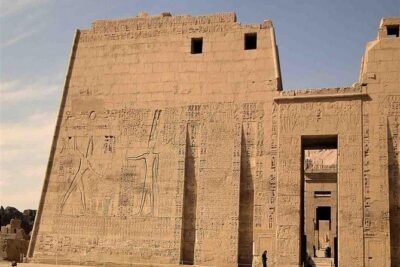 ★ 5.0Luxor Day Tour: Valley of Kings & Queens & Hatchepsut TemplesFrom $891,496 reviews
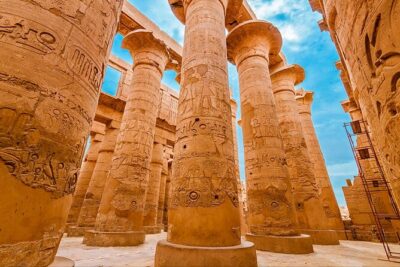 ★ 5.0Full Day Tour to East and West Banks of LuxorFrom $151,449 reviews
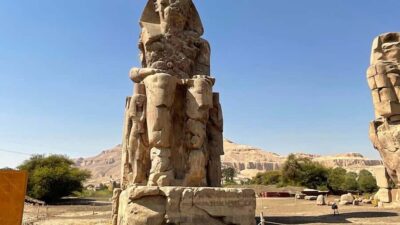 ★ 4.4Valley of the Kings and Hatshepsut Temple Day TourFrom $501,404 reviews
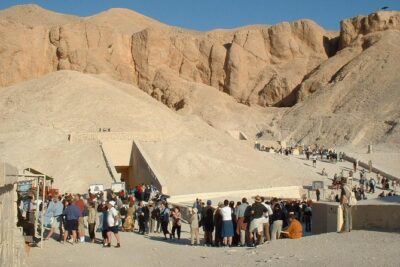 ★ 5.0Valley of Kings, Hatchepsut Temple ,Karnak & Luxor-DayTourFrom $95735 reviews
 ★ 5.0Full Day Tour of Luxor West Bank Temples and Tombs (Private)From $20722 reviews
 ★ 5.0Private Full-Day Luxor Highlights East and West BanksFrom $65663 reviews
 ★ 4.5Guided Tour to East or West Banks with LunchFrom $64604 reviews
 ★ 5.0Luxor Private Full-Day Tour: Discover the East and West Banks of the NileFrom $90545 reviews
The lists this one sits on