
REVIEW · LUXOR WEST BANK TEMPLES & TOMBS
Full Day Exploration in Luxor West Bank and Valley of the Queens
Seven hours on Luxor’s royal timeline. This full-day trip hits the West Bank big hitters, with expert explanations that connect pharaohs, royal women, and temple design. I love that the day includes admission tickets for the main tomb and temple stops, so you can spend less time fussing and more time looking.
I also love the smooth start, with hotel pickup and an air-conditioned ride plus drivers who know the archaeology road. In past visits, names like George, Amir, and Tony show up in guide descriptions, and that matters because good timing can cut down frustrating wait moments.
The one drawback to plan for is the physical side: you will do a fair amount of walking between sites, and tomb interiors can feel tight and crowded, even when everything runs well. Wear shoes you trust, and keep water handy, because the day can add up faster than you expect.
In This Review
- Highlights before you go
- The Luxor West Bank day that actually makes sense
- Getting picked up, then getting your bearings fast
- Valley of the Kings: where pharaohs went, and why it feels so intense
- A practical consideration
- Deir el Bahari and Hatshepsut’s terraces: temple design you can read
- One small heads up
- The Valley of the Queens: royal women and quieter power
- What to expect on timing
- Colossi of Memnon: the short stop that still sticks
- What the private format changes for your day
- Value check: how $19.99 can work on the West Bank
- Little tactics to make this day feel worth it
- Who this tour fits best
- Should you book this Luxor West Bank and Valley of the Queens day tour?
- FAQ
- How long is the full-day tour?
- What stops are included in the day?
- Is hotel pickup and drop-off included?
- Are admission tickets included?
- Is water provided during the tour?
- Is this a private tour?
- Do I need to tip?
- What is the cancellation window?
- Is the tour suitable if I have mobility issues?
Highlights before you go
- Hotel pickup plus air-conditioned vehicles to keep the day comfortable from start to finish
- Admission tickets included for the Valley of the Kings, Temple of Hatshepsut, and the Valley of the Queens
- Expert on-site guidance, with guides like Tony, Mina, Ahmed, and Marina named in past experiences for clear, fluent storytelling
- A private setup so your group stays together and you can move at a human pace
- A smart West Bank mix, pharaohs first, then royal women, then the iconic Colossi of Memnon photo moment
- One bottle of mineral water per day tour, so you are not stuck hunting for a refill
West bank tombs, one by one
- Luxor Day Tour: Valley of Kings & Queens & Hatchepsut Temples★ 5.0 · 1,496 reviews
- Full Day Tour to East and West Banks of Luxor★ 5.0 · 1,449 reviews
- Luxor: Valley of the Kings and Hatshepsut Temple Day Tour★ 4.4 · 1,404 reviews
- Luxor: Valley of Kings, Hatchepsut Temple ,Karnak & Luxor-DayTour★ 5.0 · 735 reviews
The Luxor West Bank day that actually makes sense
Luxor’s West Bank is often sold as a list of monuments. What I like about this format is that it feels like a guided story, not a scrapbook. You go to the burial valleys, then you hit Deir el Bahari for temple architecture, then you close with the Colossi of Memnon statues.
This matters because the sites are spread out and the details can blur if you are going solo. With a guide doing the connecting, you start recognizing patterns like how burial ideology and temple design match the power structure of the time.
Getting picked up, then getting your bearings fast
The tour is built around a morning start with pickup from your hotel and return at the end. You ride in an air-conditioned vehicle with a qualified driver, which is a real quality-of-life upgrade in Luxor.
In several experiences shared, drivers like George are credited with being familiar with the archaeological sites and even helping choose an efficient order. That does not mean you control every minute, but it does mean you are less likely to waste time sitting in traffic or shuffling at entrances.
Private also helps here. You are not playing the game of waiting for strangers with different pacing, cameras, and bathroom needs. Your guide can keep you moving as a unit.
Valley of the Kings: where pharaohs went, and why it feels so intense
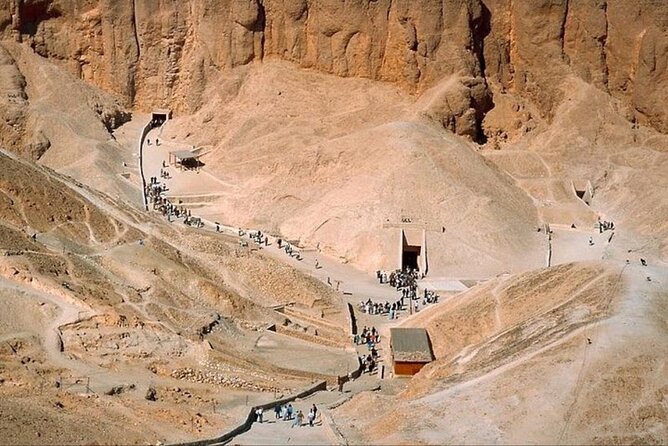
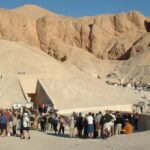
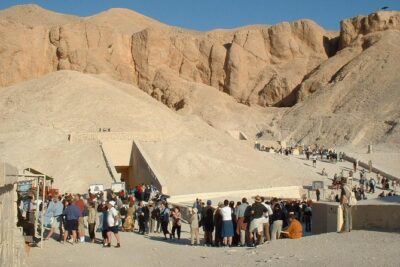
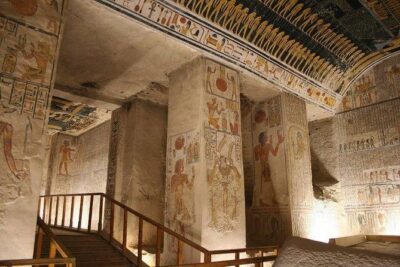
This is the core stop, with about 3 hours at the Valley of the Kings, and admission is included. The Valley of the Kings sits on the West Bank, directly across the Nile from Thebes, the ancient city. It is part of the Theban Necropolis, and it was used as the burial ground for pharaohs during the New Kingdom.
What makes this place click is the contrast between scale and purpose. From the outside, it can look like a cluster of valleys. Inside your head, it becomes a map of royal ambition, where each tomb is its own statement.
A good guide makes a huge difference here because you are not just looking at rock. You are looking at how the culture wanted the afterlife to work, and how the art and layout supported that idea. When guides like Ahmed or Tony are described as friendly and professional, that usually means they explain the big logic clearly before you start looking at the details.
A practical consideration
Tomb time can feel shorter than you want, because sites require a steady flow and not everyone moves at the same speed. If you love photos, give yourself a little buffer, especially around viewpoints and entrances, so you do not feel rushed.
Deir el Bahari and Hatshepsut’s terraces: temple design you can read
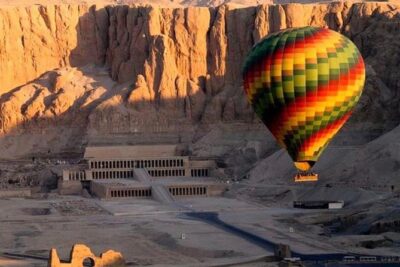
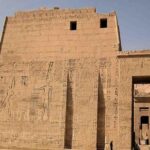
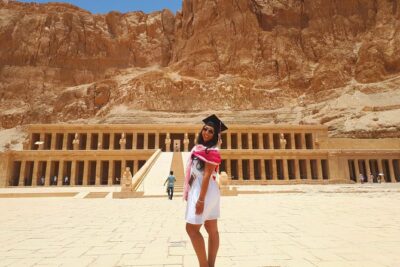
After the Valley of the Kings, you head to the Temple of Hatshepsut at Deir el Bahari for about 2 hours, with admission included. This temple is famous for its terrace-style plan. The structure is described as reaching roughly 97 feet (30 meters) high and using a sloping, stepped mortuary design.
The tour context also connects the temple to early planning narratives, including Mentuhotep II in the explanation of how the terraced concept fits into Middle Kingdom roots. Even if you are not chasing dates like a historian, the takeaway is architectural: the design intentionally guides you upward in layers, like the temple is turning a walk into a slow reveal.
Here is why I love this stop. It breaks the day out of the tomb-only rhythm. You spend time in open space, then you shift into an architectural story, with walls, terraces, and alignments doing the talking.
In past experiences, Marina is mentioned with a focus on female power in ancient Egypt, and that tone really works at Deir el Bahari. Hatshepsut’s story is not just about a name, it is about a ruler asserting authority through sacred building.
One small heads up
This stop is outdoors and exposed. Plan for sun and heat the same way you would for any West Bank day. Even if the vehicle is comfortable, you still need to be comfortable in the light.
The Valley of the Queens: royal women and quieter power
Then the day shifts to the Valley of the Queens, about 1.5 hours, with admission included. This site was historically known as Ta-Set-Neferu, meaning the place of beauty. It served as a burial ground for wives of pharaohs, and it is the West Bank counterpart to the Valley of the Kings.
This stop can feel more personal than the pharaoh valley, not because it is smaller, but because the subject matter reframes the whole story. Instead of the main royal line, you are looking at partners, consorts, and how the culture positioned women within the royal ideology.
A guide’s job here is to keep the context straight. You want to understand why the valley matters, which royal roles were honored there, and how the tomb art and layout reflect that status. In experiences that mention guides like Mina and Essam, the praise often points to explanations that make hieroglyphs and symbolism easier to follow, which is exactly what you need at a site like this.
What to expect on timing
Because the stop is shorter than the Valley of the Kings, you may need to choose what to focus on. If you are tomb-first, stick with your priorities. If you love viewing from a distance, spend a little extra time at the quieter angles so your visit feels complete even if not every interior space is a long stop.
Colossi of Memnon: the short stop that still sticks
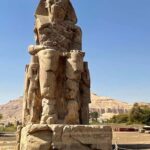
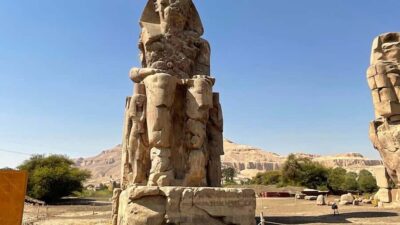
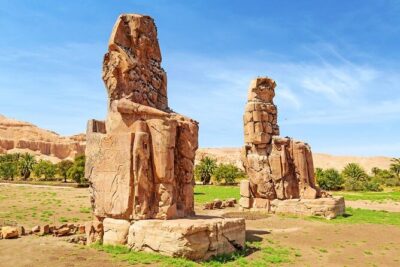
You finish with the Colossi of Memnon, about 30 minutes. Admission is described as free for this stop, and the statues guard the entrance of the dilapidated Mortuary Temple of Amenhotep III, which is noted as the largest temple within the Theban Necropolis.
These two massive stone figures are the kind of landmark you feel even after you leave. The scale helps you understand the rest of the day. You have seen the burial valleys and the terraced temple, and now you get an instant visual reminder of what monumentality looked like.
This is also a nice break in the schedule. Thirty minutes is long enough for photos and a quick read of the scene, but it does not drag out your day. In many West Bank days, that balance matters, because fatigue can make every extra stop feel harder than it should.
What the private format changes for your day
This is listed as a private tour, meaning only your group participates. That changes how the day feels in three ways.
First, you get one pace and one set of stops, instead of waiting for people. Second, your guide can target your questions, which is useful at sites where the symbolism can be confusing without direction. Third, you can usually manage your time better, especially if you want a bit more reading and fewer photos, or the reverse.
From the experiences shared, guides like Tony, Mina, and Ahmed are described as professional, fluent in English, and able to keep the day organized. The driver names also show up often, which usually means logistics were handled cleanly, not just dumped on the guide.
Value check: how $19.99 can work on the West Bank
At $19.99 per person, this is one of the more budget-friendly ways to cover multiple top West Bank sites in a single day. The key value piece is that admission tickets are included for the Valley of the Kings, Temple of Hatshepsut, and the Valley of the Queens. That alone often makes the price easier to swallow.
You also get:
- Round trip transfers in an air-conditioned vehicle
- An expert guide on the indicated sites
- Pick up from your hotel and return
- One bottle of mineral water per day
What you should keep in mind is that tipping is not included. That is standard in many guided experiences, and it is worth planning a small amount so you are not scrambling at the end of the day.
If you are a solo traveler, private can still be a decent deal if you care about explanations and you hate wasted time. If you are traveling with friends or family, private becomes even more appealing because you split the experience without turning it into a chaotic group compromise.
Little tactics to make this day feel worth it
Here are a few ways to get more out of the time you have.
- Arrive ready to ask questions. When guides like Marina or Mina are praised, it is usually because they can translate history into something you can actually see.
- Be decisive at tomb sites. You might be tempted to “do everything,” but your energy will cap faster than your curiosity.
- Take breaks in the right places. The vehicle is your reset button, and the Colossi stop is a natural breather.
- If you love photography, plan it in layers. Wide shots from outside first, then tighter views inside or at entrances, so you are not stuck chasing perfect light.
One extra detail you might see in similar West Bank circuits is a quick stop connected to alabaster, where visitors are shown how sculptures or vases are made. That is not guaranteed here as part of the core schedule, but it has appeared in past experiences, so keep it in mind if you are curious about local crafts.
Who this tour fits best
This tour is a strong match if you want:
- The big West Bank sites in one day
- Guided context at the tomb and temple level
- A private setup that keeps your group together
It is also a good option if you need help managing the route. Even when everything goes smoothly, the Valley of the Kings and the Deir el Bahari area can feel complicated without someone who knows the flow.
For mobility concerns, the operator notes that most travelers can participate. Also, one past booking specifically referenced a West Bank tour for mobility issues and still described a positive experience with pickup in a modern air-conditioned car. Still, the materials and site steps are not described here, so you should think about your own limits and bring a realistic plan for walking.
Should you book this Luxor West Bank and Valley of the Queens day tour?
If you want a guided, structured day that connects pharaohs, royal women, and temple architecture, I would book it. The admission inclusion for the major tomb and temple stops, plus hotel pickup and an air-conditioned vehicle, makes the price easier to justify.
I would skip it only if you are determined to wander completely independently or if you need very step-free, low-walking access. This tour is designed for seeing the sites efficiently, and that usually means you are moving throughout the day.
If you are on the fence, my practical advice is simple: go for it if you value explanations and organization, and pack comfort first. This is one of those Luxor days where the right guide can turn a hard-to-read archaeological site into a story you actually remember.
FAQ
How long is the full-day tour?
It runs for about 7 hours.
What stops are included in the day?
You visit the Valley of the Kings, the Temple of Hatshepsut at Deir el Bahari, the Valley of the Queens, and you also stop at the Colossi of Memnon.
Is hotel pickup and drop-off included?
Yes. Pickup from your hotel and return are included.
Are admission tickets included?
Admission tickets are included for the Valley of the Kings, the Temple of Hatshepsut, and the Valley of the Queens. The Colossi of Memnon stop is listed as free.
Is water provided during the tour?
Yes, you get 1 bottle of mineral water per day tour.
Is this a private tour?
Yes. Only your group participates.
Do I need to tip?
Tipping is not included.
What is the cancellation window?
You can cancel for a full refund up to 24 hours in advance of the experience start time.
Is the tour suitable if I have mobility issues?
The tour notes that most travelers can participate. One past experience specifically mentioned mobility issues and still had a positive outcome with hotel pickup in a modern, air-conditioned car, but exact site-level accessibility is not detailed here.
The West Bank, Tomb by Tomb
More of Luxor from our review pile
- Hot Air Balloon Ride and Tour to Valley of Kings Luxor- Special Offer
★ 5.0 · 15 reviews - 4-Hours tour West Luxor bank :Hatshepsut Temple & Valley of the King with Lunch
★ 5.0 · 15 reviews - Tour From Luxor to Aswan Edfu, Kom Ombo, Philae and High Dam
★ 5.0 · 15 reviews - Private Half-day Dendera Temple
★ 5.0 · 15 reviews - Luxor Airport Departure: Convenient Private Hotel Transfer
★ 5.0 · 15 reviews - Dahabiya Nile Cruise From Luxor To Aswan 4 Nights 5 Days
★ 4.5 · 15 reviews
Luxor West Bank Temples & Tombs, compared.
 ★ 5.0Luxor Day Tour: Valley of Kings & Queens & Hatchepsut TemplesFrom $891,496 reviews
 ★ 5.0Full Day Tour to East and West Banks of LuxorFrom $151,449 reviews
 ★ 4.4Valley of the Kings and Hatshepsut Temple Day TourFrom $501,404 reviews
 ★ 5.0Valley of Kings, Hatchepsut Temple ,Karnak & Luxor-DayTourFrom $95735 reviews
 ★ 5.0Full Day Tour of Luxor West Bank Temples and Tombs (Private)From $20722 reviews
 ★ 5.0Private Full-Day Luxor Highlights East and West BanksFrom $65663 reviews
 ★ 4.5Guided Tour to East or West Banks with LunchFrom $64604 reviews
 ★ 5.0Luxor Private Full-Day Tour: Discover the East and West Banks of the NileFrom $90545 reviews
The lists this one sits on