
REVIEW · HOT AIR BALLOONING OVER LUXOR
From Luxor:8-Night Luxury Nile River Cruise & Hot Air Balloon
Sunrise in Egypt has a sound.
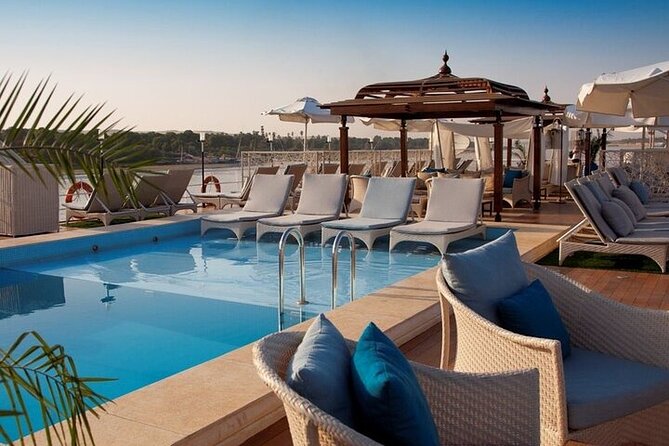
This 8-night Nile cruise from Luxor strings together the big-ticket ancient sites, with a guided focus and a hot air balloon ride over Luxor at first light. I like how the days are built around classic monuments, from the West Bank tombs to Karnak, while still giving you real time on the river. One thing to keep in mind is that this is a packed program, so expect early starts, long days on the road, and some temple crowds in the most famous places.
A cruise like this pays off if you want your planning done for you. You’ll still want to budget mental energy for heat, walking, and tight site schedules, especially on the long Abu Simbel day. And since you are on a ship, if you rely on internet every hour of the day, it is smart to have a backup plan for communication.
In This Review
- Key highlights worth planning around
- Why This Nile Cruise Works for First-Time Egypt Visits
- Luxor West Bank: Valley of the Kings, Hatshepsut, and Colossi of Memnon
- First-Light Magic: Hot Air Balloon Over Luxor, Then Sailing to Esna
- Edfu to Kom Ombo: Horse and Carriage, Then Two-Temple Contrast
- Aswan Day: Philae Temple of Isis and the High Dam Visit
- Abu Simbel Plus Nubian Village: The One Day You Plan Around
- A Leisure Day on Board: What It’s For and How To Use It
- North of Luxor: Abydos Temple and Dendera Temple Complex
- Luxor East Bank Finish: Karnak, Luxor Temple, and Sunset Felucca Tea
- Price and Included Value, Plus What You Still Need to Budget
- Should You Book This Luxor to Abu Simbel Cruise With a Hot Air Balloon?
- FAQ
- What’s the total duration of this experience?
- Where does the trip operate?
- Is pickup offered?
- What is the big extra experience added to the cruise?
- What meals are included?
- Which sites are included in the program?
- Is gratuity included?
- Is this tour private?
- What time does the experience start?
- If I cancel, do I get a refund?
Key highlights worth planning around
- Sunrise balloon over Luxor, then back to the boat and sailing toward Esna
- West Bank classics in sequence: Valley of the Kings, Hatshepsut at Deir el Bahari, and Colossi of Memnon
- Edfu by horse and carriage, a fun throwback between temples
- Abu Simbel is the day you circle on the calendar, with a full 8-hour block for the complex
- Aswan balances temples and Nubian culture, including Philae and a Nubian village visit
- Guide quality really drives the day, and names like Asma Saber, Gabriel, George, David, Ahmed, and Adam show up as standout examples
Other early liftoffs over Luxor
- Hot Air Balloon Ride in Luxor Egypt with Transfers Included★ 5.0 · 4,319 reviews
- Luxor: Hot Air Balloon Ride over Luxor Relics★ 4.8 · 1,681 reviews
- Hurghada: 2-Day Luxor Tour with Hotel, Balloon, & Boat Ride★ 4.5 · 1,113 reviews
- Luxor: Morning Hot Air Balloon Ride★ 4.4 · 736 reviews
Why This Nile Cruise Works for First-Time Egypt Visits
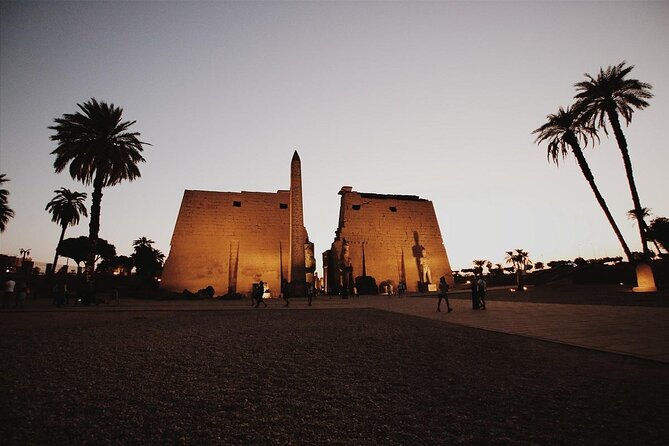
Egypt rewards focus. When you try to do Luxor and Aswan on your own, you burn days on transfers, ticket lines, and figuring out what to prioritize. Here, you get a structured route that links the river cities and the famous temples, with private transportation and a professional Egyptologist guide doing the explanation work.
The other value win is pacing. Yes, there are early mornings and full days, but the cruise format means you are not constantly checking into hotels. You wake up, eat, move to the next site, then return to the boat. On many itineraries, that is the difference between a trip that feels exhausting and one that feels manageable.
One more practical point: the trip is built around entrances and guided stops already tied to the program. That helps you avoid the common first-timer headache of missing something important because you did not know it was included or needed a timed entry.
Luxor West Bank: Valley of the Kings, Hatshepsut, and Colossi of Memnon
Your Luxor history tour starts on the West Bank, where the monuments feel like they are tuned to the setting sun, even if you are there earlier in the day. The Valley of the Kings visit is the core. You go into royal tombs including those of Ramesses III, Ramesses VI, and Mrenptah, and you also get entrance to the tomb of Tut-Ankh-Amon.
What I like about this lineup is how it gives you a clear story of power and legacy. These are not just random holes in a hillside. The tombs you visit fit together into a bigger picture of who these pharaohs were and what they expected the afterlife to look like.
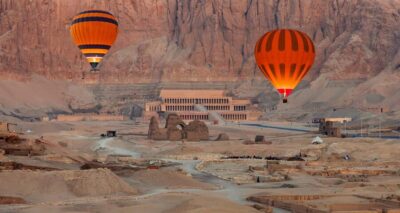
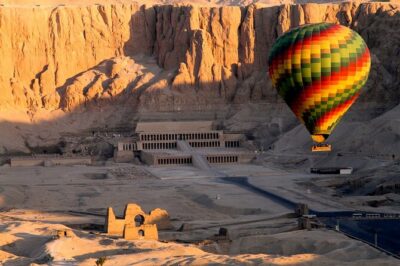
Then you head to Temple of Hatshepsut at Deir el Bahari, a site dedicated to Egypt’s famous female ruler who reigned for 20 years. Hatshepsut’s temple has that layered, terrace feeling that makes it easy to understand without needing a ton of prior background. You can also take your time with photos because the setting is so photogenic.
Finally, you see the Colossi of Memnon, the towering statues tied to Amenhotep III. Even with the short stop time, this is a satisfying anchor point. It gives you a quick visual “wow,” then you move on to explore Luxor city and its market area for about an hour.
Practical tip: tomb sites can mean uneven steps and dim light. Comfortable shoes matter. Also, bring something for sun protection even if parts of the day are in shade.
First-Light Magic: Hot Air Balloon Over Luxor, Then Sailing to Esna
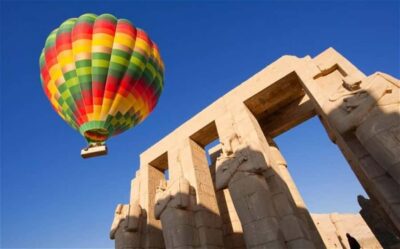
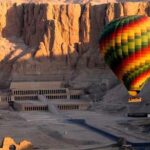
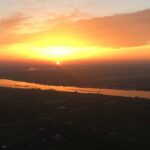
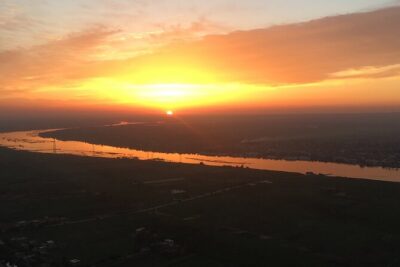
Day two starts before you are fully awake, but that is exactly why the balloon works. The morning ride is scheduled over Luxor so you can watch sunrise color the city and its surroundings. The program also describes passing over ancient villages and islands, which is a nice reminder that you are not just floating over buildings. You are floating above the Nile world that made this civilization possible.
After the balloon ride, you get back to the boat and sail toward Esna. This is a smart flow because it turns the most dramatic experience of the trip into something that sets the tone for the rest of the day, instead of consuming it.
A reality check: balloon rides depend on conditions, and schedules can be tight on travel days. What you can control is your readiness. If the operator asks you to be punctual for pickup timing, take it seriously. Early means early.
Edfu to Kom Ombo: Horse and Carriage, Then Two-Temple Contrast
In the morning you arrive in Edfu and go to Temple of Horus, described as the largest Ptolemaic temple in Egypt. This matters because it explains why the experience feels different from the older New Kingdom tomb areas. Horus Temple is big, formal, and highly structured.
You also get a horse and carriage ride to the temple. It sounds like a small line item, but it helps you transition from cruise life into temple life. It also adds motion and local flavor right before you walk into the main site.
In the afternoon, the program moves you to Kom Ombo. Here you visit a unique temple dedicated to two gods, with architecture that contrasts the two sides. That duality is what makes Kom Ombo memorable, because it is not simply one temple style repeated. It is designed for two sets of ideas and worship traditions within the same complex.
Cruise-day rhythm tip: afternoon heat can feel heavier than you expect. If you tend to get tired in strong sun, plan to slow down for photos and save your energy for the temple interiors, where shade can help.
More boats sailing the same stretch
Aswan Day: Philae Temple of Isis and the High Dam Visit
Aswan is where the trip shifts from pure ancient monument focus to ancient history plus modern Nile reality. After breakfast you visit Temple of Isis on Philae Island, with a dedicated stop time that gives you room to see the key features without feeling rushed.
Philae has that “complete temple” feel. It is also a good place to notice how different Egypt’s religious art looks across time periods. Even if you are not a museum person, the island setting and the temple scale do a lot of the teaching for you.
Then you visit the Aswan High Dam, a quick but important stop. It is not ancient, but it is part of the story of how the Nile is managed today. That kind of context helps you understand why the river corridor looks the way it does and why so many big projects happened around it.
After that, you get free time to discover Aswan and its ancient market area for about an hour. This is the right length if you want a taste of local life without losing too much time before the evening cruise routine.
Abu Simbel Plus Nubian Village: The One Day You Plan Around
If you like to pick one “main event” day, this is the one. Abu Simbel Temple Complex is scheduled for about 8 hours. That long block is valuable, because Abu Simbel is not just one photo spot. You want time to absorb the scale and work through the details at your own pace.
After Abu Simbel, you go back to the cruise for lunch, then you visit a Nubian village for about 2 hours. That combo is a smart way to avoid turning the day into an all-temple marathon with no human context. The Nubian village visit adds culture and everyday rhythm alongside the monuments.
This is also where you should be most prepared for logistics. Long distances and long days can be draining. If you pack a small kit for comfort, it pays off here: water plan, sun hat, and something simple to snack on if you get hungry between stops.
A Leisure Day on Board: What It’s For and How To Use It
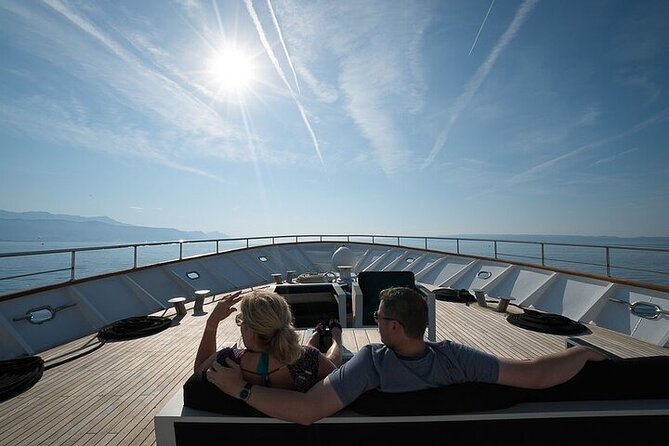
Day six is deliberately lighter on the calendar, with time at leisure on board. This is not wasted time. It is the reset you need after several full days of driving and site touring.
Use this day to do the practical stuff that always helps on a trip like this: relax, organize photos, and catch up on rest. If you are traveling with fatigue building up, this is the day that prevents the whole second half from feeling like a grind.
You can also use the ship time to observe the Nile differently. On many trips, you only see the river from the bus window. Here you spend real hours on the water, which makes the cruising part feel like part of your experience instead of just transportation.
One extra note: some people have had mixed experiences with onboard internet. So if you need to work or message constantly, plan for intermittent connectivity.
North of Luxor: Abydos Temple and Dendera Temple Complex
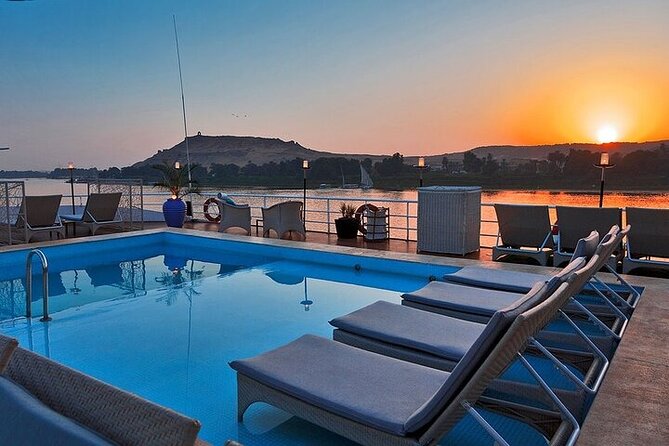
On day seven, you head north of Luxor. You pass everyday scenes, with your guide explaining history as you ride. That matters because temples on a map can feel distant, but the drive gives you context for how people live alongside these ancient sites.
First stop: Abydos Temple, with about 2 hours on site. The program highlights it as one-of-a-kind, with limestone architecture laid out over three stages. You also get history and explanations tied to the temple’s design, which makes Abydos feel less like a random detour and more like a meaningful destination.
Then you go to Dendera Temple Complex, dedicated to Hathor, goddess of motherhood. The program notes it dates back to the late Ptolemaic Period and sits on holy Egyptian ground. It also mentions the site being renowned for relics of religious structures built during the reign of Pharaoh Pepi the First. With time for photos, this stop is a good blend of learning and visual impact.
After Dendera, you transfer to your hotel. This is a clean handoff that keeps the end of your cruise days from feeling abrupt.
Luxor East Bank Finish: Karnak, Luxor Temple, and Sunset Felucca Tea
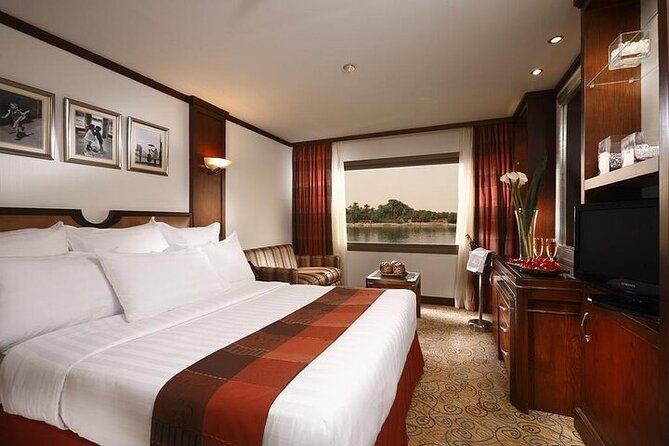
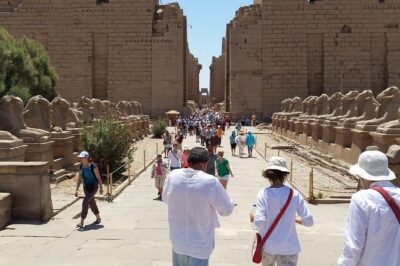
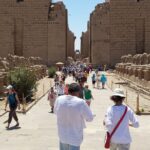
You end the sightseeing rhythm on the East Bank with two major temples. First is Karnak, described as the biggest temple complex in the world, with about 2 hours. Karnak can be overwhelming if you rush, so the guide is key here. A strong guide helps you pick out patterns, not just walls and columns.
Next comes Luxor Temple, built by Amenhotep III in the 18th Dynasty and completed by Ramses. It is shorter than Karnak, but it can feel more human in scale, especially because you are transitioning from the monumental to the more intimate parts of the sacred landscape.
Then you shift into a gentler ending: a felucca ride at sunset and a refreshing cup of traditional Egyptian tea for free. The program includes sailing and watching the sunset over the West Bank. It is a good closer because it lets you see the Nile from the water, not just the temples.
Practical tip: sunset timing can be cooler than midday, but you still want something light to cover up, especially if you get chilly easily on open boats.
Price and Included Value, Plus What You Still Need to Budget
The price is $1,357 per person for the 8-night luxury Nile cruise. For Egypt, that number looks big at first glance, but the value comes from how many moving parts it bundles together.
Here is what you can count as built-in value:
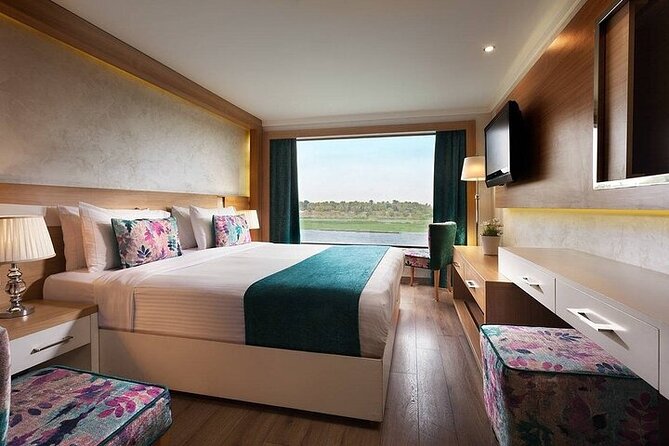
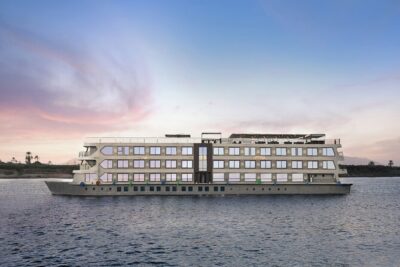
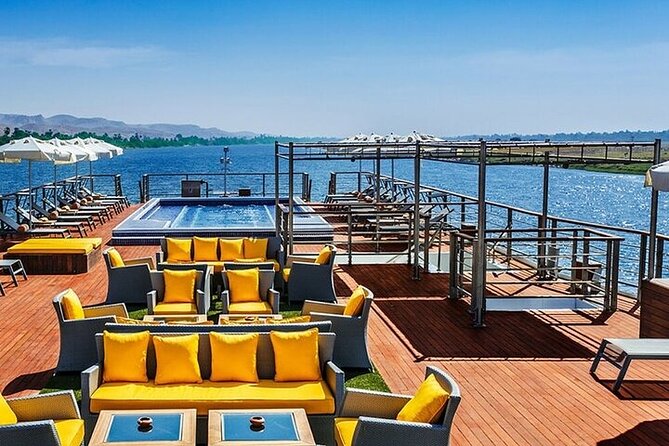
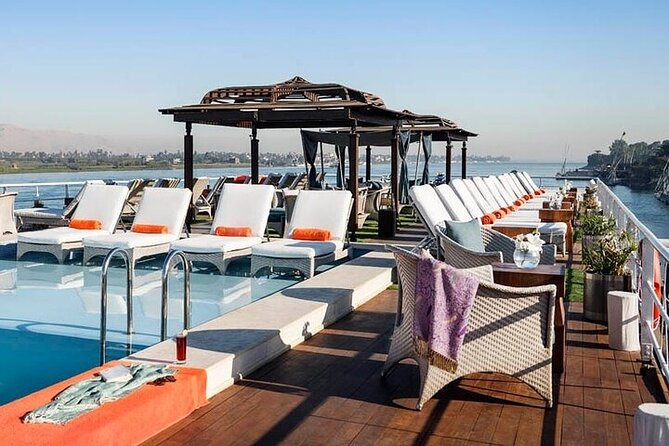
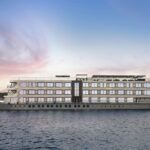
- A 5-star 8-night standard Nile cruise ship with a cabin and meals
- Meals on the schedule (breakfast, lunch, dinner)
- A professional Egyptologist guide plus all sites mentioned in the program
- Entrance fees handled for the included monuments
- Hot air balloon ride
- Local transport including private transportation and a motor boat
- Airport/hotel pickup and drop-off
What is not included is gratuities (optional). Since tipping norms can vary, I treat this as your personal budget line, not as a surprise fee.
Also remember: this is a cruise ship setup, and some travelers noted the food and service are in an Arabic style and there’s no alcohol in the hotel part of the trip. Meals are included, so you are not stuck without options, but your expectations help here.
One more value note: booking seems to happen well ahead. The average booking window is about 124 days in advance, which suggests demand for the route and the balloon slots. If you have a specific travel month in mind, earlier booking can help you secure dates.
Should You Book This Luxor to Abu Simbel Cruise With a Hot Air Balloon?
I think this cruise is a strong pick if you want a classic Egypt sweep without doing the logistics math. The biggest sell is the combination of West Bank tombs, major temple days like Karnak and Philae, and the standout “I will remember this forever” moments like Abu Simbel plus the Luxor balloon.
Book it if:
- You like having a guide handle history explanations, especially for sites like the Valley of the Kings, where context matters
- You want one trip that covers Luxor, Edfu, Kom Ombo, Aswan, and Abu Simbel
- You value a smoother experience with pickup, entrances, and transport arranged for you
Skip it or be extra cautious if:
- You do not like long days and early wakeups
- You are counting on nonstop internet onboard, since connectivity can be uneven
- You tend to get frustrated if plans need to shift, because this kind of trip depends on timing and schedules
If you book, do two things that make a difference: confirm your pickup and meeting timing in writing, and pack for sun and walking. Then let the guides do what they are best at, because names like Asma Saber, Gabriel, George, David, and Ahmed stand out for a reason: they turn stone into a story you can actually follow.
FAQ
What’s the total duration of this experience?
It runs for about 9 days. The cruise component is 8 nights.
Where does the trip operate?
The experience is based in Luxor, Egypt, with stops that include Luxor, Aswan, Abu Simbel, and other key sites along the Nile route.
Is pickup offered?
Yes. Airport or hotel pickup and drop-off are included.
What is the big extra experience added to the cruise?
A hot air balloon ride over Luxor is included.
What meals are included?
Breakfast, lunch, and dinner are included on the schedule listed for the trip.
Which sites are included in the program?
The program includes the Valley of the Kings, Temple of Hatshepsut (Deir el Bahari), Colossi of Memnon, Karnak Temple, Luxor Temple, Temple of Horus (Edfu), Temple of Kom Ombo, Philae Temple of Isis, Aswan High Dam, Abu Simbel Temple Complex, Abydos Temple, and Dendera Temple Complex.
Is gratuity included?
No. Gratuities are optional and not included.
Is this tour private?
Yes. It is described as private, meaning only your group participates.
What time does the experience start?
The start time is listed as 11:00 am.
If I cancel, do I get a refund?
You can cancel up to 24 hours in advance for a full refund. If you cancel less than 24 hours before the experience start time, the amount paid is not refunded.
Sailing Luxor to Aswan

Sunrise Over Luxor

More of Luxor from our review pile
- Hot Air Balloon Ride and Tour to Valley of Kings Luxor- Special Offer
★ 5.0 · 15 reviews - 4-Hours tour West Luxor bank :Hatshepsut Temple & Valley of the King with Lunch
★ 5.0 · 15 reviews - Tour From Luxor to Aswan Edfu, Kom Ombo, Philae and High Dam
★ 5.0 · 15 reviews - Private Half-day Dendera Temple
★ 5.0 · 15 reviews - Luxor Airport Departure: Convenient Private Hotel Transfer
★ 5.0 · 15 reviews - Dahabiya Nile Cruise From Luxor To Aswan 4 Nights 5 Days
★ 4.5 · 15 reviews
Hot Air Ballooning Over Luxor, compared.
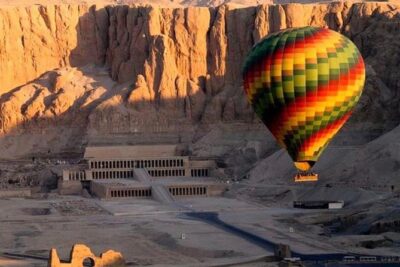 ★ 5.0Hot Air Balloon Ride in Luxor Egypt with Transfers IncludedFrom $754,319 reviews
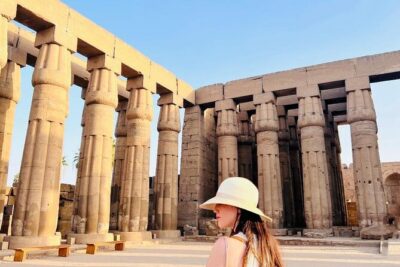 ★ 5.04-Days Nile Cruise From Aswan To Luxor including Abu Simbel and Hot Air BalloonFrom $3493,142 reviews
 ★ 4.8Hot Air Balloon Ride over Luxor RelicsFrom $881,681 reviews
 ★ 4.52-Day Luxor Tour with Hotel, Balloon, & Boat RideFrom $2701,113 reviews
 ★ 5.0Luxury Sunrise Balloon Ride in Luxor with Hotel PickupFrom $601,104 reviews
 ★ 4.4Morning Hot Air Balloon RideFrom $55736 reviews
 ★ 5.0Sunrise Hot Air Balloon Over the Historical sites in LuxorFrom $75697 reviews
 ★ 5.0Sunrise Hot Air Balloon Ride Over LuxorFrom $90648 reviews
The lists this one sits on