
REVIEW · NILE CRUISES BETWEEN LUXOR AND ASWAN
From Luxor: 5 Days 4 Nights Nile Cruise to Aswan
Five days on the Nile, temples included. I like how this Luxor to Aswan cruise stacks major monuments with real downtime on the water, all explained by an Egyptologist and wrapped in an all-inclusive package. You move from Karnak and Luxor Temple on day one, then you watch everyday river life and ancient sites take turns stealing the show.
I also love the practical value here: lodging, transfers, and meals are built into the price, so you spend less time budgeting and more time sightseeing. The main drawback to consider is that ship and cabin quality can vary, with some reports pointing to older rooms or noise, so it’s worth asking about your cabin location (especially if you are sensitive to engine noise or odors) before you get comfortable.
In This Review
- Key moments that make this Luxor to Aswan cruise work
- Luxor to Aswan by boat: why this route feels efficient
- Price and value: what $1,000.83 actually buys you
- Day 1: Karnak Temple and Luxor Temple, then your cruise check-in
- Day 2: The West Bank classics, Valley of the Kings to Deir el-Bahari
- Day 3: Temple of Horus at Edfu and Kom Ombo’s shared mythology
- Day 4: Aswan High Dam, Unfinished Obelisk, and Philae Temple for Isis
- Day 5 in Aswan: disembark with optional Abu Simbel or Nubian Village time
- Cabins, crews, and guides: where quality seems to land, and where it can wobble
- Who this cruise is best for (and who should think twice)
- Should you book this Luxor to Aswan Nile cruise?
- FAQ
- How long is the Luxor to Aswan cruise?
- Where does the tour start and end?
- Are pickup and transfers included?
- What’s included in the price?
- Are entrance fees included?
- Are meals included during the cruise?
- What about optional tours on the last day?
- Is tipping included in the tour price?
Key moments that make this Luxor to Aswan cruise work
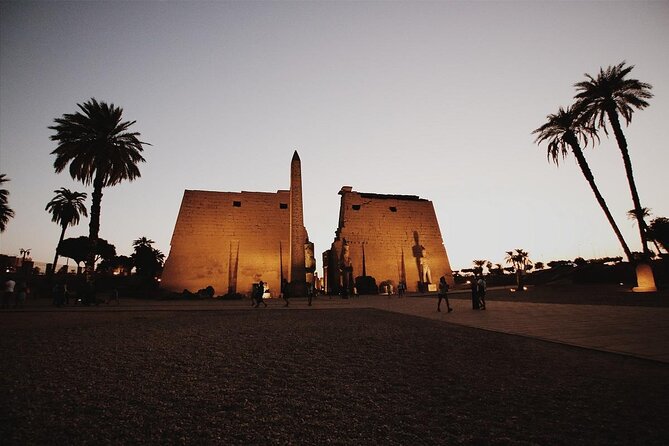
- Karnak + Luxor Temple in one guided day, including the Temple of Amun complex and Ramses II’s obelisk area
- Valley of the Kings + Deir el-Bahari, covering royal tombs and Queen Hatshepsut’s dramatic cliffside temple
- Edfu’s Horus Temple with scenes tied to the sacred conflict story of Horus and Seth
- Kom Ombo’s dual-god layout, shared by Sobek (crocodile) and Horus, with the Nile theme carried through
- Aswan stops that feel different, including the High Dam, the Unfinished Obelisk, and Philae Temple for Isis
- Day 5 flexibility in Aswan for optional Abu Simbel or a Nubian Village visit
More boats sailing the same stretch
- From Luxor: 3-Night Nile Cruise to Aswan and Hot Air Balloon★ 3.7 · 297 reviews
- 5 Days Private Guided Nile River Cruise Tour from Luxor to Aswan★ 5.0 · 229 reviews
- Historia Hotel Nile Cruise, Mon. from Luxor 4 nts inc. Excursions★ 5.0 · 185 reviews
- From Luxor: 5-Day Nile Cruise to Aswan with Balloon Ride★ 4.2 · 168 reviews
Luxor to Aswan by boat: why this route feels efficient
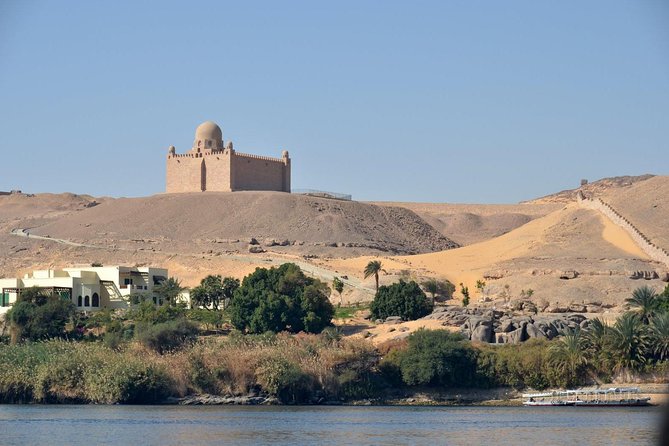
Doing Egypt by land can turn into a blur of long drives and constant check-ins. This cruise route helps you stay in “daylight tour mode” while the ship handles the in-between time. You see the East and West Banks of Luxor, then continue upriver to Temple of Horus at Edfu, move onward to Kom Ombo, and finally reach Aswan with a mix of modern and ancient landmarks.
The rhythm matters. You start with big-name sites that need a guide to make sense, then you get sailing time to cool down. That combo is ideal for first-timers who want the essentials without feeling like you are sprinting from ticket booth to ticket booth.
Price and value: what $1,000.83 actually buys you
At about $1,000.83 per person for roughly five days and four nights, the “value” is not just the cruise. The price is built around an included framework:
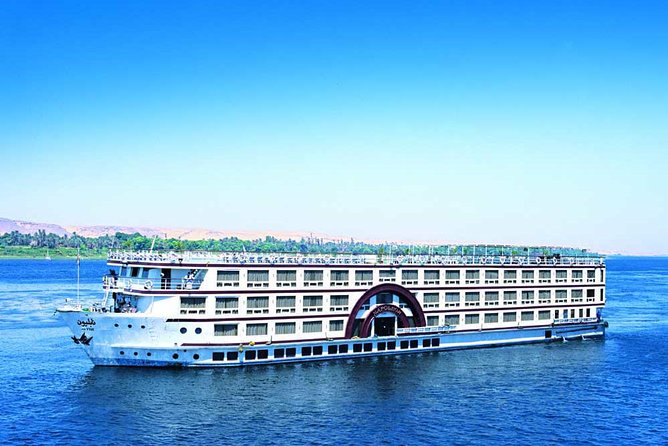
- 4 nights onboard on a 5-star cruise, full board (breakfast, lunch, dinner)
- Private A/C transfers and a meet-and-greet service
- All guided excursions named in the itinerary, including entrance to every listed site
- Bottled water during tours
- Service charges and taxes
That means fewer surprises when you get to the first temple. Entrance tickets are included for Karnak, Luxor Temple, Valley of the Kings, Hatshepsut (Deir el-Bahari), Edfu (Temple of Horus), Kom Ombo, Aswan High Dam, the Unfinished Obelisk, and Philae.
One note on budgeting: tipping is not included. That’s common in Egypt touring, but it is still a real line item. Also, optional tours on day five are on you, not included.
Day 1: Karnak Temple and Luxor Temple, then your cruise check-in
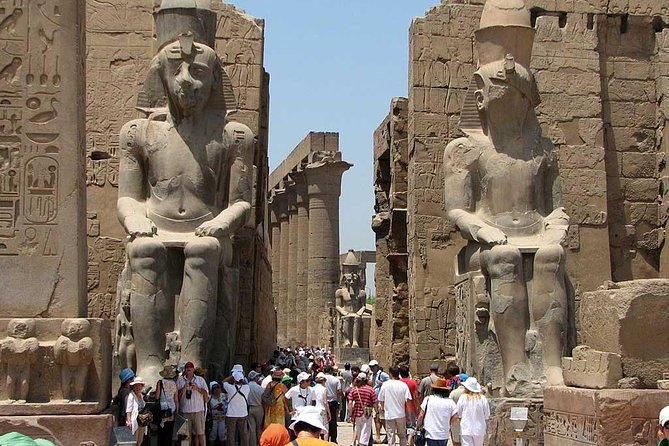
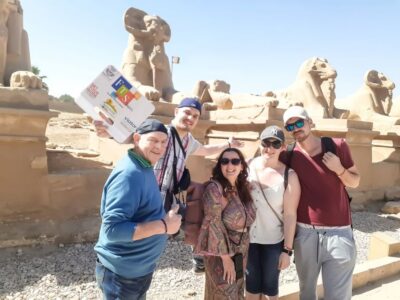
Your day starts in Luxor with a pickup and a handoff to your qualified Egyptologist guide. Then you head to Karnak Temple, dedicated to Amun and Mut. One of the most interesting ideas tied to this complex is that historians have linked it to the idea of an early international peace treaty, with an Egyptian version preserved on a wall in the Amun Temple at Karnak. It’s a reminder that these monuments were political tools as much as religious ones.
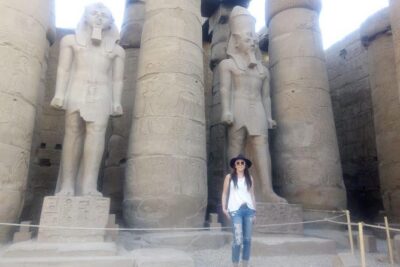
Next you visit Luxor Temple, built in the 18th Dynasty and completed in the 19th. It’s dedicated to Amun-Ra, Mut, and Khonsu (the Theban triad). You also get time to see the Ramses II obelisk area in front of the first pylon.
After the walking and photos, you transfer to your cruise and settle in. This pacing helps. You start strong, then you earn the wind-down time on the Nile.
Day 2: The West Bank classics, Valley of the Kings to Deir el-Bahari
Day two is all about the West Bank, where Luxor feels like an open-air archive.
First comes the Valley of the Kings, home to famous royal tombs. You’ll have guided time linked to tombs associated with names like Tutankhamun and other kings such as Ramesses VI, Tutmosis, and Amonhotep II. The real value of a guide here is interpretation. These sites look like stone doors in a valley until someone explains what you are looking at, and why certain tomb choices mattered.
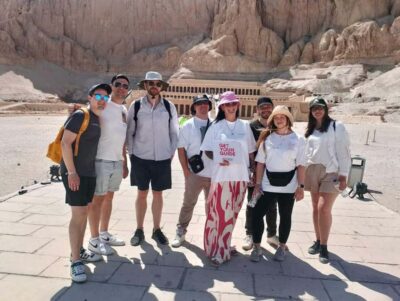
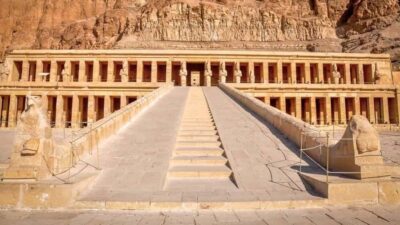
Then you move to Temple of Hatshepsut at Deir el-Bahari. Hatshepsut is known as the first pharaonic woman to rule, and she is also tied here to early trading routes. The temple’s setting on a cliffside makes the story feel cinematic, even if you just stay focused on details.
Finally, you visit the Colossi of Memnon, two large statues of Amenhotep III facing the Nile. There is an old story that after an earthquake shattered one statue, the lower part was said to sing, especially around sunrise. Whether or not you treat that as literally true, the site is still one of those Luxor moments where Egypt stops being theory and becomes size and stillness.
Afterward, you return to the cruise, and the ship sails onward to Edfu.
Day 3: Temple of Horus at Edfu and Kom Ombo’s shared mythology
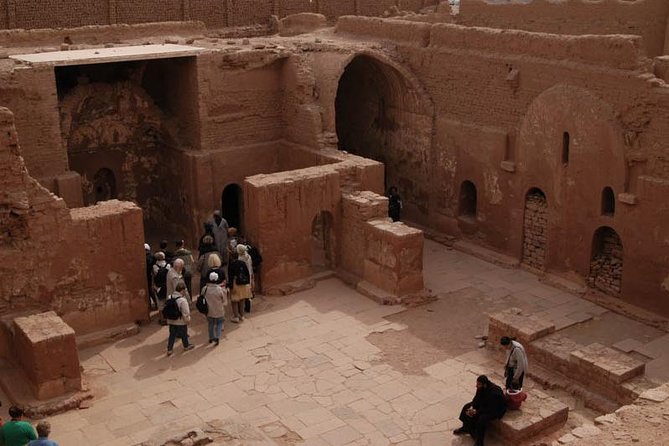
Edfu is one of the best days for people who want temples that feel structured and story-driven.
You start with Temple of Horus, where you can see important scenes and inscriptions tied to the sacred drama about the conflict between Horus and Seth. A guide helps you catch the patterns quickly, instead of getting lost in carvings that all start to look the same if you do not have a starting point.
Then you sail onward to Kom Ombo Temple. This temple is distinctive because it is shared by two gods, Sobek and Horus. Sobek is often linked with the crocodile and the Nile, plus themes like military strength and fertility. Horus connects to sky and kingship. The result is a temple experience where you can keep noticing how meaning gets split between the two halves, rather than feeling like you toured one more room full of stone.
Once you finish Kom Ombo, you head to Aswan by sail. The sailing time is not “wasted.” It’s when you can process what you just saw, plus watch the river come alive with everyday boats and riverbank life.
Day 4: Aswan High Dam, Unfinished Obelisk, and Philae Temple for Isis
Aswan adds variety because you’re not only touring ancient monuments. You also see how modern infrastructure changed the Nile story.
First is the Aswan High Dam. The standout detail here is practical: it controls Egypt’s water, and it can store about three years of Nile water. That single fact reframes everything you’ve seen so far. Ancient Egyptians built temples, tombs, and rituals around the Nile’s predictability. The High Dam is the modern version of controlling that flow, even if the reason and methods are totally different.
Next you visit the Unfinished Obelisk. The numbers matter because they show scale. The obelisk weighs 1,168 tons, and if it had been finished it would have weighed 1,200 tons. The story also connects to Giza because many casing stones for the pyramids were sourced from this quarry in Aswan.
After that, you go to Philae Temple, built for Isis, connected here with health, marriage, and wisdom. The guide framing helps make the temple feel more like a living belief system rather than a stop on a checklist.
You return to the cruise after Philae.
Day 5 in Aswan: disembark with optional Abu Simbel or Nubian Village time
After breakfast, you disembark. This day gives you a shorter window and a few choices, so you can match it to your priorities.
The optional tour you can consider includes Abu Simbel or a Nubian Village visit. If you prefer just breathing room, you can also spend time enjoying Aswan sights on your own. Day five is marked as 3 hours for this final chunk, so it is smart to decide in advance how ambitious you want to be.
Cabins, crews, and guides: where quality seems to land, and where it can wobble
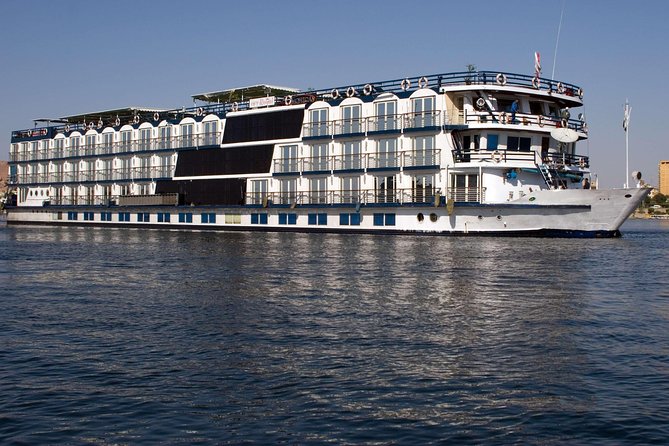
This is the part I pay attention to, because “5-star cruise” can mean different things in practice.
On the positive side, multiple reports point to good onboard food, a comfortable ship, and crew members who were caring. Some groups also praised specific Egyptologist guides by name, including Samir and Mohamed Mousa, for being organized and helpful.
On the practical caution side, there are also reports of problems you should proactively prevent:
- Some people reported being placed on a different ship than expected, then working with staff to resolve issues
- Cabin quality is not always consistent, including mentions of rooms being dirty, lacking hot water, or having air-conditioning issues
- There are complaints about cabins close to engines, including diesel odor
- Some departures reported Wi-Fi being paid
- When multiple boats are docked side by side, noise from nearby pumps can be a problem at night
- There are also mentions of guides being less effective for certain language needs or pacing concerns
My advice is simple. When you get details for your cabin category, ask where it is located and whether it is near the engines. If air-conditioning or hot water is important to you, confirm that early. Bring earplugs if you are a light sleeper. And do not assume the onboard experience will be identical across departures.
Who this cruise is best for (and who should think twice)
This tour fits best if you want an organized, ticket-covered Egypt trip that includes the big Luxor and Aswan anchors without you coordinating each transport leg. It’s also a solid match for people who prefer an Egyptologist guide to keep the symbols and stories straight.
It may be less ideal if:
- You are extremely picky about cabin condition or are sensitive to smells or noise
- You hate Wi-Fi limitations (since paid Wi-Fi is mentioned)
- You are traveling as a family and need strict room-by-room arrangements, because there are rare reports of families ending up separated onto different ships
If you are flexible and you plan to advocate for cabin comfort on arrival, it can be a great way to see a lot while still getting restful time on the Nile.
Should you book this Luxor to Aswan Nile cruise?
Yes, if you want all-in access to Karnak, Luxor Temple, the West Bank highlights, Edfu, Kom Ombo, and Aswan’s modern and ancient anchors in a format that keeps logistics simple.
But book with eyes open. Ask about your cabin location and confirm expectations for air-conditioning and hot water. Also plan your day five choice early if you care about Abu Simbel or the Nubian Village, since that part is optional.
FAQ
How long is the Luxor to Aswan cruise?
It is about 5 days, with 4 nights onboard.
Where does the tour start and end?
It starts in Luxor and ends in Aswan.
Are pickup and transfers included?
Yes. The tour includes a meet-and-greet service and all transfers by a private A/C vehicle.
What’s included in the price?
You get 4 nights of accommodation onboard on a 5-star cruise on a full board basis, all Nile cruise excursions listed in the itinerary with an Egyptologist guide, bottled water during tours, admission tickets for all listed sites, service charges and taxes, plus breakfast (4), lunch (4), and dinner (4).
Are entrance fees included?
Yes. Admission to Karnak Temple, Luxor Temple, Valley of the Kings, Hatshepsut Temple, Edfu Temple, Kom Ombo Temple, High Dam, Unfinished Obelisk, and Philae Temple is included.
Are meals included during the cruise?
Yes. Breakfast (4), lunch (4), and dinner (4) are included.
What about optional tours on the last day?
Optional tours are not included, but on day five you can choose options such as Abu Simbel or a Nubian Village, or spend time enjoying Aswan sights.
Is tipping included in the tour price?
No. Tipping is not included.
Sailing Luxor to Aswan



More of Luxor from our review pile
- Private Tour Nile Felucca Ride at Sunset in Luxor
★ 5.0 · 26 reviews - Private Full day East and West Bank, Luxor
★ 5.0 · 26 reviews - Luxor Day Tour: Kings Valley & Karnak & Luxor & Hatshepsut Temple
★ 5.0 · 26 reviews - Full-Day East and West Luxor Private Tour
★ 4.5 · 26 reviews - Day Trip to Edfu & Kom Ombo temples from Luxor and drop off in Aswan or Luxor
★ 5.0 · 26 reviews - 5 Days 4 Nights Nile Cruise Tour
★ 5.0 · 27 reviews
Nile Cruises Between Luxor and Aswan, compared.
 ★ 5.04-Days Nile Cruise From Aswan To Luxor including Abu Simbel and Hot Air BalloonFrom $3493,142 reviews
 ★ 4.54-Day 3-Night Nile Cruise from Aswan to Luxor including Abu Simbel, Air BalloonFrom $329612 reviews
 ★ 4.14-Day Nile Cruise from Aswan to Luxor with GuideFrom $830593 reviews
★ 4.54-Days Nile Cruise From Aswan To Luxor including Abu Simbel and Hot Air BalloonFrom $320509 reviews
★ 4.14-Day Nile Cruise from Aswan to Luxor with GuideFrom $830593 reviews
★ 4.54-Days Nile Cruise From Aswan To Luxor including Abu Simbel and Hot Air BalloonFrom $320509 reviews
 ★ 5.04-Day 3-Night Nile Cruise from Aswan to Luxor – Private TourFrom $504369 reviews
★ 4.54 Days Nile Cruise from Aswan to Luxor including Abu Simbel and Hot Air BalloonFrom $329356 reviews
★ 5.04-Day 3-Night Nile Cruise from Aswan to Luxor – Private TourFrom $504369 reviews
★ 4.54 Days Nile Cruise from Aswan to Luxor including Abu Simbel and Hot Air BalloonFrom $329356 reviews
 ★ 5.04-Day 3-Night Nile Cruise from Aswan to Luxor With Balloon and Abu SimbelFrom $311327 reviews
 ★ 5.04-Days Nile Cruise Aswan&Luxor,Hot Air Balloon&Abu Simbel.Hot dealFrom $524322 reviews
The lists this one sits on