
REVIEW · LUXOR WEST BANK TEMPLES & TOMBS
All-Inclusive Full Day To Explore Luxor’s East & West Bank
Luxor feels like two worlds in one day. This all-in-one full-day trip strings together Karnak and Luxor Temple on the east bank, then moves to the west bank for the Valley of the Kings and Hatshepsut, so you get the full pharaohs-and-afterlife vibe without bouncing around on your own. I love the way the tour keeps things moving with an Egyptologist guide who explains what you’re seeing and why it matters. One thing to consider: lunch is not included, so plan a meal either before you get picked up or after you return.
Because it’s private, it stays focused on your group, not a herd. You also get hotel pickup and drop-off on the east bank, plus an air-conditioned vehicle, bottled water, and the main entrance fees so you are not scrambling for paperwork at each site.
The day runs about 6 hours. You’ll cover major stops on both banks, but if you want specific tombs inside the Valley of the Kings, those can be optional extra tickets. If you keep that in mind, you can make the day feel complete instead of rushed.
In This Review
- Key highlights before you go
- Price and logistics: what makes this $89 feel like value
- Karnak Temple Complex: where the scale hits before the details
- Luxor Temple: Amenhotep III, Ramses II, and modern layers on top
- Valley of the Kings: New Kingdom tombs and the optional ticket question
- Hatshepsut at Deir el Bahari: three terraces built for legend
- Colossi of Memnon: a quick stop with big statue energy
- The guide experience: storytelling, reading hieroglyphs, and keeping you on track
- What to pack for a 6-hour Luxor day
- Who this tour suits best
- Should you book? My straight answer
- FAQ
- What is the price of this Luxor East and West Bank day tour?
- How long does the tour take?
- Do you pick me up from my hotel in Luxor?
- What’s included in the tour price?
- Is lunch included?
- Are optional tomb entry tickets included?
- Do I need to budget for tipping?
- Is the tour suitable for everyone physically?
- What is the cancellation policy?
Key highlights before you go
- East and West Bank in one day, so you see how Luxor’s temples and tombs connect across the Nile
- Main entrance fees included at the big sites, which keeps spending predictable
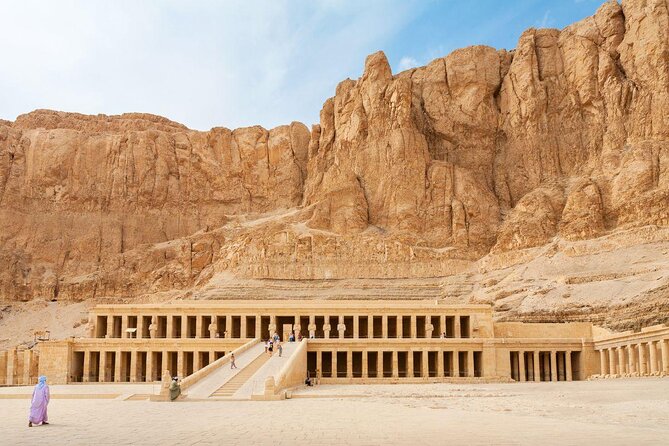
- Hatshepsut’s three terraces with scenes tied to the divine birth and the Punt expedition
- Valley of the Kings time set aside for New Kingdom tombs like Ramses II and Tut Ankh Amun, with optional tomb add-ons
- Colossi of Memnon as a quick, memorable photo pause (free admission)
- Guides can read hieroglyphs and tell the stories, especially on-site during the walks
West bank tombs, one by one
- Luxor Day Tour: Valley of Kings & Queens & Hatchepsut Temples★ 5.0 · 1,496 reviews
- Full Day Tour to East and West Banks of Luxor★ 5.0 · 1,449 reviews
- Luxor: Valley of the Kings and Hatshepsut Temple Day Tour★ 4.4 · 1,404 reviews
- Luxor: Valley of Kings, Hatchepsut Temple ,Karnak & Luxor-DayTour★ 5.0 · 735 reviews
Price and logistics: what makes this $89 feel like value
At $89 per person for roughly 6 hours, this is best read as a “pay once, get guided entry, and focus on the sites” deal. The cost matters most because entrance fees are included for the main stops, and the tour also includes an Egyptologist guide, bottled water, and private transportation. Those add up fast in Luxor, where you can easily burn time figuring out tickets and permissions on your own.
You do need to know what’s not in the box. Lunch is not included, and optional tomb entries in Luxor, like specific tombs in the Valley of the Kings, may require extra tickets. Tipping is also not included.
For first-timers, that trade-off is usually fine. A full day like this is about seeing the big monuments and leaving Luxor with a clear mental map: worship on the east bank, tombs and afterlife on the west bank.
Karnak Temple Complex: where the scale hits before the details
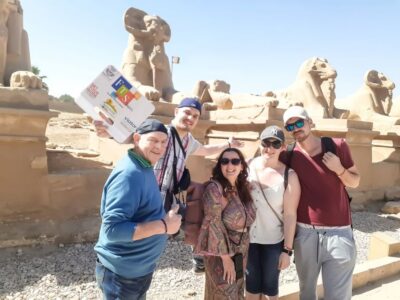
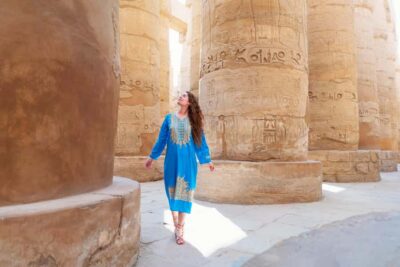
Karnak is the kind of place that makes you quiet without trying. The complex is huge, with a mix of temples, chapels, pylons, and other buildings that accumulated across eras, starting during the reign of Senusret I in the Middle Kingdom and continuing into the Ptolemaic Period. You’re walking through an open-air museum where the buildings don’t feel like a single monument. They feel like a city of sacred space.
This stop is about worship, especially the Theban triad: Amon, his consort Mut, and their son Khunso. If you care about context, this matters because Karnak wasn’t built just to impress. It was built to support a specific religious system, with different spaces tied to different roles in the ritual world.
Plan on about an hour here. That’s enough time to get oriented, understand the layout, and notice major features without turning it into a 3-hour slog. In warm months, Karnak’s open areas can feel exposed, so your water and AC time in between stops become part of the day’s comfort.
Luxor Temple: Amenhotep III, Ramses II, and modern layers on top
Luxor Temple is where the east bank shifts from sprawling compounds to something more focused and story-driven. The inner portion is believed to have been built by King Amenhotep III, while the outer part is linked to Ramses II. The temple walls also carry scenes connected to festivals held inside the complex, so it doesn’t feel like a static ruin. It feels like a place that once hosted events.
Then comes one of the coolest real-world wrinkles in Luxor: when you enter, you’ll find a mosque called Abu Al-Haggag built on the ruins of a church that was built on ruins within the temple. In other words, the site stayed important, even as religions and rulers changed. You’ll also see chapels tied to Thutmosis III and Alexander the Great, which adds more layers to the story you’re seeing.
You get about an hour at Luxor Temple, and that’s a good length for this stop. It lets you absorb the major parts and still stay on schedule for the west bank, where the day gets more intense.
Valley of the Kings: New Kingdom tombs and the optional ticket question
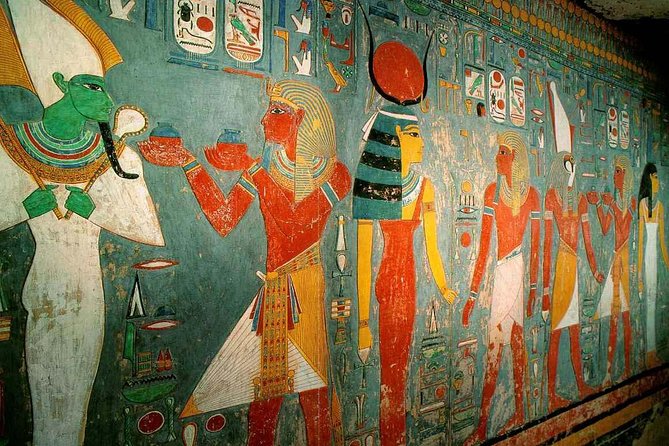
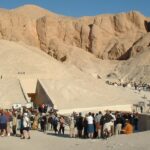
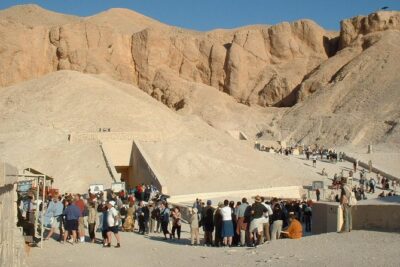
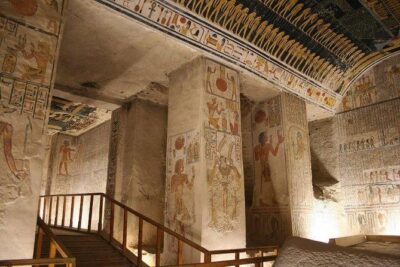
The Valley of the Kings is the west bank’s big headline. Here you’re looking for well-preserved tombs belonging to New Kingdom pharaohs, including Ramses II and Tut Ankh Amun. The setting itself is part of the experience, because the valley helps explain the purpose of these sites, the seriousness of an afterlife journey, and the way power got carved into stone.
You’re scheduled for about an hour at this stop, with admission ticket included for the general site. One important note: optional entry tickets in Luxor can apply for specific tombs. So if Tut Ankh Amun or other tombs like Ramses VI or Seti I are on your must-see list, you should be ready to pay extra on the day based on what’s available and what you choose.
My practical advice: decide your “one must-do” tomb ahead of time. Otherwise the extras can add up, and you may end up spending energy deciding instead of enjoying what you’re already seeing.
Hatshepsut at Deir el Bahari: three terraces built for legend
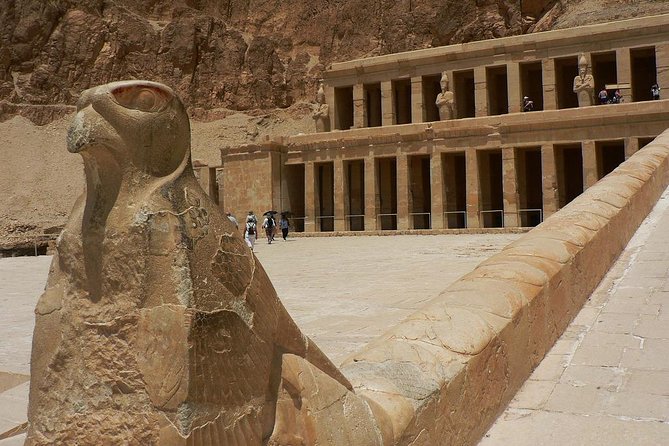
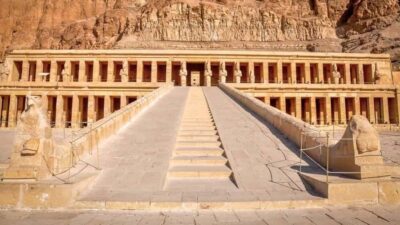
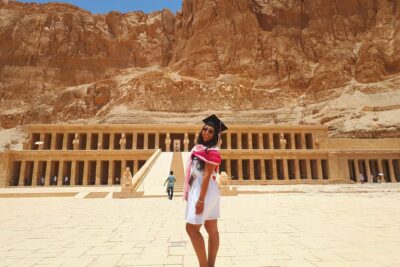
If you want a single stop that feels like pure architectural ambition, Hatshepsut is it. Her mortuary temple at Deir el Bahari is often called the Holy of Holies, and it’s built in three levels connected by ramps. That layout matters because you don’t just walk through a temple. You move through a designed climb.
The walls hold scenes tied to her divine birth and her commercial expedition to Punt Land. Those two themes work together. Divine legitimacy plus reach and trade. In other words, this isn’t only a monument. It’s a statement.
You’ll spend about an hour here. That’s plenty to take in the terrace structure, read key wall scenes with your guide’s help, and enjoy the viewpoint moments as you move between levels. Also, it’s mainly dedicated to worship the supreme god Amon-Ra, which helps tie the imagery back to what you saw earlier at Karnak.
Colossi of Memnon: a quick stop with big statue energy
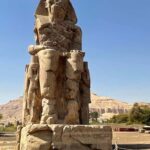
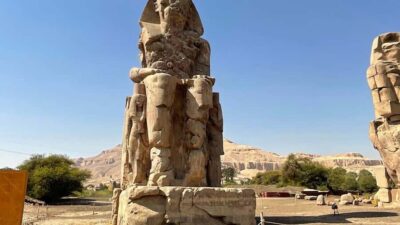
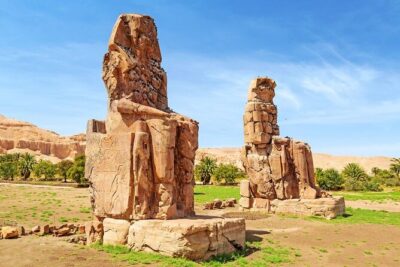
Colossi of Memnon are two massive seated statues representing King Amenhotep III. This stop is brief, about 15 minutes, and admission is free. Think of it as a palate cleanser after the more time-intensive tomb and temple stops.
Even with the short timing, it works well. You get that “wow, that’s enormous” moment without losing half your day. And if you like photos, this is an easy place to grab a couple of shots and let the day sink in for a minute.
The guide experience: storytelling, reading hieroglyphs, and keeping you on track
This tour runs on one big ingredient: your Egyptologist guide. The difference between seeing temples and understanding them is often one person with a calm voice and a good way to explain symbols.
From what I’ve seen in the tour’s guide lineup and the way past groups talk about them, the stand-out theme is energy with clarity. Some guides have gone beyond standard commentary to point out details and even read hieroglyphs during the visit. Names that have come up include Rania Raouf, Shimaa Arabi, Ghada Kamel, Ahmed Aziz, Emil, Mohamed Kamel Soliman, and Mr. Tayeb.
You also want a guide who can keep timing realistic. This day hits multiple major sites. When the guide is good at pacing, you don’t feel like you’re being herded through. You feel like you’re being guided, with stops that match the time needed to see and absorb.
What to pack for a 6-hour Luxor day
You’re moving between temples and tomb areas, and the itinerary assumes at least moderate physical fitness. It’s not described as extreme, but you should expect walking on uneven ground and stairs or ramps, especially at places like Hatshepsut.
Here’s what I’d bring because the day is outdoors in parts:
- Comfortable walking shoes with grip
- A hat and sunscreen
- A light layer for morning shade or late-day breeze
- Cash or card for optional tomb add-ons, since lunch and extra tickets aren’t included
Bottled water is included, which helps. Still, Luxor heat can mess with your energy, so treat hydration as part of the plan, not an afterthought.
Who this tour suits best
This is a great choice if you:
- Are doing Luxor for the first time and want east and west bank highlights in one day
- Prefer a private tour that stays focused on your group
- Want entrance fees handled for the main sites so you can spend your attention on the monuments
- Like your ancient Egypt with practical explanations, not just photos
If you’re someone who wants only a single tomb and nothing else, you may prefer a shorter or more specialized option. But for most people, this strikes a balanced pace: four main time blocks plus a quick statue stop.
Should you book? My straight answer
I think this is a smart booking if you want a well-structured day that covers Luxor’s biggest iconic hits without making you manage tickets and timing alone. The included entrance fees and the Egyptologist guide are the heart of the value, and the east-to-west flow helps you connect the dots between worship and tombs.
Book it if you’re okay with lunch being on your own and you might pay optional tomb fees depending on what you want to see. Skip or reconsider if you hate the idea of extra costs for specific tomb interiors, because the general Valley experience is included, but specific tombs can be add-ons.
FAQ
What is the price of this Luxor East and West Bank day tour?
It costs $89.00 per person.
How long does the tour take?
The duration is about 6 hours.
Do you pick me up from my hotel in Luxor?
Yes. Pickup and drop-off are included for hotels on the East Bank, specifically downtown.
What’s included in the tour price?
The tour includes an air-conditioned vehicle, an Egyptologist tour guide, main entrance fees, private transportation, bottled water, hotel pickup and drop-off (East Bank downtown), and tax.
Is lunch included?
No. Lunch and any other meals or beverages are not included.
Are optional tomb entry tickets included?
Optional entry tickets in Luxor, such as specific tombs in the Valley of the Kings, are not included.
Do I need to budget for tipping?
Tipping is not included.
Is the tour suitable for everyone physically?
It is listed for travelers with a moderate physical fitness level.
What is the cancellation policy?
Free cancellation is allowed up to 24 hours in advance of the experience start time for a full refund. If you cancel less than 24 hours before, the amount paid is not refunded.
The West Bank, Tomb by Tomb
More of Luxor from our review pile
- Private Tour Nile Felucca Ride at Sunset in Luxor
★ 5.0 · 26 reviews - Private Full day East and West Bank, Luxor
★ 5.0 · 26 reviews - Luxor Day Tour: Kings Valley & Karnak & Luxor & Hatshepsut Temple
★ 5.0 · 26 reviews - Full-Day East and West Luxor Private Tour
★ 4.5 · 26 reviews - Day Trip to Edfu & Kom Ombo temples from Luxor and drop off in Aswan or Luxor
★ 5.0 · 26 reviews - 5 Days 4 Nights Nile Cruise Tour
★ 5.0 · 27 reviews
Luxor West Bank Temples & Tombs, compared.
 ★ 5.0Luxor Day Tour: Valley of Kings & Queens & Hatchepsut TemplesFrom $891,496 reviews
 ★ 5.0Full Day Tour to East and West Banks of LuxorFrom $151,449 reviews
 ★ 4.4Valley of the Kings and Hatshepsut Temple Day TourFrom $501,404 reviews
 ★ 5.0Valley of Kings, Hatchepsut Temple ,Karnak & Luxor-DayTourFrom $95735 reviews
 ★ 5.0Full Day Tour of Luxor West Bank Temples and Tombs (Private)From $20722 reviews
 ★ 5.0Private Full-Day Luxor Highlights East and West BanksFrom $65663 reviews
 ★ 4.5Guided Tour to East or West Banks with LunchFrom $64604 reviews
 ★ 5.0Luxor Private Full-Day Tour: Discover the East and West Banks of the NileFrom $90545 reviews
The lists this one sits on