
REVIEW · HOT AIR BALLOONING OVER LUXOR
5 Days Nile Cruise Luxor Aswan Hot Air Balloon with Abu Simbel
Five days of temples, plus a balloon at sunrise. This Luxor to Aswan Nile cruise mixes major sights, long river views from a 5-star ship, and a hot air balloon ride over Luxor, with Abu Simbel as the big finale.
I really like the built-in structure: guided temple visits plus most major entrances included between Luxor and Aswan, so your days stay focused on seeing Egypt instead of managing logistics. I also enjoy how the schedule balances heavy classics (Karnak, Valley of the Kings, Edfu, Kom Ombo) with downtime on the ship, including nights with entertainment like belly dancing and Nubian shows.
The main catch is cost and timing. Two headline add-ons cost extra, the hot air balloon and Abu Simbel admission, and the balloon depends on weather.
In This Review
- Key highlights worth planning around
- Luxor to Aswan Nile cruise: what this route does well
- Luxor Temple and Karnak: your first wow factor on the east bank
- Hot air balloon over Luxor, then Valley of the Kings and Deir el-Bahari
- Edfu Temple and Kom Ombo: two stops, one river, two temple moods
- Philae, Aswan High Dam, and the Unfinished Obelisk in one Aswan day
- Abu Simbel: the long day that feels like a finale
- Food, entertainment, and onboard comfort on a 5-star Nile ship
- Price and logistics: what you’re paying for, and what to budget extra
- Who this cruise suits best
- Should you book this Luxor to Aswan Nile cruise with hot air balloon and Abu Simbel?
- FAQ
- What is included in the tour?
- Are the hot air balloon costs included?
- What if the hot air balloon ride is canceled due to bad weather?
- Is Abu Simbel admission included?
- Are there entrance fees for the other temples?
- Do I get an English-speaking guide?
- Is pickup provided?
- Is this tour private or group?
- Can I cancel for a full refund?
- Can the cruise accommodate dietary restrictions?
Key highlights worth planning around
- Hot air balloon over Luxor for a sunrise-style view of the Nile Valley (45 minutes, admission not included)
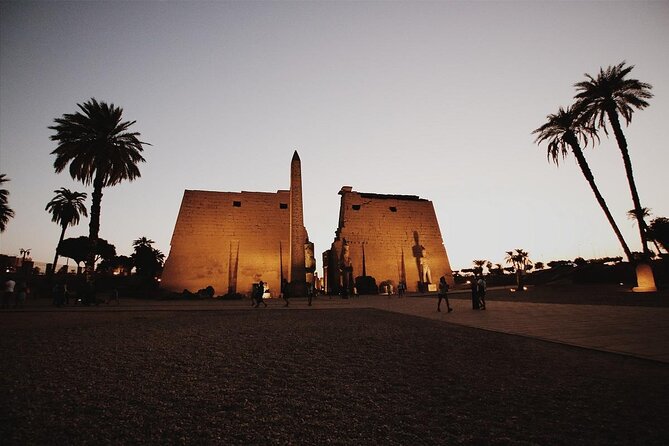
- Karnak and Luxor Temple on day one, both with admission included and a great first taste of Thebes
- Valley of the Kings and Deir el-Bahari in one long day, plus the quick stop at the Colossi of Memnon
- Edfu and Kom Ombo temples that show two different faces of ancient worship
- Philae, Aswan High Dam, and the Unfinished Obelisk in one structured Aswan day
- Abu Simbel as a full-day focus (7 hours on site time), with admission not included
Other early liftoffs over Luxor
- Hot Air Balloon Ride in Luxor Egypt with Transfers Included★ 5.0 · 4,319 reviews
- Luxor: Hot Air Balloon Ride over Luxor Relics★ 4.8 · 1,681 reviews
- Hurghada: 2-Day Luxor Tour with Hotel, Balloon, & Boat Ride★ 4.5 · 1,113 reviews
- Luxor: Morning Hot Air Balloon Ride★ 4.4 · 736 reviews
Luxor to Aswan Nile cruise: what this route does well
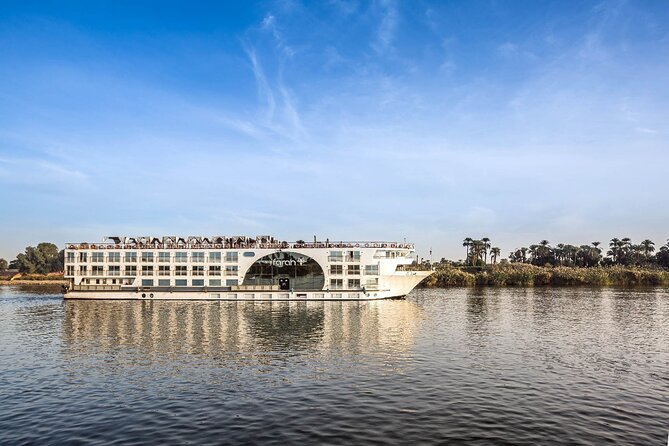
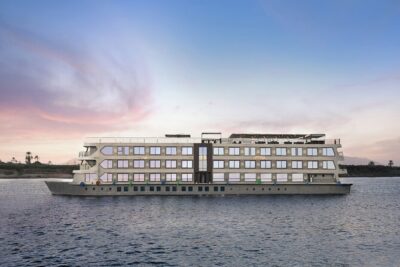
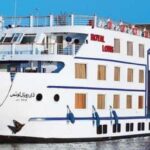
This is the kind of Nile trip that works because it follows the classic southbound flow: Luxor first, then the temple stops that dot the river, and finally Aswan with Abu Simbel. You get four nights onboard a 5-star cruise ship, and your days are filled with scheduled excursions while evenings are yours to enjoy the onboard rhythm.
You’ll like the value in what is included. Entrance fees to sights in Luxor and along the Luxor to Aswan route are covered, and you get an English-speaking tour guide during excursions on the cruise. Add in included breakfasts, lunches, and dinners, plus modern air-conditioned private vehicle transfers, and the day-to-day “how do we get there?” stress is reduced.
One small but important consideration: this is built for a full pace. The temples are the point, so even “lighter” moments are still in between sightseeing windows, not a slow sightseeing day where you wander for hours. If you want lots of solo time with no structure, you’ll want to protect that with deck time and ship downtime at night.
Luxor Temple and Karnak: your first wow factor on the east bank
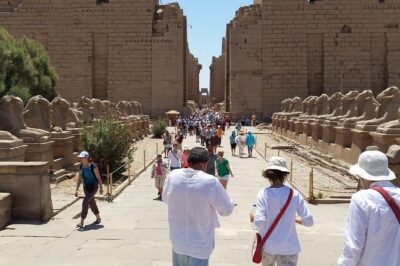
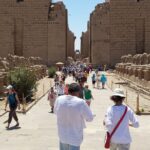
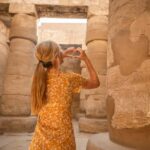
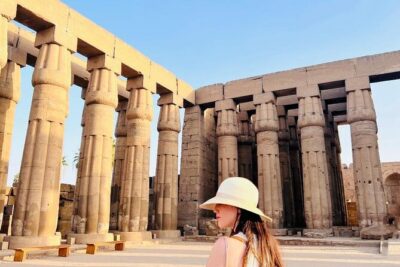
Your first day starts with Luxor Temple, a major tribute to Ancient Egyptian architecture and culture. It sits on the eastern bank of the Nile, in the area once known as Thebes, and it dates back to around 1400 BCE. The best part is that it feels like the right opening: grand, sacred, and easy to understand as soon as you’re inside the complex.
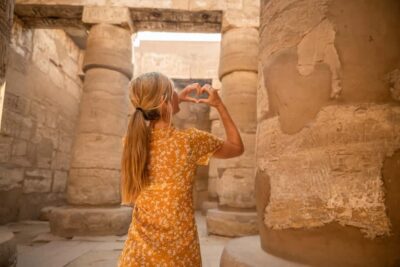
Luxor Temple is also a smart pairing with Karnak. Karnak is huge and layered, with construction beginning as early as Senusret I in the Middle Kingdom era, continuing later into the Ptolemaic period. Most of what you see today reflects the New Kingdom era, when Karnak functioned as the main worship center for the Theban triad with Amun as the chief deity. If you’ve ever wondered why Egypt’s temple plans feel so intentional and symbolic, Karnak is where it clicks.
Practical tip: wear shoes you can handle on uneven temple ground. You’ll do a lot of walking even with a guided pace, and the return to the ship afterward feels easier when your feet are happy.
Hot air balloon over Luxor, then Valley of the Kings and Deir el-Bahari
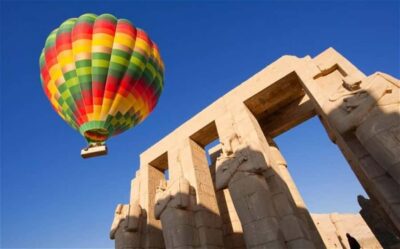
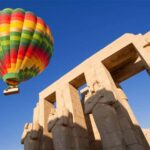
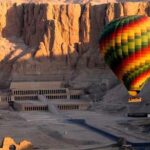
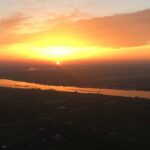
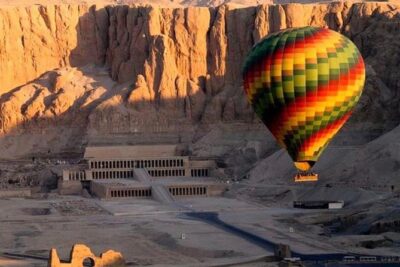
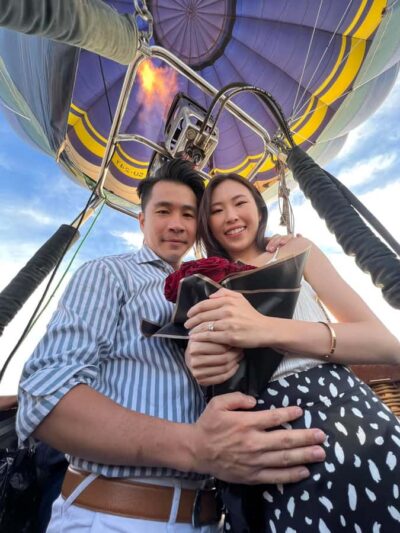
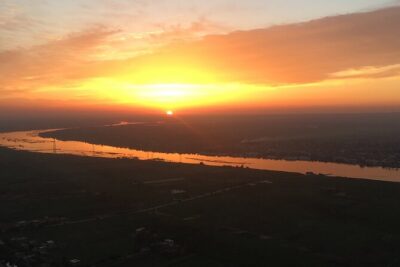
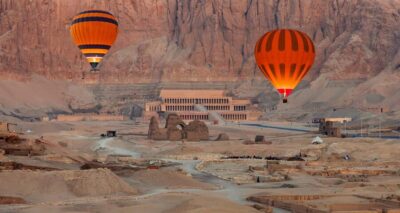
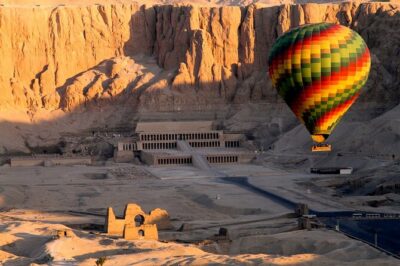
Day two is one of those days that sets the tone for the whole trip. In the morning, you’ll fly above Luxor with a hot air balloon ride, about 45 minutes, with balloon admission not included in the tour price. The view you want is simple: the Nile Valley, the river bend, and the ancient city shapes waking up in daylight.
Then you head into the famous royal necropolis zone. The Valley of the Kings is where artisans carved tombs into rock formations over roughly 500 years, from the 16th to the 11th century BC. It’s not just impressive because it’s old, it’s impressive because it shows how deeply the Egyptians planned for the afterlife, down to the effort put into burial space.
Next comes the Temple of Hatshepsut at Deir el-Bahari. This is a standout because it’s an engineered masterpiece from the 18th Dynasty. The layout is dramatic and the story behind it is powerful, but the key for you is how well it holds your attention during a guided visit.
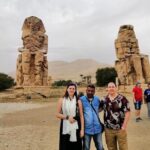
You also have the quick stop at the Colossi of Memnon. These two giant statues of Amenhotep III stand at the gateway of the former Mortuary Temple of Amenhotep III, and the stop is short, about 30 minutes. It’s a good way to keep momentum without wearing you out.
Edfu Temple and Kom Ombo: two stops, one river, two temple moods
After Luxor’s concentrated classics, the next highlight is Edfu. The Edfu Temple is dedicated to Horus, and it’s famous for being a revered sanctuary on the western shores of the Nile in Edfu. It also has Greek and Latin historical naming tied to Apollo, because of how cultures layered meanings across time. The point for you is that the temple doesn’t feel like a random stop. It feels like a major chapter in how worship traveled and evolved.
Then you move to Kom Ombo, known for its dual sanctuary setup. Kom Ombo Temple is built as a two-sided complex tied to different deities, with origins in the Ptolemaic dynasty and upgrades in the Roman era. This is the kind of place where the details help. When you look at the temple as two coordinated spaces rather than one single monument, it makes more sense and you enjoy it more.
A drawback to flag: these temple days can feel long because the contrast is big. You go from Egypt’s royal valley storytelling to the more structured, temple-by-temple rhythm of Edfu and Kom Ombo. If you fatigue easily, plan to cool down with water breaks and take a slower pace at points, even while staying with your group.
More boats sailing the same stretch
Philae, Aswan High Dam, and the Unfinished Obelisk in one Aswan day
Aswan is not only about temples. It’s also about how modern Egypt reshaped the Nile, and that’s why this day works. Philae Temple is located in the reservoir area created by the Aswan Low Dam, and it used to be near the First Cataract. It’s an example of how heritage has been relocated to survive changes in the river system. Visiting it feels like standing in a place that carries the past, plus a story about preservation.
After that, you’ll visit the Aswan High Dam, described as the world’s largest embankment dam, built between 1960 and 1970. This stop adds context. Even if you’re not a technical person, it helps you understand why the Nile looks and behaves differently today than it did in ancient times.
Then comes the Unfinished Obelisk. This is a powerful “process history” stop, because it’s an obelisk in a stone quarry that never made it to completion. It lets you imagine the scale of the work that went into ancient tools, and the site ties to an inspection in 1922 by Reginald Engelbach. It’s not as famous as the big temples, but it’s the kind of stop that can make your photos feel more human and more real.
Practical tip: Aswan can be hot. Bring sun protection and expect that this day is less about quick photo ops and more about steady walking with shade breaks when you can.
Abu Simbel: the long day that feels like a finale
Abu Simbel is the headline on this route. It’s a rock-cut complex with two colossal temples carved into stone, sitting near the Sudanese border area on the west bank of Lake Nasser. The visit is about 7 hours, and admission for Abu Simbel is not included, so you’ll want to budget for that ahead of time.
Why it’s worth it: Abu Simbel is far from Aswan by road distance, listed as about 285 km from Luxor and about 230 km southwest of Aswan. That distance matters, because it signals you’re not just popping into another temple. You’re doing a major excursion, and the time commitment is part of what makes the experience feel like a true capstone.
I’d also plan your energy around it. Abu Simbel is a “marathon moment,” so don’t schedule extra activities after your return to the ship. Let your body decompress. If you like taking photos, give yourself breaks so you’re not rushing at the end.
Food, entertainment, and onboard comfort on a 5-star Nile ship
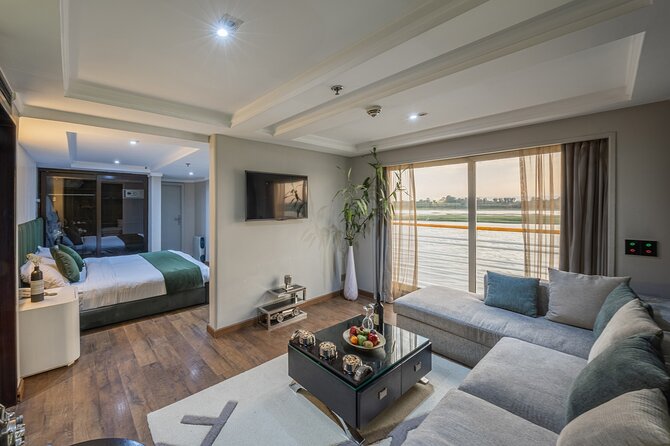
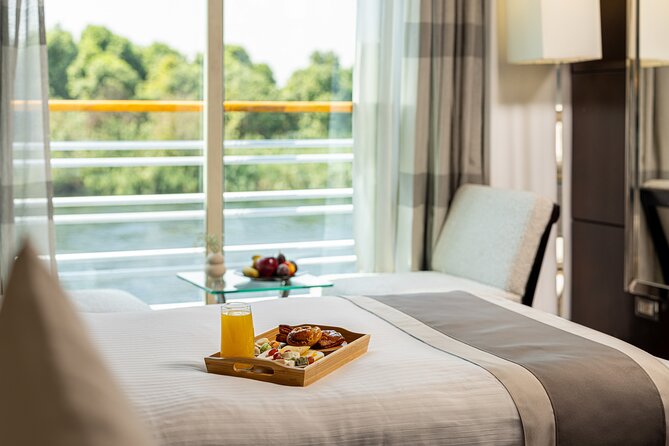
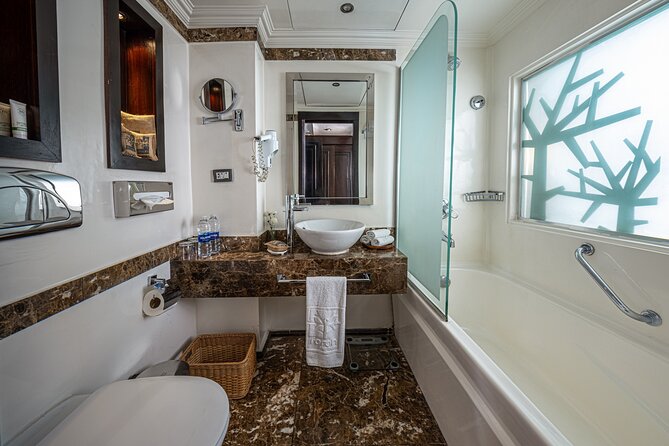
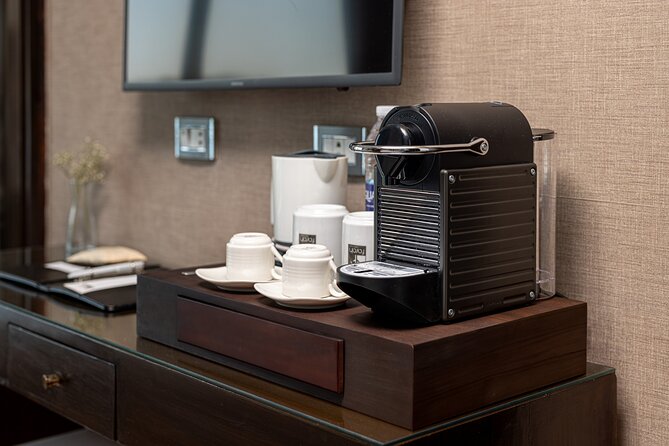
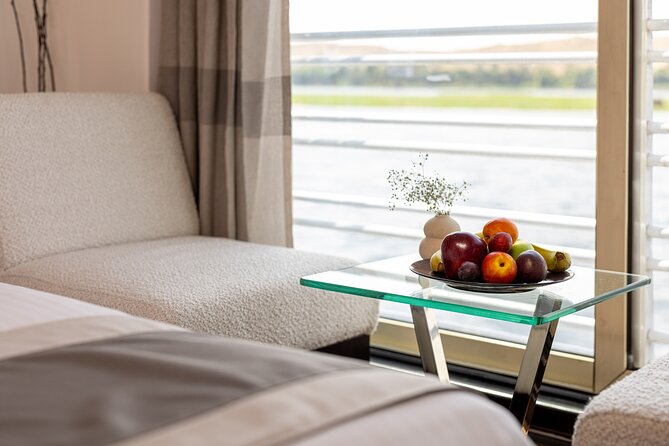
The cruise part is not just a floating hotel. It’s part of the experience design. You’ll have dinner and breakfast included for four days each, plus lunch for four days. And you’ll also have downtime options like relaxing on deck, using the pool, and spending time at an onboard spa if you choose.
The itinerary also mentions plenty of night entertainment. You may see belly dancing shows, gallabiyah parties, Nubian shows, discos, and more. For me, this is where the trip shifts from “temples all day” to “Egypt in the evening,” because the entertainment is not just performance. It’s a chance to see how culture is celebrated in a more relaxed setting.
Two other practical wins: you can shop for local crafts and souvenirs during port stops, and the ship experience includes guided tours and lectures about ancient Egyptian history. That combination helps the temples stick in your mind, because you’re not only seeing monuments, you’re getting the story behind them during the days.
Price and logistics: what you’re paying for, and what to budget extra
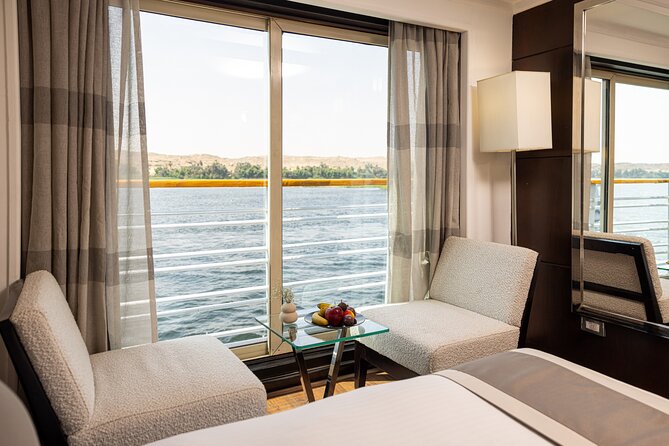
At $999.89 per person for about 5 days, this is priced like a “most of the hard stuff is handled” trip. You’re getting four nights onboard, included meals, meet and assist service upon arrival and departure, and private air-conditioned vehicle transfers for the excursions. Entrance fees are also included for sights in and between Luxor and Aswan, plus an English-speaking guide during excursions on the cruise.
So where do extra costs show up? Two big places: the hot air balloon admission (ride time is included, admission is not) and Abu Simbel admission (explicitly not included). Gratuities are also not included. If you’re doing the balloon and you want Abu Simbel in full, your real budget will be higher than the headline price.
One more logistics note: this is described as a private tour/activity, meaning only your group participates. That can feel more comfortable than large, rotating groups, and it usually makes timing smoother during temple visits.
Who this cruise suits best
This is a great fit if you want classic Ancient Egyptian sites without the hassle of booking everything separately. You also enjoy a mix of big sightseeing days and evenings where you can relax on a ship and enjoy entertainment.
It suits couples, friend groups, and solo travelers who want structure but don’t want to feel trapped. It’s less ideal if you prefer fully independent travel where every stop is your choice, because the schedule is built around guided visits and scheduled transfers.
Also, if you have dietary restrictions, the tour says it can accommodate things like vegetarian, vegan, and gluten-free. That’s a strong plus when you’re traveling in a place where food options vary by location.
Should you book this Luxor to Aswan Nile cruise with hot air balloon and Abu Simbel?
I’d book it if you want a well-paced, structured way to cover Luxor, Edfu, Kom Ombo, Aswan, and the Abu Simbel finale without micromanaging transportation and tickets. The strongest reasons are the combination of temple-focused excursions with included entrance fees between Luxor and Aswan, and the feel of a full ship experience at night with entertainment and onboard comfort.
I would pause if you’re very budget-sensitive, because two major add-ons are not included: the hot air balloon admission and Abu Simbel admission. If you’re okay planning for those extras, this cruise has the right mix of “wow factor” and practical support.
FAQ
What is included in the tour?
The tour includes 4 nights accommodation on board the Nile cruise (FB basis), meet and assist service upon arrival and departure, all transfers by modern air-conditioned deluxe vehicle private, entrance fees to all sights in and between Luxor and Aswan, an English-speaking tour guide during excursions on the cruise, and dinner (4), breakfast (4), and lunch (4).
Are the hot air balloon costs included?
The hot air balloon ride admission is not included, even though the ride time is part of the experience.
What if the hot air balloon ride is canceled due to bad weather?
If the hot air balloon ride is canceled due to bad weather, you receive a refund of $50 per person.
Is Abu Simbel admission included?
No. Abu Simbel Temple admission fee is not included.
Are there entrance fees for the other temples?
Entrance fees to sights in and between Luxor and Aswan are included.
Do I get an English-speaking guide?
Yes. There is an English-speaking tour guide during your excursions on the cruise.
Is pickup provided?
Pickup is offered, and transfers are handled by modern air-conditioned deluxe vehicle private.
Is this tour private or group?
It is a private tour/activity, and only your group will participate.
Can I cancel for a full refund?
Yes. You can cancel up to 24 hours in advance of the experience for a full refund.
Can the cruise accommodate dietary restrictions?
Yes. The tour states it can accommodate dietary restrictions such as vegetarian, vegan, and gluten-free, if you indicate your needs at booking.
Further South: Abu Simbel

Sailing Luxor to Aswan


Sunrise Over Luxor

More of Luxor from our review pile
- Hot Air Balloon Ride and Tour to Valley of Kings Luxor- Special Offer
★ 5.0 · 15 reviews - 4-Hours tour West Luxor bank :Hatshepsut Temple & Valley of the King with Lunch
★ 5.0 · 15 reviews - Tour From Luxor to Aswan Edfu, Kom Ombo, Philae and High Dam
★ 5.0 · 15 reviews - Private Half-day Dendera Temple
★ 5.0 · 15 reviews - Luxor Airport Departure: Convenient Private Hotel Transfer
★ 5.0 · 15 reviews - Dahabiya Nile Cruise From Luxor To Aswan 4 Nights 5 Days
★ 4.5 · 15 reviews
Hot Air Ballooning Over Luxor, compared.
 ★ 5.0Hot Air Balloon Ride in Luxor Egypt with Transfers IncludedFrom $754,319 reviews
 ★ 5.04-Days Nile Cruise From Aswan To Luxor including Abu Simbel and Hot Air BalloonFrom $3493,142 reviews
 ★ 4.8Hot Air Balloon Ride over Luxor RelicsFrom $881,681 reviews
 ★ 4.52-Day Luxor Tour with Hotel, Balloon, & Boat RideFrom $2701,113 reviews
 ★ 5.0Luxury Sunrise Balloon Ride in Luxor with Hotel PickupFrom $601,104 reviews
 ★ 4.4Morning Hot Air Balloon RideFrom $55736 reviews
 ★ 5.0Sunrise Hot Air Balloon Over the Historical sites in LuxorFrom $75697 reviews
 ★ 5.0Sunrise Hot Air Balloon Ride Over LuxorFrom $90648 reviews