
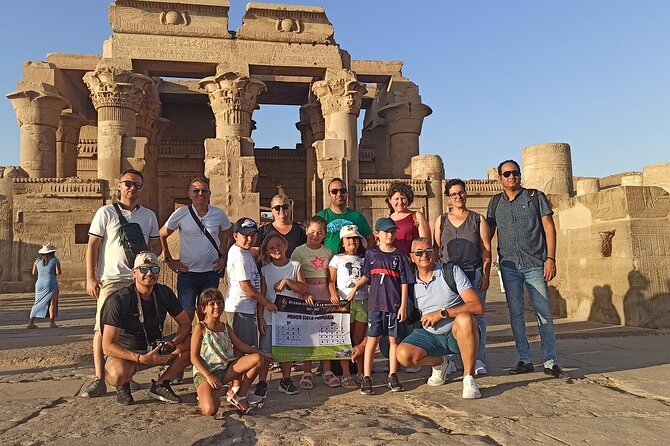
REVIEW · NILE CRUISES BETWEEN LUXOR AND ASWAN
5 Days Dahabiya Nile River Cruise from Luxor to Aswan
Sleeping on the Nile feels strangely easy. This 5-day Dahabiya cruise trades hectic jump-from-stop-to-stop touring for a calmer rhythm, while still landing you at major sites like Karnak, Valley of the Kings, and Philae.
I particularly like the way the trip is built around an onboard home base, so your day trips feel organized instead of chaotic. And I also like having an Egyptologist guide plus entrance tickets covered for the Luxor-to-Aswan circuit, which keeps the focus where it belongs: the monuments. The main drawback to consider is that the schedule is temple and tomb heavy, so you will be walking, climbing steps, and spending time in direct sun, even with breaks built in.
In This Review
- Key highlights worth planning around
- A Dahabiya Cruise from Luxor to Aswan, why the style matters
- Luxor day: Valley of the Kings, Hatshepsut, Colossi of Memnon, Karnak
- Edfu and Gebel el Silsila: Horus’s temple and the quarry behind famous stones
- Kom Ombo’s double temple: two gods, one building style
- Aswan’s heavy hitters: High Dam, Unfinished Obelisk, and Philae
- Boat life and full-board meals, what you should actually expect
- Price and logistics: is $1,999 good value for this route?
- How to time your day: pacing, walking, and heat management
- Should you book this Luxor to Aswan Dahabiya cruise?
Key highlights worth planning around
- Dahabiya-style cruise pacing that still hits the big New Kingdom and Ptolemaic landmarks
- Egyptologist guidance that helps the sites make sense, not just look impressive
- A tight Luxor to Aswan route that includes Karnak, Edfu, Kom Ombo, and Philae in one run
- Entrance fees included for the sights between Luxor and Aswan, so fewer add-ons to worry about
- Full-board meals on the boat for less time hunting food after long sightseeing blocks
More boats sailing the same stretch
- From Luxor: 3-Night Nile Cruise to Aswan and Hot Air Balloon★ 3.7 · 297 reviews
- 5 Days Private Guided Nile River Cruise Tour from Luxor to Aswan★ 5.0 · 229 reviews
- Historia Hotel Nile Cruise, Mon. from Luxor 4 nts inc. Excursions★ 5.0 · 185 reviews
- From Luxor: 5-Day Nile Cruise to Aswan with Balloon Ride★ 4.2 · 168 reviews
A Dahabiya Cruise from Luxor to Aswan, why the style matters
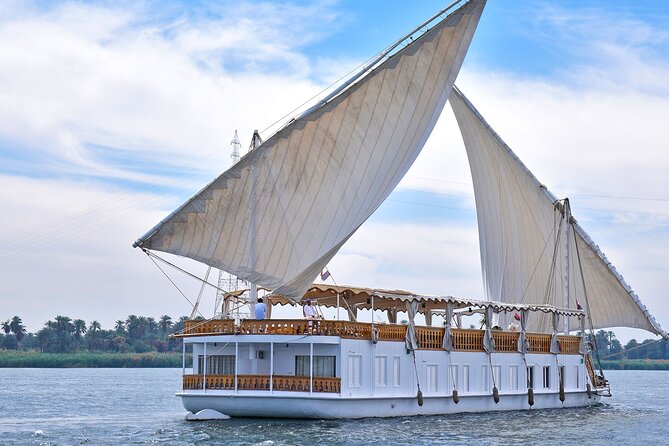
A Dahabiya Nile cruise hits differently than the big modern cruise ships. You get that slower, more local feeling as the scenery changes by the hour, and you are not constantly in and out of terminals.
This trip is also structured so you do not lose whole days to logistics. You’re moving between Luxor and Aswan with air-conditioned deluxe transfers and a clear order of sights, then returning to the boat for meals and rest.
If you like ancient Egypt as a whole story, this route works well. You start with royal power and funerary tradition, move through major cult temples, then finish with the “living edge” of Aswan landmarks and Philae’s island sanctuary.
Luxor day: Valley of the Kings, Hatshepsut, Colossi of Memnon, Karnak
Your first day is all about Luxor’s western and eastern icons, and it is a strong introduction to the New Kingdom.
Valley of the Kings is where rock-cut tombs were carved for pharaohs and powerful nobles for nearly 500 years, from the 16th to the 11th century BC. Even if you have seen photos before, standing there with the scale of the cliffs in front of you changes your sense of what this place was for.
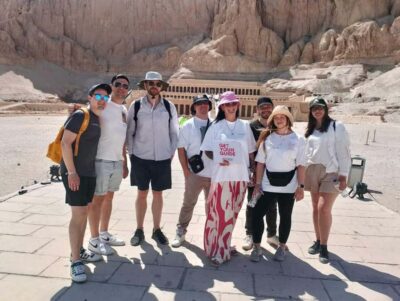
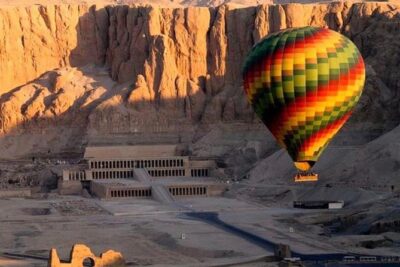
Next comes the Temple of Hatshepsut at Deir el Bahari, one of the best-known mortuary temples in Egypt. Hatshepsut’s reign is tied to this temple complex, and the setting across from Luxor makes the whole scene feel intentionally staged, like the landscape is part of the architecture.
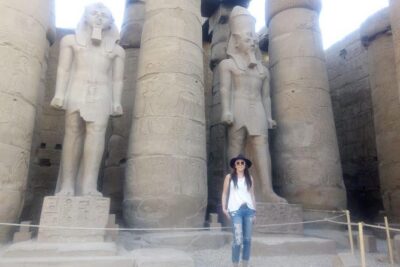
The Colossi of Memnon are quick but memorable. You only spend about 20 minutes here, yet two giant statues still do a good job of reminding you how monumental ancient building campaigns could be.
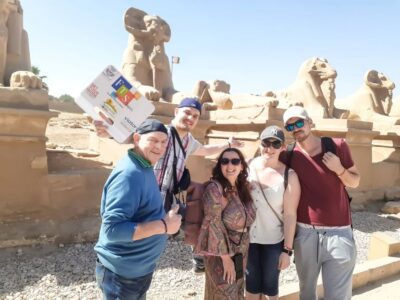
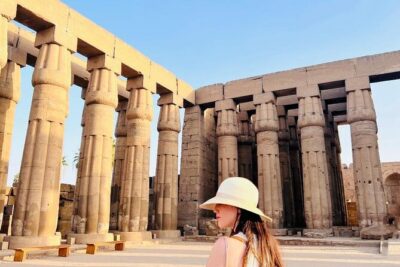
Finally, Karnak Temple Complex closes out the day in classic Luxor fashion. Karnak is not one single temple, it is a huge mix of decayed temples, pylons, chapels, and other structures near Luxor. Plan for a longer walk here, and bring your patience, because Karnak’s size rewards slow looking.
Practical tip: your first day is front-loaded. If you want the best photos, aim to take your time early, then let Karnak be your longer visual “wander.”
Edfu and Gebel el Silsila: Horus’s temple and the quarry behind famous stones
Day two shifts your focus from royal tombs to religious architecture.
At the Temple of Edfu, you’re stepping into a major Horus-linked sanctuary. The information tied to this site also highlights how Edfu was known in the Hellenistic period as Apollonopolis Magna, after Horus being identified with Apollo. That name change matters because it shows how Egypt’s religious world adapted under different empires.
Then you head to Gebel el Silsila, a quarry area famous enough to be described as a golden chain of mountains. The site sits about 65 km north of Aswan, between Edfu and Kom Ombo, and it was used as a quarry location from the 18th Dynasty of the New Kingdom (roughly 1550 to 1070 BC). The stones cut here helped build major projects including the Karnak Temple Complex and Luxor Temple, along with Medinet Habu and Kom Ombo.
This is one of the coolest “behind the scenes” stops on the route. Most visitors see finished temples. Here you see the source, and it changes how you picture the logistics of ancient construction.
Practical tip: Gebel el Silsila can feel windier and more exposed than some temple courtyards. A hat and sunglasses are worth the space, even if you are carrying a light day bag.
Kom Ombo’s double temple: two gods, one building style
On day three you arrive at Kom Ombo Temple, an unusual double temple built during the Ptolemaic dynasty between 180 and 47 BC. Later Roman additions were made, which means the site reads like a timeline in stone.
The “double temple” concept matters because it keeps Egypt’s temple-building tradition from feeling repetitive. Instead of one single sacred story, you get two linked religious spaces in one visit.
You spend about two hours here, which is a good amount of time for a site like Kom Ombo. Short visits can turn temples into quick photo stops. With the longer window, you can actually notice the layout choices and how the building presents different sections.
Practical tip: if you care about inscriptions and tiny details, Kom Ombo is the kind of place where you will benefit from your Egyptologist guide calling your attention to what to look for.
Aswan’s heavy hitters: High Dam, Unfinished Obelisk, and Philae
Day four brings you into Aswan’s modern and ancient mix, and it is a satisfying pivot after the Luxor and Nile-temple focus.
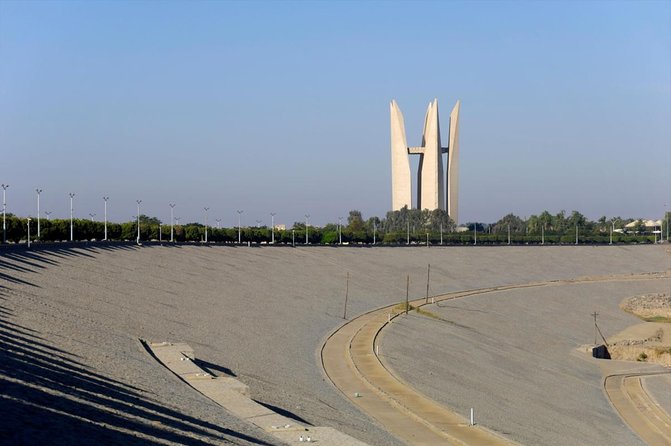
First is the Aswan High Dam, built across the Nile between 1960 and 1970. The dam is described as the world’s largest embankment dam, and it is often discussed as a landmark because it eclipsed the older Aswan Low Dam completed in 1902. Even though you are there for only about 30 minutes, this stop gives context for why Aswan’s ancient sites are experienced the way they are today.
Next is the Unfinished Obelisk, located in the northern stone quarries of ancient Egypt. This is the largest known ancient obelisk, and it was studied in detail by Reginald Engelbach in 1922. The unfinished aspect is the point. You are seeing the reality of ancient stoneworking, including what can stop a project midstream.
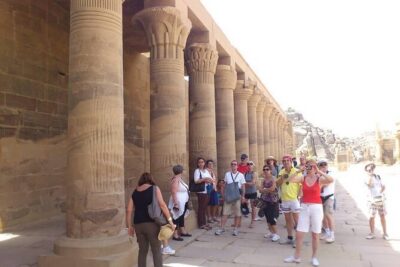
Finally, you visit Philae Temple. Philae sits on an island in the reservoir created downstream of the Aswan Low Dam and Lake Nasser. The temple complex originally was near the First Cataract of the Nile, and the shift in location is part of the story of modern Egypt reshaping ancient landscapes. You get about two hours here, which is plenty for letting the island setting sink in.
Practical tip: Philae’s island feel can mean stronger light and more glare than you expect. If you’re sensitive to bright sun, plan for it rather than improvising.
Boat life and full-board meals, what you should actually expect
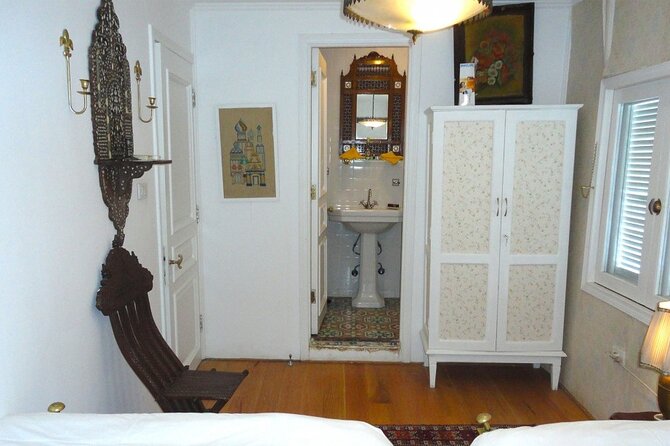
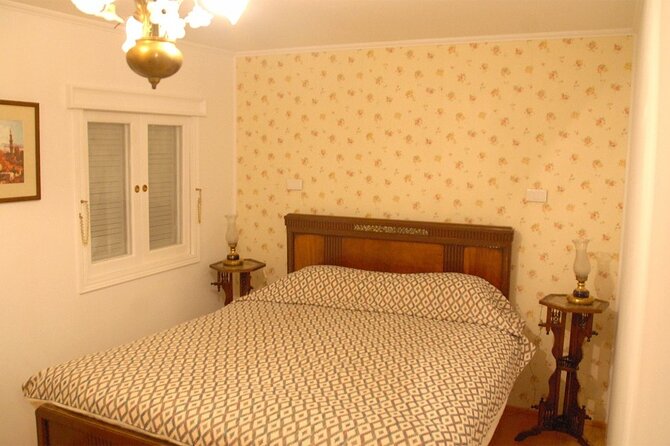
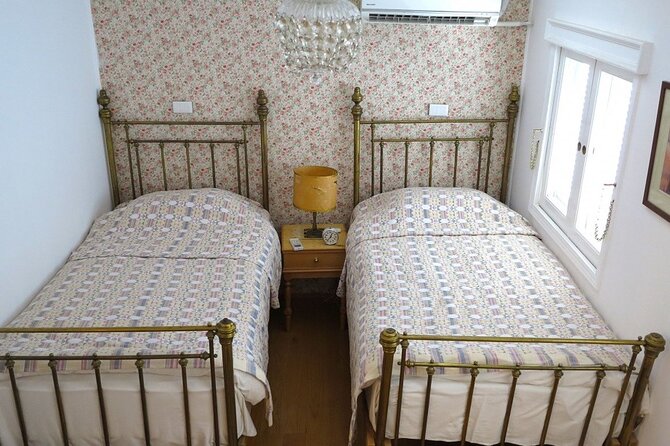
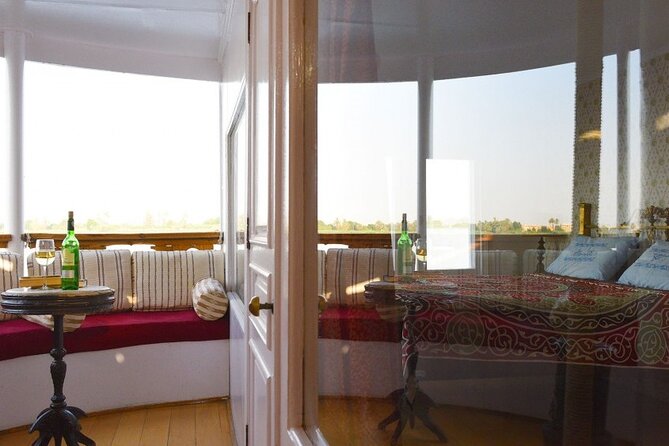
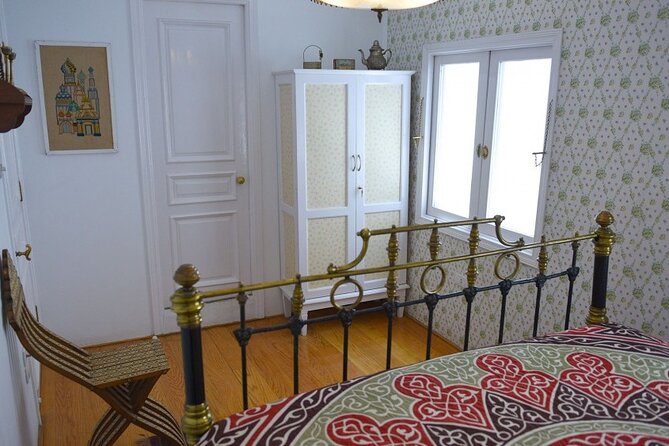
This cruise includes four nights onboard a 5-star Dahabiya on a full-board basis, with breakfast (4), lunch (4), and dinner (4) included. That matters more than it sounds. It reduces friction on sightseeing days, because you’re not deciding where to eat while you’re tired.
The experience quality also comes from crew attention. In past sailings, people highlighted that the staff was very attentive and the boat experience stayed clean. In other words, the comfort side is not treated as an afterthought.
Your downtime is part of the value. After long days at Karnak, Edfu, and Philae, it is a relief to return to the boat and have your next day’s rhythm already handled.
Practical tip: bring a light layer for evenings. Nile air can shift after a day of heat, and you’ll be happiest if you do not rely on luck.
Price and logistics: is $1,999 good value for this route?
At $1,999 per person, you are paying for a package that covers more than just sailing time. Based on what’s included, you’re also covering:
- Accommodation for 4 nights onboard a 5-star Dahabiya
- Full-board meals for 4 days
- All transfers in an air-conditioned deluxe vehicle
- Egyptologist guide support
- Entrance fees for the sights between Aswan and Luxor
That is the big value argument. If you tried to build this yourself, costs would spread out across lodging, guide time, entrance tickets, and private transport. Here, the budget is consolidated, and you know what you are paying for.
What’s not included is also important: tipping and personal expenses. If you usually tip based on service level, set aside a daily amount so it does not become an afterthought.
Two other cost considerations: there may be an additional fee during peak dates from December 20 to January 7. And if you travel in a group, room arrangements can change based on how you book, including options for single occupancy when you want your own room.
Also, this is a private tour/activity, meaning only your group participates. That can be a big deal for comfort and pacing, especially when sites get busy.
Finally, there is a weather and minimum-traveler safety net built into the offer. If the program is cancelled due to poor weather, you are offered a different date or a full refund.
How to time your day: pacing, walking, and heat management
Most of the monument stops are not “sit down and watch.” They involve real walking, steps, and outdoor light.
Here’s how I’d plan your mindset:
- Arrive ready for temples to take longer than the clock suggests, especially Karnak.
- Keep your sun gear practical: hat, sunglasses, and sunscreen.
- Wear shoes that handle uneven stone and stairs without complaint.
- Hydrate on sight days, then slow down on the boat.
This is especially true for the Valley of the Kings and Philae. Tomb entrances and island temples can be physically demanding in hot weather. Even with included tickets and guide support, your body still has to do the work.
If you want photos that feel calm rather than crowded, take your time at the first stop of each day. Then accept that the later ones may be more rushed, because your legs are tired and the light shifts.
Should you book this Luxor to Aswan Dahabiya cruise?
I think this is a smart booking if you want a classic Luxor to Aswan circuit without turning your trip into a constant travel treadmill. The combination of Dahabiya comfort, an Egyptologist guide, and entrance fees included for the core sites makes it feel like a well-contained package.
You should also consider it if you like getting context, not just seeing monuments. Stops like Gebel el Silsila add a layer that many people miss, and that makes the days feel more connected.
Skip it or rethink it if you hate walking or know you get uncomfortable with long outdoor sightseeing days. This route stacks major attractions in a short window, so it’s best for people who can handle heat, stairs, and close-up time at archaeological sites.
If you book, my best advice is simple: pack for the sun, keep your expectations focused on the monuments, and let the cruise calm your pace between stops.
Sailing Luxor to Aswan



More of Luxor from our review pile
- Hot Air Balloon Ride and Tour to Valley of Kings Luxor- Special Offer
★ 5.0 · 15 reviews - 4-Hours tour West Luxor bank :Hatshepsut Temple & Valley of the King with Lunch
★ 5.0 · 15 reviews - Tour From Luxor to Aswan Edfu, Kom Ombo, Philae and High Dam
★ 5.0 · 15 reviews - Private Half-day Dendera Temple
★ 5.0 · 15 reviews - Luxor Airport Departure: Convenient Private Hotel Transfer
★ 5.0 · 15 reviews - Dahabiya Nile Cruise From Luxor To Aswan 4 Nights 5 Days
★ 4.5 · 15 reviews
Nile Cruises Between Luxor and Aswan, compared.
 ★ 5.04-Days Nile Cruise From Aswan To Luxor including Abu Simbel and Hot Air BalloonFrom $3493,142 reviews
 ★ 4.54-Day 3-Night Nile Cruise from Aswan to Luxor including Abu Simbel, Air BalloonFrom $329612 reviews
 ★ 4.14-Day Nile Cruise from Aswan to Luxor with GuideFrom $830593 reviews
★ 4.54-Days Nile Cruise From Aswan To Luxor including Abu Simbel and Hot Air BalloonFrom $320509 reviews
 ★ 5.04-Day 3-Night Nile Cruise from Aswan to Luxor – Private TourFrom $504369 reviews
★ 4.54 Days Nile Cruise from Aswan to Luxor including Abu Simbel and Hot Air BalloonFrom $329356 reviews
 ★ 5.04-Day 3-Night Nile Cruise from Aswan to Luxor With Balloon and Abu SimbelFrom $311327 reviews
 ★ 5.04-Days Nile Cruise Aswan&Luxor,Hot Air Balloon&Abu Simbel.Hot dealFrom $524322 reviews
The lists this one sits on