
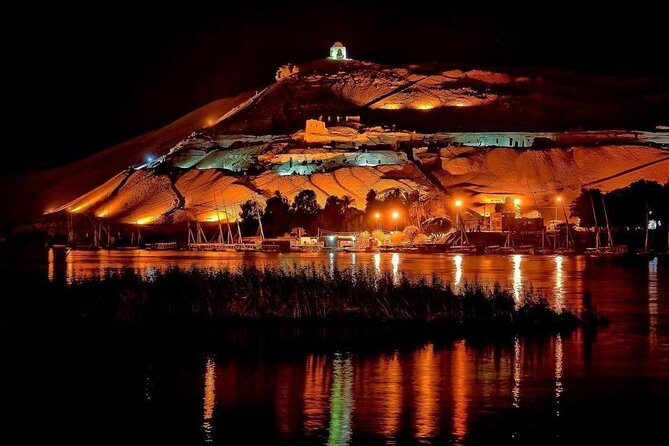
REVIEW · HOT AIR BALLOONING OVER LUXOR
5-Day Nile Cruise Luxor to Aswan Abu Simbel and Hot-Air Balloon
A Nile cruise with ancient wow moments waiting around. I love the smooth Luxor to Aswan sailing and the way the days line up major temples with enough time to look up and take it in. I also appreciate the friendly, highly praised guide Mr Mohamed Moniem, who makes the history feel clear instead of like homework. One caution, many key sites list admission as not included, so you should plan a little extra.
This cruise is built for comfort, with air-conditioned transfers, 4 nights on board, and meals in an open buffet style. Between guided stops, you can actually rest, hang out on the sundeck, and enjoy the Nile views changing as you move south.
The group stays small, up to 20 people, and you get a mobile ticket. Some visits are optional, including the hot-air balloon and several temple add-ons, so you can shape the pace to your own energy.
In This Review
- Key highlights you will feel right away
- Sailing Luxor to Aswan: why this route hits so hard
- Day 1 in Luxor: Karnak and Luxor Temple at a human pace
- Valley of the Kings and Deir el Bahari: Day 2’s dramatic contrast
- Day 3: Horus at Edfu area and the double temple at Kom Ombo
- Day 4 in Aswan: Philae, the High Dam, and a sunset on the Nile
- Abu Simbel trip: included, shared, and why it matters
- On-board comfort: food buffet, sundeck time, and staff service
- Included workshops that feel practical, not just souvenir stops
- Transfers, mobile tickets, and how the schedule stays manageable
- Guide experience that people repeatedly praise
- Price and value: what $764.71 buys, and what costs extra
- What kind of traveler should choose this cruise
- Should you book this Luxor to Aswan Nile cruise?
- FAQ
- Is pickup included for this Luxor to Aswan cruise?
- What meals are included during the 5-day cruise?
- Are temple admission tickets included for places like Karnak and the Valley of the Kings?
- Is the hot-air balloon ride included?
- Is the Abu Simbel trip included, and does it include a ticket?
- How many people are in the group?
Key highlights you will feel right away
- Luxor to Aswan, step-by-step through Egypt’s most famous temple clusters
- A strong guide experience, with Mr Mohamed Moniem singled out in multiple comments
- On-board downtime, not just a nonstop bus-and-tickets day
- Included creative stops like papyrus, alabaster, and a Nubian perfume lab
- Abu Simbel added in, shared trip included without separate ticket
- Small-group size (max 20), which makes logistics easier
Other early liftoffs over Luxor
- Hot Air Balloon Ride in Luxor Egypt with Transfers Included★ 5.0 · 4,319 reviews
- Luxor: Hot Air Balloon Ride over Luxor Relics★ 4.8 · 1,681 reviews
- Hurghada: 2-Day Luxor Tour with Hotel, Balloon, & Boat Ride★ 4.5 · 1,113 reviews
- Luxury Sunrise Balloon Ride in Luxor with Hotel Pickup★ 5.0 · 1,104 reviews
Sailing Luxor to Aswan: why this route hits so hard
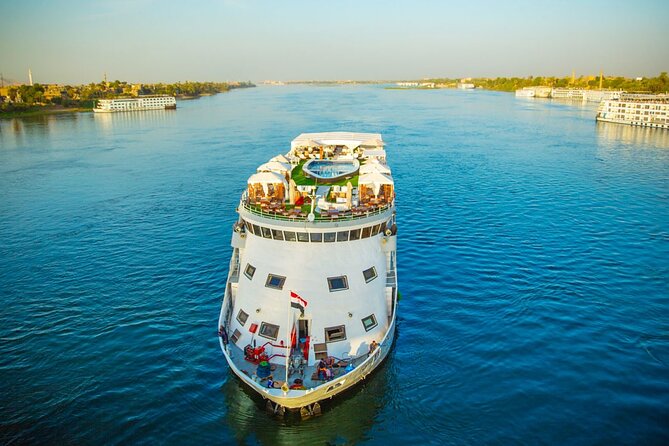
This stretch of the Nile feels like Egypt compressed into a moving timeline. In Luxor you start with huge temple walls and column halls that were built to impress gods and people alike. As you travel toward Aswan, the scenery shifts, and you start seeing the river and surrounding water in a wider, more open way.
What I like about a cruise versus day trips is the rhythm. You get a full day of sightseeing, then you return to a floating base where you can rinse off, eat, and sit on the sundeck without planning your next transport. You are not trying to cram every moment into daylight hours only.
The cruise also gives you a simple, practical way to see multiple UNESCO-level sites without the stress of constant transfers. The included air-conditioned transfers and the fact that many sites are already scheduled for you make this a lower-effort way to do high-impact history.
Day 1 in Luxor: Karnak and Luxor Temple at a human pace
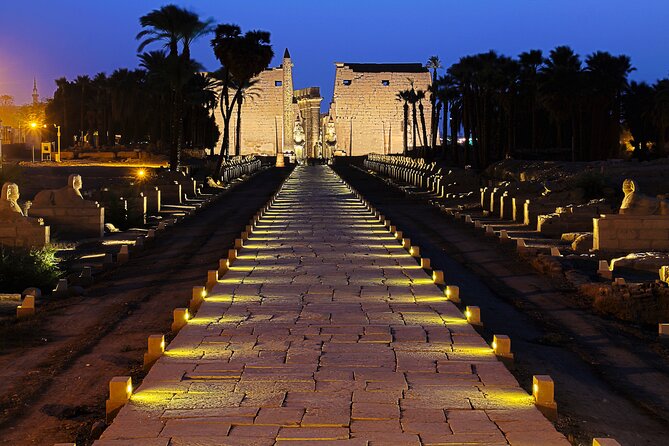
Your first day sets the bar high with two major temple stops. Karnak Temple is the big one, described as the largest structures ever built in human history, with its main focus on Amun Ra. You also get context for how earlier structures date back to much older periods, including references as early as the 3rd dynasty, which helps you understand why the complex feels like it was built over centuries.
Time on Karnak is about 2 hours, and the visit is marked optional. Admission is not included, so if you want to go in deep, you should expect to pay for entry separately. If you are feeling tired from travel, this is the sort of place where you can still enjoy the scale from the right angles even if you shorten the inside time.
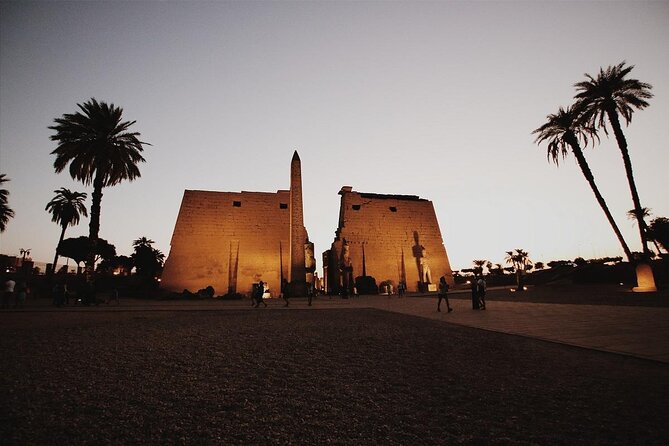
Next up is Luxor Temple, around 1 hour. This one is dedicated to Amun Re too, but its story is more tightly linked to specific rulers, including Ramses II, with earlier roots in the 12th dynasty. It is located in the heart of ancient Thebes, so it feels like a center point rather than a massive outskirt complex.
Tip for your first evening mindset: plan to stay present rather than trying to memorize names. Karnak and Luxor Temple are visual experiences first. If your guide gives you a map of what you are looking at, you will get more out of it than you think.
Valley of the Kings and Deir el Bahari: Day 2’s dramatic contrast
Day 2 is where the tour leans into royal power and architectural mastery. The Valley of the Kings is described as the royal cemetery of Theban kings and rulers, and this is where many pharaohs were buried. The stop is optional and runs about 2 hours, and like the other major sites here, admission is not included.
This is the day where you can feel the mood shift from bright open spaces to more hushed, tomb-focused energy. The key to enjoying it is to treat it as a guided story, not a checklist. The valley is famous, but the value is in understanding how a kingdom planned the afterlife.
Then comes Temple of Hatshepsut at Deir el Bahari, about 2 hours. This mortuary temple was built during the reign of Queen Hatshepsut, and it is often described as a masterpiece of ancient architecture. The terraced design and the way it sits in its setting make it feel cinematic, even on a busy day.
You also have smaller add-on stops if you want them. Colossi of Memnon is roughly a 30-minute stop, with two massive statues of Pharaoh Amenhotep III from the 18th dynasty era. There is also a short Tomb of Tutankhamun option, about 20 minutes, located within the Valley of the Kings.
If you are trying to maximize time, I would focus on Hatshepsut plus the core Valley of the Kings portion. The shorter stops are great for photos and a quick hit of meaning, but the longer stops are where the story really sticks.
Day 3: Horus at Edfu area and the double temple at Kom Ombo
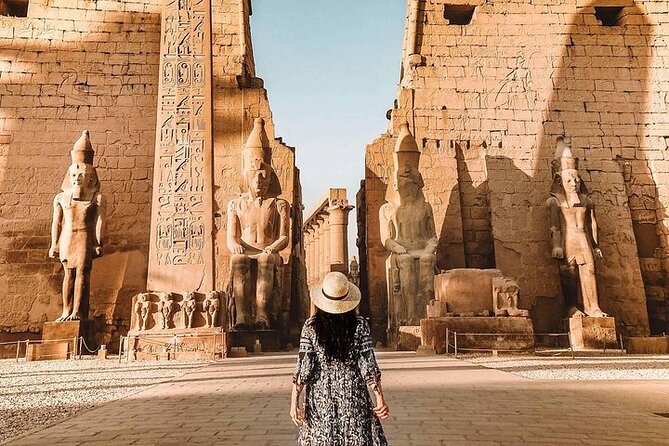
Day 3 starts with Temple of Horus, a Ptolemaic temple built between 237 and 57 BC. What makes it special, based on the description, is how well it has been preserved by desert sand, and how its roof is intact, which makes it more atmospheric than you might expect.
This stop runs about 2 hours and is optional. Admission is not included. If you care about temple layout and symbolism, this is a strong one because Horus is closely tied to Isis and Osiris in the guide narrative.
Later in the day you reach Temple of Kom Ombo, a double temple that is unusual in design. It is constructed during the Ptolemaic dynasty, and later additions came during the Roman period. The dual design can be fun if you like comparing how different eras handled religious themes.
Kom Ombo is about 2 hours and optional, with admission not included. I like this stop because it often feels less like one famous landmark and more like a whole system of meaning, where you notice how the temple mirrors the people who built it.
More boats sailing the same stretch
Day 4 in Aswan: Philae, the High Dam, and a sunset on the Nile
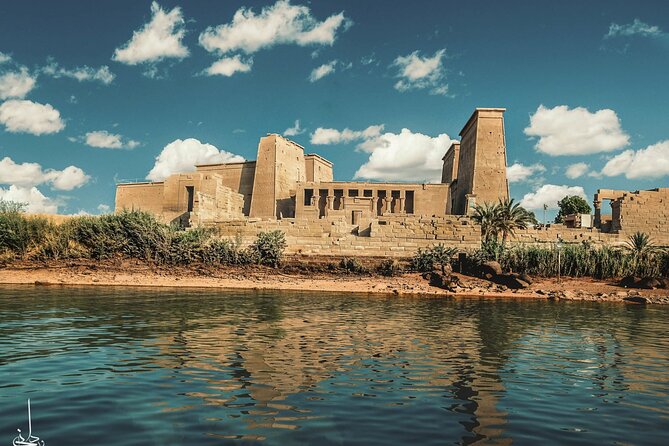
Aswan is where the cruise feels more open, and the day balances ancient sites with modern landmarks. Temple of Philae is dedicated to Isis, and it sits in a beautiful setting. The temple’s story includes relocation after the Aswan Dam threatened the original site, done through UNESCO efforts, and that adds an extra layer to your visit.
Philae is about 2 hours, optional, and admission is not included. If you want one practical approach, plan to look up as much as you look forward. The shrines and sanctuaries named here, like the Trajan and Kiosk area and Pharaoh’s Bed details, are the kind of things a good guide can connect to what you see.
Next is the Aswan High Dam. This is described as the world’s largest embankment dam, built across the Nile between 1960 and 1970. The stop is about 40 minutes and optional, with no admission ticket noted.
Finally, there is an optional felucca ride during sunset in Aswan, around 1 hour, and it lists admission ticket as free. Even if you skip it, the fact that it is tied to sunset timing helps you enjoy Aswan in a slower way than the temple rush.
If you are sensitive to heat, this is usually the best day to plan short breaks and hydration. The temples can be sunny, and the payoff is worth it, but your body still needs pacing.
Abu Simbel trip: included, shared, and why it matters
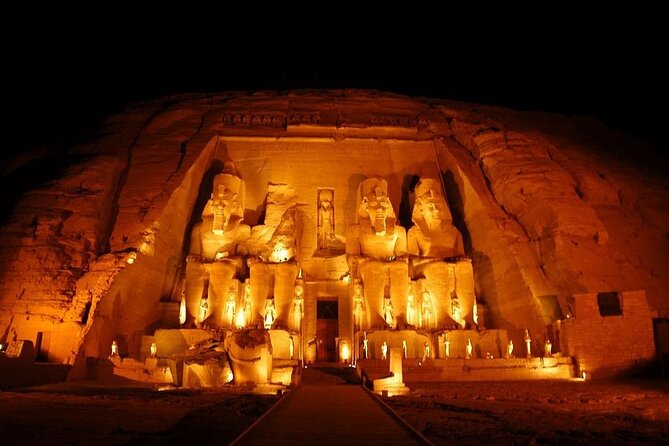
One of the biggest add-ons on any Luxor to Aswan plan is Abu Simbel, and this cruise includes an amazing Abu Simbel trip. It is described as sharing without ticket, which suggests the scheduling is handled for you and you will not have to purchase a separate ticket specifically for that part.
Abu Simbel is logistically demanding, so having it grouped into your cruise schedule can be a real time saver. You are also less likely to run into the classic problem of getting there late, because the tour plan is already built around early timing.
Think of Abu Simbel as your grand finale day experience. Even if you are not an expert on Egyptian dynasties, it tends to make sense visually. The scale and the idea of moving through a remote area solely for these temples gives the whole trip a sense of completion.
On-board comfort: food buffet, sundeck time, and staff service
The cruise is set up so you return to a comfortable ship after each sightseeing block. You get 4 nights on board, plus delicious food in an open buffet style for breakfast, lunch, and dinner. The included meal count here is practical: 4 breakfasts, 4 lunches, and 4 dinners.
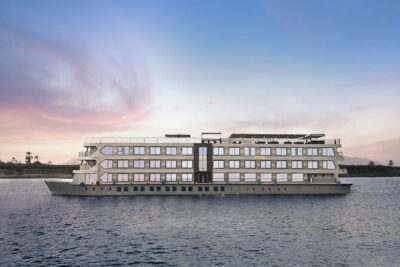
The ship is described as having tastefully decorated public spaces and a spacious sundeck. That matters more than it sounds. When you are doing temples, your feet and your eyes need a break. Sundeck time turns the cruise into something you look forward to, not just a place to sleep.
Staff and crew receive repeated praise for helpfulness and welcoming service. Several comments mention that the crew and the tour team were attentive, and one strong theme is that you feel looked after when the day gets busy.
One small practical note: while meals are included, drinks and personal expenses are not mentioned as included. If you are a frequent soda, coffee, or bottled-water buyer, it is worth budgeting a bit.
Included workshops that feel practical, not just souvenir stops
This is not only temples and buses. You also get creative cultural stops that can be a nice reset between big monuments.
A papyrus factory visit is included. This gives you a chance to see how the material is processed and turned into usable products. Even if you do not buy anything, you get context for why Egypt is tied to papyrus in the first place.
You also visit an alabaster workshop, included. Alabaster is used for carving and decoration, and Egypt has a long tradition of stone craft. If you like watching how artisans work, this kind of stop is often where you get better insight than just browsing a shop at the end.
In Aswan, there is a Nubian perfume lab included. Nubian fragrance traditions can be fascinating because they connect land, culture, and everyday rituals. It is also a good way to slow down and keep the trip varied.
A rule of thumb here: go in with curiosity, not a shopping mission. These stops tend to be most satisfying when you treat them as demonstrations, not errands.
Transfers, mobile tickets, and how the schedule stays manageable
A cruise only feels easy when the logistics are handled. Here, air-conditioned transfers are included, which reduces the usual hassle of moving between airports, trains, and the ship.
You also receive a mobile ticket, which is convenient and usually less stressful than juggling paper. If you hate last-minute confusion, this matters.
The group size is capped at 20, which can make the day feel smoother. Large groups often get stuck in gaps at entrances. A smaller group tends to move as one unit, and it makes it easier for your guide to keep everyone oriented.
Also, most stops are optional. That can be a gift. If you have a sore knee or you simply want a slower pace, you can skip one short stop and still have a full, satisfying day.
Guide experience that people repeatedly praise
One of the clearest themes in the feedback is the guide. Names like Mr Mohamed Moniem, Mr Mohamed Abd El Menaem, Mr Mohamed Monem, and Mohammed Abdel Monem appear across positive comments.
The common threads are strong language support, helpful explanations, and smooth handling of daily logistics. Several comments specifically mention that the guide answered questions with interest and passion, and that the tour pace felt well-planned and flexible.
This matters because Egyptian sites reward interpretation. Without someone explaining what you are looking at, you can end up seeing stone. With a good guide, you start seeing why it was built, who it served, and how power was displayed.
If you get the chance, ask your guide for two things: what to notice in the carvings, and what to prioritize when time is short. Those two questions usually give you better results than asking for more facts.
Price and value: what $764.71 buys, and what costs extra
The price listed is $764.71 per person for a 5-day experience. On paper, that can sound like a lot, but Nile cruises often stack value through bundled transport, meals, and guided site entry organization.
Here, you are getting 4 nights on board, meals (4 breakfasts, 4 lunches, 4 dinners), air-conditioned transfers, all fees and taxes, and inclusion of the sites mentioned in the program. You are also getting special cultural visits like papyrus, alabaster, and the perfume lab.
The main thing not included is admission tickets for the sites that are clearly listed with admission not included, including Karnak, Luxor Temple, Valley of the Kings, Hatshepsut, Colossi of Memnon, Tutankhamun tomb, Horus Temple, Kom Ombo, and Philae. There is also a recommended tipping category for your guide, Nile cruise staff, and drivers.
Hot-air balloons are not included, even though they are referenced as an optional add-on item elsewhere. If you want that experience, you will need to book it separately.
My best value tip: budget for temple tickets and pick your must-see highlights. Then decide which optional stops you can comfortably skip. You will still get a full cruise, not a regret-filled sprint.
What kind of traveler should choose this cruise
This cruise is a strong match for first-time Egypt visitors who want a guided overview that still includes major, awe-worthy sites. It is also ideal if you want comfort built into the travel day, so you can rest on the ship between sightseeing blocks.
It can also work well for families, since the overall structure is organized and many stops are optional. That said, if you expect totally relaxed days with no long walking, be aware that temple sightseeing almost always involves uneven ground and stairs.
If you love photography, this itinerary gives lots of angles, from huge temple exteriors to atmospheric interior spaces like Horus Temple. If you prefer slower travel, treat the shorter stops as bonuses rather than obligations.
And for getting to Egypt’s south: if you are traveling from Cairo, plan your arrival route early. A practical tip that showed up in recent experiences is that flying or using an overnight train can make the start smoother because Cairo to Luxor is a long distance.
Should you book this Luxor to Aswan Nile cruise?
If you want a classic Nile cruise with a strong mix of top temples plus practical included extras, I think this is a good bet. The biggest reasons to say yes are the comfort of returning to your ship each day, the included meals and transfers, and the consistently praised guide support, especially names like Mr Mohamed Moniem and Mohammed Abdel Monem.
I would say no or at least rethink it if you hate paying separate admission fees for major sites, because several core temples list ticketing as not included. Also, if hot-air ballooning is your top priority, remember it is not included here.
If you are on the fence, my advice is simple: decide your must-do list (Karnak, Valley of the Kings, Hatshepsut, Philae, Abu Simbel), then treat optional stops like a choose-your-own-adventure. This cruise is best when you let the guide do the heavy lifting and you focus on noticing, not collecting.
FAQ
Is pickup included for this Luxor to Aswan cruise?
Yes. Pickup is offered, and air-conditioned transfers are included.
What meals are included during the 5-day cruise?
Breakfast, lunch, and dinner are included on board, with 4 breakfasts, 4 lunches, and 4 dinners listed as part of the package.
Are temple admission tickets included for places like Karnak and the Valley of the Kings?
Admission tickets are listed as not included for the major site visits in the program, such as Karnak Temple, Luxor Temple, the Valley of the Kings, and others. You should plan to pay for those site entrances separately.
Is the hot-air balloon ride included?
No. The hot-air balloon ride in Luxor is listed as not included.
Is the Abu Simbel trip included, and does it include a ticket?
The Abu Simbel trip is included as a sharing option described as without ticket. You should still confirm how tickets are handled for your exact departure.
How many people are in the group?
The tour has a maximum of 20 travelers.
Further South: Abu Simbel


Sailing Luxor to Aswan
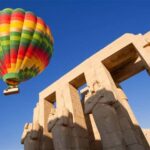
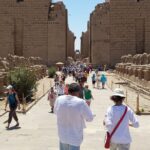


Sunrise Over Luxor
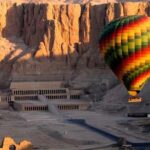

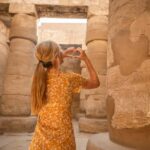

More of Luxor from our review pile
- Private Tour Nile Felucca Ride at Sunset in Luxor
★ 5.0 · 26 reviews - Private Full day East and West Bank, Luxor
★ 5.0 · 26 reviews - Luxor Day Tour: Kings Valley & Karnak & Luxor & Hatshepsut Temple
★ 5.0 · 26 reviews - Full-Day East and West Luxor Private Tour
★ 4.5 · 26 reviews - Day Trip to Edfu & Kom Ombo temples from Luxor and drop off in Aswan or Luxor
★ 5.0 · 26 reviews - 5 Days 4 Nights Nile Cruise Tour
★ 5.0 · 27 reviews
Hot Air Ballooning Over Luxor, compared.
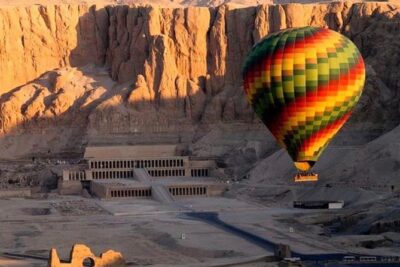 ★ 5.0Hot Air Balloon Ride in Luxor Egypt with Transfers IncludedFrom $754,319 reviews
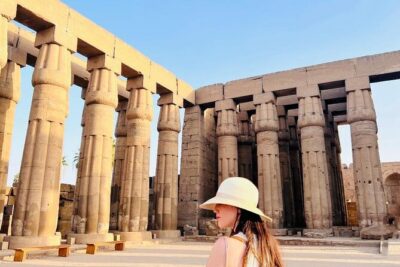 ★ 5.04-Days Nile Cruise From Aswan To Luxor including Abu Simbel and Hot Air BalloonFrom $3493,142 reviews
 ★ 4.8Hot Air Balloon Ride over Luxor RelicsFrom $881,681 reviews
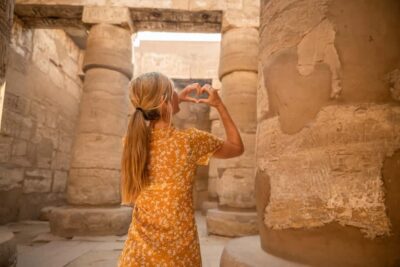 ★ 4.52-Day Luxor Tour with Hotel, Balloon, & Boat RideFrom $2701,113 reviews
 ★ 5.0Luxury Sunrise Balloon Ride in Luxor with Hotel PickupFrom $601,104 reviews
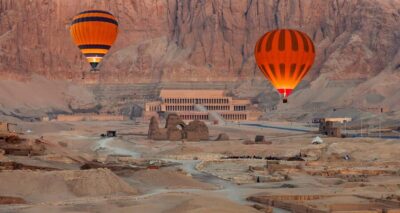 ★ 4.4Morning Hot Air Balloon RideFrom $55736 reviews
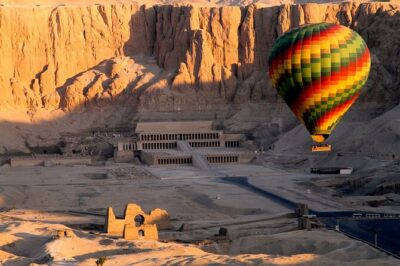 ★ 5.0Sunrise Hot Air Balloon Over the Historical sites in LuxorFrom $75697 reviews
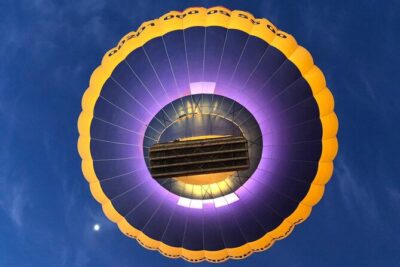 ★ 5.0Sunrise Hot Air Balloon Ride Over LuxorFrom $90648 reviews