
REVIEW · HOT AIR BALLOONING OVER LUXOR
5-Day Adventure Nile Cruise from Luxor to Aswan & Hot Air Balloon
Egypt from above, temples below, Nile nights. This Luxor to Aswan cruise strings together iconic sites and adds a hot air balloon morning so you see Egypt from two angles: sky and stone.
I like the way the days are set up with an English-speaking Egyptology guide and private vehicle transfers. I also like the value of having so many entrances included, plus full-board meals during the cruise days. In the help I noticed from past departures, team members like Yasser and guides such as Ahmed or Mohammed are repeatedly credited with keeping everything running on time.
One thing to plan for: tipping is not included, and the experience requires good weather, which matters because balloon plans can be weather-sensitive.
In This Review
- Key points you will feel right away
- First, what this trip really feels like (Luxor to Aswan, not just a checklist)
- Your Luxor arrival day: Luxor Temple and Karnak as a matched pair
- Balloon over Luxor, then Valley of the Kings: two kinds of awe
- Deir el Bahari and Hatshepsut: the beauty of one ruler’s big plan
- Colossi of Memnon: a fast stop that still sticks
- Edfu’s Temple of Horus: why a temple on the Nile keeps pulling you back
- Kom Ombo’s double temple: two sets of ideas in one complex
- Philae, the Aswan High Dam, and the Unfinished Obelisk: where ancient meets modern
- Abu Simbel: the long day that turns Egypt up to 11
- Cruise days: what you get beyond the monuments
- Guides, names, and why good coordination matters
- Price and value: what $1,300 covers, and what to budget for
- Who should book this Luxor to Aswan cruise?
- Should you book this Luxor to Aswan Nile cruise?
- FAQ
- How long is the Nile cruise experience?
- Do you get pickup or transportation between attractions?
- What meals are included on the trip?
- Is the hot air balloon ride included, and how long is it?
- Are entrance tickets included for the sites?
- Is this tour private or shared with other groups?
- What is not included in the tour price?
- Can you get a full refund if you cancel?
Key points you will feel right away
- Hot air balloon over Luxor at about 45 minutes, timed for the best light.
- Temple-heavy routing with entrance tickets included for major stops like Luxor Temple, Karnak, Valley of the Kings, Edfu, and Kom Ombo.
- English-speaking Egyptology guide plus private vehicle transfers throughout the land days.
- 4-night 5-star Nile cruise with breakfast, lunch, and dinner included during the cruise portion.
- Aswan highlights packed into one arc: Philae, High Dam, and the Unfinished Obelisk.
- A long Abu Simbel day so you can see two rock-cut temples in one push.
Other early liftoffs over Luxor
- Hot Air Balloon Ride in Luxor Egypt with Transfers Included★ 5.0 · 4,319 reviews
- Luxor: Hot Air Balloon Ride over Luxor Relics★ 4.8 · 1,681 reviews
- Hurghada: 2-Day Luxor Tour with Hotel, Balloon, & Boat Ride★ 4.5 · 1,113 reviews
- Luxury Sunrise Balloon Ride in Luxor with Hotel Pickup★ 5.0 · 1,104 reviews
First, what this trip really feels like (Luxor to Aswan, not just a checklist)
This is the kind of Egypt trip that moves with purpose. You do not just stop for photos and leave. You get guided time at the big ceremonial sites, plus a cruise that gives you real downtime between the land days.
The format is also designed for comfort. You get meet-and-assist support from English-speaking representatives, and you travel between stops by A-C vehicle with a qualified driver. On top of that, the tour includes an Egyptology English-speaking guide, so you are not wandering through stone monuments hoping the captions make sense.
Price-wise, $1,300 per person is not cheap, but it is not just for a bed and a boat. You are also paying for the “glue” that makes Egypt easier: transfers, guide time, multiple entry tickets, and cruise meals.
Your Luxor arrival day: Luxor Temple and Karnak as a matched pair
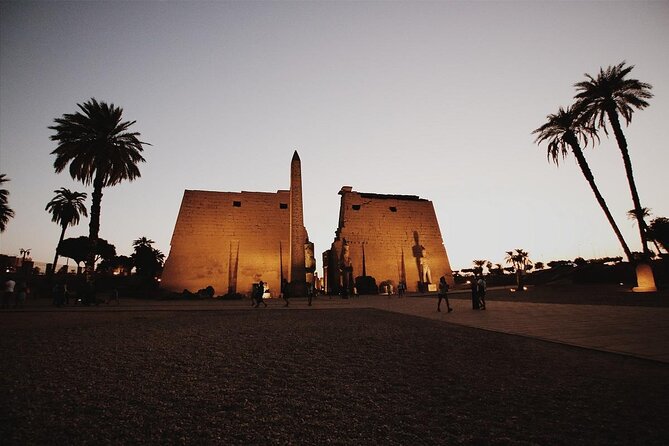
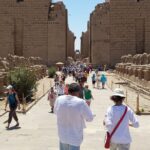
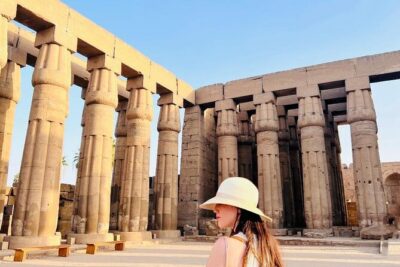
You start with two of Luxor’s biggest hitters, and the pairing works. Luxor Temple sits on the east bank and was built around 1400 BCE. Even if you only catch a few key scenes, you can feel how the site functioned as a southern sanctuary for ancient worship.
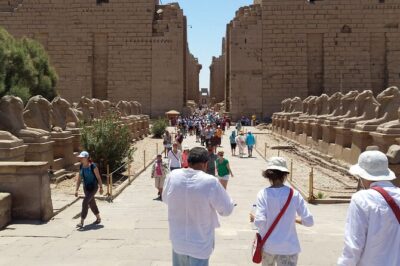
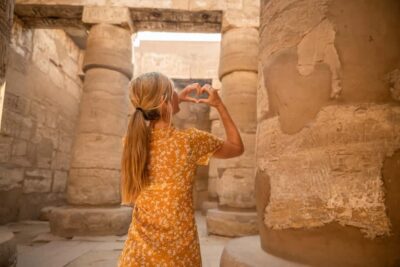
Then you move right into Karnak, the colossal temple complex near Luxor. Work began there in the Middle Kingdom under Senusret I, and construction stretched across later eras, including the New Kingdom and onward. That long timeline is part of why Karnak feels like a living museum of Egyptian power, with pylon gateways, chapels, and endless sculpted details.
What I like for your planning: both stops include admission tickets, which removes a common Egypt headache. The drawback is also predictable: temples are outdoors and you will be walking. If you are heat-sensitive, plan your pace. Wear a hat and bring water, even if you feel fine at the start.
Balloon over Luxor, then Valley of the Kings: two kinds of awe
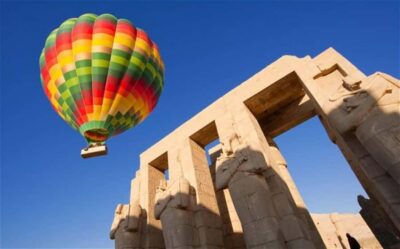
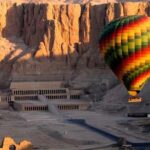
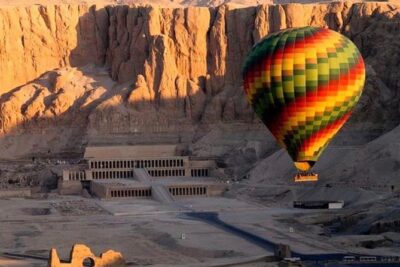
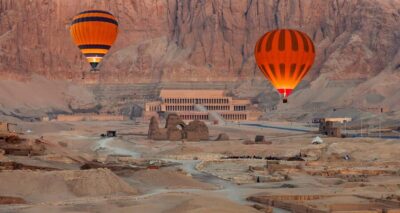
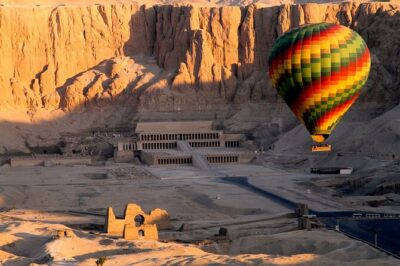
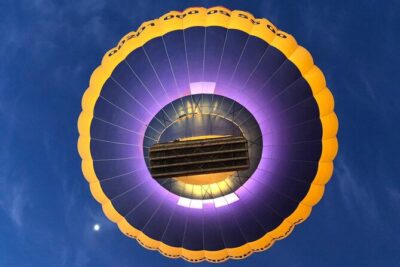
The trip’s most “you have to see it” morning is the hot air balloon ride over Luxor. The listed ride time is about 45 minutes, and the goal is sunrise light, which brings out the Nile’s shape and the way Luxor’s ruins sit in the desert edge.
From there, you shift to the Valley of the Kings. This is the place where elite tombs were cut into rock over many generations, around the 16th to 11th century BC. The effect is less about size and more about context. You start to understand why these valleys mattered: protected settings for the New Kingdom elite, hidden from everyday life but designed to preserve belief.
Practical note for your expectations: balloon mornings can be time-sensitive because weather plays a role. This is an experience that requires good weather. If conditions change, you may need to adapt, so stay flexible with your day.
Deir el Bahari and Hatshepsut: the beauty of one ruler’s big plan
Next you go to the Temple of Hatshepsut at Deir el Bahari. Hatshepsut’s mortuary temple is famous because it looks engineered, not improvised. It shows off Eighteenth Dynasty architectural skills, and it feels intentional, staged, and visually structured in a way that makes it easy to follow with a guide.
Even if you do not catch every symbol, you will recognize the “storytelling” style. The temple’s design guides your eye through terraces and sculpted space. It is one of those locations where having an Egyptology guide helps you connect what you are seeing to who built it and why.
The benefit here is that the stop is long enough to be meaningful, not just a quick visit. The admission ticket is included, so you can focus on time instead of logistics.
More boats sailing the same stretch
Colossi of Memnon: a fast stop that still sticks
After the heavier temple work, you get the Colossi of Memnon. These are two giant stone statues of Pharaoh Amenhotep III, set near the entrance area of the old mortuary temple grounds.
This is listed as a short stop, about 20 minutes, and admission is free. In practice, I find short stops are useful in Egypt because they let your eyes recover. You can take your time with the scale and still stay energized for the next day.
If you are the type who likes to linger, the best move is to use the guide’s explanation quickly, then walk around a bit to see how the statues anchor the landscape.
Edfu’s Temple of Horus: why a temple on the Nile keeps pulling you back
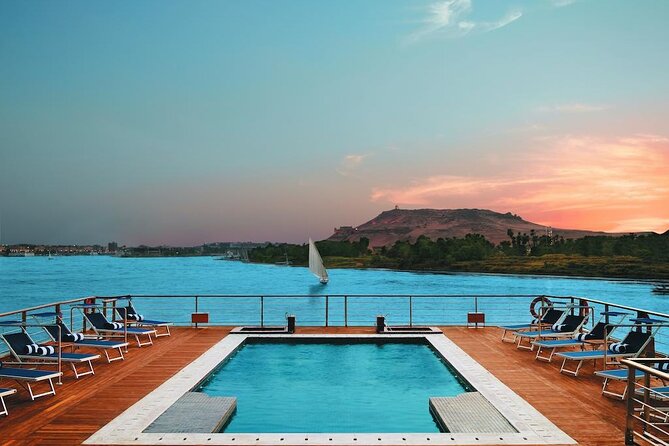
As you head toward the Edfu area, the itinerary adds another major temple: the Temple of Horus, often associated with Edfu. This sanctuary is on the west bank of the Nile in Edfu, and in Hellenistic times it was known under names tied to Apollo and Horus in the Greek world.
This matters because it signals something you can feel in Egypt: cultures layered across centuries. The carved walls are still Egyptian in style, but historical periods influenced how the site was understood and used.
Edfu’s temple stop comes with admission included and a solid time window (about two hours). That is the right amount for most people, especially if you like to read the scenes as you go rather than just take in the big room and move on.
A mild caution: temples like this can be detailed, and if you are trying to do everything in one day, you can get “museum fatigue.” Pace yourself. If you start to zone out, refocus on one theme, like worship or ritual scenes, instead of trying to absorb everything.
Kom Ombo’s double temple: two sets of ideas in one complex
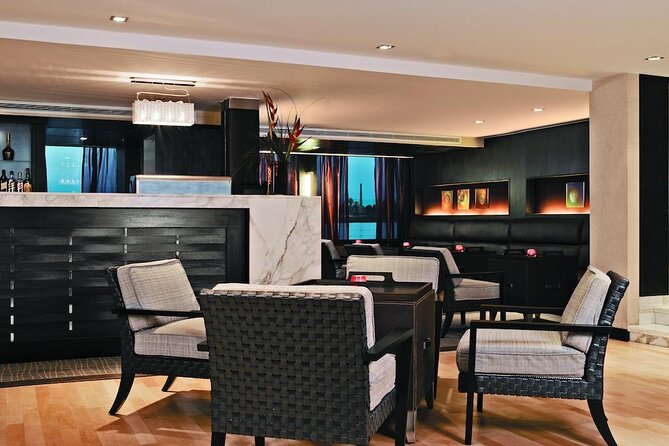
Then comes Kom Ombo, famous for being a double temple. Instead of one central divine focus, you get two connected areas built for different religious functions and deities. The listed history points to the Ptolemaic dynasty era, with enhancements during Roman times.
This stop is a great moment to break the pattern. Luxor and Karnak feel like one long narrative of power and worship. Edfu keeps that tone. Kom Ombo feels more like an argument in architecture, showing how different traditions shared a single sacred site.
The guide time here (about two hours) helps because a double temple can confuse you if you are just walking and snapping photos. With guidance, you can learn how to read the layout: why there are two sides and how that affects what you notice.
Admission is included, which again keeps the day simple.
Philae, the Aswan High Dam, and the Unfinished Obelisk: where ancient meets modern
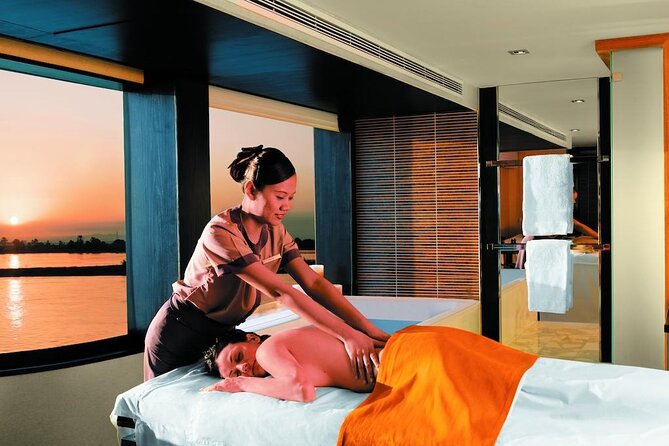
Aswan is where Egypt starts to look like engineering as well as archaeology.
You visit Philae, a temple complex associated with the reservoir created by the Aswan Low Dam. Philae was originally located near the First Cataract of the Nile, and it became part of a larger story of moving and protecting monuments when the dams reshaped the river.
Then you get a quick but meaningful stop at the Aswan High Dam, built between 1960 and 1970. Even if you care mostly about ancient Egypt, this stop helps you understand why modern Egypt looks the way it does. The river is not a background here. It is the central actor.
Next is the Unfinished Obelisk. This is one of those objects that feels like a snapshot of real work: a colossal obelisk in the Aswan quarries that was never completed. It is listed as the largest known unfinished obelisk, and it tells you something important about ancient craftsmanship, planning, and logistics.
These Aswan stops each have admission included, and the time slots vary. You get enough time to see the major points without feeling stuck for hours.
Abu Simbel: the long day that turns Egypt up to 11
The biggest “push day” is Abu Simbel. It is about a five-hour visit time, and the site sits close to the Sudanese border on Lake Nasser, roughly 230 kilometers southwest of Aswan.
Abu Simbel is special because it gives you two immense temples carved into rock. There is a sense of scale that is hard to fake with pictures. When you see the facades in person, you feel how much force it took to carve, transport, and dedicate.
Is it a lot? Yes. Is it worth it? If temples are your thing, this is often the highlight for people who like Egypt at full volume.
Cruise days: what you get beyond the monuments
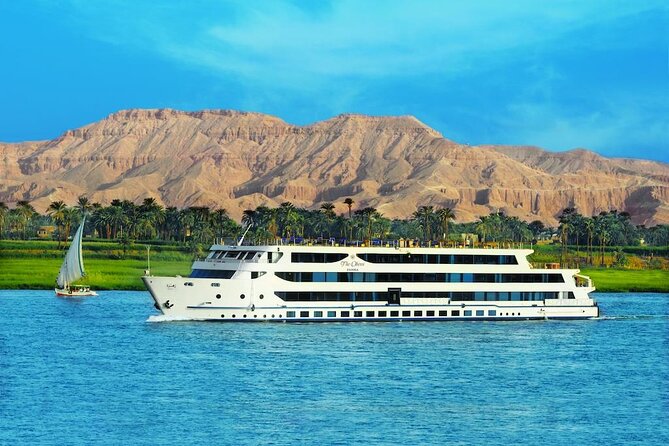
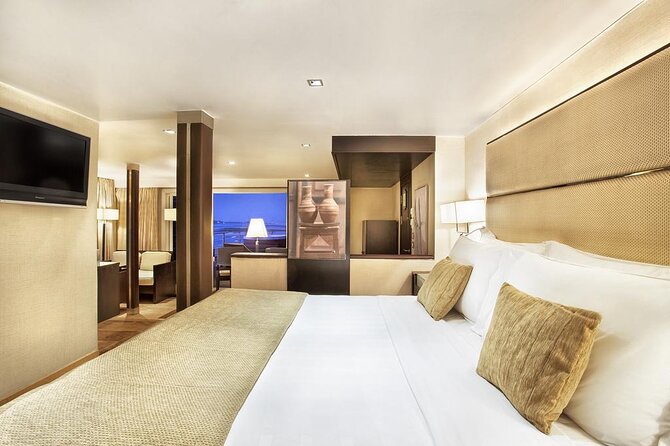
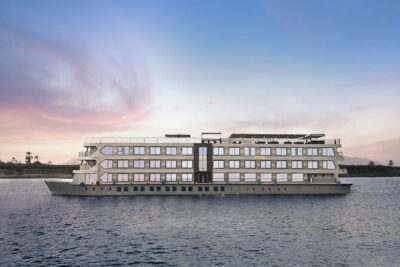
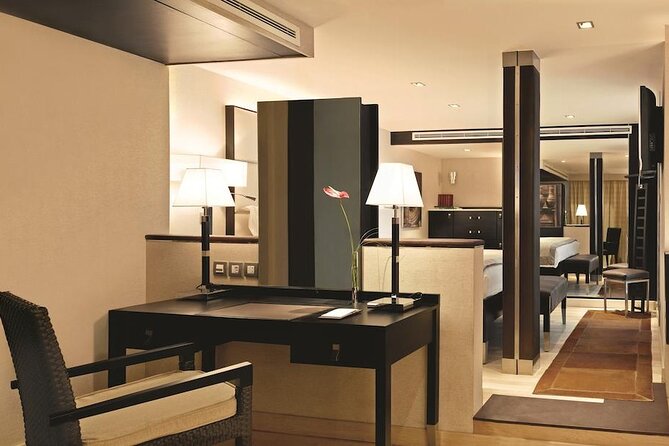
The land days are only half the equation. You also get 4 nights on board a 5-star Nile cruise, on a FB basis. That means breakfast, lunch, and dinner are included for the cruise portion, with meals listed as four breakfasts, four lunches, and four dinners.
Food matters in Egypt because long temple days can make you cranky. Having meals included removes the “what should we eat now” stress. You still should watch portions and drink water, but at least you are not hunting restaurants between temples.
There are also onboard experiences included in the overall description, like a djellaba party, a belly-dance show, and a felucca sailboat excursion. This is the balance: you see monuments in the daytime, then you get a more relaxed setting when the sun drops.
One caution: cruise life can be as comfortable or as crowded as the boat load that week. The trip is described as private for your group, so your onboard experience may feel calmer than mass group tours.
Guides, names, and why good coordination matters
Good guides do not just tell facts. They help you spend time on the parts that click.
I noticed repeated credit in the help people described for Egypt Rest Tours for roles like Yasser and professional Egyptologists like Ahmed and Mohammed. That pattern lines up with what you want on a multi-stop route: someone who keeps the flow moving and makes the temples understandable instead of exhausting.
This is also a tour with meet and assist support, plus transfers in A-C vehicles. In Egypt, that matters. The “small” logistics add up, especially when you are moving between major sites.
Price and value: what $1,300 covers, and what to budget for
At $1,300 per person, you are paying for a package that includes:
- 4 nights on board a 5-star Nile cruise
- English-speaking representatives plus an Egyptology English-speaking tour guide
- All transfers by A-C vehicle with qualified drivers
- Cruise meals (breakfast, lunch, dinner for the cruise portion)
- Admission tickets for the listed major stops, including Luxor Temple, Karnak, Valley of the Kings, Edfu, Kom Ombo, Philae, and Abu Simbel (Colossi of Memnon is free)
That is a lot included, especially the entrances. In Egypt, the entrance fees and “ticket line” time can quietly balloon, so this package style can feel like a win.
What is not included is also clear:
- Tipping for the guide, driver, cruise staff, and others
- Cruise Wi-Fi is not included, described as optional access
If you are the kind of traveler who likes to control every variable, you might find the included structure a little rigid. But if your goal is to maximize temple time and reduce day-to-day decision-making, the price starts looking more reasonable.
Who should book this Luxor to Aswan cruise?
This works best for you if:
- You want a temple-focused Egypt trip with guided context
- You like the idea of balancing land visits with 4 nights on a Nile boat
- You are comfortable with daily movement and some walking in hot or bright conditions
- You want English support throughout, including an Egyptology guide
It may not be the best fit if:
- You hate early starts or you want zero weather sensitivity. This experience requires good weather.
- You prefer a slower travel style with more unscheduled free time. This plan is packed with major monuments.
The age guideline says most travelers can participate, with a minimum of 2 years old and above. Group discounts are mentioned, but the trip is also described as private for your group, so it should feel more tailored than classic mass tours.
Should you book this Luxor to Aswan Nile cruise?
I would book it if your ideal Egypt trip sounds like this: “Show me the key places with a guide, include the tickets, keep the logistics handled, and give me a Nile cruise to recharge.”
The strongest reasons are the hot air balloon, the Temple trio around Luxor and Valley of the Kings, and the big Aswan payoff at Abu Simbel. The biggest reasons to pause are the extra cost of tipping and the fact that good weather is required, with possible changes if conditions are not right.
If you can handle a temple-heavy schedule, this is a high-value way to cover the Luxor to Aswan corridor without turning your trip into spreadsheet management.
FAQ
How long is the Nile cruise experience?
The experience is listed as about 5 days, including approximately 4 nights on board.
Do you get pickup or transportation between attractions?
Yes. Pickup is offered, and all transfers are included by A-C vehicles with qualified drivers.
What meals are included on the trip?
Accommodation is on a FB basis, and the tour lists breakfast, lunch, and dinner included during the cruise portion (4 of each).
Is the hot air balloon ride included, and how long is it?
Yes, the hot air balloon is included, with a listed duration of about 45 minutes.
Are entrance tickets included for the sites?
Admission tickets are included for the listed stops, including Luxor Temple, Karnak, Valley of the Kings, Hatshepsut at Deir el Bahari, Edfu’s Temple of Horus, Kom Ombo Temple, Philae Temple, Aswan High Dam, Unfinished Obelisk, and Abu Simbel. Colossi of Memnon is listed as free.
Is this tour private or shared with other groups?
It is described as private, meaning only your group participates.
What is not included in the tour price?
Tipping is not included, and cruise Wi-Fi is not included (optional access is mentioned).
Can you get a full refund if you cancel?
Yes. You can cancel up to 24 hours in advance for a full refund. If you cancel less than 24 hours before the experience start time, the amount paid is not refunded.
Sailing Luxor to Aswan


Sunrise Over Luxor


More of Luxor from our review pile
- Private Tour Nile Felucca Ride at Sunset in Luxor
★ 5.0 · 26 reviews - Private Full day East and West Bank, Luxor
★ 5.0 · 26 reviews - Luxor Day Tour: Kings Valley & Karnak & Luxor & Hatshepsut Temple
★ 5.0 · 26 reviews - Full-Day East and West Luxor Private Tour
★ 4.5 · 26 reviews - Day Trip to Edfu & Kom Ombo temples from Luxor and drop off in Aswan or Luxor
★ 5.0 · 26 reviews - 5 Days 4 Nights Nile Cruise Tour
★ 5.0 · 27 reviews
Hot Air Ballooning Over Luxor, compared.
 ★ 5.0Hot Air Balloon Ride in Luxor Egypt with Transfers IncludedFrom $754,319 reviews
 ★ 5.04-Days Nile Cruise From Aswan To Luxor including Abu Simbel and Hot Air BalloonFrom $3493,142 reviews
 ★ 4.8Hot Air Balloon Ride over Luxor RelicsFrom $881,681 reviews
 ★ 4.52-Day Luxor Tour with Hotel, Balloon, & Boat RideFrom $2701,113 reviews
 ★ 5.0Luxury Sunrise Balloon Ride in Luxor with Hotel PickupFrom $601,104 reviews
 ★ 4.4Morning Hot Air Balloon RideFrom $55736 reviews
 ★ 5.0Sunrise Hot Air Balloon Over the Historical sites in LuxorFrom $75697 reviews
 ★ 5.0Sunrise Hot Air Balloon Ride Over LuxorFrom $90648 reviews
The lists this one sits on