
REVIEW · NILE CRUISES BETWEEN LUXOR AND ASWAN
4 Night 5 Days Nile Cruise From Luxor To Aswan
You get a classic Nile cruise route, but with guided temple time instead of cruise-only sightseeing. This Luxor to Aswan trip mixes big-name monuments with real moments like papyrus-making and a felucca sail. I especially like that it comes with a professional Egyptologist guide and on-board entertainment, so the days stay lively even between stops. One consideration: the tomb and temple walking adds up, and some temple time is brief, so it helps to come with good shoes and patience.
You’ll start on Luxor’s East Bank with Karnak’s monumental scale, then shift to the West Bank tombs where the details matter. After that, the cruise portion gives you a slower pace, including sailing time and key temple visits along the river like Edfu and Kom Ombo. The optional Abu Simbel day can be a long one, so plan your energy for it if you add the extension.
In This Review
- Key points to know before you go
- Luxor pickup, Karnak at night, and the East Bank warm-up
- Karnak plus Luxor Temple: what you should pay attention to
- West Bank mornings in Luxor: Valley of the Kings and the Hatshepsut complex
- A lunch-to-sunset rhythm: sailing up-river and crossing the lock at Esna
- Edfu and Kom Ombo: Temple of Horus and the double temple at Kom Ombo
- Aswan day with Philae, the High Dam, and a felucca sail
- The Abu Simbel extension: optional, long, and worth serious thought
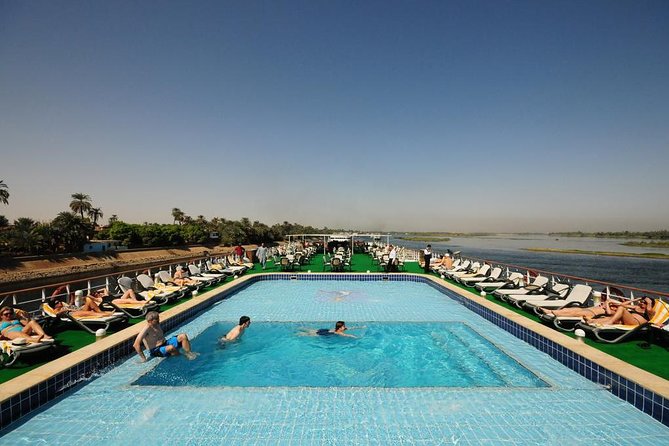
- What the Nile cruise experience feels like on board
- Value for $810: what’s included, what costs extra, and what to confirm
- Who this cruise is best for, and who should think twice
- Should you book this Luxor to Aswan Nile cruise?
- FAQ
- Is hotel pickup and drop-off included?
- How long is the cruise?
- Are meals included on board?
- Is bottled water provided?
- Is an Egyptologist guide included?
- Which sites are visited during the trip?
- Is Abu Simbel included or optional?
- Is there entertainment on the cruise?
- Are entrance fees included?
- What about tipping?
- Can the tour be canceled for a full refund?
Key points to know before you go
- Egyptologist-guided highlights from Karnak and Luxor Temple through the West Bank tombs
- Full-board cruising with breakfast, lunch, and dinner plus bottled water during tours
- East and West Bank mix in Luxor, so you see how the Nile shaped the whole civilization
- Edfu and Kom Ombo temple stops on the river route, including Horus and the double temple at Kom Ombo
- Aswan experiences like Philae and a felucca sail around Kitchener and Elephantine islands, with optional Nubian Museum time
More boats sailing the same stretch
- From Luxor: 3-Night Nile Cruise to Aswan and Hot Air Balloon★ 3.7 · 297 reviews
- 5 Days Private Guided Nile River Cruise Tour from Luxor to Aswan★ 5.0 · 229 reviews
- Historia Hotel Nile Cruise, Mon. from Luxor 4 nts inc. Excursions★ 5.0 · 185 reviews
- From Luxor: 5-Day Nile Cruise to Aswan with Balloon Ride★ 4.2 · 168 reviews
Luxor pickup, Karnak at night, and the East Bank warm-up
Your trip begins with hotel or airport pickup in Luxor, handled in an air-conditioned vehicle. Then it’s check-in on the Nile cruise, followed by a first hit of Ancient Egypt at Karnak and Luxor Temple. This is a smart start, because you get oriented quickly, and the light and sound of Luxor’s temple areas can feel magical without needing to wait for dawn.
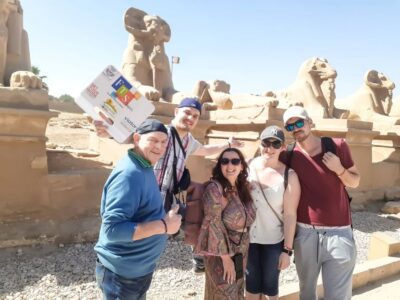
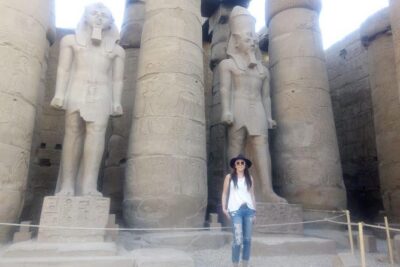
Karnak Temple is one of those places that makes you stop thinking in single facts and start thinking in scale. Expect to walk a lot through a huge complex, and to feel how power and belief were built into the layout. Then Luxor Temple, across the Nile’s East Bank, gives you a different kind of atmosphere, more intimate in feel while still grand.
One fun extra that’s easy to miss on similar tours is the Selkhet Papyrus institute stop. You’ll see papyrus art, and the guide takes you through a papyrus-making demonstration. It’s short, but it adds a human craft layer to all the stone temples, and it’s especially nice if you like souvenirs that don’t feel like plastic.
Karnak plus Luxor Temple: what you should pay attention to
If you only see one temple in Luxor, you’d miss the way Karnak and Luxor Temple work as a pair. What I like about hitting both early is that you can spot patterns as you move from one setting to the next. You also get a clearer sense of how temples were more like living communities than isolated ruins.
A practical note: the stop details you get can mention admissions not being included at the specific site level, while the package info lists entrance fees in the included basket. Since those details don’t fully line up, I’d confirm with your provider what’s already covered for your exact dates. It’s usually a quick question, and it prevents that awkward moment at the gate.
West Bank mornings in Luxor: Valley of the Kings and the Hatshepsut complex
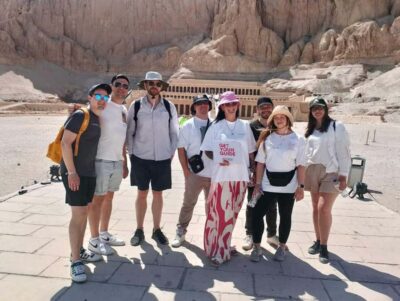
The West Bank day is where you’ll feel the weight of Ancient Egypt most directly. You start after breakfast and head to the Valley of the Kings, then layer in Queen Hatshepsut’s mortuary complex at Deir el-Bahari, along with tomb visits that include Tutankhamun (KV62) and Seti I (KV17). The route also includes the Colossi of Memnon and the broader West Bank setting, so you’re not just focused on one spot.
Here’s what makes this day work, even if the schedule is full: the stops are clustered in a way that lets you see the necropolis as a whole. Tutankhamun’s tomb visit is very short on the clock, and Seti I gets a bit more time, which means your guide’s storytelling matters. If the Egyptologist is good, you’ll leave with context, not just photos.
The possible drawback is that the walking and stairs can be real, especially in hot weather. One tip that comes up again and again is to wear comfortable shoes, because you’ll be on your feet more than you might expect. Also bring a hat and plan for sun exposure, because the West Bank sites can feel exposed.
A lunch-to-sunset rhythm: sailing up-river and crossing the lock at Esna
After the West Bank whirlwind, you shift gears and sail up-river in the afternoon. The program includes a crossing through the lock on the Nile at Esna before continuing to Edfu. I like this part because it’s a break that still feels connected to the trip, not dead time.
Sailing days on the Nile can be deceptively pleasant. You’ll get onboard downtime, time for photos from the deck, and a chance to reset before temple time ramps up again. It also helps that the cruise includes meals on board, so you’re not hunting down lunch like you might in a land-only tour.
Even the logistics feel calmer here because you’re not constantly switching cars. The cruise keeps you in one place while the scenery changes around you, so your day has a rhythm: early temples, afternoon travel, evening program.
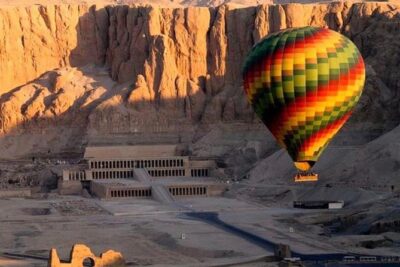
Edfu and Kom Ombo: Temple of Horus and the double temple at Kom Ombo
Next you roll into the temple corridor that makes a Nile cruise feel different from a day tour. The highlight on the Edfu side is the Temple of Horus, a Ptolemaic temple known for being one of the best-preserved monuments in Egypt. It’s built between 237 and 57 BC, and what people tend to value is that the temple roof is still intact, creating a more atmospheric feel inside.
Then comes Kom Ombo, where the Temple of Kom Ombo adds variety with its unusual double-temple design. This place is also Ptolemaic, with additions from the Roman period. That mix of layers helps you understand that the Nile corridor was never static, and each era left its stamp on the same sacred geography.
These stops are typically timed in a way that gives you enough time to look around and absorb details, without turning the day into an endless queue. Still, you’ll want a steady pace. Temperatures and crowds can vary, but the constant is that you’ll be outside and walking at least some portion of each visit.
Aswan day with Philae, the High Dam, and a felucca sail
Aswan shifts the mood. Instead of more desert tombs and valley shadows, you get the river’s southern energy, plus famous Aswan landmarks. Your day includes breakfast on board, a visit to the High Dam, and the Philae temple area.
Philae is often the kind of site where photos don’t quite explain the experience. The feeling comes from being in the space, seeing how temple structures sit with the river, and realizing how much the geography shaped religious practice. There’s also an optional Nubian Museum visit, which you might consider if you want more culture context beyond the temples.
The fun part comes later: a felucca sail around Kitchener and Elephantine islands. This is one of those activities that makes the cruise feel like a cruise rather than just a floating hotel. You’ll slow down, watch the islands drift by, and get a break from walking.
One consideration: the day’s schedule includes transfers after Aswan moments, while the Abu Simbel extension can change how your Aswan days are handled. If you’re considering Abu Simbel, double-check whether you’re meant to stay on the cruise for that last morning or transition to a hotel. It’s a small detail, but it affects how you pack and how you plan your final day.
The Abu Simbel extension: optional, long, and worth serious thought
If you add Abu Simbel, you’ll get an extra payoff at the end of the trip. The program describes Abu Simbel as an optional tour by car, tied to an additional fee, with a longer day in the Aswan area. There’s also free time to explore Aswan before the Abu Simbel drive, so it’s not strictly a nonstop early departure day.
The main question for you is energy management. A long car day can be tiring, and temple time is time spent sitting or walking in sun and heat. If you really care about seeing major monuments that are far from the main Nile route, Abu Simbel is the kind of add-on you remember for years. If you prefer a calmer ending, skipping the extension keeps your final days on your own terms.
What the Nile cruise experience feels like on board
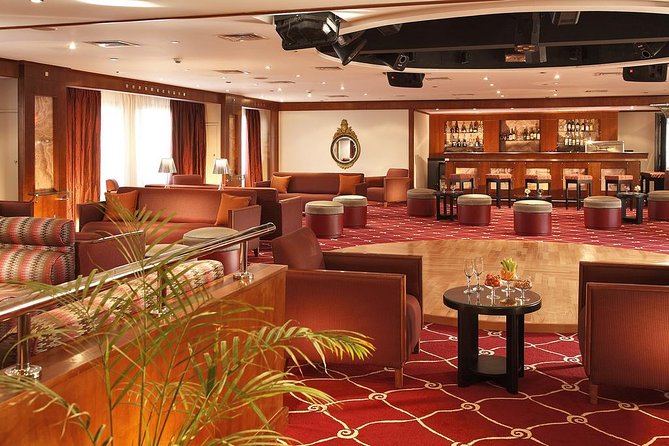
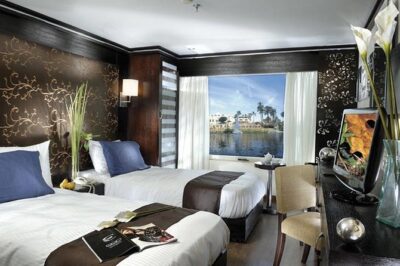
This cruise is built around being comfortable while you move through Upper Egypt. You’ll stay in a cruise cabin with facilities, enjoy three meals a day, and have dinner and lunch included during the cruise portion, plus breakfast on the last morning. Bottled water is provided during tours, which is a practical help when you’re moving between outdoor sites.
The boat experience is not just about sleep. The program includes evening entertainment, which matters on a multi-day tour because it gives you a built-in wind-down after temple time. From the feedback shared with the operator, people also highlight cleanliness, friendly staff, and a welcoming first arrival with help for bags and cabin readiness.
Guide quality is the other half of the on-board value. Names like Mohammed and Dr. Mohamed Abdel Moneim show up in the kind of storytelling praise you want from an Egyptologist-style guide. People also mention Medo and Bakar for guiding and keeping the experience fun. I’d take that as a clue for what you should ask when you book, to make sure your guide style matches how you like to learn, story-first or fact-first.
Value for $810: what’s included, what costs extra, and what to confirm
At $810 per person for a 4-night cruise, what makes this feel like value is the bundle: private air-conditioned transfers, full-board accommodation on the ship, meals, guided visits, and entrance fees listed as included. You’re also paying for time efficiency, because the route handles the big Luxor and Aswan sites without you juggling taxis.
What might add cost is tipping. Gratuities are listed as not included, so plan for that. Abu Simbel is also an extra paid option, so if it’s a priority, factor it into your budget early.
The other thing to confirm is the entrance fee detail that appears as included in one place and as not included at specific stop notes. That doesn’t automatically mean you’ll pay twice, but it does mean you should verify what’s covered for your exact departure.
If you’re looking for a low-stress introduction to Upper Egypt, this package is the kind that reduces decision fatigue. You’ll still walk, you’ll still pay attention, but you won’t spend your days coordinating.
Who this cruise is best for, and who should think twice
This trip fits history lovers who want a guided, structured experience without speeding through everything. It’s also a solid pick if you’re traveling as a family or with mixed ages, because the cruise portion gives everyone a break between long days of temples.
You should think twice if you’re sensitive to long walking days, because the West Bank includes multiple tomb stops and the time inside can be brief. You should also think about whether you want the Abu Simbel drive at the end, since it can make the last day heavier.
If you care about learning, look for a guide who tells stories as you look at the monuments, not just recites dates. The guide names that come up most often in the shared experiences include people recognized for clear, entertaining explanations.
Should you book this Luxor to Aswan Nile cruise?
Yes, if you want the classic Nile route with real guided temple time, not just sightseeing from a bus window. I’d book it if you like the idea of staying on one ship for days, eating well, and having the evening entertainment to keep the trip moving at a comfortable pace. It’s also a good choice for first-timers to Luxor and Aswan because the East Bank and West Bank mix gives you a full picture quickly.
Before you confirm, do one simple homework step: confirm what’s covered for admissions at your sites and how the Abu Simbel extension changes your Aswan logistics. If you get those two details clear, this is the kind of cruise that turns Egypt into a slower, more memorable experience.
FAQ
Is hotel pickup and drop-off included?
Yes. The package includes all transfers to and from the airport and hotel by a private air-conditioned vehicle, including pickup in Luxor.
How long is the cruise?
It’s a 4-night cruise with a 5-day experience overall, approximated based on the tour dates.
Are meals included on board?
Yes. Meals are included, with lunch starting on the first day and breakfast ending on the last day. The cruise is described as providing three meals a day.
Is bottled water provided?
Yes. Bottled water is included during the tours.
Is an Egyptologist guide included?
Yes. The experience includes a professional Egyptologist guide.
Which sites are visited during the trip?
The included stops cover Karnak Temple and Luxor Temple, the West Bank sights in Luxor such as the Valley of the Kings and tombs like Tutankhamun and Seti I, and the Aswan-area visits including Philae. The route also includes Temple of Horus (Edfu) and the Temple of Kom Ombo.
Is Abu Simbel included or optional?
Abu Simbel is optional and available as an extra with an additional fee. It’s offered as a day at the end of the tour in Aswan.
Is there entertainment on the cruise?
Yes. Evening entertainment is included on board.
Are entrance fees included?
The package lists entrance fees as included, but the stop notes also mention admission ticket not included for several visits. I recommend confirming with your provider what is covered for your specific dates.
What about tipping?
Gratuities are not included, so you should budget for tipping.
Can the tour be canceled for a full refund?
Free cancellation is offered. You can cancel up to 24 hours in advance for a full refund, based on the experience’s local time.
Sailing Luxor to Aswan



More of Luxor from our review pile
- Hot Air Balloon Ride and Tour to Valley of Kings Luxor- Special Offer
★ 5.0 · 15 reviews - 4-Hours tour West Luxor bank :Hatshepsut Temple & Valley of the King with Lunch
★ 5.0 · 15 reviews - Tour From Luxor to Aswan Edfu, Kom Ombo, Philae and High Dam
★ 5.0 · 15 reviews - Private Half-day Dendera Temple
★ 5.0 · 15 reviews - Luxor Airport Departure: Convenient Private Hotel Transfer
★ 5.0 · 15 reviews - Dahabiya Nile Cruise From Luxor To Aswan 4 Nights 5 Days
★ 4.5 · 15 reviews
Nile Cruises Between Luxor and Aswan, compared.
 ★ 5.04-Days Nile Cruise From Aswan To Luxor including Abu Simbel and Hot Air BalloonFrom $3493,142 reviews
 ★ 4.54-Day 3-Night Nile Cruise from Aswan to Luxor including Abu Simbel, Air BalloonFrom $329612 reviews
 ★ 4.14-Day Nile Cruise from Aswan to Luxor with GuideFrom $830593 reviews
★ 4.54-Days Nile Cruise From Aswan To Luxor including Abu Simbel and Hot Air BalloonFrom $320509 reviews
 ★ 5.04-Day 3-Night Nile Cruise from Aswan to Luxor – Private TourFrom $504369 reviews
★ 4.54 Days Nile Cruise from Aswan to Luxor including Abu Simbel and Hot Air BalloonFrom $329356 reviews
 ★ 5.04-Day 3-Night Nile Cruise from Aswan to Luxor With Balloon and Abu SimbelFrom $311327 reviews
 ★ 5.04-Days Nile Cruise Aswan&Luxor,Hot Air Balloon&Abu Simbel.Hot dealFrom $524322 reviews
The lists this one sits on