
REVIEW · GIZA PYRAMIDS & SPHINX TOURS
Top 6 Days Around Cairo,Giza Pyramids,Luxor , Aswan & Abu Simbel
Six days, and Egypt’s biggest hits get real fast. This tour is interesting because it strings together Giza, Luxor, Aswan, and Abu Simbel with a personal Egyptologist and smooth door to door handling. I also like the idea of moving by classic sleeper train instead of juggling domestic flights, so you spend less time in airports and more time seeing what you came for.
One consideration: the Pyramids of Giza entrance fee is not included, and Abu Simbel starts very early (breakfast box at 5:00 am), so you should be ready for a tight schedule and a small bit of extra budgeting.
In This Review
- Key highlights to watch for
- Cairo first day: airport to hotel, with time saved
- Giza, Sphinx, Egyptian Museum, and Khan al-Khalili in one strong day
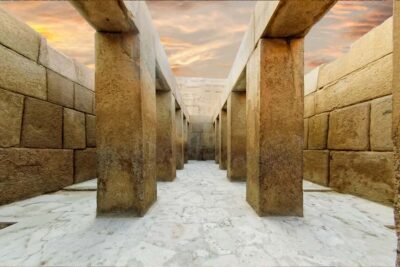
- The Sphinx and Valley Temple: the closest thing to a time machine
- Egyptian Museum: what you see is only part of a much bigger collection
- Khan al-Khalili: the bazaar break you actually need
- The Luxor West Bank day: Hatshepsut and the Valley of the Kings without the guesswork
- Deir el Bahari, Hatshepsut’s mortuary temple: structure that feels unusual
- Valley of the Kings: not just rocks, it’s 500 years of royal burials
- Colossi of Memnon: big statues and sunrise lore
- Karnak Temple: the heart of Thebes
- Aswan High Dam and Philae Temple: engineering meets sacred storytelling
- Why I like Philae with your guide’s context
- Abu Simbel at 5:00 am: worth the early wake up
- How the timing works, and why it’s included
- The sleeper train advantage: fewer travel hassles, more Nile time
- Price and logistics: where your $1,295 goes, and what costs extra
- Is it good value?
- Meals, pacing, and how to prepare like a pro
- Who this tour fits best
- FAQ
- What is the duration of the tour?
- What is the price per person?
- Is pickup included?
- What parts of the trip include a sleeper train?
- Which major attraction entrance fees are not included?
- What time does the Abu Simbel visit start?
- Is cancellation free?
- Should you book this 6-day Cairo, Giza, Luxor, Aswan, and Abu Simbel tour?
Key highlights to watch for
- Airport meet and escort in Cairo, plus a vehicle setup that confirms pick up times
- Private Egyptologist guiding at every major stop, not just a quick script
- Giza day that hits the Pyramids area, Sphinx, Egyptian Museum, and Khan al-Khalili
- Luxor West Bank focus, including Hatshepsut at Deir el Bahari and the Valley of the Kings
- Aswan by road plus Philae Temple by water taxi, then a very early Abu Simbel morning
- Sleeper train travel built into the trip, including the Aswan to Cairo overnight
Ways onto the Giza plateau, compared
- Cairo: Pyramids & Great Sphinx Private Tour with Camel Ride★ 4.9 · 6,335 reviews
- Tour to Giza Pyramids and The Egyptian Museum★ 5.0 · 6,016 reviews
- VIP All inclusive Best of the best Giza Pyramids,Sakkara,Memphis★ 5.0 · 3,164 reviews
- From Cairo: Pyramids of Giza, Sphinx, Saqqara & Memphis Tour★ 4.7 · 3,110 reviews
Cairo first day: airport to hotel, with time saved
Your day starts the moment you land. A tour manager meets you at Cairo International Airport, then escorts you into the city by an exclusive air-conditioned vehicle. Once you check in, you review the itinerary and confirm pick up times. That detail matters in Cairo, because a smooth start is what makes the next 5 days feel controlled instead of chaotic.
If you’re a little wary about your first steps in Egypt, this setup helps. You’re not trying to figure out taxis, directions, or ticket rules on the fly. You also get a real human point of contact immediately, which is a big deal when you’re traveling on a schedule.
Giza, Sphinx, Egyptian Museum, and Khan al-Khalili in one strong day
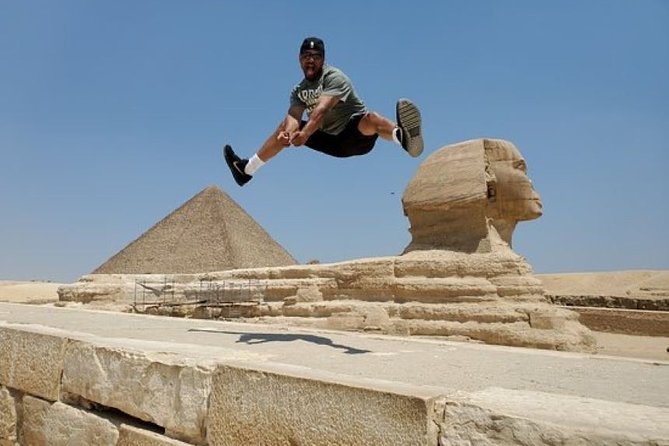
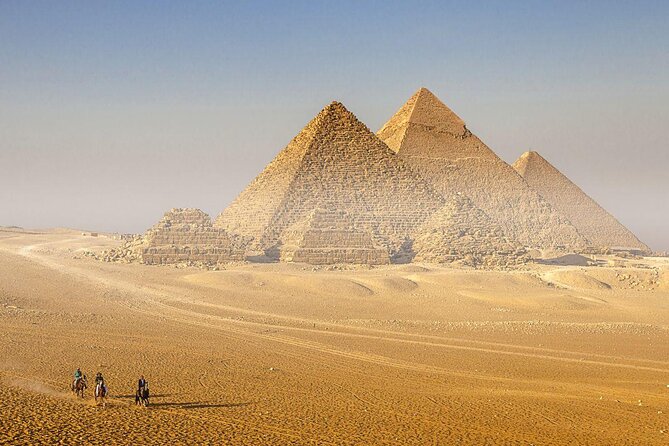
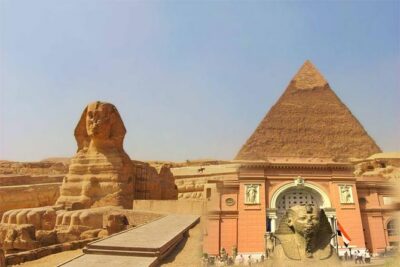
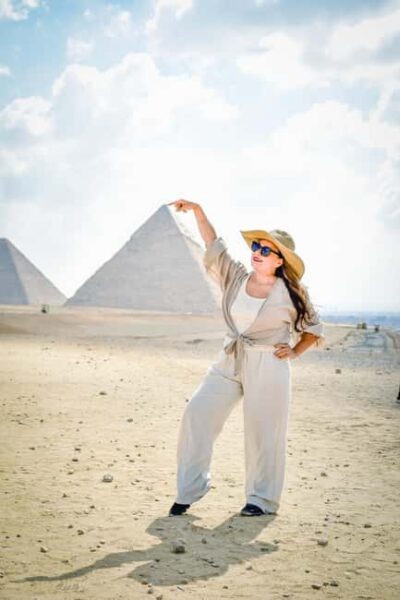
Giza is the obvious headline, but the smart part is how the day is structured so you keep context, not just photos. After breakfast, your personal guide takes you to the Giza Plateau to see the Great Pyramids of Giza, including Cheops, Chefren, and Mykerinus, plus the Sphinx and Valley Temple.
Two practical notes. First, the Pyramids entrance fee is not included in the package, so plan on paying that extra on the day. Second, the tour gives you around 2 hours for the Pyramids area, which is enough to take in the shapes, walk key sections, and still have energy for the rest of the day.
The Sphinx and Valley Temple: the closest thing to a time machine
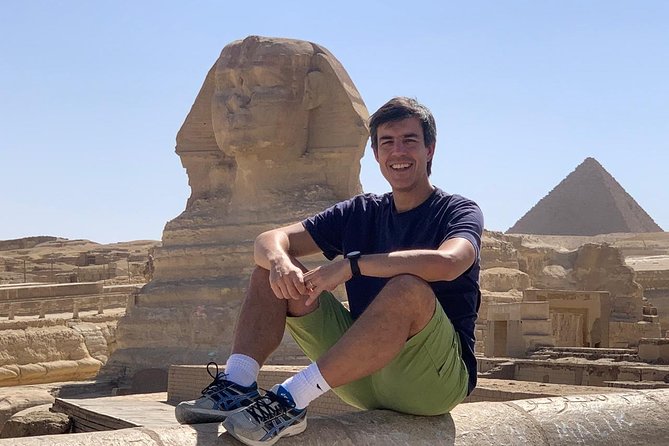
The Sphinx is included with an admission ticket on this schedule, which is helpful. You’ll also visit the Sphinx and Valley Temple facing the Great Statue. The Sphinx is a long, limestone landmark cut from bedrock, and it’s hard to describe its scale until you stand near it.
What I like here is that your guide can connect the Sphinx to the broader Giza complex story, instead of leaving you with a standalone “big face in the sand.” That context makes the visit feel less like a checklist.
Egyptian Museum: what you see is only part of a much bigger collection
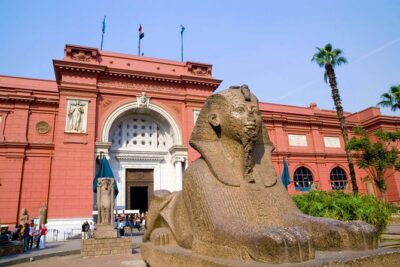
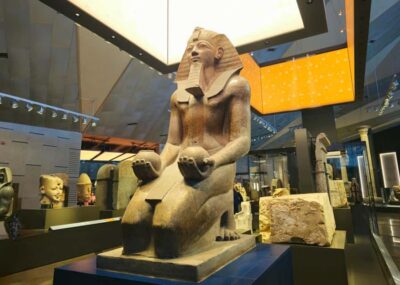
After Giza, you head to the Egyptian Museum in Cairo. The building holds an enormous number of items in total, but the point of this visit is the representative collection on display, not the whole storeroom world. Expect about 2 hours here.
This museum stop is valuable because it changes your viewing angle. When you later look at tomb scenes and temple carvings in Luxor and Aswan, you’re not starting from zero. You already know the names of key periods and you’ve seen objects tied to daily life and royal power.
If you get a guide who explains what you’re looking at, this museum visit clicks quickly. Names you might hear from past guide rosters include people like Nevin in Cairo, and I’d treat that as a good sign if it happens to be your guide.
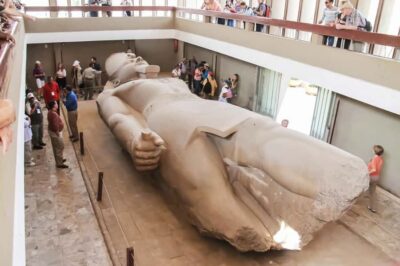
Further south to Abu Simbel, other operators
Khan al-Khalili: the bazaar break you actually need
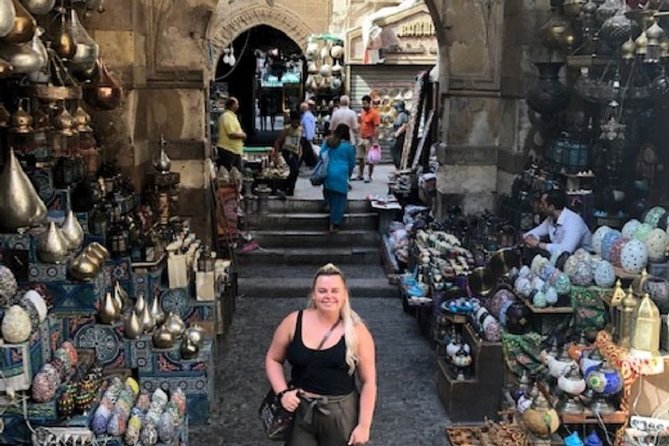
The day ends with Khan al-Khalili, described as the biggest bazaar in Cairo and the Middle East. This is not a museum, but it’s a useful cultural stop. After hours of stone monuments, a busy market area helps you reset, snack if you want, and practice simple street-level reality: people, bargaining rhythms, and the pace of Cairo life.
One tip: set a small goal before you enter, like finding a specific souvenir type, or just walking to the first busy intersections and observing. That keeps you from burning time drifting.
The Luxor West Bank day: Hatshepsut and the Valley of the Kings without the guesswork
Once you’re in Luxor, the itinerary turns focused on the West Bank. That means tombs, mortuary temples, and the places tied to burial and afterlife beliefs. It’s a strong theme, and it works well with a private guide because you get explanations between stops instead of after.
Your day includes:
- Temple of Hatshepsut at Deir el Bahari
- Valley of the Kings
- Colossi of Memnon
- Karnak Temple (New Kingdom center of faith and power)
Deir el Bahari, Hatshepsut’s mortuary temple: structure that feels unusual
You’ll visit the Temple of Hatshepsut at Deir el Bahari. This temple is dedicated to Amon-Ra and designed by Senemut. What makes it memorable is the way the architecture reads like classical terraces and colonnaded levels carved into the cliffs.
It’s included with an admission ticket and you’ll have about 2 hours. In my view, that time is important because Deir el Bahari rewards slow observation. Look at the terraces, relief ideas, and the way the temple’s layout supports the story the Egyptians wanted to tell.
Valley of the Kings: not just rocks, it’s 500 years of royal burials
The Valley of the Kings is a gorge-like landscape on first glance, but under the dust are tombs of many pharaohs, used for nearly 500 years from the 16th to the 11th century BC. You’ll hear about how Howard Carter discovered Tutankhamun’s tomb in 1922, and that connection alone helps you understand why this valley matters.
You’ll get about 2 hours here. That’s enough to understand the selection logic of tomb placements and to see why certain tombs are considered major finds. Even if you have no interest in memorizing names, the guide’s explanations can help you notice patterns: symbolism, layout, and how tomb design supported the afterlife mission.
Colossi of Memnon: big statues and sunrise lore
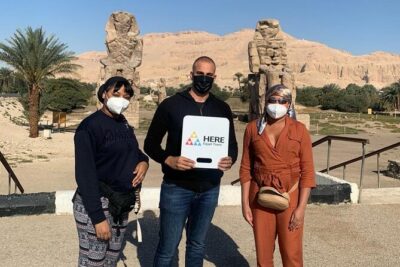
Then you’ll stop at the Colossi of Memnon, twin statues linked to Pharaoh Amenhotep III. They’re famous for the legend of sounds at sunrise. Even if you miss the full sunrise moment, you still get a sense of scale because the statues stand tall, carved from stone, and they anchor your entry into the West Bank feeling.
This stop is shorter, about 30 minutes, and that’s fine. It functions like a breather between the heavier tomb and temple portions.
Karnak Temple: the heart of Thebes
Finally, you visit Karnak Temple. It’s described as the heart of Egypt during the New Kingdom, tied to Thebes and the power concentrated there. Karnak is huge, and you’ll have around 2 hours.
This is where your guide matters most. Karnak can become “lots of columns” if nobody explains what you’re seeing. With good guiding, you learn how the complex served as a religious center and also a treasury, then you start noticing how different temple parts relate to one another.
If you’re lucky enough to have a guide like Abd El Hamid for Luxor and Aswan, or Walid for Luxor, you’ll likely get that kind of clear linking, not a rushed march.
Aswan High Dam and Philae Temple: engineering meets sacred storytelling
The next move is from Luxor to Aswan by private vehicle and driver, around 4 hours. That drive time is a practical advantage of staying on land together: you don’t split your day between transfers, airports, and check-ins.
In Aswan, you start with the High Dam. It’s an engineering feat tied to Gamal Abdel Nasser’s development plans. The High Dam’s scale is easy to grasp, and your visit gives you a sense of how Egypt shaped the Nile’s modern story.
After that, you go to the Temple of Philae. This stop is gorgeous and also practical because it requires a water taxi ride to Aglika Island. The temple was moved after the old Aswan Dam threatened it, and you’ll learn how it was reconstructed to preserve its appearance and layout, including island landscaping to match the former location.
Why I like Philae with your guide’s context
Philae is one of those places where carvings and placement matter. If you arrive without context, you might just see “pretty ruins.” With a guide, you understand why the location and the move itself are part of the story. It’s also a nice contrast after Valley of the Kings, because Philae feels more open and scenic even though it’s still spiritually loaded.
Abu Simbel at 5:00 am: worth the early wake up
This is the day that makes the whole tour feel like more than a standard Egypt highlight pack. You begin at 5:00 am with a breakfast box, then meet your private guide in the Aswan hotel lobby.
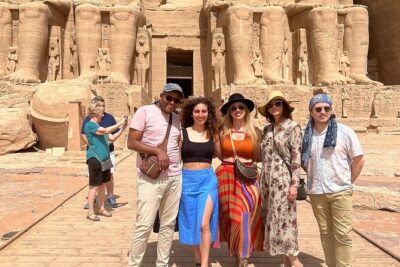
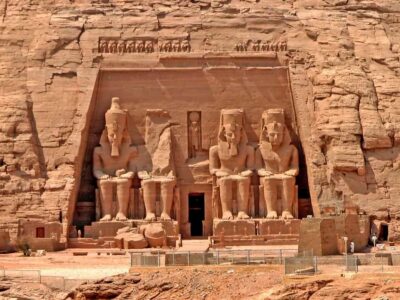
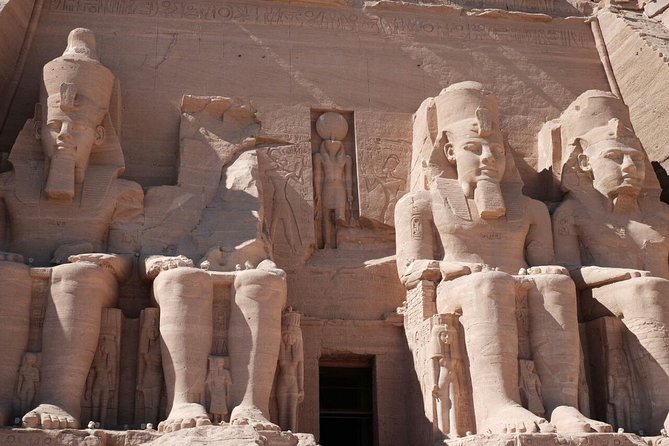
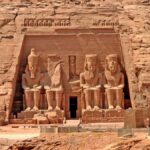
Abu Simbel is one of Egypt’s most famous temple complexes after the Giza Pyramids. The temples were built by Ramesses II, and they marked the southern boundary of the Egyptian Empire with Nubia during the New Kingdom. The visit is designed to help you understand why these temples were carved on a monumental scale: they weren’t meant only for locals, they were meant to be seen and to project power.
How the timing works, and why it’s included
You have about 1.5 hours allocated for the Abu Simbel visit. It’s tight, but that’s the point. This is a morning where the logistics are half the battle. You’re doing it early so you can see the temples before the day heats up and before your energy crashes.
After Abu Simbel, you transfer back to Aswan. Then you take your sleeper overnight train to Cairo.
The sleeper train advantage: fewer travel hassles, more Nile time
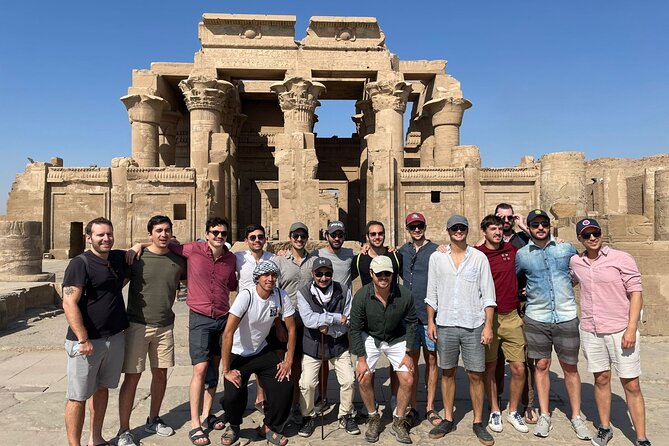
This is a standout feature of the package. Instead of adding a domestic flight and its waiting rooms and security lines, you travel overnight by classic sleeper train on the Cairo to Luxor and Aswan to Cairo legs.
For you, the benefit is straightforward. You save daytime hours that you can spend sightseeing, and you reduce the number of separate transport transitions that tend to cause delays. You also get a change of scenery as the trip moves up and down the Nile corridor.
It’s not luxury in the way a five-star resort is luxury, but it’s practical and it feels more like Egypt than an airport shuttle. It also explains why the tour can fit so much into 6 days without feeling like you’re constantly checking in and out.
Price and logistics: where your $1,295 goes, and what costs extra
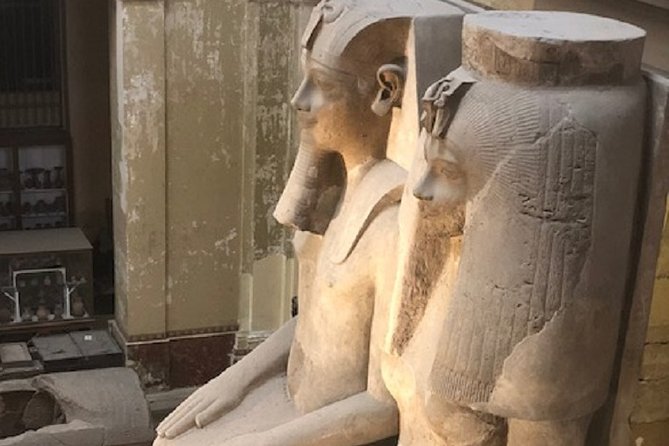
At $1,295 per person, this tour is priced like a “managed experience” rather than a do-it-yourself route. You’re paying for:
- 4-star hotel accommodation
- A qualified Egyptologist guide
- Hotel pickup and drop-off, plus transfers between regions
- Sleeper train tickets for Cairo to Luxor and Aswan to Cairo
- Entry tickets listed as included for specific stops like Colossi of Memnon
- Meals: breakfasts (5) plus lunch (2) and dinner (2)
The biggest extra cost called out is the Pyramids of Giza entrance fee, which is not included. That’s your one clear financial add-on you should plan for.
Is it good value?
For the sites you cover, it can be good value if you want:
- Private guidance, not a shared group script
- Fewer logistical headaches
- The convenience of a train-based routing that reduces flight stress
If you already planned to visit all these monuments independently with guides you sourced yourself, you might pay less. But you’d also take on the burden of timing, transportation, ticket management, and multi-city coordination.
Meals, pacing, and how to prepare like a pro
This trip includes multiple breakfasts, plus some lunches and dinners. That matters because Egypt days can be long and hot, and having at least part of your meals arranged prevents the “guess where to eat” problem.
Pacing is brisk, but not random. Each day has a theme:
- Cairo day with Giza and city landmarks
- Luxor West Bank temples and tomb focus
- Aswan with High Dam and Philae
- Abu Simbel early morning, then back by sleeper train
Pack for early starts, bring a hat and sunscreen, and keep water on hand when you’re walking outside. Also, you’ll need passport details for booking, since the tour requires it for participants.
For a family or solo traveler, the inclusion of pickups and organized transitions is often the difference between enjoying the day and spending it solving problems.
Who this tour fits best
I’d point you toward this tour if you:
- Want a tight “best of” route across Cairo, Giza, Luxor, Aswan, and Abu Simbel
- Prefer private guidance and clear stop-to-stop flow
- Like rail travel and want the overnight segment built in
- Don’t want to spend vacation time sorting out tickets and transport between cities
It also makes sense if you’re first-timing Egypt and want a guide-driven structure. People sometimes mention safety concerns before their first visit. Having pickup, escorts, and named staff roles tends to reduce that anxiety.
If you dislike early mornings or you want long, slow museum wandering with no schedule pressure, you may find the pace a bit intense.
FAQ
What is the duration of the tour?
The tour is 6 days (about 5 nights).
What is the price per person?
The price is $1,295.00 per person.
Is pickup included?
Yes. The tour includes hotel pickup and drop-off, and a meet and assist at Cairo International Airport.
What parts of the trip include a sleeper train?
Sleeper overnight train travel is included for Cairo to Luxor and Aswan to Cairo.
Which major attraction entrance fees are not included?
The entrance fee for the Pyramids of Giza is not included.
What time does the Abu Simbel visit start?
You start very early with a breakfast box at 5:00 am, then visit Abu Simbel.
Is cancellation free?
Yes, there is free cancellation. You can cancel up to 24 hours in advance for a full refund, and weather conditions can affect scheduling, with either an alternate date or a full refund.
Should you book this 6-day Cairo, Giza, Luxor, Aswan, and Abu Simbel tour?
If you want the biggest Egypt hits without turning your trip into a logistics project, I think this is a solid choice. You’re getting private Egyptologist guidance, door to door transfers, 4-star hotels, and two overnight sleeper train segments that help you see more and rush less.
Book it if you can handle early starts and you’re okay paying the extra Pyramids of Giza entrance fee. If that one extra cost or the 5:00 am Abu Simbel wake up sounds like misery, then you may be happier with a slower route you can shape yourself.
Further South: Abu Simbel


Giza, A Few More Ways In



More of Cairo from our review pile
- Cairo Layover Tour to Giza Pyramids Egyptian Museum and Khan Khalili Bazaar
★ 5.0 · 25 reviews - Private Luxor Day tour from Cairo by Flight
★ 5.0 · 25 reviews - Private full day tour to Giza Pyramids, Sphinx, Sakkara and Dahshour with guided
★ 5.0 · 25 reviews - Nile Dinner Cruise in Cairo With Belly Dancing and Transfer
★ 5.0 · 25 reviews - Private Giza Pyramids,Sphinx,camel,lunch, 2 tombs,Great Pyramid
★ 5.0 · 25 reviews - All inclusive Giza Pyramids ,Sphinx ,Lunch ,Camel&Inside pyramid
★ 5.0 · 25 reviews
Giza Pyramids & Sphinx Tours, compared.
 ★ 4.9Pyramids & Great Sphinx Private Tour with Camel RideFrom $486,335 reviews
 ★ 5.0Tour to Giza Pyramids and The Egyptian MuseumFrom $1556,016 reviews
 ★ 4.7Pyramids of Giza, Sphinx, Saqqara & Memphis TourFrom $903,110 reviews
 ★ 4.6Half-Day Tour to Pyramids of Giza and the SphinxFrom $502,891 reviews
 ★ 4.6Pyramids, Sakkara & Memphis Tour with LunchFrom $602,493 reviews
 ★ 5.0Private ViP all-inclusive Giza Pyramids,Sphinx,Inside PyramidFrom $142,448 reviews
 ★ 4.7Grand Egyptian Museum, Pyramids, Sphinx Tour & LunchFrom $892,282 reviews
 ★ 4.7Cairo Pyramids, Sphinx & Egyptian Museum Day TripFrom $932,271 reviews
The lists this one sits on