
REVIEW · NILE CRUISES BETWEEN LUXOR AND ASWAN
Private 7-Night Cairo, Aswan, and Nile Cruise with Flights
Seven wonders, then the Nile slows everything down. This 7-night package strings together Cairo highlights like Giza and the Egyptian Museum, then adds a fly-in Nile cruise from Aswan to Luxor, ending back in Cairo with a free day (or optional Alexandria).
The best part is the human side of it. I like how the trip is built around handoffs and pickup-and-transfer support, with arrival help and constant guidance on the cruise days. In Cairo and on the Nile, guides such as Mohammed Sohby, Refai/Refaie, Nour, and Ahmed show up as real personalities, not just drivers reading a script.
One thing to watch is the “extra costs” reality. Entrance fees are not included (budget roughly 69 USD per person), and drinks water are also extra, plus Egypt is a tipping culture and the trip includes optional upgrades and add-on tours that can tempt you to spend more than you planned.
In This Review
- Key points worth knowing before you go
- Cairo arrival, visa help, and the first guide meeting
- Pyramids of Giza plus camel time, if you want it
- Egyptian Museum in Cairo: plan for cash and pace yourself
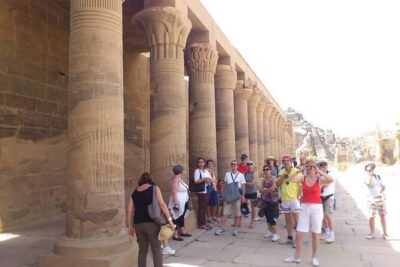
- Flying to Aswan and the first Nile sights: Unfinished Obelisk, High Dam, Philae
- Abu Simbel, Kom Ombo, and Edfu: big temples, bigger days
- Luxor arrival, Luxor Temple night, and a market walk option
- West Bank day in Luxor: Valley of the Kings, Hatshepsut, and Colossi of Memnon
- Flying back to Cairo: free day, optional Alexandria
- Price and value: what your $1,550 really buys
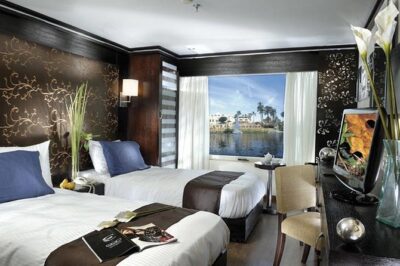
- Hotels and cruise standards: what 5-star can mean in Egypt
- Transfers, pacing, and the private-vehicle reality
- Guides and service: the people factor is the real highlight
- Tipping, shopping stops, and how to keep control of your budget
- Should you book this Cairo and Aswan to Luxor cruise?
- FAQ
- What parts are included in the tour price
- Are entrance fees included
- Do you offer vegetarian meals
- Is water included with meals on the cruise or in hotels
- Is Wi-Fi available on the ship
- How much time do you spend cruising on the Nile
Key points worth knowing before you go
- You get fewer hassles thanks to airport transfers, hotel pickup, and guided days
- The Nile portion is full-board, with meals handled and a guide accompanying sailing days from Luxor to Aswan
- Expect optional costs like entrance tickets and add-on excursions such as Abu Simbel or Philae
- Hotel and boat quality can vary, and several comments warn that Egyptian 5-star often feels like a lower US-style rating
- Tipping and shopping pressure are part of the experience, especially early in the Cairo portion
- No Wi-Fi on the ship, with Wi-Fi limited to hotels
More boats sailing the same stretch
- Egypt 8 nights:Cairo,Luxor,Aswan,Abu Simbel,Nile cruise,Balloon★ 4.5 · 227 reviews
- Sunset & Night Open Air Nile Cruise in Cairo & Giza★ 5.0 · 158 reviews
- Evening Dinner Nile Cruise in Cairo with Private Transport★ 5.0 · 53 reviews
- Unique Open Air Nile Cruise in Cairo and Giza★ 5.0 · 32 reviews
Cairo arrival, visa help, and the first guide meeting
Cairo starts with a representative waiting at the airport to help you through formalities, then you meet your Egyptologist guide soon after. This matters because the first day in Egypt can feel like a blur, between paperwork, finding the right line, and getting oriented with a city that moves fast.
The experience is designed so you are not figuring out logistics while also trying to stay calm. After the guide explains how the days will flow, you can ask questions in plain language. From the way multiple guides were praised, names like Hedra (arrival assistance) and Mohammed Sohby/Mohamed (Cairo guidance) show the same pattern: you get help, not just a schedule.
Pyramids of Giza plus camel time, if you want it
The Giza day is the showpiece: a private escorted visit to the Pyramids of Giza with photo stops and explanations from your guide. The value here is not only seeing the pyramids, it is having someone point out what to look for, where to stand for the best angles, and how the landscape of Giza actually fits together.
One practical note from real on-the-ground experience: camel rides may get offered at the pyramids, sometimes only after you have already reached the viewing area. If you want that short ride, ask clearly about price upfront so you can decide without feeling rushed.
Lunch is described as optional, and that is good. You can choose a more Western-style meal or lean into local options, then get back to the monuments while your energy is still high.
Egyptian Museum in Cairo: plan for cash and pace yourself
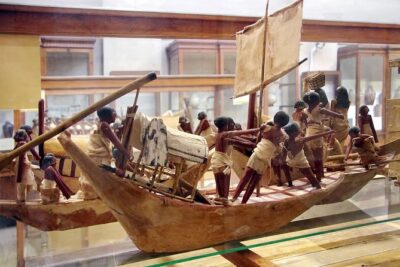
The Egyptian Museum visit is timed after you drive downtown to the Tahrir area. The museum is known for major collections including Tutankhamun highlights and mummies, and the best way to enjoy it is at your own pace, even if the day keeps moving.
Here is where you should prepare mentally for what this package often does. The trip builds in transport and a guide, but entrance fees are extra, and shop stops can appear. One reviewer said the Cairo guide could feel rushed toward craft and retail stops after the museum, so keep your focus and ask for enough time at the exhibits that interest you most.
Bring small bills for tips and small purchases. Egypt runs on them, and many small costs can stack quickly once you are out of the hotel bubble.
Flying to Aswan and the first Nile sights: Unfinished Obelisk, High Dam, Philae
After Cairo, you fly domestically to Aswan, then transition to the Nile cruise. This is a smart choice if you want to protect time: the alternative is long overland travel, and Egypt rewards a slow approach on the river.
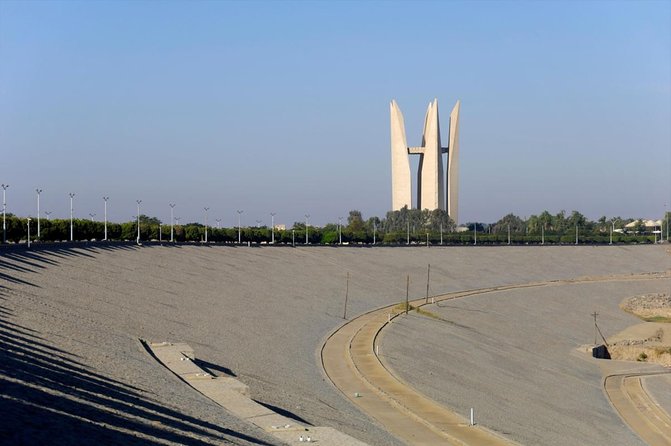
In Aswan, you will see key landmarks early: the Unfinished Obelisk from the reign period of Hatshepsut, the Aswan High Dam, and the Temple of Philae as an optional excursion. Even if you do not love engineering or ancient religion, these stops give context. You start to see how Egypt’s “ancient world” and “modern world” connect through the same geography and river.
Day 3 is also a transition day. You are arriving, touring, then sailing. The practical win is that your guide and transfers handle the handoffs, so you can focus on what you came for rather than figuring out where to be next.

Abu Simbel, Kom Ombo, and Edfu: big temples, bigger days
The itinerary keeps escalating, so this is where your energy management matters most.
On day 4, you have the option to add Abu Simbel, one of Egypt’s headline attractions. It is a long drive each way, and the tour only works well if you are okay committing time for it. If you love scale and iconic facades, it is worth considering. If you prefer lighter days, you can skip it and still enjoy the cruise temples later.
After Aswan, the trip includes Kom Ombo, where the temple has a dual dedication linked to Sobek and Horus. This matters because it gives you a break from seeing the same temple layout over and over. Different cults shaped different temple designs.
Then you sail toward Edfu, and on day 5 you visit the Temple of Horus. The Edfu temple is a classic and it feels complete, with construction that took a very long time. Even if you only catch the major scenes, your guide can connect the symbols so you are not just reading labels.
Luxor arrival, Luxor Temple night, and a market walk option
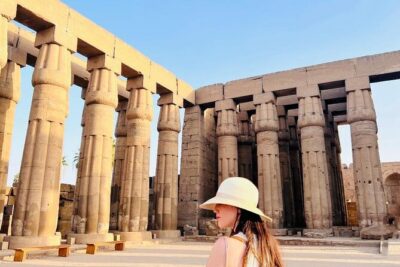
When you arrive in Luxor, your day is lighter than the temple-heavy Aswan side, but you still get a good sense of how Luxor lives after sunset. You may visit Luxor Temple on that night as an optional excursion, or you can take a walking tour.
The package also includes a Luxor Market time at some point during the day flow. This is where you can practice the “polite no” skill. Many items are available and prices start higher than you might expect, and this is one of the moments where shoppers can push. If you want souvenirs, go in expecting to negotiate, and know you can always compare later at other stops.
West Bank day in Luxor: Valley of the Kings, Hatshepsut, and Colossi of Memnon
Day 6 is the West Bank day, and it is one of the best reasons to book the cruise package. The sequence matters: you start with Valley of the Kings, then move to Temple of Hatshepsut at Deir el Bahari, and finish with the Colossi of Memnon.
The Valley of the Kings is about discovery. Even if you do not enter every tomb, the setting helps you understand why this area became a world-famous burial zone. Your guide can help you pick out what is most historically significant and what is most visually striking.
Next comes Hatshepsut, the story of a female pharaoh presented through architecture at Deir el Bahari. It is dramatic without being loud, and it often lands well even with travelers who feel temple fatigue after a few days.
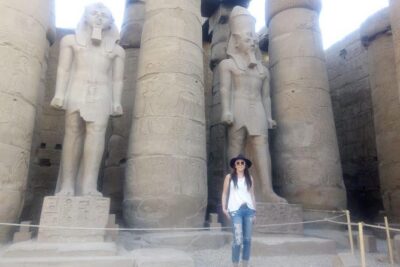
The Colossi of Memnon are short on time but big on impact. Two massive statues greet you right as you cross over, and your first glimpse can feel like a scene-setting moment for the rest of the day.
An optional add-on exists again for Karnak Temple, but only add it if you still have steam. West Bank days are not short, and it is easy to get “sightseeing tired” fast.
Flying back to Cairo: free day, optional Alexandria
You fly from Luxor back to Cairo on day 7, then have a day in Cairo that is either yours to enjoy or you can add an optional Alexandria tour for extra cost.
That free time is valuable because it lets you do two things this itinerary cannot do well for everyone: shop at your own pace and revisit whatever you missed during the packed temple days. If you hate shopping pressure, you can spend the time resting instead and still get real value from a light day.
If you do choose Alexandria, go in expecting a different vibe from Cairo and Luxor. It is a chance to shift gears from ancient monuments to a coastal city feel.
Price and value: what your $1,550 really buys
At about 1,550 USD per person, this package is priced for convenience. It bundles multiple moving parts that are usually annoying to stitch together yourself: Cairo hotels, a Nile full-board cruise, domestic flights between Cairo, Aswan, and Luxor, and repeated guided days with transfers.
But it is not all-inclusive in the way some people expect. Entrance tickets are extra, and drinks are extra. The guide will also suggest optional excursions, and several comments highlight that optional tours can be expensive, especially when you travel solo.
Here is my practical way to judge the value:
- If you want logistics handled, you will like this format.
- If you want to maximize independent exploration, you might find better deals piecing together smaller tours.
- If you hate tipping culture and sales pressure, this may test your patience early on.
Hotels and cruise standards: what 5-star can mean in Egypt
The package offers Cairo hotel choices that can range by availability, including options near the Pyramids such as Mercure Pyramids, Le Passage Heliopolis, or other listed alternatives. Your cruise is described as superior 5-star plus, full-board, but experience reports suggest quality can vary, and some mention dated boats or rooms that did not feel like the advertised level.
Also note a comfort reality: Wi-Fi is not available on the ship. Hotels have free Wi-Fi, while the Nile portion can be more unplugged than you expect. If you rely on messaging or maps constantly, plan offline.
Food on the cruise gets mixed but tends positive. At minimum, you are not paying for every meal. You also get tea and coffee with meals, and water is not provided with meals, so plan to buy or carry what you need.
Transfers, pacing, and the private-vehicle reality
This is described as private, with only your group participating. At the same time, it also notes that some departures can still share two families for certain tours or transfers. So the most accurate expectation is: you should get a private guide and private vehicle, but there could be sharing depending on the specific departure format.
Either way, the strength of this package is pacing. Domestic flights remove the longest land travel days. You also have early starts and late finishes built into the plan, including a flight timing window from Luxor to Cairo depending on seats.
One important “read this before you show up” detail: flight time on internal legs can shift due to availability, so you will not control the exact departure minute the way you might on a fully flexible schedule.
Guides and service: the people factor is the real highlight
The most consistent praise is about the guides and how they make the sites make sense. On the cruise, Refaie/Refai was singled out for storytelling and for answering questions in a way that felt personal. In Cairo, guides like Mohammed Sohby/Mohamed were praised for explanations at the pyramids and museum, and for making photo moments easier for solo visitors too.
There is also a clear pattern: when you communicate needs like time, fatigue, or hunger, guides often adjust. That is not always true in every package, but here it shows up repeatedly.
Even drivers and arrival representatives were praised for being on time, careful, and attentive during handoffs. If you prefer a smooth experience over chaos, this part is worth paying for.
Tipping, shopping stops, and how to keep control of your budget
This is the tricky part, and you should plan for it before you land.
Egypt is a tipping culture, and this itinerary places you in lots of service moments: drivers, guides, baggage handling, and people involved in market stops. Some comments complained about constant requests and pressure, and one negative review claimed they were advised a minimum of about 100 Egyptian pounds per day for the guide, with less for drivers. That is not a universal rule, but it gives you a real idea of what people mean when they say tipping is expected.
Shopping pressure also tends to increase early. Optional add-ons in Cairo can include papyrus, perfume, rug and craft stops, and similar experiences that are often framed as optional but can feel hard to ignore when you are tired from travel. If you do not want that layer, stay firm, ask for time to simply enjoy the monument, and do your major purchases later if you still want them.
My practical advice: bring cash in small bills, keep it separate, and treat tipping as a budget line, not a surprise tax.
Should you book this Cairo and Aswan to Luxor cruise?
I would book this tour if you want a guided, low-hassle way to hit Cairo’s must-sees and combine them with a classic Nile cruise. It is especially appealing if you do not want to coordinate flights, pickups, and multiple attraction days on your own.
I would think twice if you expect a perfectly matched “US-style 5-star” standard, or if you dislike optional upsells and nonstop tipping requests. Some people felt hotel and boat quality did not match the highest package expectations, and shopping stops can feel aggressive, especially early.
If you go in prepared, you will likely have a strong trip. Decide ahead of time which optional excursions you truly want, budget for entrance fees and tips, and remember that the best value of this package is not just the monuments. It is the ability to move through Egypt with fewer decisions when you would rather spend your energy on the views.
FAQ
What parts are included in the tour price
The tour includes 4 nights in Cairo (bed and breakfast), 3 nights superior 5-star plus Nile cruise on full board, domestic flights Cairo to Aswan and Luxor to Cairo (and flight connections as needed), and transfers by A/C vehicle. It also includes an English-speaking guide and pickup assistance, with some lunches and dinners listed as included.
Are entrance fees included
No. Entrance fees are not included and are listed as approximately 69 USD per person for all tours.
Do you offer vegetarian meals
Yes, a vegetarian meal option is available.
Is water included with meals on the cruise or in hotels
No. Water or drinks in hotels and cruise ships are not included, and the notes say water is not provided through meals, only tea or coffee.
Is Wi-Fi available on the ship
No. Wi-Fi is available free in hotels, but it is not available on the ship.
How much time do you spend cruising on the Nile
The standard plan is 3 nights cruising on full board, but depending on the sailing schedule you may upgrade to 4 nights cruising starting from Luxor without extra cost.
Sailing Luxor to Aswan




More of Giza from our review pile
- Sakkara, Memphis & Dahshur Tour
★ 5.0 · 26 reviews - Private Day to Giza Pyramids, Egyptian Museum and camel sunset
★ 5.0 · 26 reviews - Pyramid Duo Rooftop Capturing Elegance from the Rooftop
★ 5.0 · 26 reviews - Half Day Giza Pyramids and Sphinx
★ 5.0 · 26 reviews - Private Tour Giza Pyramids Wonders All inclusive
★ 5.0 · 26 reviews - Giza Pyramids, Sphinx & inside the Great Pyramid of Khufu
★ 5.0 · 27 reviews
Nile Cruises Between Luxor and Aswan, compared.
 ★ 5.04-Days Nile Cruise From Aswan To Luxor including Abu Simbel and Hot Air BalloonFrom $3493,142 reviews
 ★ 4.54-Day 3-Night Nile Cruise from Aswan to Luxor including Abu Simbel, Air BalloonFrom $329612 reviews
 ★ 4.14-Day Nile Cruise from Aswan to Luxor with GuideFrom $830593 reviews
★ 4.54-Days Nile Cruise From Aswan To Luxor including Abu Simbel and Hot Air BalloonFrom $320509 reviews
★ 4.14-Day Nile Cruise from Aswan to Luxor with GuideFrom $830593 reviews
★ 4.54-Days Nile Cruise From Aswan To Luxor including Abu Simbel and Hot Air BalloonFrom $320509 reviews
 ★ 5.04-Day 3-Night Nile Cruise from Aswan to Luxor – Private TourFrom $504369 reviews
★ 4.54 Days Nile Cruise from Aswan to Luxor including Abu Simbel and Hot Air BalloonFrom $329356 reviews
★ 5.04-Day 3-Night Nile Cruise from Aswan to Luxor – Private TourFrom $504369 reviews
★ 4.54 Days Nile Cruise from Aswan to Luxor including Abu Simbel and Hot Air BalloonFrom $329356 reviews
 ★ 5.04-Day 3-Night Nile Cruise from Aswan to Luxor With Balloon and Abu SimbelFrom $311327 reviews
 ★ 5.04-Days Nile Cruise Aswan&Luxor,Hot Air Balloon&Abu Simbel.Hot dealFrom $524322 reviews
The lists this one sits on