
REVIEW · 2-DAY EXPERIENCES
Private 2 Days The Best of Luxor
Luxor in two days feels like time travel. This private plan is a fast, focused way to see the Valley of the Kings and Karnak Temple with an Egyptologist guiding what you’re actually looking at, and at least one guide, Khalid, is often credited for making the monuments feel personal. I like that it’s built around a private vehicle and a set route, so you’re not stuck negotiating, waiting, or second-guessing what matters most.
What I really love is the pairing of big outdoor wow moments with museum context. You get temple-scale architecture on the East Bank, then on day two you move into Luxor Museum for artifacts tied to the area, including items associated with King Tutankhamun’s tomb. The Egyptologist-led explanations help you connect the dots instead of just snapping photos and hoping it makes sense later.
The main consideration: entrance fees are not included, and the schedule also treats the Tomb of Tutankhamun as optional, with an extra fee listed. That means your total cost can rise if you want every ticketed highlight, and the days are packed, so plan for a strong walking pace.
In This Review
- Key things to know before you go
- How the 8:00 am pickup and AC vehicle shapes your time
- Day 1 on the West Bank: royal tombs and Hatshepsut at Deir el Bahari
- Valley of the Kings: a necropolis you learn to read
- Ramses III (KV 11): color, ritual texts, and side-room surprises
- Ramses IX: goddess Nut overhead and a big sarcophagus
- Merenptah: scale changes and a Howard Carter connection
- Optional Tomb of Tutankhamun: face to face, but budget for the ticket
- Temple of Hatshepsut at Deir el Bahari: the only woman-pharaoh
- Colossi of Memnon and the mortuary temple stop
- Day 1 practical tips I’d follow
- Day 2 on the East Bank: Karnak, Luxor Temple, and the Avenue of Sphinxes
- Karnak Temple: the world’s great architectural puzzle pieces
- Luxor Temple: Theban Triad and granite statues of Ramses the Great
- Short obelisk stops and the Avenue of Sphinxes walk
- Luxor Museum with an Egyptologist: where Tut-related pieces make sense
- Price and logistics: is $150 per person good value here?
- Who this private Luxor plan suits best
- Should you book Private 2 Days The Best of Luxor?
- FAQ
- What time is pickup for this tour?
- Is this a private tour?
- What’s included in the price?
- Are entrance fees included?
- Do I have to pay extra for the Tomb of Tutankhamun?
- What sites do you visit during the two days?
- Is a hot air balloon ride included?
- Is free cancellation available?
Key things to know before you go
- Private guide and air-conditioned vehicle for two days, with pickup and drop-off
- West Bank tomb focus with stops like Ramses III (KV 11) and Merenptah, plus optional Tutankhamun
- Karnak Temple highlights you can actually orient yourself in, including the Hypostyle Hall and major obelisks
- Luxor Museum in the middle of the trip so artifacts land in your brain, not after you’re already gone
- Short visits to multiple temple features on day two, great for first-time planning, less great for slow travelers
Trying to choose? These Luxor trips kept surfacing in our notes.
- Hurghada: Luxor Valley of the Kings & Tutankhamun Tomb Trip★ 4.7 · 13,208 reviews
- Luxor Day Trip from Hurghada Small Group & Tutankhamun Tomb★ 4.8 · 5,366 reviews
- Hot Air Balloon Ride in Luxor Egypt with Transfers Included★ 5.0 · 4,319 reviews
- Luxor: Shared Full-Day Tour to Luxor West and East Banks★ 4.5 · 1,812 reviews
How the 8:00 am pickup and AC vehicle shapes your time
This tour starts at 8:00 am, which is one of the smartest choices in Luxor. Early pickup means you spend more of the day inside shade or at major sites before the hottest part of the afternoon. Hotel pickup is offered in central Luxor or at the harbor, so you’re not piecing together taxis while everyone else is already heading out.
The air-conditioned vehicle is a real quality-of-life upgrade in Egypt. You’ll be traveling between the West Bank and East Bank, plus moving from tomb to tomb. When the guide is driving and your schedule is clear, you can focus on reading the carvings and asking questions instead of juggling directions.
One more practical point: it’s private, meaning only your group rides together. That matters on long days because it keeps your pace realistic. With public tours, you often end up waiting while others filter in and out. Here, the timing is designed around your group, and that can make the difference between feeling rushed and feeling in control.
Finally, the tour duration is listed as about 2 days, and the day 1 window is described as roughly 8 hours. That gives you coverage of the West Bank highlights, but it also means you should plan for tired legs afterward. If you want a long, lazy vacation pace, this is more of a “see the big stuff with expert guidance” style.
Day 1 on the West Bank: royal tombs and Hatshepsut at Deir el Bahari
Day 1 is built for the West Bank, and it moves through tombs and temples like a guided highlight reel. You’ll start at the Necropolis of Thebes, the Valley of the Kings. The key thing here is the order and selection of tombs. When you see multiple royal burial sites close together, the symbolism starts to repeat, and your guide can point out what changes from pharaoh to pharaoh.
Valley of the Kings: a necropolis you learn to read
You’ll get a full guided visit at the Valley of the Kings, and the tour frames it as a must-see for Luxor travelers. You won’t just be walking through entrances. You’ll learn what the tombs were built to do, how the scenes were meant to protect and prepare the dead for the afterlife, and why the West Bank became the home for royal burials.
Ramses III (KV 11): color, ritual texts, and side-room surprises
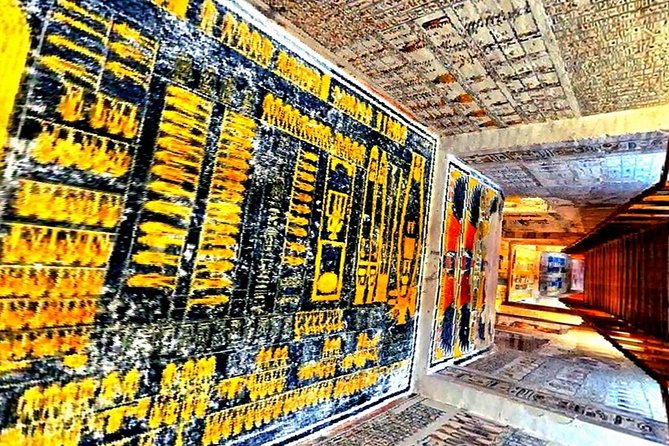
One of the featured stops is the tomb of Ramses III, KV 11. This is where the schedule shines. The decorations include colorful painted sunken reliefs with ritual texts like the Litany of Ra and the Book of Gates. You’re also shown scenes of Ramses before the gods, which helps you understand the tomb as a religious statement, not just decoration.
A really interesting detail for visitors is how many “secular” scenes you can find in the side rooms. These include foreign tributes, such as pottery imported from the Aegean, plus the royal armor set-ups, boats, and a chamber associated with blind harpists. The alternative name Tomb of the Harpers comes from that theme. If you like moments that feel human, this tomb can deliver them.
Ramses IX: goddess Nut overhead and a big sarcophagus
Another stop is the tomb of Ramses IX. The description points to a ceiling view where the goddess Nut stretches across the space above the sarcophagi. Even with some deterioration to paintings, this is still described as one of the more decorated tombs, and the sarcophagus is noted as especially large for the Valley.
This is a good stop if you tend to look up. The tomb experience is often ruined when you stare at the floor and rush past ceilings. With a guide steering your attention, you’re more likely to notice the composition.
Merenptah: scale changes and a Howard Carter connection
You’ll also visit the tomb of Merenptah. The tour notes Tomb 8 as the burial place of Pharaoh Merneptah and gives background on the god Ptah and its protective role in myth. It also references material changes in the layout, including fewer lateral rooms and taller corridors and chambers.
There’s also a historical connection mentioned in the description: the tomb was discovered by Howard Carter in 1903. Whether you’re a tomb-nerd or a casual admirer, that sort of timeline helps you place what you’re seeing in the story of modern Egyptology.
Optional Tomb of Tutankhamun: face to face, but budget for the ticket
The route includes Tomb of King Tutankhamun as an optional stop. If you choose it, the listed entrance fee is 360.00 EGP. The description emphasizes that you can be face to face with his royal mummy in the tomb.
This is the most famous name on the West Bank, and it’s also the most likely to add time and cost. If you’re on a budget, consider this carefully. If King Tut is your “must,” then the optional ticket can be worth it because it’s the closest thing to a once-in-a-lifetime encounter on this list.
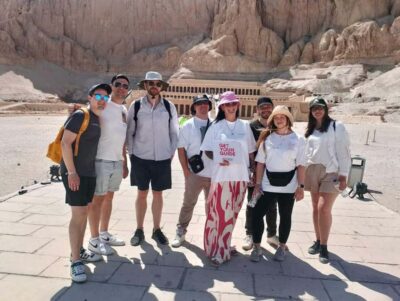
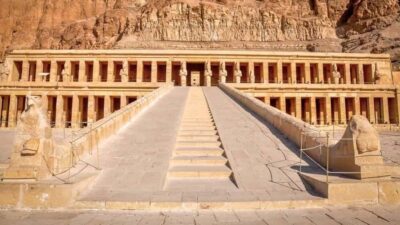
Temple of Hatshepsut at Deir el Bahari: the only woman-pharaoh
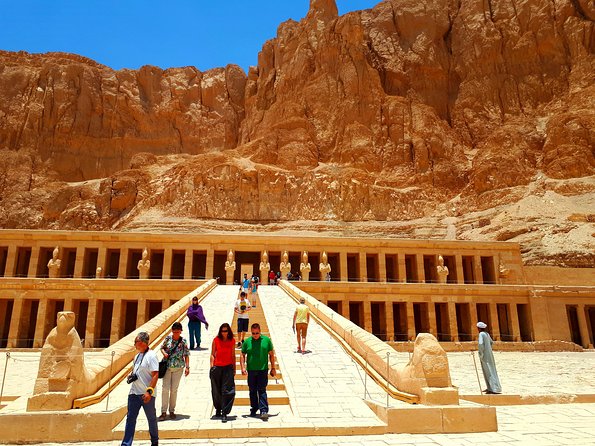
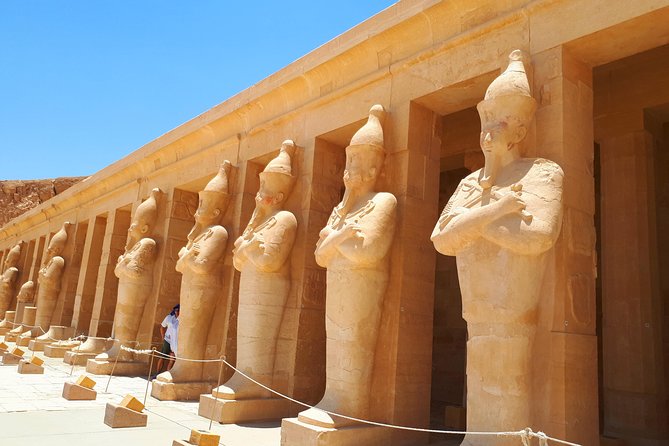
After the tomb sequence, you’ll go to the Temple of Hatshepsut at Deir el Bahari. The tour describes Hatshepsut as the only woman ever to reign over Egypt as Pharaoh, and it notes she is an ancestor of Tutankhamun and part of the same dynasty.
Deir el Bahari is one of those places where the architecture does the talking. You’re not just learning about a person, you’re seeing how a ruler used grand design to legitimize authority and declare importance. If you want a break from tight tomb corridors, this temple stop is a welcome change of pace.
Colossi of Memnon and the mortuary temple stop
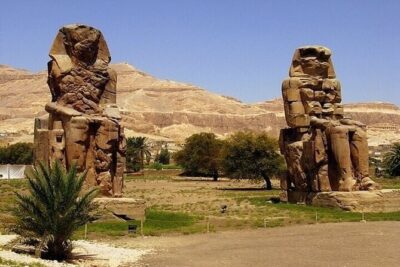
Then you’ll see the Colossi of Memnon, the two largest ancient statues in Egypt, dating back to the era of King Amenhotep III. You’ll also have a stop at the Mortuary temple of Ramses III.
These aren’t the most immersive stops in terms of information density, but they’re excellent for grounding. They remind you that Luxor’s ancient world was built to be seen from far away, not only inside tomb walls.
Day 1 practical tips I’d follow
I’d show up ready for a long day. Plan for lots of stairs and tight spaces inside tombs. Bring water and protect yourself from sun, and wear shoes that handle uneven stone. Most importantly, don’t rush your photos. Give your guide a minute to explain what you’re looking at, especially in the tombs where the symbolism is the point.
Day 2 on the East Bank: Karnak, Luxor Temple, and the Avenue of Sphinxes
Day 2 shifts to the East Bank, and it’s all about big temple complexes and monumental alignments. This is the day where Luxor really earns its reputation for scale.
Karnak Temple: the world’s great architectural puzzle pieces
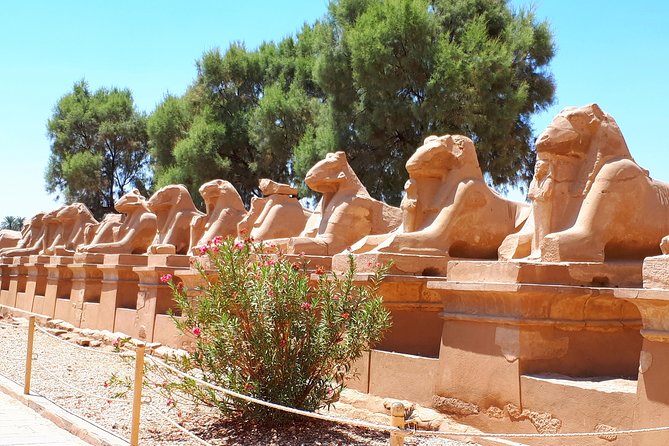
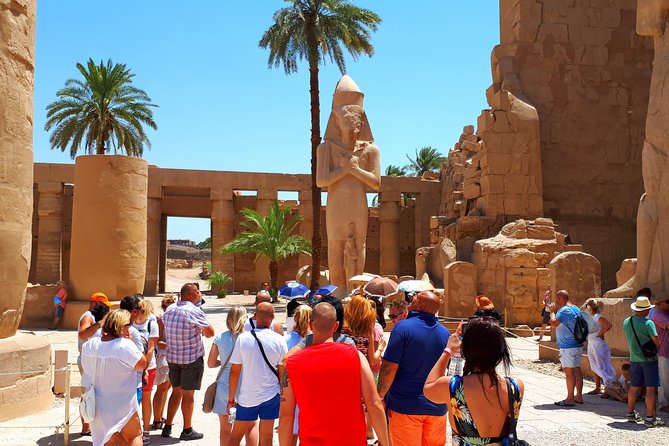
Karnak is described as one of the world’s greatest architectural masterpieces, and your guide breaks it into sections you can understand. You’ll see the Avenue of Sphinxes, the Hypostyle Hall with 134 gigantic columns, the obelisks of Queen Hatshepsut and Tutomosis I, and the Temple of Amon with lotus and papyrus designs.
You’ll also hear about the Granite Scarabeus of Amenophis III and the Sacred Lake. Even if you don’t memorize everything, this is the kind of guided overview that helps you navigate. Karnak is massive, and without help, you can feel like you’re walking in circles.
A big plus: Karnak gets about two hours. That’s enough time to see the major components and still absorb what your Egyptologist is pointing out.
Luxor Temple: Theban Triad and granite statues of Ramses the Great
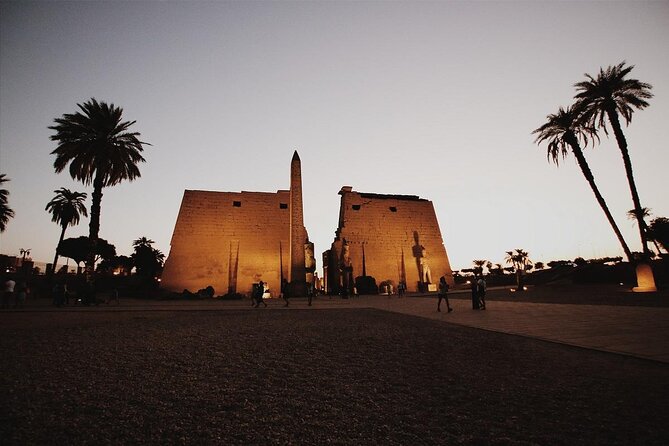
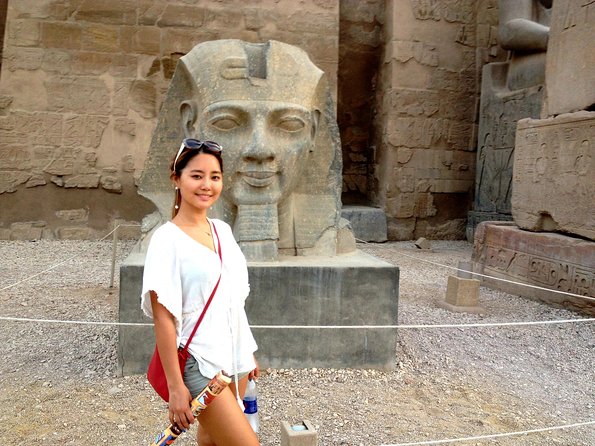
Next is Luxor Temple, dedicated to the Theben Triad of Amun-Ra, Mut and Khonsu. The stop highlights the granite statues of Ramses the Great.
Luxor Temple is different from Karnak because it feels more approachable in scale. It also helps you connect what you learned on day one about worship, kingship, and sacred landscapes. If Karnak is the giant library, Luxor Temple feels like the main reading room.
Short obelisk stops and the Avenue of Sphinxes walk
You’ll have quick stops for obelisks, including the Obelisk of Thutmoses I and the Obelisk of Queen Hatshepsut. The schedule also includes the Avenue of Sphinxes, described as stretching from Luxor to Karnak. Today, it’s only a few hundred meters long, but historically it connected the two temples over a much longer distance.
Even a short walk can be satisfying here because the guide can explain how processions worked and how the avenue was meant to guide movement and meaning. This is also one of the easier day two items to photograph without feeling like you missed something crucial.
Luxor Museum with an Egyptologist: where Tut-related pieces make sense
After the temple day, Luxor Museum is a smart pivot. Temples are immersive, but they don’t always explain the smaller objects that carried the same beliefs. Here, you get a guided visit of about one hour with your Egyptologist.
The description emphasizes that the museum collection includes ancient items found in Luxor, including objects from King Tutankhamun’s tomb. That makes a big difference. Instead of Tut being a distant celebrity story, he becomes part of the local material culture.
You’ll also see notable pieces like the double statue of Sobek, the crocodile god, and King Amenhotep III. The museum visit includes mummies, and the guide helps you understand colors and construction tools used to decorate tombs and temples.
One practical note: the overall tour states that entrance fees are not included. At the museum stop, the description also says the visit includes entrance fees. Because the tour-wide policy is clear, I’d plan on paying site entry as needed, and let your guide confirm what you will be paying that day.
The museum schedule includes free time to explore after the guided part. I like this because it lets you revisit the exhibits your guide singled out and not feel like you have to keep pace every minute.
Price and logistics: is $150 per person good value here?
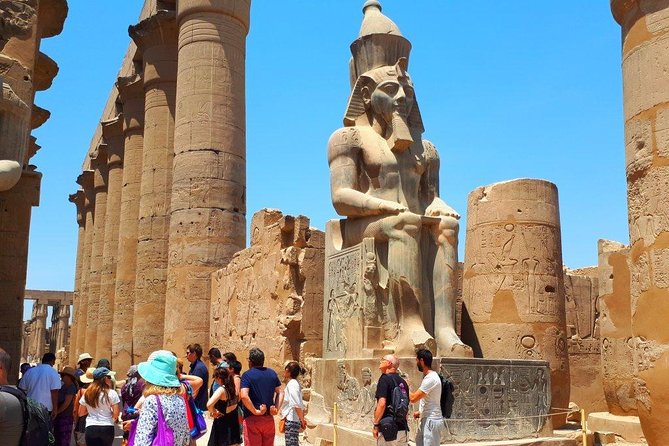
At $150.00 per person for about two days, you’re not just buying tickets. You’re paying for an Egyptologist guide, hotel pickup and drop-off, and transport by air-conditioned vehicle. For Luxor, that mix is usually the core value, because it reduces hassle and gives you a structured way to see far-flung sites.
Where the math gets personal is entrance fees and optional add-ons. Entrance fees to the sites are listed as not included, and Tutankhamun’s tomb has an optional listed entrance fee. There’s also a possibility to enjoy a hot air balloon ride over the city, but it’s explicitly not included. So you should budget for those extras if they matter to you.
I also pay attention to timing. The tour is described as usually booked about 61 days in advance, which often signals demand for specific dates and guides. If you have a tight travel window, reserving early can help you lock in the private format.
If your main goal is to cover the biggest Luxor hits, get expert interpretation, and avoid spending your precious daylight figuring logistics, the price can feel fair. If you already have a guide lined up, or you plan to self-drive and guide yourself, then the added value may shrink.
Who this private Luxor plan suits best
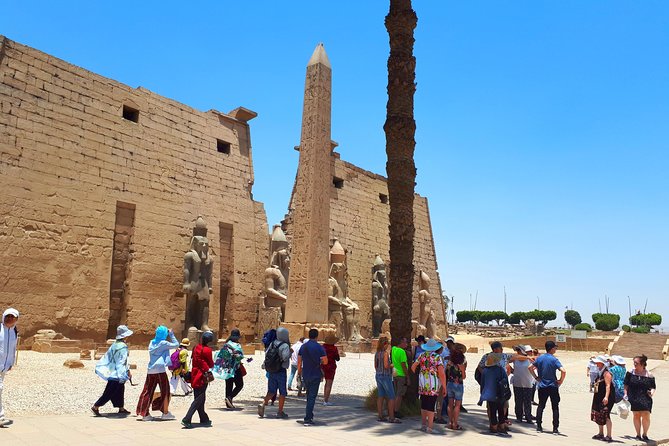
This tour is best for you if you want two things at once: major West Bank tombs plus East Bank temple giants, with an Egyptologist explaining what you’re seeing. It’s also a good fit if you like structured pacing. Day 1 is a long day with tombs and Deir el Bahari. Day 2 keeps moving through Karnak, Luxor Temple, and then into the museum.
It also fits first-time Luxor visitors. Karnak alone can overwhelm you if you do it without context. Having the guide walk you through specific areas like the Hypostyle Hall with 134 columns and the major obelisks helps your visit feel coherent.
If you’re someone who wants a slow, lingering art-and-architecture day with long breaks, you might feel the schedule compresses your time. In that case, you could still do this tour, but go in knowing you’ll be trading depth for coverage.
Finally, the private format works well for people traveling in a small group who want fewer interruptions. The descriptions from guides like Khalid and Ragab Elmotgalye emphasize clear explanations and a calm, guided experience, including feeling safe during the trip.
Should you book Private 2 Days The Best of Luxor?
I’d book it if you’re aiming for a high-impact Luxor introduction and you value having an Egyptologist connect tomb scenes, temple symbolism, and museum objects into one storyline. The private vehicle and pickup/drop-off are practical bonuses, especially for a two-day plan that moves across the West and East Banks.
I’d pause before booking if you want everything included in the price. Entrance fees are not included, and the optional Tomb of Tutankhamun has an extra cost. If you budget tightly, decide in advance which optional experiences are truly worth paying for, especially Tut.
Bottom line: for most first-timers, this is a strong Luxor “greatest hits with context” choice. Just go in with a clear budget for site entry, wear comfortable walking shoes, and let the Egyptologist do the heavy lifting as you look at the details.
FAQ
What time is pickup for this tour?
Pickup starts at 8:00 am.
Is this a private tour?
Yes. It’s a private tour/activity, and only your group participates.
What’s included in the price?
Included items are a qualified Egyptologist tour guide, hotel pickup and drop-off, and transport by air-conditioned vehicle.
Are entrance fees included?
No. Total entrance fees to mentioned sites are listed as not included.
Do I have to pay extra for the Tomb of Tutankhamun?
The Tomb of Tutankhamun stop is optional, and an entrance fee of 360.00 EGP is listed for it.
What sites do you visit during the two days?
You visit the Valley of the Kings, Tombs including Ramses III and Merenptah, the Temple of Hatshepsut at Deir el Bahari, the Colossi of Memnon, Ramses III’s mortuary temple, Karnak Temple, Luxor Temple, the Avenue of Sphinxes, and Luxor Museum.
Is a hot air balloon ride included?
A hot air balloon ride is possible, but it is not included.
Is free cancellation available?
Yes. You can cancel up to 24 hours in advance for a full refund. If you cancel less than 24 hours before the experience start time, the amount paid is not refunded.
More of Luxor from our review pile
- Private Tour Nile Felucca Ride at Sunset in Luxor
★ 5.0 · 26 reviews - Private Full day East and West Bank, Luxor
★ 5.0 · 26 reviews - Luxor Day Tour: Kings Valley & Karnak & Luxor & Hatshepsut Temple
★ 5.0 · 26 reviews - Full-Day East and West Luxor Private Tour
★ 4.5 · 26 reviews - Day Trip to Edfu & Kom Ombo temples from Luxor and drop off in Aswan or Luxor
★ 5.0 · 26 reviews - 5 Days 4 Nights Nile Cruise Tour
★ 5.0 · 27 reviews
2-Day Experiences, compared.
 ★ 4.52-Day Luxor Tour with Hotel, Balloon, & Boat RideFrom $2701,113 reviews
 ★ 5.0White & Black Desert tour 2 Days 1 night camping from Cairo.From $110649 reviews
 ★ 4.92-Day Bahariya Oasis Camp and Desert TourFrom $205616 reviews
 ★ 5.0White & Black desert camping tour 2 Days 1 night From CairoFrom $110467 reviews
 ★ 5.02 days cairo and giza attractions plus Gem, private tourFrom $90231 reviews
 ★ 5.0All Inclusive 2-Day Private Tour to All Pyramids and Cairo and 2 eveningsFrom $299187 reviews
 ★ 5.02-Day Top Attractions and Adventures Package in Luxor with AccommodationFrom $110178 reviews
 ★ 4.82-Day Bahariya & White Desert Private Camp AdventureFrom $162147 reviews
The lists this one sits on