

REVIEW · ALEXANDRIA DAY TRIPS
Alexandria: Archeological Day Tour
Alexandria packs more eras than most cities can handle. This guided day tour links Roman burial space, Greek and Ptolemaic legends, and Egypt’s modern seaside life into one smart route. You get air-conditioned transfers plus an English, Arabic, or French guide, so you spend less time figuring things out and more time looking closely.
I especially love how the day mixes famous names with stops that feel hands-on, like the carved Kom El Shokafa Catacombs and the walk-bys of Roman Alexandria ruins. I also like the way the itinerary keeps changing scenery, from the Library court’s big statues to the Montazah Palace gardens and royal beaches. One consideration: it is a packed 6 to 7 hours, with multiple walking moments, and a couple sites are view-only from outside, plus the Library has closure days.
In This Review
- Key Highlights You Should Know
- How This Day Tour Really Feels in Alexandria
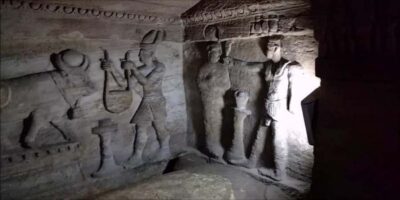
- Kom El Shokafa Catacombs: A Roman Cemetery Built Like a Maze
- Pompey’s Pillar: Quick Photo, Big Anchor for the Day
- Library of Alexandria: The Court Does Most of the Work
- Roman Alexandria on Foot: Kom El-Deka, Serapeum Views, and Amphitheater Ruins
- St. Mark’s Cathedral and Downtown Architecture: Where Layers of Faith Show Up
- Abu al-Abbas Mosque and the Old Harbor Scene
- Montazah Royal Palaces Gardens, King Farouk’s Views, and the Sea
- Qaitbay Castle: The Lighthouse Site You Can Actually Stand On
- Lunch Break: A Simple Option That Can Upgrade the Day
- Price and Value: What $80 Buys You in Alexandria
- Who This Tour Fits Best
- Should You Book This Alexandria Archaeological Day Tour?
- FAQ
- What is the duration of the Alexandria Archaeological Day Tour?
- Where does the tour start?
- Which major sites are included in the visit?
- Is lunch included?
- Are entrance fees included?
- Is the Library of Alexandria open on Fridays?
- Can you enter the excavation sites inside?
Key Highlights You Should Know

- Kom El Shokafa catacombs: three levels of rock-cut Roman cemetery spaces, with a real sense of scale
- Library of Alexandria court and statues: the open area gives you the big-picture story, even if parts cost extra
- Pompey’s Pillar photo stop: a quick, high-impact landmark break that anchors the day
- St. Mark’s Cathedral and Alexandria’s churches: one of the oldest church sites in Africa
- Montazah Palace and King Farouk’s era: gardens, royal palace photos, and sea views
- Qaitbay Castle on the lighthouse site: you see where the ancient Lighthouse once stood
Up to the Mediterranean coast, other options
- Alexandria Full Day Trip★ 4.5 · 191 reviews
- Alexandria Full Day Tour★ 5.0 · 144 reviews
- Private Alexandria Highlights Guided Day Tour★ 4.5 · 121 reviews
- ALL inclusive Tour to Giza Pyramids Sakkara from Alexandria Port★ 5.0 · 80 reviews
How This Day Tour Really Feels in Alexandria
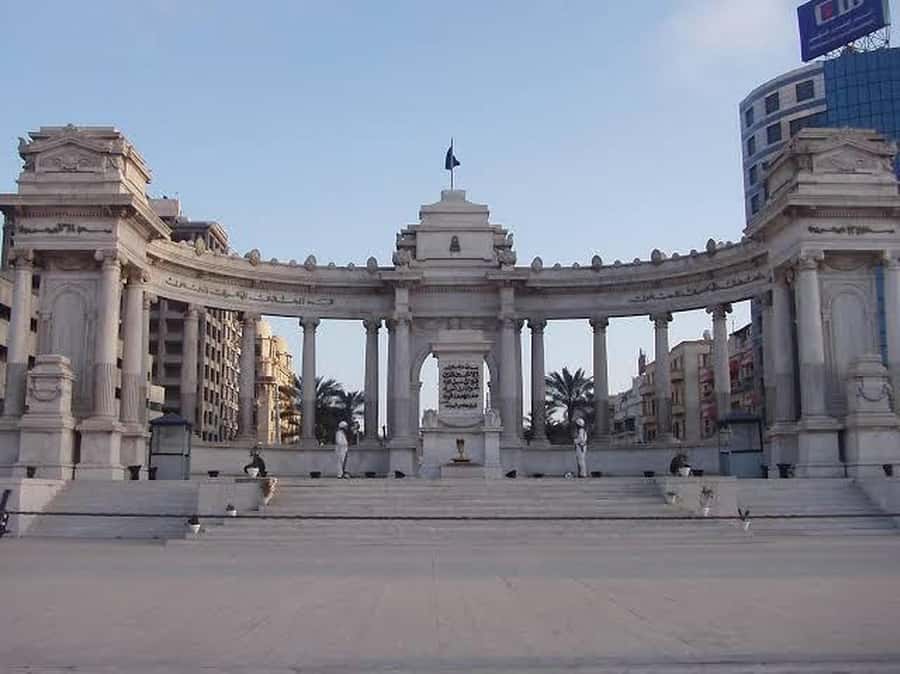
This is the kind of tour that helps you get your bearings fast. Alexandria is spread out, and without a plan you risk bouncing between sites with long, expensive taxi rides. Here, the route is built so you hit major archaeology and monuments in one go, with guided narration and transport between stops.
The best part is the variety of what you see. You start underground in Roman burial spaces, then you move into Alexandria’s intellectual legend at the Library, and later you work your way toward the coast and palaces. If you like history that mixes cultures, this city does it naturally, and the tour matches that rhythm.
The downside of value tours like this is simple: you cannot linger forever. If you are the type who wants to read every panel and take 30-minute museum swimsuits-worth of time, you will need to accept that you are moving, photos happen, and some places are exterior-only.
Kom El Shokafa Catacombs: A Roman Cemetery Built Like a Maze
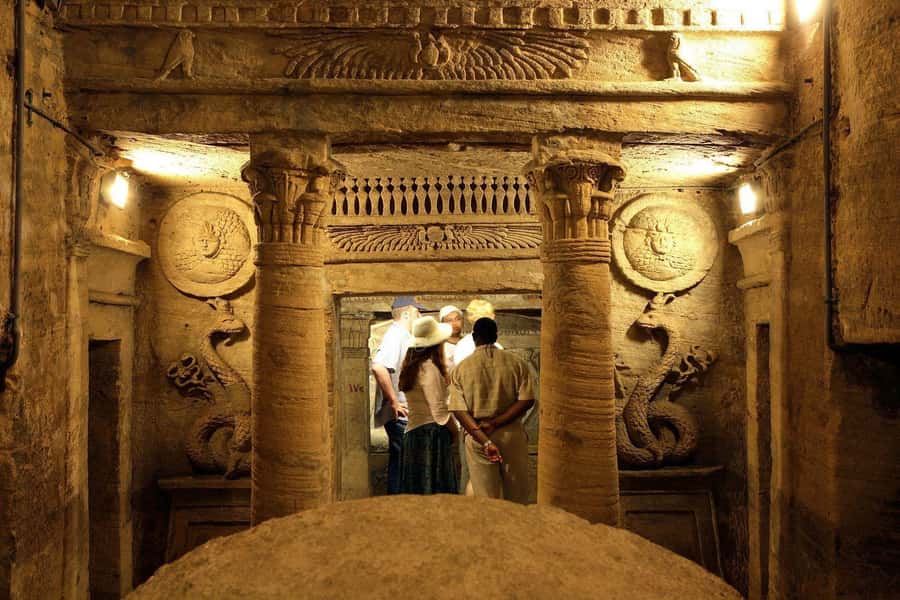
The day begins with the Catacombs of Kom El Shokafa, and this stop sets the tone. It is the largest Roman cemetery in Alexandria, cut into rock and arranged in three levels, so you are not just looking at one chamber. The structure is what makes it so compelling, you feel like you are stepping into a layered underworld.
Because it is a catacomb site, expect uneven stone, stairways, and a layout that rewards slow eyes. Wear comfortable shoes. If you are sensitive to enclosed spaces or stairs, note that catacombs are not a flat stroll.
This is also one of those places where a guide matters. You do not just walk in, you listen for how Roman burial customs mixed with local traditions over time. Even in a short visit, the story gives the shapes meaning, and suddenly it is not random rock rooms, it is a designed afterlife.
Pompey’s Pillar: Quick Photo, Big Anchor for the Day
After the catacombs, there is a photo break at Pompey’s Pillar. This is not a long stop, and that is exactly the point. One quick stop can orient you, especially if you are coming in from the hotel and your brain still needs time to calibrate.
This pillar works like a waypoint. You see it, frame it, and then the rest of the day feels more connected. It is an efficient tourism move, but it is also a practical one if your time in Alexandria is limited.
If you want a better photo, wear sunglasses (you will thank yourself) and stand where the guide points out the angle that shows height and surroundings together.
Library of Alexandria: The Court Does Most of the Work
The Library of Alexandria stop is the headline moment for many people, and for good reason. Even when you cannot do everything inside, the open court helps you understand what the Library represents as an idea: a home for learning, symbols of scholarship, and Alexandria’s identity.
From the information provided, the open court is where you can see major statues, including Alexander the Great and Ptolemy the First, the latter said to have been found underwater nearby. That pairing matters. It is the Library linking power and knowledge, empire and learning, all in one glance.
Two practical notes to plan around:
- The Library is closed on Fridays and every public holiday.
- The Reading Hall requires an extra ticket.
So what should you do? Focus on what is included, the open court and guided context. If your day lands on an open schedule, you can treat the Library like a centerpiece, not a rushed checkpoint.
You will also visit areas tied to the Library experience, including impressions shared around the President Sadat Museum and Alexandria Museum inside the Library complex. If you want to understand how modern Alexandria keeps telling its ancient story, this is the part that connects the dots.

Roman Alexandria on Foot: Kom El-Deka, Serapeum Views, and Amphitheater Ruins
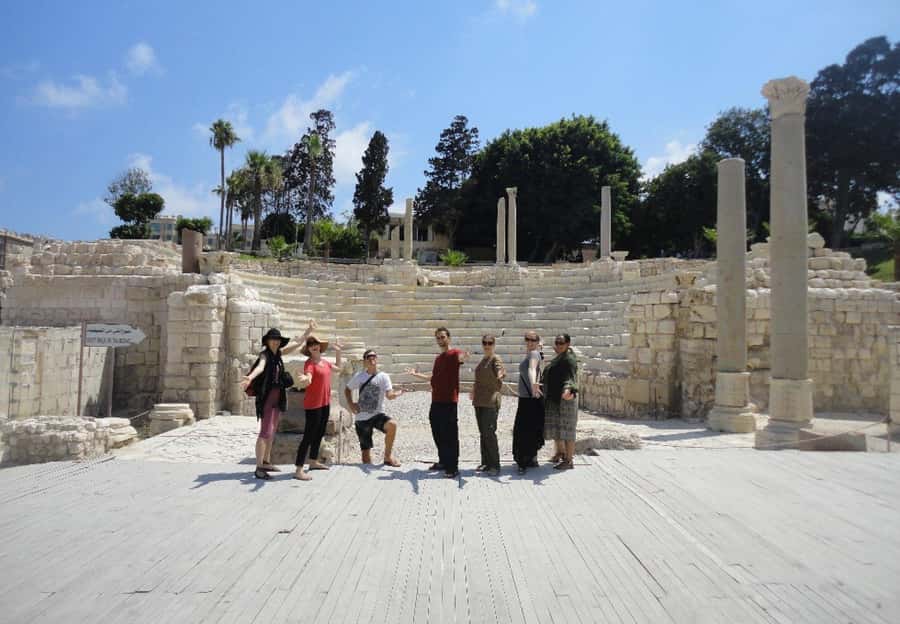
The tour then shifts from stand-and-stare monuments into archaeology you can walk past and learn from. You will have guided time around the Roman theater area in Kom El-Deka, with walking involved, and you will also visit the Serapeum of Alexandria with guided narration and a walk.
Later, the day includes the Excavation site of the Old Roman City of Alexandria, plus Roman villas, the Amphitheater ruins, and a Great Tomb excavation area. Here comes the key rule: you enjoy external views, and it is not allowed to visit inside these excavation sites.
That might sound like a drawback, but it can actually help. When you are viewing ruins from outside, you get a clearer sense of layout and scale without getting stuck in one tiny room. You can also compare the different Roman zones, villas versus performance spaces, and tomb areas versus public structures.
If you tend to get bored by ruins that feel like piles of stone, go in expecting story-based guidance. The tour is designed to turn “rocks and walls” into a city map in your head.
St. Mark’s Cathedral and Downtown Architecture: Where Layers of Faith Show Up

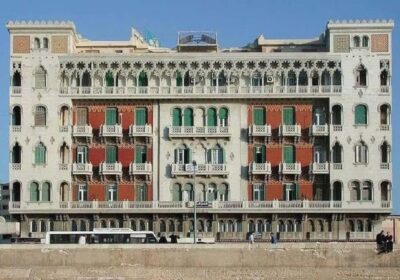
After the Roman-focused segment, the route moves into Alexandria’s religious landmarks and local streetscape. You will drive by the old downtown and see historical architecture with Baroque-style designs, plus properties influenced by Italian and French styles.
This is a good reminder that Alexandria is not frozen in ancient time. Even if you came for Roman and Greek sites, you are also seeing how European-era aesthetics left marks on the city.
Then you visit St. Mark’s Cathedral, described as the oldest church in Africa. A church like this is a different type of history experience. Instead of building collapse, you are looking at continuity. The guide can help you understand why the location and devotion matter, and the atmosphere is usually more reflective than loud.
Abu al-Abbas Mosque and the Old Harbor Scene
One of the more atmospheric stops is Abu al-Abbas al-Mursi Mosque. It is framed as both the prettiest and biggest mosque in the city, and the route also includes a “strangest sight” outside it: an old funfair where children play on antique rides and eat candy floss.
That mix is very Alexandria. You get monumental religious architecture one minute, then a local street reality the next. It is not touristy in the clean postcard sense, but it is real, and that is often what you remember after the big names fade.
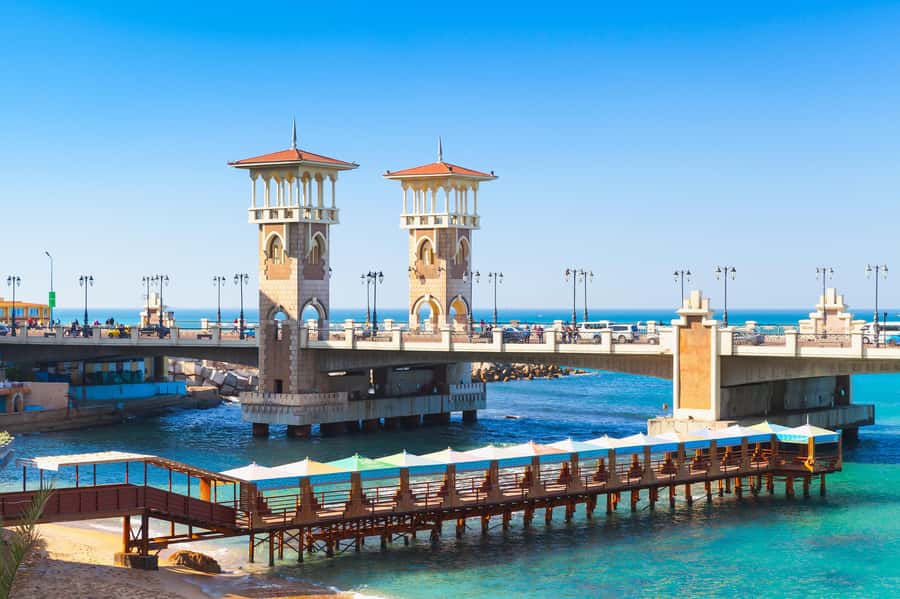
Opposite the mosque, you will reach the Corniche and the old harbor. You can see old fishing boats and watch traditional fishermen working, including men fishing and making nets. This is a calmer, observational segment compared to the archaeology heavy stops.
If you want to photograph without stress, give yourself a minute to watch the scene first. You might catch better light and more natural activity when you are not rushing for the first shot.
Montazah Royal Palaces Gardens, King Farouk’s Views, and the Sea
The tour’s coastal turn comes with Montazah Palace and the Royal Gardens of King Farouk, described as the last king in Egypt’s history. This is where the day shifts from “ancient clues” to “royal summer life.”
You visit the gardens and pause for photo opportunities of King Farouk’s royal palace. There are also references to the royal beaches of the queens. Even if you only spend limited time here, the setting does the heavy lifting: gardens plus sea views equals an easy, memorable contrast to the underground catacombs and Roman ruins earlier in the day.
A review pattern you should care about here is how often guides use this stop to slow the pace. Guides like Karim and Waleed are praised for staying attentive to group needs, and that usually shows up most during a long garden segment, where you can breathe and reset.
Qaitbay Castle: The Lighthouse Site You Can Actually Stand On
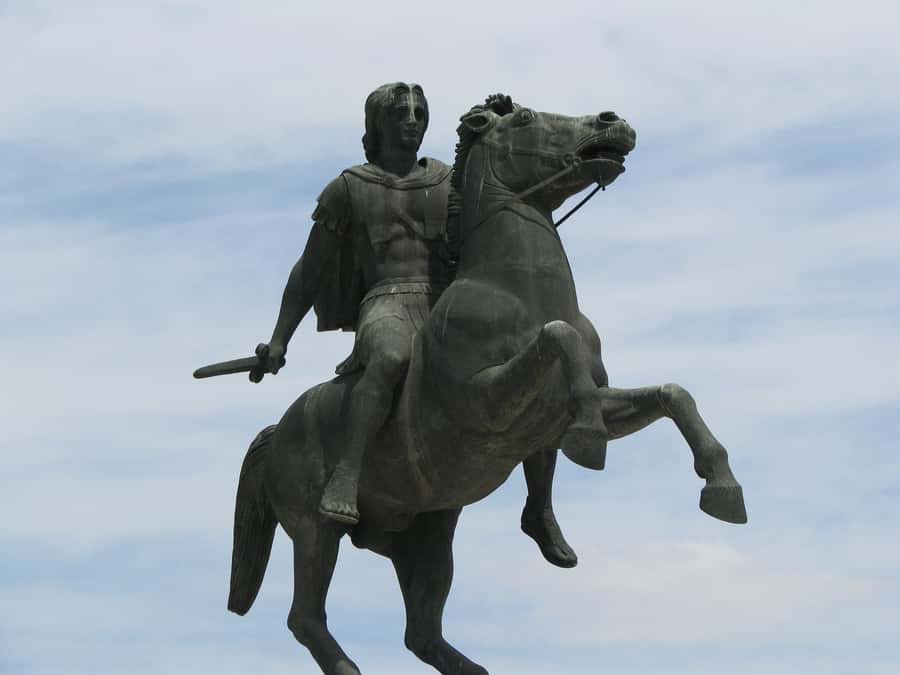
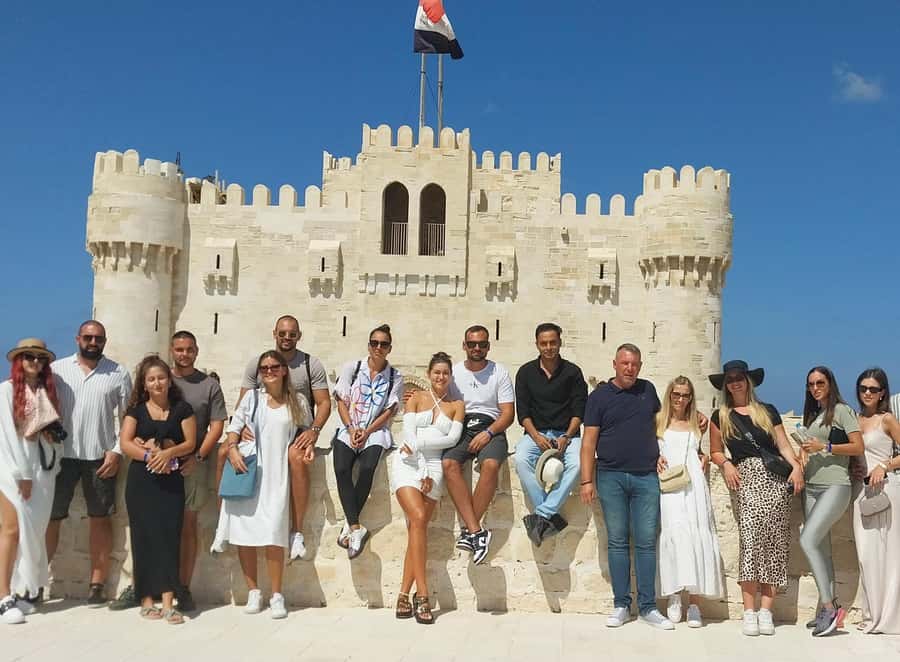
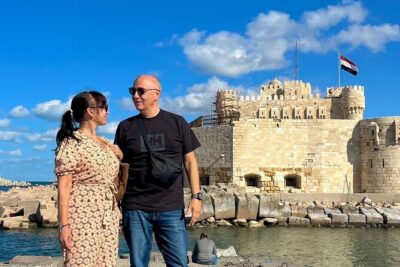
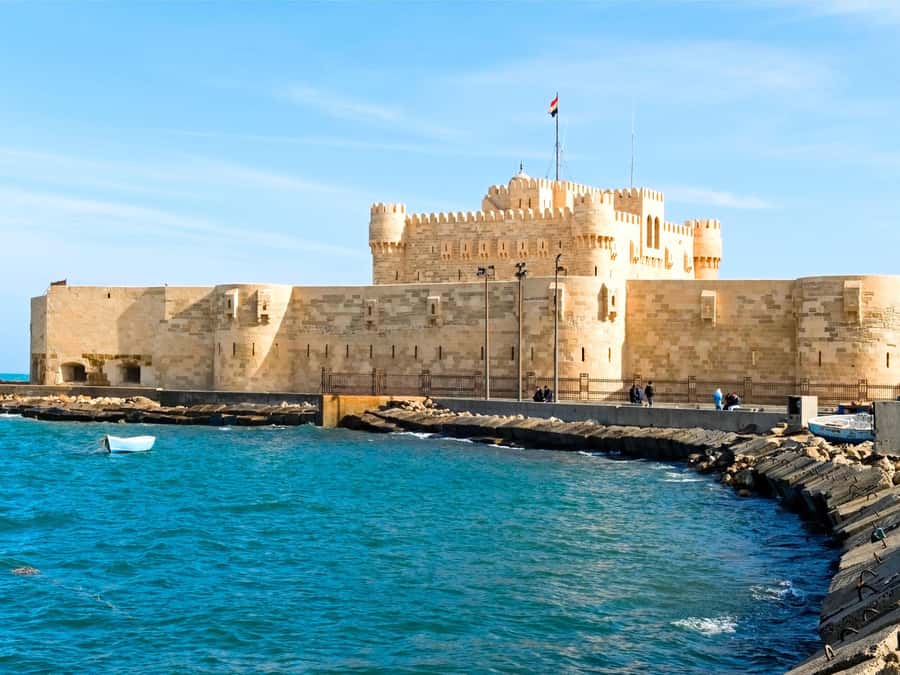
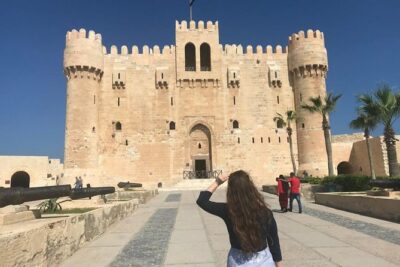
One of the most satisfying endgame stops is Qaitbay Citadel (Qaitbay Castle). You will see it from the outside, and it sits on the same site as the ancient Lighthouse of Alexandria, one of the Seven Wonders of the Ancient World.
This is a clever use of your time. Instead of pretending you can fully “visit the Lighthouse” today, the tour gives you a location-based understanding. You stand in the modern footprint of a legendary structure, and the guide can explain the connection between the ancient marvel and the later fortress.
You may also notice there is a mention of a beach club stop in one of the real-world experiences. Even if that part varies with timing, treat this segment as your coastal, cinematic closer. After catacombs and ruins, you will appreciate getting open air again.
Lunch Break: A Simple Option That Can Upgrade the Day
Lunch is listed as an optional stop at a modern fish restaurant. In Alexandria, fish lunch can be a great fit for a day that is otherwise mostly stone, galleries, and walking.
In the experiences shared, people talk positively about a baked fish lunch and even mention Branzino by name. So if your schedule allows lunch, I would treat it as part of the day’s value, not just a fuel stop.
If you skip lunch, you will likely feel it later. This is not a short half-day sprint. It is a full 6 to 7 hours, and you will be happier with a planned meal than trying to solve food on the fly.
Price and Value: What $80 Buys You in Alexandria
At $80 per person for a 6 to 7 hour guided day, the price has a lot of moving parts. What you get that matters most:
- Expert tour guide (English, Arabic, or French, subject to availability)
- Air-conditioned transfers between sites
- Service charges and taxes
- Entrance fees if the option is selected
- Skip the ticket line
For archaeology tours, your biggest costs are often guide time and transportation. Here, you are effectively paying for a full-day “routing and interpretation package,” not just access to a single monument. That can be real value if you are short on time or if you want fewer coordination headaches.
One detail to watch: the Library’s Reading Hall needs an extra ticket, and some museum areas might not be fully included depending on what you select. So check what is included for your date, and plan to focus on the open court if you want to avoid surprises.
Also note the language setup. If your preferred language is not available, you get support via a live English-speaking guide plus an audio guide in the desired language. That is a workable compromise, especially for a day that includes stories and names across multiple eras.
Who This Tour Fits Best
This itinerary is ideal if you want:
- A big-name archaeology day without spending hours planning
- A guide-led experience that explains how different Alexandria chapters connect
- Stops that mix Roman burial sites, the Library’s symbolism, major churches, and coastal royal gardens
It might be less ideal if you:
- Hate tight timing and prefer long stays
- Need fully accessible, step-free environments (catacombs and some walks can be challenging)
- Expect to go inside every excavation area (you will have external views only)
The guides mentioned by name in the experiences you provided, like Macy, Eman, Heba, Mahmoud Abd Elrahman, and Wessam, are repeatedly praised for keeping people moving without feeling ignored. That matters because on a day like this, pacing is part of the product.
Should You Book This Alexandria Archaeological Day Tour?
I think this is a strong booking choice if your goal is a smart, archaeology-forward Alexandria day. The combination of Kom El Shokafa, Pompey’s Pillar, the Library of Alexandria court, major religious sites like St. Mark’s Cathedral and Abu al-Abbas, plus Montazah and Qaitbay covers an impressive spread.
If your travel date lands on a day when the Library is closed, you need to rethink expectations for that centerpiece. But the rest of the route still makes sense as a full day of Roman, medieval, and modern Alexandria scenes.
Go for it if you like guided storytelling, you want efficient routing, and you can handle a packed schedule with some exterior-only archaeology views. If that sounds like your kind of trip, this is the sort of day you will still be talking about on your next stop.
FAQ
What is the duration of the Alexandria Archaeological Day Tour?
The tour runs for about 6 to 7 hours.
Where does the tour start?
The tour includes pickup from your hotel (pickup is described as optional, depending on your place of residence).
Which major sites are included in the visit?
The tour includes the Catacombs of Kom El Shokafa, the Library of Alexandria, Pompey’s Pillar (photo stop), St. Mark’s Cathedral, Roman sites such as the Kom El-Deka theater area and Serapeum, Montazah Palace gardens, Abu al-Abbas al-Mursi Mosque, and Qaitbay Castle (outside view).
Is lunch included?
Lunch is described as an optional lunch stop at a modern fish restaurant.
Are entrance fees included?
Entrance fees are included if the option is selected.
Is the Library of Alexandria open on Fridays?
No. The Library of Alexandria is closed on Fridays and on public holidays (and it is also noted as closed on Saturdays).
Can you enter the excavation sites inside?
No. You can enjoy external views of the excavation sites, and it is not allowed to visit inside.
Alexandria, Up the Coast



More of Alexandria from our review pile
- Trip To Cairo from Alexandria
★ 4.5 · 25 reviews - Alamein full day tour from Alexandria
★ 5.0 · 27 reviews - Half-Day Guided Tour in Alexandria
★ 5.0 · 33 reviews - Alexandria Experience from Alexandria Hotels & Alexandria Port
★ 5.0 · 33 reviews - From Alexandria: El Alamein Day Trip
★ 4.9 · 34 reviews - Day Tour To Cairo From Alexandria
★ 4.5 · 36 reviews
Alexandria Day Trips, compared.
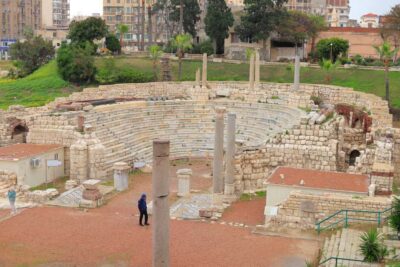 ★ 4.6From Cairo Alexandria Catacombs, Citadel Day Trip with LunchFrom $871,312 reviews
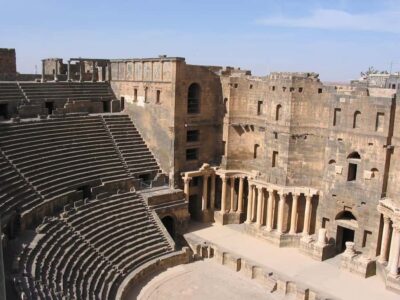 ★ 4.1Private Full-Day Tour of Historical AlexandriaFrom $651,155 reviews
 ★ 4.5Alexandria Day Trip From CairoFrom $20991 reviews
 ★ 4.5Alexandria Private Day Tour with Guide and LunchFrom $120334 reviews
 ★ 4.5Guided Tour To Alexandria From CairoFrom $30303 reviews
 ★ 4.1Alexandria Day Tour with LunchFrom $99300 reviews
 ★ 4.2Archeological Day-Trip to AlexandriaFrom $85272 reviews
 ★ 4.4Historical Alexandria Shared Day Tour with LunchFrom $77260 reviews
The lists this one sits on