

REVIEW · ALEXANDRIA DAY TRIPS
Cairo: Archeological Day-Trip to Alexandria
Alexandria in one day feels like a time machine. This Cairo to Alexandria archaeological day-trip strings together major sights and quick local moments, from Kom El Shoqafa Catacombs underground to the Library of Alexandria open-air courts above. I like that the stops are packed but still guided, so you’re not just walking past big names.
My second favorite part is the way the day mixes eras in a smooth route: ancient tombs, then a landmark modern project around classical learning, then early Christian Alexandria at St. Mark’s Church. One drawback to plan for is that it’s a full 12 hours, with some sites viewed from the outside, plus a long drive back to Cairo that can make the day feel a bit rushed.
If you want a highlights route that covers the essentials without the hassle of arranging transport and tickets, this is a solid way to do it. Just be ready to wear comfortable shoes and accept that you’re seeing a lot, not lingering like you would in a two- or three-day stay.
In This Review
- Key things I’d prioritize on this Alexandria day
- A 12-hour Alexandria hit from Cairo: what the day feels like
- Kom El Shoqafa Catacombs: the underground surprise that starts the day
- Pompey’s Pillar photo break: quick, but useful for orientation
- Library of Alexandria: open courts, Alexander, and Ptolemy’s story
- St Mark’s Church: the oldest church stop on an archaeology-packed route
- Roman theater in Kom El-Deka and the Serapeum: small spaces, big context
- Qaitbay Citadel and the lighthouse footprint: seeing the wonder’s location
- Montazah Royal Palaces Gardens of King Farouk: the royal reset
- Stanley Bridge and the Unknown Naval Soldier Memorial: quick, but part of the big picture
- Abu al-Abbas al-Mursi Mosque (Abbo Elabbas): architecture, calm, and an unexpected funfair
- The Old Roman City excavations: what you can see from outside
- Lunch, timing, and avoiding the tired-travel trap
- Price and value: how $85 makes sense on this route
- Who this tour suits best
- Tips to make your day go smoothly
- Should you book this Cairo to Alexandria day trip?
- FAQ
- What is the duration of this Alexandria day trip from Cairo?
- Where does pickup happen, and where do I get dropped off?
- How many people are in the group?
- Is the Library of Alexandria always open?
- Are entrance fees included in the price?
- Do I get to go inside the Roman excavation sites?
- Is lunch included?
- What languages are available for the guide and audio?
- What should I bring for the day?
- Is there free cancellation?
Key things I’d prioritize on this Alexandria day
- Kom El Shoqafa Catacombs: the art-and-history surprise, discovered the way stories often begin in Alexandria.
- Library of Alexandria courts and statuary: a chance to connect Alexander and Ptolemy to the modern library project.
- St Mark’s Church: early Christianity, presented as an important stop on an archaeology-heavy day.
- Outside views of excavation areas: you get the big picture fast, without getting inside restricted zones.
- Montazah Gardens and the royal coastline mood: photo time that feels like a palate cleanser after ruins.
- Abu al-Abbas al-Mursi Mosque and the Corniche: architecture plus real street life, including an old-school funfair outside.
Up to the Mediterranean coast, other options
- From Cairo Alexandria Catacombs, Citadel Day Trip with Lunch★ 4.6 · 1,312 reviews
- From Cairo: Private Full-Day Tour of Historical Alexandria★ 4.1 · 1,155 reviews
- Alexandria Day Trip From Cairo★ 4.5 · 991 reviews
- Day-Trip to Alexandria from Cairo by Private Car★ 4.5 · 480 reviews
A 12-hour Alexandria hit from Cairo: what the day feels like
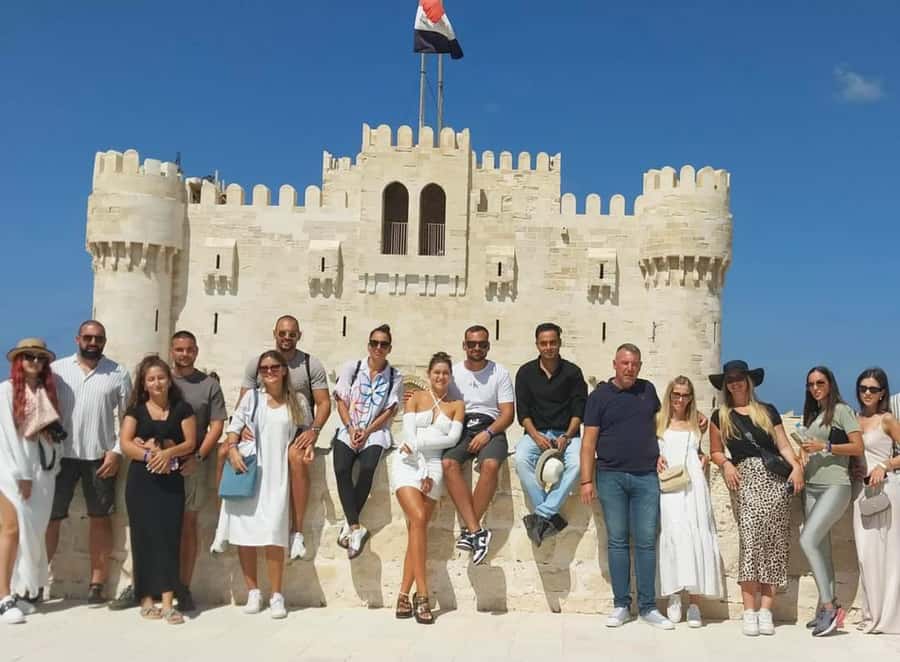
This is built for efficiency. You get picked up from Cairo (either your hotel or the Ahlan Cairo airport area, depending on your option) and then spend the better part of the day moving between Alexandria’s top layers of history.
Expect a lot of walking and short transitions, plus the reality of Egyptian road conditions. The driving time alone is why you should treat this as a one-day sampler, not a “slow travel” day.
Group size is small, with a maximum of 10 travelers, which helps your guide manage pacing and keep everyone together. You’re also in an air-conditioned vehicle for the transfers, which matters when the heat hits.
Kom El Shoqafa Catacombs: the underground surprise that starts the day
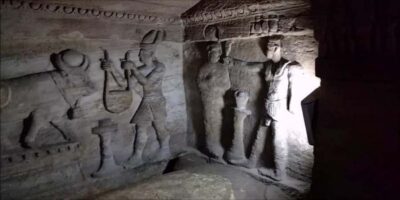
The catacombs are the kind of site that changes your mood fast. You step down into a subterranean necropolis where Egyptian, Greek, and Roman design influences show up together in the carvings and burial architecture.
This place was reportedly uncovered by accident when a donkey disappeared through the ground. It’s the sort of detail you’ll hear your guide connect to the larger idea of Alexandria as a city of layers, where history keeps reappearing underfoot.
Here’s what you should plan for practically. Wear comfortable shoes because the ground can feel uneven and the spaces are not designed for leisurely strolling in flip-flops. Also, keep your sun hat and sunglasses handy for the trip back aboveground, since you’ll move from cool shadows to bright daylight.
Pompey’s Pillar photo break: quick, but useful for orientation

Right after the catacombs, you get a short stop for a photo at Pompey’s Pillar. It’s not the main event, but it helps you ground the day geographically so Alexandria doesn’t feel like a series of disconnected stops.
Think of it as a reset point. You’ve just been underground, so it’s a quick chance to breathe, check your bearings, and regroup before the next big site.
If you’re the type who likes photos for memory, this is a good moment to step out, stretch, and get a clean shot before the day gets busy again.
Library of Alexandria: open courts, Alexander, and Ptolemy’s story
The Library of Alexandria stop is one of the best “aha” moments in the itinerary. Even though this is a modern project, it’s designed to help you picture the ancient Library’s role as a major center of learning.
You’ll visit with a guided tour, including time in the open court area where you can see the statue of Alexander the Great and the statue of Ptolemy I, which was found underwater in what’s described as the Sunken City of Cleopatra.
What makes this worthwhile is that it’s not only about architecture. Your guide can tie the statues and the library concept to the wider story of Alexandria as a crossroads of ideas, rulers, and scholarship.
Two extra notes to keep your expectations realistic. First, the Alexandria Library is closed on Fridays and public holidays. Second, the Reading Hall at the library has an extra ticket, so if your plan depends on being in that specific area, you’ll want to confirm what’s possible on your travel day.

St Mark’s Church: the oldest church stop on an archaeology-packed route
Next comes a sharp shift in theme, from ancient scholarship to early Christianity. The Church of St. Mark is presented as the oldest church in Africa, so you’re moving into a different kind of historical narrative.
This stop is especially valuable if you like your history to feel like a timeline rather than a museum shelf. Alexandria’s story includes religion, politics, learning, and trade, and St. Mark’s Church helps balance the day’s archaeology-heavy focus.
You’ll likely spend time with a guided look rather than treating it as a quick exterior glance. For many visitors, it’s the “breather” moment that still feels meaningful.
Roman theater in Kom El-Deka and the Serapeum: small spaces, big context
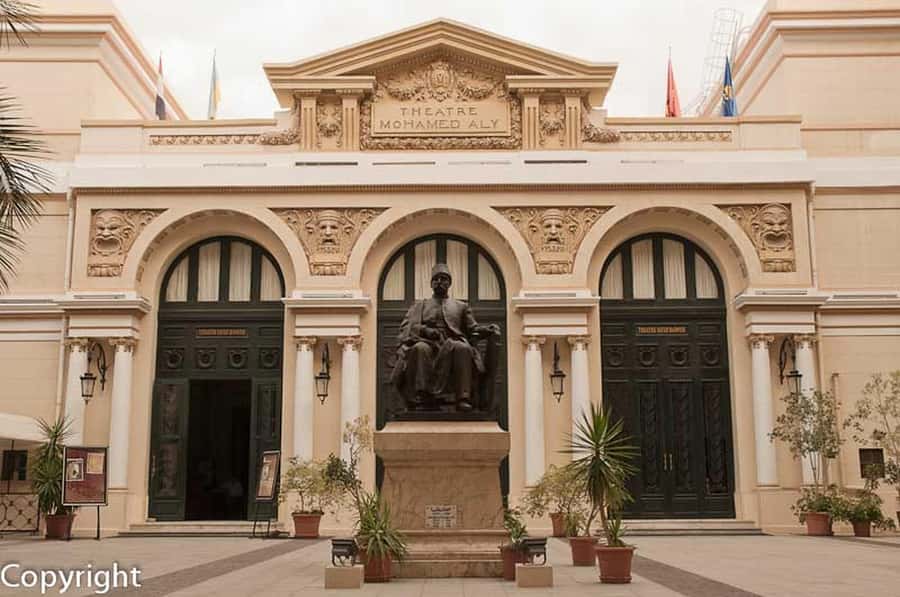
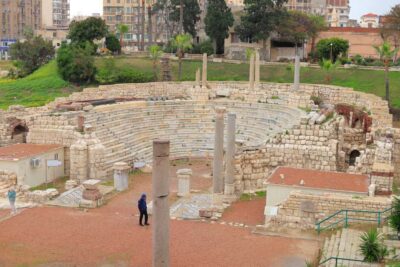
This part of the route is for people who enjoy structure and urban planning as much as they enjoy monuments. The Roman theater in Kom El-Deka gives you a sense of how entertainment and public life worked in the Roman-era city.
Then you visit the Serapeum of Alexandria, which brings you back into the religious and intellectual geography of the city. This is where your guide’s explanations matter, because you can otherwise miss the significance of what you’re looking at.
The payoff is that these stops help you understand Alexandria as a functioning city across centuries. Instead of only tombs and grand memorials, you’re seeing the kinds of spaces where people gathered and believed.
Qaitbay Citadel and the lighthouse footprint: seeing the wonder’s location
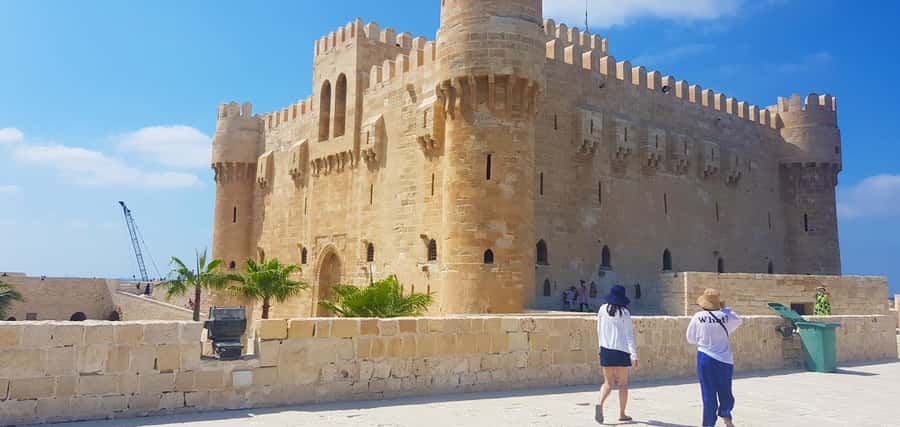
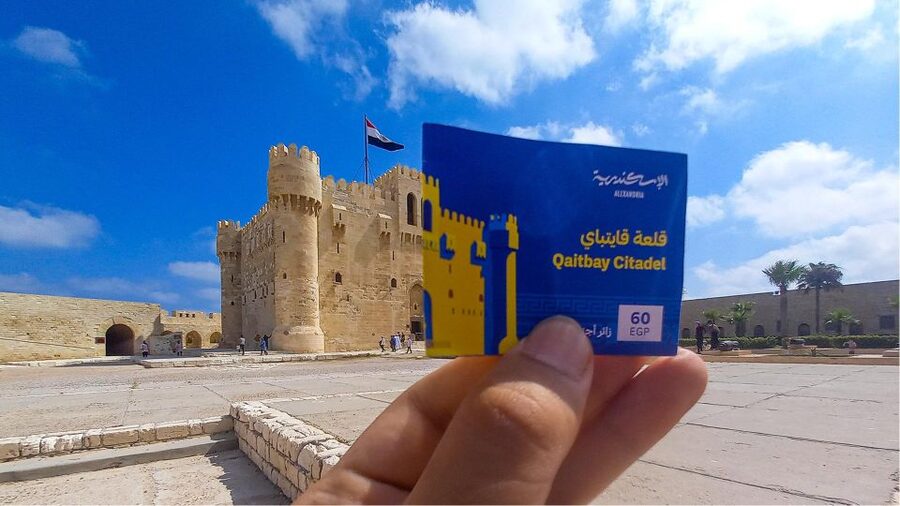
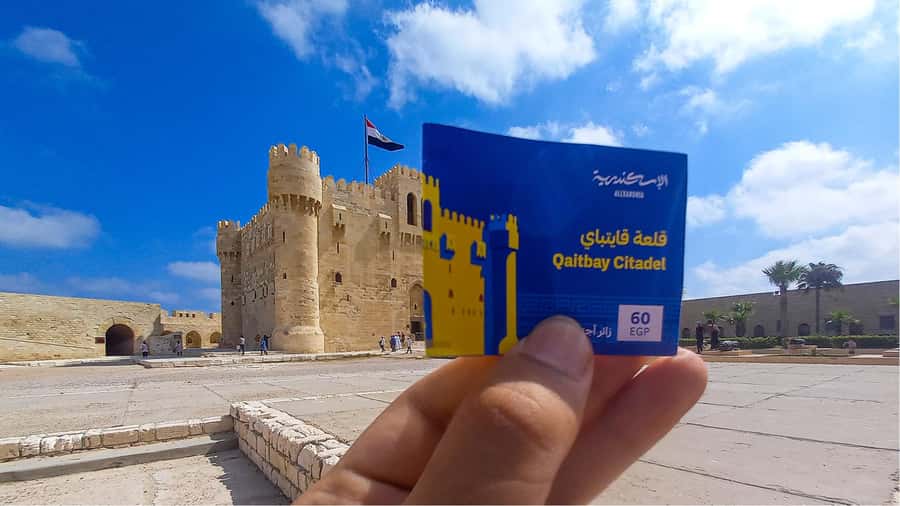
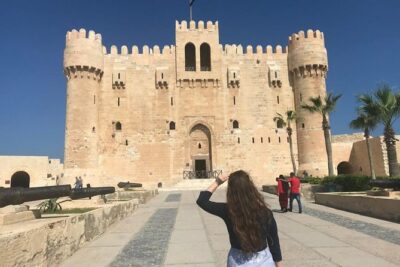
Later in the day, you’ll reach Qaitbay Citadel, which was built on the same site as the ancient Lighthouse of Alexandria. This is one of those “standing in the right place” experiences.
Even if you’re not going deep into a fortress visit, the point is location. You’re looking at the coastline context where one of the ancient world’s seven wonders once guided ships.
Some visitors also wish they had more time to enter and explore the citadel area. That’s not necessarily a deal-breaker, but it is a reason to know what you want most from this day.
If your priority is the lighthouse site and the general atmosphere, you’ll probably feel satisfied. If your priority is maximum interior access everywhere, you might wish for a slightly slower plan.
Montazah Royal Palaces Gardens of King Farouk: the royal reset

After the heavier ruins and archaeological zones, Montazah Gardens feel like a palate cleanser. This stop focuses on the royal palace grounds associated with King Farouk, and the scenery includes both the gardens and the sense of royal leisure along the coast.
You’ll get guided time here, plus photo breaks. It’s a nice contrast: stone history to garden history, and the sea air can help you recharge for the last stretch.
If you’re serious about photos, take them during the best light you get, not only whenever you find a moment. This is one of those stops where a little planning improves results.
Stanley Bridge and the Unknown Naval Soldier Memorial: quick, but part of the big picture
Between Montazah and the mosque area, you’ll pass by the Alexandria Unknown Naval Soldier Memorial and then the famous Stanley Bridge. These aren’t the main archaeological anchors of the day, but they help you understand that modern Alexandria also has its own monuments and civic landmarks.
Use these as transition markers. When you see Stanley Bridge from the road, it’s a cue that the city is opening up toward the Mediterranean again, and that the day is heading toward the Corniche and harbor area.
Abu al-Abbas al-Mursi Mosque (Abbo Elabbas): architecture, calm, and an unexpected funfair
The mosque stop is one of the most photogenic parts of the itinerary. Abu al-Abbas al-Mursi is described as the largest and prettiest mosque in Alexandria, and when you arrive, the architecture and details do the talking.
Expect intricate designs and a big, dramatic façade, with a serene atmosphere once you’re inside or near the prayer areas. This is a stop that balances cultural respect with aesthetics, and you’ll appreciate the quiet compared with the busier exterior streets.
Then comes the strange local detail. Outside the mosque, there’s an old funfair where children play on very antique rides and eat candy floss. It’s a reminder that you’re not only visiting a postcard. You’re sharing the space with everyday Alexandria.
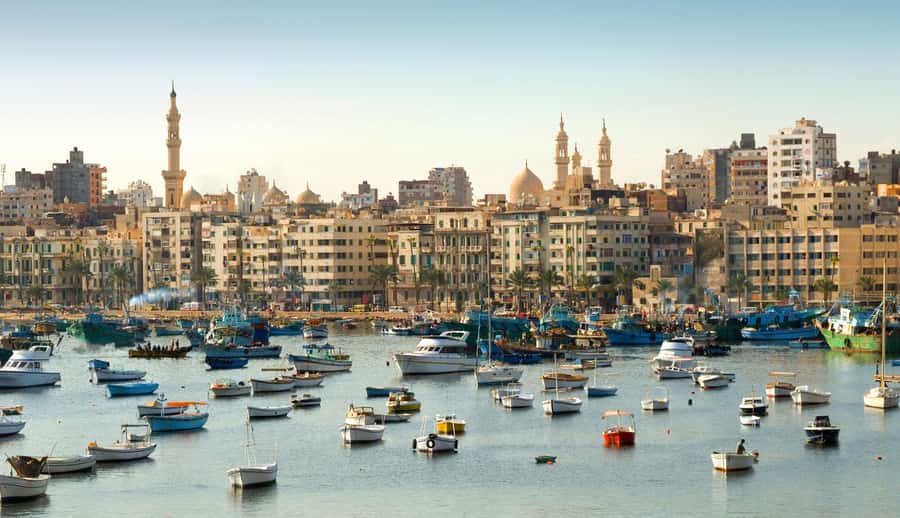
Right across from this area, you’ll also connect to the Corniche and the old harbor. You can see old fishing boats, men fishing, and traditional fishermen making nets, which makes the city feel alive rather than staged.
The Old Roman City excavations: what you can see from outside
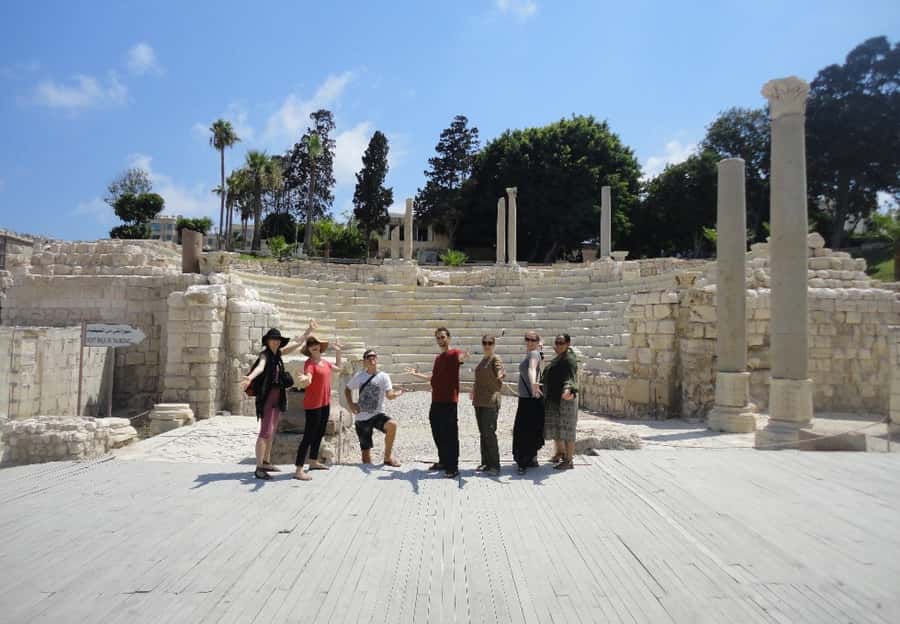
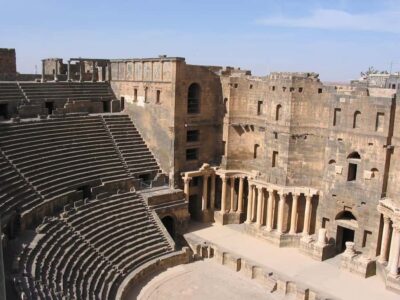
One of the realities of this tour is that some excavation sites are not open for inside visits. You’ll walk by areas connected to the Old Roman City of Alexandria, including Roman villas and amphitheater ruins, plus other excavation zones.
You get external views only. That restriction can feel limiting if you were hoping to roam inside ruins, but it does keep the day moving and lets you cover more ground.
If you’re the type who likes to read signs and imagine the missing parts, this is still satisfying. Your guide can point out what you’re looking at so the exterior ruins don’t just blur together.
Also, keep your expectations realistic about time. Some stops can feel short, especially when the schedule tries to fit in many anchors during a single day.
Lunch, timing, and avoiding the tired-travel trap
Lunch is listed as an optional stop at a local restaurant. That’s helpful because you can adapt if the day runs slightly behind.
But here’s the practical truth: this is still a 12-hour day. Bring water if you can, even if there’s a stop for snacks along the way. One visitor note is that the return may include only a very small bottle, so carrying your own helps you stay comfortable.
Timing is also why your footwear matters. You’ll be walking on and off throughout the day, including inside and outside sites, and it’s easy to feel it in your feet if you choose sandals too quickly.
Price and value: how $85 makes sense on this route
At $85 per person for a 12-hour experience, the price works best when you take the inclusions seriously.
You get:
- a professional tour guide
- transfers in an air-conditioned vehicle
- entrance fees if you choose the option that includes them
- skip-the-ticket-line help
- live guide support in multiple languages, plus audio guide options in many more
That combination adds up, because Alexandria from Cairo is not a quick hop. You’re paying for transportation and for someone to manage timing, tickets, and explanations across a dense list of sites.
Where you should pay attention is the entrance fees detail. If your chosen option includes them, the deal feels stronger. If not, you’ll want to budget separately for what’s open and ticketed that day.
And yes, the long day is part of the value equation. You’re getting a lot of major Alexandria stops without coordinating everything yourself.
Who this tour suits best
This is a good fit if:
- you want a highlights route in one day
- you’re visiting Cairo and do not want the hassle of planning Alexandria logistics
- you enjoy guided interpretation, especially for sites like Kom El-Deka and the Serapeum
- you like religious, archaeological, and urban moments in the same day
It may not be ideal if:
- you prefer slower pacing and deep exploration inside each site
- you mainly want fortress interiors and museum time
- you dislike long driving days
The small group size helps, but the schedule still moves quickly by design.
Tips to make your day go smoothly
Start early in your mindset. You’ll be switching between underground spaces, sunlit courtyards, and walking outside near the coast.
Bring:
- comfortable shoes
- sunglasses
- sun hat
Be ready for rules at archaeological areas. Some excavation areas are not open for inside visits, and you’ll see them from outside.
If you’re vegetarian, it can help to ask ahead or mention it early to your guide. One visitor shared that a vegetarian meal was arranged separately, which is a good sign that your needs can be handled when you communicate them clearly.
Finally, wear sunscreen even if it seems cloudy. Alexandria can still be bright, and you’ll spend enough time outdoors for it to matter.
Should you book this Cairo to Alexandria day trip?
If you’re staying in Cairo and you want the fastest path to Alexandria’s top anchors, I’d say this tour is worth booking. The mix is smart, from Kom El Shoqafa Catacombs and the Library of Alexandria to St. Mark’s Church and the mosque-and-Corniche section that brings the city to life.
Book it if you want guidance, time-saving, and a structured route that covers the big names without you having to juggle transport. Skip it only if your travel style demands long interior stays at every site, because this day is built for seeing a lot, not lingering forever.
FAQ
What is the duration of this Alexandria day trip from Cairo?
The tour runs for 12 hours. It is designed as a full day in Alexandria, including multiple stops and time for guided sightseeing.
Where does pickup happen, and where do I get dropped off?
Pickup is available from your Cairo accommodation, and there are also two pickup location options including Cairo or the Ahlan Cairo airport area. Drop-off is also offered in Cairo, or at Ahlan Cairo airport.
How many people are in the group?
The tour has a maximum of 10 travelers. This helps keep the day organized across many sites.
Is the Library of Alexandria always open?
No. The Alexandria Library is closed on Fridays and on every public holiday. The Reading Hall at the library also has an extra ticket.
Are entrance fees included in the price?
Entrance fees are included if you select the option that includes them. The tour description also notes skip the ticket line, which helps reduce time spent waiting.
Do I get to go inside the Roman excavation sites?
No. The excavation areas for the Old Roman City are described as external views only, since it is not allowed to visit inside those excavation sites.
Is lunch included?
Lunch is listed as an optional stop at a local restaurant. The exact choice of restaurant and timing can depend on how the schedule runs.
What languages are available for the guide and audio?
The live guide can be English, French, Spanish, Italian, or Arabic, subject to availability. An audio guide is included with many language options as well.
What should I bring for the day?
Bring comfortable shoes, sunglasses, and a sun hat. Since you’ll be outdoors for parts of the route and walking at multiple locations, these help a lot.
Is there free cancellation?
Yes. Free cancellation is offered up to 24 hours in advance for a full refund.
Alexandria, Up the Coast

More of Cairo from our review pile
- Cairo Layover Tour to Giza Pyramids Egyptian Museum and Khan Khalili Bazaar
★ 5.0 · 25 reviews - Private Luxor Day tour from Cairo by Flight
★ 5.0 · 25 reviews - Private full day tour to Giza Pyramids, Sphinx, Sakkara and Dahshour with guided
★ 5.0 · 25 reviews - Nile Dinner Cruise in Cairo With Belly Dancing and Transfer
★ 5.0 · 25 reviews - Private Giza Pyramids,Sphinx,camel,lunch, 2 tombs,Great Pyramid
★ 5.0 · 25 reviews - All inclusive Giza Pyramids ,Sphinx ,Lunch ,Camel&Inside pyramid
★ 5.0 · 25 reviews
Alexandria Day Trips, compared.
 ★ 4.6From Cairo Alexandria Catacombs, Citadel Day Trip with LunchFrom $871,312 reviews
 ★ 4.1Private Full-Day Tour of Historical AlexandriaFrom $651,155 reviews
 ★ 4.5Alexandria Day Trip From CairoFrom $20991 reviews
 ★ 4.5Alexandria Private Day Tour with Guide and LunchFrom $120334 reviews
 ★ 4.5Guided Tour To Alexandria From CairoFrom $30303 reviews
 ★ 4.1Alexandria Day Tour with LunchFrom $99300 reviews
 ★ 4.4Historical Alexandria Shared Day Tour with LunchFrom $77260 reviews
 ★ 4.5Best Alexandria Day Tour from CairoFrom $70241 reviews
The lists this one sits on