
REVIEW · NILE CRUISES BETWEEN LUXOR AND ASWAN
10 Day Ultimate Egypt Tour & Nile Cruise From Luxor to Aswan & Abu Simbel Inc
One Nile cruise can change how you see Egypt. This 10-day route strings together Cairo must-sees, then a guided jump into Luxor and Aswan, plus a four-night Nile cruise that keeps you moving without feeling like constant packing. I especially like having an expert Egyptologist with you and knowing your meals, activities, and entrance fees are covered. One caution: I’ve seen reports of hotel quality not matching the promise of five-star stays, including complaints about cleanliness and limited room changes.
If you want a tour that handles the logistics, this one leans that way. You get round-trip private transfers, pickup is offered, and you start around 8:00 am, which helps you avoid losing your first day to wandering. The cruise part is full board, and the land days are planned so you hit big names like Giza and Karnak, then still get time for the smaller, memorable stops.
The itinerary is also heavy on classics, so expect some long days and early starts. Abu Simbel, for example, is a long push from Aswan, and that can mean more fatigue than a “museum-only” trip. If you’re sensitive to heat, crowds, or travel time, plan your pacing and keep water close.
In This Review
- Key highlights worth your attention
- How this 10-day Cairo to Aswan route really feels on the ground
- Pyramids of Giza plus Saqqara and Memphis: two worlds in one day
- Cairo’s Old City sweep: Coptic Cairo, the Citadel, and Khan el-Khalili
- Flying into Luxor and learning with museums first
- Karnak and Luxor Temple: the big names, explained right
- The West Bank hits: Valley of the Kings, Hatshepsut, and Colossi of Memnon
- Horus at Edfu and Kom Ombo’s double-temple layout
- Abu Simbel: long travel, one of the most demanding days on the map
- Flying back to Cairo and using the last hours wisely
- Price and included value: what $2,905 buys you in practice
- Where this tour can disappoint, and what to do about it
- Who this Luxor to Aswan Nile cruise tour fits best
- Should you book this 10-day Ultimate Egypt Tour and Nile Cruise?
Key highlights worth your attention
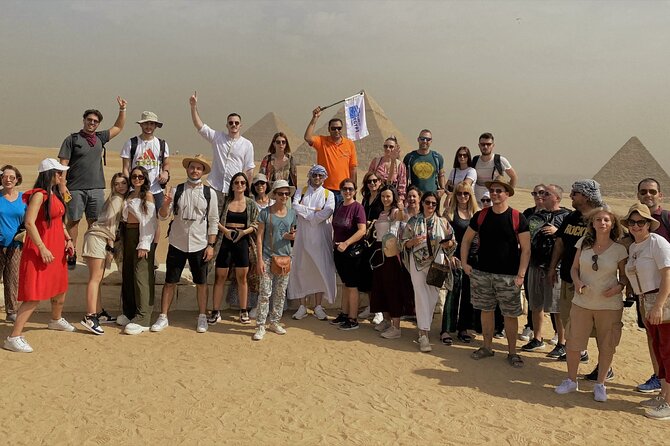
- Egyptologist-led visits that explain what you’re actually looking at, not just what to photograph
- Four nights on the Nile with full board on a cruise ship listed as MS Blue Shadow, MS Concerto, or similar
- Giza, Sphinx, Saqqara, and Memphis in one plan, mixing icon status with lesser-visited context
- West Bank classics with a Valley of the Kings tomb ticket that covers 3 tombs out of many
- Abu Simbel included, including the long distance that makes it feel like a whole day trip
More boats sailing the same stretch
- 6 Days Hypnotic Cairo & Nile Cruise Tour Package★ 5.0 · 248 reviews
- Egypt: Private 5-Day Tour, Nile Cruise, Flights & Balloon★ 4.1 · 248 reviews
- Cairo: 6-Day Egypt Tour with Flights and Nile Cruise★ 3.8 · 177 reviews
- Private Tour: 7 Nights Pyramids & Nile Cruise +Flights from Cairo★ 4.5 · 157 reviews
How this 10-day Cairo to Aswan route really feels on the ground
This kind of tour works best if you like structure. You get an Egyptologist guiding you through the major sites across Cairo, Luxor, and Aswan, then you switch to the Nile cruise rhythm for those four nights. It’s a good match for first-timers who want the highlights, but also for repeat visitors who want a guide to connect the dots between temples, tombs, and dynasties.
What I like is the balance between “wow at a glance” and “wow when you understand it.” Giza and the Sphinx hit instantly. But the trip also adds meaning through sites like Sakkara’s Step Pyramid and the Memphis area, plus museum stops in Cairo and Luxor. If you like seeing how one civilization built on another, this route gives you that thread.
The main tradeoff is energy. You’re flying from Cairo to Luxor, then still doing a lot of ground time on the West Bank, and ending with a demanding Abu Simbel day. If you’re the type who wants a lazy vacation, you might find the schedule full. If you’re okay with a packed plan in exchange for saved hassle, you’ll likely enjoy it.
Pyramids of Giza plus Saqqara and Memphis: two worlds in one day
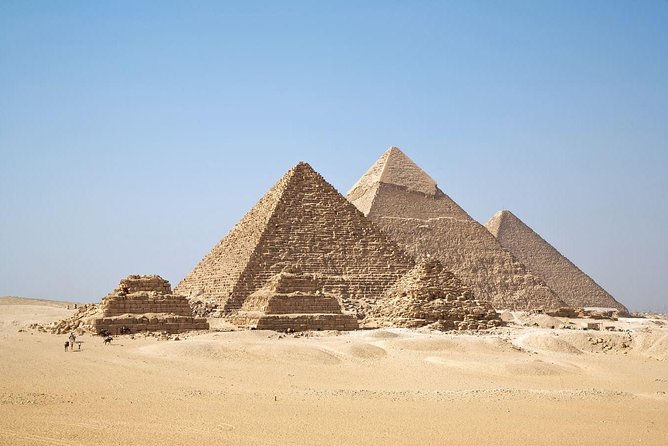
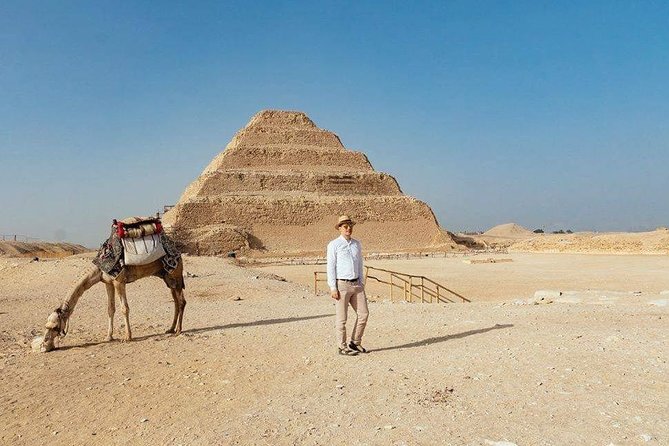
Day 2 is the heavy hitter day: Giza, the Step Pyramid of Djoser, and Memphis and Sakkara.
At Giza, the big advantage of going with a guide is context. You don’t just see a famous monument, you understand why it mattered and how it fits into Egyptian ideas about kingship and the afterlife. The stop is listed for about 3 hours and includes admission. You’ll want to plan for photos in front of the pyramids and Sphinx, but also for time to look beyond the postcard angles.
Then you pivot to Saqqara. The Step Pyramid of Djoser is the kind of site that rewards patience, because it’s a key turning point in stone architecture. The tour’s Saqqara time includes the Step Pyramid area for about 2 hours, plus admission tickets. The experience also mentions discovering newly found tombs at Saqqara, which is the sort of detail that can make a “standard itinerary” feel fresher.
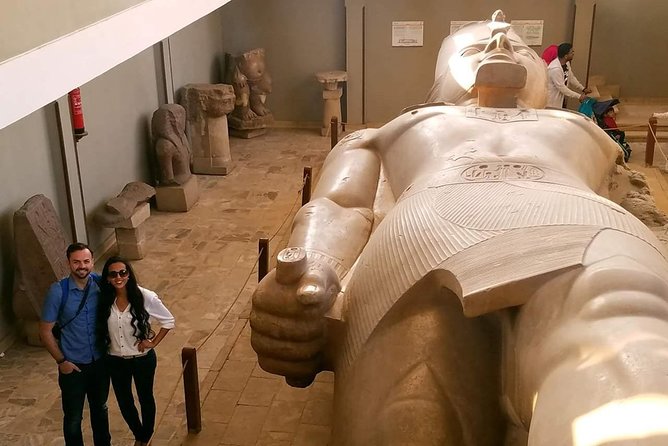
The Memphis and Sakkara stop rounds it out. You’re near the old capital area and get linked context for major monuments and sculpture, including references like a large statue of Ramses II and the alabaster Sphinx associated with Queen Hatshepsut. The time block is short, about 1 hour, so think of it as a focused overview rather than a deep archaeological session.
Practical tip: This day can be hot and dusty. Wear sun protection and shoes you trust. Even a short walking segment can feel long once you’re under strong light.
Cairo’s Old City sweep: Coptic Cairo, the Citadel, and Khan el-Khalili
Day 3 is Cairo in layers. First up is the Museum of Egyptian Antiquities (the Egyptian Museum), then Coptic Cairo, then the Cairo Citadel, and finally Khan el-Khalili.
The museum stop is about 2 hours, and admission is included. The museum is described as holding 120,000 items with only a portion on display. That matters because it helps you set expectations: you won’t see everything, but a good guide can help you prioritize the most meaningful objects and make sense of periods that can feel random without context.
Then comes Coptic Cairo, about 1 hour. This is a strong change of pace from the pharaonic sites. The stop area includes the Babylon Fortress, the Coptic Museum, and churches such as the Hanging Church and St. George’s. If you like religion, art, and how empires overlap, this is a nice reminder that Egypt’s story did not end with ancient rulers.
The Cairo Citadel stop is about 1 hour with admission included. It’s a medieval Islamic fortification and also gives you city views. After that, you get Khan el-Khalili for about 1 hour. That souk time is enough to experience the energy and browse, but not so long that you feel trapped. It’s also useful for picking up small souvenirs you’ll actually use.
Practical tip: Souks can be loud and crowded. Keep your valuables secure, and treat shopping as optional, not mandatory. The most memorable part of Khan el-Khalili for me would be how quickly you can shift from history to real street life.
Flying into Luxor and learning with museums first
Day 4 begins with a flight from Cairo to Luxor, then a museum focus.
Luxor Museum gets about 2 hours, and admission is included. It’s presented as a well-chosen display of antiquities ranging from the end of the Old Kingdom through the Mamluk period, much of it drawn from Theban temples and necropolis. This museum stop is worth it because it softens the shock of jumping straight into temple ruins. You get familiar with objects and timelines before the West Bank tour starts.
The Mummification Museum is also included. The time listed is short, essentially about a minute on the schedule, but in practice these stops tend to vary. Still, the exhibits are described clearly: tools for mummification, vitrines that show how the brain scraping was done, preserved mummified animals, and even a mummy of a 21st-dynasty high priest named Maserharti. There’s also mention of the jackal god Anubis statue near the entrance.
Practical tip: If you’re squeamish, you’ll still be okay, because the museum is about process and artifacts, not gore. But it’s very “hands-on” in subject matter, so set expectations.
Further south to Abu Simbel, other operators
Karnak and Luxor Temple: the big names, explained right
Day 5 hits Karnak Temple and Luxor Temple.
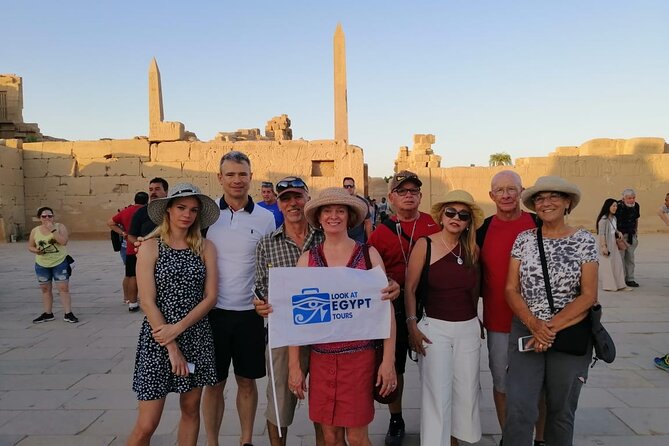
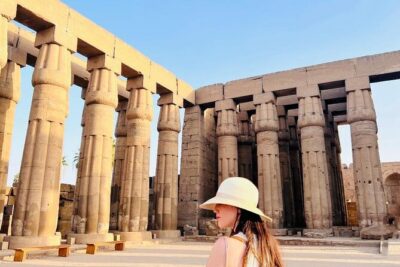
Karnak is listed for about 2 hours, with admission included. It’s described as a vast complex dedicated mainly to Amun, dating back as early as 2000 BC. The key here is that you experience scale. Karnak isn’t one building; it’s layers of building over centuries. With an Egyptologist, you’re more likely to notice patterns and meanings instead of just feeling overwhelmed.
Luxor Temple follows for about 1 hour. It’s on the east bank of the Nile and constructed around 1400 BCE, and it’s explained as a southern sanctuary in Egyptian terms. This is the stop that helps you see why Luxor is often called the “living museum.” Even when you’re tired, the temple layout keeps pulling your attention along.
Practical tip: Bring a little patience for sun and stone. These places are not shade-friendly. A hat helps more than you think.
The West Bank hits: Valley of the Kings, Hatshepsut, and Colossi of Memnon
Day 6 is packed, and it’s the part of the itinerary that many people remember most.
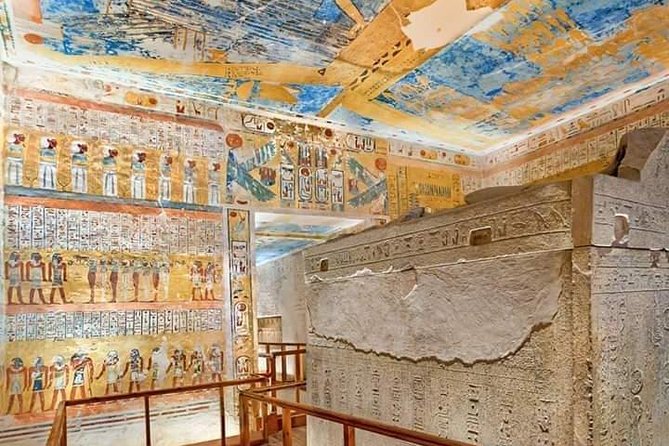
Start with the Valley of the Kings. The tour mentions the burial ground of New Kingdom pharaohs and specifically notes tombs like Tutankhamen’s and Ramses IV. The critical detail: the ticket allows you to visit 3 of the 63 tombs, and it excludes Tutankhamen’s tomb. That means your experience will feel structured, but you also won’t get to see the single most famous tomb on-site. For many visitors, that’s fine, because the other tombs can be just as visually powerful.
The description also points to damage factors like floods, treasure hunters, and modern effects from mass tourism. It’s a reminder that you’re not just touring. You’re stepping into fragile art and paint that has a limited life under pressure.
Next is Temple of Hatshepsut at Deir el Bahari, about 1 hour with admission included. Hatshepsut’s story is explained as a rare case of a strong female ruler who built a funeral temple. The tour also frames the aftermath: when Tutmosis III rose, he supposedly worked to erase her legacy and destroy related references. That kind of political context makes the temple more than a backdrop, it becomes a story of rule, propaganda, and memory.
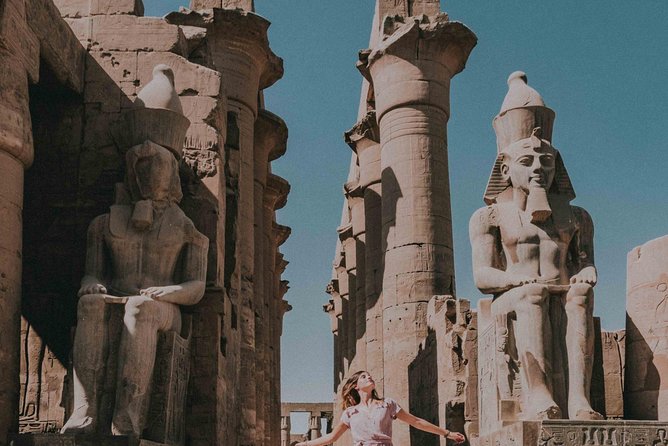
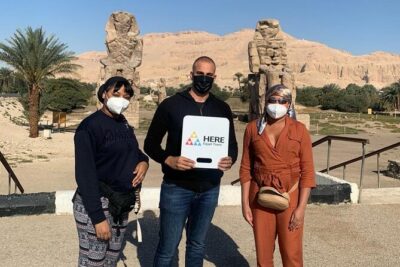
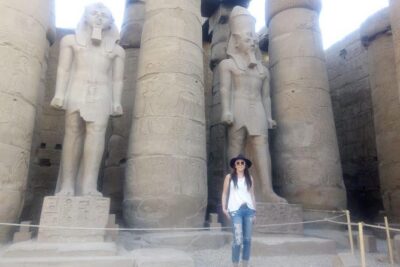
Then there’s The Colossi of Memnon, two massive statues of Amenhotep III. This is a classic “stop and stare” moment: you can walk up, look at how large the figures are, and then look out over the Theban Necropolis context. It’s listed as its own stop on this day, tied to the West Bank route.
Practical tip: If you want photos, plan for timing. Light shifts quickly in the afternoon, and some tomb interiors are dim. If you can, keep your phone light off inside tombs. Follow guide instructions and local rules.
Horus at Edfu and Kom Ombo’s double-temple layout
Day 7 is built around two temples: Temple of Horus and Temple of Kom Ombo.
Temple of Horus is described as a Ptolemaic temple built between 237 and 57 BC, known as one of Egypt’s best-preserved ancient monuments. The tour notes that desert sand helped preserve the roof intact, which is exactly why this place can feel especially atmospheric. You get a longer stop here, about 3 hours, which is a good sign. It gives time to take in the roof structure, carved details, and the layout without rushing.
Then you move to Kom Ombo, about 2 hours with admission included. This is where the double-temple idea shines. It’s explained as unusual because the temple is divided, with one side dedicated to Sobek, a crocodile god linked to fertility and creation, and the other tied to other divinities like Hathor and Khonsu. If you like symbolism, Kom Ombo is a rewarding stop because it shows how one site could serve multiple religious functions.
Practical tip: This day can feel temple-heavy. If you start to blur the details, ask your guide to connect what you saw earlier with what you’re seeing now. That’s where the meaning clicks.
Abu Simbel: long travel, one of the most demanding days on the map
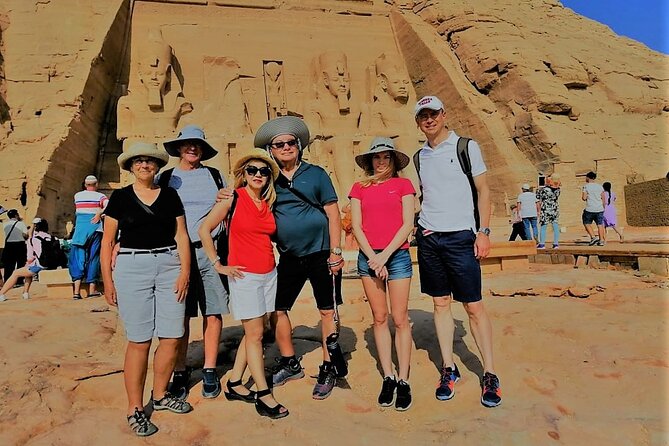
Day 8 is the “big finish” before Cairo return: Abu Simbel Temple Complex.
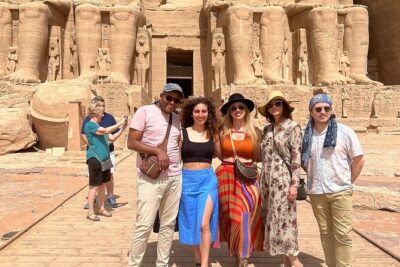
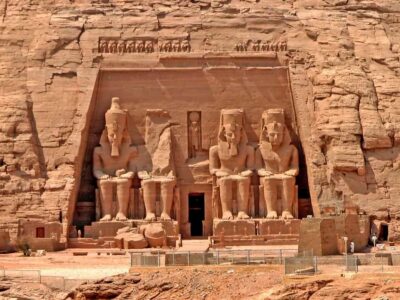
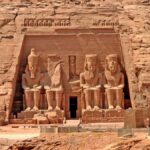
The description places Abu Simbel on the western bank of Lake Nasser, about 230 km southwest of Aswan, and notes two massive rock temples at the site. The tour lists this as a 9-hour stop, with admission included. This is a full day. It’s not a quick look, it’s a commitment.
Why it’s worth it: Abu Simbel is visually dramatic and historically loaded. It’s also one of the few places that can feel both monumental and strangely intimate once you’re there, because the rock-cut scale makes you aware of how much planning and effort it took to create it.
Tradeoff: You’ll be tired. You’ll likely spend more time traveling than you want if you prefer shorter days. If you do book, plan for slower evening pacing afterward, because your energy may run low.
Flying back to Cairo and using the last hours wisely
Day 9 switches gears. After breakfast, you check out from your cruise and then fly back to Cairo. Day 10 is straightforward, with escort to the airport.
That sequence is useful because it keeps the end simple. You’re not trying to pack extra sightseeing into your final hours. Cairo on the very last day can be a trap, because airports wait for no one. Here, the plan is to get you out cleanly.
Practical tip: If you have the energy, use the Cairo arrival day as a buffer for any last-minute purchases or a meal near where you are staying. If you don’t have the energy, you didn’t lose anything. The main sites were already covered.
Price and included value: what $2,905 buys you in practice
At $2,905 per person, this is not a budget tour. The value lives in what’s bundled.
From the information provided, key inclusions are:
- An Egyptologist guide
- Round-trip private transfer and pickup offered
- Nile cruise full board for 4 nights, on a listed ship like MS Blue Shadow, MS Concerto, or similar
- All meals listed as 8 breakfasts, 7 lunches, and 4 dinners
- Entrance fees and admission tickets for the listed sites
If you price this out on your own, you’d pay separately for a guide, entrance fees across multiple cities, cruise arrangements, internal flights, and transportation. This package handles those pieces, which can save stress and time. For many people, that’s what they’re really paying for.
One more value point: the itinerary includes major sites in a logical route. You’re going Cairo, then Luxor, then Aswan, and adding Abu Simbel. That reduces backtracking, which is a hidden cost of “choose your own” travel.
Where this tour can disappoint, and what to do about it
The best guides can’t fix logistics and comfort. The one review concern included in your provided info is a hotel quality mismatch on several nights. The person praised the guides as fabulous, but reported staying in very dirty hotels most nights and being told no room changes were available, even though the reviewer felt empty rooms existed. That’s a real red flag if you’re someone who expects the trip to deliver consistent comfort.
What you can do before you go:
- Ask what “five-star accommodations” means for this specific departure, since cruise cabins and land hotels can vary by season.
- If cleanliness matters a lot to you, be ready to address issues quickly while you’re still on the first hotel night.
- Bring basics like a small flashlight and travel wipes for peace of mind.
Also keep in mind that the schedule includes demanding travel segments, like flying Cairo to Luxor and the full day push to Abu Simbel. Even with good organization, fatigue can hit. Pack light, drink water, and choose comfortable clothing you can re-wear.
Who this Luxor to Aswan Nile cruise tour fits best
This tour fits best if you:
- Want an expert Egyptologist for the major pharaonic sites and the Cairo museums
- Prefer a planned route with entrance fees and meals handled
- Are comfortable with long days, especially the Abu Simbel day
- Like a private-group setup where you only travel with your own party
It can also work for some repeat visitors, because you’ll get guided connections between places like Karnak and the West Bank, and you’ll see Cairo’s museum and Coptic sites in the same trip rather than treating them as separate journeys.
If you’re extremely picky about hotel standards, read the comfort section carefully and consider asking the operator what to expect on land nights. If you want a calm, low-activity vacation, this schedule may feel too intense.
Should you book this 10-day Ultimate Egypt Tour and Nile Cruise?
Book it if you want a high-coverage Egypt plan that reduces decision fatigue. You get the big names in Cairo and Luxor, a guided Nile cruising experience for four nights, and a full Abu Simbel day without you having to coordinate tickets and transfers. The included entrance fees, meals, and transfers are the kind of value that adds up fast.
Don’t book it blindly if your top priority is flawless, consistent hotel comfort. Based on the provided feedback, that area may vary, and at least one guest reported serious cleanliness issues and difficulty getting a room change. If that would ruin your trip, plan for contingencies and ask questions up front.
If you’re excited by temples, tombs, and the story behind the stones, this itinerary is built for that. You’ll spend your days where Egypt’s history is most concentrated, then let the Nile cruise provide the breathing room between the big sites.
Egypt in One Long Itinerary

Further South: Abu Simbel


Sailing Luxor to Aswan


More of Cairo from our review pile
- Cairo Layover Tour to Giza Pyramids Egyptian Museum and Khan Khalili Bazaar
★ 5.0 · 25 reviews - Private Luxor Day tour from Cairo by Flight
★ 5.0 · 25 reviews - Private full day tour to Giza Pyramids, Sphinx, Sakkara and Dahshour with guided
★ 5.0 · 25 reviews - Nile Dinner Cruise in Cairo With Belly Dancing and Transfer
★ 5.0 · 25 reviews - Private Giza Pyramids,Sphinx,camel,lunch, 2 tombs,Great Pyramid
★ 5.0 · 25 reviews - All inclusive Giza Pyramids ,Sphinx ,Lunch ,Camel&Inside pyramid
★ 5.0 · 25 reviews
Nile Cruises Between Luxor and Aswan, compared.
 ★ 5.04-Days Nile Cruise From Aswan To Luxor including Abu Simbel and Hot Air BalloonFrom $3493,142 reviews
 ★ 4.54-Day 3-Night Nile Cruise from Aswan to Luxor including Abu Simbel, Air BalloonFrom $329612 reviews
 ★ 4.14-Day Nile Cruise from Aswan to Luxor with GuideFrom $830593 reviews
★ 4.54-Days Nile Cruise From Aswan To Luxor including Abu Simbel and Hot Air BalloonFrom $320509 reviews
★ 4.14-Day Nile Cruise from Aswan to Luxor with GuideFrom $830593 reviews
★ 4.54-Days Nile Cruise From Aswan To Luxor including Abu Simbel and Hot Air BalloonFrom $320509 reviews
 ★ 5.04-Day 3-Night Nile Cruise from Aswan to Luxor – Private TourFrom $504369 reviews
★ 4.54 Days Nile Cruise from Aswan to Luxor including Abu Simbel and Hot Air BalloonFrom $329356 reviews
★ 5.04-Day 3-Night Nile Cruise from Aswan to Luxor – Private TourFrom $504369 reviews
★ 4.54 Days Nile Cruise from Aswan to Luxor including Abu Simbel and Hot Air BalloonFrom $329356 reviews
 ★ 5.04-Day 3-Night Nile Cruise from Aswan to Luxor With Balloon and Abu SimbelFrom $311327 reviews
 ★ 5.04-Days Nile Cruise Aswan&Luxor,Hot Air Balloon&Abu Simbel.Hot dealFrom $524322 reviews
The lists this one sits on