
REVIEW · GIZA PYRAMIDS & SPHINX TOURS
10 Day Treasures of Egypt Tour Giza Pyramids & Cairo & Nile Cruise & Abu Simbel
Egypt is a lot, so I love a plan that keeps you moving in the right direction. This 10-day tour strings together Giza and Cairo highlights with a Luxor to Aswan Nile cruise, then adds the big-ticket day trip to Abu Simbel. I also like that your days are guided by a trained Egyptologist, so you spend more time understanding what you are seeing and less time guessing. The one caution is simple: it is a fast pace, and Abu Simbel is a long day, so you should be ready for early starts and lots of walking.
What makes this package especially tempting is the way it reduces decision fatigue. You get airport pickups, hotel and cruise stays, most meals, and domestic flights built into the rhythm, so you can focus on the sites. You’ll also have a free day in Cairo at the end, which is a nice pressure release after back-to-back monuments.
This is a strong fit if you want the “greatest hits” of Egypt in one trip and you like having logistics handled. It is also a good match for families and first-timers, since kids must be with an adult and the plan is designed to keep everyone on track.
In This Review
- What makes this tour worth a look
- Giza pyramids, Saqqara step pyramid, and Memphis ruins in one run
- Cairo museum time, Citadel views, and Khan el-Khalili wandering
- Karnak and Luxor Temple, where the Nile temples feel endless
- Valley of the Kings, Hatshepsut at Deir el-Bahari, and Colossi of Memnon
- Temple of Horus and Kom Ombo, the cruise leg that changes the pace
- Abu Simbel day trip, the long drive that earns its status
- Philae temples, UNESCO rescue work, and flying back to Cairo
- Your free day in Cairo, plus a simple way to use it
- Price and what you’re really getting for $2,795
- Logistics that make the difference, from pickups to guide names
- Who should book, and who should not
- Should you book the 10 Day Treasures of Egypt tour?
- FAQ
- How long is the 10 Day Treasures of Egypt tour?
- Where does this tour take place?
- Are flights included?
- What meals are included?
- Do you get airport pickup?
- Is an Egyptologist guide included?
- Are admission tickets included?
- Do you have free time during the trip?
- What is the daily start time?
- What is the cancellation window for a full refund?
What makes this tour worth a look
- Giza plus Saqqara plus Memphis in a tightly managed Cairo and Giza start
- Egyptologist-guided museums and temples, not just sightseeing stops
- A Nile cruise route from Luxor to Aswan with key temple visits along the way
- Abu Simbel as a full day trip, with guided temple context
- All included meals and domestic flights, so you do less budgeting mid-trip
- A free day in Cairo to catch up on anything you want to revisit
Ways onto the Giza plateau, compared
- Cairo: Pyramids & Great Sphinx Private Tour with Camel Ride★ 4.9 · 6,335 reviews
- Tour to Giza Pyramids and The Egyptian Museum★ 5.0 · 6,016 reviews
- VIP All inclusive Best of the best Giza Pyramids,Sakkara,Memphis★ 5.0 · 3,164 reviews
- From Cairo: Pyramids of Giza, Sphinx, Saqqara & Memphis Tour★ 4.7 · 3,110 reviews
Giza pyramids, Saqqara step pyramid, and Memphis ruins in one run
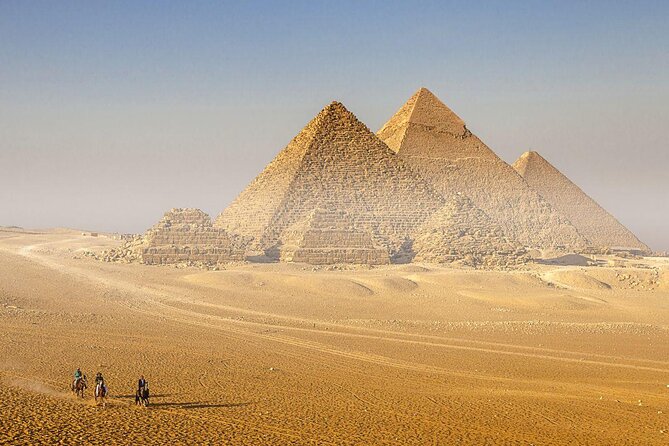
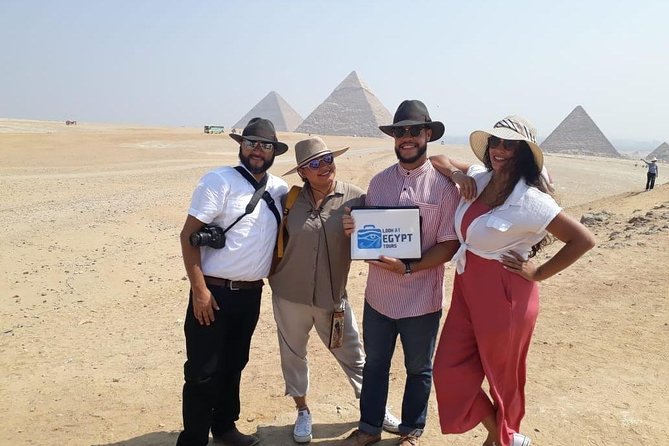
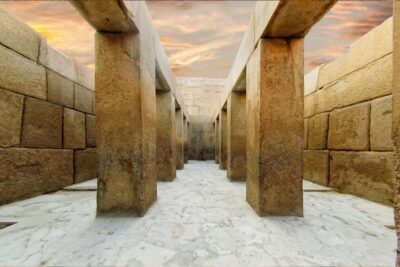
Your trip begins where most Egypt daydreams start: the Giza plateau, with the Great Pyramids and the Sphinx. You’re given a solid block of time here, including admission, and you’ll see why Giza keeps showing up as the world’s iconic ancient image. The best part is how quickly the scene changes once you get close, from postcard-distance to stone texture and scale you can’t fully capture in photos.
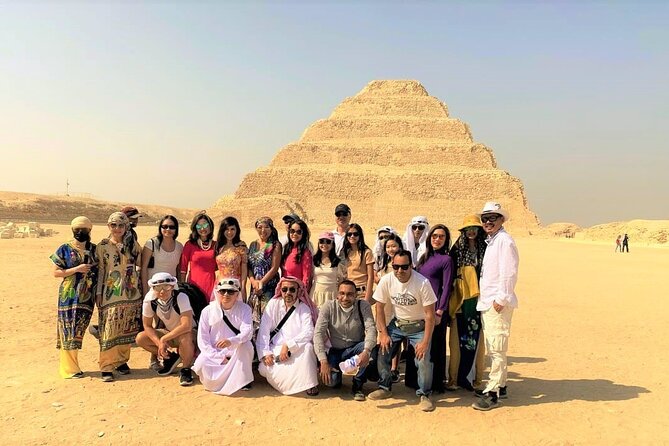
Then the itinerary pivots to Saqqara, home of the Step Pyramid. This is not just another pyramid stop. It’s an origin story of Egyptian pyramid building, with the stepped design that came from the evolution of earlier tomb forms. You’ll also get context for why this site matters even beyond its fame: it’s tied to some of the earliest major stone construction efforts in Egypt.
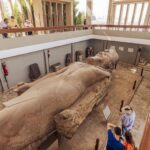
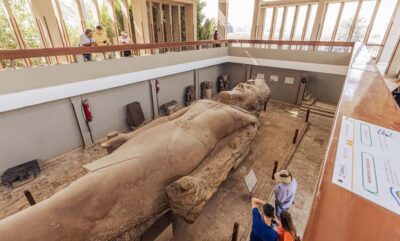
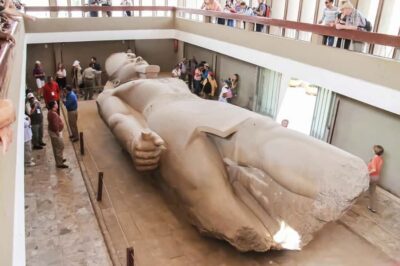
After that, Memphis (including the open-air museum at Memphis) gives you a different angle. Instead of building fresh, it’s about connecting monuments and royal statuary to the broader story of Egyptian civilization. If you like seeing Egypt as a chain of places and eras, this sequence helps.
Possible downside: you pack in three big sites before Cairo “culture time” begins, so wear comfortable shoes and don’t schedule any heavy personal errands on day 1 to 2.
Cairo museum time, Citadel views, and Khan el-Khalili wandering
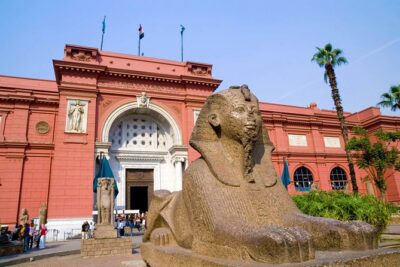
Day 3 is your classic Cairo blend: indoor masterpieces, a medieval fortress viewpoint, and market energy. The Museum of Egyptian Antiquities, often called the Egyptian Museum, is a major reason to choose a guided format. You get a 3-hour visit with admission included, and you’re told up front that the museum holds around 120,000 items, with only a representative amount on display while others sit in storerooms. That detail matters, because it changes how you look at the room: you’re not seeing everything, you’re seeing a curated slice you can actually take in.
Next up is the Cairo Citadel, the Saladin Citadel of Cairo. Even if you’ve seen photos, the value is in the viewpoint and the feel of the fortification on Mokattam Hill. You get a guided block of time here, and it helps you understand how Cairo’s history is not only ancient Egyptian, it’s also Islamic-era power and city layout.
Finally comes Khan el-Khalili, Cairo’s famous souk in Islamic Cairo. It’s scheduled for about two hours, and admission is not included, which is common for market areas. This is the moment to slow down just a bit, snack if you want, and browse at an honest pace.
My practical tip: bring small bills for market stops and expect to spend mental energy. Markets reward patience, and a guided day is where you can learn how to navigate it.
Karnak and Luxor Temple, where the Nile temples feel endless
Once the tour shifts to Luxor, the temples do what temples do best, they overwhelm you with repetition, scale, and symbolism. On Day 4, you visit Karnak Temple, a huge complex dedicated primarily to Amun, with origins reaching back as early as 2000 BC. It’s no surprise Karnak ranks among Egypt’s top sights. The bigger win is having time to absorb it as a complex rather than treating it like one quick photo stop.
Then you move to Luxor Temple, built around 1400 BCE on the east bank. This temple is a great counterpart to Karnak, because it lets you compare how different sacred spaces feel within the same city. You’re given a two-hour block with admission included, which is enough to get beyond the first impression.
Why this matters for your trip: Luxor is where Egypt stops feeling like a list and starts feeling like a place. The guided timing helps you connect temple design to the broader flow of the Nile corridor.
Valley of the Kings, Hatshepsut at Deir el-Bahari, and Colossi of Memnon
Day 5 is all about the west bank, where the story gets darker and more intimate. First is the Valley of the Kings, with visits to 3 tombs. You get a three-hour schedule and admission included, which is important here because tombs can be hit-or-miss depending on how much time you have. With three tomb visits planned, you get variety, and you come away with a better understanding of why this area is so famous.
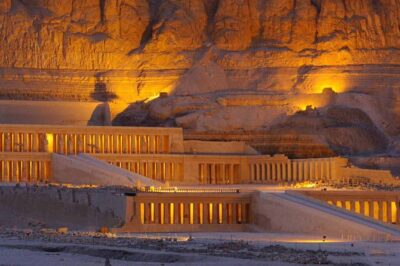
Next, you’ll visit the mortuary temple of Hatshepsut at Deir el-Bahari. It sits beneath cliffs and is tied to an 18th Dynasty pharaoh, so the site has both dramatic architecture and direct political meaning. The scheduled time is one hour with admission included, which is a reasonable amount to take in the steps and understand the layout.
Then you end with the Colossi of Memnon, two massive statues of Pharaoh Amenhotep III. This is a quick stop, about 30 minutes, and the scale hits you even when you are moving fast. It’s the kind of finale that makes you feel you are seeing Egypt’s monuments in different forms, from tomb interiors to open-air giants.
More boats sailing the same stretch


Temple of Horus and Kom Ombo, the cruise leg that changes the pace
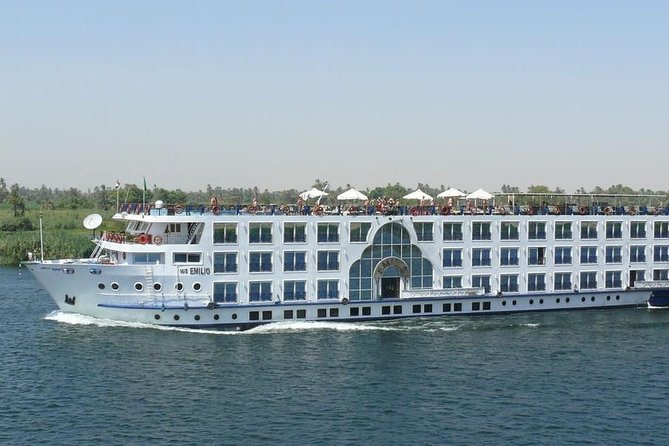
From Luxor onward, the tour’s character shifts to a cruise rhythm. Day 6 focuses on two major temple stops that keep the ancient Egypt thread alive while you travel between key river cities.
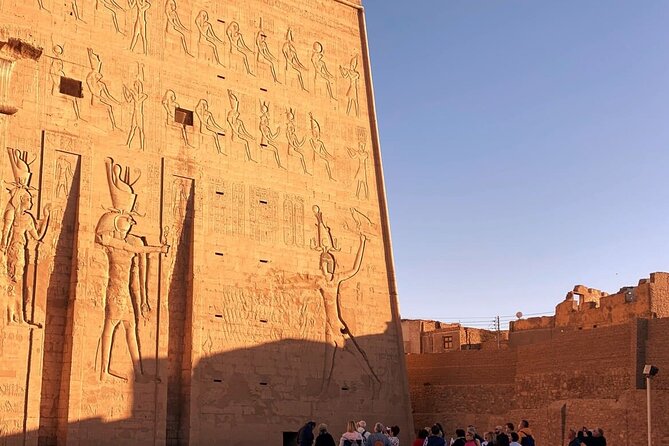
First is the Temple of Horus, also known for its connection to the town of Edfu. It’s described as one of Egypt’s best-preserved ancient monuments, and you’ll hear why the desert sand helped preserve it after the pagan cult was banned. There’s also a detail that matters to your experience: part of the temple’s roof is intact, which makes the inside feel atmospheric rather than empty.
Then the plan moves to Kom Ombo, famous for its unusual double temple. One side is dedicated to Sobek, the crocodile god, and the other relates to other divine associations tied to the temple’s religious function. You’re given about two hours here with admission included, and the double layout is a great way to see how Egyptian worship could be organized in paired systems.
Practical takeaway: on cruise-style tours, temple days can feel like they keep coming. But this pairing is smart because each temple has a different visual mood, so you do not get monotony.
Abu Simbel day trip, the long drive that earns its status
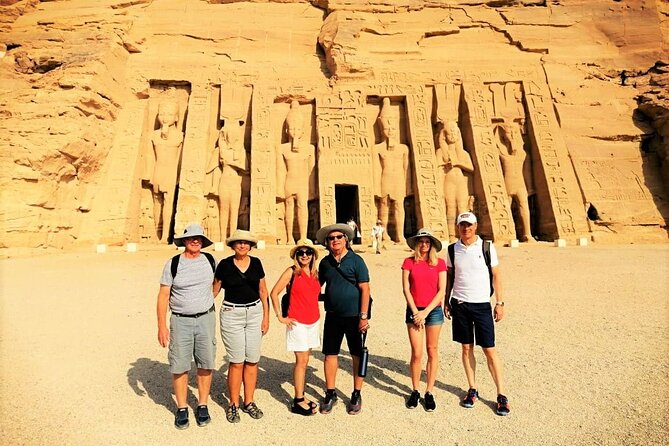
On Day 7, you get the tour’s headline day trip: Abu Simbel Temple Complex. These are two massive rock temples near the border region with Sudan, around 230 km southwest of Aswan, and they sit by Lake Nasser. The scheduled time is long, listed as about 7 hours, so this is the day where you should treat the itinerary like a workout.
Why it is worth it: Abu Simbel is not just famous, it is physically dramatic. Two giant temples carved into rock give you instant scale and a strong sense of power. Having an Egyptologist guide matters here because you get the story behind why such a place exists and why it was worth the effort to build.
My advice for comfort: plan for heat, bring sunscreen, and expect that you will be ready to sit down afterward. Long travel plus big monuments is not a combo for people who hate fatigue.
Philae temples, UNESCO rescue work, and flying back to Cairo
Day 8 combines a major temple site with a flight transition, and that mix is exactly why this tour feels efficient. You start at Temple of Philae, about 12 kilometers south of Aswan. This site was an ancient pilgrimage center tied to the cult of Isis, and it continued to be used across Greek, Roman, and Byzantine periods as rulers added their own marks.
A key detail that helps you appreciate Philae today is the UNESCO rescue project. The monuments were transferred block by block from Philae Island to Agilika Island, saving them from a watery fate. That context turns what could be seen as a simple stop into a story about preservation and changing landscapes.
Then you shift to logistics: the tour includes an airport transfer in Aswan so you can catch your flight to Cairo. Your tour leader meets you and continues the chain, including waiting at Cairo airport for your hotel transfer.
Why this is valuable: domestic flights can be tiring, but using them here saves you from spending the entire day stuck in transit. The trade-off is that you do not get an extra evening in Aswan, so if you crave unplanned downtime, you might feel the schedule tightness.
Your free day in Cairo, plus a simple way to use it
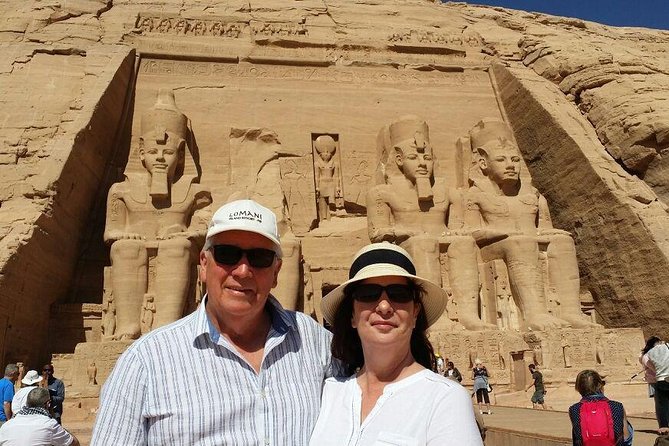
Day 9 is a free day in Cairo. This is one of the best parts of the itinerary because it gives you space to breathe. You can revisit the parts you liked most, shop at your pace, or just recover after a series of big-site days.
If you want to use the free day strategically, do this: pick one theme and stick to it. For example, you can base your day on street markets you already touched on, since you visited Khan el-Khalili earlier. Or you can simply use it to rest, eat well, and catch up on photos and souvenirs without a schedule driving you.
The key advantage is that you are not forced into another structured stop. After temples in Luxor, Edfu, and Aswan, free time in Cairo feels like a reward.
Price and what you’re really getting for $2,795
At $2,795 per person, this is not a budget option, but it is also not just a ticket to a single city. The value comes from stacking several expensive pieces into one package.
Here is what you are getting that usually costs extra when you book it separately:
- Accommodation for 9 nights, with hotels and cruise or similar
- A qualified Egyptologist guide
- Round-trip local flights covering Cairo to Luxor to Aswan and back to Cairo
- All airport pick up around the clock
- Meals included, specifically breakfast (9), lunch (7), and dinner (4)
- Many site admissions are marked included on the itinerary
What is not included: drinks and tipping for guides and drivers. That means you still need a plan for spending on beverages and gratuities, but the big costs are already handled.
In plain terms, you’re paying for speed, continuity, and someone to keep the itinerary tight. If you would rather spend your vacation figuring out connections, this price might feel steep. If you prefer to trade money for time and certainty, it starts to look like a fair deal.
Logistics that make the difference, from pickups to guide names
One theme in the feedback is that service and organization are strong. People emphasize smooth airport pickups and a sense of being cared for from the moment they land. That shows up in a tour with around-the-clock airport transfer support, plus guided transitions when you fly from Aswan to Cairo.
Another praised element is the guide team. Names that come up include Mamoud for an excellent greeting and welcome in Cairo, Ibrahim Draz associated with the Giza and Cairo leg, and Ahmed Abdul tied to the Assuan and Luxor portions. You also see praise for Mohammed, described as funny, engaging, and patient. Since this itinerary is heavy on walking and timing, the right guide style can keep the day from feeling like a rush.
You’ll also benefit from practical details like clean vans, drivers and guides who handle the plan, and the feeling of safety that comes from having a team that keeps moving as a group.
One caution: this tour can feel like a lot if you want total freedom. It’s structured by design. If you like asking to linger at one stop or changing the plan often, your enjoyment depends on how flexible the team is in practice.
Who should book, and who should not
This tour is ideal if you:
- Want Giza, Cairo, Luxor, Abu Simbel, and Aswan in one trip
- Prefer a guided approach with an Egyptologist explaining the key context
- Like cruise travel that slows you down overnight while still keeping days productive
- Can handle a packed 10-day schedule, including a long Abu Simbel day
You might want a different style if you:
- Want more downtime between monuments
- Dislike early starts or long drives
- Prefer fully independent travel where you choose your own pace at every site
Also note that this is described as a private tour/activity, meaning your group participates together. That can feel more personal than a big coach tour, but it still follows a shared timetable.
Should you book the 10 Day Treasures of Egypt tour?
I’d book this if you want the major sights covered with clear structure, and you value having flights, meals, and temple tickets handled so you do not waste energy on logistics. The mix is especially strong for first-timers: Giza and Saqqara establish the ancient core, Cairo museums and Citadel add depth, and then the Nile corridor brings you temple after temple. Abu Simbel is the risky part because of time and fatigue, but it is also the part most people remember for a long time.
If you are the kind of traveler who needs quiet time after every stop, you may find the schedule demanding. But if you like momentum, this itinerary gives you a lot of Egypt without forcing you to plan it all yourself.
FAQ
How long is the 10 Day Treasures of Egypt tour?
The tour is 10 days (approximately).
Where does this tour take place?
It includes Cairo and Giza, then Luxor and Aswan with a Nile cruise, plus Abu Simbel. It also includes stops such as Edfu and Kom Ombo temples, and Philae in the Aswan area.
Are flights included?
Yes. Round-trip local flights are included for Cairo to Luxor to Aswan to Cairo.
What meals are included?
Breakfast is included for 9 days, lunch for 7 days, and dinner for 4 days. Drinks are not included.
Do you get airport pickup?
Yes. All pick up around the clock from the airport is included.
Is an Egyptologist guide included?
Yes. A qualified Egyptologist guide is included.
Are admission tickets included?
Admission is listed as included for many stops on the itinerary, including places like the Giza pyramids, Saqqara, Memphis open air museum, and several Luxor and Aswan temple visits. Khan Al-Khalili and some other items are marked as not included.
Do you have free time during the trip?
Yes. There is a free day in Cairo on Day 9.
What is the daily start time?
The start time is listed as 8:00 am.
What is the cancellation window for a full refund?
You can cancel up to 6 days in advance of the experience’s start time for a full refund.
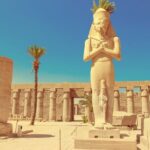
Further South: Abu Simbel


Sailing Luxor to Aswan


Giza, A Few More Ways In


More of Cairo from our review pile
- Cairo: Djoser Pyramid & Memphis Private tour with transfers.
★ 4.0 · 14 reviews - White Desert Overnight Camping Sharing Tour in Egypt
★ 5.0 · 15 reviews - Cairo Best 2Days tour Pyramids, Saqqara & Old Cairo
★ 5.0 · 15 reviews - Monastery St Simon with Cave Church and Garbage City Private Tour
★ 5.0 · 15 reviews - Full-Day Tour to Giza Pyramids, Egyptian Museum & Khan Al-Khalili
★ 5.0 · 15 reviews - Private Walking Tour in ElMoez Street & Khan Elkhalili Market
★ 5.0 · 15 reviews
Giza Pyramids & Sphinx Tours, compared.
 ★ 4.9Pyramids & Great Sphinx Private Tour with Camel RideFrom $486,335 reviews
 ★ 5.0Tour to Giza Pyramids and The Egyptian MuseumFrom $1556,016 reviews
 ★ 4.7Pyramids of Giza, Sphinx, Saqqara & Memphis TourFrom $903,110 reviews
 ★ 4.6Half-Day Tour to Pyramids of Giza and the SphinxFrom $502,891 reviews
 ★ 4.6Pyramids, Sakkara & Memphis Tour with LunchFrom $602,493 reviews
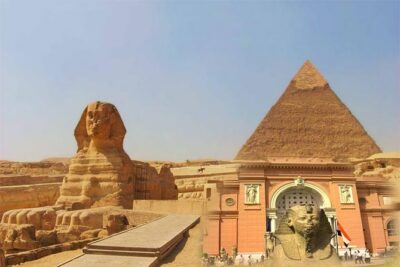 ★ 5.0Private ViP all-inclusive Giza Pyramids,Sphinx,Inside PyramidFrom $142,448 reviews
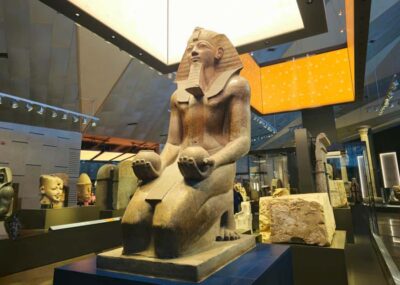 ★ 4.7Grand Egyptian Museum, Pyramids, Sphinx Tour & LunchFrom $892,282 reviews
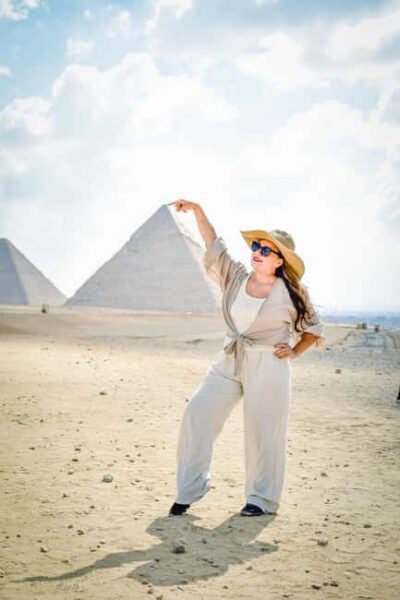 ★ 4.7Cairo Pyramids, Sphinx & Egyptian Museum Day TripFrom $932,271 reviews
The lists this one sits on