
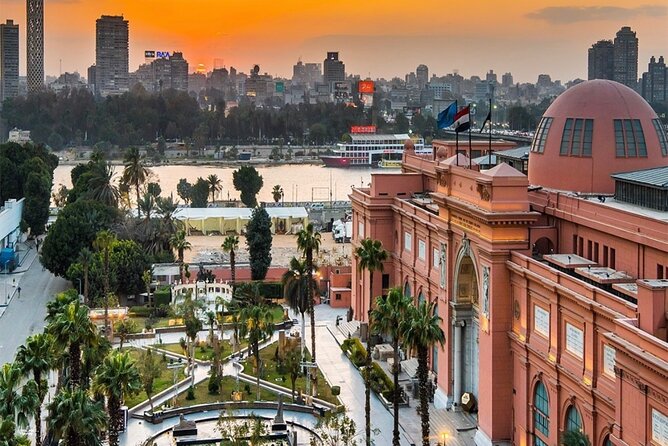
REVIEW · GIZA PYRAMIDS & SPHINX TOURS
Tour to the Giza Pyramids,Sphinx,Egyptian Museum , Khan elKhalili
Pyramids to bazaar, all in one day. What makes this tour fun is the tight route: hotel-door pickup to the Giza Plateau, then the Ahmed-style help that keeps the day smooth even when communication is tricky. I also like that the plan is built for real sightseeing time, not just bus rides. One thing to consider: the listed price is $1.00, so double-check what is actually charged on your booking and what the tour covers, since the itinerary mentions multiple spots with admissions as included or free.
You are looking at about 9 hours from pickup to drop-off, with a private group and a mobile ticket. The order matters too, because you get your big pyramid moments earlier, then you shift into museums and market time before heading back.
In This Review
- Key highlights you will actually feel during the day
- How this Giza, museum, and market day is set up to make sense
- Pickup, private tour flow, and why the small stuff matters in Cairo
- Three Pyramids of Giza: the part you will remember when you look back
- The Sphinx and Valley Temple: pairing the famous guard with the ritual site
- Lunch with pyramids views: a smart break in the middle of Cairo
- Egyptian Museum in Cairo: how to handle a massive collection in limited time
- Khan el-Khalili Bazaar: shopping time after ancient Egypt
- Price and value: what $1 per person really means to you
- Who should book this tour, and who should think twice
- Should you book this Giza and Cairo highlights tour?
- FAQ
- How long is the tour?
- Does the tour include hotel pickup?
- Is this tour private?
- Are admission tickets included for key stops?
- How long do you spend at the Egyptian Museum?
- Is there free cancellation?
Key highlights you will actually feel during the day

- Hotel-door pickup and drop-off save time, stress, and negotiating Cairo traffic
- Giza Plateau pacing gives you time at Three Pyramids and a panorama viewpoint
- Sphinx plus Valley Temple connects the statue to the mummification temple role
- Egyptian Museum with a guide’s routing tips helps you handle a huge collection fast
- Khan el-Khalili market hour for souvenirs and Egyptian snacks without rushing
- Lunch with a pyramids view turns a long day into a memorable break
Ways onto the Giza plateau, compared
- Cairo: Pyramids & Great Sphinx Private Tour with Camel Ride★ 4.9 · 6,335 reviews
- Tour to Giza Pyramids and The Egyptian Museum★ 5.0 · 6,016 reviews
- VIP All inclusive Best of the best Giza Pyramids,Sakkara,Memphis★ 5.0 · 3,164 reviews
- From Cairo: Pyramids of Giza, Sphinx, Saqqara & Memphis Tour★ 4.7 · 3,110 reviews
How this Giza, museum, and market day is set up to make sense
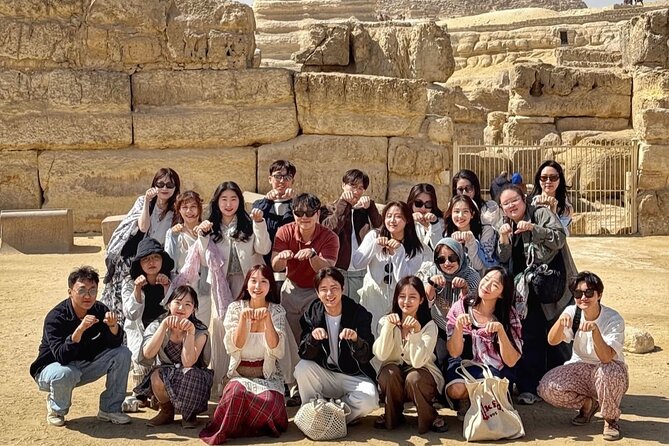
If your goal is Cairo highlights without spending days planning logistics, this tour is built for that. You start in Giza for the signature sights, then move into central Cairo for the Egyptian Museum, and finish with Khan el-Khalili, the city’s famous bazaar.
The day runs in a clear flow. You begin with the most visually dramatic places first, when light and energy are on your side. Then you shift to indoor or shaded stops like the museum. Finally, you end with market time, which is perfect after you have already seen the ancient world, because now you get to switch gears to modern Cairo life.
It also helps that this is a private tour. Your group stays together, and your guide can adjust the tempo if someone needs a bathroom break or wants a few extra minutes for photos.
Pickup, private tour flow, and why the small stuff matters in Cairo
Cairo is one of those cities where “small” planning details can make a big difference. Starting with pickup at your hotel door is a win, because you do not have to figure out the best route or bargain for a ride before you even start sightseeing.
This tour also includes mobile ticket support and a guide who communicates throughout the route. In one review, the driver named Ahmed stood out for being flexible with destination changes and using an app to communicate when English was limited. That matters more than people expect. When you are tired, hot, and walking between major sites, clear directions reduce stress fast.
Also note the tour is described as suitable for most travelers, and service animals are allowed. If you rely on an animal for support, that is worth confirming early, but the tour notes it as welcome.
If you care about timing, this is a “9-hour block” type of day. That means you should be ready for a schedule that keeps moving. You will get rest breaks through the natural rhythm of the stops, but it is not a slow, wander-at-your-own-pace day.
Three Pyramids of Giza: the part you will remember when you look back
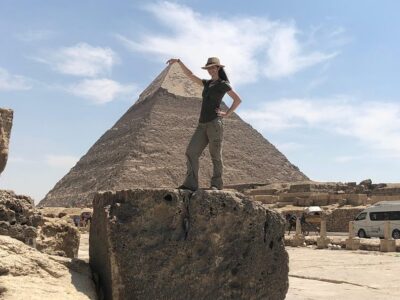
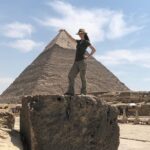
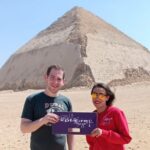
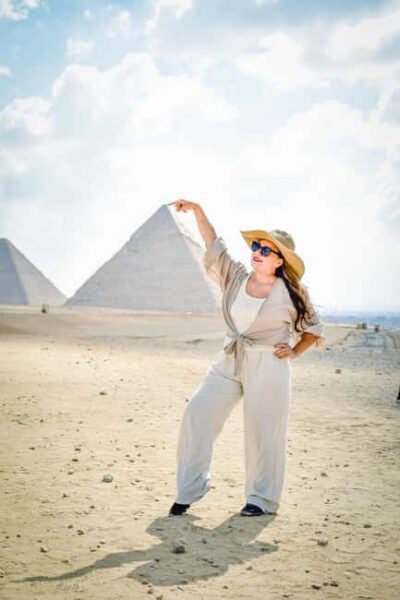
The day’s first big hit is the Three Pyramids of Giza area: the Great Pyramids of Khufu, Khafre, and Menkaure. Even if you have seen photos for years, seeing them in person is different. They are not just big, they look untouchably solid, like they were designed to outlast time itself.
You get time at the main pyramid complex, including the idea of seeing the smaller pyramid group nearby, often referred to as the Seven Small Pyramids. This helps you avoid the common mistake of only noticing the headline structures. With extra moments around the broader Giza layout, the plateau starts to feel like a full funerary city, not a single photo spot.
Then comes the panorama viewpoint. That viewpoint is the practical secret sauce. Once you have walked around and gotten close views, the panorama helps your brain “map” the place. You can finally see how the pyramids sit together, how sightlines align, and why the whole area is such a magnet for photographers.
The itinerary also mentions chances to take photos and even get hands-on at allowed spots. For your planning, the safest approach is this: trust the guide to point out where it is permitted and where you should not touch. Rules can vary by time and site conditions.
One practical tip I would follow here: wear shoes you can handle on uneven ground, and keep water handy. Giza is open air, and a long first stop plus walking can feel longer than you expect.
The Sphinx and Valley Temple: pairing the famous guard with the ritual site
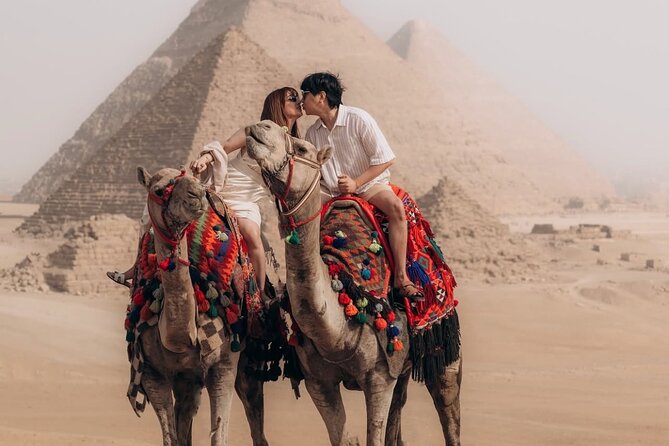
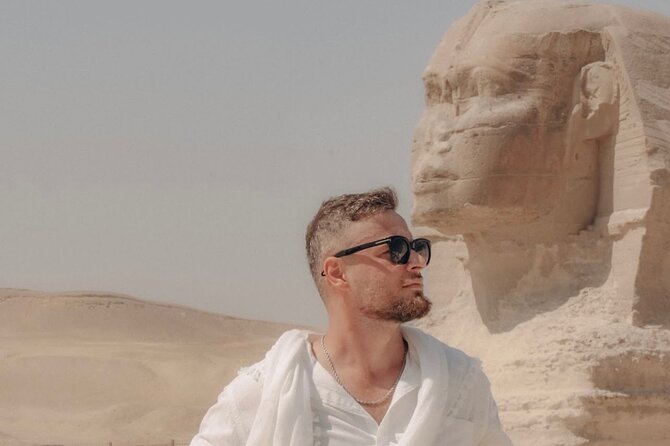
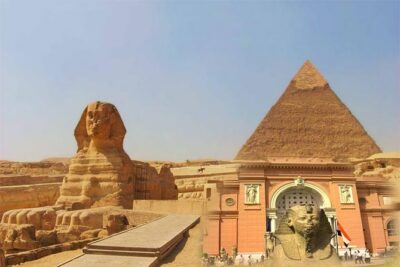
After the pyramids, you move toward the Sphinx. This stop is special because it is not a standalone statue. The Sphinx is described as a massive figure with a lion’s body and a pharaoh’s head, and the tour connects it to the era of Khafre.
That context is useful. Without it, the Sphinx can turn into just another “wow.” With it, you start seeing it as a protector aligned with the pyramid complex. It is guarding the Giza plateau in a symbolic way, and that meaning helps you understand why people keep returning to the same spot again and again.
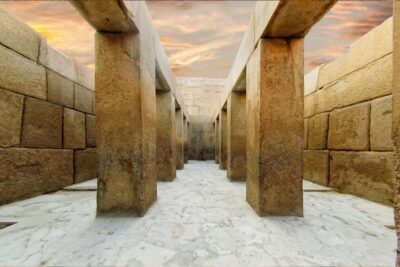
From there, you head to the Valley Temple, which is linked to the pyramid of Khafre. The tour explains its role in ancient ceremony, especially the idea of the process of mummification of relatives before burial and crowning. That is the kind of detail that makes a temple stop click.
You are not just looking at walls. You are looking at a place designed for a ritual sequence. Even if you only catch part of the explanations, the combination helps your brain connect symbols, architecture, and purpose.
A heads-up for how to enjoy this segment: keep your expectations flexible. This is a longer day, and you are switching from bright open-air monument viewing to another walking-and-looking zone. Plan to listen more than you talk, because the guide’s explanations help you get more out of fewer moments.
Return trips to the Tahrir collection
Lunch with pyramids views: a smart break in the middle of Cairo

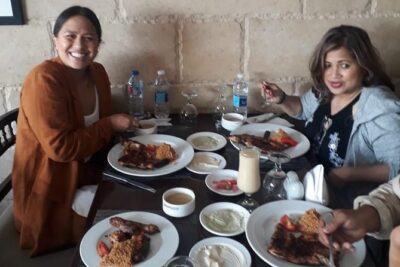
After the Giza portion, you get an Egyptian lunch described as kofta and kebabs, with the added bonus of a pyramids view. In a day like this, lunch is not just fuel. It is a reset point that keeps the day enjoyable instead of turning into a nonstop checklist.
Having lunch with a view also gives you a moment to absorb what you just saw. When you eat while looking back at the pyramids, they stop feeling like a distant postcard and start feeling like a real location you can place in your memory.
The tour lists lunch as part of the day flow, so it helps you avoid the Cairo problem of wandering for food while time slips away. Just keep in mind you are still on a schedule, so try not to turn lunch into a two-hour detour.
Egyptian Museum in Cairo: how to handle a massive collection in limited time

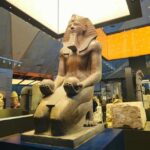
Next up is the Egyptian Museum, one of the most important places in Cairo for ancient artifacts. The tour includes time with a guide who explains how to visit and what to focus on, which is exactly what you want when you only have about 2 hours here.
The museum is described as featuring antiquities from the Pharaonic era, including one of the biggest displays connected to Tutankhamun’s treasures: gold and jewelry from his tomb, associated with its discovery in the 1920s. The tour also points out the scale of the collection, mentioning thousands of years old works of art and a vast number of original antiquities on display.
What you will love about this stop is not trying to see everything. It is getting a guided sense of direction in a place where “everything” is too much for a half-day.
Practical approach inside the museum:
- Listen first, then walk. Let the guide tell you where to aim, then move.
- If you have a “Tutankhamun must-see” goal, use your early museum time for that priority.
- If you are more into craftsmanship, lean into the gold, jewelry, and artifact details the tour highlights.
Because the museum is huge, your two-hour success depends on focusing on the points your guide points out. A little discipline here pays off. You will leave feeling like you understood the main story, not like you sprinted.
Khan el-Khalili Bazaar: shopping time after ancient Egypt
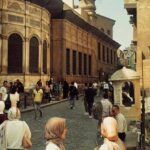
You finish with Khan el-Khalili, described as one of Cairo’s largest markets. This part of the tour is not about monuments. It is about atmosphere and variety, with shops and the chance to pick up souvenirs.
The tour also suggests trying Egyptian specialties. Even if you do not want to make this a full food stop, it is a good moment to sample small bites and taste what you see the vendors promoting.
For many first-time visitors, Khan el-Khalili is the easiest way to connect the day’s theme to real life. You go from pharaoh tombs and museum displays to a street-level market scene where everyday Cairo continues.
If you like buying gifts, use the hour strategically:
- Set a budget in your head before you start wandering.
- Pick a few items you can compare quickly rather than buying the first thing you like.
- Remember this is an hour. If you want deeper browsing, you might need to return later on your own.
Price and value: what $1 per person really means to you
The price shown is $1.00 per person, which is so low that it is worth treating as a prompt to confirm what the final total includes for your group. Even without making assumptions, your itinerary points to admission being handled for several key segments, such as the pyramids and museum time, plus an included portion for the market segment.
So how do you judge value responsibly?
- Compare the structure: hotel pickup plus a full-day route across multiple major sights is inherently more expensive when you book each piece separately.
- Look at time efficiency: about 9 hours means you are compressing travel and guiding into one block, rather than doing piecemeal logistics.
- Check inclusions on your booking: the itinerary lists some entries as included or free, but you should confirm exactly what you will need to pay at each location, if anything.
If you are traveling on a tight budget, this is the kind of tour that can make Cairo feel doable. If you are someone who wants complete control over every entrance ticket, you might prefer a more transparent package, but you can still get a lot out of this one by confirming what is covered before you go.
Who should book this tour, and who should think twice
This tour fits best if you want:
- A private day covering the highest-demand Cairo highlights
- A guided route that helps you avoid wasting time in museums
- A plan that moves from ancient Giza to the Egyptian Museum to Khan el-Khalili
- Pickup from your hotel so your day starts clean
Think twice if you:
- Want a slow, fully flexible schedule with lots of free wandering time at each site
- Expect to spend long hours in the museum without guidance, since the museum stop is timed
- Prefer to handle every ticket yourself and do not want any uncertainty about what is included
For most people, the combination of big sights first, museum next, market last is a strong formula. It keeps the day meaningful and keeps you from feeling like you missed the whole point.
Should you book this Giza and Cairo highlights tour?
I would book it if you want one clear plan that hits the main icons: Three Pyramids, Sphinx, Valley Temple, Egyptian Museum, and Khan el-Khalili, with pickup and a guide to keep the day moving.
If you are budget-minded, confirm the full pricing and what’s covered in your exact booking. After that, this is a solid way to spend a single day in Cairo without turning it into a logistics puzzle.
FAQ
How long is the tour?
The tour duration is listed as about 9 hours.
Does the tour include hotel pickup?
Yes, the car and guide are described as waiting for you at your hotel door.
Is this tour private?
Yes. It is described as private, with only your group participating.
Are admission tickets included for key stops?
The itinerary shows admission tickets as included or free for multiple parts, including the Three Pyramids area and the Egyptian Museum, plus an included segment for Khan el-Khalili. The exact details can vary by segment, so check what your booking covers.
How long do you spend at the Egyptian Museum?
The Egyptian Museum visit is listed as about 2 hours.
Is there free cancellation?
Yes. Free cancellation is offered, and you can cancel up to 24 hours in advance for a full refund.
Deeper into Khan el-Khalili


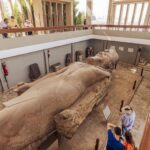
Back at the Tahrir Museum

Giza, A Few More Ways In

More of Cairo from our review pile
- Cairo: Djoser Pyramid & Memphis Private tour with transfers.
★ 4.0 · 14 reviews - White Desert Overnight Camping Sharing Tour in Egypt
★ 5.0 · 15 reviews - Cairo Best 2Days tour Pyramids, Saqqara & Old Cairo
★ 5.0 · 15 reviews - Monastery St Simon with Cave Church and Garbage City Private Tour
★ 5.0 · 15 reviews - Full-Day Tour to Giza Pyramids, Egyptian Museum & Khan Al-Khalili
★ 5.0 · 15 reviews - Private Walking Tour in ElMoez Street & Khan Elkhalili Market
★ 5.0 · 15 reviews
Giza Pyramids & Sphinx Tours, compared.
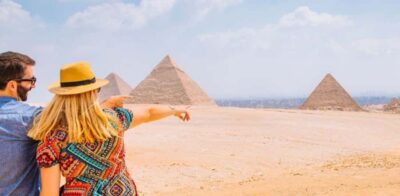 ★ 4.9Pyramids & Great Sphinx Private Tour with Camel RideFrom $486,335 reviews
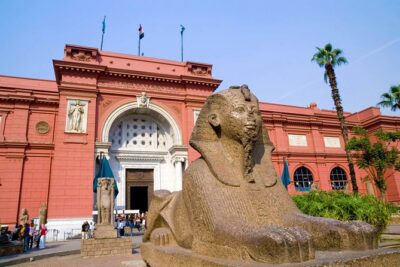 ★ 5.0Tour to Giza Pyramids and The Egyptian MuseumFrom $1556,016 reviews
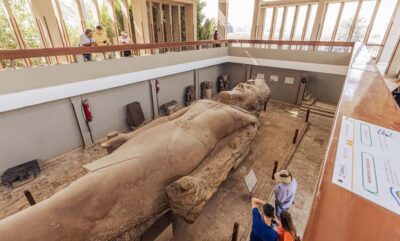 ★ 4.7Pyramids of Giza, Sphinx, Saqqara & Memphis TourFrom $903,110 reviews
 ★ 4.6Half-Day Tour to Pyramids of Giza and the SphinxFrom $502,891 reviews
 ★ 4.6Pyramids, Sakkara & Memphis Tour with LunchFrom $602,493 reviews
 ★ 5.0Private ViP all-inclusive Giza Pyramids,Sphinx,Inside PyramidFrom $142,448 reviews
 ★ 4.7Grand Egyptian Museum, Pyramids, Sphinx Tour & LunchFrom $892,282 reviews
 ★ 4.7Cairo Pyramids, Sphinx & Egyptian Museum Day TripFrom $932,271 reviews
The lists this one sits on