
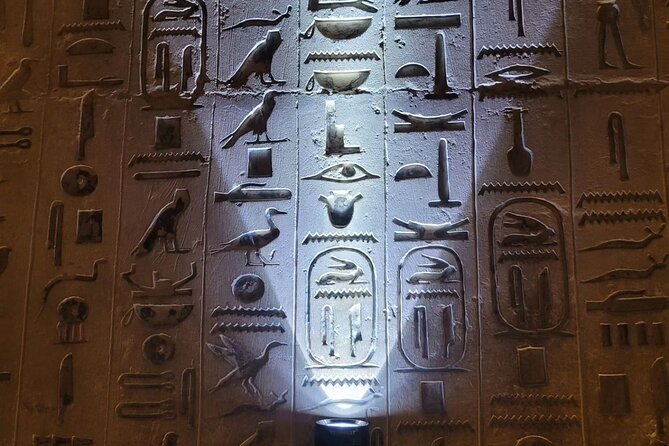
REVIEW · GIZA PYRAMIDS & SPHINX TOURS
The Giza Pyramids, the Great Sphinx, and Local Lunch.
Giza hits you like a time machine. On this private Cairo tour, you walk the Giza Plateau with an Egyptologist guide who explains why the pyramids and Great Sphinx were built, plus you get planned photo time instead of wandering blindly.
I love the mix of big-name monuments and quick “supporting roles,” from Cheops to Khafre and Menkaure, because it helps you read the whole site as one story. I also like the practical pacing: water is included, you end with local lunch, and the day stays focused. The main catch is that entry to the Great Pyramid of Khufu and any optional inside visit costs extra, so budget a little more if going inside matters to you.
Pick-up and drop-off are handled by a private, air-conditioned vehicle, and you get a mobile ticket to simplify on site logistics. Plan on about 3 to 4 hours, which makes this a smart half day when you want the icons without turning your whole trip into a time sink.
In This Review
- Key points before you go
- Why this Giza tour is priced at $70, and when it is a good deal
- Private pickup, air-conditioned comfort, and how it changes the experience
- Stop 1, Great Pyramid of Khufu: the scale moment and the inside option
- Stop 2 and 3, Khafre and Menkaure: why the shorter stops still matter
- Panoramic viewpoints with all three pyramids in frame
- Great Sphinx and Valley Temple: what to look for beyond the postcard
- Local lunch at the end: Kushary or falafel, and why that matters
- Tips to get better photos and fewer headaches at Giza
- Who should book this tour, and who might prefer another style
- Should you book this Giza Pyramids, Sphinx, and Local Lunch tour?
- FAQ
- What is the duration of the tour?
- Is hotel pickup and drop-off included?
- Do I need to buy tickets separately?
- Can I go inside the Great Pyramid of Khufu?
- Is camel riding included?
- What lunch is included?
- Is bottled water included?
- Is this a private tour or a group tour?
- Can the tour accommodate dietary restrictions?
- What is the cancellation policy?
Key points before you go

- Private Egyptologist guidance: you get context for the pyramids and Sphinx, not just a checklist of stops
- Cheops first, Khufu entry extra: you’ll see the Great Pyramid up close, with an optional inside ticket available
- Khafre and Menkaure quick hits: short, free entry stops that still help the site feel complete
- Panoramic photo stop: planned viewpoints with all three pyramids in frame, sometimes with a camel option
- Great Sphinx plus Valley Temple: you get the funeral complex background, then you cool down with lunch
Ways onto the Giza plateau, compared
- Cairo: Pyramids & Great Sphinx Private Tour with Camel Ride★ 4.9 · 6,335 reviews
- Tour to Giza Pyramids and The Egyptian Museum★ 5.0 · 6,016 reviews
- VIP All inclusive Best of the best Giza Pyramids,Sakkara,Memphis★ 5.0 · 3,164 reviews
- From Cairo: Pyramids of Giza, Sphinx, Saqqara & Memphis Tour★ 4.7 · 3,110 reviews
Why this Giza tour is priced at $70, and when it is a good deal
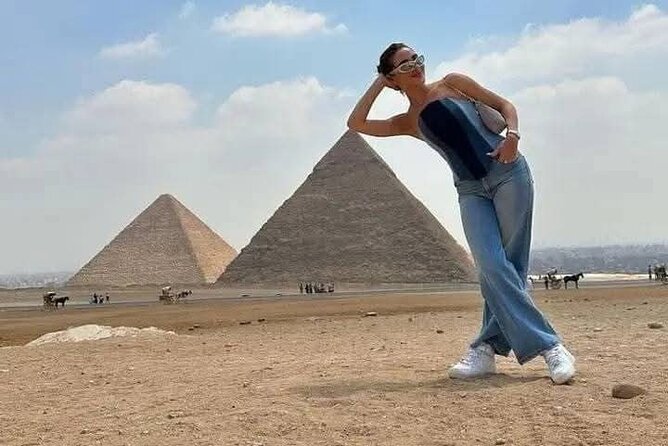
Seventy dollars per person sounds simple, but the value is in what comes bundled. You’re paying for private transportation from your hotel, a professional Egyptologist guide, bottled mineral water, and lunch. Add in the time you save by not figuring out routes, and it starts to feel like you are buying time and clarity as much as admission access.
The other value angle is the photo planning. At Giza, the difference between ok photos and great photos is often where you stand and when you arrive. This tour is built around those moments, not random walking.
The main “watch this” part is that the tour price does not include the Great Pyramid of Khufu admission ticket, and an inside visit is optional. So if you want the full wow factor of going inside Cheops, you will likely pay additional fees.
Private pickup, air-conditioned comfort, and how it changes the experience
Cairo traffic can drain the energy right before you reach Giza. Having hotel pickup and drop-off by a private air-conditioned vehicle keeps the day from turning stressful. You also start the monument area with your guide already synced to the plan, which matters at a busy site.
You also get a mobile ticket, which helps on arrival when you have to move through check-in and entry points. The practical effect is that you spend less time handling admin and more time looking, asking questions, and taking photos.
This tour is private, so you do not have to match your pace to a larger group. That flexibility is a big deal at the pyramids, where you might want a slow moment for photos or a faster sprint to beat the heat and crowds.
Stop 1, Great Pyramid of Khufu: the scale moment and the inside option
You begin at the Great Pyramid of Khufu, the only Ancient World Wonder still standing. Your guide sets the scene with the purpose behind the structure and the beliefs tied to what Egyptians saw as eternal life. I like starting here because it anchors everything else you see. After Cheops, Khafre and Menkaure stop being random shapes and start feeling like parts of the same royal plan.
You’ll also get a clear sense of what it means to stand at the base of a structure that was built as a kind of royal afterlife home. That interpretation helps with the biggest challenge at Giza, which is how fast you can forget to look up. A good guide slows you down mentally, even if the physical site stays busy.
About the optional inside visit: the tour notes that you can buy an extra ticket if you want to go inside the largest pyramid. If that is on your wish list, plan for additional cost and time.
Timing here is short, about 30 minutes, and you should treat it like a focused viewing block. Wear comfortable shoes and keep your camera ready, because this is the one stop where you want the most “I can’t believe this is real” photos.
Stop 2 and 3, Khafre and Menkaure: why the shorter stops still matter
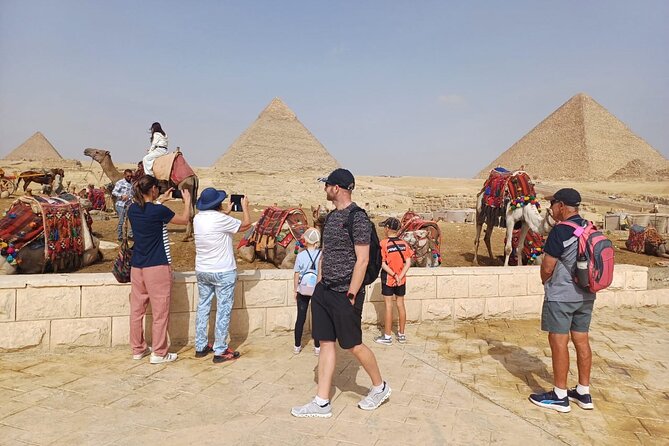
Next up are the pyramids of Khafre and Menkaure. These are not the only stops people remember from Giza, but they are the ones that make the whole experience feel coherent. The guide ties the symbolism to the idea of a new pharaoh continuing the legacy of the previous one, so these pyramids feel connected rather than separate.
Khafre’s pyramid is a quick stop, about 15 minutes, and the tour lists admission as free. Menkaure also runs about 15 minutes, with admission listed as free as well.
The benefit of short stops is that your energy stays high. If you try to linger too long at every pyramid, you end up tired and cranky before you reach the Sphinx. This tour’s pacing helps you save your “wow” attention for the most memorable moments later, like the Great Sphinx and the Valley Temple.
If you love history details, you’ll get enough explanation during these shorter blocks to understand why the pyramids look slightly different and how they fit the royal family story. If you mainly want photos, you still get those clean viewing moments without turning the day into a marathon.
Panoramic viewpoints with all three pyramids in frame
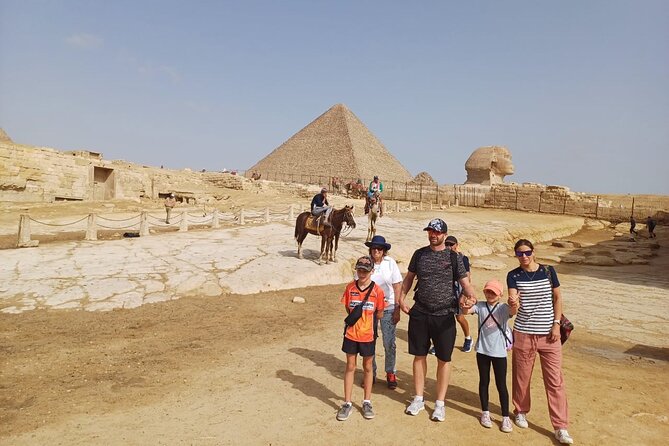
One of the best parts of this tour is the dedicated panoramic view stop. You drive a short distance to a viewpoint designed for memorial style photos, with all three pyramids visible in the background. That is the shot most people imagine when they picture Giza, and it is hard to replicate well if you are navigating on your own.
This block is about 30 minutes and is mainly a photo stop. The tour even notes the possibility of a camel back photo angle at the Sahara desert viewpoint, though it depends on the option you choose.
Here is the practical tip: plan for wind and harsh sun. The plateau area can feel manageable until you are out in open desert at a viewing point. Bring your sunglasses, protect your skin, and shoot early or in softer light if your guide can adjust the timing.
Also, use this time to regroup. By the time you are done with the panoramic stop, the pyramids will start blending together visually in your mind unless you take a few “memory photos” that you can compare later.
Great Sphinx and Valley Temple: what to look for beyond the postcard
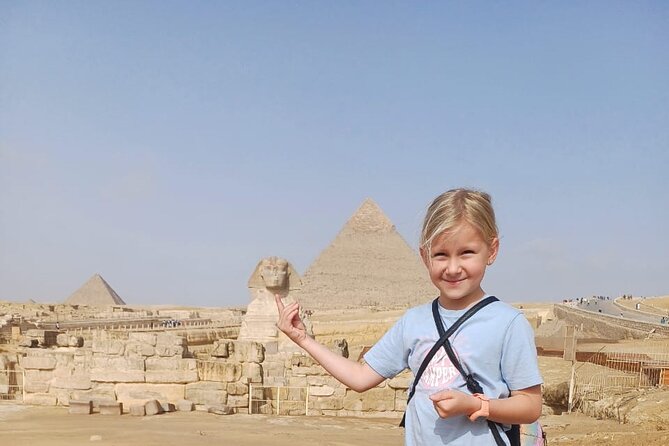
The Great Sphinx is not just a photo opportunity. With your guide, it becomes a real piece of ancient royal planning, because you get the explanation of its pharaoh head and lion body symbolism and its connection to the Chephren era.
After that, you visit the Valley Temple, part of Chephren’s funeral complex. The tour specifically frames the Valley Temple as a place tied to the processes around embalming, purification, and mummification. That is useful context because otherwise the temple ruins can look like stone leftovers. With the funeral complex story in your head, you know why the location and layout mattered.
This portion is about 20 minutes, with admission listed as included. The time is short, so you will want to focus on two things: the Sphinx itself and the Valley Temple context your guide provides. Ask questions while you are there, not after you leave, because the meaning comes from being physically near the site.
If you are sensitive to crowds, the guide’s approach matters. In the past, guides like Aly Elsheemy have been praised for staying patient, answering questions, and helping people avoid vendor pressure so the visit stays enjoyable. That is the difference between “I saw it” and “I understood it.”
Local lunch at the end: Kushary or falafel, and why that matters
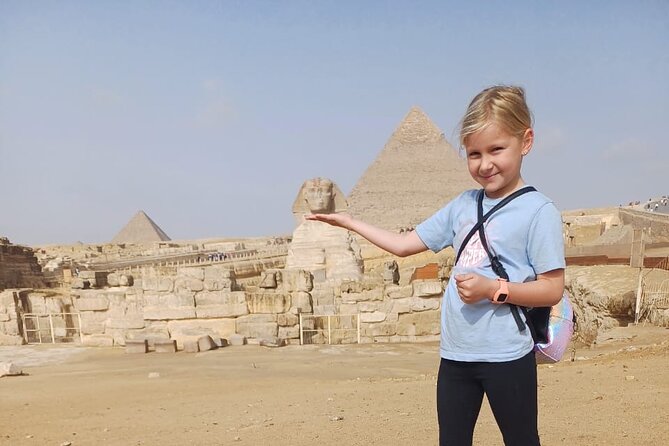
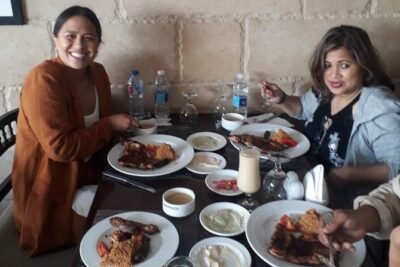
This tour ends with a local restaurant lunch, with Egyptian food options listed as either Kushary or Falafel. The lunch block is about 20 minutes, and the tour lists it as included.
I like ending with food because it gives you closure and a reset. At Giza, you spend hours looking, walking, and overhearing constant sales chatter. A proper lunch also makes the day feel complete instead of rushed and piecemeal.
It also helps you avoid a common Cairo problem: jumping from monument to monument on an empty stomach. Even if you plan to eat later on your own, eating here keeps your schedule intact and reduces decision fatigue.
If you have dietary restrictions, the tour notes they can accommodate options like vegetarian, vegan, and gluten-free. Tell your guide ahead of time so the restaurant can prepare the right choice.
Tips to get better photos and fewer headaches at Giza
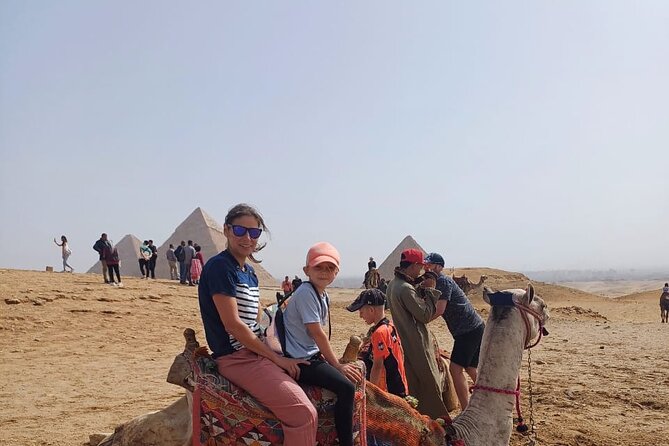
Giza is famous, so it is also intense. You will be happier if you treat this like a photo and story experience, not a “walk everywhere” challenge.
- Take advantage of the guide’s routing. A good guide helps you move so you spend time at the best spots instead of looping around looking for an angle.
- Plan for heat and sun exposure. Water is provided, but you still want sunscreen, a hat, and lightweight clothing.
- Use the panoramic stop for the money shots. Try to get your full pyramid background photos before you settle into the Sphinx phase.
- Be ready for vendor distractions. You cannot erase them from Giza, but a guide can help you handle them so the experience stays enjoyable.
- If inside Cheops is your priority, decide early. Since the Great Pyramid of Khufu admission is not included, you want clarity on whether you will buy the optional inside ticket.
One more practical note: this is a moderate physical activity day. You’ll be walking on uneven surfaces and standing for views, so wear shoes that give good grip.
Who should book this tour, and who might prefer another style
This tour is a great match if you want the essentials of Giza, the Sphinx area, and a real context lesson, all in a manageable time window. It is also a strong pick for people who hate logistics. Hotel pickup, air-conditioned transport, and bottled water mean you can focus.
I would especially recommend it for:
- First timers in Cairo who want the “must see” monuments without doing the planning
- History lovers who want explanations of beliefs like eternal life and how the pyramids connect to the royal afterlife idea
- Families or mixed-age groups who benefit from an organized pace and a guide who can keep the visit moving
If you are the kind of traveler who wants to roam freely for hours with no structure, you might feel the time blocks are short. The time at each pyramid is limited, and the best experience comes from following the guide’s planned viewing moments.
Should you book this Giza Pyramids, Sphinx, and Local Lunch tour?
If your goal is a smooth, guided, high-impact Giza day, I’d book it. The value is strongest when you care about context, photo timing, and not dealing with Cairo logistics at the last minute. The private vehicle, bottled water, and included lunch turn it into more than a quick photo stop.
Just be honest about your priorities before you commit. If going inside the Great Pyramid of Khufu is a must, budget extra for the optional inside ticket. And if camel time is important to you, confirm which option you selected, because the camel experience is described as dependent on the chosen tour type.
FAQ
What is the duration of the tour?
The tour lasts about 3 to 4 hours.
Is hotel pickup and drop-off included?
Yes. You get hotel pickup and drop-off by a private air-conditioned vehicle.
Do I need to buy tickets separately?
The Great Pyramid of Khufu admission ticket is not included. Entry to Khafre and Menkaure pyramids is listed as free. The Sphinx stop includes admission ticket.
Can I go inside the Great Pyramid of Khufu?
There is an optional inside visit. The guide can show you where to buy an extra ticket for that option.
Is camel riding included?
Camel riding is included as a half hour option, but it depends on the tour type you choose.
What lunch is included?
Lunch is included and offers Egyptian food such as Kushary or Falafel, depending on the tour type.
Is bottled water included?
Yes. Bottles of mineral water are provided for each guest.
Is this a private tour or a group tour?
It is private. Only your group will participate.
Can the tour accommodate dietary restrictions?
Yes. You can request vegetarian, vegan, gluten-free, and other needs, and the guide will help choose the right option.
What is the cancellation policy?
Free cancellation is available. You can cancel up to 24 hours in advance for a full refund. Canceling less than 24 hours before the start time is not refunded.
Giza, A Few More Ways In

More of Cairo from our review pile
- Cairo Layover Tour to Giza Pyramids Egyptian Museum and Khan Khalili Bazaar
★ 5.0 · 25 reviews - Private Luxor Day tour from Cairo by Flight
★ 5.0 · 25 reviews - Private full day tour to Giza Pyramids, Sphinx, Sakkara and Dahshour with guided
★ 5.0 · 25 reviews - Nile Dinner Cruise in Cairo With Belly Dancing and Transfer
★ 5.0 · 25 reviews - Private Giza Pyramids,Sphinx,camel,lunch, 2 tombs,Great Pyramid
★ 5.0 · 25 reviews - All inclusive Giza Pyramids ,Sphinx ,Lunch ,Camel&Inside pyramid
★ 5.0 · 25 reviews
Giza Pyramids & Sphinx Tours, compared.
 ★ 4.9Pyramids & Great Sphinx Private Tour with Camel RideFrom $486,335 reviews
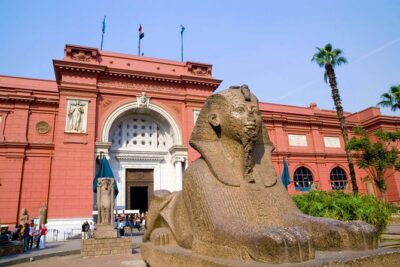 ★ 5.0Tour to Giza Pyramids and The Egyptian MuseumFrom $1556,016 reviews
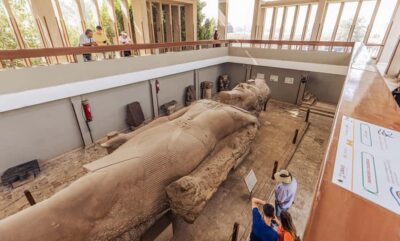 ★ 4.7Pyramids of Giza, Sphinx, Saqqara & Memphis TourFrom $903,110 reviews
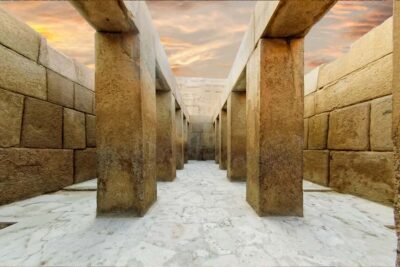 ★ 4.6Half-Day Tour to Pyramids of Giza and the SphinxFrom $502,891 reviews
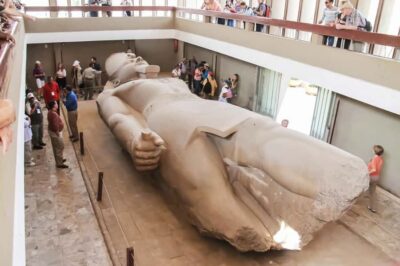 ★ 4.6Pyramids, Sakkara & Memphis Tour with LunchFrom $602,493 reviews
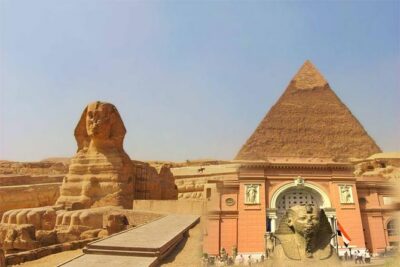 ★ 5.0Private ViP all-inclusive Giza Pyramids,Sphinx,Inside PyramidFrom $142,448 reviews
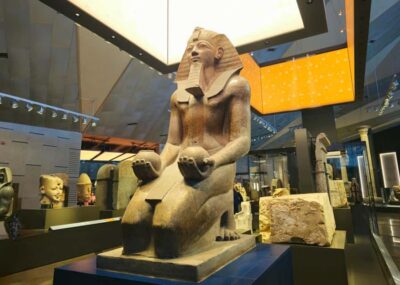 ★ 4.7Grand Egyptian Museum, Pyramids, Sphinx Tour & LunchFrom $892,282 reviews
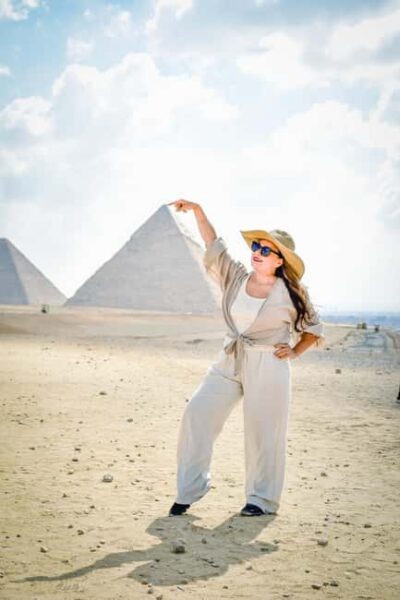 ★ 4.7Cairo Pyramids, Sphinx & Egyptian Museum Day TripFrom $932,271 reviews
The lists this one sits on