
REVIEW · SAQQARA, MEMPHIS & DAHSHUR TOURS
Saqqara, Dahshur – 10%to stray dogs and cats
A long day in Egypt that actually makes sense, because you get Egyptologist context and real site time, not just photos. I love how the guide, often Safy, works hieroglyphs and history into the walk, so the monuments start behaving like a story instead of random stone. I also love the way the day avoids the usual tourist drill, with a calmer lunch setup and time built around the local rhythm, plus caring attention to stray dogs and cats.
One thing to plan for: pyramid and tomb entrances are not included, so you will want to budget extra for tickets and a little patience at ticket points. Also, the day is long, with walking and stairs, so bring a moderate fitness level mindset.
In This Review
- Key things I’d mark on your mental map
- Why Dahshur, Saqqara, and Memphis work as a single day
- Private Egyptologist lessons, without the hard sell
- Dahshur Pyramids: Bent and Red, plus what inside access adds
- Saqqara’s pyramid city: Djoser to Unas, with Kagemni and the Serapeum
- Memphis context: why it matters after the pyramids
- Farm breakfast at Dahshur sunrise: palms, butterflies, and crops
- Saqqara carpet weaving school: free time that feels purposeful
- Feeding the strays: the human thread of the whole itinerary
- Price and timing: is $80 worth it for a 7 to 9 hour private day?
- Who should book, and who should choose something else
- FAQ
- FAQ
- How long is the tour?
- Are admission tickets included for the pyramids?
- Do you get hotel pickup and drop-off?
- Is this a private tour?
- What kind of fitness level do I need?
- What time does the tour operate?
- What happens if weather is bad?
- What is the cancellation window for a full refund?
- Should you book this tour?
Key things I’d mark on your mental map
- Egyptologist-led explanations that help you read what you are looking at, including hands-on basics with hieroglyphs
- Dahshur first, then Saqqara, so you can see the evolution from older pyramid experiments to later classic forms
- Inside access where possible, which turns the pyramids from views into real, physical spaces
- Farm breakfast in Dahshur at sunrise, palms, crops, butterflies, and a slower kind of Egypt
- Saqqara village carpet weaving, a free look at handcraft in ancient Egyptian, Coptic, and Islamic-style patterns
- Stray dog and cat care built into the day, and yes, it can be a highlight
Necropolis stops south of the city
- Private Tour to explore Giza Pyramids – Saqqara -Memphis★ 5.0 · 294 reviews
- Unbeatable tour (Giza Pyramids,Sphinx,Sakkara,Memphis)★ 5.0 · 123 reviews
- Giza Pyramids – Sphinx & Saqqara & Memphis★ 5.0 · 114 reviews
- comfort Day tour to Giza pyramids & sphinx, saqqara and Memphis★ 5.0 · 111 reviews
Why Dahshur, Saqqara, and Memphis work as a single day
If you only do the Giza plateau, you miss the real sweep of how pyramid building, burial thinking, and royal power changed over time. Dahshur and Saqqara are where you feel that evolution in your legs and eyes, because these sites are older, less staged, and often calmer. Adding Memphis gives you a “bigger picture” anchor, so the monuments stop feeling like isolated landmarks.
This is a private, door-to-door day. That matters in Cairo and Giza traffic, where a normal day can turn into a sit-and-wait contest. You get air-conditioned ground transportation, and the guide and driver coordination helps you keep moving efficiently between sites, breaks, and entrances.
The vibe is also different because the day is shaped around meaning, not shopping. In a region where detours into retail can be common, this tour is built to focus on the actual places.
Private Egyptologist lessons, without the hard sell
The biggest reason this tour scores so high is the guide. Safy is often mentioned in standout terms: she communicates clearly, explains what you are seeing, and does not rush you. You also hear a specific theme across the day: she is comfortable guiding you through both archaeology and the practical on-the-ground realities of entering sites.
One of the most useful moments is her ability to connect details to the bigger story. You might learn beginner ways to approach Egyptian written symbols, including basic hieroglyph ideas so names, themes, and royal references feel less like a wall of mystery. Even if you are not trying to become a scholar, this kind of guided grounding helps you “get” what you are looking at faster.
Also worth noting: the day tends to avoid the usual pressure tactics. Several accounts highlight that there is little or no cross-selling, no factory detours aimed at purchases, and a focus on timing and smooth access. That keeps the experience calmer, and you can spend more energy paying attention to the carvings, layouts, and geometry.
Dahshur Pyramids: Bent and Red, plus what inside access adds
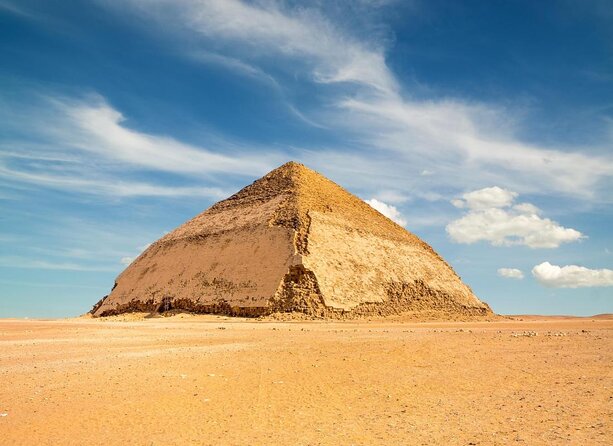
Dahshur is where you start seeing the experimentation stage of pyramid design. This tour targets two famous ones: the Bent Pyramid and the Red Pyramid. On paper, that is just a checklist. In practice, the real payoff comes from the way the guide times and frames your walking, plus the chance to go inside certain pyramid areas if your tickets and entry rules align.
Here is what you should expect in plain terms:
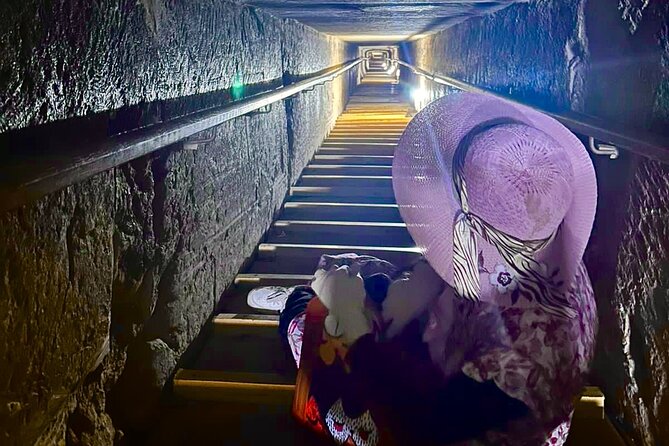
- Bent Pyramid: you typically get a close sense of the structure’s quirks. If you have never walked inside a pyramid tunnel system before, it can feel surprisingly tight and physical. Plan for uneven light and a bit of a workout.
- Red Pyramid: it complements Bent, showing another path in the evolution of design.
Tickets are not included for these pyramid stops, so you will likely buy admission at the sites. What makes a guide crucial here is not magic, it is management: they help you understand where to go, how to fit purchases into your schedule, and how long each segment will take so you do not feel stranded in long lines.
The other practical win is timing. Dahshur can feel more spacious than the headline sites, especially when you are not stuck with late-day crowds. Morning and early parts of the day often make a big difference for comfort, photos, and how much you can actually look.
Saqqara’s pyramid city: Djoser to Unas, with Kagemni and the Serapeum
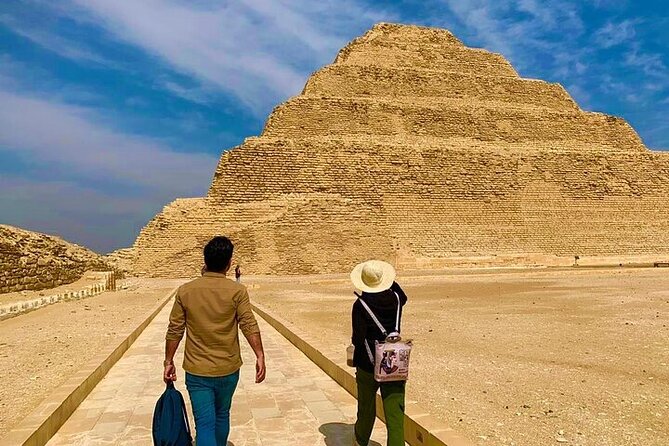
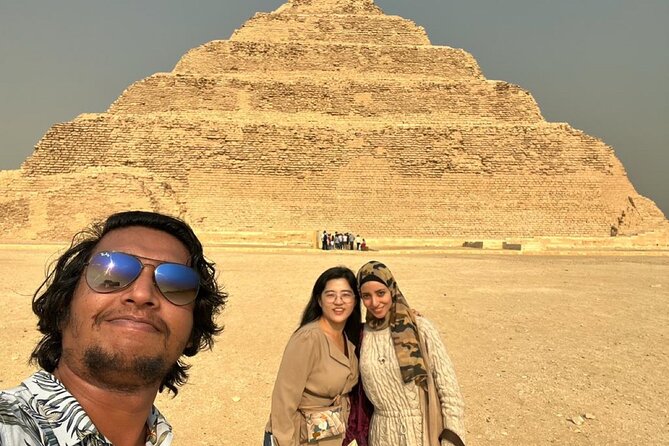
Saqqara is not just one pyramid. It is a whole burial landscape that shows how elite power and religious ideas shaped architecture. Your main focus here is the Step Pyramid of King Djoser and the surrounding complex, plus several high-interest stops.
You should know the named highlights you will likely see:
- Step Pyramid of King Djoser: the famous early, stepped form that signals how pyramid building matured beyond simple mastaba shapes.
- Kagemni tomb: a key tomb that often gets attention for its reliefs and its role in showing the world of officials beneath royalty.
- Serapium: tied to the burials of Apis bulls, giving you a different angle on sacred animals and temple beliefs.
- Unas pyramid: linked to the tradition of royal texts, so the guide can help you connect inscriptions to the meaning of the burial.
Time on this part of the day is longer than Dahshur, about four hours. That is good, because Saqqara is the kind of place where you need more than a quick walk. The best moments are usually the small ones, where a relief panel or corridor detail clicks because you heard the explanation first.
One caution: Saqqara is spread out. Even with a vehicle, you still walk between monuments and move through entry points. If you have mobility limits, tell the guide early so they can pace you well and plan rest moments without making you feel rushed.
Tickets are also not included for the major pyramid admissions here, so factor in that extra step. The guide’s job is to keep it organized, not to replace your ticket purchase.
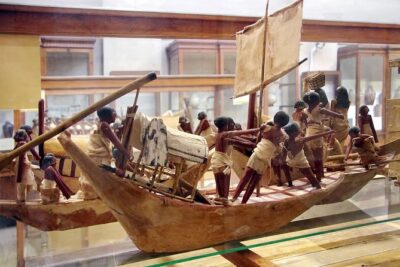
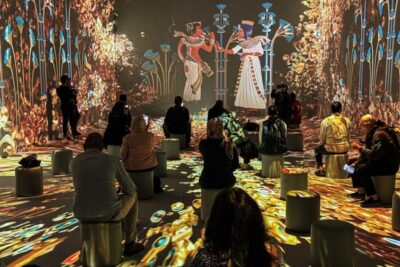
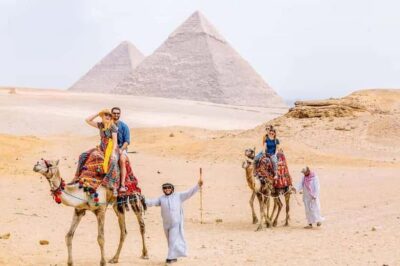
Memphis context: why it matters after the pyramids
Memphis often feels like the missing puzzle piece if you only bounce between pyramids. After seeing burial architecture up close at Dahshur and Saqqara, Memphis helps you connect those structures to a lived political and administrative world.
On this tour, Memphis is included as part of the day’s overall plan. Even if the Memphis stop is not the longest segment, it is valuable because it keeps you from treating pyramids like stand-alone attractions. You start to see how kings, capitals, priests, and religious centers were tied together.
This is also where your Egyptologist guidance pays off again. When you hear how sites relate to royal power and belief systems, the trip stops being “I saw three monuments” and becomes “I learned how an empire organized death, authority, and memory.”
Farm breakfast at Dahshur sunrise: palms, butterflies, and crops
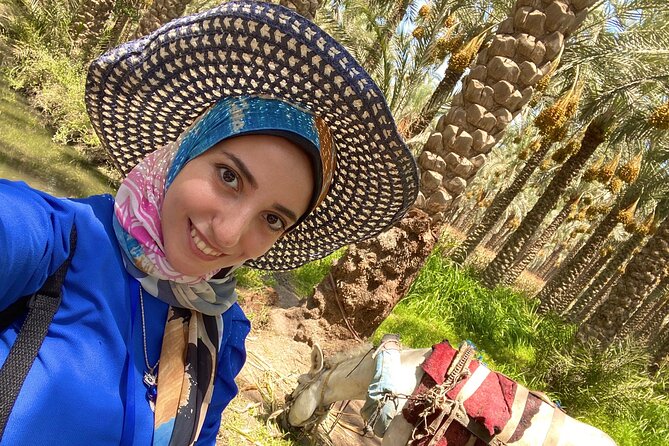
This is the kind of stop that changes the tone of the whole day. Instead of jumping immediately from monument to monument, you get a breakfast experience linked to the Dahshur farm area, timed around sunrise from a spot framed by palm trees. The setting is described as beautiful and natural, with butterflies, and it is intentionally calm compared to the site entrances.
What I like about this stop for your planning is that it is not just scenery. It is part of how you refill your energy and reset your senses. After climbing, walking, and navigating entrance corridors, a quiet meal matters.
You will also walk among newly harvested crops in the area, with examples like eggplant, corn, dates, mango, and more. This is where you get a rare chance to see palm-tree houses and friendly local farmers, the kind of everyday detail you usually do not get when you are only chasing monuments.
The day description also mentions a choice between breakfast or lunch, depending on how your schedule and timing land. Either way, you get a meal in a local restaurant or farm setup that fits the trip theme: real Egypt outside the souvenir blur.
Practical tip: sunrise means early. If you are a night owl, this tour will convert you into a morning person for at least one day. Bring a light layer too, because early air can feel different from midday heat.
Saqqara carpet weaving school: free time that feels purposeful

One of the best surprises is that not every important stop is a pyramid. You also visit a Saqqara village manual carpet school, where you can watch how carpets are woven by hand.
The point here is simple: you see craftsmanship connected to patterns and cultural styles described as ancient Egyptian, Coptic, and Islamic shapes. The weaving is not just a performance for tourists. It is a livelihood, built on teaching villagers and young men and women skills for earning their way through the tradition.
This stop is free and only lasts around 30 minutes, so it does not eat your day. But in those 30 minutes, you often get the most human feeling of the entire route, because you are interacting with a working process, not just passing through an archaeological zone.
If you like cultural side stops that do not feel random, this is your kind of addition. If you prefer only monuments, you may see it as a brief pause. Still, it is quick enough that you should not resent the time.
Feeding the strays: the human thread of the whole itinerary
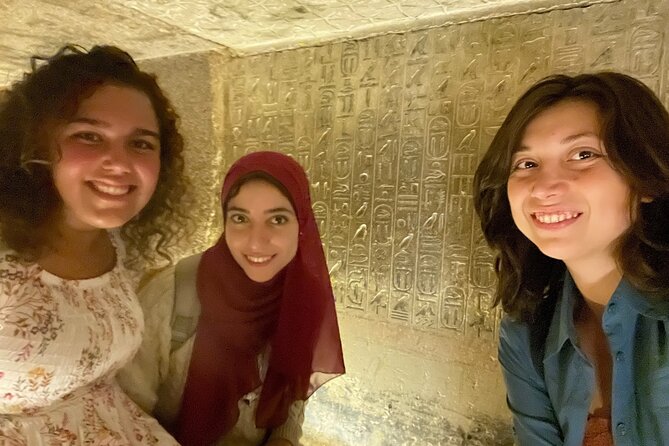
There is a strong theme tied to stray animals throughout this experience. The trip description literally flags the role of stray dogs and cats, and the reviews back it up with real emotion.
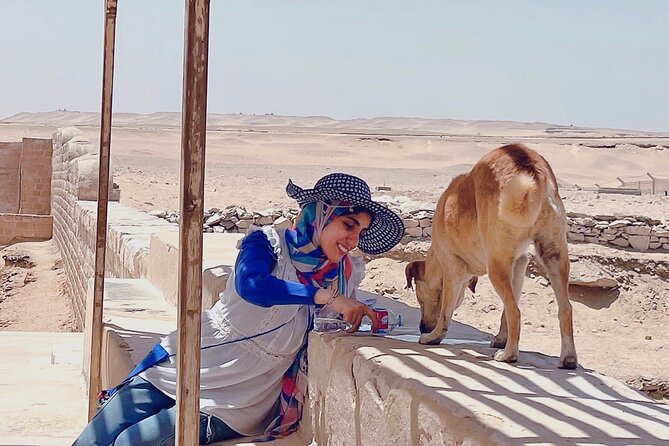
Safy is repeatedly praised for her compassionate approach. You might see her bring food and interact gently with animals near the sites. Several accounts also recommend that you pack small treats for the dogs, which can make your own interactions safe and respectful.
This part of the day is not about sentimentality. It is about the emotional tone of the experience. When a guide cares, the route feels less like a product and more like a shared day with local awareness.
Small caution: you should still follow the guide’s lead, especially around animals. Keep distance when asked, move slowly, and do not do anything that would confuse people on the ground.
Price and timing: is $80 worth it for a 7 to 9 hour private day?
$80 per person sounds like a bargain when you compare it to the time you save in logistics plus the Egyptologist value. For a private day with air-conditioned transport, door-to-door pickup and drop-off, and multiple major sites, you are paying mostly for coordination and expertise.
The catches are predictable:
- Admission tickets are not included for the pyramids and tomb areas.
- It is a full day, about 7 to 9 hours, so plan energy accordingly.
- Because it is private, you only spend time with your group, but that also means you rely on the guide for pacing and access.
Where the price feels strongest is in the combination. You get Dahshur pyramids, Saqqara monuments, and a Memphis context stop, plus a farm breakfast experience and a free carpet school. That is a lot of segments in one day, which makes a private format practical.
One more practical note: it is designed for moderate physical fitness. If you can walk for stretches, handle stairs, and tolerate some uneven ground, you will get more from it. If you cannot, you should still ask about pacing, but you might find the day tiring.
Who should book, and who should choose something else
This tour is a great fit if you want:
- A guided day that includes pyramid interiors where possible, not just exterior photos
- Egyptology context that helps you interpret what you see
- A calmer route that avoids pushing factories and shopping stops
- A meal in a farm setting, plus a quick cultural stop at a carpet weaving school
- A guide who treats stray animals with care, and not as a side show
You might choose a different option if:
- You dislike long days and steady walking.
- You do not want any ticket planning, because major entries require separate admissions.
- You prefer strictly monuments with no cultural workshop or farm stop.
FAQ
FAQ
How long is the tour?
The duration is about 7 to 9 hours.
Are admission tickets included for the pyramids?
No. Admission tickets are not included for the Dahshur and Saqqara pyramid sites listed on the itinerary. Some parts, like the farm stop and the carpet school, are free.
Do you get hotel pickup and drop-off?
Yes. The tour includes air-conditioned transfers with door-to-door hotel pickup and drop-off.
Is this a private tour?
Yes. It is private, meaning only your group participates.
What kind of fitness level do I need?
You should have a moderate physical fitness level, since the day involves walking and site movement.
What time does the tour operate?
The stated opening hours are Monday to Saturday, 6:00 AM to 8:00 PM, within the listed date range.
What happens if weather is bad?
The experience requires good weather. If it is canceled due to poor weather, you will be offered a different date or a full refund.
What is the cancellation window for a full refund?
You can cancel up to 24 hours in advance for a full refund. Within 24 hours, the amount paid is not refunded.
Should you book this tour?
If you want one day in the Cairo region that connects the pyramids to the larger story, this is a strong choice. You get major sites in Dahshur and Saqqara, a Memphis context stop, and a break from the usual crowds with a farm sunrise-style breakfast plus a free carpet weaving visit. The guide focus, especially Safy’s style of explanation and care for stray dogs and cats, is the big value driver.
Book it when you can handle a long day and you are okay paying separate admission tickets for pyramid access. Skip it if you only want a short, easy highlights loop, because this day is built for real time on site and real walking.
South to Saqqara and Dahshur

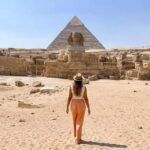
More of Giza from our review pile
- Sakkara, Memphis & Dahshur Tour
★ 5.0 · 26 reviews - Private Day to Giza Pyramids, Egyptian Museum and camel sunset
★ 5.0 · 26 reviews - Pyramid Duo Rooftop Capturing Elegance from the Rooftop
★ 5.0 · 26 reviews - Half Day Giza Pyramids and Sphinx
★ 5.0 · 26 reviews - Private Tour Giza Pyramids Wonders All inclusive
★ 5.0 · 26 reviews - Giza Pyramids, Sphinx & inside the Great Pyramid of Khufu
★ 5.0 · 27 reviews
Saqqara, Memphis & Dahshur Tours, compared.
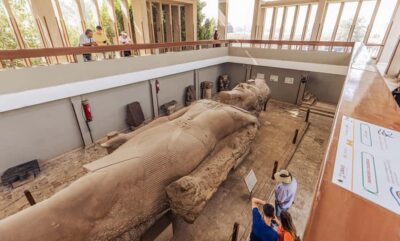 ★ 4.7Pyramids of Giza, Sphinx, Saqqara & Memphis TourFrom $903,110 reviews
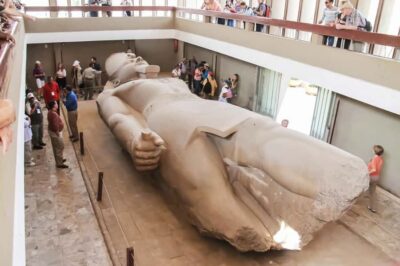 ★ 4.6Pyramids, Sakkara & Memphis Tour with LunchFrom $602,493 reviews
 ★ 4.5Private Day Tour Giza Pyramids, Sphinx, Memphis, and SaqqaraFrom $65904 reviews
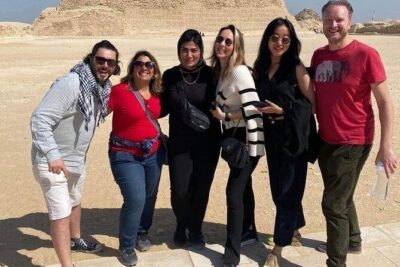 ★ 5.0Private tour: GIza Pyramids, Memphis City & Sakkara PyramidFrom $8637 reviews
 ★ 5.0Private Full-Day Tour to Giza Pyramids,Sphinx,Memphis, and SaqqaraFrom $30626 reviews
 ★ 4.8Sakkara, Memphis & Dahshur (Pyramid & Felucca Options)From $55626 reviews
 ★ 5.0All-inclusive Private Trip Giza Pyramids Sphinx Saqqara, DahshurFrom $79542 reviews
 ★ 4.5Half Day Tour To Memphis Sakkara And Dahshur PyramidsFrom $50509 reviews
The lists this one sits on