
REVIEW · RED SEA WATER SPORTS & PARASAILING
Quality Kitesurfing in El Gouna
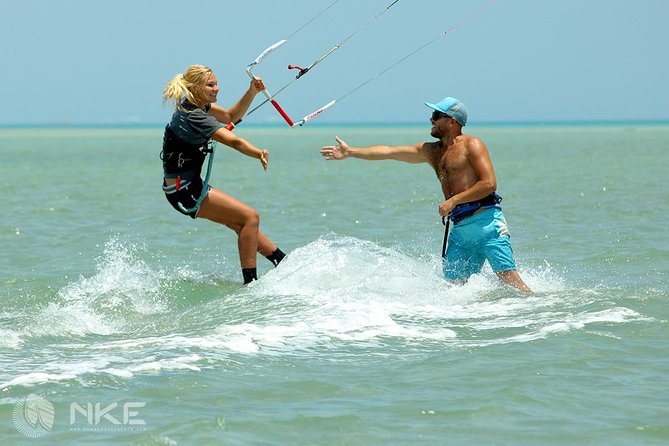
Kitesurfing lessons can be chaotic. These are not. You get a structured beginner course in El Gouna, taught in small groups with premium equipment, plus safety and theory before you ever send a kite. What I like most is that you learn the gear and safety basics first, then move into actual water control, and you get the chance to practice in conditions meant for learning. One thing to consider: this is a short introduction, so you will progress quickly, but you may still want follow-up sessions after the 3 hours.
The whole setup feels built for first-timers. I especially like the combination of practical steering and power control in the water and the way instructors break things down so you understand what to do next. The included equipment insurance and beach support also reduce stress when you are new to the sport. A possible drawback is that food and drinks are not included, so plan to bring water or grab a drink before you start.
In This Review
- Quick Reasons to Go
- Learning Kitesurfing Basics at Kitepower El Gouna (Hurghada)
- Price and Value for a 3-Hour Discovery Session
- Morning Start at 9:30, Then Water Time
- What You Learn First, Theory, Gear, and Safety That Actually Helps
- Premium Equipment and Why Insurance Eases Beginner Stress
- Small-Group Coaching, From Clear Instructions to Faster Progress
- Calm-Water Practice and Real Kite Control on the Red Sea
- Tips for Getting the Most Out of Your 3 Hours
- Who This Kitesurfing Course Is For
- Book This if You Want Fast, Structured First-Wins
- FAQ
- Where does the kitesurfing lesson start and finish?
- How long is the kitesurfing discovery course?
- Is pickup available?
- What is included in the price?
- Do I need to know how to kitesurf already?
- What happens if the weather is not good?
Quick Reasons to Go
- Small groups that keep the teaching focused and your questions answered fast
- Premium equipment plus equipment insurance to help you feel safe on day one
- Theory, gear, and safety first, so you understand the why, not just the steps
- A real kite in the water, with steering and power control as the core goal
- An instructor-led pace that can range from beginner fundamentals to skills like toe side, beach-start, and controlled progress
More rope, sail and speed on the bay
- Hurghada: Speedboat Dolphin Watching & Snorkeling with Lunch★ 4.6 · 2,141 reviews
- Orange Bay Island Snorkeling Trip With Water Sports – Hurghada★ 5.0 · 2,003 reviews
- Hurghada: Orange Bay Day Trip with Water Sports and Lunch★ 4.9 · 1,746 reviews
- Hurghada: Orange Bay, Snorkeling, Watersports, Lunch & Drinks★ 4.5 · 1,652 reviews
Learning Kitesurfing Basics at Kitepower El Gouna (Hurghada)
If you have wanted to try kitesurfing but worried you would be thrown into the deep end, this course is designed to do the opposite. It centers around Kitepower El Gouna, a dedicated kitesurfing and wingfoiling hub where the flow of the day makes sense for learners. You start with the sport in context, then move into handling the kite, then finally ride a board with support.
El Gouna is popular for a reason. It is a resort town on Egypt’s Red Sea coast, and it has the kind of kite culture where you will see people doing real sessions. That helps your brain too. You are not imagining what the sport looks like, you are learning how to join it.
Two practical things I like about the setting. First, the meeting point is specific and easy to find: Kitepower El Gouna, Kitepower Kitesurfing & Wingfoiling Kitestation Kitepower, Hurghada 2, Red Sea Governorate 84513. Second, the experience ends back at the same meeting point, so you are not scrambling for a ride at the end when you are tired and a little salty.
Price and Value for a 3-Hour Discovery Session
The price is $95.08 per person for about 3 hours. That may sound like a lot until you translate it into what you actually get. You are paying for instruction, time on a beginner-focused spot, and access to premium gear. For a first-timer, gear rental alone can cost a meaningful chunk of your budget, and you usually do not want to experiment with the wrong size or setup.
Here you also get equipment insurance and beach assistance and facility fees included. Those are the quiet value boosters. When you are learning, small things turn into big things fast, and it helps to know the gear is covered and the staff are set up for instruction.
One more value angle: the course is taught in small groups. If you have ever been stuck in a large class where you only get to see the instructor once, you will appreciate a tighter ratio. You can ask questions, confirm your next step, and get feedback while the motion is still fresh in your head.
Morning Start at 9:30, Then Water Time
Your session starts at 9:30 am, and it runs around 3 hours. The most important part of that timing is what it usually means on the water: you get a focused block rather than a half day that stretches out into fatigue and confusion. For many beginners, clarity beats long duration.
What the experience includes is also set up in a sensible order. You get theory and safety basics first, then gear familiarization, then you move into flying the kite in the water. The goal is not just to stand on the board. It is to understand control and power.
From there, your coach helps you learn how to steer and manage the kite’s power so it responds predictably while you are on the water. That sequence matters. If you skip the safety and power control phase, riding becomes guesswork. With a beginner discovery session like this, the point is to help you build a base you can grow from.
Pickup is offered, but transportation to and from attractions is not listed as included. In plain terms, if you are staying somewhere close to the kitesurfing center, you will likely find the logistics easy. If you are farther away, confirm what pickup covers so you do not assume the entire trip from your hotel door is included.
What You Learn First, Theory, Gear, and Safety That Actually Helps
This course is built around the essentials: theory, gear, and safety, then kite control in the water. That is the right order for first-timers. Kite control is not only a fun skill, it is also how you stay safe when wind, lines, and board position start to matter.
Here is what that usually means in practice. Before you fly, you should be learning what each part does, how the kite behaves, and why the safety rules exist. The course also covers gear basics, so you know what you are clipping, how it should feel, and how to avoid common beginner mistakes.
You will then get into flying a real kite in the water. That is a major step, because it changes the sport from a concept into a physical experience. You learn how steering works and how to control the kite’s power while it is pulling on you. The first time you feel that pull, you understand why instructors keep repeating control, not speed.
This is also where the small-group format helps. You are not watching an instructor from a distance. You can get personal corrections when something is off in your posture, kite handling, or timing.
Other days out around the lagoons



Premium Equipment and Why Insurance Eases Beginner Stress
The course includes premium equipment, plus equipment insurance. That combo matters more than you might think.
Kitesurfing gear is not one-size-fits-all. Even small mismatches can lead to frustration: awkward kite response, poor board feel, and difficulty progressing. With premium equipment included, you are not stuck guessing what will work. You are learning on gear meant for instruction and reliable control.
Equipment insurance reduces worry. Accidents happen when you are learning any sport with tension, wind, and water. Having insurance in the package helps you focus on learning instead of panicking about what happens if the kite touches down or lines tangle.
You should still dress for a water sport day. You will want clothing that dries fast and protects you from sun. And even if the session is short, treat it like a real workout. Your arms and core do the work while your brain tries to coordinate kite, lines, and board.
Small-Group Coaching, From Clear Instructions to Faster Progress
The standout strength here is instruction quality, and it shows up again and again in the way different instructors are described. Coaches like Gehad, Gogo, Mahmoud, Mans, and Moe are mentioned across experiences for their ability to explain clearly and keep the vibe relaxed.
What I take from those accounts is that technique gets taught step-by-step. Instructors are focused on what you can do now and what you should do next, not just generic tips. One person highlighted learning progress in a single session, including riding toe side, jumping, and beach-start. Another emphasized how they taught skills for independence so you are not stuck waiting for constant hands-on guidance.
Even if you do not reach advanced moves in a 3-hour intro, you still benefit from that teaching style. The course targets the first big wins: kite control, steering, and safe board handling in calmer water.
Small groups also improve feedback timing. If your instructor sees that your kite timing is late, they can correct it before your body repeats the wrong pattern 50 times. That is how you get better in a short session, and it is why learners often leave feeling like they gained real control rather than just trial-and-error.
Calm-Water Practice and Real Kite Control on the Red Sea
A key promise in the course is calm-water practice. That is not just marketing wording. For beginners, calm water reduces variables. The sea is still the sea, but the learning goal is consistent kite response, predictable board behavior, and safer falls while you build coordination.
You will fly the kite in the water and learn how to steer and manage power. This is the heart of beginner kitesurfing. If you can control kite power, you can control your speed and your balance. If you can steer, you can set up for direction changes and progress to riding patterns.
In the background, El Gouna’s kite ecosystem helps too. You will see people practicing at multiple levels, so it reinforces what you are aiming for. And the energy is part of the fun. There is an Egyptian high-energy vibe described with this experience, meaning you do not feel like you are in a silent training room. You feel like you are joining a community.
One more practical point: bring patience. Kite control takes a few attempts before it clicks. The first time you coordinate kite direction with body position, it can feel odd. Your instructor’s job is to shorten that learning curve by explaining what your body should do and why.
Tips for Getting the Most Out of Your 3 Hours
You will get the most from this session if you treat it like skill training, not sightseeing.
- Arrive ready to learn. If you are tired or hungry, your attention drops fast, and the instructions are the whole point.
- Ask for corrections early. Instructors can fix your technique faster when you catch issues while they are still small.
- Focus on control over speed. A controlled kite and calm board handling beat rushing for action.
- After your session, think about one thing you want to repeat next time. Beginners improve by repeating the right motion, not collecting random memories.
Also, because food and drinks are not included, you will want a plan. At minimum, hydrate before you go. If you tend to get lightheaded when you are active, eat something simple ahead of time. Saltwater workouts can sneak up on you.
Who This Kitesurfing Course Is For
This is a beginner course, and most travelers can participate. That makes it a good first stop if you have zero experience or only tiny bits of practice. You do not need to be an athlete, but you should be comfortable being in the water and willing to learn safety fundamentals seriously.
You will especially like it if:
- you want small-group instruction rather than a crowded lesson
- you care about safety, theory, and gear setup, not only excitement
- you want a real kite in the water quickly, so you understand the sport sooner
If you already kite regularly, this may feel like a refresh rather than a transformation. But it can still be a useful way to tighten fundamentals, especially if you travel and want instruction in new conditions.
Book This if You Want Fast, Structured First-Wins
Should you book? I think this is a strong choice if your goal is to get past the fear and into controlled kite handling with good coaching. The price is reasonable for a fully coached session with premium gear, safety training, and equipment insurance. And the small-group approach gives you the kind of attention that helps you progress within a short time window.
One final check before you commit: this experience needs good weather. If wind or conditions are not right, it can be rescheduled or refunded. If your trip dates are tight, book with a little flexibility in mind.
FAQ
Where does the kitesurfing lesson start and finish?
The lesson starts at Kitepower El Gouna – Kitesurfing & Wingfoiling Kitestation Kitepower, Hurghada 2, Red Sea Governorate 84513, Egypt at 9:30 am. It ends back at the meeting point.
How long is the kitesurfing discovery course?
The duration is approximately 3 hours.
Is pickup available?
Pickup is offered, but transportation to/from attractions is not listed as included. It is best to confirm how pickup works for your exact location.
What is included in the price?
The price includes professional instruction, premium equipment, equipment insurance, beach assistance and facility fees, and all taxes, fees, and handling charges. Small-groups are also included.
Do I need to know how to kitesurf already?
No. This is a beginner’s course that teaches the basics, including theory, gear, and safety, then gives you the chance to fly a real kite in the water.
What happens if the weather is not good?
The experience requires good weather. If it is canceled due to poor weather, you will be offered a different date or a full refund.
Around the El Gouna Lagoons
- 1-day trip to Cairo with flight from Hurghada / Makadi Bay / Soma Bay / El Gouna
★ 5.0 · 1,193 reviews



Parasails and Speedboats


More of Hurghada from our review pile
- From Hurghada: El Gouna Quad and MX Bike Safari Tour
★ 4.5 · 25 reviews - Super Safari ( Jeep – Quad- Buggy car-folklore-BBQ dinner)
★ 5.0 · 26 reviews - Private Tour: shopping Tour In Hurghada
★ 5.0 · 26 reviews - Private Speedboat Tour From Hurghada
★ 5.0 · 26 reviews - Orange Bay Island By Speedboat
★ 5.0 · 26 reviews - Orange Bay Island Boat Trip and Parasailing with Lunch – Hurghada
★ 5.0 · 26 reviews
Red Sea Water Sports & Parasailing, compared.
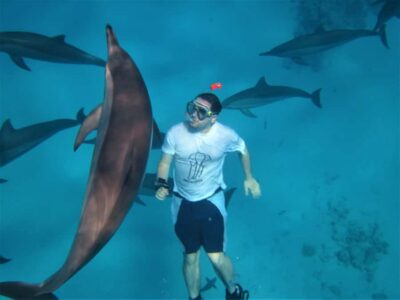 ★ 4.6Speedboat Dolphin Watching & Snorkeling with LunchFrom $402,141 reviews
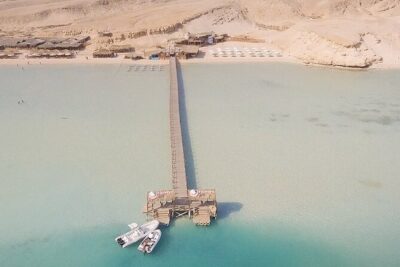 ★ 5.0Orange Bay Island Snorkeling Trip With Water Sports – HurghadaFrom $122,003 reviews
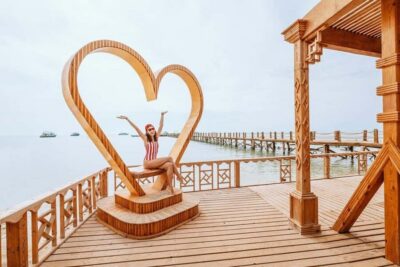 ★ 4.9Orange Bay Day Trip with Water Sports and LunchFrom $261,746 reviews
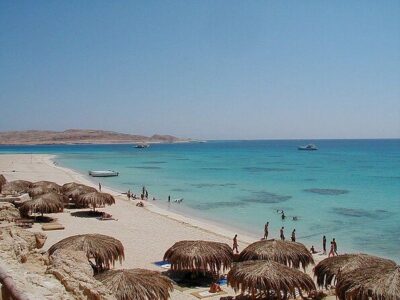 ★ 4.5Orange Bay, Snorkeling, Watersports, Lunch & DrinksFrom $171,652 reviews
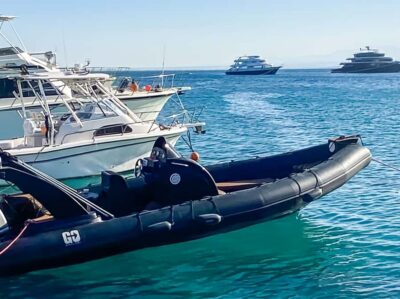 ★ 4.7Orange Bay & Magawish Island Speedboat with LunchFrom $471,578 reviews
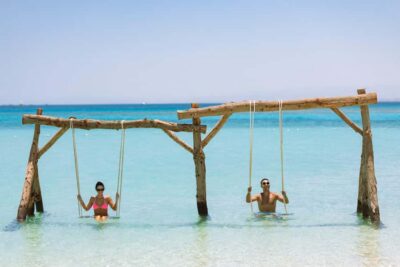 ★ 4.5Hula Hula Speedboat w/ Optional Snorkeling & LunchFrom $301,412 reviews
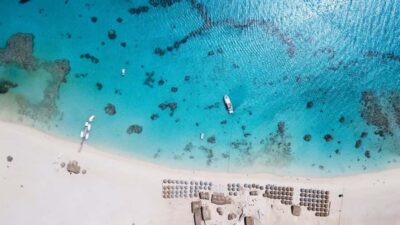 ★ 4.7Giftun Island Orange Bay Speedboat Cruise & LunchFrom $1741,233 reviews
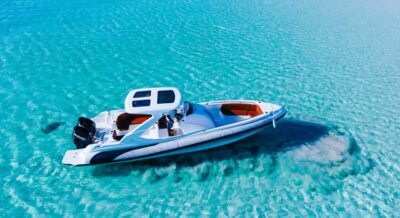 ★ 4.5Paradise Speedboat w/ Optional Snorkeling & LunchFrom $30929 reviews
The lists this one sits on