
REVIEW · GIZA PYRAMIDS & SPHINX TOURS
Pyramids of Giza and Egyptian Museum Tour
Cairo can feel like a blur. This day is about Giza and Egypt’s museum collection, with a clear plan from first light to early evening. You’ll hear the stories behind Cheops, Chephren, and Mykerinus, and how those massive stone blocks were shaped and moved.
Two things I really like: the private Egyptologist-led format (your questions get answered), and the fact that admission tickets and lunch are built into the day.
You also get a private, air-conditioned vehicle, plus bottled water. Guides you may encounter, like Albeer and Frances, are often praised for being easy to talk to and checking in so you stay comfortable while you walk and wait. The only real drawback to flag up front is that the schedule is tight, so expect a brisk pace between sites and museum halls.
In This Review
- Key things that make this tour feel worth it
- Why the Giza Pyramids and Egyptian Museum pairing works
- Morning pickup, private car, and why timing matters
- Giza Pyramids: Cheops, Chephren, Mykerinus, and the stone-block story
- The Great Sphinx and Valley Temple: from sand-covered myth to royal afterlife
- Lunch break: fuel up before the museum marathon
- Egyptian Museum: 250,000 artifacts and a smart focus on Tutankhamen
- Comfort, pace, and what to bring for a smooth day
- Private tour value: where the money actually goes
- Who this tour suits best (and who might want something else)
- Should you book this Giza and Egyptian Museum tour?
Key things that make this tour feel worth it
- Private guided time at Giza to understand Cheops, Chephren, and Mykerinus without getting lost in the crowd
- Great Sphinx + Valley Temple stops that connect the myths to what you can still see on site
- Lunch included at a restaurant where you can refuel before the museum
- Egyptian Museum scale explained, with a special focus on the Tutankhamen treasures
- Hotel pickup and drop-off so you do not spend your day negotiating Cairo traffic
Ways onto the Giza plateau, compared
- Cairo: Pyramids & Great Sphinx Private Tour with Camel Ride★ 4.9 · 6,335 reviews
- Tour to Giza Pyramids and The Egyptian Museum★ 5.0 · 6,016 reviews
- VIP All inclusive Best of the best Giza Pyramids,Sakkara,Memphis★ 5.0 · 3,164 reviews
- From Cairo: Pyramids of Giza, Sphinx, Saqqara & Memphis Tour★ 4.7 · 3,110 reviews
Why the Giza Pyramids and Egyptian Museum pairing works
Giza is one of those places where your brain runs two tracks at the same time. Your eyes are taking in the sheer size, and your guide is helping you build the timeline and the logic behind it. That’s the magic of pairing the pyramids with the Egyptian Museum the same day. You go from seeing monuments made for eternity, to seeing the objects that bring daily Egyptian life and royal power into sharper focus.
This tour is designed to keep the story moving. You do not just stop for photos. You walk through the key points of the Giza area, then you shift to the museum and get the wider context. For many people, that makes the whole day feel less random and more like one long lesson.
And you’ll feel the value in the practical stuff too: admission tickets, lunch, bottled water, and private air-conditioned transport are included. That reduces the usual Cairo friction, where you end up paying extra or losing time to tickets.
Morning pickup, private car, and why timing matters
The day starts early, with pickup available from 6:30 AM to 8:00 AM. That timing matters for two reasons. First, you start before the hottest part of the day. Second, you’re less likely to feel like you are fighting the biggest wave of tour groups.
You’ll be collected from your hotel and returned there at the end of the day. The transport is in a private air-conditioned car or van, so you’re not squeezed into a crowded bus. It also helps with comfort when you’re combining outdoor walking at Giza with indoor time at the museum.
One more small but smart detail: you get bottled water. On a hot day, it makes a difference. A lot of the positive feedback you’ll see around guides like Mario or Ramon is about how well the trip stays organized, including check-ins and pacing.
Giza Pyramids: Cheops, Chephren, Mykerinus, and the stone-block story
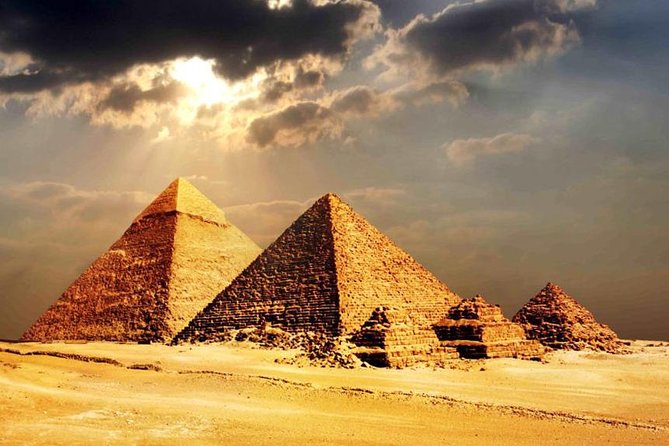
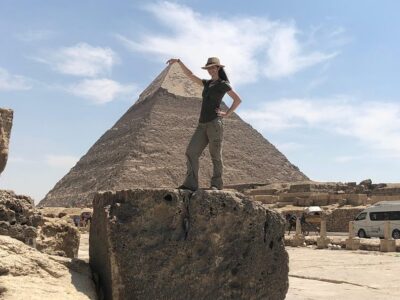
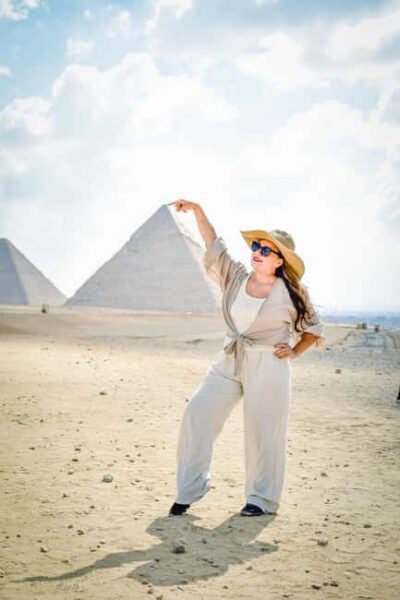
At Giza, your guide focuses on three pyramids: Cheops, Chephren, and Mykerinus. You’ll learn why they were built with that famous shape and what made them such a major technical achievement. The big theme is how heavy stone blocks were cut, moved, and assembled into a monument that still dominates the skyline.
You get about 2 hours at the pyramids area. That sounds short until you realize the place is huge and your brain needs processing time. Two hours with a guide is usually enough to understand the main monuments and get your questions answered, without spending half a day wandering.
Here’s the helpful part: your guide is not only pointing out structure. They connect the pyramid design to the larger purpose of royal burials. That means when you look at the edges and scale, you’re not guessing what you’re seeing. You have a framework.
Practical note: this stop is outdoors, and walking surfaces can vary. Wear shoes you trust. Bring sunglasses and sun protection. And yes, you will want a hat, even if you think you do not.
The Great Sphinx and Valley Temple: from sand-covered myth to royal afterlife
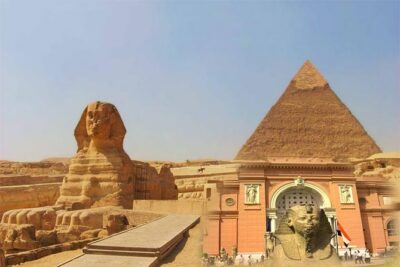
Next is the Great Sphinx, with about 40 minutes on site. You’ll hear its story, including how it was covered by sand and the tale of its discovery. Even if you’ve read about the Sphinx before, seeing it in person changes the feeling. It is not just a monument, it is a mood.
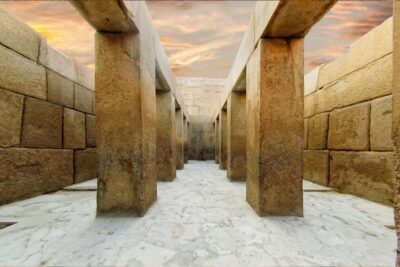
Then you continue to the Valley Temple, where the focus shifts to what came after death. The key idea your guide will bring you back to is that these royal spaces relate to mummification and the afterlife beliefs.
This pairing matters. The Sphinx is tied to guarding and legend, while the Valley Temple ties to the practical religious rituals around burial. When your guide explains the connection, it helps the Giza landscape feel like one designed system instead of three separate stops.
Time is short here, and that is the only trade-off. You will not have hours to stop in every corner and study every detail. But you will get the main story beats, which is usually what you want on a day trip.
Return trips to the Tahrir collection

Lunch break: fuel up before the museum marathon
After Giza and the Sphinx area, you’ll take a lunch break. The tour includes lunch at a restaurant, and the focus is on good-quality Egyptian food.
I like lunch on a structured tour for one reason: it keeps the day from turning into a scavenger hunt. Cairo has plenty of places to eat, but between moving vehicles and site timing, you can lose time fast if you search for a meal on your own.
If you have dietary needs, you might want to double-check ahead of time. The data here confirms lunch is included, but it does not list specific meal accommodations. Still, the strong organization and friendly guide approach mentioned by people like Frances and Albeer suggests the team tends to be helpful when needs pop up.
Eat enough to power through the museum. Then reset your feet for the indoor portion.
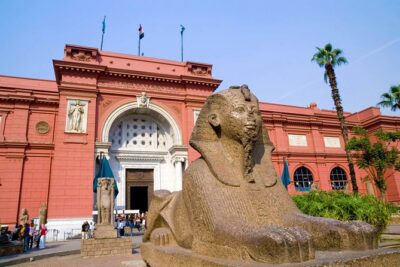
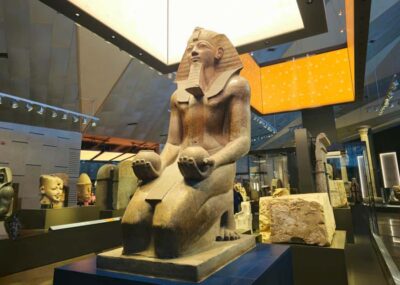
Egyptian Museum: 250,000 artifacts and a smart focus on Tutankhamen
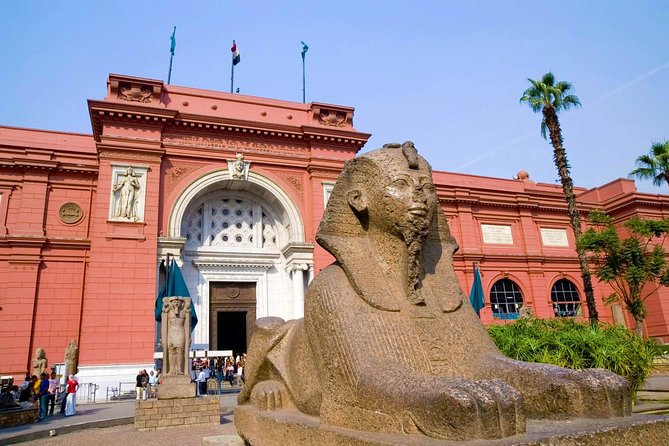
The Egyptian Museum stop runs about 1 hour 30 minutes, and it includes admission. The headline is the scale: over 250,000 artifacts are presented across the museum’s collection. That number is hard to picture. Your guide helps you by selecting what to prioritize.
One highlight is the Tutankhamen exhibit, including treasure, gold, and jewelry connected to the king’s tomb. You’ll also hear the timeline: items were enclosed for over 3,500 years before discovery in 1920. That storyline hits harder once you’ve just been at monuments built for eternity. The museum feels like the other side of the same coin.
With only 90 minutes, you cannot see everything. But the tour approach is to see the most impactful sections with context, rather than ticking boxes blindly. That’s where a good guide earns their spot.
If you’re the type who loves reading labels, you’ll still have time to look carefully, but you’ll probably rely on your guide to point you toward the artifacts that best match the stories you heard at Giza.
Comfort, pace, and what to bring for a smooth day
This is an 8-hour day, and it covers major sights plus lunch and museum time. That means you’ll spend plenty of time between locations, and you should expect some waiting at entry points and walking transitions.
To keep it pleasant, pack like it’s an active sightseeing day:
- Comfortable walking shoes
- Sun protection (hat, sunglasses, sunscreen)
- A light layer for indoor air-conditioning, if you get chilly
A couple of practical pointers from the kind of service described in feedback: guides often check in on water and keep the group moving. Still, if you need a bathroom break, say so early. Don’t wait until you’re at a breaking point. That keeps the pace kinder for everyone.
Also, tipping is not included. If you’re happy with service, bring some cash. Your driver and guide work hard for a smooth day.
Private tour value: where the money actually goes
At $100.72 per person for about 8 hours, the value comes from what’s included. You’re not just paying for a guide. You’re paying for the whole set-up that makes the day efficient:
- Hotel pickup and drop-off
- Qualified Egyptologist guide
- Private air-conditioned car or van
- Bottled water
- Lunch
- Admission tickets to the included sites
- All taxes and fees handled
If you tried to assemble this alone, you’d likely spend time on transport, tickets, and logistics. Add in the benefit of a private format where only your group participates, and the price starts to look more fair, especially for families or friends traveling together.
The most consistent praise in feedback is about organization and how smoothly transport and guiding work. Drivers like David and Ramon are often mentioned for being safe and steady, and guides such as Mario and Frances are highlighted for being patient and friendly while answering questions. That matters, because the biggest risk on a Cairo day is wasting time with confusion, not shortage of attractions.
One more value note: this tour uses a mobile ticket, which reduces paper handling and speeds things up at entry.
Who this tour suits best (and who might want something else)
This one-day plan is ideal if you want the essentials of Cairo’s most famous ancient sites without turning your trip into a logistics project.
It fits well if:
- You’re short on time or have limited days in Cairo
- You want a guide to connect the dots between monuments and objects
- You prefer the comfort and flexibility of a private vehicle
- You enjoy asking questions and getting clear explanations in plain language
You might consider a different format if:
- You hate a structured pace and want long, free-form wandering
- You’re hoping for a huge museum deep dive across many galleries with no timeline pressure
- You’re sensitive to heat and prefer the quietest possible hours at outdoor sites, because this day is designed to cover multiple stops
Should you book this Giza and Egyptian Museum tour?
I think you should book it if you want an efficient, story-driven day that handles tickets, transport, and timing for you. The pairing of Giza pyramids + Sphinx + Valley Temple with the Egyptian Museum makes the day feel cohesive, not like a grab-bag of famous sights. And with a private Egyptologist-led approach, you’re more likely to leave with a mental picture, not just photos.
If your dates are firm, you’ll also appreciate that the plan is organized around early pickup and a clear sequence. Just know it is non-refundable and cannot be changed, so match it to your real travel schedule.
Overall, for first-time Cairo visitors, this is one of the most sensible ways to do the big hits in a single day, with the comfort of private transport and the confidence of included admissions and lunch. Your feet will get tired, but your brain will get fed.
Back at the Tahrir Museum


Giza, A Few More Ways In

More of Cairo from our review pile
- Cairo: Djoser Pyramid & Memphis Private tour with transfers.
★ 4.0 · 14 reviews - White Desert Overnight Camping Sharing Tour in Egypt
★ 5.0 · 15 reviews - Cairo Best 2Days tour Pyramids, Saqqara & Old Cairo
★ 5.0 · 15 reviews - Monastery St Simon with Cave Church and Garbage City Private Tour
★ 5.0 · 15 reviews - Full-Day Tour to Giza Pyramids, Egyptian Museum & Khan Al-Khalili
★ 5.0 · 15 reviews - Private Walking Tour in ElMoez Street & Khan Elkhalili Market
★ 5.0 · 15 reviews
Giza Pyramids & Sphinx Tours, compared.
 ★ 4.9Pyramids & Great Sphinx Private Tour with Camel RideFrom $486,335 reviews
 ★ 5.0Tour to Giza Pyramids and The Egyptian MuseumFrom $1556,016 reviews
 ★ 4.7Pyramids of Giza, Sphinx, Saqqara & Memphis TourFrom $903,110 reviews
 ★ 4.6Half-Day Tour to Pyramids of Giza and the SphinxFrom $502,891 reviews
 ★ 4.6Pyramids, Sakkara & Memphis Tour with LunchFrom $602,493 reviews
 ★ 5.0Private ViP all-inclusive Giza Pyramids,Sphinx,Inside PyramidFrom $142,448 reviews
 ★ 4.7Grand Egyptian Museum, Pyramids, Sphinx Tour & LunchFrom $892,282 reviews
 ★ 4.7Cairo Pyramids, Sphinx & Egyptian Museum Day TripFrom $932,271 reviews
The lists this one sits on