
REVIEW · GIZA PYRAMIDS & SPHINX TOURS
Pyramids, Memphis and Sakkara tour
Pyramids plus museum, all in one day. This Giza, Memphis and Sakkara tour is interesting because it threads together the big pyramid icons, the Egyptian Museum, and two major Old Kingdom sites, all with a guide who explains as you go. I love the hotel pickup and air-conditioned vehicle, and I also like that admission tickets are included, so you are not scrambling for entry fees mid-day.
One thing to plan for: this is an efficient, fast-paced route. You cover a lot of ground, including the drive toward Sakkara about 15 km, so expect heat, sun, and plenty of time on the road. The service quality gets consistently praised, with Mahmoud Khattap named in the guide feedback for clear explanations and helpful care.
In This Review
- Key highlights to know before you go
- Why This Giza, Memphis and Sakkara Route Feels Worth It
- Getting Picked Up: The Real Comfort Advantage
- Giza Pyramids, Sphinx, and Valley Temple: Where the Day Begins
- Lunch in a Local Restaurant: A Break You Will Appreciate
- Egyptian Museum: 5,000 Years Compressed Into One Visit
- Zoser’s Step Pyramid at Sakkara: Older Than You Think
- Memphis and the Alabaster Sphinx: Capital-Era Monuments
- Shopping Stops in Cairo: How to Make Time Without Getting Stressed
- Group Size, Timing, and the Real Pace You Will Feel
- Price and Value: Is $50 a Good Deal?
- Who Should Book This Tour, and Who Might Prefer Something Else
- Should You Book This Giza-Memphis-Sakkara Tour?
- FAQ
- What time does the tour start?
- How long is the tour?
- Is hotel pickup included?
- Is lunch included?
- Are admission tickets included?
- What is not included in the price?
- Is there free cancellation?
- How big is the group?
Key highlights to know before you go
- Hotel pickup plus return keeps the day simple, especially if you are staying in central areas
- Giza’s core monuments: Cheops, Chephren, Mykerinus, plus the Great Sphinx and Valley Temple
- Egyptian Museum stop with a huge Pharaonic-art focus, including famous tomb discoveries and gold jewelry
- Sakkara and Step Pyramid of Zoser: the world-oldest major stone structure connected to the 3rd Dynasty
- Memphis visit to see Ramses II’s statue and the Alabaster Sphinx
- Small-group feel with a maximum of 45 travelers, plus lunch included
Ways onto the Giza plateau, compared
- Private guided tour to Giza Pyramids, and Great Sphinx★ 5.0 · 1,755 reviews
- VIP Giza Pyramids,Sphinx,ATV bike,CamelRide,Shopping&DinnerCruise★ 5.0 · 704 reviews
- From Hurghada: Pyramids and Egyptian Museum Tour & Boat Ride★ 4.4 · 381 reviews
- Private Tour to explore Giza Pyramids – Saqqara -Memphis★ 5.0 · 294 reviews
Why This Giza, Memphis and Sakkara Route Feels Worth It
If you only have one day around Cairo and you want the “greatest hits” without turning it into a logistics puzzle, this route makes sense. You start at Giza with the pyramid complex, then you move into the Egyptian Museum experience, and later you head out to Memphis and Sakkara. It is basically a guided course in how Egypt’s kings built power, from pyramid-age royalty to later capital-era monuments.
The value part is not just that you see a lot. It is that the tour handles the key “pain points” that usually slow people down: transport, timing, and entry basics. You also get lunch included, plus all fees and taxes listed as part of the package, which is helpful when you compare this against doing sites separately.
The other reason it works is pacing through variety. You get the visual shock of the pyramids, then you shift to artifacts at the museum, then you end with Sakkara and Memphis, which feel more like archaeology and capital-history in one sweep. That mix keeps the day interesting instead of turning into one long photo session.
Getting Picked Up: The Real Comfort Advantage
Starting time is 8:00 am, and pickup is included from your hotel. That matters because mornings at Giza and the museum can get messy fast if you are trying to figure out transport on your own. A coordinated pickup means you are not wasting your best daylight time negotiating rides or hunting down tickets.
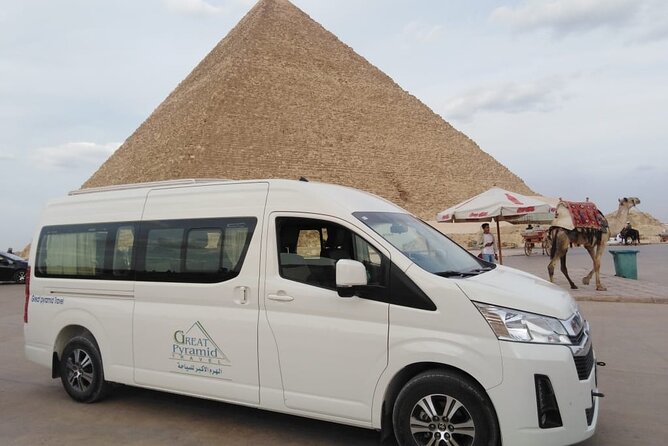
You will be in an air-conditioned vehicle, which is a big deal in Egypt where the sun can go from warm to sharp quickly. Even if you like heat, you still want your energy for walking and standing at the sites. The group size is capped at 45 travelers, which is not tiny, but it is small enough that you generally stay organized and hear your guide.
One practical note from experience in this part of the world: even on organized tours, you still want to come ready. Drink water before pickup, pack sun protection, and bring something light for shade when you stop. The tour provides the structure. You provide the comfort.
Giza Pyramids, Sphinx, and Valley Temple: Where the Day Begins
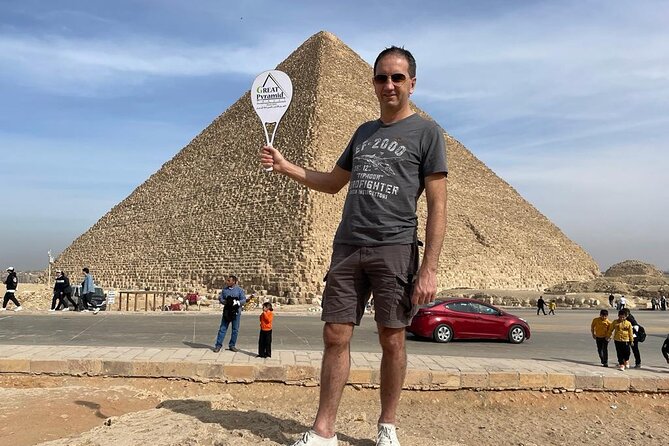
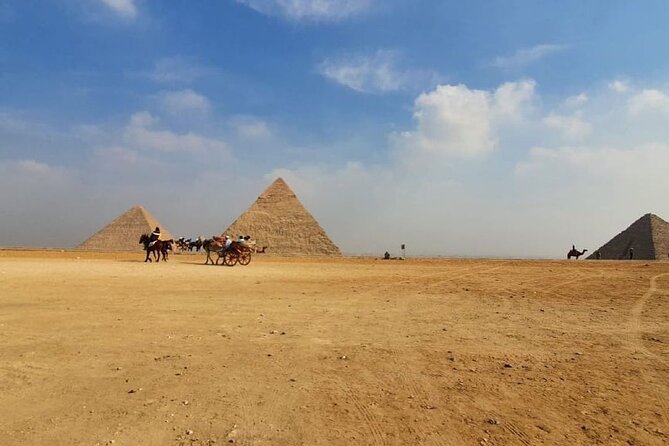
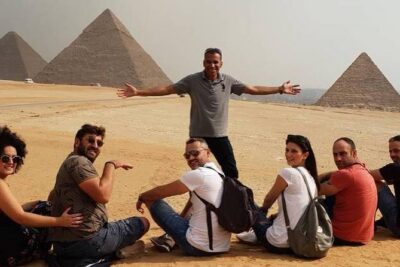
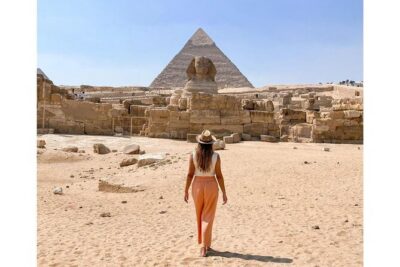
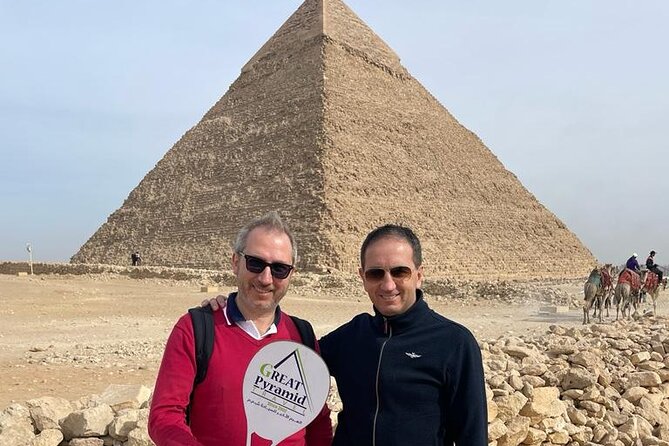
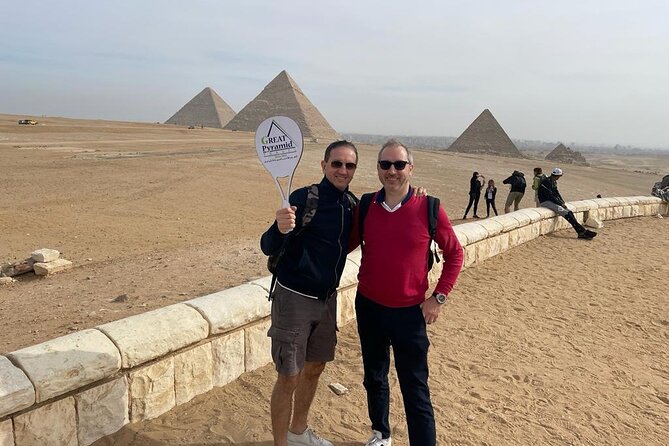
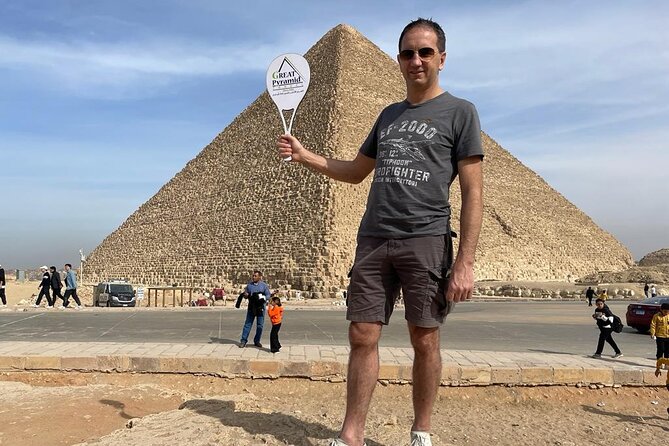
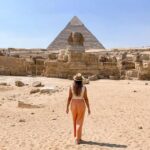
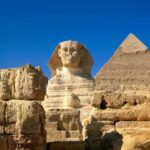
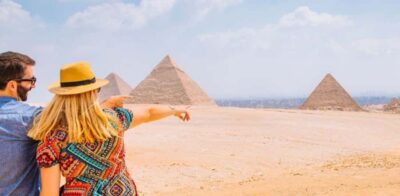
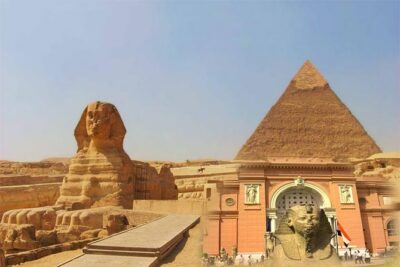
Giza is the headline. This tour takes you to the Pyramids of Cheops, Chephren and Mykerinus and includes the Great Sphinx plus the Valley Temple connected to Chephren. This is the core cluster that most people come for, and doing it with a guide helps you see more than shapes.
Here is what you should watch for as you move around:
- The pyramids are not identical. Cheops, Chephren, and Mykerinus have different proportions and angles that look subtle from far away but become obvious as you get closer.
- The Great Sphinx is both a landmark and a clue to the era. It is dated to the time of Chephren, and your guide can connect it to the wider pyramid-building landscape.
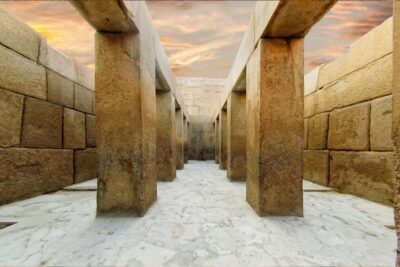
- The Valley Temple helps you understand that the pyramid complex was not one monument. It was a whole system of spaces.
A tour like this is also where you learn how Egyptians might have used ceremonial routes and processional spaces. Even if you are not a deep Egypt-ology nerd, the guide explanations can help you understand why the buildings are positioned the way they are.
Possible drawback to keep in mind: Giza is a high-visibility, high-crowd zone. Even with a good guide, you will share space with other people and absorb the sun. Wear shoes that handle stone dust, and plan on steady walking even if you do not plan to go far.
Lunch in a Local Restaurant: A Break You Will Appreciate
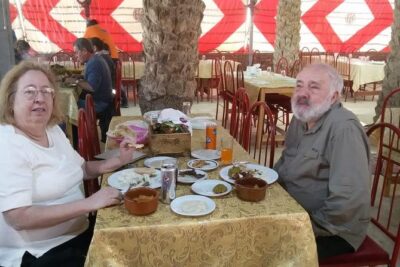
After the pyramid-side monuments and sphinx complex, you have lunch at a local restaurant. This stop is more than a meal. It resets your brain after standing and staring at the pyramids, and it keeps the day from turning into a snack-and-sweat marathon.
Because the tour time is limited (about 8 hours total), lunch also has a practical role. You do not want to lose time searching for food or worrying about where to sit later. Having it handled lets you keep moving when the afternoon starts.
If you have a sensitive stomach, you might still want to keep your choices simple. The tour includes lunch, but it does not specify a particular style or menu, so your best bet is to pick something that feels safe to you.
Necropolis stops south of the city
Egyptian Museum: 5,000 Years Compressed Into One Visit
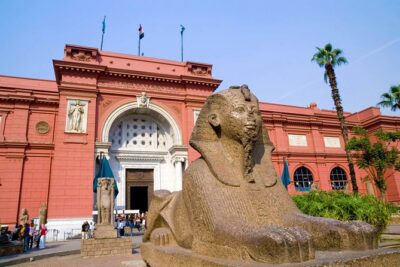
Next up is the Egyptian Museum, where you will focus on artifacts from the Pharaonic period. The museum is described as showing a rare collection of art spanning about 5,000 years, and it is presented as one of the largest and most precious Egyptian art collections.
The key thing I like about including the museum in this day tour is that it gives the pyramids context. Instead of just looking at monuments made of stone, you get a chance to connect them to what Egypt valued enough to carve, build, and bury. You also get a scale of objects that you cannot really recreate with photos.
Your museum stop also includes attention to a famous theme: gold and jewelry from a tomb discovery in the 1920s, along with the idea that the collection includes over 250,000 artifacts. Even if you do not see everything, having a guide frame the highlights helps you not feel overwhelmed when you walk into a big museum.
A practical tip: the museum can be busy, and galleries can feel warm. If you want photos, do them with intention. Then spend time with the exhibits your guide points out, because that is how you get meaning, not just images.
Zoser’s Step Pyramid at Sakkara: Older Than You Think
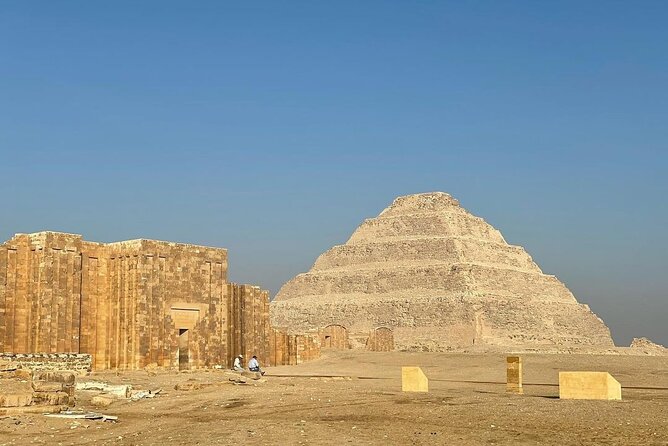
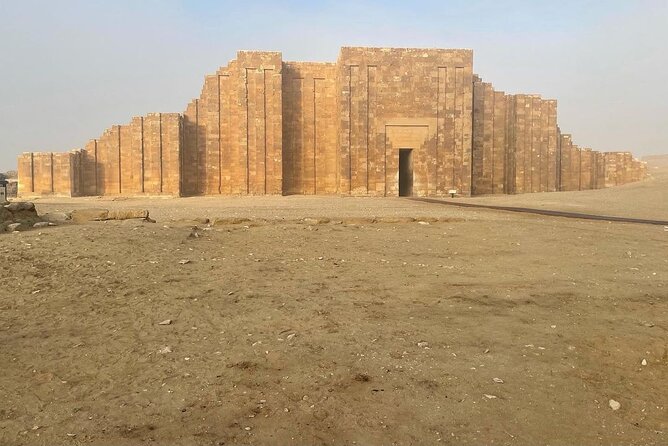
Then the tour shifts gears to Sakkara, with a stop at the Step Pyramids of Zoser. This is the world’s oldest major stone structure, built in the 3rd Dynasty for King Djoser.
Why this stop works so well on the same day as Giza is simple: it shows the evolution of monumental building. The pyramids at Giza are the icon you picture first. Sakkara is the earlier step in the story. With a guide explanation, the shapes and intent feel like a progression, not random ruins in a field.
You should expect a different vibe here than Giza. It is still impressive, but it is not the same “everyone is here for selfies” energy. You often get more room to slow down and observe.
Also keep in mind the geography. Sakkara is about 15 km from the pyramid area, so you will ride there. Bring water and plan for the sun during any outside walking.
Memphis and the Alabaster Sphinx: Capital-Era Monuments
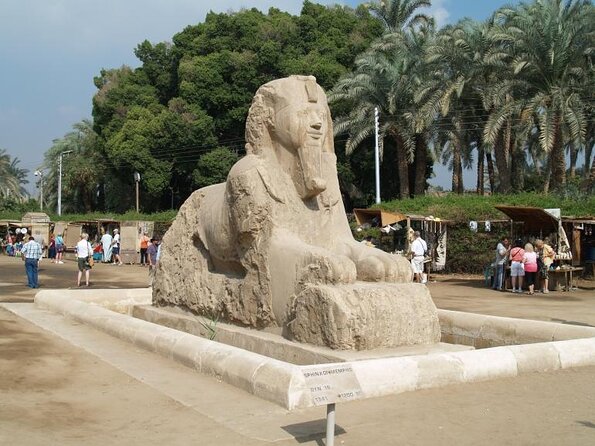
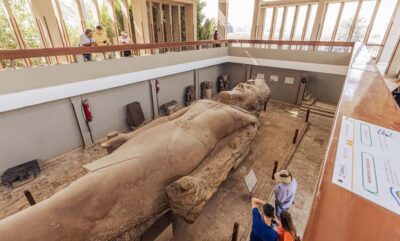
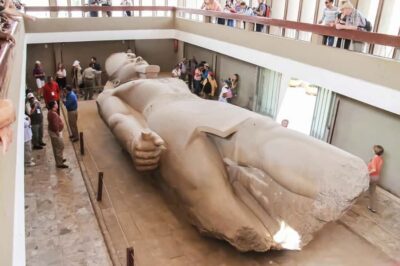
After Sakkara, you go to Memphis, described as being founded by King Menes and functioning as a capital during the Old Kingdom. The tour focuses on two specific sights: the Statue of Ramses II and the Alabaster Sphinx of Memphis.
Even if you have seen photos of these places, it helps to have context. Memphis matters because it shifts you from “pyramid-age royal building” to “capital and rule.” It is where you can start imagining administration and city life around monumental power.
The Ramses II statue gives you a direct link to a king associated with a different era than the earliest pyramid builders. The Alabaster Sphinx of Memphis adds another layer because it shows how earlier and later periods overlap through reused symbolism and monuments.
This part of the day is where the tour can feel especially meaningful if you enjoy connections. The day is not just “see famous things.” It is “see famous things in sequence,” with the guide explaining how each site fits into Egypt’s broader timeline.
Shopping Stops in Cairo: How to Make Time Without Getting Stressed
Your tour includes shopping tours in Cairo. The details of what shops you visit are not listed here, so I cannot tell you what kind of stores or how much time you will have. But I can tell you how to handle this part smartly.
If you like shopping, treat it as a bonus chance to browse. If you do not, use the time to rest, hydrate, and keep your energy up for the final site segments. Either way, do not let shopping stops run your day. You are already getting a long list of major monuments, and the value is in the sites more than in souvenirs.
A simple approach: set a mental rule before you go. Decide whether you want to buy anything. If not, tell yourself you are just there to be part of the schedule.
Group Size, Timing, and the Real Pace You Will Feel
This tour operates with a maximum of 45 travelers. That tends to create a lively group atmosphere, but it also means you are not moving like a private tour. Expect some waiting moments as the group gathers, enters venues, and re-boards the vehicle.
The tour duration is about 8 hours, which is long enough to feel complete but short enough that the pacing will stay tight. You will likely have moments to take photos and absorb explanations, then you will move on again.
Here is what I think you should prioritize to get the most out of a packed day like this:
- Listen for why each site matters, not just what you are looking at
- Choose 2 to 3 “must photo” angles so you do not waste time chasing shots
- Take short water breaks when you can, even if you do not feel thirsty yet
Most travelers can participate, and the tour allows service animals. That said, you should still assume outdoor walking and standing, especially at Giza and Sakkara.
Price and Value: Is $50 a Good Deal?
At $50 per person, this tour is priced low relative to what you often pay when adding up transport, guide, lunch, and site entry one by one. The good news is that this package lists lunch, all fees and taxes, and an air-conditioned vehicle. It also states that admission ticket is included.
That is the main reason I think the price looks like good value. You are not only buying the guide. You are buying the friction reduction. You avoid the “how much for entry, how do we get there, how do we time it” headache.
One extra cost to remember: tipping is not included. Also, any extras not mentioned in the itinerary would be on you. If you come expecting that and you keep spending under control, the $50 can feel like a straight win.
Who Should Book This Tour, and Who Might Prefer Something Else
This tour is a strong match if:
- You want pyramids plus museum plus capital-era monuments in one day
- You like having a guide explain what you are seeing, not just wandering
- You prefer pickup and return to self-planning
It might be less ideal if:
- You hate structured schedules and want slow time
- You dislike groups and standing in lines
- You want detailed, deep museum time, hour by hour, without rushing
The best way to think about it: this is a “see the core story fast” day. If you also want extra time at any one site, you might consider pairing this with a second trip later.
Should You Book This Giza-Memphis-Sakkara Tour?
If you want an efficient, guided day that hits the big monuments with transport and lunch handled, I think this is a solid option. The biggest strengths are practical: pickup, air-conditioned comfort, admission covered, and a route that moves logically from Giza to the Egyptian Museum and then to Sakkara and Memphis.
My final advice is simple. Book it if your priority is getting the major sights in a single day with a guide who explains them clearly, and if you are comfortable with a packed schedule. You will be busy, you will be hot at times, and you will spend a lot of the day in transit. But you will also see multiple layers of Egypt’s story, from pyramid design to capital-era monuments, all with the convenience of a pre-planned flow.
FAQ
What time does the tour start?
The tour start time is 8:00 am.
How long is the tour?
The duration is listed as 8 hours (approx.).
Is hotel pickup included?
Yes. The tour includes pickup services from your hotel and return.
Is lunch included?
Yes. Lunch is included.
Are admission tickets included?
Yes. Admission Ticket Included is stated.
What is not included in the price?
Tipping is not included, and any extras not mentioned in the itinerary would be on you.
Is there free cancellation?
Yes. There is free cancellation, and you can cancel up to 24 hours in advance for a full refund.
How big is the group?
The tour has a maximum of 45 travelers.
South to Saqqara and Dahshur



Giza, A Few More Ways In


More of Giza from our review pile
- Private half Day Tour to the Great 3 Pyramids of Egypt
★ 5.0 · 15 reviews - Elite Boats Tour in Cairo & Giza with Drinks Included
★ 4.5 · 15 reviews - Civilization Museum, Citadel and Old Cairo- Private Tour
★ 5.0 · 15 reviews - Private Half-Day Tour to City of the Dead and Mosque of Ibn Tulun in Cairo
★ 4.0 · 15 reviews - Full Day Tour to Explore Giza pyramids , Sakkara , Sphinx and Memphis
★ 5.0 · 15 reviews - Day Tour at The Egyptian Museum,Saladin Citadel and Khan El Khalili Bazaar
★ 5.0 · 15 reviews
Giza Pyramids & Sphinx Tours, compared.
 ★ 4.9Pyramids & Great Sphinx Private Tour with Camel RideFrom $486,335 reviews
 ★ 5.0Tour to Giza Pyramids and The Egyptian MuseumFrom $1556,016 reviews
 ★ 4.7Pyramids of Giza, Sphinx, Saqqara & Memphis TourFrom $903,110 reviews
 ★ 4.6Half-Day Tour to Pyramids of Giza and the SphinxFrom $502,891 reviews
 ★ 4.6Pyramids, Sakkara & Memphis Tour with LunchFrom $602,493 reviews
 ★ 5.0Private ViP all-inclusive Giza Pyramids,Sphinx,Inside PyramidFrom $142,448 reviews
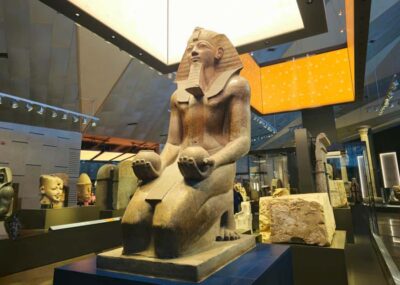 ★ 4.7Grand Egyptian Museum, Pyramids, Sphinx Tour & LunchFrom $892,282 reviews
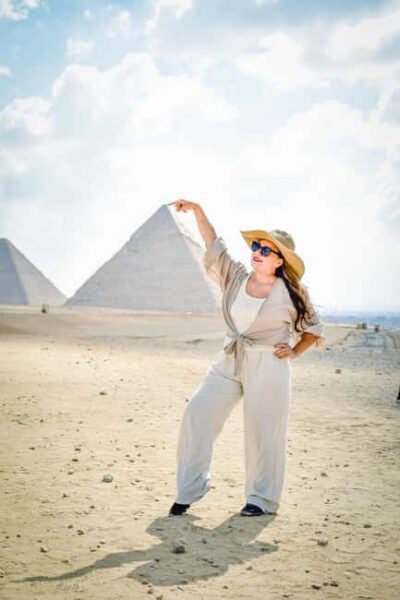 ★ 4.7Cairo Pyramids, Sphinx & Egyptian Museum Day TripFrom $932,271 reviews
The lists this one sits on