
REVIEW · GIZA PYRAMIDS & SPHINX TOURS
Private Pyramids & Sphinx Day with Great Egyptian Museum
Giza in one organized, private day. You get the Pyramids of Giza and Great Sphinx plus a major museum stop at the Grand Egyptian Museum, all paced with hotel pickup and an Egyptology English guide.
I especially like how this tour blends big iconic sights with smart extras, like the papyrus learning stop and planned time to take photos from key viewpoints. I also like that the plan flags what is included versus free on site, so you can budget and move with less hassle.
One consideration: the day depends on good weather, and the overall schedule is tight enough that hot sun and crowds can feel like part of the package even with a guide.
In This Review
- Key things to know before you go
- Giza with a plan: pickup, AC comfort, and a guide who keeps you moving
- The Giza Plateau kickoff: nine-pyramid views plus camel or horse time
- Khufu, Khafre, Menkaure: the big three explained in manageable chunks
- Great Sphinx: picture time that actually has a purpose
- Grand Egyptian Museum: why the museum stop is a serious part of the day
- Papyrus learning stop: the small detour that gives context
- Price and logistics: is $95 per person good value?
- What is included, what is not: plan your add-ons like a grown-up
- Who this tour suits best, and who should think twice
- My practical take on the schedule: timing and how to stay comfortable
- Should you book iEgypt’s Pyramids and Great Egyptian Museum day?
- FAQ
- How long is the private Pyramids and Great Egyptian Museum day?
- Is hotel pickup and drop-off included?
- Is this tour private or shared with other people?
- Does the tour use a mobile ticket?
- Is camel or horse riding included at the pyramids?
- What is included at the Great Egyptian Museum, and how long do you spend there?
- Are admission tickets included?
- What is not included in this tour?
- What happens if weather is poor or I cancel?
Key things to know before you go
- Private, just your group means more control over your pace and photo stops.
- Hotel pickup and drop-off keeps the day simple, especially if you are short on time.
- Camel or horse riding is built in at the plateau viewpoint.
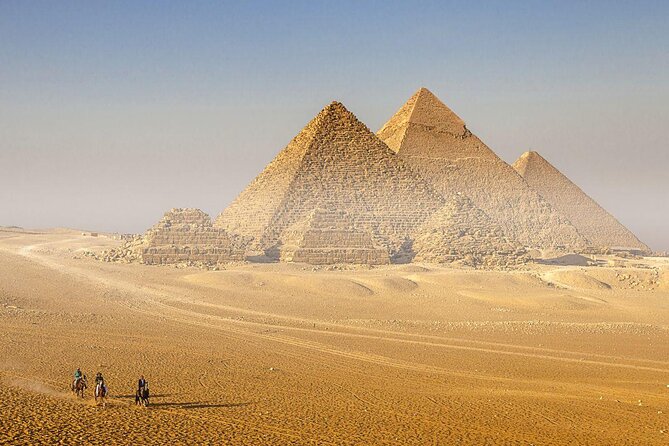
- Great Pyramid, Khafre, Menkaure, and the Sphinx all get dedicated time blocks.
- Grand Egyptian Museum is a standout, with 2 hours and a claim of 50,000+ artifacts.
- Papyrus Museum stop adds context beyond stone monuments.
Ways onto the Giza plateau, compared
- Private guided tour to Giza Pyramids, and Great Sphinx★ 5.0 · 1,755 reviews
- VIP Giza Pyramids,Sphinx,ATV bike,CamelRide,Shopping&DinnerCruise★ 5.0 · 704 reviews
- From Hurghada: Pyramids and Egyptian Museum Tour & Boat Ride★ 4.4 · 381 reviews
- Private Tour to explore Giza Pyramids – Saqqara -Memphis★ 5.0 · 294 reviews
Giza with a plan: pickup, AC comfort, and a guide who keeps you moving
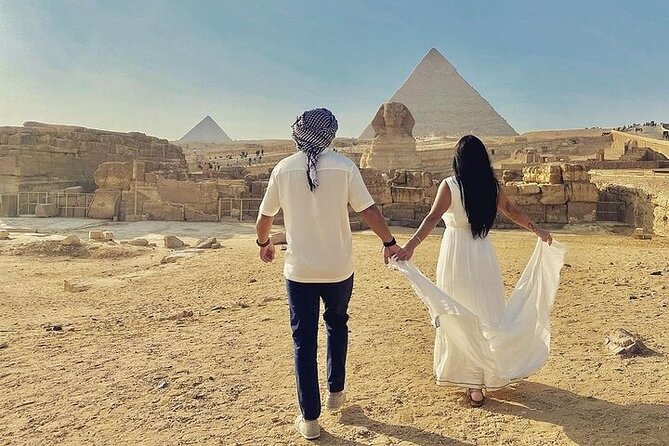
This is the kind of Giza day that makes sense if you want the classics without getting lost in logistics. You start with hotel pickup, ride in an air-conditioned vehicle, and travel with a professional Egyptology English tour guide for the whole itinerary. A bottled water is included too, which sounds minor until you are standing in the heat.
The private format matters. When it is just your group, you can slow down for photos, ask follow-up questions, and spend time where your curiosity pulls you. The tour also emphasizes flexibility, including a 24/7 follow-up service around the day. That usually translates into fewer awkward gaps, like waiting too long to figure out what happens next.
The only real “watch out” is that Giza is Giza. Even with organization, you are outdoors and moving between stops. If you are sensitive to heat, bring a hat and plan to hydrate. And if the day runs into poor weather, the experience can be rescheduled or refunded.
The Giza Plateau kickoff: nine-pyramid views plus camel or horse time
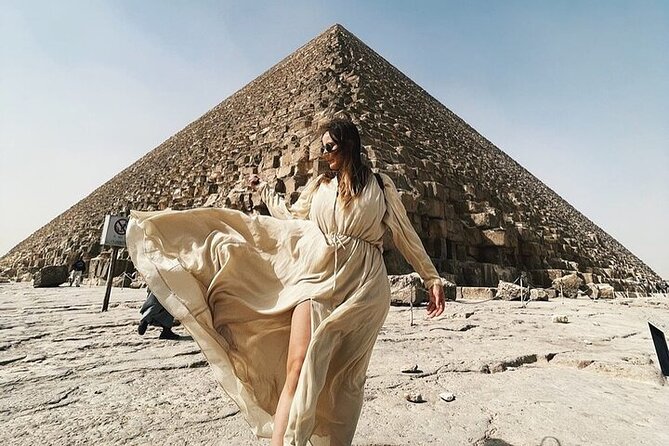
Your first major chunk starts on the Giza plateau. You will cover the Great Pyramids of Khufu, Khafre, and Menkaure, with an Egyptologist guide explaining what you are looking at and why it matters. This is where the tour earns its value early. When the guide points out the right angles, proportions, and context, the pyramids stop being just huge shapes and start making sense.
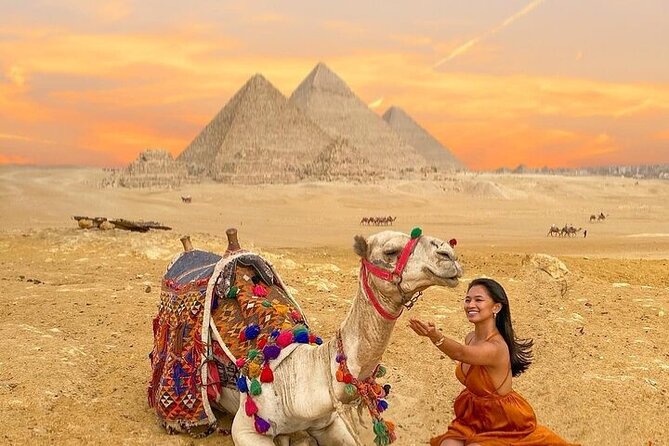
Then comes the fun part: horse or camel riding to see a panoramic viewpoint of the nine pyramids. That is a key detail, because nine-pyramid views are hard to recreate on your own unless you already know where to stand. If you are coming for photos, this viewpoint angle can be the difference between generic pyramid shots and images that show scale.
After the ride, you visit the Sphinx and then stop at a papyrus museum to learn about papyrus as a historical material and how it was made. That is a great pacing move. It breaks up the “stone only” feeling, and it connects the monuments to everyday technologies of ancient Egypt.
Practical note: the first stop includes an admission ticket for this portion. The plan also includes 1 hour here. That is long enough to see everything listed, but short enough that you should decide early if you want extra time for camel or horse riding photos.
Khufu, Khafre, Menkaure: the big three explained in manageable chunks
The next phase is about working through the Great Pyramid of Cheops (Khufu), then Khafre, then Menkaure. Each stop is built for a quick but focused visit: you get time on the site while the guide keeps the story tight.
- Khufu is described as the first Giza pyramid project, dating to about 2550 B.C., and it is estimated at 2.3 million stone blocks. The scale details matter here. When you hear the numbers with the guide’s explanation, you start to grasp how this was not just a monument, but a massive construction effort.
- Khafre’s pyramid is tied to the idea of a broader necropolis and the association with the Sphinx. The plan’s phrasing helps you connect the Sphinx to the funerary complex rather than treating it like a random statue in the sand.
- Menkaure is smaller, and the tour uses that contrast to set expectations, including its more complex mortuary temple.
One small plus for your budget: these three pyramid stops are marked as admission ticket free in the plan. So you are not repeatedly paying separate entrances for each of these site blocks while you are there. That makes a difference if you prefer to keep things predictable rather than scrambling at ticket counters.
The main drawback of a “big three” day is that each pyramid gets limited time. With this kind of schedule, you cannot do slow, lingering exploration at all three. If you want maximum wandering, you might want to plan extra time on a separate day. If you want a well guided highlights run, this schedule fits well.
Great Sphinx: picture time that actually has a purpose
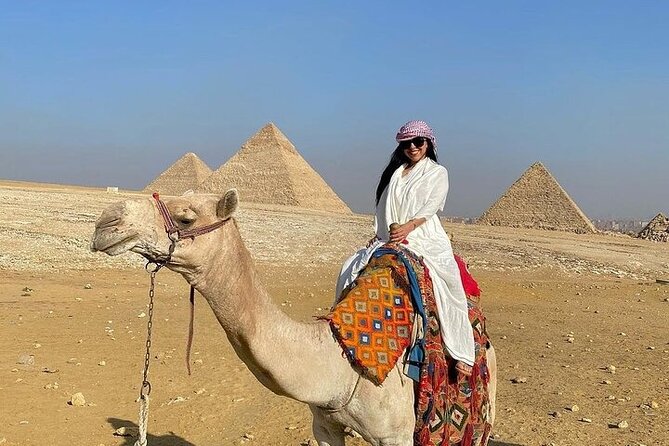
The Great Sphinx of Giza comes with a dedicated picture stop, plus a chance to see it up close. You get about 30 minutes for this part, and that time is useful if you arrive with a simple goal: get a few strong angles, then listen and learn.
A good Sphinx visit is not only about the famous face. It is about recognizing the Sphinx as part of the larger Giza puzzle. In the plan, the guide connects the Sphinx to Khafre and the wider tomb complex, which helps you understand why the Sphinx sits where it sits.
For the photos, here is a practical mindset that works: pick one wide shot for scale, then pick one tighter shot where the details are clear. Try to avoid spending the whole 30 minutes searching for the perfect camera position. In a crowded, sunlit site, you will waste time. Let the guide point out where to stand first, then refine.
Return trips to the Tahrir collection
Grand Egyptian Museum: why the museum stop is a serious part of the day
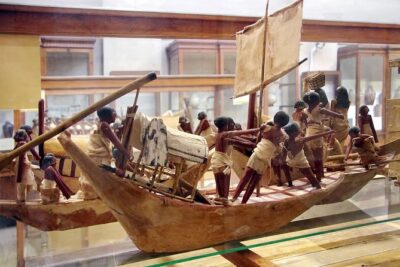
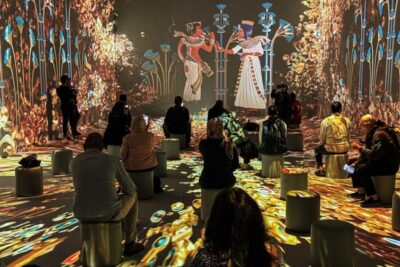
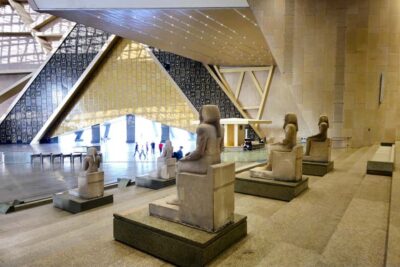
The schedule saves a big chunk for the Grand Egyptian Museum, near the Giza area. You get 2 hours there, and it is described as showcasing over 50,000 ancient Egyptian artifacts, including treasures from Tutankhamun’s tomb.
That matters, because it changes the day from “three pyramids and a statue” into a more complete understanding of Egypt. Museums let you see the kinds of objects that lived around these monuments: treasures, funerary items, and crafted materials that bring everyday ancient life closer than stones alone can.
This stop is also valuable for photo and pacing reasons. After hours in direct sun and heat, the museum gives you a break while still feeling like you are in Egypt’s most important storylines. If you care about meaning, not just shapes, the museum is where your brain can slow down and connect details.
Keep your expectations realistic: 2 hours is enough for an organized highlights route, but not enough to absorb everything. If you are the type who reads every label, you might want to plan a return visit later. If you prefer seeing the main areas with a guide’s direction, this is a smart time allocation.
Papyrus learning stop: the small detour that gives context
The tour includes a stop that is easy to overlook if you are only chasing the big monuments. You will visit a papyrus museum to learn about papyrus and how it is made, described as the strongest paper in history.
Why I like this kind of add-on: it helps your Giza visit feel connected to human life, not only stone. When you learn how materials worked in ancient Egypt, it adds a layer to what you see elsewhere in museums. You start thinking about the technology behind record keeping and temple culture.
It also acts as a practical break in the flow of the day. The pyramid areas can feel like one long visual sprint. A papyrus learning stop gives you something different to do with your time, and it often makes the overall day feel less exhausting.
Price and logistics: is $95 per person good value?
At $95 per person, this day is priced for a packed itinerary that includes more than just entry to monuments. You get hotel pickup and drop-off, an air-conditioned vehicle, a professional Egyptology English guide, bottled water, and key inclusions across the day. The plan also includes a mobile ticket and lists admissions as included for the plateau portion, with several other site stops marked as free.
So, how do you judge value? You look at what costs money and what costs time. A guided day like this saves time because you are not coordinating the route yourself. It also reduces friction at ticketing points because the plan explicitly marks what is included.
You should also weigh what is not included. Optional extras like desert sand ATV quads for 60 minutes and a professional private photographer are listed as not included. The tour also does not include Saqqara Pyramids. If you were planning to add those anyway, then your true day cost will rise.
But if you want a straightforward Giza and museum day with organization and guide storytelling, $95 can feel like a fair deal for what you are getting.
What is included, what is not: plan your add-ons like a grown-up
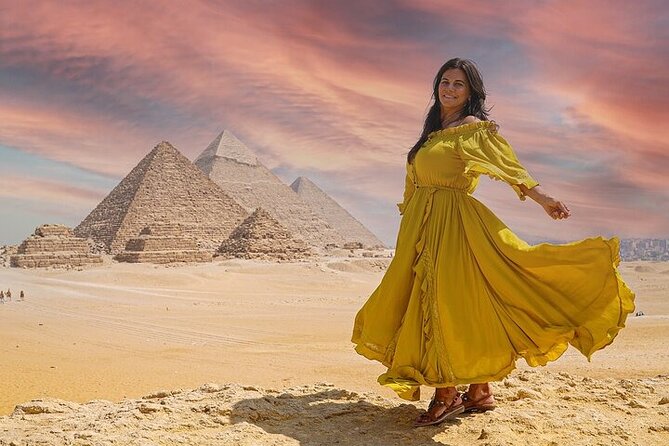
This tour includes the core Giza experience plus the museum stop, with clear inclusions like bottled water and an Egyptology English guide. You also get horse or camel riding at the plateau viewpoint, which is one of the most fun ways to get a different perspective without hiring extra planning.
What is not included matters because it affects how you personalize the day:
- Desert ATV quads are not included, including the note about 60 minutes and a possible sunset desert idea with Bedouin tea.
- Professional private photographer at the Giza plateau is not included.
- Saqqara Pyramids are not included.
If you want a more cinematic photo day, you might decide to upgrade with a private photographer. If you want more desert time, consider the quad option or a separate sunset plan. But do not let optional extras distract you from the core schedule. Giza already fills your senses.
Who this tour suits best, and who should think twice
This is a strong choice if you want the big landmarks with an organized guide and you care about learning. It is also ideal if you are traveling with a partner, a small family group, or anyone who wants the comfort of pickup and drop-off without navigating the Giza area alone.
It is also a good fit if you are a first-time visitor to Egypt. One reason is the structure. The guide helps you understand what you are seeing, and the tour reduces stress by handling the flow of stops.
Who should think twice? If you want a slow, no-rush day that feels like a long wander, this might feel fast. Each major stop gets time, but not endless time. If you have a strong interest in architecture and want deeper exploration at one pyramid for hours, you might pair this with extra independent time later.
And remember: the experience requires good weather. If your travel dates are in a period with storm risk, be flexible in your plans.
My practical take on the schedule: timing and how to stay comfortable
The overall duration is 4 to 7 hours. That range is typical for a private, flexible route where your group pace and conditions can shift. With that in mind, plan your day around comfort:
- Wear breathable clothes and bring sun protection.
- Expect walking between sites and keep water in mind even though bottled water is included.
- Use the guide’s photo stops as your anchor points, then let the rest of your exploring happen calmly.
A smart strategy is to decide your photo priorities before you arrive at Giza. If pyramids in scale are your priority, your time at the plateau viewpoints matters most. If portraits with the Sphinx are your priority, arrive ready for that picture block and do not get stuck on wardrobe changes mid-day.
Also, use the museum time intentionally. With only 2 hours, go with questions in mind. If you care about funerary practices, ask your guide what connects Tutankhamun-related artifacts to the larger story.
Should you book iEgypt’s Pyramids and Great Egyptian Museum day?
I would book this tour if you want an efficient, private Giza day that also gives you museum context. The combination of Pyramids of Giza, Great Sphinx, camel or horse riding for views, and a major stop at the Grand Egyptian Museum makes the day feel complete instead of superficial.
It is also a good deal if you value organization: pickup, AC transport, a guided route, and ticket inclusions reduce the usual headaches of doing Giza on your own. The only reason to hesitate is the weather dependency and the fact that the schedule is designed for highlights, not marathon exploration.
If your ideal trip is clear structure plus standout moments, this one fits. If you prefer total freedom and slow pacing, consider adding extra time elsewhere and use this as a guided foundation.
FAQ
How long is the private Pyramids and Great Egyptian Museum day?
The duration is listed as about 4 to 7 hours.
Is hotel pickup and drop-off included?
Yes. Hotel pickup and drop-off are included.
Is this tour private or shared with other people?
It is private, meaning only your group participates.
Does the tour use a mobile ticket?
Yes. A mobile ticket is included.
Is camel or horse riding included at the pyramids?
Yes. Horse or camel riding is part of the first stop at the Giza plateau.
What is included at the Great Egyptian Museum, and how long do you spend there?
You spend about 2 hours at the Grand Egyptian Museum. The plan describes it as showcasing over 50,000 ancient Egyptian artifacts, including treasures from Tutankhamun’s tomb.
Are admission tickets included?
The plan specifies that the Giza plateau admission is included for the first stop. The next pyramid stops are marked as admission ticket free, and the Grand Egyptian Museum portion is marked as admission ticket free as well.
What is not included in this tour?
Desert sand ATV quads by the pyramids (60 minutes) and a professional private photographer at the Giza plateau are not included. The Saqqara Pyramids are also not included.
What happens if weather is poor or I cancel?
The experience requires good weather. If canceled due to poor weather, you will be offered a different date or a full refund. You can also cancel for a full refund up to 24 hours in advance of the experience start time.
Back at the Tahrir Museum

Giza, A Few More Ways In


More of Giza from our review pile
- Sakkara, Memphis & Dahshur Tour
★ 5.0 · 26 reviews - Private Day to Giza Pyramids, Egyptian Museum and camel sunset
★ 5.0 · 26 reviews - Pyramid Duo Rooftop Capturing Elegance from the Rooftop
★ 5.0 · 26 reviews - Half Day Giza Pyramids and Sphinx
★ 5.0 · 26 reviews - Private Tour Giza Pyramids Wonders All inclusive
★ 5.0 · 26 reviews - Giza Pyramids, Sphinx & inside the Great Pyramid of Khufu
★ 5.0 · 27 reviews
Giza Pyramids & Sphinx Tours, compared.
 ★ 4.9Pyramids & Great Sphinx Private Tour with Camel RideFrom $486,335 reviews
 ★ 5.0Tour to Giza Pyramids and The Egyptian MuseumFrom $1556,016 reviews
 ★ 4.7Pyramids of Giza, Sphinx, Saqqara & Memphis TourFrom $903,110 reviews
 ★ 4.6Half-Day Tour to Pyramids of Giza and the SphinxFrom $502,891 reviews
 ★ 4.6Pyramids, Sakkara & Memphis Tour with LunchFrom $602,493 reviews
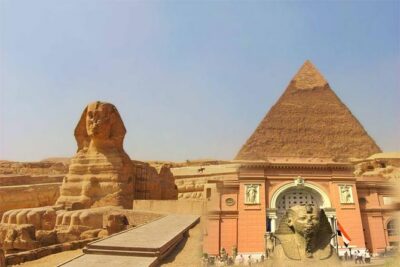 ★ 5.0Private ViP all-inclusive Giza Pyramids,Sphinx,Inside PyramidFrom $142,448 reviews
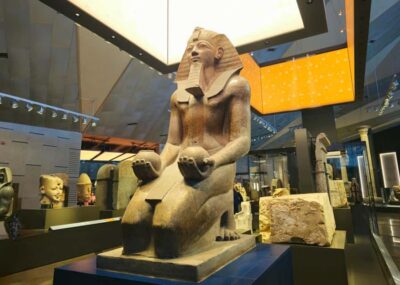 ★ 4.7Grand Egyptian Museum, Pyramids, Sphinx Tour & LunchFrom $892,282 reviews
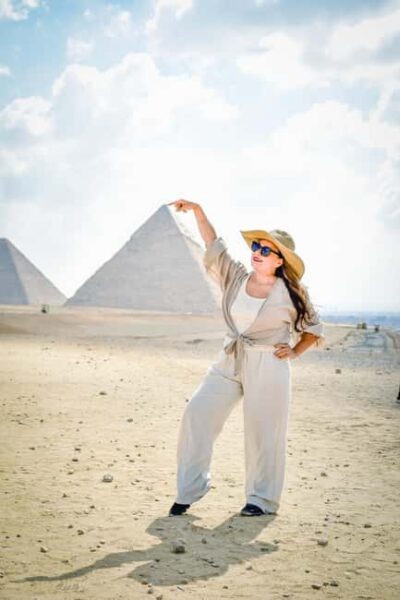 ★ 4.7Cairo Pyramids, Sphinx & Egyptian Museum Day TripFrom $932,271 reviews
The lists this one sits on