
REVIEW · GIZA PYRAMIDS & SPHINX TOURS
Private Half Day Tour to Giza Pyramids and Sphinx with Camel ride
Giza hits different with a real guide. This private half-day tour pairs a certified Egyptologist with a air-conditioned car so you understand what you are seeing at the Sphinx and the pyramids, not just where to stand. I love that it targets the core monuments, including Cheops, Chephren, and Mykerinos, with explanations that connect each place to the rulers who built them. The one possible drawback is that some big-ticket add-ons are not included, like entering the interior of the Great Pyramid and the camel ride.
The format is also genuinely practical: round-trip hotel transport, entrance coverage for key areas, and a private setup where you can ask questions and move at a pace that fits you. It runs about 4 to 5 hours, so you get your Giza fix without turning the day into a full marathon.
In This Review
- Key highlights at a glance
- Why a private Egyptologist matters at Giza
- Price and value: what $35.80 really buys
- Getting to Giza: hotel pickup, timing, and a smoother start
- Stop 1: The Great Sphinx, 30 minutes that set the whole theme
- Stop 2: Great Pyramid of Cheops (Khufu) and the inside-the-pyramid decision
- Stop 3: Chephren and Mykerinos plus the Valley Temple focus
- Camel ride option: fun for some, extra cost for all
- Crowds, pacing, and where you get the most from 4 to 5 hours
- The standout part: professional guiding that feels specific
- Who should book this private half-day Giza tour
- Should you book this tour, or keep it DIY?
- FAQ
- FAQ
- How long is the private half-day tour to the Giza Pyramids and Sphinx?
- Does the price include hotel pickup and drop-off?
- Is the camel ride included in the tour price?
- Are pyramid interior entrances included?
- Do I need to wear a mask during the tour?
- What is the cancellation policy?
Key highlights at a glance
- Certified Egyptologist guidance for the story behind the stones, not just a slideshow
- Sphinx included with a focused 30-minute stop, plus admission ticket coverage
- Cheops clarity, with caveats: the Great Pyramid area is guided, but interior entry is extra
- Pyramids area entrance included for key sights around Giza
- 15-minute camel ride is optional and costs extra
- Private transport and PPE routines like mask use and car sterilization for peace of mind
Ways onto the Giza plateau, compared
- Cairo: Pyramids & Great Sphinx Private Tour with Camel Ride★ 4.9 · 6,335 reviews
- Tour to Giza Pyramids and The Egyptian Museum★ 5.0 · 6,016 reviews
- VIP All inclusive Best of the best Giza Pyramids,Sakkara,Memphis★ 5.0 · 3,164 reviews
- From Cairo: Pyramids of Giza, Sphinx, Saqqara & Memphis Tour★ 4.7 · 3,110 reviews
Why a private Egyptologist matters at Giza
Giza is one of those places where it is easy to feel overwhelmed fast. When you have an Egyptologist along for the ride, you start seeing patterns: how the monuments relate to each other, what the Sphinx is guarding, and why the builders chose the layouts they did.
I especially like the way this tour keeps things human. You are not just looking at “old stuff.” You are hearing about the rulers behind the structures, which makes the scale feel more personal and easier to process.
Because it is a private tour, you can slow down where you care. Want more time on the Sphinx face and paws? Want clearer explanations about Cheops versus Chephren? You can usually shape the flow with your guide, within the half-day timeframe.
Price and value: what $35.80 really buys
At $35.80 per person, this is priced like a solid “short time in Cairo” option, not a luxury day out. The value comes from the package structure: hotel pickup and drop-off, a multilingual Egyptologist tour guide, a private air-conditioned vehicle, bottle of water, and entrance tickets for the specific covered sites.
Here is the important money reality check. Some of the most famous choices cost extra, including entrance fees for interior pyramid visits and any mummy room visits at the Egyptian Museum. Also, the camel ride is not included in the base price.
So, this tour is best when you want expert guidance plus the main monuments, and you are okay choosing your “extra ticket” moments intentionally. If you know you want to go inside the Great Pyramid, budget for that separately so there are no surprises.
Getting to Giza: hotel pickup, timing, and a smoother start
This tour includes round-trip hotel transport, which matters a lot in Cairo. Traffic and route changes can turn a simple pickup into a headache. Even the best plan can get affected by security movements, and one past guest noted the rendezvous did not go exactly as expected because streets were blocked due to the Egyptian President’s movement.
Their fix was practical: the guide’s car needed to be found in a nearby street, not right at the hotel doorway. You can reduce this risk by sending full name and your hotel details with accurate address and phone number, and by keeping your phone available on the morning of the tour.
Once you are in the vehicle, the tour provider adds extra safety routines. Cars are sterilized periodically after each stop, and guides and drivers wear masks. You are also asked to wear a mask during the tour starting from leaving the meeting place, with hand sanitizer available in the car.
If you are sensitive to these details, you may find this setup reassuring. If you are not, it still helps make the day feel organized and consistent.
Stop 1: The Great Sphinx, 30 minutes that set the whole theme
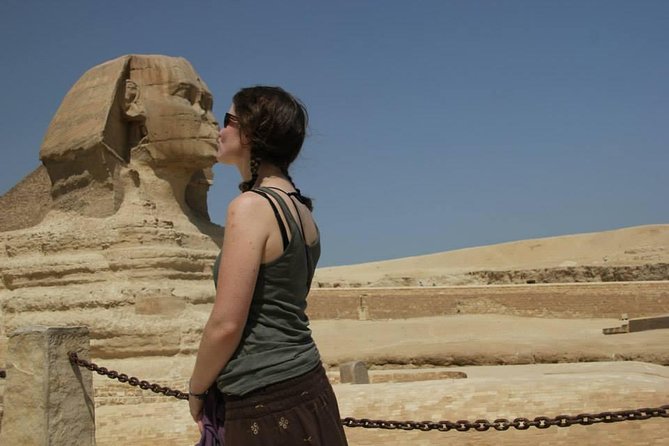
Your first monument is the Great Sphinx of Giza, and you get about 30 minutes here with admission included. This is the right opening move. The Sphinx is not just a cool statue, it is part of a bigger story on the Giza plateau.
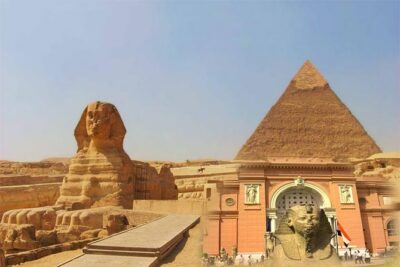
The Sphinx is a reclining limestone creature with a lion’s body and a pharaoh’s head, facing west to east from the west bank of the Nile. What makes it click during this tour is the way the guide connects it to the nearby funeral complex. Instead of treating the Sphinx like a standalone icon, you see it as a guardian tied to royal burial space.
With only 30 minutes, you will want to plan your time. Give yourself a moment for a full-face view, then step around for different angles if crowds allow. If you care about photos, go for your wide shot first, before everyone converges.
A quick note: since this stop is ticketed and timed, do not wait until the end of your session to ask questions. Ask early so you get the most from the explanation while you are still standing in front of the monument.

Stop 2: Great Pyramid of Cheops (Khufu) and the inside-the-pyramid decision
Next is the Great Pyramid of Cheops, and you typically get about an hour here. The tour description is clear that admission for the interior of the pyramid is not included, so you need to decide in advance if you want to pay extra to go inside.
Why it matters: the Great Pyramid of Giza is the oldest and largest of the three major pyramids at the site. It is also the oldest of the Seven Wonders of the Ancient World and the only one that remains largely intact. Standing near it is powerful, but stepping inside (if you choose) changes the feeling completely, because you experience the engineering from within.
The details provided for the original entrance are fascinating and specific. The original entrance is on the north side, about 17 meters above ground. From there, a descending passage drops at an angle of about 26 degrees, with a narrow height around 0.96 meters and width around 1.04 meters before it reaches bedrock.
That kind of information helps you appreciate what you are seeing, even if you skip the interior. If you do go inside, wear comfortable shoes and be prepared for tight passages and limited space.
The practical takeaway is simple: do not assume the “Great Pyramid experience” is included. The guide will bring you to the right place, but the interior entry is an add-on.
Stop 3: Chephren and Mykerinos plus the Valley Temple focus
After Cheops, the tour shifts into the wider Giza area with admission coverage for the Pyramids Area. This portion is where you typically see more of the complex and spend time moving around the main landmarks.
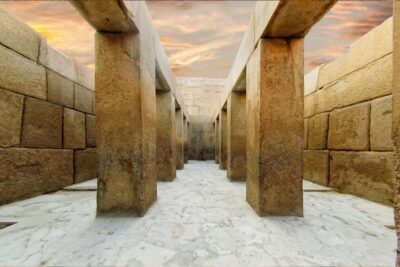
This segment is built around royal context. You will check out the pyramids of the Giza plateau, including Chephren and Mykerinos, and then move toward the Valley Temple. The tour description specifically mentions the Valley Temple as a site connected with mummification practices, describing priests mummifying the dead body of King Chephren.
Whether every detail matches your expectations from other readings, the value here is that you are anchored to one narrative. Instead of jumping between monuments like a checklist, you build a mental map: king, temple function, and where the Sphinx fits into the broader funeral landscape.
You also get another chance for a close-up look at the Sphinx near the funeral complex. This second look is useful because the Sphinx can feel very different depending on distance and angle. If you missed the key features the first time, this is your recovery moment.
One drawback to consider: if you are not a fan of walking around uneven archaeological ground, this is the segment where your comfort matters most. You are on a clock, so wear footwear you can trust and take short breaks if you need them.
Camel ride option: fun for some, extra cost for all
The tour highlights include a camel ride, described as about 15 minutes through the desert. The catch is that the camel ride is extra charge, not included in the base package.
So what should you do with this information? Think of it as an optional add-on for your personal style. If you love the classic desert photo moment and you are okay paying for it, the timing makes sense because it does not swallow the whole half-day.
If you care more about monuments than animals, you might skip it and keep the time for the sites. Either way, check your priorities before you arrive.
Crowds, pacing, and where you get the most from 4 to 5 hours
Four to five hours at Giza can feel both short and just right. Short, because the site is huge. Just right, because you can focus on the most iconic pieces and still feel like you “learned something,” rather than just marched around.
This tour’s pacing is built on stops that have clear time blocks, like the 30 minutes at the Sphinx and the hour at Cheops. That structure helps you avoid the common chaos problem, where your day feels controlled by crowd flow and ticket lines rather than by your own interests.
For photos, I recommend a simple strategy. Shoot your wide monument shots early, then return for close details if you have time. On an efficient tour, the best angles often happen when you are not rushed, but also before the crowd wave hits.
The standout part: professional guiding that feels specific
The tour has a very strong overall rating, and the praise is consistent. People highlight the professionalism and experience of the guide, including a named guide: Mahmoud Kamal. The compliment was not vague, it pointed to real expertise and how well he handled the visit.
That kind of guiding matters at Giza, because the monuments are complex and the myths are loud. When your guide can answer questions clearly, you leave with a sharper sense of what matters and what is just noise.
There is also another side to learn from a real hiccup. When road closures happened due to security issues, the meeting point did not function exactly as expected. Still, the tour was completed as booked once the guide and guest connected.
That tells you something useful. The day can be affected by factors outside anyone’s control, but the provider’s ability to keep the tour on track seems to be part of why the experience earns high marks.
Who should book this private half-day Giza tour
I would book this if you want a guided, efficient Giza day and you do not have time for a full-day circuit. It is also a good match if you like the idea of private transport and question-friendly pacing.
You might especially enjoy it if you:
- want a certified Egyptologist to explain what you are looking at
- care about the Sphinx and the big pyramids more than museum add-ons
- prefer not to handle tickets, logistics, and route decisions on your own
- want a short camel ride option without committing to a longer excursion
It is also worth considering if you value health and safety routines, since masks are required and cars are sterilized periodically.
Should you book this tour, or keep it DIY?
Book it if you want the Giza highlights explained with a clear timeline and pickup from your hotel. The price makes sense when you compare it to what you would pay for private transport plus a guide, and especially since key entrance tickets are included for the Sphinx and the Pyramids Area.
Skip it or adjust your expectations if your top priority is entering the interior of the Great Pyramid or doing optional camel rides. Those are not part of the base package, so you will need to budget separately.
If you are the type who wants maximum flexibility, DIY can work, but you will still need to solve the same problems: transport from Cairo, entry logistics, and figuring out what to focus on. This tour removes a lot of that thinking so you can spend your attention on the monuments themselves.
FAQ
FAQ
How long is the private half-day tour to the Giza Pyramids and Sphinx?
The tour lasts about 4 to 5 hours.
Does the price include hotel pickup and drop-off?
Yes, hotel pickup and drop-off are included.
Is the camel ride included in the tour price?
No, the camel ride is not included and comes with an extra charge.
Are pyramid interior entrances included?
Entrance fees for the interior of the pyramids are not included. Entrance fees for the Sphinx and the Pyramids Area are included as part of the tour.
Do I need to wear a mask during the tour?
Yes. Each customer must wear a mask during the tour, starting from the exit from the meeting place.
What is the cancellation policy?
You can cancel for a full refund up to 24 hours in advance of the experience start time. If you cancel less than 24 hours before, the amount paid is not refunded.
Giza, A Few More Ways In

More of Cairo from our review pile
- Cairo: Djoser Pyramid & Memphis Private tour with transfers.
★ 4.0 · 14 reviews - White Desert Overnight Camping Sharing Tour in Egypt
★ 5.0 · 15 reviews - Cairo Best 2Days tour Pyramids, Saqqara & Old Cairo
★ 5.0 · 15 reviews - Monastery St Simon with Cave Church and Garbage City Private Tour
★ 5.0 · 15 reviews - Full-Day Tour to Giza Pyramids, Egyptian Museum & Khan Al-Khalili
★ 5.0 · 15 reviews - Private Walking Tour in ElMoez Street & Khan Elkhalili Market
★ 5.0 · 15 reviews
Giza Pyramids & Sphinx Tours, compared.
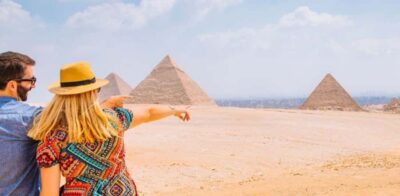 ★ 4.9Pyramids & Great Sphinx Private Tour with Camel RideFrom $486,335 reviews
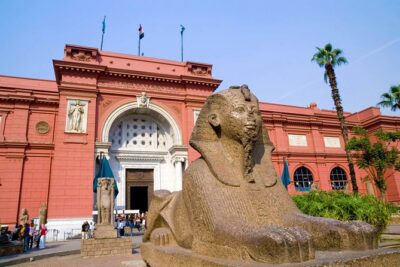 ★ 5.0Tour to Giza Pyramids and The Egyptian MuseumFrom $1556,016 reviews
 ★ 4.7Pyramids of Giza, Sphinx, Saqqara & Memphis TourFrom $903,110 reviews
 ★ 4.6Half-Day Tour to Pyramids of Giza and the SphinxFrom $502,891 reviews
 ★ 4.6Pyramids, Sakkara & Memphis Tour with LunchFrom $602,493 reviews
 ★ 5.0Private ViP all-inclusive Giza Pyramids,Sphinx,Inside PyramidFrom $142,448 reviews
 ★ 4.7Grand Egyptian Museum, Pyramids, Sphinx Tour & LunchFrom $892,282 reviews
 ★ 4.7Cairo Pyramids, Sphinx & Egyptian Museum Day TripFrom $932,271 reviews