
REVIEW · GIZA PYRAMIDS & SPHINX TOURS
Private Half-day Tour to Giza Pyramids and Sphinx with Camel Ride and Lunch
Giza feels bigger when you’re on a camel. This private half-day takes you through the Giza Plateau with a camel ride and an Egyptologist guide, so you get more than quick photo stops. You also get the advantage of a custom-feeling pace for your interests, not a one-size tour line.
What I like most is how the day is structured for maximum icons with minimal fuss.
The second big win is the added stop at the Solar Boat Museum near the Great Pyramid of Khufu. And you finish with the chance to eat koshary, Egypt’s national dish. One thing to watch: at least some bookings report the tour can feel a bit rushed, and the lunch can be unclear based on what you’re told versus what you actually receive.
In This Review
- Key things to know before you go
- Private Giza Half-Day: the real value of doing it this way
- Getting to Giza from Cairo with private transport
- Stop 1: Giza Plateau and the camel ride (how to make it worth it)
- Stop 2: Great Sphinx, 1 hour that can feel fast
- Stop 3: the temple area and the mummy preparation story
- Stop 4: Khufu Boat, the Solar Boat Museum payoff
- Stop 5: koshary lunch, and what to confirm before hunger hits
- Timing and pace: where the “half-day” label can mislead
- Price and value: does $60 make sense?
- Who this tour fits best (and who might want a different plan)
- Should you book MiniTripTours for this Giza day?
Key things to know before you go
- Private guide for your group, with your interests driving how the story is told
- Camel time on the plateau included, a short but memorable way to see the scale
- Great Pyramids and the Sphinx are both covered in the same half-day loop
- Solar Boat Museum near Khufu’s pyramid adds real context beyond the monuments
- Koshary lunch is part of the plan, but confirm what’s included before you arrive
Ways onto the Giza plateau, compared
- Cairo: Pyramids & Great Sphinx Private Tour with Camel Ride★ 4.9 · 6,335 reviews
- Tour to Giza Pyramids and The Egyptian Museum★ 5.0 · 6,016 reviews
- VIP All inclusive Best of the best Giza Pyramids,Sakkara,Memphis★ 5.0 · 3,164 reviews
- From Cairo: Pyramids of Giza, Sphinx, Saqqara & Memphis Tour★ 4.7 · 3,110 reviews
Private Giza Half-Day: the real value of doing it this way
Cairo’s Giza complex can overwhelm you fast. The streets feel chaotic, the site is huge, and it’s easy to spend hours wandering without learning much. A private half-day with an Egyptologist is a good way to keep the magic, without losing the plot.
At $60 per person for a private setup, the value comes from how many key stops you can hit without self-managing logistics. You get private transportation, bottled water, and a qualified guide, plus the stops that matter most: Pyramids of Giza, the Great Sphinx, the Khufu boat site, and time for koshary.
The tour is listed at about 6 hours, but remember that “half-day” in Giza usually means the site portion is only part of the total time once pickups and transitions happen. Your big goal should be to keep your expectations realistic: you’re not trying to see every corner of Giza in one go. You’re there to see the most important landmarks in a focused, explain-what-you’re-looking-at way.
Getting to Giza from Cairo with private transport
This is where the day gets easier. Private transportation with a punctual, comfortable transfer is a major plus, especially if you’re trying to avoid long waits or last-minute scrambling. The tour also notes that pickup is offered and that it’s near public transportation, which is useful if you’re already planning to move around the city.
Practical tip: in hot months, your drive time matters. You want to arrive at the complex with enough energy to handle walking between stops. Comfortable transport helps, but your own game plan matters too. Wear breathable clothes, bring sunscreen, and keep water nearby even though bottled water is included.
Stop 1: Giza Plateau and the camel ride (how to make it worth it)
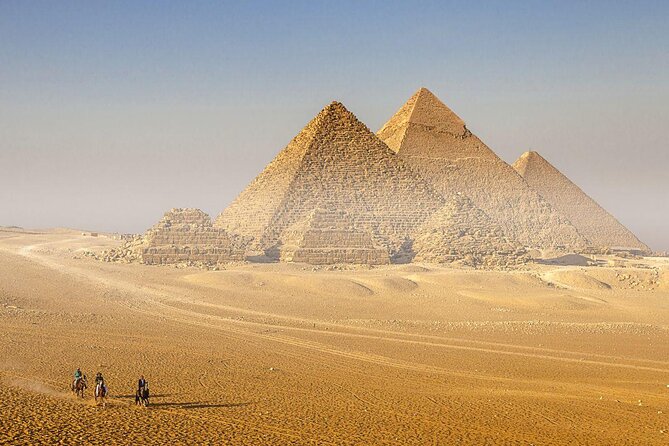
The Giza Plateau is where “legendary” stops being a word and starts being a feeling. Seeing the pyramids from ground level is one thing. Seeing them while crossing the plateau on a camel adds a different rhythm: slower, steadier, and oddly cinematic.
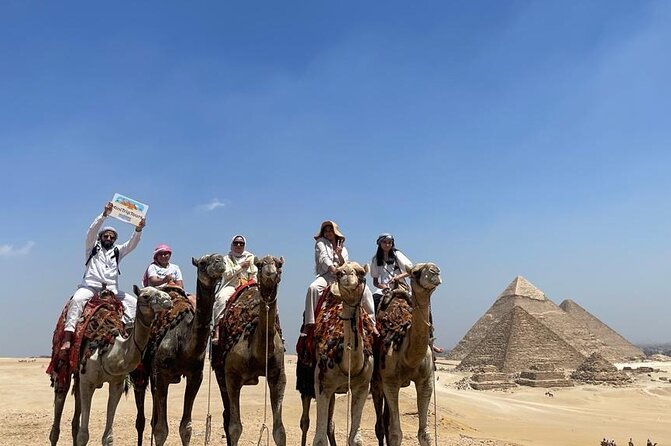
You’re scheduled for a camel ride as part of the first stop, with the ride described as 30 minutes. In the feedback that came with this experience, the camel ride has sometimes felt closer to 20 minutes, though it’s still described as very nice. So treat it as short and sweet, not long and leisurely.
What you should do to get the best outcome:
- Pick comfortable shoes you can walk in afterward. Camel time can leave your legs tired.
- Don’t plan to “rush” your photos. Take a moment to look up at the angles between the pyramids, because that’s where the scale hits hardest.
- If you care about exact photo timing, ask your guide where you’ll pause during the ride.
Also, you’ll have about 2 hours at Pyramids of Giza, and admission tickets are listed as free for this stop. That’s helpful because it keeps money and paperwork from adding stress to a day that already has a lot packed in.
Stop 2: Great Sphinx, 1 hour that can feel fast
The Great Sphinx is one of those monuments where your brain already has ideas about it before you even arrive. The guide’s job is to anchor you in what the Sphinx is, what people debate, and what you can actually observe right there in front of you.
You’re allotted about 1 hour, and admission is listed as free. The Sphinx is described as around 20 meters tall (66 feet), and it’s known for ongoing questions about its meaning, age, and original builder.
How to get more out of that hour:
- Spend the first few minutes just looking. The Sphinx rewards slow observation.
- Ask your guide what features you should notice. Even a small prompt can turn the Sphinx from a postcard into a visual puzzle.
- If you’re sensitive to crowds, plan to be patient during peak viewing times. The site is popular, and movement around viewpoints can be tight.

Stop 3: the temple area and the mummy preparation story
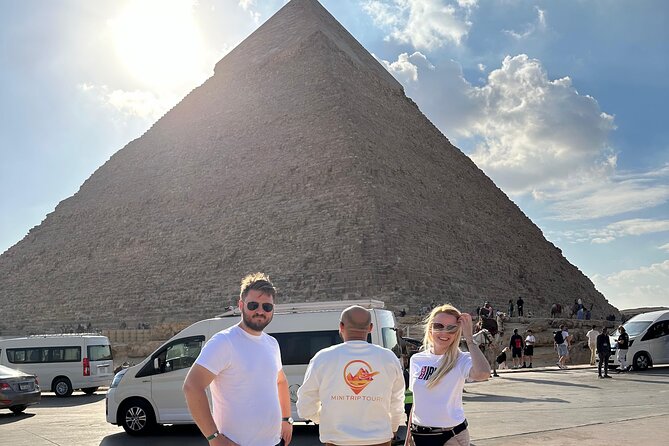
Stop 3 is described as a temple site connected to preparation rituals tied to the king’s mummy. The explanation given in the itinerary focuses on two roles: purification of the mummy before burial, and its connection to the mummification process.
This is one of the best parts of an Egyptologist-led day because it changes your experience from sightseeing to understanding. The pyramids and Sphinx are iconic. The temple story gives you a reason for their existence in the bigger worldview of ancient Egypt.
This stop is listed at about 1 hour, with admission again listed as free. You’ll likely get the best value if you don’t treat this as “just another stop.” It’s the place where your guide can tie details together, helping the whole site feel like one system rather than separate monuments.
If you’re someone who likes questions, this is also where you can ask them. The guide can usually point to what’s visible and what’s interpretation.
Stop 4: Khufu Boat, the Solar Boat Museum payoff
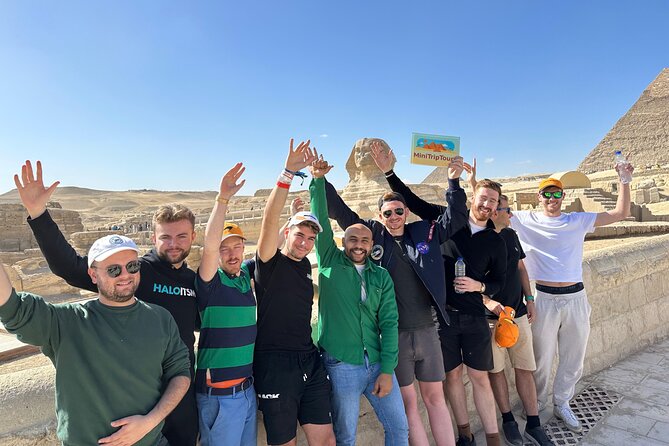
This is the stop that surprises people in a good way. Most first-time visits focus on the pyramids and the Sphinx, then the day ends. Here, you also get time at the Khufu Boat display in the Solar Boat Museum, described as located beside the Great Pyramid of Khufu.
The details you’re given matter, because they explain why the boat deserves attention:
- Khufu’s solar boat is described as the most spectacular among the Egyptian boats found
- It’s about 43.3 meters long and 45 tons in weight
- The museum is described as using modern techniques and technologies to help preserve it
You have about 1 hour here, and admission is listed as free.
Why I think this stop is smart value: it helps you see beyond the “monument category” of Giza. Ancient Egypt wasn’t only about stone buildings. It was also about craftsmanship, planning, and beliefs about the afterlife. A preserved boat display gives you that angle in a way that’s different from everything else on the plateau.
Stop 5: koshary lunch, and what to confirm before hunger hits
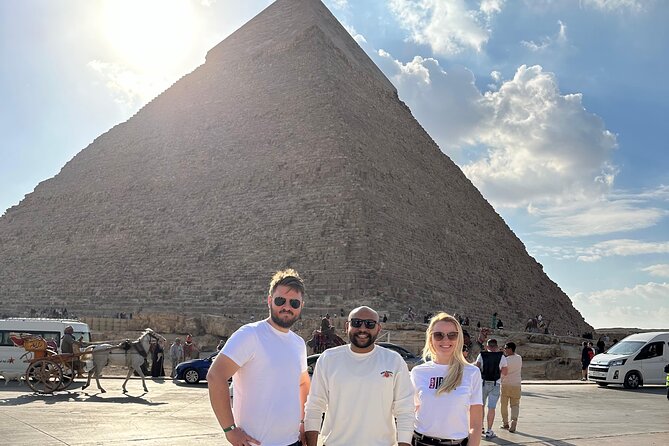
Koshary is Egypt’s national dish, and it’s widely popular as street food. It’s also exactly the kind of meal that feels “local” without being fussy. The itinerary lists a 1 hour lunch stop centered on koshary.
Here’s the practical consideration: the tour’s included items list mentions bottled water, private transportation, camel ride time, and an Egyptologist guide, plus fees and taxes. It does not explicitly list lunch in the included section you were provided. At the same time, the itinerary highlights koshary lunch as a planned end point, and at least one piece of feedback notes that lunch may not actually be provided despite the title language.
So do yourself a favor: before you go, confirm whether lunch is fully included in what you pay, and whether you’ll receive it as part of the tour or if you’ll be expected to cover it at the restaurant.
What you can do on your side:
- If lunch is important to you, ask for confirmation in writing or by message.
- If you have dietary needs, ask what’s possible since koshary ingredients can vary.
Either way, a sit-down meal after Giza is smart. Heat and walking add up. A 1-hour meal break can make the difference between a fun day and a tired blur.
Timing and pace: where the “half-day” label can mislead
The tour is presented as a half-day experience, but Giza timing is real. You’ll have transfers, walking, waiting, and the time needed for people to look, photograph, and listen. The schedule suggests a tight route with multiple 1-hour stops plus a longer first stop at the pyramids.
In the feedback associated with this experience, one concern that pops up is that the guide can feel like they’re pressing to finish quickly, even though the day is meant to be half day. Another related note is that the camel ride may be shorter than expected, and that lunch inclusion can be unclear.
None of this means the tour is bad. It just means you should go in ready to stay flexible. If you want a slower pace, tell your guide early in the day. Ask for time to linger at the Sphinx and around the best pyramid viewpoints. Private tours work best when you set expectations from the start.
Price and value: does $60 make sense?
At $60 per person, you’re paying for a package that includes:
- private transportation
- bottled water
- camel ride time
- qualified Egyptologist guide
- all fees and taxes
- admission tickets marked as free for the stops described
That’s a lot bundled for one day, which is why this price can look like a bargain. The value depends on whether the tour delivers what you expect on the two sensitive points: the length of the camel ride and whether lunch is truly included as part of the experience.
If you’re the type who wants a straightforward “icons plus story plus one meal,” this can be strong value. If you’re very strict about time on-site and you care deeply about guaranteed lunch, confirm those details ahead of time.
Also, private tours vary based on group size. The tour notes group discounts and that it’s private for your group, so your per-person cost can be impacted if you’re booking with others.
Who this tour fits best (and who might want a different plan)
This tour is a great fit if:
- you want Great Pyramids, Sphinx, and Khufu boat in one run
- you care about understanding what you’re seeing, not just snapping photos
- you prefer private transportation and an Egyptologist over self-guided wandering
- you’re traveling with limited time and want efficient coverage
It may be less ideal if:
- you need a slow, unstructured visit where you can linger for hours
- you’re relying on lunch being included with no questions asked
- you’re uncomfortable with a packed schedule that can feel like it moves along
If you’re traveling with kids, the shorter time blocks might actually help. Just remember the camel ride is limited, and the heat can still be rough.
Should you book MiniTripTours for this Giza day?
I’d lean yes, with one smart caveat. The structure is solid, and the highlights are exactly what most people want most: pyramids, Sphinx, and Khufu’s boat in the Solar Boat Museum, plus camel time and a koshary meal. The private transport angle also sounds like a real quality-of-life upgrade.
But before you book, message them to confirm two things:
- Is lunch of koshary actually included in your price, or is it just part of the itinerary?
- How long should I expect for the camel ride in practice?
If they confirm both clearly and you’re okay with a tight pace, this can be a satisfying Giza highlight day without turning into a stressful checklist. If either point matters a lot to you, adjust your expectations or look for an alternative that guarantees more time on-site.
Giza, A Few More Ways In
More of Cairo from our review pile
- Cairo: Djoser Pyramid & Memphis Private tour with transfers.
★ 4.0 · 14 reviews - White Desert Overnight Camping Sharing Tour in Egypt
★ 5.0 · 15 reviews - Cairo Best 2Days tour Pyramids, Saqqara & Old Cairo
★ 5.0 · 15 reviews - Monastery St Simon with Cave Church and Garbage City Private Tour
★ 5.0 · 15 reviews - Full-Day Tour to Giza Pyramids, Egyptian Museum & Khan Al-Khalili
★ 5.0 · 15 reviews - Private Walking Tour in ElMoez Street & Khan Elkhalili Market
★ 5.0 · 15 reviews
Giza Pyramids & Sphinx Tours, compared.
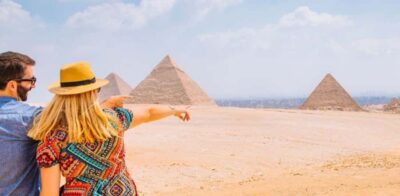 ★ 4.9Pyramids & Great Sphinx Private Tour with Camel RideFrom $486,335 reviews
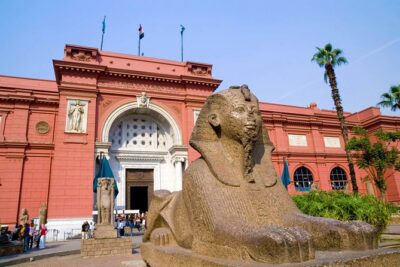 ★ 5.0Tour to Giza Pyramids and The Egyptian MuseumFrom $1556,016 reviews
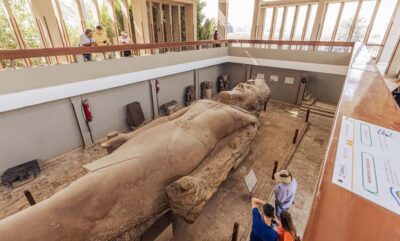 ★ 4.7Pyramids of Giza, Sphinx, Saqqara & Memphis TourFrom $903,110 reviews
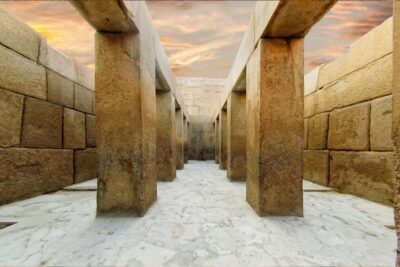 ★ 4.6Half-Day Tour to Pyramids of Giza and the SphinxFrom $502,891 reviews
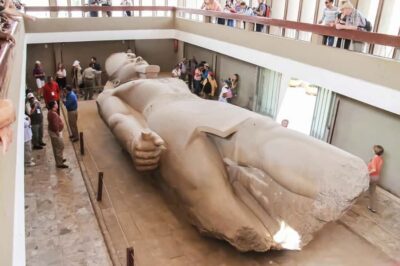 ★ 4.6Pyramids, Sakkara & Memphis Tour with LunchFrom $602,493 reviews
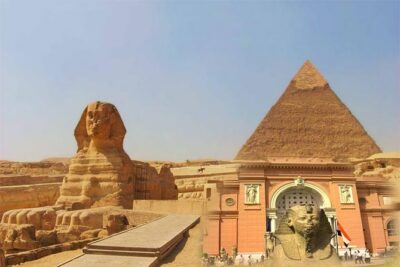 ★ 5.0Private ViP all-inclusive Giza Pyramids,Sphinx,Inside PyramidFrom $142,448 reviews
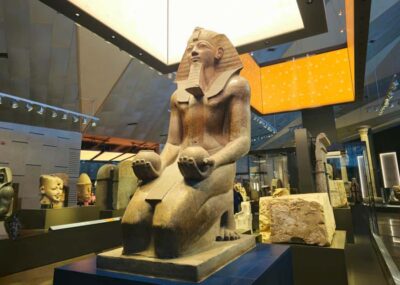 ★ 4.7Grand Egyptian Museum, Pyramids, Sphinx Tour & LunchFrom $892,282 reviews
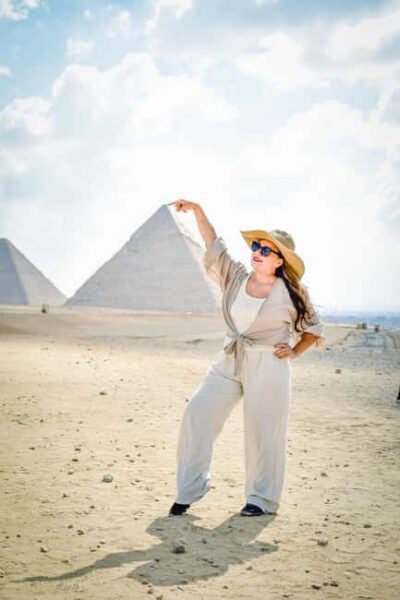 ★ 4.7Cairo Pyramids, Sphinx & Egyptian Museum Day TripFrom $932,271 reviews