
REVIEW · MOUNT SINAI & ST CATHERINE’S MONASTERY
Mount Sinai Climb And St Catherine Monastery From Sharm El Sheikh
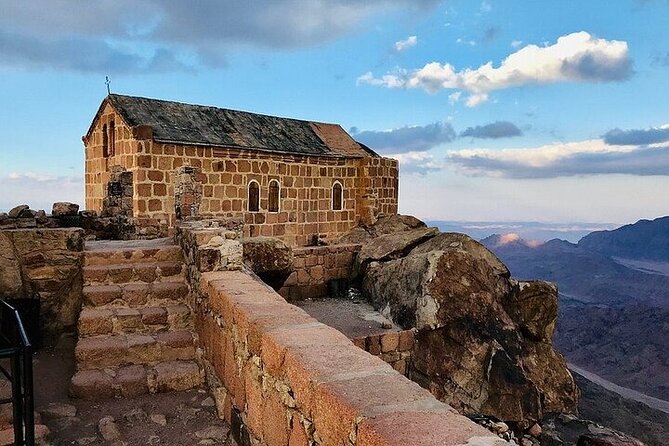
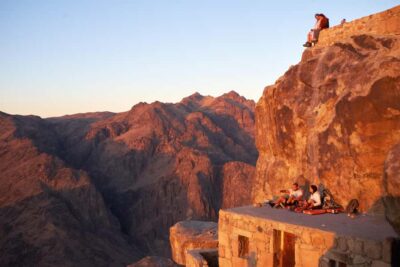
Mount Sinai at sunrise is the main event. You start in the dark, hike up to one of Egypt’s iconic peaks, and watch first light hit the mountain chapels and mosque before heading to the centuries-old St Catherine Monastery. St Catherine is the other big reason to go, with a stop centered on the Burning Bush tradition tied to Moses.
I love the mix of challenge and meaning here. You’ll climb for hours with handheld flashlights and guidance, then slow down to absorb the monastery’s atmosphere and religious art.
One drawback to plan for is the physical grind. This is not a casual walk, and the cold at the top can be brutal, so you’ll want solid shoes, warm layers, and realistic expectations about pacing.
In This Review
- Key Highlights You’ll Feel Immediately
- Mount Sinai Sunrise: Why You’re Really Doing This
- Sharm el Sheikh to Moses Mountain: The Overnight Transfer Rhythm
- The Climb at 02:00: Steps, Pace, and the Camel Decision
- Camel option: helpful, but read the fine point
- Cold reality: heavy layers are not optional
- Sunrise on the Summit: What You’ll Actually Experience
- Descending and the St Catherine Monastery Visit: More Than a Side Trip
- Guides on the Ground: Bedouin Support and Helpful Egyptologists
- Logistics That Matter: Group Size, Cash Fees, and Waiting in the Cold
- Group size can be bigger than advertised
- Entrance fee to Mount Sinai is cash-based
- What to Pack: My Mount Sinai Checklist (Based on Cold-Weather Feedback)
- Price and Value: Is $35 Reasonable for All This?
- Should You Book This Mount Sinai and St Catherine Tour?
- FAQ
- How long is the Mount Sinai climb and St Catherine visit?
- What time does the tour start and when will I be back?
- Is the Mount Sinai entrance fee included?
- What is included in the tour?
- Is there a camel option during the climb?
- What should I wear for the climb?
- Can I cancel if the weather is bad?
Key Highlights You’ll Feel Immediately
- Sunrise timing: you’re on the summit for first light, not just a view from afar
- Guided climb in the dark: torches or flashlights help you keep moving safely
- Camel option with a catch: you can ride most of the way, but the last section still requires walking
- St Catherine Monastery stops: you visit the Transfiguration Church plus key Moses-linked sites like the Burning Bush and Moses well
- Real-world group size: the tour may run with more people than the smallest-group promise you see
Other climbs to the summit and the monastery
- From Sharm: Mount Moses Trekking, Sunrise & Monastery Visit★ 4.2 · 698 reviews
- Sharm El Sheikh: Mount Sinai & St. Catherine Monastery Tour★ 4.2 · 237 reviews
- Mount Sinai Climb and St Catherine Tour from Sharm El Sheikh★ 4.0 · 71 reviews
- Sunrise at Mt.Sinai and St.Catherine monastery. Entrance included★ 4.5 · 64 reviews
Mount Sinai Sunrise: Why You’re Really Doing This
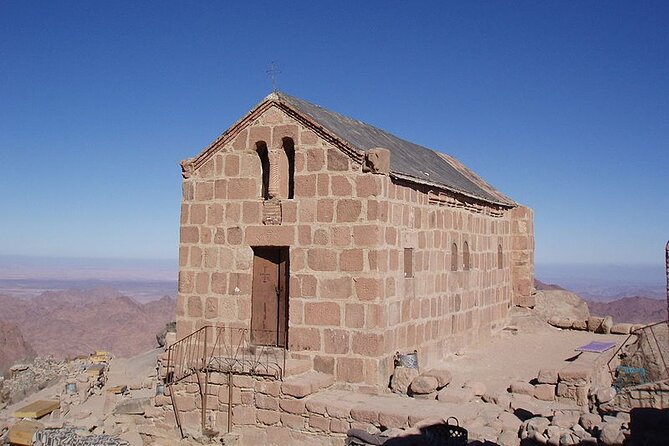
This trip is built around one moment: sunrise on Mount Sinai, when the mountain’s religious landmarks become visible and the whole climb feels worth it. The timing matters. Leaving at night means you get cool air and enough darkness for the hike to function like a focused task. Then you earn the view when the light finally breaks.
And it’s not just scenery for photos. The experience is designed to connect the physical effort with the religious story tied to Moses. On top, the morning atmosphere is often described as quiet and reverent, because you’re sharing that limited space with the other early hikers who also made the effort to be there.
Sharm el Sheikh to Moses Mountain: The Overnight Transfer Rhythm
You start late. Pickup is scheduled from Sharm el Sheikh hotels in the evening, around 19:30 to 21:00, then you transfer for about three hours to Moses Mountain. The tour’s total run is roughly 12 hours, and you’ll be back in Sharm el Sheikh around early afternoon.
Here’s the practical value of that schedule: it lets you do the hardest part before sunrise without burning a full day. It also means you’ll want to treat this like an overnight mission, not a normal morning excursion. If you arrive at Sharm and try this the same day, you’ll feel it. Plan on eating properly before pickup if you can, because once the hike is underway, you’ll be working on a tight timeline.
From a comfort perspective, the transport is described as air-conditioned, and you’ll also use a guided flow with rest opportunities on the way. Some people report being able to get a bit of sleep during the drives, which is a big deal when the climb starts around 02:00.
The Climb at 02:00: Steps, Pace, and the Camel Decision
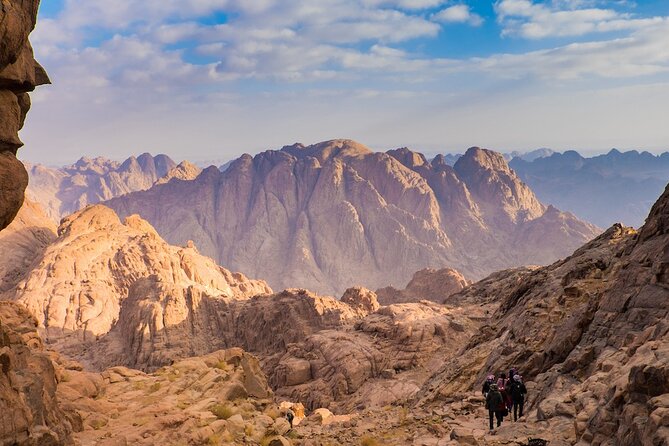
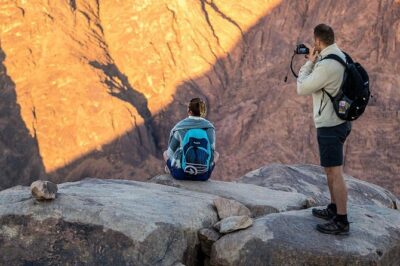
The climb starts around 2:00 am and is guided. You’re looking at about three hours up, with a route that includes long stretches and around 700 steps to reach the summit in time for sunrise.
The route isn’t usually described as extremely steep, but it is long. This matters because long efforts punish people who think they can power through with confidence only. Expect to use steady pacing and frequent small breaks, especially if you’re managing breathing and temperature in the dark.
Camel option: helpful, but read the fine point
There is an option to rent a camel to help you cover much of the ascent. The key detail is that the last part still requires walking: the final push includes about 750 steps to the top. So even if you ride, you still need strength for the end.
If you’re deciding whether to ride, I’d treat it as a way to save your legs for sunrise, not as a replacement for effort. Also remember that camel rides add variables: you may spend a bit more time near animals and waiting, and you’ll still need to handle footwear and the stone steps when you go on foot.
Cold reality: heavy layers are not optional
Multiple reviews emphasize the cold at the summit. One person described temperatures around 24 Fahrenheit, and others stressed hats, gloves, and layered jackets. I’d plan like it’s winter, because the mountain can feel colder than you expect when you’re standing still in the pre-dawn wind.
Also, you’re hiking in darkness. The tour includes a handheld flashlight, which helps. People also note that moonlight can be enough for visibility, but having your own warm headwear and gloves will matter more than whether you technically need the torch.
Sunrise on the Summit: What You’ll Actually Experience
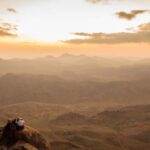
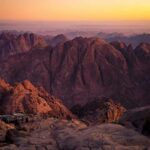
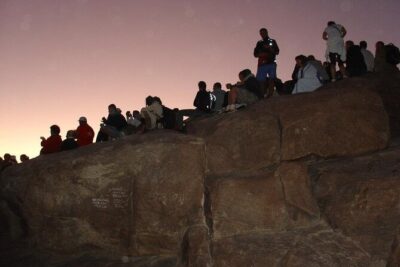
When you reach the top for sunrise, you’ll have a short window to take it in. The morning isn’t just about a view. You’ll be looking at the mountain’s religious landmarks and experiencing that rare moment where a tough climb turns into a calm pause.
That’s why this tour hits so hard for people: it combines effort with payoff. It’s common to hear comments like the sunrise being magical or totally worth the strain. The best part is that the meaning feels shared, not staged. Everyone got here the hard way.
One practical note: because the climb is timed for sunrise, you should be ready to move at a guided pace. A few reviews mention the pace being slightly faster than expected, though still manageable with rest stops. In other words, you won’t be wandering. You’ll be hiking with a plan.
Descending and the St Catherine Monastery Visit: More Than a Side Trip
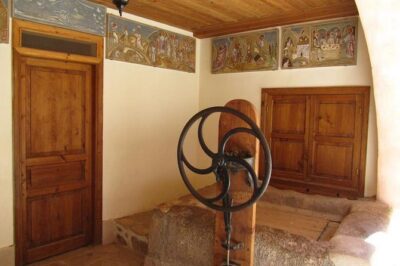
After you come down from Mount Sinai, you’ll meet your guide at the monastery gate and visit St Catherine’s complex. This part is where the trip shifts from physical intensity to slower exploring.
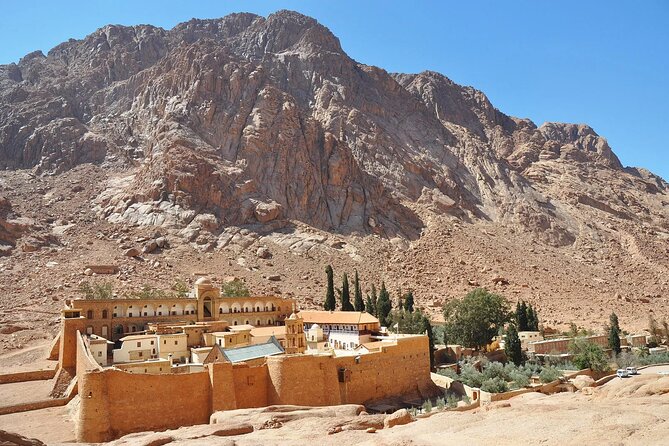
St Catherine Monastery is traditionally linked to the story of Moses, specifically the Burning Bush tradition. The tour focuses on a few highlights, including:
- The Transfiguration Church
- The Burning Bush site
- The well of the Prophet Moses
This is valuable because it gives you a structure for looking. Without context, big religious sites can feel like you’re just walking from room to room. Here, you’re guided toward the key references that shape why the monastery matters.
A fair consideration: time at the monastery can feel a bit short depending on what’s open during your visit. Some reviews report that certain monastery areas were closed at the time they went, which reduced time for exploring. So if you care a lot about walking every corridor and reading every detail, you may feel you want more hours than this tour provides.
Guides on the Ground: Bedouin Support and Helpful Egyptologists
The trip includes a qualified guide described as an Egyptologist, plus Bedouin guidance during the climb. That pairing makes sense. The Egyptologist helps you with the cultural and historical framing, while the local Bedouin guides focus on moving safely up and keeping the group together on a dark, step-heavy route.
Names show up in feedback often enough to be useful. Guide names that come up include Mahmoud for the mountain side and Saeed for the monastery portion. Not every group will have the same person, but those names are a clue that guides who know how to manage effort and attention can make a big difference.
If you’re prone to losing your rhythm, watch how the group moves. Some people describe the Bedouin guides as keeping everyone together and not leaving anyone behind. That’s a good sign for safety and pacing, especially if you’re trying to make it up without burning out.
Logistics That Matter: Group Size, Cash Fees, and Waiting in the Cold
Two details can shape your experience more than you’d think.
Group size can be bigger than advertised
The tour is described as a maximum of 15 travelers, but at least one review reports a group closer to 60. That means you should be prepared for busier queues, less personal attention, and more movement friction on the mountain.
I wouldn’t panic, but I would plan your expectations. If you hate crowds, this might not feel like a quiet private hike. You’ll still get sunrise and St Catherine, but the overall vibe may be busier.
Entrance fee to Mount Sinai is cash-based
Entrance fees for Mount Sinai are listed as 10€ per person, paid in cash. The monastery portion is described as free on the tour plan.
Because the fee is cash on site, I strongly suggest bringing the right amount in advance. Some complaints mention time lost during fee collection, so having the correct cash avoids awkward delays. It’s also just easier when your hands are full and you’re already managing cold and stairs.
What to Pack: My Mount Sinai Checklist (Based on Cold-Weather Feedback)
I’m going to be practical here. This tour is won or lost by what you wear and bring before you ever start climbing.
Wear
- Warm hat and gloves (you feel cold more on the steps than you expect)
- A heavy jacket or layered coat
- Sturdy hiking shoes with grip for stone steps
Bring
- Water and snacks. Rest stops sell food and drinks, but having your own boosts confidence and reduces decision stress at the wrong time
- A thermos for hot drinks if you can. People note hot drinks are helpful and mountain snack prices are more touristy
- Toilet paper. At least one review warns that toilets on the route from Sharm are limited or primitive, so having paper can save you frustration
- Your own small comfort items, like a spare pair of warm socks if you run cold
Optional comfort
- Camel blankets can be available for hire near the upper area. One review mentions blankets rented for a few dollars. Hygiene might be a question, so treat it as comfort, not something you fully rely on.
Also, if you’re carrying a backpack, keep it simple. You’ll be moving in the dark and you’ll want quick access to what you need.
Price and Value: Is $35 Reasonable for All This?
At $35 per person, this is priced like a budget way to do a big highlight: sunrise on Mount Sinai plus St Catherine Monastery, with round-trip transport from Sharm el Sheikh included.
The biggest “value math” points:
- You get transport, pickup and drop-off, and guided climbing plus monastery guidance.
- You also get a flashlight included, which helps with pre-dawn safety.
- The main extra cost is the Mount Sinai entrance fee, 10€ cash per person.
So your real out-of-pocket might be more like $35 plus the fee, depending on exchange rates. Even so, you’re paying mainly for transportation and the trained guidance that keeps you moving toward sunrise.
Is it perfect value? If you end up in a larger-than-expected group, you might feel the “package” side more than the “special experience” side. If you’re physically ready for the climb and you dress for the cold, then the value tends to land squarely where budget travelers want it.
Should You Book This Mount Sinai and St Catherine Tour?
Book it if you want a structured, high-impact morning with real purpose. This is ideal for people who:
- Can handle a long hike in the dark
- Want sunrise on Mount Sinai rather than just looking at it from a distance
- Care about visiting St Catherine’s key Moses-linked sites, including the Burning Bush tradition and the Transfiguration Church
- Prefer to do it as an organized day with pickup and a guided route
Skip or be cautious if you:
- Have limited mobility or know you struggle with long step climbs
- Get sick easily in cold or you don’t tolerate early starts well
- Hate crowds and want small-group hiking, since group size may not match the smallest limit you see
If you book, I’d treat it like a workout and a spiritual morning combined. Dress like it’s winter, carry cash for the Mount Sinai entrance fee, and plan for the fact that the summit is the reward and the monastery is the reflection.
FAQ
How long is the Mount Sinai climb and St Catherine visit?
The full tour is about 12 hours. The climb and timing are planned around reaching the summit for sunrise, and then you continue on to St Catherine before returning to Sharm el Sheikh.
What time does the tour start and when will I be back?
Pickup starts in the late evening from your Sharm el Sheikh hotel, typically around 19:30 to 21:00. The meeting point start time is 9:30 pm, and the tour is described as ending around 14:00.
Is the Mount Sinai entrance fee included?
No. The Mount Sinai entrance fee is listed as 10€ per person and is paid cash.
What is included in the tour?
Included items are air-conditioned transport with hotel pick-up and drop-off, Mount Sinai and St Catherine Monastery, a qualified Egyptologist guide, Bedouin guide during the climb, and a handheld flashlight.
Is there a camel option during the climb?
There is an option to ride a camel most of the way, but you still need to walk the final section with about 750 steps to reach the top.
What should I wear for the climb?
The tour operates in all weather conditions. You should dress warmly for cold temperatures at the top, including items like a jacket, gloves, and a hat.
Can I cancel if the weather is bad?
Yes. The experience requires good weather, and if it is canceled due to poor weather, you’ll be offered another date or a full refund. Free cancellation is available up to 24 hours in advance for a full refund.
Mount Sinai and St Catherine
More of Sharm el Sheikh from our review pile
- Sharm El Sheikh: King Tut Exhibition Audio Tour
★ 4.0 · 25 reviews - Sharm El-Sheikh: Royal Seascope Submarine cruise in with pickup
★ 4.0 · 26 reviews - Quad Bike in Sharm El Sheikh Desert
★ 4.5 · 26 reviews - ATV horse stargazing
★ 5.0 · 26 reviews - Sharm: Pirates Sailing Boat cruise with transfers & lunch
★ 4.4 · 26 reviews - Sharm El Sheikh: ATV Desert Stargazing Adventure with BBQ Dinner
★ 4.5 · 27 reviews
Mount Sinai & St Catherine’s Monastery, compared.
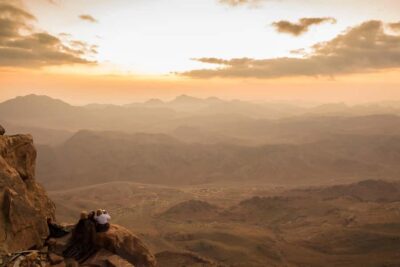 ★ 4.2Mount Moses Trekking, Sunrise & Monastery VisitFrom $50698 reviews
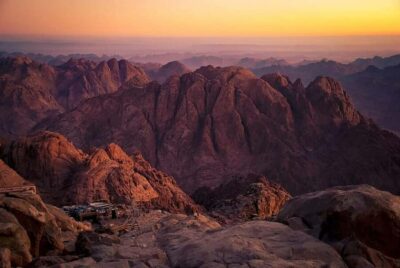 ★ 4.2Mount Sinai & St. Catherine Monastery TourFrom $39237 reviews
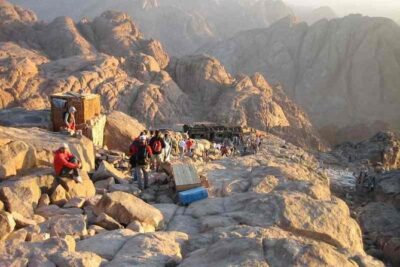 ★ 4.0Mount Sinai Climb and St Catherine Tour from Sharm El SheikhFrom $6071 reviews
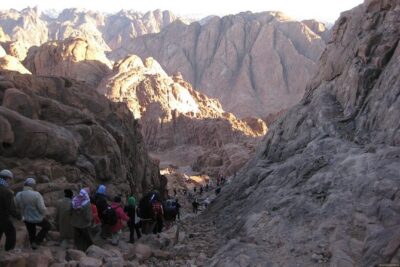 ★ 4.5Sunrise at Mt.Sinai and St.Catherine monastery. Entrance includedFrom $4864 reviews
 ★ 4.1Mount Sinai & St. Catherine’s MonasteryFrom $5158 reviews
 ★ 5.0St Catherine Monastery Private Tour From Sharm El SheikhFrom $14755 reviews
 ★ 5.0Mount Sinai & St.Catherine MonasteryFrom $17039 reviews
 ★ 4.5Excursion to Mosesberg and Kathrinen Monastery from Sharm el SheikhFrom $3235 reviews
The lists this one sits on