
REVIEW · GIZA PYRAMIDS & SPHINX TOURS
Grand Egyptian Museum the GEM tour and Giza Pyramids
A new museum in Egypt feels like time travel. This private day pairs the still-in-soft-opening Grand Egyptian Museum with the Giza Pyramids and Sphinx, so you get both ends of the story in one 8-hour stretch. I especially like the fact that pickup and drop-off are door-to-door, which matters a lot in Cairo traffic.
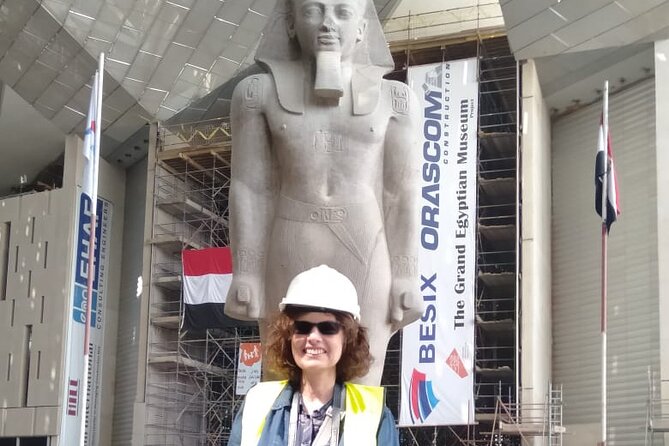
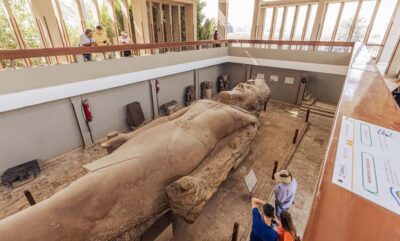
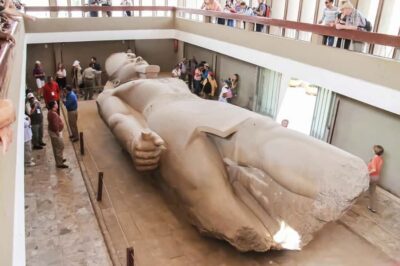
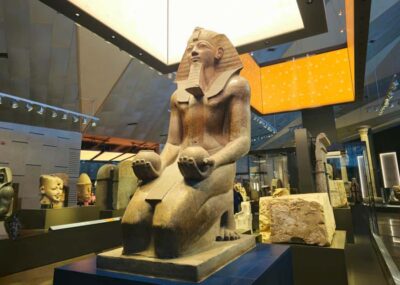
I love the museum-first approach, because you start with the big wow factor: Ramses II’s colossal presence near the sacred lake, plus the grand staircase and a set of pharaonic halls laid out for real flow. You also get a chance to learn the context instead of just walking past labels.
One possible snag to plan for: entrance tickets are not included, and the tour notes that Tutankhamun exhibits are not yet open in the areas covered. That is still totally workable, just confirm what is accessible on your date so you are not chasing a closed gallery.
In This Review
- Key things to know before you go
- A new museum day, then the ancient wonders of Giza
- Entering the Grand Egyptian Museum: Ramses II, the grand staircase, and the open halls
- The GEM reality check: what you should and should not expect
- Giza Pyramids stop: Khufu, Kefren, Mycerinos, and the Valley Temple
- Seeing the Great Sphinx the right way: guard, not just backdrop
- Lunch at a local restaurant: keep it simple and plan your return
- Timing and logistics: how you avoid wasting your one day
- Private tour perks: flexibility is the real luxury
- Price and value: what $60 buys you, and what it does not
- Who this GEM and Giza combo is best for
- Should you book this GEM and Giza tour?
- FAQ
- Are entrance tickets included for the GEM and Giza?
- How long is the full tour?
- Do they pick you up from your hotel?
- Is the tour private?
- Is there a vegetarian lunch option?
- Is free cancellation available?
Key things to know before you go
- Soft opening access at the Grand Egyptian Museum: you see major sections before the museum is fully ramped up.
- Ramses II on the sacred lake plus the museum’s grand staircase of statues arranged chronologically.
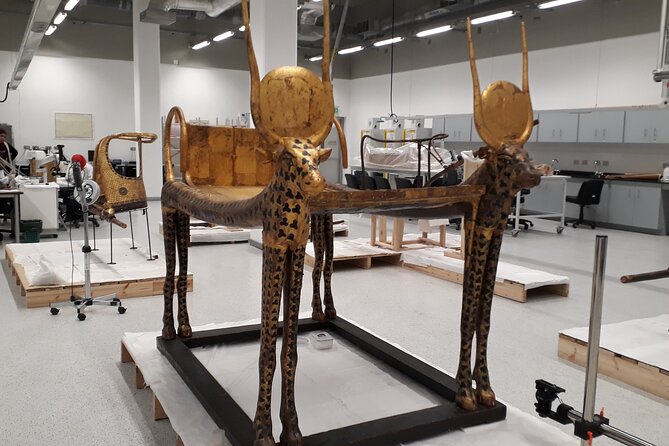
- 12 pharaonic halls are part of the visit, while Tutankhamun galleries may not be open yet.
- Giza focus is clear: Great Pyramid of Khufu, plus Kefren and Mycerinos, and the Sphinx.
- Private pickup and drop-off across Cairo or Giza saves time and stress.
- Lunch is built in at a local restaurant, and a vegetarian option is available if you ask ahead.
Ways onto the Giza plateau, compared
- Private guided tour to Giza Pyramids, and Great Sphinx★ 5.0 · 1,755 reviews
- VIP Giza Pyramids,Sphinx,ATV bike,CamelRide,Shopping&DinnerCruise★ 5.0 · 704 reviews
- From Hurghada: Pyramids and Egyptian Museum Tour & Boat Ride★ 4.4 · 381 reviews
- Private Tour to explore Giza Pyramids – Saqqara -Memphis★ 5.0 · 294 reviews
A new museum day, then the ancient wonders of Giza
This is the kind of trip combo that makes sense. You start at the Grand Egyptian Museum first, when your brain is fresh and your day is not yet heat-soaked and schedule-stretched. Then you move to Giza for the big outdoor set pieces: the Great Pyramid of Khufu, the Sphinx, and the other pyramids in the complex.
What makes it feel more than just a checklist is the guide style. In the many accounts shared about this tour, guides like Mahmoud, Azmy Salama (and also Azny Salama in one report), and Ayman are praised for being safe and patient, and for turning stone-and-statuary into a clear narrative. If you get one of those guides, you’ll likely spend more time understanding what you are looking at, not just taking photos.
The other practical win is logistics. Cairo can be chaotic. A private air-conditioned vehicle, door-to-door pickup and drop-off, and a plan that keeps you moving without added hassle are not flashy, but they are a big deal when you only have one day.
Entering the Grand Egyptian Museum: Ramses II, the grand staircase, and the open halls
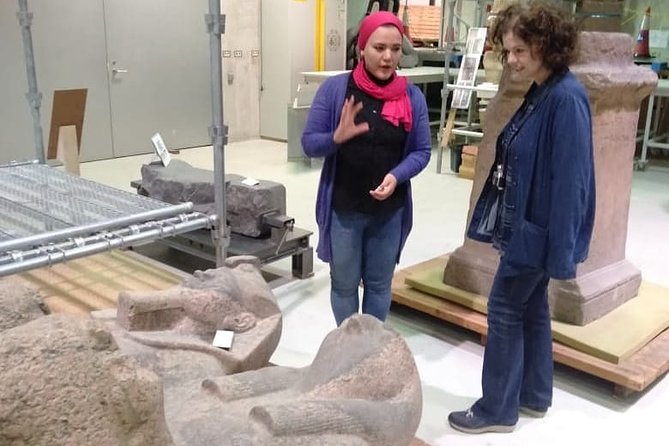
The Grand Egyptian Museum is still in soft opening mode, which actually works in your favor. You get early access to the big, newly presented areas and a tour pacing that feels more like a guided orientation than a sprint through crowds.
Your museum start is anchored by the major focal points. You’ll be guided to see the colossal statue of Ramses II near the sacred lake area. Even if you already know Egyptian mythology and dynasties, it is a powerful way to get oriented because the museum is designed around scale and story.
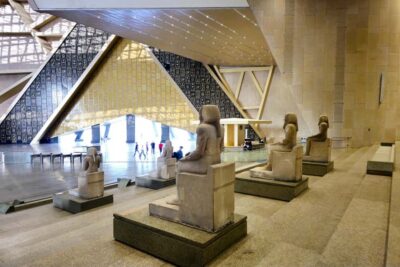
Next comes the grand staircase, where you can spend real time looking at the display rhythm. The museum’s staircase area is described as showing hundreds of statues and elements arranged in a chronological way. That matters, because it helps you connect art styles to time periods rather than treating everything as one museum blur.
After the staircase, you move into the pharaonic halls. The tour coverage is described as 12 halls, while Tutankhamun exhibits are not yet open in the sections included. So if Tut is your single priority, you should treat this as a strong general GEM tour and not assume every Tut display is included.
A helpful note from the experiences shared: some visitors were able to see particularly famous Tut-related items, including mentions of Tut’s sarcophagus. Since the museum is still opening and access can change, the smartest move is simple: ask your guide what is open on your date, then build your must-sees around that.
The GEM reality check: what you should and should not expect
Because the GEM is new and still settling into its full schedule, you should go in with flexible expectations. The big benefit is you are seeing major galleries during a phase when the layout and access can feel fresh and less overwhelming.
The main thing to double-check is your priority list. This tour includes the museum’s key features such as Ramses II, the grand staircase, and the 12 pharaonic halls. It does not promise the full Tutankhamun experience if those exhibits are still closed in your visit window.
If you are the type who wants everything, you might find yourself doing a second visit later, just to mop up what is newly opened. If you are more into understanding the Egyptians through art, royals, and timelines, you will likely be happy with what this tour covers.
Also, ticketing is separate. Entrance tickets are not included. That is common for museums and sites, but it does affect value. If you budget for those tickets at booking time, the day stays smooth.
Giza Pyramids stop: Khufu, Kefren, Mycerinos, and the Valley Temple
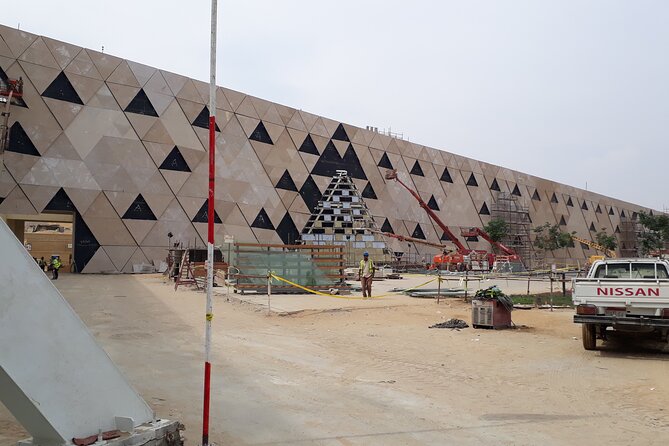
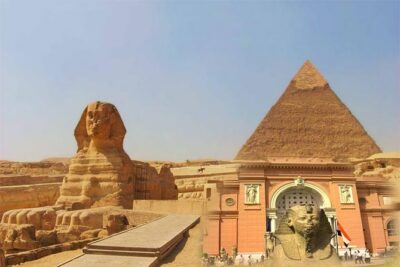
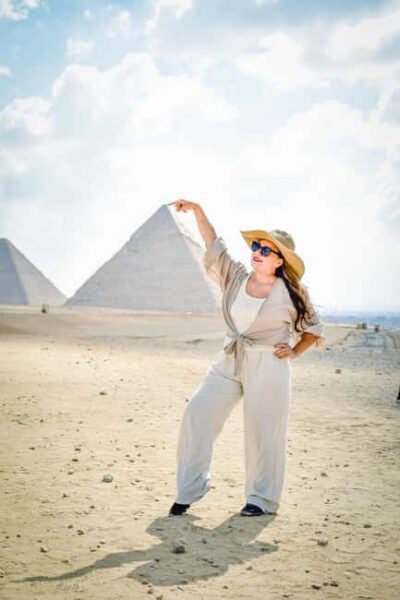
After the museum, you move to Giza, and the pace shifts from indoor galleries to open-air monuments. Here, the tour focuses on the most iconic group: the Great Pyramid of Khufu, plus the pyramid of Kefren and the pyramid of Mycerinos. You also get the broader context of the 9 pyramids of Giza and related structures.
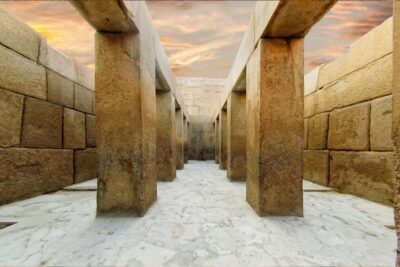
The itinerary also includes the Valley Temple of King Kafrea. That is a smart addition because it helps you see that the pyramid story is not just about one giant shape. Temples and processional spaces mattered, too. Even if you only spend limited time on those details, a guide can point out why those spots connect to ancient Egyptian belief and royal rituals.
The stop is described as about 4 hours for the Giza portion, not counting lunch and travel time. In that time, you want to have your goals ready. For most people, that means getting a clear first look at the Great Pyramid, then moving on with the guide’s order so you are not zig-zagging through the site like you’re lost.
The heat is real, and wind can be tricky, so bring a hat and water. Bottled water is included on the tour, which is a small thing that turns into a big comfort when you are standing in the open.
Return trips to the Tahrir collection
Seeing the Great Sphinx the right way: guard, not just backdrop
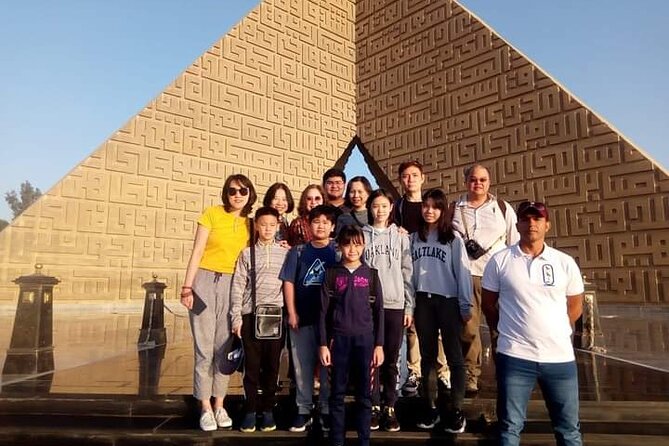
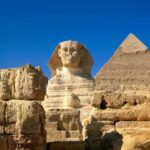
The Great Sphinx is included in the plan, described as the lion body with a human head, guarding the pyramids. That framing helps. If you treat the Sphinx as a photo prop, you will miss the point.
A good guide will connect it to the broader Giza complex and explain why this figure matters in the visual language of the site. The Sphinx is also a relief from pure pyramid geometry. It gives you something to read in terms of face, posture, and symbolic meaning.
One practical tip: don’t spend all your time with your phone camera raised. Spend a few minutes lowering it and letting your eyes adjust. You’ll notice more detail when you give yourself time, and it makes the Sphinx feel less like a flat icon and more like a huge object occupying real space.
Lunch at a local restaurant: keep it simple and plan your return
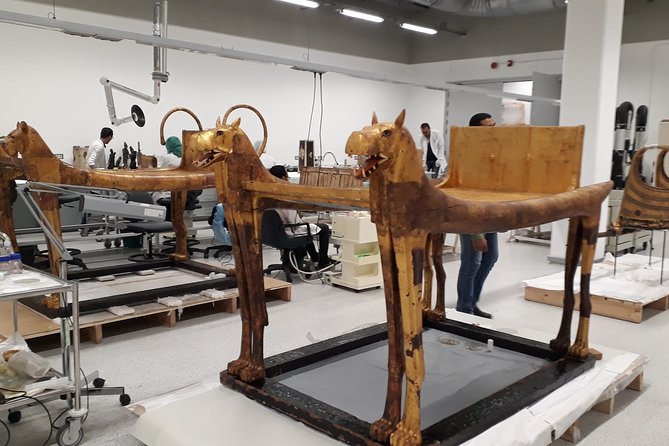
Between the pyramids and the museum timing, lunch lands at a local restaurant. The tour also notes a vegetarian option if you advise ahead of time.
That matters because Cairo dining can be wonderful, but it can also throw curveballs if you wait until the last minute with food preferences. If you tell the operator you want vegetarian, you reduce the odds of awkward last-minute substitutions.
Try to eat like you’re going to keep walking after. Not because you need to be energetic, but because the day still continues. Then when you head back, you’re not stuck feeling too full and too overheated.
Timing and logistics: how you avoid wasting your one day
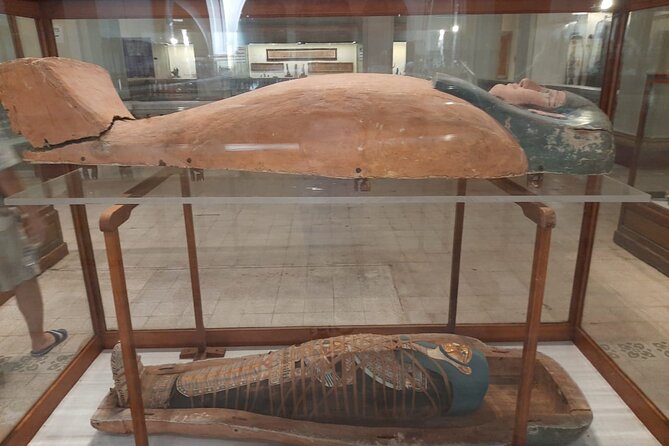
This day tour runs for about 8 hours total, with the museum portion and Giza portion each taking roughly 4 hours. The exact flow depends on traffic and on how quickly you move through each site, but private tours like this typically keep you from losing time to group delays.
One reason people like this format is how it handles Cairo traffic. Private vehicle transport is included, and the guides are described as professional and safe. That matters because the city is not only crowded, it is also unpredictable. When you have a plan and a driver who knows how to get you back on schedule, your day feels calmer.
You also get hotel pickup and drop-off, and the tour notes that you can be picked up and dropped at a location of your choice in Cairo or Giza. If you are staying outside the densest areas, this flexibility can be the difference between a smooth day and a frustrating one.
Finally, you receive a mobile ticket. That helps reduce last-minute paper chasing, especially on a day where you may need to move quickly between sites.
Private tour perks: flexibility is the real luxury
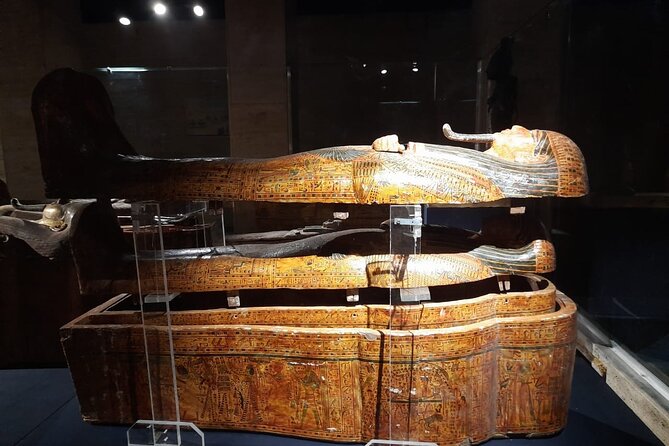
The tour is private, meaning only your group will participate. On paper that sounds like it just means quieter photos. In practice, it changes how the day feels.
I like private tours for two reasons in places like Egypt. First, you can pace your interest level. If pyramids are your top goal, your guide can spend more time on the Giza complex details you care about. If the museum is your priority, you can linger on statues and galleries without someone else’s countdown steering the visit.
Second, you can ask practical questions without feeling rushed. The guides praised here, including Mahmoud and Azmy Salama, are specifically described as friendly, patient, and able to tailor the tour. One guide experience mentions taking extra time and effort and even adjusting the day plan to what visitors wanted to see.
So if you want a smoother day, private format is not just comfort. It is control.
Price and value: what $60 buys you, and what it does not
The price listed is $60 per person. That is reasonable for a private door-to-door day with private transport, bottled water, and museum and site guidance.
But the big value math comes down to what is included versus excluded. Entrance tickets are not included, and that is clearly stated. So your all-in cost will depend on ticket prices at the GEM and Giza sites for your date.
Still, even with extra tickets, this can be good value because you are paying for:
- private air-conditioned transport through Cairo traffic,
- pickup and drop-off at your chosen location,
- and a guide who helps you make sense of what you are seeing.
If you are traveling solo, this often beats trying to manage multiple taxi rides plus complicated timing. If you are a couple, it can also be a strong deal compared with cobbling together separate tours for museum plus Giza.
One more value note: this tour is often booked around 22 days in advance on average. That suggests people like having an organized plan for the GEM timing and the Giza daylight window.
Who this GEM and Giza combo is best for
This tour fits best if you:
- want two major Cairo-area icons in one day (Giza plus the GEM),
- like guided context, especially around royal history and museum displays,
- and prefer a private plan over hopping on and off shared transport.
It is especially sensible for solo travelers, since comfort and safety feel central in the guide praise shared. It is also a good match for couples and families who want a calmer logistics experience and a guide who can adjust to your interests.
If you are the kind of visitor who wants to wander independently for hours on end, you might feel constrained by a planned day. But if you want that one-day “I saw the essentials and understood them” feeling, this format is built for you.
Should you book this GEM and Giza tour?
I would book it if your goal is simple: get early access to the Grand Egyptian Museum sections that are open now, then see the Great Pyramid complex and the Sphinx with guidance that turns monuments into meaning.
Book it with a little realism, though. Confirm what is open at the GEM related to Tutankhamun, because the tour coverage notes that those exhibits are not yet open in the included areas. Also budget separately for entrance tickets.
If those two points fit your expectations, this is a strong one-day value play: private transport, door-to-door convenience, bottled water, a guided museum experience, and a clear Giza focus on Khufu and the surrounding giants.
FAQ
Are entrance tickets included for the GEM and Giza?
No. The tour includes transport, bottled water, and hotel pickup and drop-off, but it states that entrance tickets are not included.
How long is the full tour?
The tour runs for about 8 hours total, with the GEM portion and the Giza pyramids portion each listed as about 4 hours.
Do they pick you up from your hotel?
Yes. The tour offers hotel pickup and drop-off, and it notes that pickup and drop-off can be arranged at a location of your choice in Cairo or Giza.
Is the tour private?
Yes. The tour is listed as private, and only your group will participate.
Is there a vegetarian lunch option?
Yes. A vegetarian option is available, and you should advise at the time of booking if you need it.
Is free cancellation available?
Yes. Free cancellation is offered if you cancel up to 24 hours in advance for a full refund.
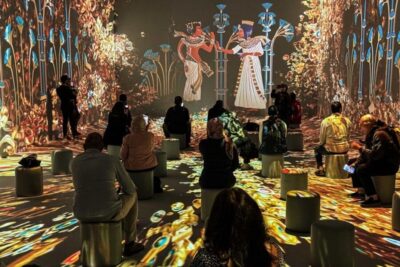
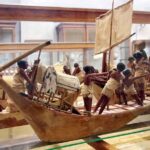
Inside the Grand Egyptian Museum



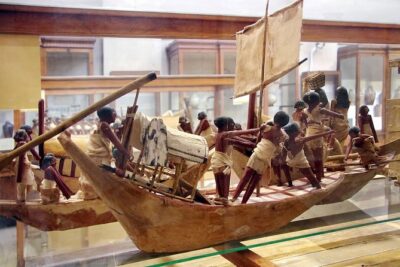
Back at the Tahrir Museum
Giza, A Few More Ways In



More of Giza from our review pile
- Private half Day Tour to the Great 3 Pyramids of Egypt
★ 5.0 · 15 reviews - Elite Boats Tour in Cairo & Giza with Drinks Included
★ 4.5 · 15 reviews - Civilization Museum, Citadel and Old Cairo- Private Tour
★ 5.0 · 15 reviews - Private Half-Day Tour to City of the Dead and Mosque of Ibn Tulun in Cairo
★ 4.0 · 15 reviews - Full Day Tour to Explore Giza pyramids , Sakkara , Sphinx and Memphis
★ 5.0 · 15 reviews - Day Tour at The Egyptian Museum,Saladin Citadel and Khan El Khalili Bazaar
★ 5.0 · 15 reviews
Giza Pyramids & Sphinx Tours, compared.
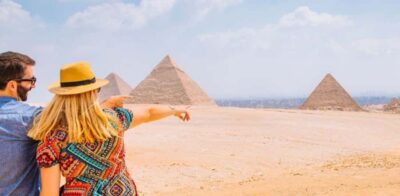 ★ 4.9Pyramids & Great Sphinx Private Tour with Camel RideFrom $486,335 reviews
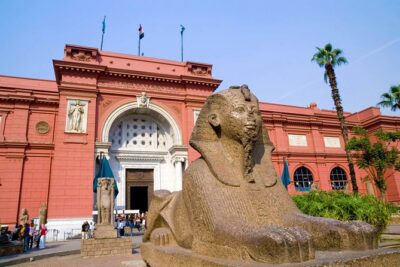 ★ 5.0Tour to Giza Pyramids and The Egyptian MuseumFrom $1556,016 reviews
 ★ 4.7Pyramids of Giza, Sphinx, Saqqara & Memphis TourFrom $903,110 reviews
 ★ 4.6Half-Day Tour to Pyramids of Giza and the SphinxFrom $502,891 reviews
 ★ 4.6Pyramids, Sakkara & Memphis Tour with LunchFrom $602,493 reviews
 ★ 5.0Private ViP all-inclusive Giza Pyramids,Sphinx,Inside PyramidFrom $142,448 reviews
 ★ 4.7Grand Egyptian Museum, Pyramids, Sphinx Tour & LunchFrom $892,282 reviews
 ★ 4.7Cairo Pyramids, Sphinx & Egyptian Museum Day TripFrom $932,271 reviews
The lists this one sits on