
REVIEW · GIZA PYRAMIDS & SPHINX TOURS
Giza Pyramids and The Sphinx Walking Tour
Pyramids feel close when the plan is good. This Giza walking tour pairs a qualified Egyptologist with a professional photographer guide style, so you do not just see the Great Pyramids and Sphinx, you also learn where to stand for the best shots. The route keeps things simple and walkable, with a small group vibe that makes the history easier to follow.
What I like most is how Sherif Abd Elhameed brings the sites to life, with energy, clear explanations, and a photography-first approach. Second, the tour keeps groups to 20 people max, which means you are not fighting for a view or getting lost in the crowd.
The one real consideration is that entrance fees are not included, so you will want to budget for tickets on top of the $28 price.
In This Review
- Key things that make this Giza tour worth it
- Your 3-hour Giza plan, built for real looking
- What you will actually cover
- Starting at the Giza Pyramids Ticket Office (8:00 am)
- Great Pyramids of Giza, Cheops to Mykerinos
- Why it helps to have a guide here
- A photo note you can use right away
- Valley Temple of King Chephren: the calmer, meaningful stop
- What to expect in the Valley Temple area
- The Sphinx: where “guardian” turns into a photo problem
- Best part: guided viewpoint choices
- Price and value: $28 is only the start
- Why the guide component can be worth it
- Group size, energy, and how not to feel rushed
- Who this tour is best for
- What to bring, so the 3 hours feel easy
- FAQ
- FAQ
- How much does the Giza Pyramids and The Sphinx Walking Tour cost?
- How long is the tour?
- What is included in the tour price?
- Are entrance fees to the Giza pyramids area included?
- Where does the tour start?
- What time does the tour start?
- How big are the groups?
- Are snacks included?
- Is it suitable for most travelers?
- What is the cancellation policy?
- Should you book this Giza Pyramids and Sphinx walking tour?
Key things that make this Giza tour worth it
- Egyptologist-led explanations, tied directly to what you are looking at in front of you
- Photo angles built into the walk, not an afterthought
- A small group cap (20 travelers), which helps with flow and attention
- Walking distance between major stops, so you spend less time figuring out logistics
- Sherif Abd Elhameed’s dual focus on history and practical photography
Ways onto the Giza plateau, compared
- Private guided tour to Giza Pyramids, and Great Sphinx★ 5.0 · 1,755 reviews
- VIP Giza Pyramids,Sphinx,ATV bike,CamelRide,Shopping&DinnerCruise★ 5.0 · 704 reviews
- From Hurghada: Pyramids and Egyptian Museum Tour & Boat Ride★ 4.4 · 381 reviews
- Private Tour to explore Giza Pyramids – Saqqara -Memphis★ 5.0 · 294 reviews
Your 3-hour Giza plan, built for real looking
Giza can overwhelm you fast. You step into a huge, famous landscape and your brain wants to sprint from one viewpoint to the next. This tour works differently. You still get the big three, but you do it at a pace that gives your eyes time to adjust and your guide time to point out what matters.
The “own pace, guided” style is useful here because each visitor sees something different depending on where you stop. With Sherif Abd Elhameed guiding, you are not just walking between monuments. You are getting context for Cheops, Chephren, and Mykerinos, then connecting those names to the Valley Temple and the Sphinx nearby.
And yes, the photo help is real. The guide talks through the best places and angles as you move, so you are not standing in the wrong spot hoping your camera fixes the composition.
What you will actually cover
In about 3 hours, you will see:
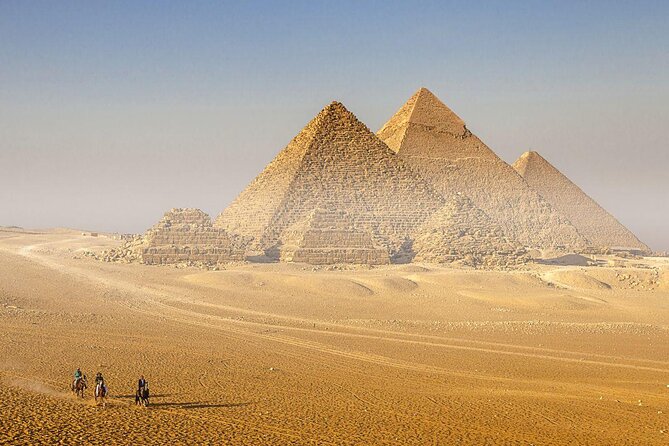
- The Great Pyramids of Giza, including Cheops, Chephren, and Mykerinos
- The Valley Temple, connected to King Chephren
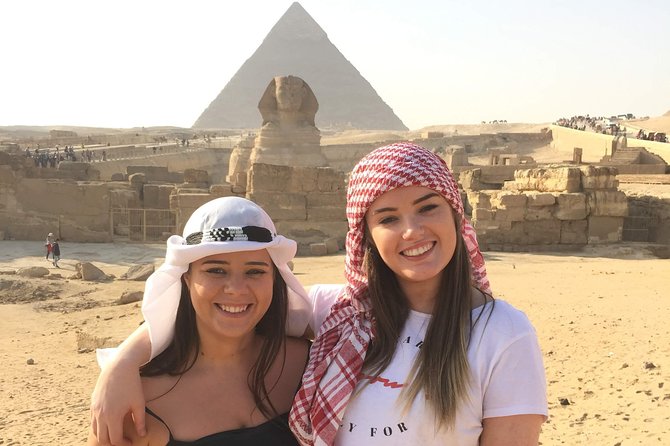
- The Sphinx, described here as the lion-bodied guardian with the head of King Chephren
That is a lot of “headline” history in a short window, but it stays manageable because everything is within walking distance.
Starting at the Giza Pyramids Ticket Office (8:00 am)
The meeting point is the Giza Pyramids Ticket office, listed as X4GR+589, Al Haram, Giza Governorate 3512201, Egypt. The start time is 8:00 am, and the tour ends back at the meeting point.
This matters more than it sounds. Starting early helps you beat the worst heat and reduces the “everyone is arriving at once” feeling. Also, ending at the same point keeps you from having to sort out how to get back, especially if you are using public transportation.
If you are the kind of traveler who likes a clean start, this format is friendly. You meet, you go, you return. No complicated handoffs.
Great Pyramids of Giza, Cheops to Mykerinos
This is where the tour earns its keep. The Great Pyramids are the main event, but they can also be visually confusing if you do not know what you are seeing.
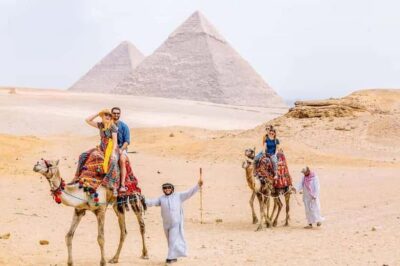
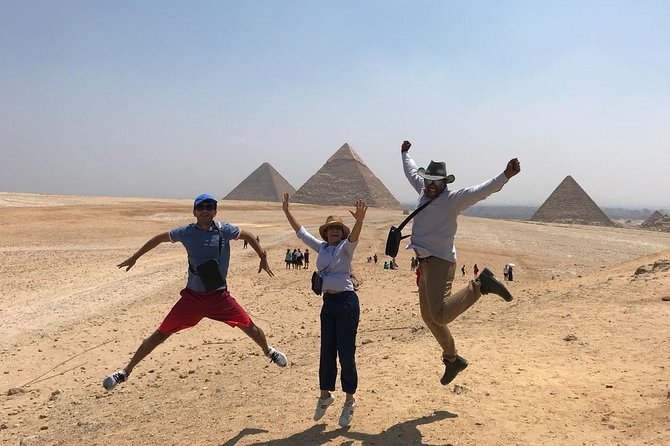
You begin with the Great Pyramids of Giza: Cheops, Chephren, and Mykerinos. Your guide helps you connect each pyramid to its place in the bigger story. That is useful because these monuments are not just “big triangles in the desert.” They have different scale and presence, and understanding the names makes the site feel less like a postcard and more like a place with purpose.
Why it helps to have a guide here
At Giza, the best views come from specific angles and distances. If you just rush up, you tend to get one flat shot that looks okay but does not show the grandeur. With Sherif Abd Elhameed acting as your Egyptologist and photo-focused guide, you get practical direction on where to stand.
The added value is the “why.” When you hear what the guide thinks you should notice, you start looking for it. That changes the whole experience.
A photo note you can use right away
The guide’s photography tips are not about fancy gear. They are about positioning and timing. If you are holding a phone, you still benefit because the angle tells the story. You will likely find yourself moving a step or two more than you planned, but it usually results in a much cleaner pyramid silhouette.
Valley Temple of King Chephren: the calmer, meaningful stop
After the pyramids, the tour shifts to the Valley Temple, described as the place where priests mummified the dead body of King Chephren.
This stop is important because it gives you more than scenery. The pyramids get the spotlight, but the Valley Temple connects the monuments to how funerary practices worked. Even if you only catch a few key points, it helps you understand that Giza was not random construction. It was part of a planned religious and royal system.
What to expect in the Valley Temple area
You are not just doing a quick glance. You get a close look and an explanation that ties the location to the story of Chephren. Compared to the big pyramid views, this area can feel more intimate and less “shock and awe.” That can be a relief if you are the type who likes your history with breathing room.
One practical tip: wear comfortable shoes. Temples and temple-adjacent areas often involve uneven ground and lots of walking between viewpoints. If you take your time here, you will enjoy it more.
The Sphinx: where “guardian” turns into a photo problem
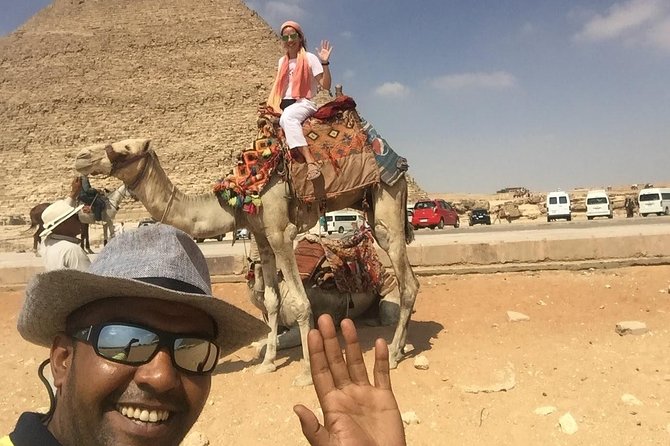
Then comes the Sphinx. The tour frames it as the legendary guardian standing by the huge funeral complex, with the lion body and the head of King Chephren.
The Sphinx is one of those sights that everyone thinks they understand until they try to photograph it. Up close, it can feel too big for your frame. From far away, it can look smaller than you remember. This is exactly where the guide’s photo guidance pays off.
Best part: guided viewpoint choices
You will have help finding strong angles. The guide makes sure you are in the right place for your photos, which also means you see the monument more thoughtfully. Instead of staring for 10 minutes and guessing, you are following a plan.
Sherif Abd Elhameed’s style, as described by guests, is energetic and highly engaging. That kind of delivery works well at the Sphinx because people often get stuck in silent awe. Instead, you get prompts that turn your attention from “wow” into “I get it.”
Price and value: $28 is only the start
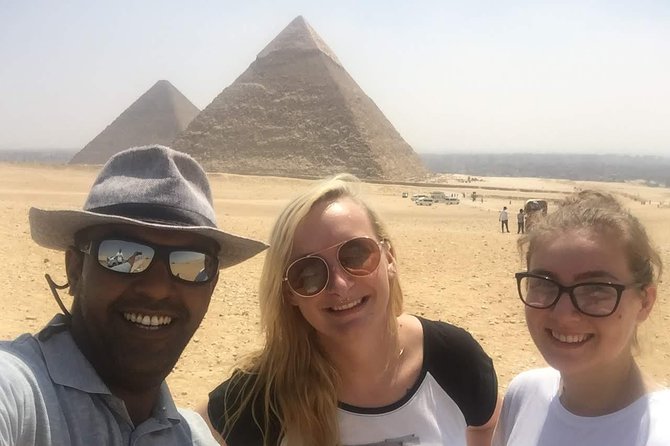
The price is $28.00 per person, with a tour duration of about 3 hours. That is a modest cost for a guide-led walk that includes both a qualified Egyptologist guide and a professional photographer guide approach.
But remember the big financial catch: entrance fees are not included. So the real total is $28 plus whatever you pay for the Giza pyramids area admission. If you only compare the sticker price, you may underestimate your full spend.
Why the guide component can be worth it
In places like Giza, paying for a good guide often saves you time and avoids dead ends. Here, you are paying for two things that are hard to self-manage on the spot:
- Clear explanations that keep the monuments from turning into a blur
- Practical instructions for photography angles, so you leave with images you actually like
If you enjoy learning while you look, and you care about getting good photos without wandering randomly, this tour has strong value.
Group size, energy, and how not to feel rushed
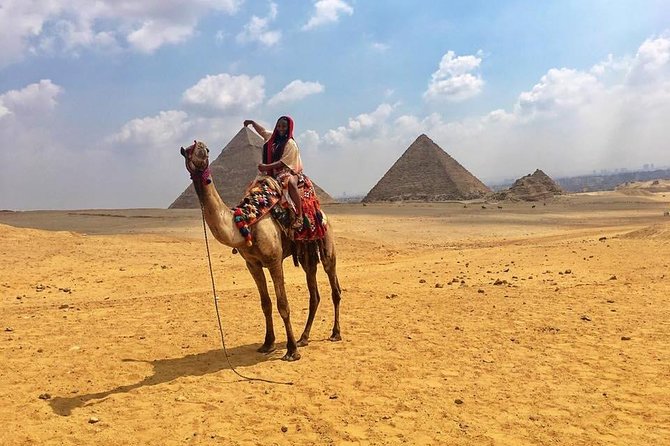
The group cap is 20 travelers, and that is a big deal at Giza. Smaller groups move better, ask more questions, and do not feel like you are stuck behind the tallest person in line.
The guide’s energy is another factor. Guests highlight Sherif Abd Elhameed’s passion and vibrant delivery, which is exactly what you want on a short tour. If you are tired or easily distracted, a high-energy guide can help you stay oriented. If you prefer a quiet pace, the photos and explanations still give you structure without forcing you to sprint.
A practical comfort tip: plan your day around this morning start. Do not schedule something too demanding right after, since you will be walking and standing for long views. Bring sunglasses, and keep your water situation in mind. The tour does not list snacks as included.
Who this tour is best for
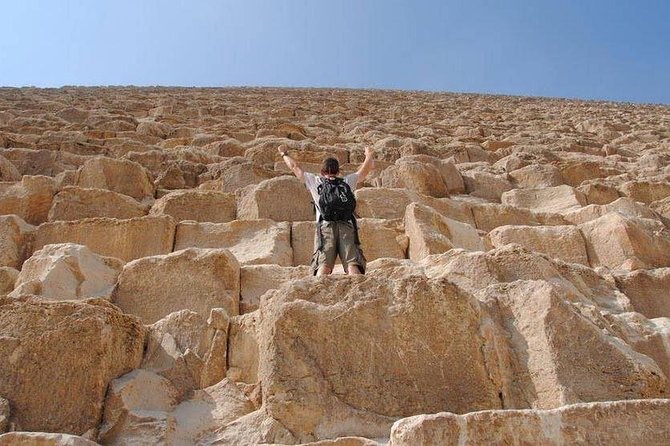
This experience fits best if you are:
- Visiting Giza for the first time and want the main sights covered in one walk
- Interested in learning the story behind Cheops, Chephren, and Mykerinos
- Photo-minded and want help with angles, not just instructions to look at the monument
- Traveling with a mix of interests, where history people and photo people can both stay happy
It also says most travelers can participate, which is encouraging. Still, if you have mobility limits, you should consider that you are walking between major outdoor sites, including areas with uneven surfaces.
What to bring, so the 3 hours feel easy
You are walking between key spots, so pack like you will be on your feet. Since snacks are not included, think about whether you need a quick bite later in the morning, especially if you arrive hungry.
At minimum, I would plan for:
- Comfortable walking shoes
- Sun protection (hat, sunglasses, sunscreen)
- A charged camera or phone, because the guide will be directing you to specific angles
If you are sensitive to heat, the 8:00 am start is your friend. Just do not try to “power through” without breaks when you need them.
FAQ
FAQ
How much does the Giza Pyramids and The Sphinx Walking Tour cost?
It costs $28.00 per person.
How long is the tour?
The tour lasts about 3 hours.
What is included in the tour price?
You get a professional photographer guide, a qualified Egyptologist guide, and a walking tour.
Are entrance fees to the Giza pyramids area included?
No. Entrance fees are not included.
Where does the tour start?
The tour starts at the Giza Pyramids Ticket office (X4GR+589, Al Haram, Giza Governorate 3512201, Egypt).
What time does the tour start?
It starts at 8:00 am.
How big are the groups?
The tour has a maximum of 20 travelers.
Are snacks included?
No. Snacks are not included.
Is it suitable for most travelers?
Yes, it says most travelers can participate.
What is the cancellation policy?
Free cancellation is available. You can cancel up to 24 hours in advance for a full refund.
Should you book this Giza Pyramids and Sphinx walking tour?
If you want a short, focused Giza experience that blends Egyptology with real photo guidance, I think this is a strong choice. The small group size helps the tour feel personal, and Sherif Abd Elhameed’s mix of history and photography-focused attention is exactly what you want when you have limited time.
The only reason I would hesitate is if you have a strict budget that cannot handle entrance fees on top of the $28 price. If you can plan for that, this tour is a smart way to see the pyramids, connect them to the Valley Temple story of King Chephren, and get the Sphinx right in your photos without wasting your morning wandering.
Giza, A Few More Ways In



More of Giza from our review pile
- Sakkara, Memphis & Dahshur Tour
★ 5.0 · 26 reviews - Private Day to Giza Pyramids, Egyptian Museum and camel sunset
★ 5.0 · 26 reviews - Pyramid Duo Rooftop Capturing Elegance from the Rooftop
★ 5.0 · 26 reviews - Half Day Giza Pyramids and Sphinx
★ 5.0 · 26 reviews - Private Tour Giza Pyramids Wonders All inclusive
★ 5.0 · 26 reviews - Giza Pyramids, Sphinx & inside the Great Pyramid of Khufu
★ 5.0 · 27 reviews
Giza Pyramids & Sphinx Tours, compared.
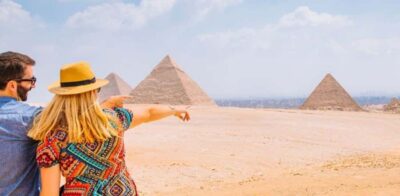 ★ 4.9Pyramids & Great Sphinx Private Tour with Camel RideFrom $486,335 reviews
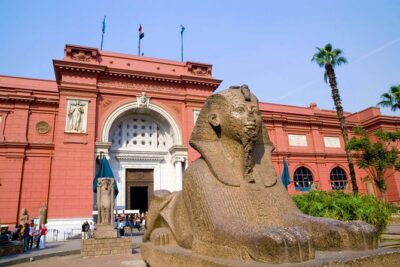 ★ 5.0Tour to Giza Pyramids and The Egyptian MuseumFrom $1556,016 reviews
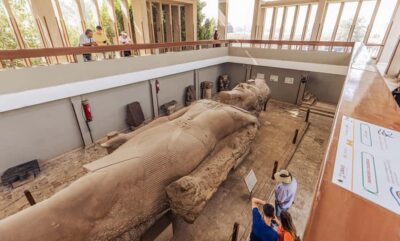 ★ 4.7Pyramids of Giza, Sphinx, Saqqara & Memphis TourFrom $903,110 reviews
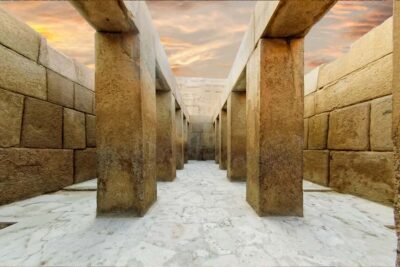 ★ 4.6Half-Day Tour to Pyramids of Giza and the SphinxFrom $502,891 reviews
 ★ 4.6Pyramids, Sakkara & Memphis Tour with LunchFrom $602,493 reviews
 ★ 5.0Private ViP all-inclusive Giza Pyramids,Sphinx,Inside PyramidFrom $142,448 reviews
 ★ 4.7Grand Egyptian Museum, Pyramids, Sphinx Tour & LunchFrom $892,282 reviews
 ★ 4.7Cairo Pyramids, Sphinx & Egyptian Museum Day TripFrom $932,271 reviews
The lists this one sits on