
REVIEW · GIZA PYRAMIDS & SPHINX TOURS
Full-DayTour to Sakkarh,Memphis and Gizah Pyramids
Early mornings, giant monuments, great guiding. This private full-day route links Giza and Saqqara with a personal Egyptologist who keeps the day moving and helps you spot details instead of getting swallowed by Cairo traffic and pushy sales talk. Two things I really like: you get round-trip transfers handled for you, and you also get a guide who can steer you through the sites in a way that feels calm and intentional.
There is one trade-off to plan for. It is a long day, roughly 8 to 10 hours, and lunch is not included (you’ll stop for it, but you pay). If you want a relaxed pace with lots of time to wander slowly, you may feel a bit rushed.
If you care about the why behind the stones, this itinerary is a strong choice. You’ll stand at the Pyramids of Cheops, Chephren, and Mykerinus, then shift to Saqqara’s older necropolis world, and finish in Memphis with a famous reminder of Ramses II. And from what I’ve seen in MyEgyTours guide reports like Hend, Mohamed, Ahmed, Sayed, Taher, Magdy, Hossam, and Mostafa, the vibe tends to be patient, friendly, and explanation-first, not just standing in a ticket line.
In This Review
- Key Highlights That Make This Tour Worth Your Day
- Private Day From 7:30am: How the Giza to Saqqara Route Feels
- Giza Pyramids, Sphinx, and Valley Temple: What You’re Really Looking At
- Lunch Stop Between Giza and Saqqara: Keep Your Energy Steady
- Saqqara’s Mastabas and King TiTi Pyramid Interior: The Old Kingdom Vibe
- Memphis and Ramses II’s Fallen Statue: Why the Journey Doesn’t End at Giza
- Price and Inclusions: What $80 Buys You (and What It Doesn’t)
- Guide Style and Small Comfort Wins That Matter More Than You Think
- Who This Tour Fits Best (and Who Might Want a Different Plan)
- Should You Book This Private Full-Day Giza, Saqqara, and Memphis Tour?
- FAQ
- What locations does this tour include?
- How long is the tour?
- What time does the tour start?
- Is pickup offered, and where do we meet?
- Is this tour private?
- Are admission tickets included?
- Is lunch included in the price?
- What’s included besides the guide?
- Do I need to tip?
- Can I cancel and get a full refund?
Key Highlights That Make This Tour Worth Your Day
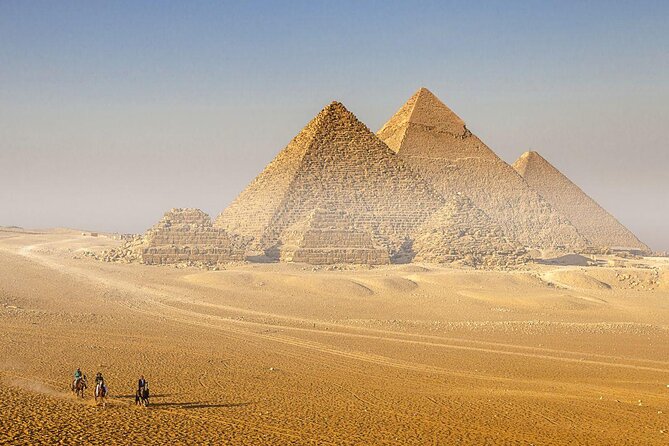
- Giza, Sphinx, and Valley Temple in one morning, with a guide to help you read what you’re seeing
- Private Egyptologist-led pacing, including help discouraging pushy vendor attention
- Saqqara Mastabas plus an interior pyramid visit, including the Pyramid of King TiTi
- Memphis stop includes Ramses II’s fallen statue, a reminder that dynasties rose and fell here
- Air-conditioned minivan with bottled water, so the comfort stays decent through the full route
- Early start from Cairo (7:30 am), which helps you beat some of the worst crowds during key photo windows
Ways onto the Giza plateau, compared
- Cairo: Pyramids & Great Sphinx Private Tour with Camel Ride★ 4.9 · 6,335 reviews
- Tour to Giza Pyramids and The Egyptian Museum★ 5.0 · 6,016 reviews
- VIP All inclusive Best of the best Giza Pyramids,Sakkara,Memphis★ 5.0 · 3,164 reviews
- From Cairo: Pyramids of Giza, Sphinx, Saqqara & Memphis Tour★ 4.7 · 3,110 reviews
Private Day From 7:30am: How the Giza to Saqqara Route Feels
This tour is designed to remove the daily headaches of Cairo logistics. You start at 7:30 am, and the day is built around going to major sites in a sensible order, so you’re not crisscrossing the city all day with public transport.
Because it’s private, your Egyptologist can adjust the pace. If you’re the type who wants to linger at the Sphinx, you can usually do that for a few minutes. If your group is more photo-focused and wants shorter explanations, the guide can tighten the stops. That flexibility is one of the best reasons to book a private format instead of a big group bus.
The transfers matter too. The tour includes transport by air-conditioned minivan, and you get bottled water. Even if you love history, the pyramids and necropolises can be emotionally overwhelming. Having a smooth ride and someone handling directions means you stay mentally fresh for what you came to see.
One more thing to note, because it affects your comfort. You’ll have an early pickup option, and the tour is long. Plan your morning like a pro: comfy shoes, sun protection, and a plan for hydration and snacks. Since lunch is not included, you might want cash ready for your meal stop or a small extra snack if you get hungry between sites.
Giza Pyramids, Sphinx, and Valley Temple: What You’re Really Looking At
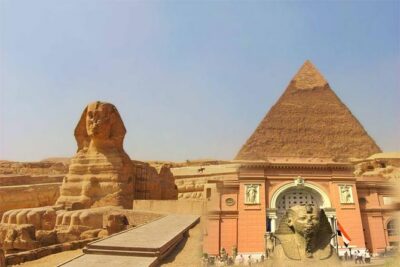
Your first big stretch is the Pyramids of Giza plus the Great Sphinx and the Valley Temple. The route includes the Pyramids of Cheops, Chephren, and Mykerinus. These aren’t random stops. They’re a mini timeline of how powerful royal building programs looked in Old Kingdom Egypt.
Here’s how I’d frame the day once you arrive. Think less about trying to photograph everything and more about learning what each monument is trying to communicate.
- Cheops (Khufu) Pyramid is often the one people imagine first. Seeing it in person is a reality check, because the scale becomes hard to comprehend.
- Chephren Pyramid helps you compare proportions and placement, especially as you shift your viewpoint around the area.
- Mykerinus Pyramid gives you another angle on royal ambition, since it’s part of the same complex but feels different in size and presence.
Then you move to the Great Sphinx, which dates from the time of Chephren. The Sphinx is not just a statue you look at from the front. It’s a landmark that helps you understand the whole layout of Giza as a planned royal landscape.
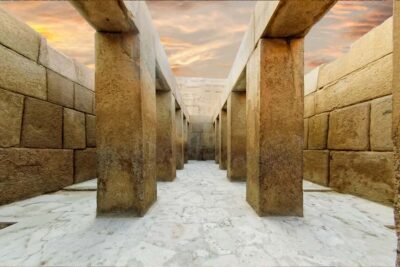
Next comes the Valley Temple. This is where the day gets more than just wow-factor. A temple in this setting is tied to ritual movement and royal symbolism, so having your guide explain what you’re seeing makes the stop feel meaningful rather than just architectural scenery.
One practical advantage of a private guide here: you’re less likely to get distracted. Cairo site areas can attract persistent attention. Your Egyptologist is there to guide you, explain what’s important, and help reduce vendor-pressure so you can focus on the monuments.
Lunch Stop Between Giza and Saqqara: Keep Your Energy Steady
You’ll stop for lunch at a local restaurant in Cairo during the day. Lunch is listed as not included, so you should expect to pay for your meal.
For me, the lunch break is part of why the tour works. It gives you time to reset before you head to Saqqara, which has a different feel than Giza. Giza is huge, iconic, and very exposed. Saqqara tends to feel more atmospheric, with tombs and burial structures that encourage slower looking.
Here’s a good strategy: eat something simple, not overly heavy. You’ll be walking and climbing some areas at the necropolis. If you tend to get sluggish after lunch, go lighter. And if you can, bring a small amount of cash for a drink or snack, just in case your meal choices take longer than expected.
Saqqara’s Mastabas and King TiTi Pyramid Interior: The Old Kingdom Vibe
After lunch, you shift to Saqqara, one of Egypt’s key necropolises. The big theme here is burial, memory, and how royal and elite power expressed itself through stone.
Your visit includes Mastabas and an interior stop at a pyramid linked to King TiTi. That inside visit is one of the strongest “worth it” parts of the itinerary, because seeing burial design from the outside is only half the story. Inside spaces can change how you understand the monument, especially once a guide explains what the interior represents and how it fits into the broader burial layout.
Mastabas are not as famous as pyramids, but they’re essential. They help you see Saqqara as a living system of tomb culture, not just one attraction you check off. The guide’s interpretation matters here. Without context, it’s easy to see a series of shapes and miss what makes them meaningful.
The King TiTi pyramid interior stop is where you get the chance to experience something more intimate than open-sky sightseeing. Since this stop includes an admission ticket, you’re not just wandering around. You’re getting access that’s specifically part of the structured plan.
As a practical note, interior spaces can feel cooler or tighter than you expect. Wear clothes you’re comfortable moving in, and expect a bit of uneven ground outside. The guide will help you navigate the flow, but you’ll still be responsible for your own footing.
Necropolis stops south of the city
Memphis and Ramses II’s Fallen Statue: Why the Journey Doesn’t End at Giza
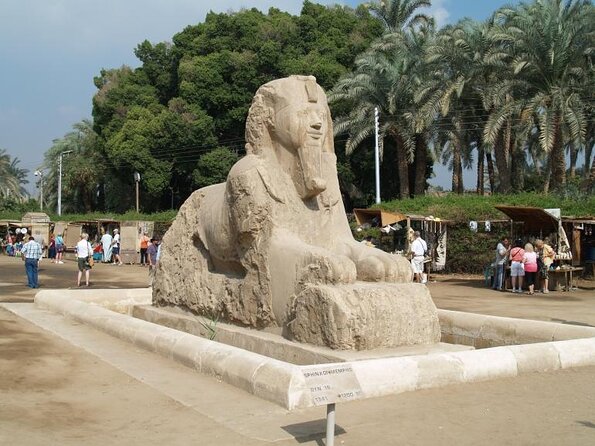
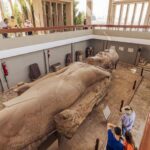
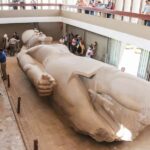
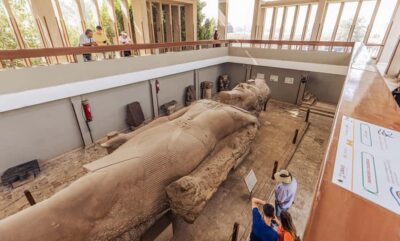
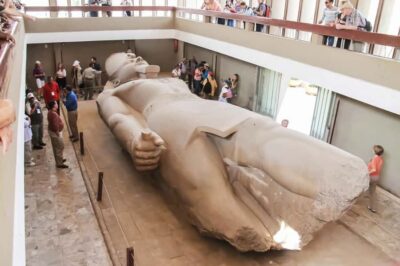
The last major stop is Memphis, a place connected to kingship and the political center of different eras. Here you’ll see its fallen statue of Ramses II.
This ending matters because it stops the day from feeling like a pure “pyramids only” story. Giza and Saqqara tell you a lot about burial and the monumental mindset. Memphis adds the human side of rule, power, and legacy.
A fallen statue is also a good reminder that history isn’t frozen in perfect condition. You’re looking at something that has survived time, shifting contexts, and physical change. When your guide explains where it fits, the statue becomes more than a photo opportunity.
By the time you reach Memphis, the day’s energy has a different rhythm. You’ve already spent hours with pyramids and tombs. So your guide’s pacing can help you finish with understanding, not just fatigue.
Price and Inclusions: What $80 Buys You (and What It Doesn’t)
At $80 per person, this tour is priced like a value move for a full-day, private format that includes major site time and guided explanations.
What you get for that price:
- Private tour
- Professional guide (Egyptologist style guidance)
- Transport by air-conditioned minivan
- Bottled water
- Local taxes
- All fees and taxes
- Admission ticket is included as part of the day
What you’ll likely still cover:
- Lunch (not included)
- Tipping (not included)
So here’s the honest value calculation. If you tried to DIY this route with your own driver, site tickets, and a guide who can explain what you’re seeing, the cost would usually jump fast. This format also saves you time and mental energy, especially because transfers are handled and you don’t need to manage routing across Cairo and the Giza-Saqqara-Memphis corridor on your own.
The only downside is the normal “private day” trade-off. You’re paying to keep the day structured, and it will still be a full schedule. If you want lots of unplanned wandering, you may find the plan is doing its job a bit too well.
Guide Style and Small Comfort Wins That Matter More Than You Think
This is a private tour, and the guide quality is a big part of the experience. Your Egyptologist is specifically described as someone who explains history and also helps deter pushy vendors. That matters because at famous sites, interruptions can steal time and mood.
From the MyEgyTours guide names that show up in prior experiences, the pattern tends to be friendly and patient: names like Hend, Mohamed, Ahmed, Sayed, Taher, Magdy, Hossam, Nageb, Taha, and Mostafa come up with compliments tied to how the tour felt and how questions were handled. I can’t promise which guide you’ll get. But if you end up with a guide in that same communication style, you’ll likely enjoy the day more, because you’ll understand what matters instead of just ticking off monuments.
Driver comfort also comes up in general feedback, with people praising the vehicle and the driver’s helpful attitude. Even though this review is about the tour, not just the ride, that matters because you’ll spend real time sitting and waiting between sites.
If you want the best day possible, do two things:
- Bring your questions. Ask what the guide thinks you should notice at each site, not just facts.
- Be clear about your pace. If you want extra time at Giza or extra time in the interior portion at Saqqara, say so early.
Who This Tour Fits Best (and Who Might Want a Different Plan)
This tour fits best if you:
- Want one day to cover Giza, Saqqara, and Memphis
- Like guided context and want someone to translate the stonework into meaning
- Prefer a private format over big buses
- Appreciate less hassle, especially with transfers handled from Cairo
You might reconsider if you:
- Hate long days or you need frequent breaks
- Want an ultra-loose schedule with lots of downtime
- Expect lunch to be included, since your meal stop is on you
It’s also good to know that the tour says most travelers can participate. That’s helpful, but it still remains a full day with walking. If mobility is a concern, you’ll want to think through the amount of time you can comfortably spend at each site.
Should You Book This Private Full-Day Giza, Saqqara, and Memphis Tour?
If your priority is seeing Cairo’s most famous ancient sites in a single organized day, I’d say yes, book it. The value is strong because you’re paying for more than entry tickets. You’re paying for the structure, the private Egyptologist guidance, and the transfers that prevent the day from turning into a navigation problem.
The real win is how the day is layered. Giza gives you the iconic monuments. Saqqara adds the necropolis depth and includes an interior pyramid visit connected to King TiTi. Memphis closes the story with a reminder that dynasties and rulers shaped the landscape long after the pyramids.
Just go in with realistic expectations. It’s early, it’s long, and lunch is not included. If you plan for that, you’ll end up with a full, memorable arc rather than a scattered list of places.
FAQ
What locations does this tour include?
You’ll visit the Pyramids of Giza (including Cheops, Chephren, and Mykerinus), the Great Sphinx and Valley Temple, then go to Saqqara to see Mastabas and enter a Pyramid of King TiTi, and finish in Memphis with Ramses II’s fallen statue.
How long is the tour?
The duration is listed as 8 to 10 hours (approximately).
What time does the tour start?
The start time is 7:30 am, with early pickup.
Is pickup offered, and where do we meet?
Meeting points are listed around El-Tahrir Square, Qasr Ad Dobarah, and Qasr El Nil. The tour also states that a representative Egyptologist will meet and assist you in any location in Cairo, and the tour ends back at the meeting point.
Is this tour private?
Yes. It is described as a private tour/activity, with only your group participating.
Are admission tickets included?
The tour includes admission ticket included as part of the experience.
Is lunch included in the price?
No. Lunch is not included. The itinerary includes a lunch stop at a local restaurant, but you will need to pay for it.
What’s included besides the guide?
Included items are transport by air-conditioned minivan, bottled water, local taxes, and all fees and taxes.
Do I need to tip?
Tipping is not included.
Can I cancel and get a full refund?
Yes. You can cancel up to 24 hours in advance for a full refund. If you cancel less than 24 hours before the start time, the amount paid is not refunded.
South to Saqqara and Dahshur
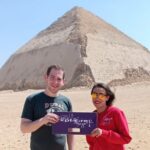

Giza, A Few More Ways In


More of Cairo from our review pile
- Cairo Layover Tour to Giza Pyramids Egyptian Museum and Khan Khalili Bazaar
★ 5.0 · 25 reviews - Private Luxor Day tour from Cairo by Flight
★ 5.0 · 25 reviews - Private full day tour to Giza Pyramids, Sphinx, Sakkara and Dahshour with guided
★ 5.0 · 25 reviews - Nile Dinner Cruise in Cairo With Belly Dancing and Transfer
★ 5.0 · 25 reviews - Private Giza Pyramids,Sphinx,camel,lunch, 2 tombs,Great Pyramid
★ 5.0 · 25 reviews - All inclusive Giza Pyramids ,Sphinx ,Lunch ,Camel&Inside pyramid
★ 5.0 · 25 reviews
Giza Pyramids & Sphinx Tours, compared.
 ★ 4.9Pyramids & Great Sphinx Private Tour with Camel RideFrom $486,335 reviews
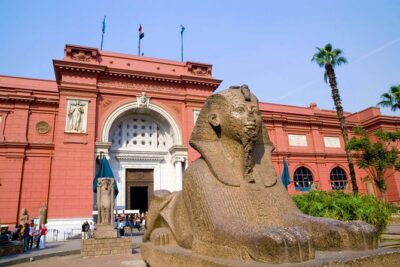 ★ 5.0Tour to Giza Pyramids and The Egyptian MuseumFrom $1556,016 reviews
 ★ 4.7Pyramids of Giza, Sphinx, Saqqara & Memphis TourFrom $903,110 reviews
 ★ 4.6Half-Day Tour to Pyramids of Giza and the SphinxFrom $502,891 reviews
 ★ 4.6Pyramids, Sakkara & Memphis Tour with LunchFrom $602,493 reviews
 ★ 5.0Private ViP all-inclusive Giza Pyramids,Sphinx,Inside PyramidFrom $142,448 reviews
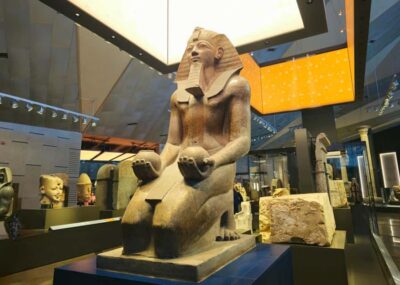 ★ 4.7Grand Egyptian Museum, Pyramids, Sphinx Tour & LunchFrom $892,282 reviews
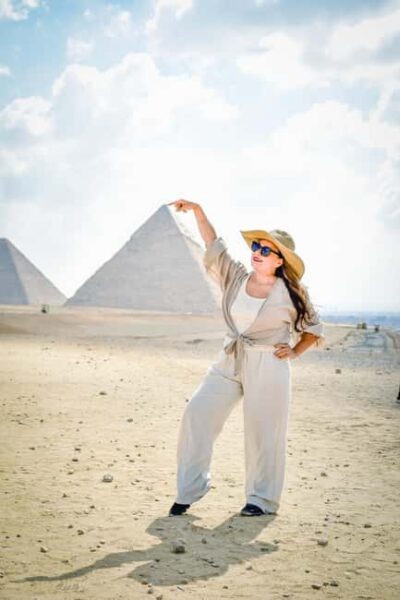 ★ 4.7Cairo Pyramids, Sphinx & Egyptian Museum Day TripFrom $932,271 reviews
The lists this one sits on