
REVIEW · GIZA PYRAMIDS & SPHINX TOURS
Full-Day Tour to Giza Pyramids, Memphis, and Sakkara
Pyramids, steppe tombs, and a city of giants. This private day trip strings together Giza icons, Saqqara funerary art, and Memphis in about eight hours, with an Egyptologist who makes sense of what you’re seeing, plus an included koshari lunch that keeps you going through the heat.
The main thing to plan for: the schedule includes shopping stops (papyrus, perfume and cotton, rugs) and government souvenir stops. If you want a pure monuments-only day, you’ll need to set boundaries early and stick to your priorities.
In This Review
- Key things I’d circle before you go
- Price and logistics: what $45 really buys you
- Private pickup, air-conditioned comfort, and a mobile ticket
- Giza Plateau: Great Pyramids plus Valley Temple and the Sphinx
- Khufu, Khafre, and Menkaure: short pyramid stops that still matter
- The Great Sphinx: a quick stop with big photo energy
- Memphis City in an hour: Ramses II and the Alabaster Sphinx
- Saqqara’s Step Pyramid of Zoser: the evolution you can actually see
- Unas, Teti, and Ti: more variety than you expect in Saqqara
- Shopping stops and souvenir pressure: keep your day on track
- Camel rides, hustlers, and how guides help you handle it
- Egyptologist guide quality varies, so use your voice
- What’s included, what’s not, and the smartest way to plan entrances
- Is this the right tour for you?
- Should you book this Giza, Memphis and Saqqara private day trip?
- FAQ
- What time does the tour start?
- How long is the full-day tour?
- Is this tour private?
- Is hotel pickup and drop-off included?
- What’s included in the tour price?
- Are entrance fees fully covered for the pyramids?
- What lunch do I get?
- Are there any extra stops during the day?
- Can the itinerary be customized?
- Is free cancellation available?
Key things I’d circle before you go
- Private guide and private pace, with room to tailor the itinerary to your interests
- Giza Plateau highlights in one run: Great Pyramids, Valley Temple area, and the Sphinx area
- Saqqara goes beyond the Step Pyramid, including Unas (Pyramid Texts) and more
- Memphis in a focused hour, featuring the Ramses II colossus and the Alabaster Sphinx
- Practical value bundle: lunch (koshari), snacks, bottled water, and entrance fees for basic areas
- Shopping and artisan stops are part of the day, so you should expect them and manage them
Ways onto the Giza plateau, compared
- Cairo: Pyramids & Great Sphinx Private Tour with Camel Ride★ 4.9 · 6,335 reviews
- Tour to Giza Pyramids and The Egyptian Museum★ 5.0 · 6,016 reviews
- VIP All inclusive Best of the best Giza Pyramids,Sakkara,Memphis★ 5.0 · 3,164 reviews
- From Cairo: Pyramids of Giza, Sphinx, Saqqara & Memphis Tour★ 4.7 · 3,110 reviews
Price and logistics: what $45 really buys you
At $45 per person for an 8-hour private day trip with hotel pickup, an Egyptologist guide, lunch, and entrance fees for basic areas, this is one of the more cost-friendly ways to cover three heavyweight sites from Cairo. The key word is private. You’re not stuck waiting on a big group or losing time to other people’s preferences.
That said, eight hours in Cairo is not “slow travel.” You’ll be moving between sites, stepping in and out of crowds, and spending shorter chunks at each monument. If you want long, quiet contemplation, you may feel nudged along. One traveler-style note that matters: extra pyramid access (inside or onto certain viewing areas) is not automatically covered unless you choose add-ons, so you’ll want to decide ahead of time what you want beyond surface viewing.
Private pickup, air-conditioned comfort, and a mobile ticket
This tour is built around hotel pickup and drop-off, which saves you from the Cairo transportation headache. You also get air-conditioned transport, plus bottled water during the day. It’s a small thing until you’re standing in the sun near limestone monuments, then you’ll be glad you don’t have to track your own hydration.
You’ll also use a mobile ticket, which is convenient if you don’t want to juggle paper. The tour is private, meaning it’s just your group. That matters most when you want your guide to keep conversations tight, answer questions fast, or adjust the timing when the heat or crowds get annoying.
Giza Plateau: Great Pyramids plus Valley Temple and the Sphinx
Your big-ticket morning is the Giza Plateau circuit, including the Great Pyramids area and the Valley Temple area tied to the mummification process. You’re set up to see the pyramids of Cheops (Khufu), Chephren (Khafre), and Mykerinos (Menkaure), plus the Sphinx and the Valley Temple area.
Here’s what makes this stop work for first-timers: you’re not just looking at one pyramid in isolation. You get the “funeral complex” idea, the scale of the plateau, and the way the Sphinx sits at the edge of the whole story. Your guide should connect what you’re seeing to who ruled when. For example, the Sphinx is dated to the reign of Khafre, and later rulers added temple elements tied to worship.
Time-wise, you’re given about three hours for this chunk. That’s enough for the classic photos, plus a real walk around the main vantage points without feeling like you’re sprinting the whole plateau.
Practical caution: expect pressure from people near the pyramids who try to sell rides or upsells. The tour value improves a lot when you use your guide to handle these moments calmly, rather than you negotiating on the spot.
Khufu, Khafre, and Menkaure: short pyramid stops that still matter
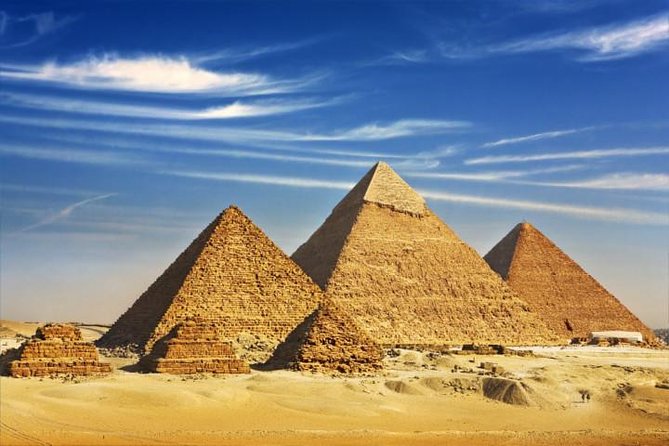
After the plateau overview, the schedule carves out quick time blocks for each pyramid complex:
- Khufu (Great Pyramid of Cheops) for about 30 minutes
- Khafre’s Pyramid for about 30 minutes
- Menkaure’s Pyramid for about 30 minutes
These are not “tour inside the pyramid” times by default. Your entrance fees cover basic area, and the optional pyramid entry choices are separate. So what you’re really doing here is focusing on exterior experience, key points, and the visuals that let you understand the whole Giza layout.
If you choose any interior access, know that some access routes can be tight and hot. One common complaint is that there are areas that feel cramped, with long low tunnels and little to no ventilation. If that would make you uncomfortable, plan to stick to exterior viewing and use your time for photos, orientation, and explanations at the open-air points.
Necropolis stops south of the city
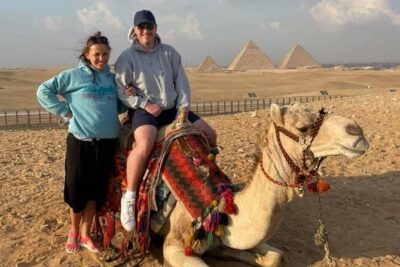
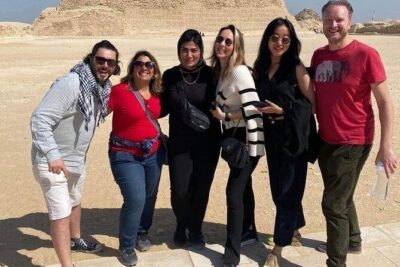
The Great Sphinx: a quick stop with big photo energy
You’ll get a dedicated block for the Great Sphinx area, about 30 minutes. The Sphinx is dated to Khafre’s reign, and later temple structures were dedicated and expanded in subsequent periods. Your guide’s job here is to help you see it not as a single statue, but as part of the broader sacred landscape.
This is the moment for your close-up looks and “how on earth did they do that” reactions. But also, it’s a moment where you’ll likely be surrounded by other people trying to frame the same angle. If you care about photos, use your guide to identify the best times for fewer interruptions, and don’t spend too long trying to force the perfect picture. You can always take a clean series of photos from slightly different points.
Memphis City in an hour: Ramses II and the Alabaster Sphinx
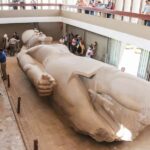
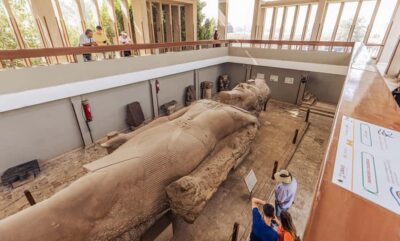
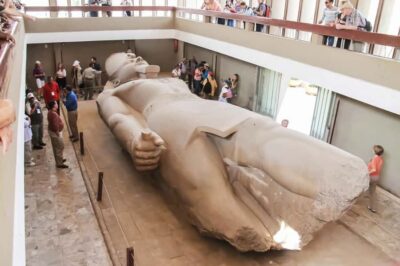
Then you shift to Memphis, the ancient capital area associated with long stretches of Egyptian history. You’re given about one hour here, including key highlights like a colossal statue of Ramses II and the Alabaster Sphinx.
This stop works because Memphis is different from the pyramid drama. It’s about scale in another way, big monuments, museum-like ruins, and the feeling of standing in older urban Egypt instead of an isolated necropolis.
You’re also told Memphis dates back to around 3100 B.C. That helps you place it in context: this isn’t just a site you pass. It’s a reminder that Egyptian power wasn’t only built for tombs, it also filled cities.
Saqqara’s Step Pyramid of Zoser: the evolution you can actually see
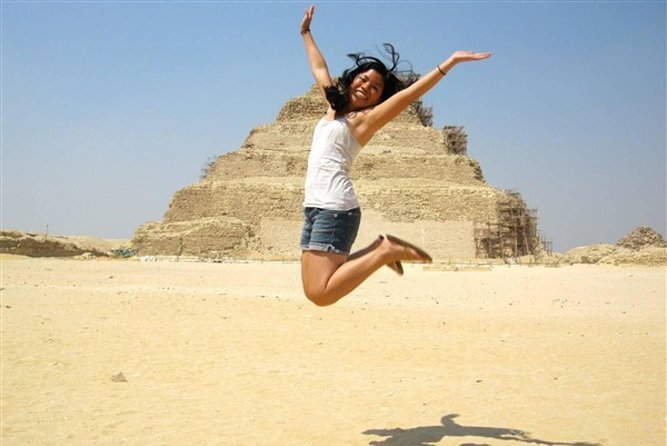
In the afternoon, you head to Saqqara (Sakkara), about 27 km southwest of Cairo. The highlight is the Step Pyramid of Zoser, scheduled for about one hour.
Why this matters: the Step Pyramid is often the easiest Saqqara site to understand quickly. You’re looking at a major step in how pyramid building evolved from earlier forms. Standing there, you can connect the “why” behind Egypt’s shift toward more complex pyramid shapes, instead of treating pyramids as random giant triangles.
Your guide can also set the tone by explaining what Zoser’s complex represents and how Saqqara became a long-running burial and ritual zone.
If you love explanations, this is one of the best spots for it. It’s large enough to feel meaningful, but structured enough that your guide can point out what you should look for without you feeling lost.
Unas, Teti, and Ti: more variety than you expect in Saqqara
The best part of Saqqara on this tour is that it’s not just the Step Pyramid. You’re scheduled for several additional monuments:
- Pyramid of Unas for about 30 minutes
- Pyramid of Teti for about 15 minutes
- Mastaba of Ti for about 15 minutes
Unas is important because it’s a smooth-sided pyramid and because of the Pyramid Texts carved into chambers, which are spells for the king’s afterlife. Even if you can’t read the texts in detail, your guide should help you understand why that discovery matters and how it connects to later funerary traditions.
Teti’s pyramid gives you a shorter but still focused look at chambers and corridors. You’ll have less time here, so it’s worth asking your guide what’s most distinctive to notice in that short window.
The Mastaba of Ti adds human-scale detail. You get to see scenes of everyday life painted on tomb walls, plus the structure has two serdabs. Even with limited time, this stop often feels more “human” than the big royal pyramids.
Shopping stops and souvenir pressure: keep your day on track
Your tour includes planned stops for goods and demonstrations, including places like Paradise Perfumes and Flower Cotton, Key of Life Papyrus, and a Handmade Carpets stop. There are also government souvenir stops for finding higher-quality items.
Here’s the real trick: these stops can be interesting if you like crafts and you view them as part of the culture. But they can also steal time and turn into sales pressure.
A practical approach that works:
- Decide what you want to buy, if anything, before you reach the shops.
- Ask your guide to explain quickly, then you move at your pace.
- If you hate shopping, be clear early. Polite clarity beats long debates in the shop doorway.
Some people have felt implicit pressure to buy. You don’t have to play along. Your best move is to let your guide know what you want and what you don’t, while you’re still in the driver’s car and the plan is still flexible.
Camel rides, hustlers, and how guides help you handle it
Near Giza, you’ll run into the classic street-level mix: photo requests, people offering rides, and pushy sales attempts for tips. Your guide’s job is not just facts, it’s also crowd management.
From past experiences tied to this kind of tour format, guides who manage vendors well can make the difference between a relaxed day and a stressful one. You should also expect that camel and horse owners may ask for tips repeatedly. If you do not want rides, keep your response simple and consistent, then move on.
If you do want a camel ride, treat it like an add-on with its own negotiation moments. Ask your guide to handle the details so you don’t get stuck negotiating while people crowd around you.
Egyptologist guide quality varies, so use your voice
One honest travel reality: “Egyptologist guide” is the job title, but the day depends on the individual person. Some guides are praised for patience, humor, and clear explanations. Others have been criticized for an English communication gap or for not following the expected order as planned.
Here’s how you protect yourself:
- Tell your guide what you care about most: pyramids only, or pyramids plus tomb history, or strong photo time.
- Ask questions early, not at the end of the day.
- If language is a barrier, ask for simpler explanations on the spot.
If you get assigned a guide known for comfort and organization, the tour tends to feel smooth and informative. If you don’t, you can still salvage the day by setting expectations early and using the guide to navigate vendors and timing.
What’s included, what’s not, and the smartest way to plan entrances
Included features are a big part of the value:
- Hotel pickup and drop-off
- Private tour with tour guide
- Air-conditioned transport
- Lunch at a local restaurant (koshari)
- Bottled water and complimentary snacks
- Entrance fees
But here’s the line you should not ignore: entrance fees cover basic area only. Any optional entries, like going inside specific pyramids or paying for special viewing access, may cost extra. This is especially relevant because the tour includes multiple pyramid areas, and some people want interior time.
So the smart move is to decide in advance:
- If you want the classic outside views only, you may not need add-ons.
- If you want interior tunnels and stair access, plan for the heat and tight spaces, and decide what level of discomfort you can handle.
Also budget for tipping, since tipping is not included.
Is this the right tour for you?
This tour is a strong fit if you:
- Want a first-time Cairo day trip that covers Giza, Saqqara, and Memphis without you planning logistics
- Like having an expert explain what you’re seeing instead of reading alone
- Want a practical package with lunch, water, and entrance fees bundled in
It may be a poor fit if you:
- Want a slow, contemplative pace at each monument
- Really hate shopping stops and souvenir pressure
- Have mobility concerns that could make tight or hot interior access unpleasant, especially if you add optional pyramid entries
Should you book this Giza, Memphis and Saqqara private day trip?
If you want a “best-of” ancient Egypt day from Cairo, this is an easy yes, especially given the 4.7 rating and high recommendation rate tied to past bookings. The biggest strengths are the private structure, the guidance that helps you make sense of what you’re seeing, and the practical inclusion of koshari lunch, snacks, and bottled water.
Book it with eyes open. You’ll be moving through multiple major sites, and the day includes shopping stops. If you can manage those moments and focus on monuments and explanations, you’ll get a lot of meaning in one packed day.
If you tell me your travel month, your must-see priorities (interiors vs exterior views), and whether you dislike shopping stops, I can help you decide how to structure your day around the heat and time.
FAQ
What time does the tour start?
The tour starts at 8:00 am.
How long is the full-day tour?
The duration is about 8 hours.
Is this tour private?
Yes, it’s a private tour/activity, and only your group participates.
Is hotel pickup and drop-off included?
Yes, hotel pickup and drop-off are included.
What’s included in the tour price?
Included are entrance fees, a private tour with a tour guide, lunch at a local restaurant (koshari), bottled water, and complimentary snacks, plus the hotel pickup and drop-off.
Are entrance fees fully covered for the pyramids?
Entrance fees are included, but they cover basic areas only. Optional pyramid entry choices are not included.
What lunch do I get?
Lunch is included at a local restaurant and it’s koshari.
Are there any extra stops during the day?
Yes. The day includes planned stops such as Paradise Perfumes and Flower Cotton, Key of Life Papyrus, and Handmade Carpets, plus government souvenir stops.
Can the itinerary be customized?
Because it’s private, you can ask your guide to tailor the itinerary around your interests.
Is free cancellation available?
Yes, free cancellation is available. You can cancel up to 24 hours in advance for a full refund. If you cancel less than 24 hours before the start time, the amount paid is not refunded.
South to Saqqara and Dahshur
Giza, A Few More Ways In

More of Cairo from our review pile
- Cairo Layover Tour to Giza Pyramids Egyptian Museum and Khan Khalili Bazaar
★ 5.0 · 25 reviews - Private Luxor Day tour from Cairo by Flight
★ 5.0 · 25 reviews - Private full day tour to Giza Pyramids, Sphinx, Sakkara and Dahshour with guided
★ 5.0 · 25 reviews - Nile Dinner Cruise in Cairo With Belly Dancing and Transfer
★ 5.0 · 25 reviews - Private Giza Pyramids,Sphinx,camel,lunch, 2 tombs,Great Pyramid
★ 5.0 · 25 reviews - All inclusive Giza Pyramids ,Sphinx ,Lunch ,Camel&Inside pyramid
★ 5.0 · 25 reviews
Giza Pyramids & Sphinx Tours, compared.
 ★ 4.9Pyramids & Great Sphinx Private Tour with Camel RideFrom $486,335 reviews
 ★ 5.0Tour to Giza Pyramids and The Egyptian MuseumFrom $1556,016 reviews
 ★ 4.7Pyramids of Giza, Sphinx, Saqqara & Memphis TourFrom $903,110 reviews
 ★ 4.6Half-Day Tour to Pyramids of Giza and the SphinxFrom $502,891 reviews
 ★ 4.6Pyramids, Sakkara & Memphis Tour with LunchFrom $602,493 reviews
 ★ 5.0Private ViP all-inclusive Giza Pyramids,Sphinx,Inside PyramidFrom $142,448 reviews
 ★ 4.7Grand Egyptian Museum, Pyramids, Sphinx Tour & LunchFrom $892,282 reviews
 ★ 4.7Cairo Pyramids, Sphinx & Egyptian Museum Day TripFrom $932,271 reviews
The lists this one sits on