
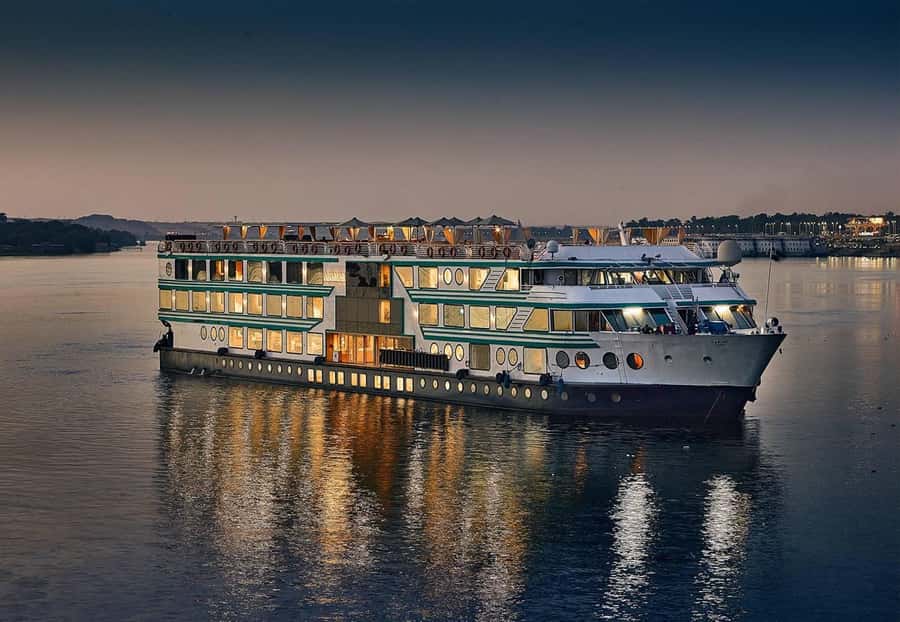
REVIEW · NILE CRUISES BETWEEN LUXOR AND ASWAN
From Cairo by Plane: 5 Days & 4 Nights Nile Cruise to Luxor
Nile mornings feel like time travel. I love the Egyptologist-led temple days, from Karnak to Edfu and Kom Ombo, and I love that the trip strings everything together with flights between Cairo and your cruise. One thing to consider is logistics, since a smooth start depends on clear meeting times and flight info shared ahead of arrival.
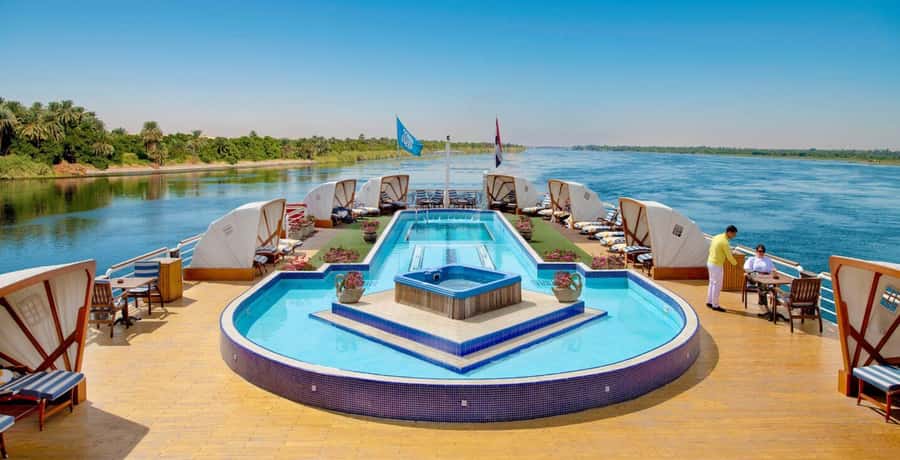
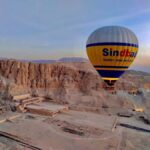
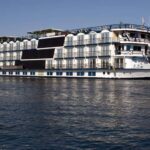
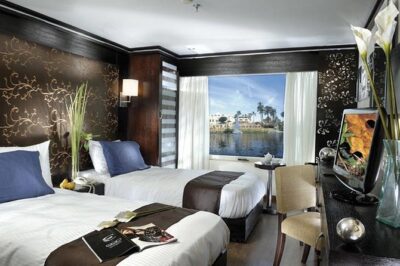
You’ll sleep on a 5-star Nile cruise with onboard meals, then rotate between major sites and river cruising. The package also includes an adventurous hot air balloon ride over Luxor West, which is the kind of experience that makes the whole week feel extra.
In This Review
- Key moments to watch for
- Cairo to Luxor by flight, then a cruise that stays busy
- Day 1 in Luxor East Bank: Karnak Temple and Luxor Temple at prime power
- Day 2 in Luxor West Bank: Valley of the Kings, Hatshepsut, and Memnon statues
- From temples to the Nile current: Esna Lock on Day 2
- Day 3: Edfu Temple and Kom Ombo, two gods and two very different vibes
- Day 4 Aswan: High Dam, Philae Temple by boat, and the Nubian story
- Day 5: disembark, fly back to Cairo, and an Abu Simbel option
- Price and what you actually pay for
- Guides matter, and so does how they communicate
- Practical tips to make your Luxor to Aswan cruise feel smooth
- Should you book this Luxor to Aswan cruise package?
- FAQ
- What is the duration of the cruise?
- Are flights included in the price?
- Is the cruise guided in English?
- Which major sites are included?
- Is the hot air balloon ride included?
- Are entrance fees included?
- Is Abu Simbel included?
Key moments to watch for
- Hot air balloon over Luxor West: an included ride that changes how you see the West Bank.
- Karnak Temple scale: built over about 2,000 years and spread across roughly 63 acres.
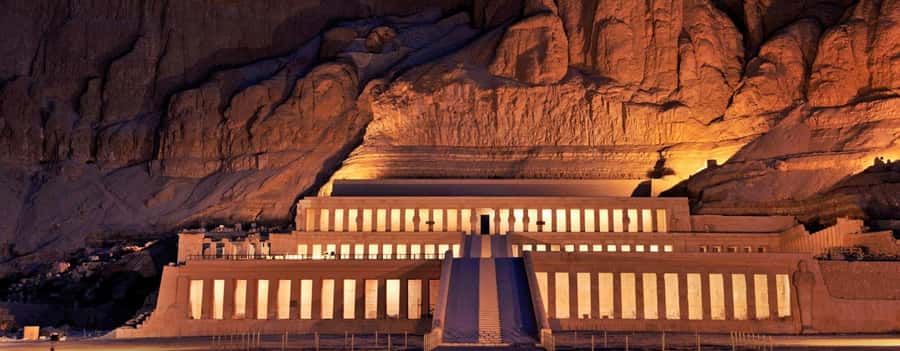
- West Bank focus: Valley of the Kings, Hatshepsut at El Deir El Bahari, plus a Memnon statue photo stop.
- Esna Lock sailing break: a change of pace between temple-heavy days.
- Aswan highlights with context: High Dam, the Nubian immigration story, and Philae Temple by small boat.
- Small group energy: limited to 16 participants, with an English-speaking guide.
More boats sailing the same stretch
- 6 Days Hypnotic Cairo & Nile Cruise Tour Package★ 5.0 · 248 reviews
- Egypt: Private 5-Day Tour, Nile Cruise, Flights & Balloon★ 4.1 · 248 reviews
- Cairo: 6-Day Egypt Tour with Flights and Nile Cruise★ 3.8 · 177 reviews
- Private Tour: 7 Nights Pyramids & Nile Cruise +Flights from Cairo★ 4.5 · 157 reviews
Cairo to Luxor by flight, then a cruise that stays busy
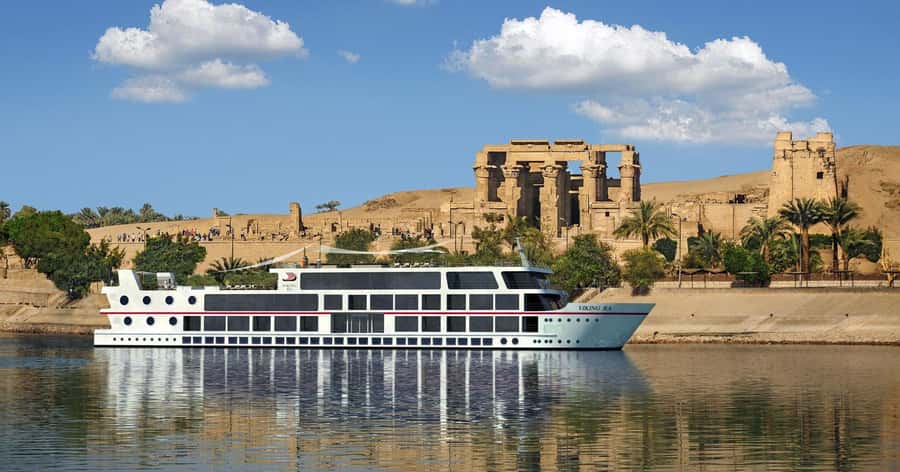
This is one of those trips where the travel day is doing real work. You’re picked up in Cairo, taken to the airport, then flown to Luxor to start your cruise quickly. That means you spend more time in Egypt’s ancient sites and less time losing half-days to long transfers.
A big value point here is that the itinerary is built around a logical route: Luxor East Bank, then Luxor West Bank, then temple stops along the Nile (Edfu, Kom Ombo), and finally Aswan. The ship is moving while you’re doing tours, so you’re not stuck doing the same commute twice.
The main “watch-out” is timing. Some past travelers have described confusion when flight times or meeting plans shifted at the last minute. My practical advice: before you leave Cairo, confirm your exact departure times and your exact pickup location with your operator, in writing if possible, and keep your phone ready to access any WhatsApp messages or ticket photos.
Day 1 in Luxor East Bank: Karnak Temple and Luxor Temple at prime power
Day 1 is all about Luxor East Bank, and it doesn’t waste time. After landing, you’re met and transferred by A/C van to the cruise for check-in, then you have lunch onboard. Later, your guide takes you straight into the heart of Luxor’s temple world.
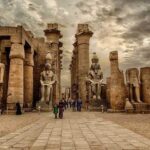
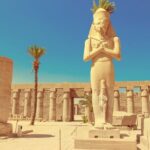
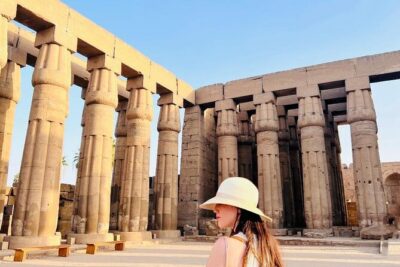
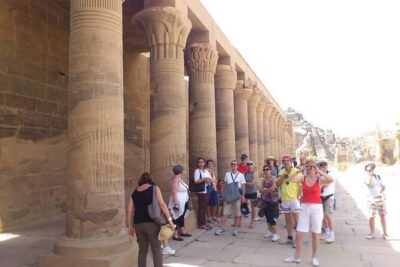
First up is Karnak Temple, described as the largest temple ever, built through about 2,000 years, and covering around 63 acres. That scale matters. Even if you’ve seen photos, it’s hard to absorb Karnak in one go, so you’ll want to focus on big visuals: rows of columns, monumental gateways, and the way the whole site feels like a city of stone rather than a single building.
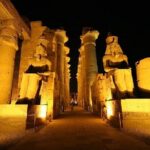
Next comes Luxor Temple, where ancient Egyptian, Christian, and Islamic features are all shown together. You also get to admire the temple’s obelisk and statues. That mix is one of the things I like most about Luxor: it’s not frozen in one time period. It’s layered.
Back onboard, dinner happens on the ship. If you’re arriving already tired from Cairo, take advantage of the fact that Day 1 ends gently, with food and rest waiting for you instead of an evening scramble.
Day 2 in Luxor West Bank: Valley of the Kings, Hatshepsut, and Memnon statues
The West Bank is where Luxor turns quieter, more mountainous, and a lot more dramatic. After breakfast, you’re out on the route to explore the Theban Necropolis.
You start with the Valley of the Kings, where New Kingdom pharaohs carved tombs into the mountains, aiming to hide treasures and protect mummies. Even without diving into specific tomb details, the setting does half the storytelling. The scale of the cliffs and the winding geography makes you feel why people built tombs here.
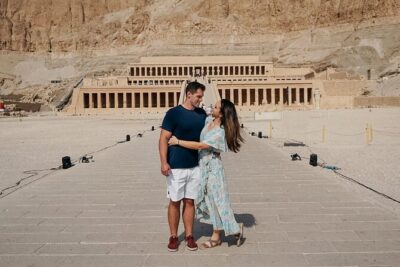
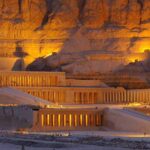
Then you visit the mortuary temple of Queen Hatshepsut at El Deir El Bahari. Hatshepsut’s temple is famous for its terraces and the way it sits into the landscape. If you like architecture that has patience, this is your stop.
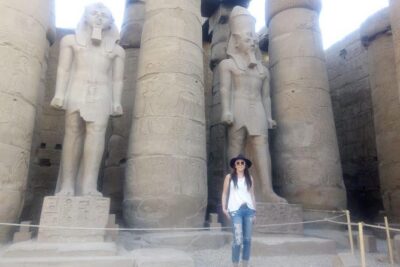
The day ends the West Bank part with a photo stop in front of the gigantic Memnon statues. You’re not there for hours, so treat it like a quick visual reset, then head back toward the cruise.
One detail I appreciate in this plan is timing. You return to the cruise by noon, which gives you a real lunch break. From there, the trip switches gears into sailing.
From temples to the Nile current: Esna Lock on Day 2
Once you’re done with the West Bank, you board the rhythm of the Nile cruise itself. After lunch, the ship sails and crosses Esna Lock.
A lock crossing is a small moment, but it’s exactly the kind of thing people miss when they travel only by road. You watch the water level shift and you get a visual reminder that the Nile is not just scenery, it’s a working route that shaped Egyptian life, trade, and travel for centuries.
This is also a good time to recharge. Day 2 is temple heavy, then suddenly you’re watching the river move. If you like photos, this is when the light can feel softer and the views less “postcard staged.”
More full days up to the capital
Day 3: Edfu Temple and Kom Ombo, two gods and two very different vibes
Day 3 keeps the temple streak going, but the sites feel more varied as you go.
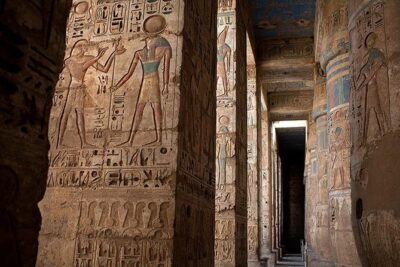
After breakfast, you go to Edfu Temple to see the Temple of Horus. Edfu tends to feel dense with carved detail, and the guided context matters because the symbolism gets easier once someone explains what you’re looking at.
Then you transfer back to the cruise and sail to Kom Ombo. Lunch is onboard, so you’re not hunting for food between stops.
Next is Kom Ombo Temple, shared by two gods: Sobek and Haroeies. This stop can feel different from Edfu because Kom Ombo’s “two-in-one” theme is part of the design. If you pay attention to the way the temple is organized, it helps the whole visit feel like more than just another hall of stone.
By the end of Day 3, you’re back in cruising mode again. That onboard time is practical: you rest, you eat, you reset before Aswan.
Day 4 Aswan: High Dam, Philae Temple by boat, and the Nubian story
Aswan is where your cruise starts feeling bigger and more modern, without losing the ancient focus.
After breakfast, you tour with your guide around Aswan and hear a story about Nubian immigration. Even though the itinerary doesn’t spell out details, the takeaway matters: this isn’t just about monuments. It’s about how people and communities were shaped by changing water and development.
Then you visit the High Dam, achieved in 1960, built to protect Egypt from floods and generate electricity. This is the kind of site that makes you think about Egypt as an active country, not a museum. It also gives you context for why the Nile’s flow and the region’s history can’t be separated.
Next is Philae Temple, dedicated to the goddess Isis. You get there by small motorboat, which is a nice break from land touring. It also helps that Philae is visually distinct once you’re approaching by water. It feels more like a journey than a quick stop.
Later, you’re transferred to the airport for your flight back to Cairo, and you’re met by a driver for your Cairo hotel drop-off. That means Day 4 is both exciting and full, so plan to be flexible with your energy.
Day 5: disembark, fly back to Cairo, and an Abu Simbel option
Day 5 is shorter and less about “new sites, nonstop.” After breakfast, you check out and disembark. Your representative accompanies you to Aswan airport for your flight back to Cairo.
There’s also an optional excursion to Abu Simbel Temple. Since it’s optional, check your schedule and energy level first. It’s the kind of add-on that can make the trip feel like it completes the story, but it can also tip you into overpacked days if you’re not careful.
Price and what you actually pay for
At $1,540 per person for 5 days and 4 nights, you’re paying for more than a cruise bed. You’re also getting flights from Cairo to Luxor and from Aswan back to Cairo, guided visits at all listed sites, onboard meals, and transfers by A/C van.
A quick way to judge value is to look at what’s included:
- 5-star cabin with all facilities
- Egyptology guide in English
- Karnak, Luxor Temple, Valley of the Kings, El Deir El Bahari, Edfu, Kom Ombo, High Dam, Philae Temple
- hot air balloon ride over Luxor West
- horse carriage
- meals: 4 lunches, 4 dinners, 4 breakfasts
- pickup and drop-off by A/C mini bus
What’s not included is important: entrance fees to the sightseeing. So your final “out the door” cost depends on how those entrances add up.
My practical take: this price can feel like good value if you prefer being handled end-to-end, especially with flights already bundled. If you’re the kind of traveler who likes to control every detail and doesn’t mind organizing guides, entrance tickets, and transport yourself, you might spend less by going DIY. But you’ll also spend more time coordinating.
Guides matter, and so does how they communicate
Here’s the honest truth about group tours in Egypt: a guide can turn a day into a story you remember, or a day into a checklist you endure.
The good news is that some guides named like Mahmoud have strong reputations for being professional, informative, fun, and helpful. Another guide, Ahmed Shawky Ali, was described as doing an outstanding job managing things and helping with everything beyond what the role usually requires. When you get someone like that, it’s easier to relax and enjoy the sites because questions get answered and small problems get handled early.
The other side is communication and handoffs. One theme in complaints is that flight changes or meeting time details were not always handled smoothly, with messages sent through WhatsApp without enough time to adjust. I recommend you treat this like a safety practice: confirm meeting times and locations before the day starts, take screenshots of any tickets, and keep one trusted contact number for the local team.
Also keep in mind that this tour is English language and capped at 16 participants. That size is big enough to feel social, but small enough for a guide to keep track of you. If you like asking questions, this setup is usually a win.
Practical tips to make your Luxor to Aswan cruise feel smooth
A few choices make a surprising difference on Nile cruises, especially when you’re juggling temple sites, boat travel, and flights.
Do a “day-start check” every morning. Know your plan for that day: where you meet, what time you go out, and how you’ll get back to the cruise.
Bring a power solution. You’ll use your phone for tickets, maps, and photos. If you rely on your phone for everything, charge fully the night before.
Plan your photo and clothing strategy for temples. Your program includes major temple visits like Karnak, Luxor Temple, Valley of the Kings area touring, Edfu, Kom Ombo, and Philae. I can’t tell you dress rules because they can vary at entrances, but I can tell you this: comfortable layers and covered shoulders usually keep you from feeling rushed.
Treat the balloon as a real highlight day. It’s included, and it’s one of the few experiences here that feels different from “walk, look, listen.” If you get even slightly uneasy about heights, still do it, because the payoff is seeing Luxor from above, with the West Bank spread out below you.
Keep entrance fees separate in your budget. The cruise includes a lot, but entrance fees are not included, so expect some additional spending on arrival or during stops.
Should you book this Luxor to Aswan cruise package?
I’d book it if you want an efficient route that hits the classic Luxor and Aswan highlights, with flights handled, meals included, and guided tours built in. The combination of Karnak, West Bank tomb country, Edfu and Kom Ombo, and Aswan’s High Dam and Philae by boat is a smart “first time Egypt by Nile” package. Plus, the included hot air balloon over Luxor West is the kind of thing you’ll talk about long after the temples fade from your camera roll.
I’d hesitate if you’re extremely sensitive to schedule changes or you can’t easily verify flight and meeting details on short notice. Since the success of logistics seems tied to clear communication, make sure you can access messages and confirm the basics before you go.
If you like Egypt with structure, this trip is worth serious consideration, especially if your guide ends up being someone like Mahmoud or Ahmed Shawky Ali, the kind of professionals who keep the day running and make the meaning land.
FAQ
What is the duration of the cruise?
The package runs for 5 days and 4 nights.
Are flights included in the price?
Yes. Flights are included from Cairo to Luxor, and from Aswan back to Cairo.
Is the cruise guided in English?
Yes. You get a live tour guide in English.
Which major sites are included?
The itinerary includes Karnak Temple, Luxor Temple, the Valley of the Kings, El Deir El Bahari (Hatshepsut), Edfu Temple (Horus), Kom Ombo Temple, High Dam, and Philae Temple.
Is the hot air balloon ride included?
Yes. A hot air balloon ride of Luxor West is included.
Are entrance fees included?
No. Entrance fees to the sightseeing are not included.
Is Abu Simbel included?
Abu Simbel Temple is listed as an optional excursion.
Cairo in a Single Day
Sailing Luxor to Aswan
More of Cairo from our review pile
- Cairo Layover Tour to Giza Pyramids Egyptian Museum and Khan Khalili Bazaar
★ 5.0 · 25 reviews - Private Luxor Day tour from Cairo by Flight
★ 5.0 · 25 reviews - Private full day tour to Giza Pyramids, Sphinx, Sakkara and Dahshour with guided
★ 5.0 · 25 reviews - Nile Dinner Cruise in Cairo With Belly Dancing and Transfer
★ 5.0 · 25 reviews - Private Giza Pyramids,Sphinx,camel,lunch, 2 tombs,Great Pyramid
★ 5.0 · 25 reviews - All inclusive Giza Pyramids ,Sphinx ,Lunch ,Camel&Inside pyramid
★ 5.0 · 25 reviews
Nile Cruises Between Luxor and Aswan, compared.
 ★ 5.04-Days Nile Cruise From Aswan To Luxor including Abu Simbel and Hot Air BalloonFrom $3493,142 reviews
 ★ 4.54-Day 3-Night Nile Cruise from Aswan to Luxor including Abu Simbel, Air BalloonFrom $329612 reviews
 ★ 4.14-Day Nile Cruise from Aswan to Luxor with GuideFrom $830593 reviews
★ 4.54-Days Nile Cruise From Aswan To Luxor including Abu Simbel and Hot Air BalloonFrom $320509 reviews
★ 4.14-Day Nile Cruise from Aswan to Luxor with GuideFrom $830593 reviews
★ 4.54-Days Nile Cruise From Aswan To Luxor including Abu Simbel and Hot Air BalloonFrom $320509 reviews
 ★ 5.04-Day 3-Night Nile Cruise from Aswan to Luxor – Private TourFrom $504369 reviews
★ 4.54 Days Nile Cruise from Aswan to Luxor including Abu Simbel and Hot Air BalloonFrom $329356 reviews
★ 5.04-Day 3-Night Nile Cruise from Aswan to Luxor – Private TourFrom $504369 reviews
★ 4.54 Days Nile Cruise from Aswan to Luxor including Abu Simbel and Hot Air BalloonFrom $329356 reviews
 ★ 5.04-Day 3-Night Nile Cruise from Aswan to Luxor With Balloon and Abu SimbelFrom $311327 reviews
 ★ 5.04-Days Nile Cruise Aswan&Luxor,Hot Air Balloon&Abu Simbel.Hot dealFrom $524322 reviews
The lists this one sits on